

Melasma: Dark Facial Patches and Pigmentation Treatment

Melasma is a non-cancerous pigmentation condition, but it can be long-lasting and may return after improvement. Sunlight, visible light, heat, hormones, pregnancy, certain medicines, and genetic tendency can all contribute to melasma.
Key Takeaways
- Melasma is a non-cancerous pigmentation condition, but it can be long-lasting and may return after improvement.
- Sunlight, visible light, heat, hormones, pregnancy, certain medicines, and genetic tendency can all contribute to melasma.
- Daily broad-spectrum, tinted sunscreen and sun-smart habits are the foundation of every melasma treatment plan.
- Topical medicines, chemical peels, and selected laser or light treatments may help, but they should be chosen carefully to avoid irritation or worsening pigmentation.
- A dermatologist can confirm the diagnosis, identify triggers, and create a safe treatment plan for the person’s skin type, pregnancy status, and medical history.
Melasma is a common form of facial hyperpigmentation that appears as brown or gray-brown patches, often on the cheeks, forehead, nose, upper lip, or chin. Although it is harmless, it can be persistent, and effective care usually combines daily sun protection with dermatologist-guided treatment.
Overview
Melasma is an acquired pigmentation disorder that causes flat, brown to gray-brown patches on the skin. It most often affects the face, especially areas that receive regular sun exposure such as the cheeks, forehead, bridge of the nose, upper lip, and chin. The patches are usually symmetrical, meaning they appear in a similar pattern on both sides of the face.
Melasma is not an infection, allergy, or skin cancer. It does not usually cause pain, itching, or scaling. However, because it affects visible areas of the face and may be difficult to fade completely, it can influence confidence and quality of life. Many people seek medical advice because over-the-counter brightening products have not worked or because pigmentation keeps returning.
The condition is sometimes called the mask of pregnancy because it may develop during pregnancy, but it can also occur outside pregnancy and in men. It is more common in people with medium to darker skin tones, where pigment-producing cells are naturally more active. Treatment is often successful in improving the appearance, but melasma is considered a chronic and relapsing condition, so maintenance care is important.
Symptoms and Appearance
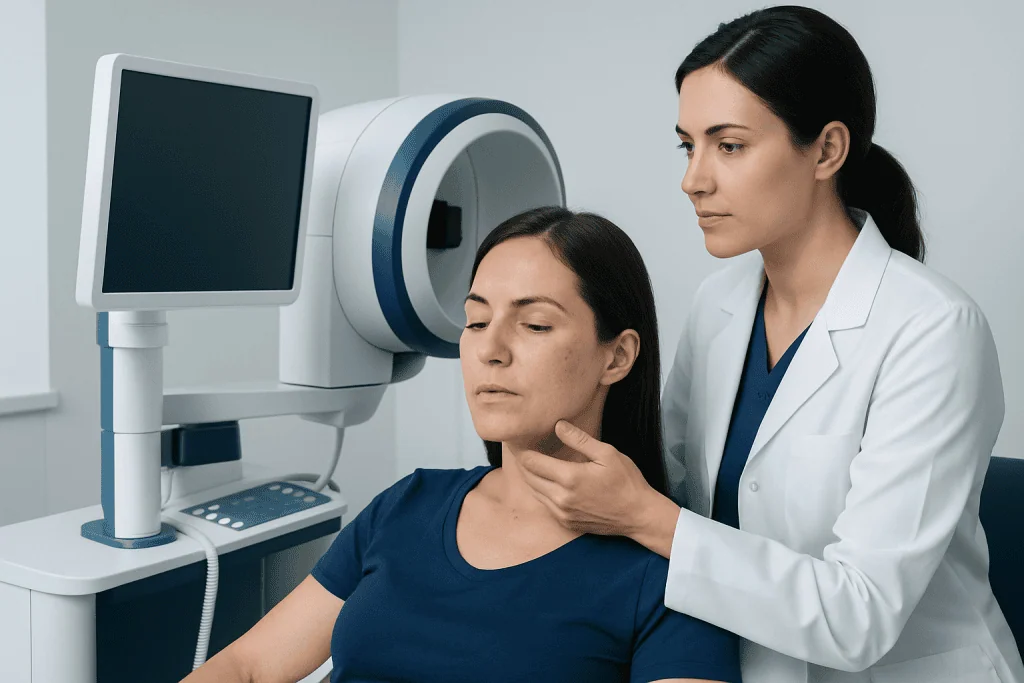
The main sign of melasma is uneven facial pigmentation. Patches may look tan, brown, dark brown, or gray-brown depending on the person’s natural skin color and how deeply pigment is located in the skin. The surface of the skin usually feels normal, without thickening, crusting, blisters, or open sores.
Common patterns include pigmentation across both cheeks, the forehead, the nose, the upper lip, or the jawline. Some people notice that melasma becomes more visible after sunny weather, beach holidays, outdoor sports, or heat exposure. It may also fluctuate with hormonal changes, such as pregnancy or use of certain hormonal contraceptives.
Features often seen in melasma include:
- Symmetrical brown or gray-brown patches on the face
- More noticeable pigmentation after sun exposure
- No pain, bleeding, or major texture change
- Gradual onset over weeks or months
- Persistence despite ordinary moisturizers or basic skin care
Because several other conditions can cause dark facial patches, self-diagnosis is not always reliable. Post-inflammatory hyperpigmentation, sun spots, freckles, certain medication reactions, and rarer medical conditions may look similar. A dermatologist can assess the pattern, history, and skin findings to confirm the diagnosis.
Causes and Risk Factors

Melasma develops when melanocytes, the pigment-producing cells in the skin, make excess melanin in certain areas. The exact process is complex and involves light exposure, inflammation, hormones, blood vessels, and changes in the deeper support structures of the skin. For this reason, melasma is usually not caused by one single factor.
Ultraviolet radiation from the sun is one of the strongest triggers. Visible light, especially high-energy visible light, can also worsen pigmentation, particularly in darker skin tones. Heat may aggravate melasma in some people, which is why pigmentation can flare after hot weather, saunas, cooking heat, or intense exercise in warm environments.
Hormonal factors are important. Melasma may appear during pregnancy or while using estrogen-containing contraceptives or hormone therapy. Family tendency also plays a role; many patients report relatives with similar pigmentation. Some cosmetics, fragranced products, irritating skin treatments, and medicines that increase sun sensitivity may contribute in susceptible individuals.
Risk is higher in people with medium to darker complexions, including many individuals of Mediterranean, Middle Eastern, Asian, Latin American, and African ancestry. This does not mean lighter skin types cannot develop melasma, but pigmentary conditions tend to be more frequent and more persistent when melanocytes are naturally more responsive.
Diagnosis
Melasma is usually diagnosed during a dermatology examination. The doctor asks when the pigmentation started, whether it changes with sun exposure or hormones, what skin products are being used, and whether the person is pregnant, planning pregnancy, or taking hormone-related medicines. A careful medication and medical history can help identify possible triggers.
The dermatologist examines the color, distribution, and borders of the patches. Tools such as dermoscopy or a Wood’s lamp may sometimes be used to evaluate pigment patterns and to help distinguish melasma from other forms of hyperpigmentation. These tools do not always predict treatment response perfectly, but they can support the clinical diagnosis.
A skin biopsy is rarely needed. It may be considered if the pigmentation is unusual, one-sided, inflamed, rapidly changing, or associated with other symptoms. Blood tests are not routinely required for melasma, but a doctor may order tests if there are signs suggesting another medical condition.
Diagnosis also includes evaluating the person’s skin type and sensitivity. This is important because aggressive treatments can irritate the skin and trigger more pigmentation, especially in darker skin tones. A safe plan often starts with gentle daily care and progresses gradually.
Treatment Options
Melasma treatment aims to reduce excess pigment, prevent new pigment formation, and maintain results. Improvement is usually gradual and may take several weeks to months. A dermatologist may combine topical medicines, careful procedures, and long-term sun protection depending on the severity of pigmentation, skin type, pregnancy status, and previous treatment response.
Topical treatments are commonly used first. Prescription or dermatologist-recommended options may include hydroquinone for limited periods, azelaic acid, retinoids, kojic acid, cysteamine, vitamin C, niacinamide, and combination creams that reduce pigment production and support skin renewal. Some triple-combination creams include a pigment-lightening agent, a retinoid, and a mild corticosteroid, but these must be used under medical supervision to reduce the risk of irritation, thinning, or rebound pigmentation.
Procedures may be considered when topical care and sun protection are not enough. Superficial chemical peels can help selected patients by encouraging controlled exfoliation and pigment removal. Laser and light-based treatments may help some types of melasma, but they can also worsen pigmentation if used too aggressively or on unsuitable skin types. For this reason, procedures should be performed by experienced clinicians familiar with pigment disorders.
Oral or topical tranexamic acid may be discussed in selected cases, but it is not suitable for everyone and requires medical screening. People who are pregnant, breastfeeding, taking certain medicines, or who have a personal risk of blood clots need individualized advice. The safest and most effective treatment plan is one that balances visible improvement with protection of the skin barrier.
Prevention and Self-Care
Sun protection is the cornerstone of melasma prevention and treatment. Even small amounts of daily light exposure can maintain pigmentation, so sunscreen should not be reserved only for summer holidays. A broad-spectrum sunscreen is recommended every morning, and reapplication is important during prolonged outdoor exposure, sweating, or swimming.
Tinted sunscreens containing iron oxides may be especially helpful because they protect against visible light as well as ultraviolet radiation. Wide-brimmed hats, sunglasses, shade, and avoiding peak sun hours add another layer of protection. People who work near windows or spend time driving may also benefit from consistent protection, as some light exposure can occur indoors and through glass.
Skin care should be gentle and consistent. Harsh scrubs, strong exfoliating acids used too often, fragranced products, and unverified lightening creams can irritate the skin and worsen hyperpigmentation. A simple routine with a mild cleanser, moisturizer, sunscreen, and dermatologist-approved treatment is often more effective than frequently changing products.
Patients should also avoid unsafe bleaching products or creams with undisclosed ingredients. Some products sold without medical oversight may contain strong steroids, mercury, or high concentrations of active agents that can harm the skin. If a product causes burning, peeling, swelling, or worsening darkening, it should be stopped and medical advice should be sought.
Living With Melasma and When to See a Doctor
Melasma often improves with treatment, but it may return when triggers are reintroduced. This is why maintenance is a key part of care. After pigmentation fades, many people continue with sunscreen, protective habits, and a milder maintenance product recommended by their dermatologist. Consistency is usually more important than intensity.
A doctor should be consulted if facial pigmentation appears suddenly, changes rapidly, affects only one side, has an unusual color, or is accompanied by redness, scaling, bleeding, pain, or other symptoms. Medical advice is also important before starting treatment during pregnancy, while breastfeeding, or when using hormone therapy or blood-thinning medicines.
Professional care is recommended when over-the-counter products do not help, when pigmentation causes distress, or when a person is considering chemical peels, laser therapy, or prescription creams. A dermatologist can help set realistic expectations: melasma can usually be lightened and controlled, but complete permanent removal cannot be guaranteed.
For international patients seeking evaluation, Acibadem International’s multidisciplinary specialists and JCI-accredited hospitals provide diagnosis and treatment planning for dermatological conditions including melasma. Care decisions should always be individualized after consultation with a qualified clinician.
Frequently asked questions
Is melasma dangerous?
Melasma is not dangerous and is not a form of skin cancer. It is a benign pigmentation disorder, but it can be persistent and emotionally frustrating. Any new or changing pigmentation should still be assessed by a doctor to confirm the diagnosis.
Can melasma go away on its own?
Melasma may fade on its own if a trigger is removed, such as after pregnancy or after stopping a hormone-related medication under medical guidance. However, it often persists or returns with sun exposure. Ongoing sun protection is important even after improvement.
What is the best treatment for melasma?
There is no single best treatment for everyone. The most effective plan usually combines daily broad-spectrum and visible-light protection with dermatologist-selected topical medicines, and sometimes procedures. Skin type, pregnancy status, sensitivity, and previous treatments all influence the safest choice.
Does sunscreen really help melasma?
Yes. Sunscreen is essential because ultraviolet and visible light can trigger and maintain melasma. Tinted broad-spectrum sunscreens with iron oxides may provide extra benefit for visible-light protection, especially in people with medium to darker skin tones.
Can laser treatment remove melasma permanently?
Laser and light treatments may improve melasma in selected patients, but they do not guarantee permanent removal. If the skin is irritated or overheated, pigmentation can worsen. These treatments should be performed only by experienced professionals after a careful skin assessment.
Is melasma treatment safe during pregnancy?
Some melasma treatments are not recommended during pregnancy, including certain retinoids and other prescription products. Pregnant patients should focus on sun protection and consult a dermatologist or obstetrician before using active lightening creams. In many cases, stronger treatment is postponed until after pregnancy.
References
- American Academy of Dermatology Association
- British Association of Dermatologists
- DermNet New Zealand
- European Academy of Dermatology and Venereology
- American Society for Dermatologic Surgery
This article is for general information only and is not a substitute for professional medical advice. Please consult a qualified doctor about your individual situation.
Oncology care in Turkey — second opinion and treatment plan
JCI-accredited · board-certified surgeons · reply within 24h
Add us as a Preferred Source to see more of our trusted health content across Google Search, AI Overviews and Discover.

Related Treatments
Related Conditions
More from the Health Library



Related Specialists

Prof. Dr. Sedef Şahin
Dermatology
Prof. Dr. Şükrü Yazar
Aesthetic Plastic & Reconstructive Surgery
Prof. Dr. Emel Öztürk Durmaz
Dermatology
Prof. Dr. Özlem Dicle
Dermatology