Motor Neurone Disease: Diagnosis, Outlook, and Modern Treatment Approaches

Motor neurone disease is diagnosed by a neurologist through clinical assessment and tests that rule out similar conditions. While there is no cure, treatment can help manage symptoms and support movement, speech, swallowing, breathing, and quality of life. See a doctor promptly if you notice persistent muscle weakness, slurred speech, or swallowing problems.
Key Takeaways
- Motor neurone disease affects motor nerves that control movement, speech, swallowing, and breathing.
- There is no single test for motor neurone disease; diagnosis is based on symptoms, neurological examination, and supportive investigations.
- Treatment does not cure the condition, but coordinated multidisciplinary care can help maintain comfort, independence, and daily function.
- Symptoms and progression vary from person to person, so care plans are individualized and reviewed regularly.
- Early assessment of swallowing, nutrition, breathing, mobility, and communication needs is an important part of ongoing care.
Motor neurone disease is a progressive neurological condition that affects the nerve cells controlling voluntary muscles. Diagnosis relies on clinical assessment and targeted testing, while modern care focuses on symptom management, function, communication, nutrition, breathing support, and quality of life.
Overview
Motor neurone disease is a progressive condition that damages the nerve cells responsible for controlling voluntary muscles. These muscles are used for everyday actions such as walking, using the hands, speaking, swallowing, and breathing. As these nerve cells become less able to send signals, the muscles gradually weaken and may waste over time.
The term motor neurone disease is often used in the UK and many other countries, while amyotrophic lateral sclerosis, or ALS, is a common term in the United States. ALS is the most common form within the broader group of motor neurone diseases. Some people may also hear about related patterns of disease, such as primary lateral sclerosis or progressive muscular atrophy, which can differ in how symptoms begin and progress.
Although motor neurone disease is a serious diagnosis, modern care involves much more than confirming the condition. Current management focuses on understanding the individual pattern of symptoms, protecting function for as long as possible, and supporting communication, nutrition, mobility, breathing, and emotional well-being. This makes early specialist involvement especially important.
Symptoms and how the condition may begin
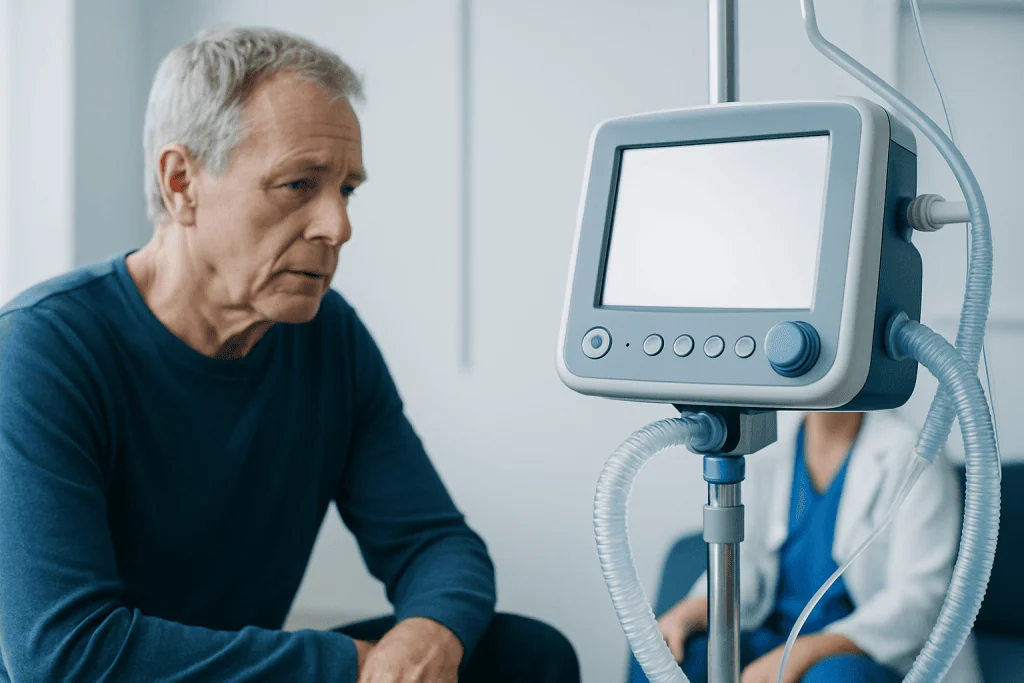
Motor neurone disease can start gradually, and early symptoms may be subtle. One person may first notice weakness in a hand, frequent tripping, or difficulty with fine tasks such as fastening buttons. Another may develop slurred speech, trouble swallowing, or muscle cramps and twitching. Because these symptoms can overlap with many other neurological or muscle-related conditions, careful assessment is needed.
The pattern of symptoms depends on which motor nerves are most affected. Weakness in the arms or legs is common, but some people first develop bulbar symptoms, meaning changes in speech, voice, chewing, or swallowing. As the condition progresses, it may affect posture, balance, breathing muscles, and the ability to carry out daily activities independently.
Common symptoms can include:
- Progressive weakness in the arms, legs, hands, or feet
- Muscle twitching, cramps, or stiffness
- Slurred speech or a quieter, weaker voice
- Difficulty swallowing or coughing during meals
- Clumsiness, falls, or reduced grip strength
- Shortness of breath, especially when lying flat or during exertion
- Emotional changes, fatigue, or changes in thinking in some people
No one develops every symptom, and the pace of change differs from person to person. That is why regular specialist follow-up matters — your care plan has to move as your needs move.
Causes, risk factors, and related conditions

In most people, the exact cause of motor neurone disease is not known. It is understood as a neurodegenerative condition, meaning that certain nerve cells gradually stop functioning and are lost over time. Researchers believe that several processes may contribute, including abnormal protein handling in nerve cells, inflammation, oxidative stress, and genetic factors in some families.
Most cases are sporadic, which means they happen without a clear family history. A smaller number are familial and linked to inherited gene changes. Having a close relative with a known inherited form may increase risk, and genetic counseling may be recommended in selected situations. However, many people diagnosed with motor neurone disease do not have relatives with the condition.
Because symptoms can resemble other neurological disorders, doctors also consider conditions that may mimic motor neurone disease or overlap with it. These may include structural problems of the brain or spine, inflammatory nerve disorders, muscle diseases, and other neurodegenerative conditions. In some cases, comparison with Parkinson’s disease or other movement and nerve disorders helps clarify the diagnosis, especially when stiffness, speech changes, or mobility problems are present.
How motor neurone disease is diagnosed
There is no single blood test or scan that proves motor neurone disease on its own. Diagnosis is based on a combination of medical history, neurological examination, symptom progression over time, and tests that support the diagnosis while excluding other possible causes. This process can take time, especially in the early stages when signs may be limited or evolving.
A neurologist usually looks for evidence that both upper and lower motor neurons are affected. Upper motor neuron involvement may lead to stiffness, brisk reflexes, and spasticity, while lower motor neuron involvement can cause muscle wasting, weakness, twitching, and reduced reflexes in some areas. The pattern across different body regions helps guide the diagnosis.
Tests commonly used during evaluation may include:
- Electromyography and nerve conduction studies to assess how muscles and nerves are functioning
- MRI scans of the brain or spine to rule out structural causes of symptoms
- Blood tests and, in selected cases, genetic testing
- Breathing assessments to measure respiratory muscle strength
- Swallowing and speech evaluations when bulbar symptoms are present
Depending on the clinical picture, a neurologist may also arrange advanced imaging or specialist neurophysiology studies. In a comprehensive center, evaluation may involve a wider neurological workup such as neurology assessment and, when imaging is needed to exclude other causes, MRI scanning. The goal is to reach the most accurate diagnosis as early as possible, while avoiding unnecessary delay in supportive care.
Modern treatment approaches and supportive care
There is currently no cure that reverses motor neurone disease, but treatment has advanced in important ways. Modern care is proactive, multidisciplinary, and tailored to the person’s symptoms and goals. It often involves neurologists, rehabilitation specialists, physiotherapists, speech and language therapists, dietitians, respiratory teams, occupational therapists, psychologists, and palliative care professionals.
Medication may be used to modestly slow progression in some patients, depending on the specific diagnosis and local treatment guidance. Other medicines can help manage symptoms such as muscle cramps, stiffness, excess saliva, pain, constipation, low mood, or sleep problems. Symptom control can make a meaningful difference to comfort and daily life even when the underlying disease remains progressive.
Non-drug support is a major part of treatment. Speech and language therapy can help with voice changes, communication strategies, and swallowing safety. Dietitians may recommend texture adjustments, high-calorie nutrition strategies, or feeding support if swallowing becomes difficult. Respiratory care may include monitoring lung function and considering non-invasive ventilation when breathing muscles are affected. For some people, coordinated physical therapy and rehabilitation help with mobility, positioning, stretching, and saving energy.
Assistive devices can also be valuable. Braces, walkers, wheelchairs, communication aids, and home adaptations may help maintain independence and reduce strain. If swallowing difficulties become significant, doctors may discuss feeding tube options in a planned and supportive way. For some individuals with advanced weakness or specialized needs, input from neurosurgery may be relevant for procedures related to care planning, though routine treatment is usually led by neurology and rehabilitation teams. At Acibadem International, multidisciplinary teams in JCI-accredited hospitals evaluate and treat international patients with motor neurone disease through coordinated neurological and supportive services.
Outlook, daily living, and planning ahead
The outlook for motor neurone disease varies. Some people experience a relatively faster course, while others live with slower progression over a longer period. The pattern of onset, the areas first affected, breathing involvement, nutritional status, and the person’s overall health all influence the course. Because the condition is so individual, doctors are usually careful not to rely on a single timeline.
For most families, the question is not only how long, but how to live as well as possible with the diagnosis. Regular review can identify changing needs early, allowing timely support for fatigue, mobility, speech, swallowing, breathing, and emotional health. Many people benefit from written care plans, home safety assessments, and practical guidance for work, travel, and daily routines.
Advance care planning is also an important part of modern management. This means discussing future preferences while the person can participate fully in decisions. These conversations may include communication support, nutritional choices, respiratory support, emergency planning, and the types of treatments the person would or would not want later on. Thoughtful planning can reduce uncertainty and help care remain aligned with the patient’s values.
Self-care and practical support
Self-care here is not something you do instead of treatment. It is working alongside your team to protect your energy, safety, nutrition, and comfort. Many people do better when they pace activities, take regular rest periods, and conserve energy for tasks that matter most. Occupational therapy advice can be especially helpful for adapting daily routines and using equipment efficiently.
Nutrition and hydration deserve close attention. Weight loss can happen if eating becomes tiring or swallowing is difficult, so early support from a dietitian is useful. Good mouth care, posture during meals, and changes in food texture or meal timing may make eating safer and more comfortable. Breathing symptoms, disturbed sleep, and morning headaches should also be reported promptly, as they may signal respiratory muscle weakness.
Emotional and social support count every bit as much as physical care. A diagnosis of motor neurone disease can affect mood, relationships, work, and family roles. Counseling, support groups, speech technology, and practical community services may help reduce isolation and improve confidence in day-to-day life.
When to seek medical care
Medical assessment is advisable if a person develops progressive muscle weakness, persistent muscle twitching with loss of strength, increasing clumsiness, unexplained falls, slurred speech, swallowing difficulty, or shortness of breath. These symptoms do not always mean motor neurone disease, but they do need proper evaluation by a qualified clinician.
Urgent medical care is important if swallowing problems lead to choking, if breathing becomes suddenly difficult, or if there are signs of dehydration, repeated chest infections, or marked weight loss. People who already have a diagnosis should also seek prompt review when symptoms change, equipment is no longer meeting their needs, or caregivers are struggling to manage at home.
Early specialist input can help rule out other causes, confirm the diagnosis more efficiently, and begin supportive care before avoidable complications develop. Even when the diagnosis is uncertain, a structured neurological assessment can provide reassurance and a clear plan for next steps.
Frequently asked questions
Is motor neurone disease the same as ALS?
ALS is the most common form of motor neurone disease, and in many settings the terms are used closely together. Motor neurone disease is a broader term that can include several related patterns of nerve degeneration affecting movement.
What is usually the first sign of motor neurone disease?
The first sign varies from person to person. Some people notice weakness in a hand or foot, while others first develop slurred speech, swallowing difficulty, cramps, or muscle twitching. Symptoms usually develop gradually rather than all at once.
Can motor neurone disease be cured?
At present, there is no cure that reverses motor neurone disease. Treatment focuses on slowing progression in some cases, managing symptoms, supporting breathing and nutrition, and helping the person maintain comfort and independence for as long as possible.
How do doctors confirm motor neurone disease?
Doctors confirm motor neurone disease through a combination of neurological examination, symptom history, and tests such as electromyography, nerve conduction studies, blood tests, and MRI scans. The process also involves excluding other conditions that can cause similar symptoms.
Is motor neurone disease hereditary?
Most cases are not inherited and occur without a family history. A smaller number are linked to gene changes that can run in families, and genetic counseling may be considered when the history suggests an inherited form.
How does motor neurone disease affect daily life?
Motor neurone disease can gradually affect walking, hand function, speech, swallowing, and breathing. The impact differs between individuals, but many people benefit from rehabilitation, adaptive equipment, nutritional support, communication tools, and regular specialist follow-up.
This article is for general information only and is not a substitute for professional medical advice. Please consult a qualified doctor about your individual situation.
Explore treatments in Turkey — costs, top hospitals & a free quote
7 JCI-accredited hospitals · board-certified surgeons · reply within 24h
Add us as a Preferred Source to see more of our trusted health content across Google Search, AI Overviews and Discover.

Medically reviewed by the Acıbadem International Medical Board — August 24, 2026
See our medical review board →
Update history
- PublishedJuly 25, 2026
- Medical review approvedAugust 24, 2026
- Last content updateAugust 24, 2026
References2
- Amyotrophic Lateral Sclerosis (ALS) — MedlinePlus — medlineplus.gov
- Motor neurone disease — NHS — nhs.uk
Neurology
Diagnosis and treatment of disorders of the brain, spinal cord, nerves and muscles.
51 specialists in this unitNeurology Specialists at Acibadem





Related Treatments
Related Conditions
More from the Health Library
Recognizing an Acute Stroke and Why Minutes Matter

How Anxiety Can Trigger or Worsen Tics

Dysesthesia Is an Unpleasant Sensation From Nerve Signals

Diabetes Diabetic Neuropathy: Early Signs, Risk Factors, and How It Is Treated
Brain Games Sharpen Practiced Skills but Do Not Prevent Dementia