Neuropsychiatric Symptoms After Brain Infection: When to Seek Specialist Help

Brain infections can sometimes leave temporary or longer-lasting changes in thinking, emotions, personality, and sleep. Symptoms such as confusion, memory problems, anxiety, depression, hallucinations, or seizures should not be ignored.
Key Takeaways
- Brain infections can sometimes leave temporary or longer-lasting changes in thinking, emotions, personality, and sleep.
- Symptoms such as confusion, memory problems, anxiety, depression, hallucinations, or seizures should not be ignored.
- Early evaluation by neurology, psychiatry, and rehabilitation specialists can help identify treatable causes and support recovery.
- Urgent medical care is needed for new seizures, severe confusion, weakness, worsening headache, or sudden behavior change.
- Recovery often improves with a combination of medical treatment, cognitive support, sleep care, and mental health follow-up.
Neuropsychiatric symptoms after a brain infection may affect mood, memory, thinking, sleep, and behavior during recovery. Many symptoms improve with time and treatment, but persistent, severe, or changing symptoms deserve specialist evaluation.
Overview
Neuropsychiatric symptoms after brain infection refer to changes in brain function that affect emotions, behavior, thinking, memory, sleep, and sometimes perception. These symptoms may appear during the infection itself or develop later, as the brain heals. They can follow conditions such as meningitis, encephalitis, or a brain abscess, and their intensity can vary from mild and short-lived to more persistent.
The term “neuropsychiatric” does not mean the symptoms are imagined or “just stress.” It means the brain and nervous system are affecting mental and emotional function. Inflammation, immune responses, changes in brain signaling, seizures, fatigue, and medication effects can all play a role. For patients and families, this can be confusing because the person may look physically recovered while still struggling with concentration, mood, or daily functioning.
Many people improve gradually over weeks or months, especially when the underlying infection has been treated and follow-up care is in place. However, some symptoms can interfere with school, work, relationships, or safety. This is why specialist help matters: it can clarify what is happening, rule out complications, and create a plan for recovery.
Symptoms to Watch For
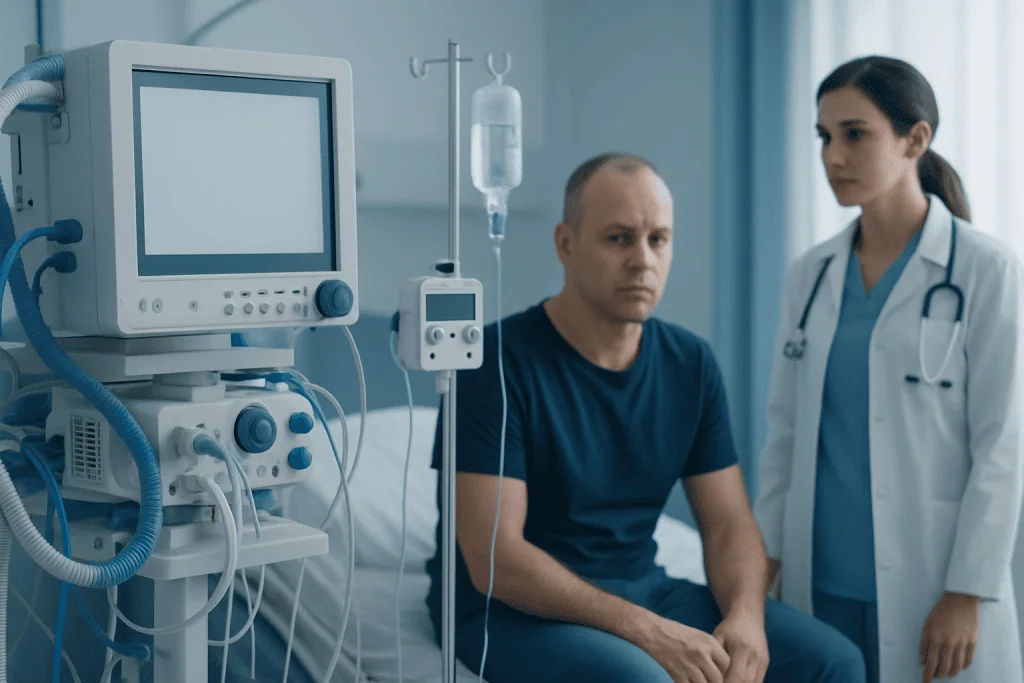
Symptoms can affect emotional health, thinking, and behavior in different ways. A person may become more irritable, anxious, withdrawn, or emotionally flat than usual. Others may notice sadness, panic symptoms, sudden mood swings, reduced motivation, or personality changes that were not present before the illness.
Cognitive symptoms are also common. These may include poor concentration, slower thinking, memory problems, difficulty finding words, trouble planning tasks, or feeling mentally overwhelmed by ordinary activities. Some people describe this as “brain fog.” Children may show a drop in school performance, attention problems, or changes in social interaction.
Sleep and perception can also be affected. People may have insomnia, excessive daytime sleepiness, vivid dreams, or a disrupted sleep-wake pattern. In more severe cases, there may be confusion, disorientation, hallucinations, suspiciousness, or episodes that resemble delirium. Headaches may continue during recovery and may sometimes need assessment through headache medicine if they are frequent or disabling.
- Memory and concentration problems
- Anxiety, depression, or irritability
- Behavior or personality changes
- Sleep disturbance or severe fatigue
- Confusion, hallucinations, or agitation
- Seizures or episodes of staring and unresponsiveness
Why These Symptoms Happen

Brain infections can affect the structures and networks that regulate memory, emotion, behavior, and awareness. If the infection or inflammation involves areas such as the temporal lobes, frontal lobes, or limbic system, it may lead to problems with learning, judgment, impulse control, mood, or perception. Even after the infection improves, the brain may need time to recover.
There is not always a single cause. Symptoms may result from the infection itself, swelling in the brain, the body’s immune response, seizures, poor sleep, pain, physical deconditioning, or emotional stress related to a serious illness. Some treatments used during acute illness, such as sedating medicines or steroids, may also influence mood, sleep, or thinking in the short term.
In some people, a post-infectious or autoimmune response may continue to affect the nervous system after the original infection is controlled. This is one reason follow-up with specialists can be important. Teams experienced in neuroinfectious diseases and neuroimmunology may help when there are ongoing concerns about inflammation, immune-mediated symptoms, or unexplained neurological changes.
Who May Be at Higher Risk
Neuropsychiatric symptoms can happen after mild or severe infections, but certain factors may increase the chance of ongoing problems. These include delayed treatment, severe inflammation, seizures during the illness, intensive care admission, and infections affecting brain tissue directly, such as encephalitis. Pre-existing neurological or mental health conditions may also influence recovery.
Age can matter as well. Older adults may be more vulnerable to confusion, delirium, or slower recovery of memory and attention. Children and adolescents may recover well overall but can still experience changes in behavior, attention, mood, or learning that become noticeable when they return to school. Families are often the first to spot these changes.
Complications or overlapping conditions also need consideration. For example, a brain infection may rarely increase the risk of vascular or structural problems, and symptoms such as sudden weakness or trouble speaking require urgent assessment to rule out issues including stroke. Persistent dizziness, visual changes, or new movement problems also deserve medical review rather than being assumed to be part of normal recovery.
How Doctors Evaluate Persistent Symptoms
Assessment usually begins with a detailed history. Doctors ask when symptoms started, how they have changed over time, what the original infection was, and whether there were seizures, intensive care treatment, or complications. Family members may be asked to describe changes in mood, memory, or behavior because these are not always easy for the patient to notice. A neurological examination and mental status assessment help guide next steps.
Tests depend on the situation. Blood tests may check for infection-related or metabolic issues. Brain imaging, often coordinated through neuroradiology, may be used to look for inflammation, structural changes, bleeding, hydrocephalus, or other complications. An EEG may be recommended if there are possible seizures or episodes of confusion. In selected cases, lumbar puncture, sleep assessment, or more specialized immune testing may be needed.
Formal cognitive testing can be especially helpful when symptoms affect work, education, or independent living. Assessment through neuropsychology can measure attention, memory, language, processing speed, and executive function. This does not only identify problems; it also highlights strengths and can help shape rehabilitation, school accommodations, and return-to-work planning.
Treatment Options and Recovery Support
Treatment depends on the cause of the symptoms. The first priority is making sure the infection has been adequately treated and that no new neurological complication is being missed. If seizures are present, they need targeted management. If there is ongoing inflammation or a post-infectious immune process, the care team may recommend additional therapies based on the specific diagnosis.
Many people benefit from coordinated care rather than a single treatment. This may involve neurology, psychiatry, psychology, rehabilitation medicine, speech and occupational therapy, and sleep specialists. Mood symptoms such as anxiety or depression may improve with counseling, structured therapy, lifestyle support, and, when appropriate, medication. Persistent changes in behavior, perception, or emotional regulation may be assessed through neuropsychiatry to guide safe, individualized treatment.
Recovery support often includes practical strategies: managing fatigue, pacing activities, using reminders, simplifying tasks, improving sleep routines, and gradually returning to work or school. Families may also need education and support, because communication changes, irritability, or poor insight can be stressful for everyone involved. Near the end of a recovery plan, some international patients may seek multidisciplinary evaluation at Acibadem International, where JCI-accredited hospitals and specialists provide diagnosis and treatment for complex neurological conditions.
Self-care, Follow-up, and When to Seek Specialist Help
Gentle, structured self-care can support healing, but it should not replace follow-up. Regular sleep, hydration, balanced meals, gradual activity, and limiting alcohol or recreational drugs may help the recovering brain. It is also sensible to avoid driving, swimming alone, or other risky activities if there have been seizures, blackouts, severe confusion, or major attention problems.
Specialist help is appropriate when symptoms last more than a few weeks, worsen instead of improving, interfere with daily life, or create concern for safety. This includes ongoing memory loss, inability to return to usual routines, persistent depression or anxiety, unusual behavior, social withdrawal, paranoia, or repeated headaches with neurological symptoms. Children who develop new learning or behavior problems after infection should be assessed rather than waiting for them to “grow out of it.”
Urgent medical care is needed for red flags such as new seizures, severe or worsening headache, fever returning after improvement, increasing confusion, trouble speaking, weakness, new vision loss, collapse, or thoughts of self-harm. These symptoms may signal a complication and should be checked promptly. Early review can be reassuring when recovery is progressing normally, and it can be very important when something more needs treatment.
Frequently asked questions
Are mood and behavior changes normal after a brain infection?
They can occur during recovery and are recognized medical effects of brain inflammation or injury. However, they should still be discussed with a doctor, especially if they are severe, worsening, or affecting safety, work, school, or relationships.
How long do neuropsychiatric symptoms after brain infection last?
The timeline varies widely. Some people improve over days to weeks, while others need months of recovery and rehabilitation. Persistent symptoms do not necessarily mean permanent damage, but they do deserve proper evaluation.
Can these symptoms appear after the infection seems to be gone?
Yes. Some symptoms become more noticeable only after the acute illness has improved, particularly memory problems, fatigue, anxiety, depression, or personality changes. Follow-up care is important because delayed symptoms can still be related to the earlier brain infection.
When should a patient see a neurologist or neuropsychiatrist?
A specialist visit is sensible if symptoms continue beyond the expected recovery period, interfere with daily life, or are hard to explain. Evaluation is especially important for seizures, confusion, hallucinations, major behavior change, or significant cognitive decline.
Can children have neuropsychiatric symptoms after brain infection?
Yes. Children may show irritability, sleep problems, attention difficulties, mood changes, or a decline in school performance. Because these signs can be subtle, parents and teachers should share concerns with a pediatric specialist.
What tests might be needed for ongoing symptoms?
Doctors may recommend neurological examination, blood tests, brain imaging, EEG, or cognitive testing depending on the symptoms. The aim is to look for treatable causes such as seizures, inflammation, structural complications, sleep problems, or medication effects.
References
- World Health Organization
- Centers for Disease Control and Prevention
- National Institute of Neurological Disorders and Stroke
- National Health Service
- Encephalitis Society
This article is for general information only and is not a substitute for professional medical advice. Please consult a qualified doctor about your individual situation.
Explore treatments in Turkey — costs, top hospitals & a free quote
JCI-accredited · board-certified surgeons · reply within 24h
Add us as a Preferred Source to see more of our trusted health content across Google Search, AI Overviews and Discover.

Neurology
Diagnosis and treatment of disorders of the brain, spinal cord, nerves and muscles.
51 specialists in this unit