J Plasma
J Plasma, also known as Renuvion, uses helium plasma and radiofrequency energy to tighten loose skin with small incisions, often after liposuction or body contouring.
Quick answer
J Plasma, also marketed as Renuvion, is a minimally invasive skin tightening procedure. Helium plasma and radiofrequency energy are delivered through small incisions to heat the tissue layer beneath the skin, encouraging it to contract. It suits adults with mild to moderate skin laxity, is often combined with liposuction, and the result develops gradually over several months as collagen remodels.
J Plasma for Loose Skin After Weight Loss, Pregnancy or Body Contouring
J Plasma is a minimally invasive skin tightening procedure that uses helium plasma combined with radiofrequency energy to heat the tissue layer just beneath the skin. It is designed for adults with mild to moderate skin laxity, on the abdomen, arms, thighs, back, neck or under the chin, whose skin still has enough elasticity to contract. It is frequently performed alongside liposuction, and in many clinics it is marketed under the brand name Renuvion.
Loose skin behaves differently from excess fat, and that is why it frustrates so many people. You can exercise regularly, hold a stable weight and still see laxity on the abdomen, upper arms, inner thighs or along the jawline. The problem often becomes more visible after liposuction, pregnancy, significant weight loss or simply with age. The body contour improves, yet the skin does not shrink back to match it, and no amount of training changes that on its own.
When you research treatment options, you are usually looking for something in a specific gap: more effective than creams and external energy treatments, but less invasive than formal skin excision such as a tummy tuck or arm lift. You are probably also weighing scars, downtime, anaesthesia, safety and whether the result will look natural. These are the right questions to ask. Skin tightening is not one procedure that fits everyone; the appropriate choice depends on your skin quality, the degree of looseness, your anatomy, your lifestyle, your medical history and what you actually want to change.
J Plasma sits in that gap for selected patients. It cannot remove a fold of hanging skin, and it is not a substitute for a surgical lift when laxity is severe. What it can do, in the right candidate, is encourage the skin to contract onto a new contour through entry points a few millimetres long, without the longer incisions that excisional surgery requires. Understanding that boundary from the start is the single most useful thing you can do before booking anything.
At Acibadem, international patients are assessed carefully before any aesthetic procedure is agreed. The decision is not based on whether a device is available; it is based on whether that device is appropriate for you. Plastic surgeons examine the area of concern, skin thickness, fat distribution, previous operations, weight stability and expectations. Careful selection at this stage is what separates a balanced, natural-looking result from a disappointing one.
What Is J Plasma and How Does It Work?
J Plasma is a subdermal skin tightening procedure that combines helium gas with radiofrequency energy. The device converts helium into a focused plasma stream, which delivers controlled thermal energy beneath the skin, in the connective tissue layer where collagen-rich structures support firmness and contour. If you have seen the name written as jplasma or J-Plasma, these all refer to the same technology; the spelling varies, the procedure does not.
The treatment is performed through very small incisions, usually a few millimetres in length. A thin instrument passes beneath the skin and delivers energy in controlled passes across the treatment area. Helium has a low thermal spread, so the tissue heats and then cools quickly rather than holding heat where it is not wanted. This controlled heating is intended to do two things: produce a degree of immediate tissue contraction on the operating table, and stimulate a longer remodelling process as collagen reorganises over the following months.
J Plasma is not laser skin resurfacing, and it is not a replacement for a tummy tuck, arm lift, thigh lift or facelift when significant excess skin is present. It is best understood as a subdermal skin contraction treatment. Keeping that distinction in mind will save you time and disappointment: if your skin hangs in folds, no energy device will fold it away. What an energy device can do is help skin with reasonable elasticity tighten onto the shape beneath it.
Is J Plasma the Same as Renuvion?
Yes: Renuvion is the current brand name for the device used in J Plasma treatment, and Renuvion skin tightening describes exactly the same helium plasma and radiofrequency procedure. The technology was originally marketed as J-Plasma, and both names remain in common use among surgeons, clinics and patients. When you compare providers or read about the procedure online, treat the two terms as interchangeable. What matters is not the label on the device but how carefully the technology is applied, and to whom.
What Does J Plasma Do?
J Plasma heats the underside of the skin so that the collagen-containing tissue contracts, which can tighten mild to moderate laxity and help the skin adapt to a new contour. Some contraction happens during the procedure itself; further firming develops gradually as collagen remodels in the months afterwards. The degree of improvement varies from person to person. Age, sun damage, smoking history, weight fluctuations, skin thickness, hormonal changes and the amount of laxity present all influence how much the skin responds. A responsible consultation covers both the potential benefit and the limits, because the same energy delivered to two different patients can produce visibly different results.
What Is J Plasma Skin Tightening?
J Plasma skin tightening is the use of this helium plasma energy specifically to firm loose or crepey skin from beneath the surface, rather than treating the surface itself. It may be used alone in carefully selected areas, but it is most commonly combined with liposuction. Liposuction removes unwanted fat but does not remove loose skin. In patients with good skin quality, the skin may retract naturally after fat removal. In others, particularly where elasticity is reduced, J Plasma can be added in the same session to support contraction and smooth the transition between treated and untreated areas.
Who May Be Suitable for J Plasma?
J Plasma may be appropriate for adults who have loose or crepey skin in specific areas but do not yet require, or do not wish to undergo, a larger skin removal operation. Typical concerns include skin looseness on the abdomen after pregnancy or weight change, mild sagging under the arms, laxity around the inner thighs, irregular skin contraction after previous fat reduction, and soft tissue looseness under the chin or along the jawline.
Patients usually describe the problem in practical terms rather than clinical ones: clothing does not sit smoothly, the abdomen looks wrinkled when bending forward, the skin on the arms moves when lifted, or the lower face looks less defined despite a stable weight. Some people seek treatment after earlier liposuction, when the fat volume has improved but the skin envelope remains loose. Others are planning liposuction now and want to reduce the chance of post-procedure laxity in areas where the skin may not retract sufficiently on its own.
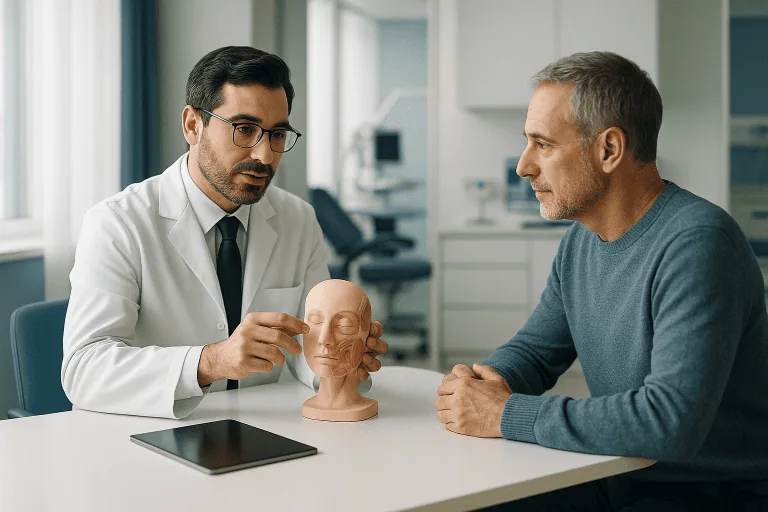
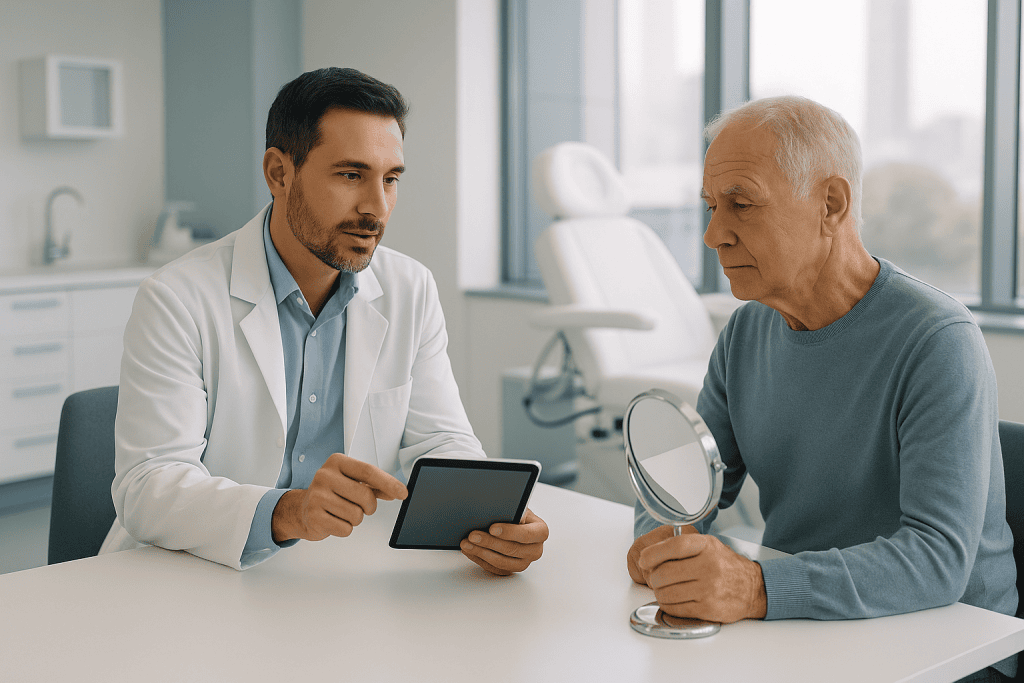
Suitability begins with a clinical examination by a plastic surgeon. The surgeon evaluates the amount of loose skin, the presence of residual fat, muscle separation, scars, stretch marks and the natural quality of the skin. The examination usually includes photographs for planning and comparison, a review of previous treatments and a discussion of your medical history. For body procedures, weight stability matters a great deal. For facial and neck treatment, the surgeon assesses skin thickness, underlying fat, jawline anatomy and whether a different procedure would serve you better.
J Plasma is generally considered for patients with realistic expectations. It can improve skin firmness and contour in selected cases, but it does not create the same change as removing a fold of excess skin. If the skin hangs in folds, if there is significant abdominal muscle separation, or if laxity is severe after massive weight loss, a surgical lift or a larger body contouring operation is usually the honest recommendation. In some cases J Plasma can form part of a staged plan, but it should never be chosen simply to avoid scars when the anatomy requires skin removal.
Good candidates are usually in stable overall health, do not smoke or are willing to stop nicotine around the time of treatment, have no active infection in the treatment area and understand what the recovery involves. Patients who are pregnant, who have certain implanted electronic devices, uncontrolled medical conditions, or specific skin and wound-healing disorders may not be suitable. The final decision is always a medical one, made after an in-person evaluation rather than a photograph alone.
Conditions and Concerns J Plasma Can Address
J Plasma is used in aesthetic and reconstructive body contouring for selected forms of skin laxity. It does not treat disease in the traditional sense; it addresses tissue looseness and contour irregularity that affect appearance, comfort and confidence. The core indication is mild to moderate loose skin where enough collagen structure remains for the skin to contract when heated.
Common treatment areas include:
- Abdomen and flanks, particularly after pregnancy, weight change or liposuction
- Upper arms with mild to moderate laxity
- Inner and outer thighs and the area above the knees
- Back and bra line area
- Neck and the submental area under the chin, in carefully selected patients with early laxity
In the neck, patient selection is especially important. Early jawline softening in a patient with good skin thickness is a very different situation from established neck laxity with loose platysma muscle, where a surgical neck lift usually gives a more complete correction. A surgeon who examines you properly will tell you which situation you are in.
J Plasma may also be discussed for contour refinement after previous procedures, provided there is no active healing problem and the tissues are suitable. When irregularities are caused mainly by residual fat, liposuction or revision liposuction may be needed. When the problem is mainly loose skin, J Plasma may help if the laxity is not excessive. When both fat and laxity are present, a combined approach is often the most logical plan.
There are clear situations where J Plasma is not the best answer. Severe hanging skin, large abdominal overhangs, pronounced upper arm laxity, deep skin folds and extensive post-bariatric body laxity usually require excisional surgery, abdominoplasty, brachioplasty, thigh lift, lower body lift or facelift, depending on the region. A careful surgeon explains when a minimally invasive approach is reasonable and when it would only lead to disappointment.
What Is J Plasma Lipo?
J plasma lipo is the combination of liposuction and J Plasma performed in the same session. Fat is removed first through small cannulas to refine the contour; the plasma device is then passed beneath the skin, often through the same entry points, to encourage the skin to tighten over the newly shaped area. The logic is straightforward: liposuction changes the volume, J Plasma helps the envelope adapt to it. This combination is the most common way the technology is used, because the areas where people want fat reduction, abdomen, waist, arms, thighs, are frequently the same areas where skin retraction is uncertain.
How J Plasma Is Performed: From Preparation to Recovery
Consultation and Treatment Planning
The process begins with a detailed consultation. The plastic surgeon asks about your goals, previous procedures, pregnancies, weight history, medical conditions, medicines, allergies and smoking. The area of concern is examined while you are standing and, where relevant, in different positions, because skin laxity changes with posture and movement: a fact photographs alone can hide.
The surgeon then decides whether J Plasma alone, liposuction with J Plasma, or a different procedure altogether is the most appropriate route. For international patients, planning often starts with secure sharing of photographs and medical information before travel. A final decision, however, is normally made after an in-person examination, because skin quality and elasticity cannot be fully judged from images. Standardised clinical photographs also become part of your record: the guide on medical photography before and after treatment explains how these are taken and why they matter for comparing your result later.
Preparation typically includes laboratory tests, an anaesthesia assessment, avoiding nicotine, and planning for postoperative compression garments. Your surgeon will also review every medicine and supplement you take and give you written instructions; any adjustment is decided by the treating team, never by the patient alone. If you want to understand how that review works in practice, see how Acibadem manages your medicines before and after treatment. Patients travelling from abroad should allow enough time for evaluation before surgery and for follow-up before flying home.
What Is J Plasma Surgery Like on the Day?
J Plasma surgery can be performed under local anaesthesia with sedation or under general anaesthesia, depending on the size and number of treatment areas, whether liposuction is included, and your comfort and medical profile. Small areas may need less anaesthesia support; larger combined procedures are performed in an operating room with continuous monitoring by the anaesthesia team.
The treatment itself follows a planned sequence:
- 1. Marking. The treatment areas are marked while you are standing, so the plan reflects how your skin actually sits.
- 2. Anaesthesia. Local anaesthesia with sedation or general anaesthesia is administered according to the agreed plan.
- 3. Tumescent solution. If liposuction is included, a fluid solution is placed into the tissues to reduce bleeding and improve comfort.
- 4. Fat removal. Fat is removed through small cannulas until the intended contour is achieved.
- 5. Plasma passes. The J Plasma device is passed beneath the skin and energy is delivered in controlled, even passes, respecting safe temperature ranges and anatomical boundaries.
- 6. Closure. The small incisions are closed with sutures or left briefly open to allow fluid to drain, depending on the surgical plan.
- 7. Compression. Dressings and compression garments are applied to reduce swelling and support the new contour.
The exact technique, the number of passes and the depth of treatment vary by body area and tissue quality. Two abdomens are never treated identically, and that judgement is precisely what you are paying an experienced surgeon for.
Technology Used During J Plasma Treatment
Several technologies work together during a J Plasma procedure. The core device generates helium plasma energised by radiofrequency, delivering targeted heat with rapid cooling that limits unnecessary thermal spread. In combined procedures, liposuction technology shapes the area before tightening. Operating room monitoring systems allow the anaesthesia team to track your vital signs throughout.
Imaging is not routinely required for J Plasma itself, but preoperative photography is essential for planning and follow-up. In some complex body contouring cases, additional diagnostic work-up may be needed first, for example to assess a hernia, changes from earlier surgery, or another condition that affects the plan. The value of the technology lies less in the device than in how the surgeon selects the candidate, designs the treatment pattern and combines methods safely.
How Long Does the Procedure Take?
Duration depends on the size and number of areas treated and whether liposuction is performed. A small under-chin treatment takes considerably less time than combined liposuction and J Plasma of the abdomen, waist and thighs. Many procedures are completed within a few hours, but the full treatment day also includes preparation, anaesthesia recovery and a discharge assessment. Some patients go home the same day; others stay overnight for observation, particularly after larger treatments or when travelling internationally. Your medical team advises what is safest for your specific plan rather than applying a standard rule.
Recovery After J Plasma
Recovery is usually shorter than recovery from excisional skin removal surgery, but it is still a genuine healing process, not a cosmetic afterthought. Swelling, bruising, soreness, tightness, temporary numbness and some fluid drainage from the incision sites are all common, and tend to be more noticeable when liposuction was performed at the same time.
Most patients are encouraged to walk soon after the procedure to support circulation. Compression garments are typically worn for several weeks, depending on the area treated and your surgeon’s instructions. Light daily activities often resume within days for smaller treatments, while return to work, exercise and travel depends on the extent of surgery and how you are healing. It helps to have compression garments, dressings and basic supplies organised in advance so the first days of recovery run smoothly.
Early changes appear as swelling settles, but the final result develops gradually; skin contraction and collagen remodelling continue for months. Do not judge the outcome too early, especially in larger body areas where swelling persists. Follow-up visits let the surgeon monitor healing, adjust garment recommendations and pick up any concern promptly. If you are recovering away from home before your return flight, it is worth reading what to check before booking a hotel for recovery and the overview of warning signs you should report before flying home, so you know how your team expects normal healing to look.
Recovery Timeline After J Plasma
Recovery varies by treatment area and by whether liposuction was performed, but the general pattern below helps most patients understand what to expect and when.
| Time Period | What Patients Can Expect |
|---|---|
| Day 1 | Soreness, swelling, bruising and a feeling of tightness are common. Gentle walking usually begins, and compression garments are worn as instructed. |
| First week | Discomfort typically becomes easier to manage. Drainage from the small incisions settles, and many patients resume light daily routines depending on the extent of treatment. |
| First month | Swelling continues to decrease. The treated area may feel firm, numb or temporarily uneven. Garment use often continues according to the surgeon’s plan. |
| Three to six months | Skin contraction and contour definition become more apparent as collagen remodelling progresses. Residual swelling may still improve in larger areas. |
| Longer term | The result is influenced by skin quality, ageing, weight stability and lifestyle. Maintaining a stable weight helps preserve the contour achieved. |
Benefits of J Plasma Treatment
For appropriately selected patients, J Plasma offers several practical advantages compared with more invasive skin removal surgery. None of them apply if the candidacy is wrong, which is why they follow the assessment, not the other way round.
| Benefit | What It Means for You |
|---|---|
| Minimally invasive skin tightening | Small incisions treat the tissue beneath the skin, often avoiding the longer scars associated with surgical skin excision. |
| Can be combined with liposuction | Fat reduction and skin contraction are planned together, improving contour in areas where loose skin might otherwise remain after fat removal. |
| Gradual collagen remodelling | Some tightening may be noticed early, while additional firmness can develop over several months as tissues heal and remodel. |
| Shorter recovery than many lift surgeries | Many patients return to light activities sooner than after procedures with larger incisions, although swelling and garment use are still expected. |
| Natural-looking contour refinement | With appropriate selection and technique, the treatment supports smoother skin adaptation rather than an overcorrected appearance. |
Why Timing Matters and the Risks of Delay
Loose skin is not a medical emergency, but timing shapes your options. Mild to moderate laxity tends to respond better to minimally invasive tightening than severe laxity does. As collagen quality declines with age, sun exposure, smoking and repeated weight changes, the skin gradually loses some of its capacity to contract. Wait long enough, and a person who might once have been a reasonable candidate for J Plasma may later need a larger surgical lift to achieve a meaningful result.
Timing also matters after weight loss and pregnancy. Treatment is generally considered once weight has stabilised and, for postpartum patients, once the body has recovered and future pregnancy plans have been discussed. Treating too early, before weight stabilisation, can undermine the durability of the result, because further weight change stretches the tissues again.
Delaying a proper evaluation also prolongs uncertainty. Some people spend years on external treatments, creams and repeated non-invasive sessions when their anatomy would respond better to a procedural option. Others pursue J Plasma when skin removal surgery is what their anatomy actually requires. A timely, honest consultation clarifies what is realistic and can spare you unnecessary treatments in both directions.
Delay is not the only risk worth naming. Choosing the wrong procedure, being treated by an inadequately trained provider, or undergoing energy-based tightening without proper assessment increases the chance of burns, contour irregularity, inadequate correction, scarring, infection or plain dissatisfaction. The goal is not to act quickly. It is to act at the right time, with the right plan, in the right hands.
What Do J Plasma Before and After Photos Show?
J plasma before and after photos typically show tightening of mild to moderate laxity and a smoother transition between treated areas, not the dramatic removal of hanging skin that excisional surgery produces. Read them critically. Fair comparisons use the same lighting, camera angle, posture and distance, and the “after” image should be taken months after treatment, once swelling has resolved and collagen remodelling has progressed. An “after” photo taken in the first weeks mostly shows swelling, which can flatter the result temporarily. Ask whether the patient shown had a similar degree of laxity to yours, and whether liposuction was performed at the same time, because combined procedures produce different images from tightening alone. The guide on what realistic before-and-after results mean explains how to judge such galleries honestly.
Is J Plasma Worth It?
J Plasma is worth considering when three things line up: your laxity is mild to moderate, your skin retains reasonable elasticity, and your expectations match what subdermal contraction can actually deliver. In that situation, it can refine contour through tiny incisions with a shorter recovery than a lift. It is usually not worth it when skin hangs in folds, when laxity follows massive weight loss, or when the honest correction requires removing skin, in those cases the money, downtime and healing are better invested in the operation that fits the anatomy. Because individual response varies with age, skin quality and lifestyle, the only reliable way to answer the question for your own body is a physical examination by a plastic surgeon who is equally willing to recommend against the procedure.
Factors That Influence Outcomes and a Good Result
The success of J Plasma depends on matching the treatment to the right patient and performing it with careful technique. The most important single factor is the degree of skin laxity. Mild to moderate looseness is generally suitable; heavy folds of excess skin are not. If the skin has lost significant elasticity, a tightening procedure alone will not deliver enough improvement, whatever the marketing suggests.
Skin quality matters as much as skin quantity. Stretch marks, long-term sun damage, smoking, age-related collagen loss and repeated weight swings all reduce the skin’s ability to contract. Patients with thicker, healthier skin may respond differently from patients with very thin or crepey skin. This does not exclude older patients from benefiting: it means expectations must be set individually, not copied from someone else’s photographs.
The amount and position of fat also shape the plan. If residual fat is present, liposuction may be needed to sculpt the area before tightening. Remove too much fat without considering the skin envelope, and irregularity can follow; tighten the skin without addressing underlying fullness, and the contour stays less defined than you hoped. Balance between the two is the whole craft.
Surgeon experience is central. Energy-based treatment demands knowledge of anatomy, safe tissue planes, appropriate energy settings and, just as importantly, the judgement to know where not to treat. The procedure looks simple because the incisions are small, but everything that matters happens beneath the skin, where precision is invisible until the swelling goes down.
Your own behaviour affects healing too. Nicotine impairs circulation and raises the risk of wound-healing problems. Poor nutrition, uncontrolled diabetes and skipping garment instructions can each compromise the result. International patients should plan travel responsibly, allowing time for early follow-up and avoiding long flights too soon after larger procedures unless the treating team has confirmed it is appropriate.
Finally, expectations must stay realistic over the long term. J Plasma can tighten and refine, but it cannot stop ageing, and it cannot prevent future laxity after weight gain, weight loss or pregnancy. It works best viewed as one part of a long-term body contouring strategy that includes a stable weight, sensible habits and reasonable skin care, not as a one-off fix.
How Acibadem Approaches J Plasma
International patients considering J Plasma usually want more than access to a device. They want a careful diagnosis, a qualified plastic surgeon, clear communication and a hospital environment where safety systems are taken seriously. When care happens abroad, they also want practical questions answered, about language, coordination, recovery time on site and follow-up after returning home.
At Acibadem, J Plasma is delivered within hospital settings with established processes for surgical safety, anaesthesia care, infection control and patient monitoring. That infrastructure matters most when the treatment is combined with liposuction or performed across larger areas: the procedure may be minimally invasive, but it still requires medical judgement, sterile operating conditions and a team watching more than the device screen.
The approach is personalised rather than device-led. During consultation, the surgeon evaluates whether J Plasma is suitable, whether liposuction should be included, or whether a different body contouring procedure would address the concern better. Where the history is complex, prior surgeries, major weight loss, hernias, or medical conditions that affect healing, patients can be reviewed in a multidisciplinary way before any plan is confirmed.
Support for patients travelling from abroad includes appointment coordination, medical record transfer, interpretation and guidance on the practical sequence of a treatment journey. Clear communication is particularly valuable in aesthetic surgery, because goals, limits and recovery instructions have to be understood in detail, in a language you are comfortable in. The overview of what happens before, during and after treatment describes how that pathway is structured from first review to follow-up.
Planning itself follows a clinical pathway rather than a template: preoperative assessment, laboratory testing, anaesthesia evaluation, medical photography and individual surgical mapping based on your anatomy. During the procedure, controlled energy delivery and continuous monitoring support both safety and precision.
The more important question when choosing any provider is not which device they own but whether the team is willing to tell you when J Plasma is appropriate, when it is not, and what degree of improvement is realistic for your body. Some patients assessed at Acibadem are excellent candidates for J Plasma. Others receive a recommendation for liposuction alone, a surgical lift, abdominoplasty, a neck lift or a staged plan. That willingness to recommend something other than the procedure you arrived asking about is exactly what a serious consultation looks like.
A Realistic Way to Think About J Plasma
J Plasma is a genuine option for selected adults who want improvement in mild to moderate loose skin without the longer scars of excisional surgery. It is usually most effective as part of a considered body contouring plan, particularly alongside liposuction in areas where skin retraction is uncertain, and least effective when used to avoid an operation the anatomy actually requires.
The best outcomes start with honest assessment: how much loose skin is present, how healthy that skin is, what you hope to change, and which procedure can realistically achieve it. Get those four answers straight before anything else, and the decision about whether J Plasma belongs in your plan becomes far simpler, whichever way it goes.
Preparation
- A plastic surgeon evaluates skin quality, treatment areas, medical history, and whether J Plasma should be combined with liposuction. Patients may need blood tests and anesthesia assessment. Smoking, alcohol, and blood-thinning medicines are usually stopped before the procedure if advised by the doctor.
Aftercare
- Mild swelling, bruising, and tightness are common after J Plasma and usually improve gradually. Compression garments may be recommended, especially when combined with liposuction. Patients should avoid strenuous activity until cleared by the surgeon and attend follow-up visits to monitor healing.
Frequently Asked Questions
What affects the cost of J Plasma treatment?
The main factors are the treatment area, degree of skin laxity, whether liposuction is added, anaesthesia needs, hospital or clinic setting, surgeon expertise, preoperative tests, garments, medicines, and follow-up arrangements.
How can I get a personalised quote?
A personalised quote requires medical photographs, health history, treatment goals, and specialist assessment. Acibadem International can arrange a free consultation to review your case and explain what is included.
Is J Plasma usually included in a package?
Packages may include consultation, hospital and surgeon services, anaesthesia, standard tests, the procedure, translation support, and follow-up planning. Inclusions vary, so the written quote should be reviewed carefully.
Why might my quote change after consultation?
The plan may change if the specialist recommends treating additional areas, combining liposuction, using a different anaesthesia approach, or choosing a surgical option because the skin laxity is more advanced than expected.
Is J Plasma covered by insurance?
J Plasma is commonly considered aesthetic when performed for skin tightening or body contouring, so insurance coverage may be limited. Patients should confirm directly with their insurer and the treating hospital.
What should international patients consider beyond the procedure fee?
Travel, accommodation, time in the destination, translation needs, compression garments, medicines, and follow-up planning can affect the total budget and should be discussed before booking.
Medically reviewed by the Acıbadem International Medical Board September 8, 2026
See our medical review board →
Update history
- PublishedJune 8, 2026
- Medical review approvedSeptember 8, 2026
- Last content updateSeptember 8, 2026
Trusted care for international patients
From the Acibadem Blog
Who Is a Candidate for J Plasma? Mild Loose Skin vs Cases That Need a Surgical Lift
A typical J Plasma candidate has mild to moderate loose skin with reasonable elasticity, a stable weight, and is already planning liposuction in the…
What Are the Risks of J Plasma Skin Tightening? Burns, Numbness and Uneven Contour
J plasma side effects range from expected swelling, bruising and temporary numbness to less common problems such as skin burns, fluid collections, prolonged or…
How Does J Plasma Skin Tightening Work? Helium Plasma and Radiofrequency Explained Simply
J Plasma is a common name for helium plasma skin tightening, a procedure in which radiofrequency energy ionizes helium gas into a plasma that…
Doctors Performing This Treatment


Aesthetic Plastic & Reconstructive Surgery
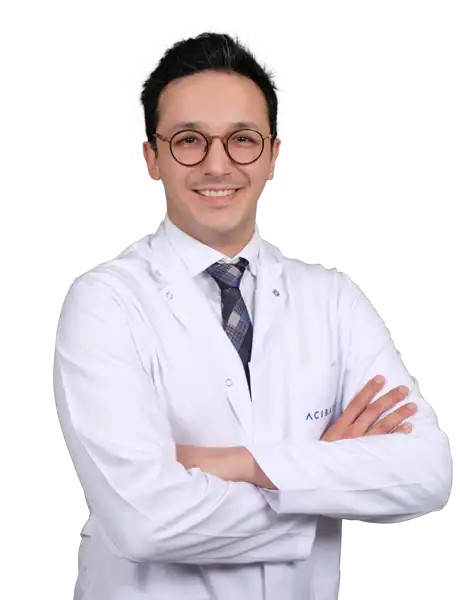
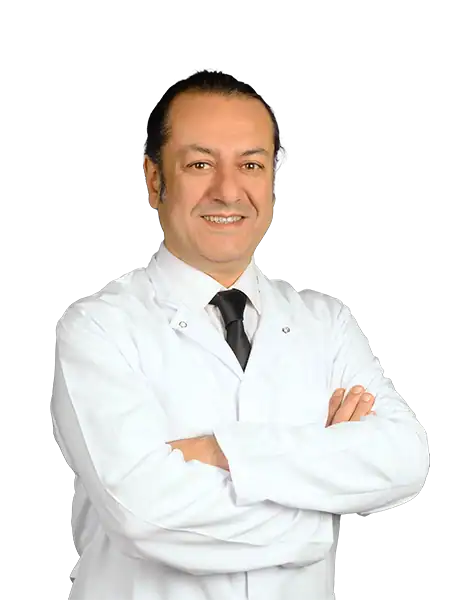
Prof. Mehmet Veli Karaaltın, MD

Aesthetic Plastic & Reconstructive Surgery
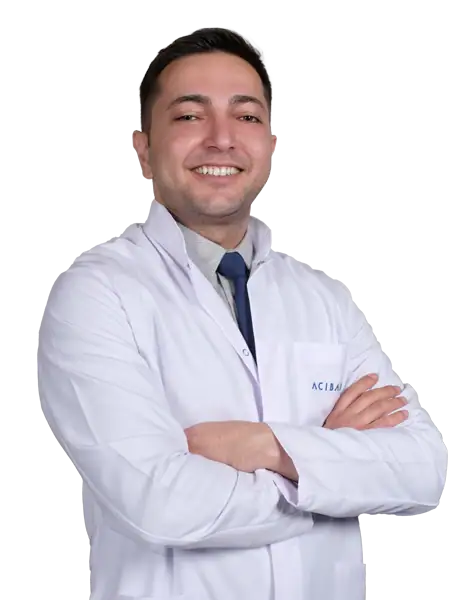
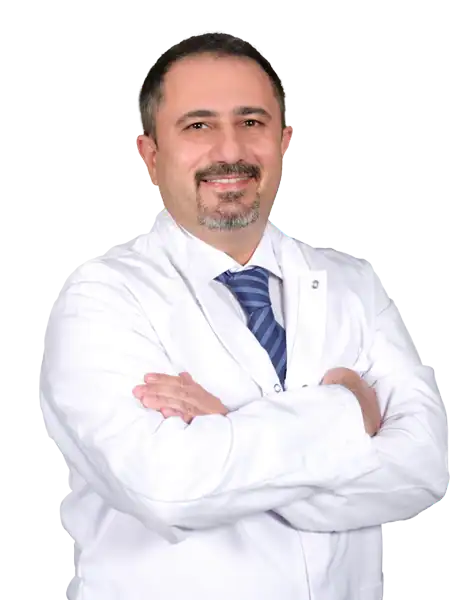
Assoc. Prof. Erdem Güven, MD

Aesthetic Plastic & Reconstructive Surgery
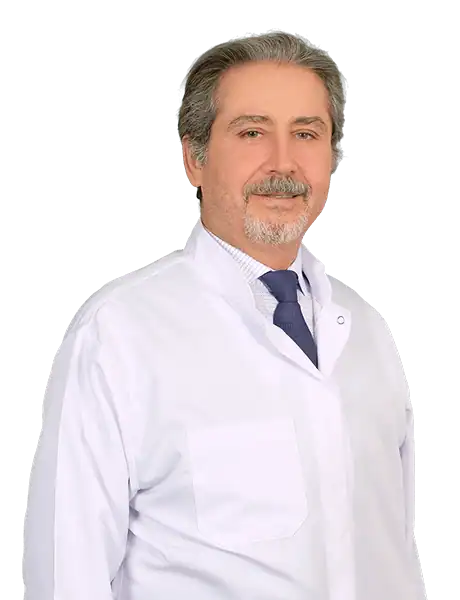
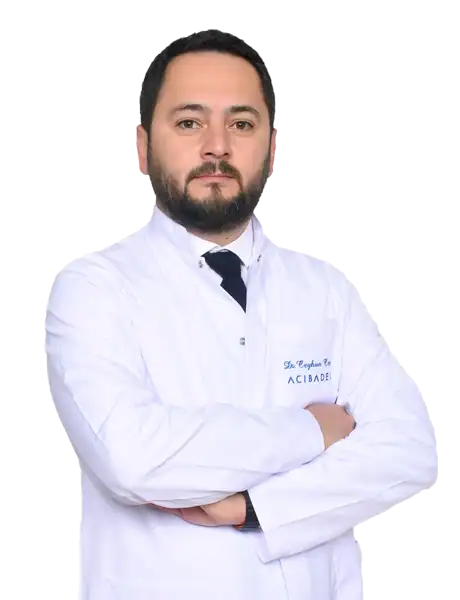
Assoc. Prof. Ahmet Küçükçelebi, MD
Aesthetic Plastic & Reconstructive Surgery
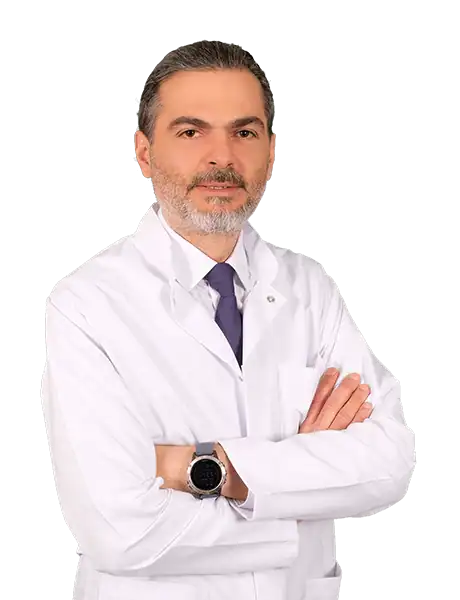
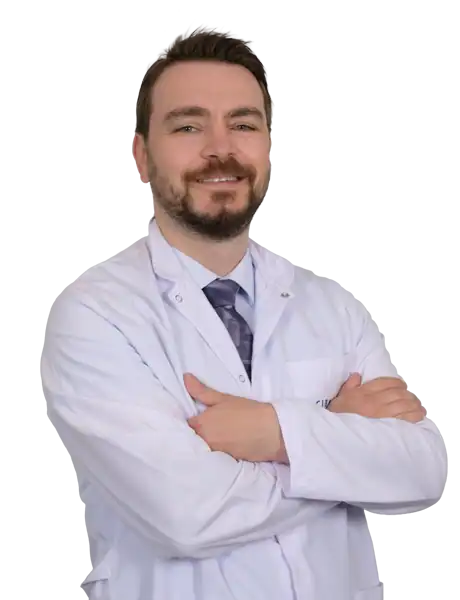
Assoc. Prof. Mehmet Altıparmak, MD

Aesthetic Plastic & Reconstructive Surgery