Ulcerative Colitis Treatment
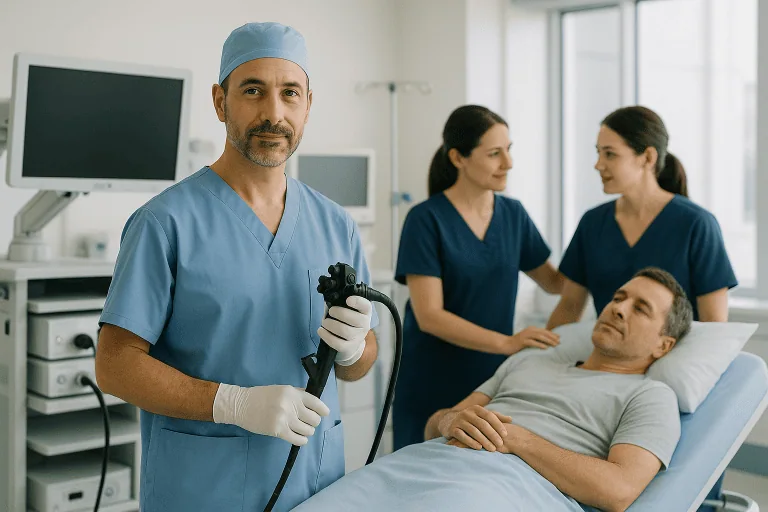
Ulcerative colitis is a chronic inflammatory bowel disease affecting the colon and rectum. Care focuses on confirming diagnosis, controlling inflammation, preventing flares, and monitoring complications.
Quick answer
Ulcerative colitis is a chronic inflammatory bowel disease that inflames the lining of the colon and rectum, causing diarrhoea, bleeding and cramping in cycles of flare and remission. Treatment combines anti-inflammatory or immune-modifying medication, nutritional support and regular monitoring. Surgery to remove the colon is reserved for severe or complicated disease that medication cannot control.
Ulcerative Colitis: What It Is and Why the Right Care Plan Matters
Ulcerative colitis is a chronic inflammatory bowel disease in which the immune system inflames the lining of the colon and rectum, producing ulcers, bleeding and diarrhoea in cycles of flare-up and remission. It is a long-term, immune-mediated condition, not an infection, and it affects people of all ages, most often appearing first in adolescence or early adulthood. Treatment does not remove the disease in a single step. It calms the inflammation, keeps it calm, and protects the colon over time.
If you live with ulcerative colitis, you already know that the unpredictability can be as hard as the symptoms. Diarrhoea, rectal bleeding, urgency, abdominal cramping, fatigue and weight loss interfere with work, travel, sleep, nutrition and daily confidence. A flare can arrive without warning after months of feeling well. That uncertainty is one reason a structured, long-term care plan matters more here than in almost any other digestive condition.
Good ulcerative colitis care pursues three goals in a fixed order. First, confirm the diagnosis accurately, because several other conditions imitate it. Second, control the inflammation effectively, using the least burdensome therapy that actually works for your disease pattern. Third, prevent future complications, relapse, anaemia, hospitalisation and, over many years, an increased risk of precancerous change in the colon lining.
Because the disease varies so widely between people, the plan has to be individual. Someone with mild inflammation limited to the rectum needs a very different approach from someone with extensive colitis, severe anaemia or repeated hospital admissions. A treatment that is too weak allows ongoing damage; a treatment that is heavier than necessary adds risk and burden without benefit. Matching the therapy to the disease is the core skill.
At Acibadem, ulcerative colitis is managed through a structured diagnostic and treatment pathway involving gastroenterologists, colorectal surgeons when needed, radiologists, pathologists, dietitians and other specialists. The aim is not only to treat an active flare, but to understand the pattern of your disease, reduce the likelihood of relapse, monitor medication safety and protect long-term colon health.
What is colitis?
Colitis simply means inflammation of the colon, and it has many possible causes, ulcerative colitis is only one of them. Infections, restricted blood flow to the bowel (ischaemic colitis), certain medications, radiation and microscopic forms of inflammation can all inflame the colon. Colitis symptoms such as diarrhoea, cramping and urgency look similar at the start regardless of the cause, which is why a doctor cannot diagnose ulcerative colitis from symptoms alone. What separates ulcerative colitis from other forms is the pattern: chronic, continuous inflammation that begins in the rectum and may extend upward through the colon, confirmed by colonoscopy and biopsy. Infectious causes in particular need to be excluded before long-term immune-suppressing treatment begins, sometimes with input from an infectious diseases specialist.
What causes ulcerative colitis?
The exact cause of ulcerative colitis is not known. Current evidence points to a combination of factors: a genetic tendency, an immune system that responds abnormally to the bacteria normally living in the gut, and environmental influences that are still being studied. The disease runs in some families, but most people diagnosed have no affected relatives. Diet does not cause ulcerative colitis, and neither does stress: a point worth stating plainly, because patients often blame themselves. Smoking history is a curious feature of this disease: ulcerative colitis is seen more often in people who have stopped smoking, which is one of several clues that the immune environment of the gut is central. None of this means the disease is your fault, and none of it means a lifestyle change alone can replace treatment.
Is ulcerative colitis an autoimmune disease?
Ulcerative colitis is best described as an immune-mediated disease, and many clinicians and organisations group it with autoimmune conditions. In classic autoimmune disease, the immune system attacks a specific protein of the body’s own tissue. In ulcerative colitis, the immune system mounts a persistent, inappropriate inflammatory response in the lining of the large intestine: the practical result is the same: the body’s own defences injure its own tissue. This distinction matters mainly because it explains how the medicines work. Almost every effective treatment for moderate to severe ulcerative colitis acts on the immune system, either broadly or by blocking a specific inflammatory pathway.
Ulcerative Colitis Symptoms
Ulcerative colitis symptoms range from mild and intermittent to severe and exhausting, and they usually track, imperfectly, with how much of the colon is inflamed. The most common are frequent loose stools, blood in the stool, mucus in the stool, urgent bowel movements, a feeling of incomplete evacuation, rectal pain and abdominal cramping. During more active disease, people may also experience loss of appetite, fever, iron-deficiency anaemia, weight loss and profound fatigue. Some notice symptoms building gradually over weeks or months; others are hit by a sudden flare that becomes hard to manage.
Inflammation may be limited to the rectum, extend through the left side of the colon, or involve the entire colon. Importantly, how you feel does not always match how inflamed the bowel actually is. Some people feel reasonably well while inflammation continues to smoulder; others have troublesome bowel symptoms even when the inflammation is controlled. This mismatch is one of the strongest arguments for objective testing rather than symptom-guided guesswork.
What are the warning signs of ulcerative colitis?
The earliest warning signs are usually persistent diarrhoea with blood or mucus, urgency that is difficult to control, and cramping that keeps returning. Bowel symptoms that wake you at night are a particularly telling sign, because functional bowel problems rarely do that. Unexplained weight loss, ongoing fatigue and iron-deficiency anaemia found on a routine blood test can also be the first indicators. Signs of a severe flare look different: many bloody stools a day, fever, a racing heart, dehydration and intense abdominal pain. Clinicians treat that picture as an emergency, because severe flares can progress quickly and, in rare cases, lead to toxic megacolon or perforation of the bowel. Between those two extremes sits a wide spectrum, which is exactly why an assessment based on symptoms, blood work and endoscopy together gives a far more reliable picture than any single symptom.
How do ulcerative colitis symptoms differ from other IBD symptoms?
IBD symptoms, the symptoms of inflammatory bowel disease, cover two main conditions, ulcerative colitis and Crohn’s disease, and the overlap is considerable: both cause diarrhoea, abdominal pain, fatigue and weight loss. The differences lie in pattern and location. Ulcerative colitis affects only the colon and rectum, inflames the lining continuously from the rectum upward, and typically causes visible rectal bleeding. Crohn’s disease can affect any part of the digestive tract from mouth to anus, often in patches, and tends to inflame deeper layers of the bowel wall, which can lead to strictures and fistulas. Bleeding is more constant in ulcerative colitis; pain around the right lower abdomen and problems around the anus are more suggestive of Crohn’s. Telling the two apart matters, because medication choices, surgical planning and long-term monitoring differ between them.
How does ulcerative colitis affect brain function?
Ulcerative colitis does not damage the brain directly, but it can affect thinking, mood and energy through several indirect routes. Active inflammation itself causes fatigue that patients often describe as fog rather than sleepiness. Iron-deficiency anaemia, common in this disease, reduces the blood’s oxygen-carrying capacity and impairs concentration. Broken sleep from night-time symptoms compounds both. There is also growing research interest in the gut-brain axis, the two-way communication between the intestine and the nervous system, and in the higher rates of anxiety and low mood observed in people living with chronic bowel disease. The honest summary: cognitive and emotional symptoms in ulcerative colitis are real, they usually improve as inflammation is controlled and anaemia is corrected, and they deserve to be raised at appointments rather than endured silently.
Who Needs Assessment, and How Ulcerative Colitis Is Diagnosed
You may need evaluation for ulcerative colitis if you have persistent or recurring bowel symptoms, especially rectal bleeding, mucus in the stool, urgency, night-time diarrhoea, abdominal pain or unexplained fatigue. The symptoms for colitis disease of any cause overlap heavily at the beginning, so the diagnostic pathway is designed to answer two questions at once: is this colitis at all, and if so, which kind?
Diagnosis begins with a detailed history and physical examination. Your doctor will ask about symptom duration, stool frequency, bleeding, medication use, recent travel, infections, family history, smoking history, previous colonoscopy findings and any symptoms outside the bowel, joint pain, skin changes, eye inflammation or liver-related concerns, because these can accompany inflammatory bowel disease.
Laboratory and stool testing come next. Blood tests assess anaemia, inflammation markers, liver function, kidney function, nutritional status and readiness for specific medications. Stool tests look for infection and can measure intestinal inflammation directly, most usefully through faecal calprotectin, a marker released by inflamed bowel lining. Because infections can imitate or worsen ulcerative colitis, excluding them before starting immune-suppressing treatment is a non-negotiable step in safe care.
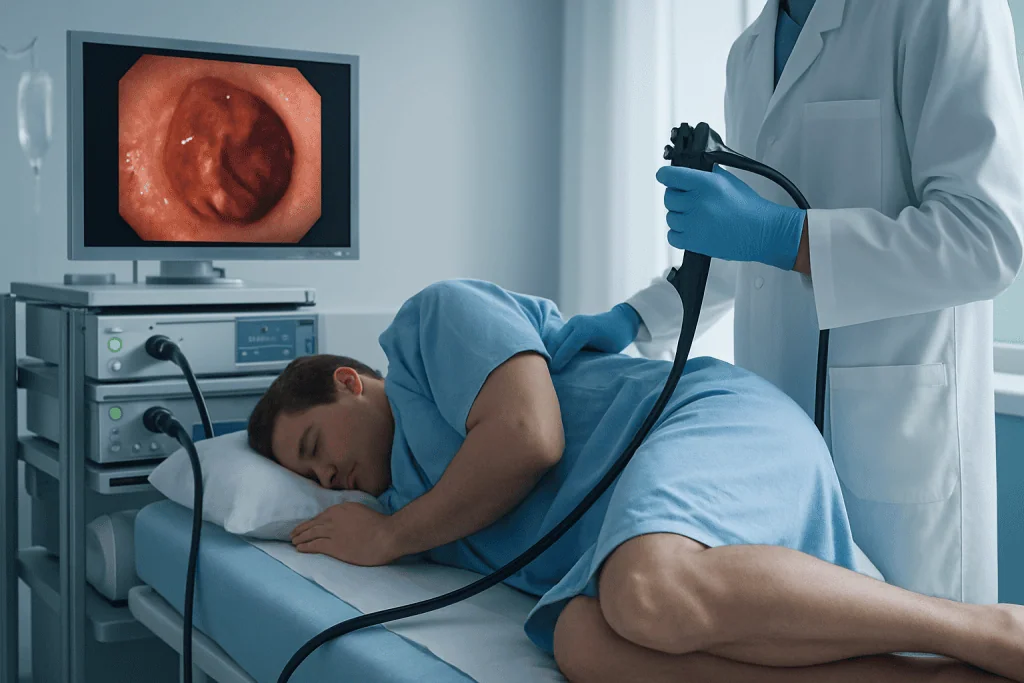
Colonoscopy with biopsies is the centre of the diagnosis. The physician examines the lining of the rectum and colon directly, records how far the inflammation extends, and takes small tissue samples from multiple areas. Under the microscope, these biopsies show the patterns of chronic inflammation that support the diagnosis and help exclude alternatives. During a severe flare, a shorter flexible sigmoidoscopy may be chosen instead, because a full colonoscopy can be riskier in an acutely inflamed colon.
Imaging, ultrasound, computed tomography or magnetic resonance imaging, is added when symptoms are severe, when complications such as abscess or perforation are suspected, or when the diagnosis remains unclear. Cross-sectional imaging shows bowel wall inflammation and helps identify other abdominal conditions that can resemble inflammatory bowel disease.
The differential diagnosis is broader than most patients expect. Ulcerative colitis must be distinguished from Crohn’s disease, infectious colitis, ischaemic colitis, microscopic colitis and medication-related colitis. In people whose main symptom is chronic diarrhoea, conditions such as coeliac disease may also be checked, because more than one digestive condition can coexist. Getting this step right shapes everything that follows: the wrong label leads to the wrong medicine.
Disease Patterns and Situations That Ulcerative Colitis Treatment Addresses
Ulcerative colitis care covers a wide range of disease patterns and clinical situations. Some patients seek treatment after a first diagnosis. Others come for a second opinion because symptoms continue despite medication, because they have needed repeated steroid courses, or because they are weighing up biologic therapy or surgery.
By extent, the disease falls into three broad patterns, each with different implications for medication choice, cancer surveillance and relapse prevention. Ulcerative proctitis means inflammation limited to the rectum, often well controlled with rectal therapy alone. Left-sided colitis extends from the rectum into the left colon. Extensive colitis involves more of the colon and generally calls for stronger maintenance treatment and closer long-term surveillance.
By activity, treatment addresses flares of every severity. A mild flare may mean increased stool frequency and some bleeding without systemic illness. A moderate flare disrupts daily life significantly and often requires escalating therapy. A severe flare can cause dehydration, anaemia, fever, rapid heart rate and intense inflammation, and usually needs hospital-based treatment with close monitoring by gastroenterology and surgical teams together.
Treatment also addresses complications and associated conditions: iron-deficiency anaemia, malnutrition, dehydration, blood clots during severe inflammation, toxic megacolon, colonic strictures, medication side effects and the increased long-term colorectal cancer risk in people with extensive or long-standing disease. Some patients develop extraintestinal manifestations, arthritis, eye inflammation, skin disorders or inflammation of the bile ducts, a form of liver disease called primary sclerosing cholangitis, which require coordinated specialist care alongside the bowel treatment.
Finally, there is steroid dependence and steroid resistance. Corticosteroids control flares in the short term, but they are not maintenance therapy: prolonged or repeated use risks bone loss, high blood sugar, infection, weight gain, cataracts, mood changes and adrenal suppression. If you repeatedly need steroids, or symptoms return each time the dose is reduced, that is not a personal failure: it is a signal that the underlying treatment plan needs reassessment.
How Ulcerative Colitis Treatment Is Performed
Initial Assessment and Preparation
Care begins with a comprehensive review: symptoms, previous test results, current medications, allergies, vaccination history, family history and how you responded to earlier treatments. For patients travelling for care, previous colonoscopy reports, pathology results, imaging files, medication lists and recent laboratory tests are the documents that let any new team plan efficiently rather than repeat everything from scratch.
Preparation depends on what is planned. If a colonoscopy is scheduled, you will receive instructions about bowel cleansing, diet restrictions and arrival timing; your treating doctor decides how any regular medicines fit around the procedure. If biologic or targeted therapy is being considered, screening tests come first, infection screening and a review of vaccination status where relevant, because these treatments modify the immune system and safety checks precede the first dose.
During this stage the team grades disease severity using symptoms, laboratory markers, endoscopic findings and biopsy results together. That grading determines the setting: many patients are treated entirely as outpatients, while severe ulcerative colitis may require admission for intravenous fluids, correction of anaemia or electrolyte problems, infection testing, blood clot prevention and close monitoring by both medical and surgical teams.
Diagnostic Procedures and Technology Used
Endoscopy carries much of the diagnostic weight. High-resolution colonoscopy lets the physician inspect the mucosal surface, map the extent of inflammation, detect ulcers or bleeding and take biopsies from multiple areas. Enhanced imaging techniques may be used to examine subtle mucosal changes, particularly during surveillance for dysplasia, precancerous change, in patients with long-standing disease.
Pathology is equally important. Tissue samples are reviewed under the microscope to confirm chronic inflammatory changes, grade activity and look for dysplasia or alternative diagnoses. Laboratory testing supports decisions about inflammation level, anaemia, liver and kidney function, infection risk and the safety of specific medications.
Imaging, ultrasound, computed tomography or magnetic resonance imaging, is added when complications are suspected or when the endoscopic picture needs context: bowel wall thickening, severe inflammation, perforation risk or other abdominal conditions that mimic inflammatory bowel disease.
For monitoring, non-invasive tools do most of the routine work: blood inflammation markers and stool markers such as faecal calprotectin show whether the disease is responding without repeated procedures. Repeat endoscopy is reserved for moments when it changes decisions, confirming that the bowel lining has genuinely healed, or resolving a mismatch between how you feel and what the markers say.
Medication-Based Treatment
For mild to moderate ulcerative colitis, 5-aminosalicylate (5-ASA) medications are the usual foundation, given orally, rectally or in combination. Rectal therapy, suppositories or enemas, deserves more respect than it usually gets from patients: because ulcerative colitis always involves the rectum, delivering medicine directly to the inflamed segment is often what turns a partial response to oral treatment into a complete one, particularly in proctitis and left-sided disease.
Corticosteroids are used to bring an active flare under control, given orally, rectally or intravenously depending on severity. They work quickly, but they are a bridge, not a destination: their side-effect profile with repeated or prolonged use means the plan should always include a route off them and onto safer maintenance therapy.
For moderate to severe disease, or disease that does not respond to first-line treatment, biologic medications and targeted oral small-molecule therapies act on specific inflammatory pathways involved in ulcerative colitis. Before starting them, doctors assess infection risk, review vaccination needs, evaluate other medical conditions and explain the monitoring schedule. The choice among these therapies weighs disease severity, previous medication exposure, safety profile, convenience of administration, your own goals and evidence-based protocols.
Maintenance therapy is where long-term outcomes are won or lost. Even when symptoms disappear, the underlying inflammatory tendency remains, and stopping treatment without medical guidance frequently allows inflammation to return. The goal is sustained remission with the lowest treatment burden that actually holds it, plus scheduled monitoring for side effects. Follow-up visits exist to answer one question honestly: is this plan still working, or does it need adjusting?
What Is the Best Medicine for Ulcerative Colitis?
There is no single best medicine for ulcerative colitis: the best medicine is the one matched to your disease extent, severity and treatment history. For mild disease limited to the rectum, a 5-ASA suppository may be all that is needed; prescribing a powerful biologic in that situation would add risk without benefit. For extensive, severe or repeatedly relapsing disease, a 5-ASA alone is usually not enough, and an advanced therapy becomes the rational choice. Previous medication failures, infection risks, other health conditions, pregnancy plans and practical factors such as infusion access all shape the decision. Be wary of any source that names one drug as universally best: in this disease, that claim is a sign the source has not understood the question.
Can Ulcerative Colitis Be Cured?
No medication cures ulcerative colitis; the honest and achievable goal of medical treatment is deep, lasting remission: a healed bowel lining and a normal daily life. Surgery occupies a special place in this discussion: removing the colon and rectum removes the tissue where colonic ulcerative colitis occurs, and some describe colectomy as curative for that reason. But it is major surgery with lifelong consequences: a pouch or a stoma, and in pouch patients the possibility of pouch inflammation later, so it is more accurate to call it a definitive treatment than a simple cure. Most people with ulcerative colitis manage the condition with medication throughout their lives and never need surgery. Remission, not cure, is the standard by which treatment success is genuinely measured.
Can Ulcerative Colitis Heal Itself?
Individual flares can settle, but ulcerative colitis does not heal itself in any lasting sense. The disease runs in cycles, and a quiet period without treatment is usually remission waiting to be interrupted rather than resolution. Untreated inflammation, even when symptoms feel tolerable, continues to injure the bowel lining, feeds anaemia and fatigue, and contributes to long-term cancer risk in extensive disease. This is why treatment plans continue through remission: the medicine is maintaining the quiet, not merely responding to noise.
Nutritional, Supportive and Preventive Care
Diet does not cause ulcerative colitis, but nutrition strongly affects symptoms, energy, anaemia and recovery. During a flare, some patients benefit from temporary dietary adjustments that reduce irritation and protect hydration. In remission, the aim is usually the opposite of restriction: balanced nutrition, correction of deficiencies and a deliberate effort to avoid unnecessary food rules that shrink the diet without helping the disease. A dietitian is particularly useful for patients with weight loss, iron deficiency, extensive food avoidance, lactose intolerance or difficulty eating during flares.
Supportive care may include iron replacement, vitamin D assessment, bone health evaluation after steroid exposure, hydration support and guidance on safe physical activity. Preventive care matters just as much: depending on treatment type, patients may need vaccination review, skin checks, cervical screening or infection precautions. Those with long-standing extensive colitis need regular colonoscopic surveillance to detect precancerous changes early, one of the quiet but most valuable parts of the whole care plan.
What Foods Should You Avoid If You Have Ulcerative Colitis?
There is no universal forbidden-foods list for ulcerative colitis, because trigger foods vary genuinely from person to person. During a flare, many people find that high-insoluble-fibre foods (raw vegetables, nuts, seeds, skins), very spicy dishes, alcohol, caffeine and, in those who are lactose intolerant, dairy make symptoms worse, and easing off them temporarily brings comfort. In remission, most of these foods can usually return. A short food-and-symptom diary is more useful than any generic list, because it identifies your triggers rather than someone else’s. The trap to avoid is cumulative restriction: cutting food after food until the diet is too narrow to supply the nutrition an inflamed body needs. Remember the direction of causality, foods can aggravate symptoms, but they do not create or heal the underlying inflammation.
When Surgery Is Considered
Surgery is recommended when severe disease does not respond to medical treatment, when complications arise, when dysplasia or cancer is detected, or when quality of life remains unacceptable despite appropriate therapy. The definitive operation removes the colon and rectum. After that, some patients are candidates for ileal pouch-anal anastomosis, pouch surgery, in which a reservoir built from small intestine allows stool to pass through the anus. Others need, or actively choose, a permanent ileostomy.
Surgical planning is highly individual and often staged, especially when a patient is severely ill, taking high-dose steroids, malnourished or facing urgent complications. Colorectal surgeons explain the expected hospital stay, how a pouch typically functions, ostomy care where relevant, fertility considerations, sexual health, possible complications and long-term follow-up. Two points deserve emphasis. First, involving a surgeon early does not mean surgery is inevitable: it means that if surgery ever becomes necessary, it happens as a planned, well-prepared operation rather than an emergency. Second, the decision belongs in a multidisciplinary discussion where gastroenterology and surgery weigh the options together with you.
Typical Duration and Recovery Process
Duration depends entirely on the situation. A diagnostic colonoscopy takes a short visit, with recovery from sedation the same day. Medication treatment for an active flare may take days to weeks to improve symptoms, while deeper healing of the bowel lining takes longer and needs monitored follow-up. Biologic infusions or injections run on scheduled intervals. Hospital treatment for a severe flare may require several days or more, depending on response and complications.
Recovery from a flare is gradual and follows a rough order: bleeding and urgency usually improve first, then stool frequency, then appetite, strength and laboratory markers. Judge progress by objective measures as well as symptoms, because inflammation can persist even when bowel habits feel better, and a plan that stops too early invites the next flare.
Recovery after surgery varies with the procedure and your condition beforehand. Patients who are malnourished, anaemic or on high-dose steroids need more careful preparation and slower rehabilitation. After discharge, follow-up focuses on wound healing, hydration, bowel function, ostomy or pouch education where applicable, and a staged return to normal activity.
Why Acting Early Matters
Early evaluation and appropriate treatment reduce the burden of ulcerative colitis and may lower the risk of severe flares. Persistent inflammation drives anaemia, dehydration, weight loss, fatigue, blood clot risk and hospitalisation. Over years, uncontrolled inflammation also raises the risk of colorectal dysplasia and cancer, particularly in extensive or long-standing disease: a risk that surveillance and sustained remission are both designed to manage.
Delay also makes treatment harder. Repeated steroid courses can mask symptoms while the disease pattern quietly worsens underneath. Severe flares can progress quickly, and in rare cases intense inflammation leads to toxic megacolon, perforation or life-threatening infection, situations that clinicians manage as emergencies precisely because the window for safe intervention narrows fast.
Acting early does not mean reaching for the most intensive therapy first. It means making timely, evidence-based decisions from an accurate diagnosis and an objective measure of severity. For some patients that means optimising conventional therapy properly, adding rectal treatment, correcting the dose, checking adherence, before anything else. For others it means moving to advanced therapy before repeated flares cause cumulative harm. Timing, more than any individual drug, is what separates well-managed ulcerative colitis from a disease that manages the patient.
Benefits of Ulcerative Colitis Treatment
What treatment delivers depends on disease severity and response, but the goals are consistent: symptom control, inflammation reduction, complication prevention and better daily function.
| Benefit | What It Means for You |
|---|---|
| Reduced inflammation | Effective treatment calms the lining of the colon and rectum, helping the bowel heal and removing the drivers of future flares. |
| Better symptom control | Fewer urgent bowel movements, less bleeding, reduced cramping, improved sleep and more confidence in daily activities. |
| Lower steroid exposure | A structured maintenance plan reduces reliance on repeated corticosteroid courses and their long-term side effects. |
| Monitoring for complications | Regular follow-up detects anaemia, nutritional deficiencies, medication safety issues, dysplasia and severe inflammation earlier. |
| Personalised long-term planning | The plan adapts to disease extent, treatment history, travel needs, pregnancy plans, infection risks and lifestyle priorities. |
Recovery Timeline After Ulcerative Colitis Treatment
Recovery differs depending on whether you are treated for a mild flare, a severe flare, a medication transition or surgery, but the following timeline describes common expectations.
| Time Period | What Patients Can Expect |
|---|---|
| Day 1 | Initial assessment may include blood tests, stool tests, medication review, and endoscopic or imaging planning. If treatment begins immediately, the first goals are symptom stabilisation and safety. |
| First Week | Some patients begin to notice less bleeding, reduced urgency or improved hydration. Severe flares may require hospital monitoring and adjustment of therapy based on response. |
| First Month | The medication response becomes clearer. Doctors review laboratory markers, stool inflammation tests and side effects, and decide whether the plan should continue or escalate. |
| Longer Term | The focus shifts to maintaining remission, preventing flares, monitoring medication safety, scheduling surveillance colonoscopy when appropriate, and supporting nutrition and quality of life. |
Factors That Influence Outcomes
Outcomes in ulcerative colitis depend on several factors: disease extent, severity of inflammation, how long symptoms ran before treatment, previous medication response, smoking history, age, infection status, other medical conditions and adherence to follow-up. A newly diagnosed patient with mild proctitis and a patient with extensive colitis and repeated hospitalisations are, in practical terms, managing different versions of the same disease.
Accurate diagnosis is the single most influential factor. Treating presumed ulcerative colitis without excluding infection or other causes leads to inappropriate medication and delayed recovery. Distinguishing ulcerative colitis from Crohn’s disease matters just as much, because surgical planning, medication selection and long-term monitoring differ between the two.
Objective monitoring shapes outcomes throughout. Symptoms matter, but they do not always reflect the true level of inflammation: some patients feel well while inflammation stays active, while others have irritable-bowel-type symptoms despite a healed lining. Blood tests, stool markers, endoscopy, pathology and imaging, used judiciously rather than reflexively, let doctors make precise decisions instead of educated guesses.
Medication selection and timing carry real weight. Therapy too weak for the level of inflammation means ongoing flares and steroid dependence; therapy heavier than necessary means avoidable safety risks and treatment burden. The balance is not set once: it is adjusted as the disease changes over years.
Your own part in the plan is not a footnote. Taking medications as prescribed, reporting side effects early, attending follow-up visits and completing recommended monitoring all measurably improve disease control; abrupt, unguided treatment changes are among the commonest routes back into a flare. For patients who travel for care, a clear communication plan for after they return home carries the same weight as any test performed during the visit.
Finally, nutrition, sleep, stress management and attention to associated conditions influence resilience and recovery. Stress does not cause ulcerative colitis, but living with a chronic disease affects symptom perception, sleep and coping, and support in those areas is part of good care, not an optional extra.
How Ulcerative Colitis Care Is Organised at Acibadem
Ulcerative colitis is rarely managed in a single appointment, so the structure of care matters as much as any individual decision. At Acibadem, care is led by physicians experienced in digestive diseases, with access to endoscopy units, imaging, pathology review, laboratory testing, infusion services and hospital-based care when required. Treatment decisions follow evidence-based protocols, adapted to your disease pattern, treatment history and circumstances.
When cases are complex, multidisciplinary discussion brings together gastroenterologists, colorectal surgeons, radiologists, pathologists, dietitians, anaesthesiologists and other specialists. This team approach earns its keep in the hard situations: severe colitis, unclear diagnosis, suspected dysplasia, medication failure or a possible need for surgery. A colorectal surgeon’s input at the table does not make surgery inevitable: it means that if surgery becomes necessary, planning starts early, risks are reduced where possible, and you understand every option before an urgent situation forces the choice.
For patients receiving advanced therapies, screening and monitoring are built into the pathway: infection risk assessment, relevant blood tests, vaccination history, liver and kidney function, and a review of previous medication exposure. The aim is a treatment that is both medically appropriate and practical for your location, travel schedule and access to follow-up care after you go home.
Second opinions have a legitimate place in this disease, even for patients who continue treatment locally afterwards. A comprehensive review can confirm the diagnosis, clarify disease extent, identify why symptoms persist despite treatment, suggest a safer long-term medication strategy, or establish whether surgery deserves serious consideration. The value lies in clear medical reasoning and a defined next step, not in adding more treatment for its own sake.
Personalised planning ties it together. A young adult diagnosed before university, a parent balancing work and family, a patient with anaemia and repeated steroid courses, and an older adult with several other conditions all need different strategies built from the same components: medication, nutrition, surveillance, safety monitoring and coordination with physicians in the patient’s home country where relevant.
Living With Ulcerative Colitis Over the Long Term
Ulcerative colitis is a lifelong condition, but it is one that careful diagnosis and a well-structured plan can make genuinely manageable. Most people with this disease work, travel, raise families and live the lives they intended: the disease sets some conditions, not the terms. What sustains that outcome is unglamorous consistency: maintenance treatment that continues through the quiet periods, monitoring that catches problems while they are still small, surveillance that protects the colon over decades, and honest conversations when a plan stops working. Whether you are newly diagnosed, living with recurring flares, concerned about long-term medication, or weighing up surgery, understanding how this disease behaves, and how modern treatment answers it, is the foundation every good decision rests on.
Preparation
- Evaluation usually includes medical history, blood and stool tests, and colonoscopy or imaging when needed. Patients should bring previous test results, medication lists, and details of flare patterns. Some medicines may need adjustment before endoscopic evaluation or surgery.
Aftercare
- Aftercare focuses on taking medications as prescribed, attending follow-up visits, and monitoring symptoms such as bleeding, fever, or severe abdominal pain. Regular colonoscopy surveillance may be recommended for long-standing disease. Nutrition guidance and flare prevention plans support long-term control.
Frequently Asked Questions
What affects the cost of ulcerative colitis treatment abroad?
The main factors are the purpose of the visit, the severity of inflammation, required tests, medication type, need for hospital admission, and whether surgery is being considered. Travel, translation, accommodation, and follow-up arrangements can also affect the overall budget.
How can I get a personalised quote from Acibadem?
You can request a free consultation and share your medical reports, previous colonoscopy and biopsy results, medication history, and recent test results. The international patient team can help coordinate specialist review and provide a personalised estimate based on the recommended care plan.
Does the quote usually include medication for ulcerative colitis?
It depends on the treatment plan and the package scope. Some quotes may include in-hospital medicines or defined procedures, while long-term outpatient medicines may be quoted separately. Patients should ask what is included and what may be billed separately.
Is surgery always needed for ulcerative colitis?
No. Many patients are managed with medicines and regular monitoring. Surgery is considered only in selected situations, such as severe disease not responding to treatment, complications, or cancer-related concerns, and suitability is decided by specialists.
Can international patients continue follow-up after returning home?
Follow-up can often be coordinated with written reports, medication plans, and recommendations for local monitoring. The exact follow-up pathway depends on the treatment received, the patient’s condition, and the availability of local gastroenterology care.
Medically reviewed by the Acıbadem International Medical Board August 31, 2026
See our medical review board →
Update history
- PublishedJune 8, 2026
- Medical review approvedAugust 31, 2026
- Last content updateSeptember 8, 2026
References3
- Ulcerative Colitis medlineplus.gov
- Ulcerative colitis nhs.uk
- Ulcerative Colitis my.clevelandclinic.org
Trusted care for international patients
From the Acibadem Blog

Can Ulcerative Colitis Stay in Remission? What Long-Term Control Realistically Involves
Ulcerative colitis can stay in remission for months or years, and many people have long stretches with few or no symptoms, but it is…

How Ulcerative Colitis Is Treated: Inducing Remission, Then Keeping the Colon Calm
Ulcerative colitis is treated in two phases: medicines to induce remission during a flare, then a different or continued medicine to maintain it. Aminosalicylates…

The Four Stages of Ulcerative Colitis, and the Worst Foods for It
Ulcerative colitis has no official four-stage system. Doctors classify it two ways: by how much of the colon is inflamed (ulcerative proctitis, proctosigmoiditis, left-sided…