

Liver Cancer Treatment
Liver cancer care involves diagnosis, staging and personalized treatment using surgery, ablation, chemotherapy, targeted therapy, immunotherapy or radiation based on tumor type and liver function.
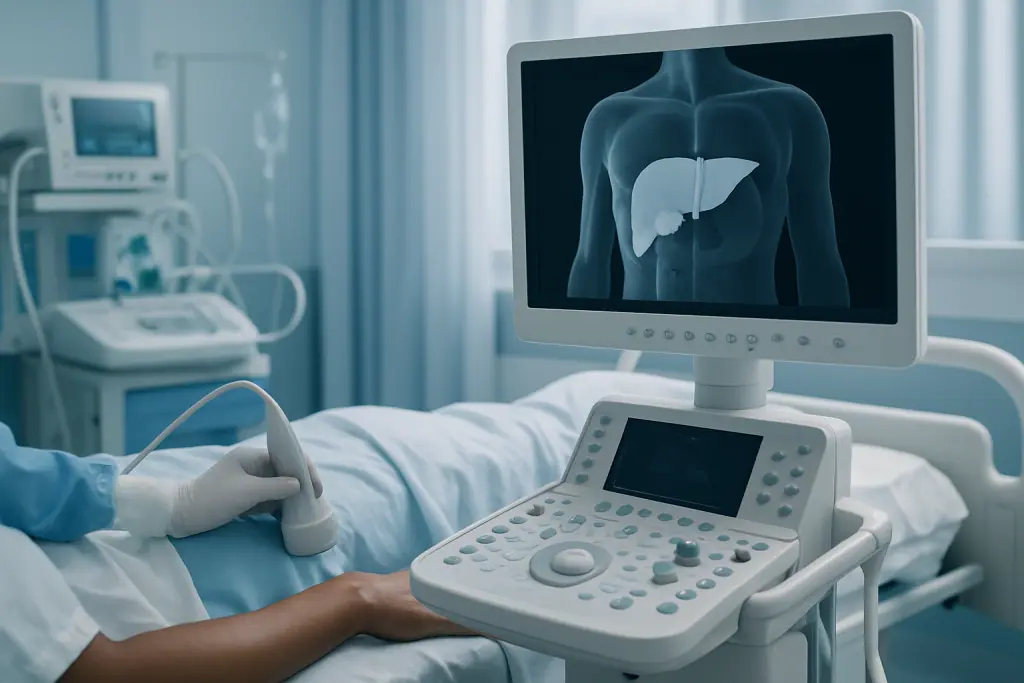
Quick answer
Liver cancer treatment aims to control or remove tumors while preserving as much healthy liver function as possible, using a personalized plan based on the cancer type, stage, and the condition of the liver. At Acibadem in Turkey, care typically includes detailed imaging and staging followed by options such as surgery, ablation, chemotherapy, targeted therapy, immunotherapy, or radiation when appropriate.
Facing Liver Cancer: A Decision That Deserves Careful, Expert Guidance
A diagnosis of liver cancer often comes at a difficult and uncertain moment. Some people learn about a liver tumor during routine surveillance for cirrhosis or hepatitis. Others are diagnosed after symptoms such as abdominal discomfort, weight loss, jaundice, fatigue, or fluid buildup in the abdomen. For many international patients, the questions begin immediately: Is the cancer treatable? Has it spread? Is surgery possible? Will the liver be strong enough to tolerate treatment? Should I seek a second opinion before starting therapy?
Liver cancer care is complex because the disease is not evaluated by tumor size alone. The medical team must also understand how well the liver is functioning, whether there is cirrhosis or chronic hepatitis, whether the tumor is confined to the liver, and whether the patient is strong enough for a particular treatment. A plan that is appropriate for one person may not be appropriate for another, even if the tumors appear similar on imaging.
This is why treatment is best planned by a multidisciplinary team experienced in liver tumors. Hepatobiliary surgeons, gastroenterologists and hepatologists, medical oncologists, radiation oncologists, interventional radiologists, diagnostic radiologists, nuclear medicine physicians, pathologists, anesthesiologists, and specialized nurses may all contribute to care. The goal is to define the cancer accurately, protect healthy liver tissue, and choose the treatment or sequence of treatments that offers the best possible disease control with the least unnecessary risk.
At Acibadem, liver cancer care is organized around this principle: careful diagnosis first, individualized treatment second. For patients traveling from abroad, this approach also includes coordinated international patient services, medical record review, interpretation support, and planning that considers the realities of travel, recovery, follow-up, and communication with physicians at home.
What Liver Cancer Treatment Is
Liver cancer treatment is not a single procedure. It is a personalized treatment pathway designed according to the type of liver cancer, the stage of disease, liver function, overall health, and patient goals. The most common primary liver cancer is hepatocellular carcinoma, often called HCC. It usually develops in people with chronic liver disease, including hepatitis B, hepatitis C, fatty liver disease, alcohol-related liver disease, or cirrhosis. Another major type is cholangiocarcinoma, a cancer of the bile ducts that may occur inside or outside the liver. The liver can also be affected by metastases, meaning cancers that started elsewhere and spread to the liver, such as colorectal cancer. These situations require different treatment strategies.
Treatment may involve surgery to remove part of the liver, called liver resection, when the tumor can be safely removed and enough healthy liver will remain. In selected cases, liver transplantation may be considered, particularly for early-stage hepatocellular carcinoma in the setting of advanced cirrhosis. Some tumors are treated with ablation, in which heat or another form of energy is used to destroy cancer cells through a needle-like probe. Interventional radiology treatments may deliver chemotherapy or radiation directly to the liver tumor through blood vessels. Systemic therapy, including targeted therapy and immunotherapy, may be used when cancer is advanced, recurrent, or not suitable for local treatment. Radiation therapy may also be used in specific situations to control tumors while protecting surrounding tissues.
The treatment plan may use one therapy or a combination of therapies over time. For example, a patient may receive ablation for a small tumor, surgery for a removable tumor, or systemic therapy to control disease that cannot be treated surgically. In some cases, treatment may be used to reduce tumor burden before another therapy is considered. In others, the priority may be to slow progression, relieve symptoms, and preserve quality of life.
Because liver cancer care depends so heavily on staging and liver function, a high-quality treatment plan begins with precise imaging, laboratory assessment, and expert review. The question is not simply “Which treatment is strongest?” but “Which treatment is most appropriate for this cancer in this liver, for this patient, at this time?”
Who May Need Liver Cancer Evaluation and Treatment
People may need liver cancer evaluation because they have symptoms, an abnormal blood test, a suspicious imaging result, or a known risk factor that requires ongoing surveillance. Liver cancer is sometimes discovered before symptoms appear, especially in patients who receive regular ultrasound or imaging because of cirrhosis, hepatitis B, or other chronic liver conditions. Early detection can expand treatment options, which is why surveillance is important for people at increased risk.
Symptoms of liver cancer can be subtle at first. Patients may notice a dull ache or pressure in the upper right abdomen, early fullness after eating, unexplained weight loss, loss of appetite, increasing fatigue, nausea, or general weakness. Some people develop yellowing of the skin or eyes, dark urine, pale stools, itching, swelling of the abdomen, or swelling in the legs. These symptoms can also occur with noncancerous liver disease, so careful diagnosis is essential.
Diagnosis usually begins with a medical history and physical examination, followed by blood tests and imaging. Blood tests may evaluate liver enzymes, bilirubin, clotting function, albumin, blood counts, kidney function, and viral hepatitis status. In hepatocellular carcinoma, a tumor marker called alpha-fetoprotein may be measured, although it is not elevated in every patient and cannot diagnose all liver cancers by itself.
Imaging is central to liver cancer diagnosis. Multiphasic contrast-enhanced CT or MRI can show how a liver lesion behaves during different phases of blood flow, which helps distinguish hepatocellular carcinoma from other tumors or benign liver lesions. Ultrasound may be used for surveillance or initial assessment. Additional tests may include chest imaging, PET-based imaging in selected cases, or other scans to look for disease outside the liver. For some tumors, imaging is highly characteristic. In other situations, a biopsy may be recommended to confirm the diagnosis and identify the cancer type.
Patients often seek liver cancer treatment or a second opinion when they have been told that surgery is not possible, when they have multiple treatment options and need clarity, when the diagnosis is uncertain, or when they want an experienced team to review whether a local therapy, systemic therapy, clinical pathway, or combined approach may be appropriate. International patients may also request evaluation when they need coordinated diagnostic workup and treatment planning within a defined travel period.
Conditions and Indications Liver Cancer Care Addresses
Liver cancer care addresses several different disease categories. Each requires specific expertise because the biology of the tumor, the role of surgery, the usefulness of systemic therapy, and the importance of underlying liver function can vary significantly.
- Hepatocellular carcinoma: The most common primary liver cancer, often associated with cirrhosis, hepatitis B, hepatitis C, metabolic fatty liver disease, or alcohol-related liver disease.
- Intrahepatic cholangiocarcinoma: Cancer arising from bile ducts within the liver. It may require surgery, systemic therapy, radiation therapy, or combined treatment depending on stage and location.
- Perihilar or extrahepatic bile duct cancers: Tumors near or outside the liver that often require complex hepatobiliary surgery and careful bile duct assessment.
- Combined liver tumors: Some tumors have features of both hepatocellular carcinoma and cholangiocarcinoma, requiring detailed pathology and individualized treatment planning.
- Liver metastases: Cancers that have spread to the liver from another organ, such as colorectal cancer, neuroendocrine tumors, breast cancer, or melanoma. Treatment depends on the primary cancer type and extent of disease.
- Recurrent liver cancer: Cancer that returns after surgery, ablation, systemic therapy, or other treatment, often requiring renewed staging and discussion by a specialist board.
- Unresectable liver tumors: Tumors that cannot be safely removed because of size, number, location, blood vessel involvement, spread outside the liver, or inadequate liver reserve.
- High-risk liver nodules: Suspicious lesions in patients with chronic liver disease that require close imaging follow-up, biopsy, or early intervention.
The same diagnosis can have different implications depending on the person’s liver condition. A small tumor in a healthy liver may be treated differently from a small tumor in a cirrhotic liver. A tumor close to major blood vessels or bile ducts may require a more complex approach than one located near the liver surface. For this reason, the treatment plan must consider both cancer control and liver safety.
How Liver Cancer Treatment Is Performed
Liver cancer treatment begins with a structured diagnostic and staging process. Before recommending therapy, the team reviews prior imaging, pathology if available, laboratory results, current medications, previous treatments, medical conditions, and functional status. For international patients, this review can often begin before travel so that missing tests are identified and appointments can be arranged efficiently after arrival.
Once the patient is evaluated, diagnostic imaging is performed or repeated when needed. High-resolution CT and MRI protocols help define the number of tumors, their size, blood supply, relationship to blood vessels and bile ducts, and whether there is tumor invasion into veins. Imaging of the chest and other areas may be used to assess for spread. Laboratory assessment helps estimate liver reserve using factors such as bilirubin, albumin, clotting function, platelet count, and signs of portal hypertension. In some patients, specialized liver function assessment or volumetric imaging is used to estimate how much functioning liver would remain after surgery.
The case is then discussed by the relevant specialist team or tumor board. This step is important because liver cancer decisions often require balancing different treatment priorities. A surgeon may assess whether resection is technically possible. A hepatologist may evaluate cirrhosis severity and risks of liver failure. An interventional radiologist may determine whether ablation or catheter-based therapy is appropriate. A medical oncologist may recommend immunotherapy, targeted therapy, chemotherapy, or combination treatment based on tumor type and disease stage. A radiation oncologist may evaluate whether focused radiation can help control a lesion while limiting dose to healthy liver.
If surgery is recommended, the preparation includes assessment for anesthesia, heart and lung fitness, nutritional status, blood clotting, and infection risk. Some patients may need optimization of diabetes, blood pressure, viral hepatitis treatment, or fluid retention before surgery. In selected cases, a preoperative procedure may be used to encourage growth of the future liver remnant before major resection. The purpose is to reduce the risk of postoperative liver insufficiency.
During liver resection, the surgeon removes the tumor with a margin of surrounding tissue while preserving as much healthy liver as possible. The operation may be performed through an open, laparoscopic, or robotic-assisted approach depending on tumor location, extent of surgery, prior operations, and patient factors. Minimally invasive approaches may reduce incision size and support faster recovery in carefully selected patients, but safety and cancer control guide the choice of technique. Intraoperative ultrasound may be used to locate tumors, identify blood vessels, and refine the surgical plan during the operation.
For small tumors or patients who are not ideal candidates for surgery, ablation may be considered. Ablation is typically performed by placing a probe into the tumor using ultrasound, CT, or other imaging guidance. Energy is delivered to destroy cancer cells, along with a safety margin when possible. It may be performed under sedation or general anesthesia depending on tumor location and patient needs. Ablation is most effective for smaller tumors that can be accessed safely and are not too close to structures at risk of heat injury.
Interventional radiology therapies are performed through blood vessels, usually by inserting a thin catheter through an artery in the groin or wrist and guiding it to the blood supply of the liver tumor. Treatment can then be delivered directly to the tumor area. Depending on the indication, this may involve chemotherapy-loaded particles, radiation-emitting particles, or embolic materials that reduce tumor blood flow. These treatments can be used to control disease in the liver, bridge selected patients to another therapy, or treat tumors that are not suitable for surgery or ablation.
Systemic therapy treats cancer throughout the body. For advanced hepatocellular carcinoma, immunotherapy and targeted therapies have changed the treatment landscape for many patients. These medications may help the immune system recognize cancer cells or interfere with signals that cancer cells use to grow and form blood vessels. For cholangiocarcinoma and metastatic cancers to the liver, chemotherapy, immunotherapy, targeted therapy, or molecularly guided treatment may be used depending on the cancer type and test results. Molecular testing can be important in selected patients because some tumors carry changes that may influence therapy choices.
Radiation therapy may be recommended when a tumor cannot be removed, when it is located in a challenging area, or when local control is needed. Modern radiation planning uses advanced imaging to define the tumor and nearby organs, shape the radiation dose, and reduce exposure to healthy liver tissue. Treatment may be delivered over several sessions or, in selected cases, with highly focused shorter-course techniques. The schedule depends on the tumor size, location, liver function, and overall plan.
The duration of treatment varies widely. A diagnostic evaluation may take several days, depending on whether additional tests or biopsy are needed. Ablation and catheter-based treatments are often completed in a single treatment session, with observation afterward. Liver surgery usually requires several days in the hospital, with recovery continuing for weeks after discharge. Systemic therapy is given in cycles or ongoing schedules, with regular imaging to assess response. Radiation therapy may take from a few sessions to several weeks depending on the plan.
Recovery is closely monitored. After surgery, the team follows pain control, walking, breathing exercises, nutrition, liver function, bile leakage risk, bleeding risk, and infection signs. After ablation or catheter-based treatment, patients may experience fatigue, low-grade fever, abdominal discomfort, or nausea for a short period. After systemic therapy, side effects depend on the medications used and may include fatigue, skin changes, appetite changes, diarrhea, blood pressure changes, immune-related inflammation, or changes in blood tests. The care team provides monitoring and supportive treatment so that side effects are recognized early and managed appropriately.
Why Acting Early Matters in Liver Cancer
Early action can make a significant difference in liver cancer because the range of treatment options is often broader when tumors are smaller, fewer in number, and still confined to the liver. A lesion that can be removed, ablated, or treated locally at an early stage may become more difficult to treat if it grows into major blood vessels, spreads to other parts of the liver, or moves beyond the liver.
Delay can also affect the liver itself. Many patients with liver cancer have cirrhosis or chronic liver disease, which can progress over time. If liver function worsens, treatments that were once possible may become too risky. Ascites, jaundice, bleeding tendency, portal hypertension, or poor nutritional status can limit surgery and other interventions. Timely evaluation allows the team to treat the tumor while also addressing the underlying liver condition.
Prompt assessment does not mean rushing into the first available treatment. It means moving efficiently through the right diagnostic steps so that decisions are based on accurate staging and expert interpretation. Starting a therapy without complete evaluation may expose a patient to unnecessary risk or make later options more difficult. A careful but timely second opinion can be especially valuable when a patient has been told that the cancer is inoperable, when there is disagreement about the diagnosis, or when multiple treatment approaches are possible.
Potential Benefits of Liver Cancer Treatment
The benefits of treatment depend on cancer stage, liver function, tumor biology, and the therapy selected, but the goals are generally to control disease, preserve liver function, and maintain quality of life whenever possible.
| Benefit | What It Means for You |
|---|---|
| Accurate diagnosis and staging | A detailed evaluation helps confirm the cancer type, determine whether it is confined to the liver, and identify the safest treatment options. |
| Potential removal or destruction of localized tumors | When cancer is detected early and liver function allows, surgery or ablation may offer strong local control for selected patients. |
| Personalized treatment sequencing | Your team may combine surgery, interventional radiology, systemic therapy, or radiation in a sequence designed around your specific disease pattern. |
| Protection of healthy liver tissue | Modern planning focuses not only on treating the tumor but also on preserving enough functioning liver for recovery and future health. |
| Symptom control and quality-of-life support | Treatment can help reduce tumor-related symptoms, manage complications, and support nutrition, strength, and daily functioning. |
| Ongoing surveillance after treatment | Follow-up imaging and blood tests help detect recurrence or new tumors early, when additional treatment may be more feasible. |
Recovery Timeline After Liver Cancer Treatment
Recovery varies by treatment type, the extent of liver disease, and overall health, but the following timeline gives a general sense of what many patients can expect.
| Time Period | What Patients Can Expect |
|---|---|
| Day 1 | After surgery, patients are monitored in the hospital with attention to pain control, vital signs, liver function, bleeding risk, and early movement. After ablation or catheter-based therapy, observation focuses on comfort, nausea control, fever, and puncture-site care. |
| First Week | Patients gradually increase walking and oral intake. Some return home or to accommodation after less invasive treatments, while surgical patients may still require inpatient care depending on the extent of resection and recovery progress. |
| First Month | Energy improves gradually. Follow-up blood tests may check liver recovery. Surgical patients continue activity restrictions while incisions heal. Treatment plans may be updated based on pathology results or early post-treatment imaging. |
| Three to Six Months | Surveillance imaging is commonly performed to evaluate treatment response or look for recurrence. Some patients continue systemic therapy or begin additional treatment if needed. |
| Longer Term | Ongoing follow-up is important because liver cancer can recur and patients with chronic liver disease remain at risk for new tumors. Long-term care may include liver disease management, antiviral therapy when appropriate, lifestyle guidance, and periodic imaging. |
What Influences Outcomes in Liver Cancer Treatment
Outcomes in liver cancer are influenced by several interrelated factors. The type of cancer is one of the most important. Hepatocellular carcinoma, cholangiocarcinoma, and liver metastases behave differently and respond to different therapies. Within each category, tumor biology can vary. Some tumors grow slowly and remain localized for a period of time; others are more aggressive or spread earlier.
Stage at diagnosis is also critical. Tumors that are small, limited in number, and confined to the liver are generally more likely to be treated with local therapies such as resection or ablation. Tumors involving major blood vessels, multiple areas of the liver, lymph nodes, or distant organs often require systemic therapy or combined approaches. The presence of portal vein invasion or bile duct obstruction can affect both prognosis and treatment options.
Liver function strongly shapes the treatment plan. A patient with a healthy liver may tolerate a larger resection than a patient with cirrhosis. In cirrhosis, even a technically removable tumor may not be safely resectable if the remaining liver cannot support normal function. The degree of portal hypertension, bilirubin level, albumin level, clotting function, ascites, platelet count, and overall liver reserve all matter. Managing the underlying liver disease is therefore part of cancer care, not a separate issue.
General health and fitness influence recovery. Nutrition, muscle strength, heart and lung function, kidney function, diabetes control, and infection risk can affect whether a patient is eligible for surgery or other therapies. Prehabilitation, nutritional support, smoking cessation, alcohol avoidance, and careful medication review may improve readiness for treatment in selected patients.
The quality of imaging, pathology, and treatment planning also affects results. Liver tumors can be difficult to characterize, especially in cirrhotic livers where regenerative nodules and dysplastic nodules may mimic malignancy. Expert radiology review and appropriate imaging protocols reduce the risk of under-staging or over-staging. When biopsy is needed, pathology and molecular testing can guide therapy selection. For procedures, experience with hepatobiliary anatomy and liver-specific complications is important.
Response to therapy is another key factor. Some tumors respond well to immunotherapy, targeted therapy, chemotherapy, radiation, or locoregional treatment, while others are resistant. Regular follow-up imaging allows the team to assess response and adjust the plan. A good result may mean complete removal of disease, durable local control, slowing progression, symptom relief, or maintaining quality of life, depending on the stage and goals of care.
Finally, continuity of care matters. Liver cancer often requires long-term surveillance and, at times, multiple treatments over months or years. Patients benefit from a clear follow-up plan, communication among physicians, and rapid reassessment if new symptoms or imaging changes appear. For international patients, coordination between the treating center and the patient’s home medical team is especially important.
Why International Patients Choose Acibadem for Liver Cancer Care
International patients considering treatment abroad often look for more than a single consultation. They need a hospital system that can review complex records, clarify a diagnosis, coordinate specialists, explain options in understandable language, and support them before, during, and after travel. Liver cancer care at Acibadem is structured to meet these needs through multidisciplinary evaluation, advanced diagnostic pathways, and individualized treatment planning.
Acibadem hospitals are JCI-accredited, reflecting internationally recognized standards for quality and patient safety. For liver cancer, patients may be evaluated by teams that include hepatobiliary surgeons, medical oncologists, gastroenterologists and hepatologists, interventional radiologists, radiation oncologists, diagnostic radiologists, nuclear medicine specialists, pathologists, anesthesiologists, and oncology nurses. Cases may be reviewed in multidisciplinary tumor boards or specialist boards, where imaging, laboratory findings, pathology, liver function, and treatment goals are considered together.
This collaborative structure is particularly important for patients who have been given different opinions in different countries. A tumor that appears inoperable in one setting may require review by a hepatobiliary team with specific experience in complex liver surgery, while another tumor that appears surgically removable may carry high risk because of underlying cirrhosis. The value of a multidisciplinary review is that it brings these perspectives together before a final plan is recommended.
Technology supports each stage of care. Advanced CT and MRI imaging help define tumor anatomy and stage disease. Image-guided biopsy may be used when tissue confirmation is necessary. Intraoperative imaging can help surgeons locate lesions and preserve important blood vessels. Interventional radiology suites allow catheter-based liver-directed therapies. Radiation planning systems help shape treatment around the tumor while limiting exposure to healthy liver and nearby organs. Molecular and pathology testing may guide systemic therapy in selected cancer types.
Experienced physicians are central to interpreting these tools correctly. In liver cancer, technology is most valuable when used within a thoughtful clinical strategy. Imaging must be read in the context of liver disease. Surgery must be planned around future liver function. Systemic therapy must consider tumor type, immune status, bleeding risk, liver reserve, and possible side effects. Radiation must account for how much healthy liver can safely tolerate. The treatment plan is therefore personalized rather than based on a single standard pathway.
For patients traveling from the United States, Europe, the Middle East, Africa, and other regions, Acibadem International provides dedicated support in more than 20 languages. Services may include assistance with appointment planning, medical record transfer, interpreter coordination, hospital admission guidance, and communication with care teams. This support is especially relevant for liver cancer patients, who may need several specialties in a short period and may have limited time to make treatment decisions.
Care planning also considers what happens after the patient returns home. Follow-up imaging schedules, laboratory monitoring, medication plans, pathology reports, discharge summaries, and recommendations for local physicians are important parts of international care. When ongoing systemic therapy is needed, the team can help clarify whether treatment should continue at Acibadem, at home, or in coordination between centers. For many patients, the ability to obtain a detailed second opinion and a practical treatment roadmap is as important as the treatment itself.
Moving Forward With Clarity
Liver cancer is a serious diagnosis, but it is also a diagnosis that requires precision. The best next step is not always obvious from the first scan or first report. Some patients need surgery. Others need ablation, interventional radiology treatment, immunotherapy, targeted therapy, chemotherapy, radiation therapy, or a carefully sequenced combination. Some need urgent treatment, while others need additional staging before the safest decision can be made.
If you or someone you love has been diagnosed with liver cancer, a comprehensive review can help clarify the type and stage of cancer, the condition of the liver, and the treatment options that are medically appropriate. Seeking an expert second opinion is not a delay in care; when done efficiently, it can help avoid unnecessary treatment and identify options that may not have been previously considered.
Acibadem offers liver cancer evaluation and treatment for international patients through coordinated specialist care, modern diagnostic pathways, and personalized treatment planning. Patients may request a consultation or second opinion by sharing medical reports, imaging, pathology results, and current treatment recommendations for review.
This information is general and is not a substitute for professional medical advice. Diagnosis and treatment decisions should be made with a qualified physician who can evaluate your individual medical condition.
Preparation
- Preparation includes liver function tests, blood tests, imaging such as CT, MRI or PET-CT, and sometimes biopsy to confirm diagnosis and stage disease. The oncology team reviews overall health, cirrhosis status and treatment options before creating a personalized plan.
Aftercare
- Aftercare includes regular follow-up visits, imaging, blood tests and monitoring of liver function. Patients may need nutrition support, symptom management and ongoing oncology treatments depending on response and disease stage.
Turkey vs UK, Germany & USA
Liver cancer treatment costs vary because care usually includes diagnosis, staging, liver function assessment and a personalised treatment plan. Comparing countries can help patients understand how hospital standards, specialist expertise, waiting times and travel support may affect the overall experience.
The comparison below highlights common cost and patient experience factors for liver cancer care in different healthcare systems.
| Factor | Turkey | UK | Germany | USA |
|---|---|---|---|---|
| Cost structure | Often offered through coordinated international patient packages; final cost depends on diagnostics, staging and treatment choice. | Private care costs depend on hospital, consultant fees and access to oncology services; public care may involve referral pathways. | Costs vary by university hospital, private clinic and complexity of multidisciplinary oncology care. | Costs can vary widely between hospitals, insurance arrangements and specialist teams. |
| Hospital and specialist factors | International hospitals may provide hepatobiliary surgeons, interventional radiology, medical oncology and radiation oncology in one pathway. | Care may be delivered through specialist cancer centres with consultant-led decision making. | Often structured around specialist oncology centres with advanced diagnostic and interventional services. | Care may involve major cancer centres, academic hospitals or private oncology networks. |
| Accreditation and quality | Some hospitals are JCI-accredited and follow international safety and quality processes. | Quality is regulated through national healthcare standards and hospital governance systems. | Hospitals operate under national quality and professional standards, with many specialist centres. | Hospitals may hold national or international accreditations depending on the facility. |
| Waiting times | International patient coordination may support faster scheduling for consultations, imaging and treatment planning. | Timing depends on public or private access, referral pathway and service availability. | Timing depends on centre capacity, diagnostic scheduling and specialist availability. | Timing depends on insurance approval, centre capacity and coordination between specialists. |
| Travel and language logistics | International departments commonly assist with interpreters, appointments, airport transfers and hotel coordination. | Language support may be available in larger centres; travel planning is usually arranged separately. | International offices may support patients at selected hospitals; interpreter availability varies. | Support varies by hospital and international patient programme; travel and accommodation are often separate. |
| Typical package inclusions | May include specialist consultation, imaging review, staging workup, treatment planning, hospital stay when needed, interpreter support and care coordination. | Private packages may include consultation and procedures, but diagnostics, medication and hospital fees may be billed separately. | Packages may be structured around diagnostics, procedure type and inpatient care requirements. | Billing is often itemised and may include separate charges for facility, physician, medication, imaging and anaesthesia services. |
What affects your final cost
- Tumor type, size, location and spread.
- Underlying liver function and conditions such as cirrhosis or hepatitis.
- Diagnostic tests needed for staging, such as blood tests, imaging and biopsy when appropriate.
- Whether treatment involves surgery, ablation, interventional radiology, systemic therapy or radiation.
- Length of hospital stay, intensive care needs and post-treatment monitoring.
- Choice of hospital, specialist team, technology used and international patient services.
- Medication type, treatment duration and need for repeat sessions or combined therapies.
- Travel, accommodation, companion support and follow-up arrangements.
Compare your options
Liver cancer treatment is personalised according to tumor biology, stage, liver function and the patient’s general health. Suitability for any option is decided by a specialist multidisciplinary team.
| Option | What it is | Typical use | Key considerations |
|---|---|---|---|
| Surgical resection | Removal of the tumor-bearing part of the liver. | May be considered when cancer is limited and the remaining liver is expected to function well. | Requires careful assessment of liver reserve, tumor location and surgical risk. |
| Liver transplantation | Replacement of the diseased liver with a donor liver. | May be considered for selected patients with liver cancer and severe underlying liver disease. | Eligibility criteria, donor availability, waiting time and transplant regulations are major factors. |
| Ablation | Destruction of tumor tissue using heat, cold or other energy-based techniques. | Often used for small tumors or for patients who are not suitable for major surgery. | Effectiveness depends on tumor size, number, location and access route. |
| Transarterial therapies | Treatments delivered through blood vessels feeding the tumor, such as chemoembolization or radioembolization. | May be used when disease is mainly within the liver and surgery is not suitable. | Requires interventional radiology expertise and assessment of liver function and blood vessel anatomy. |
| Systemic therapy | Medicines that act throughout the body, including targeted therapy, immunotherapy or chemotherapy in selected cases. | Often used for advanced disease, recurrence or when local treatments are not appropriate. | Choice depends on cancer type, liver function, previous treatments, general health and potential side effects. |
| Radiation therapy | Focused radiation aimed at tumor tissue, including advanced precision techniques when appropriate. | May be used for selected liver tumors, symptom control or tumors not suitable for other local treatments. | Planning must protect healthy liver tissue and nearby organs. |
| Supportive and palliative care | Care focused on symptom control, nutrition, pain relief and quality of life. | Can be provided alongside active treatment or when cancer control options are limited. | Helps manage symptoms, treatment side effects and overall wellbeing. |
Trusted care for international patients
General information only — not medical or financial advice. Final costs depend on the factors above and your individual case; request a free, personalised quote.
Doctors Performing This Treatment

Prof. Dr. Abdullah Büyükçelik
Medical Oncology
Prof. Dr. Ahmet Öztürk
Hematology
Prof. Dr. Ali Arican
Medical Oncology
Prof. Dr. Ayşen Timurağaoğlu
Hematology
Prof. Dr. Aziz Yazar
Medical Oncology
Prof. Dr. Başak Oyan Uluç
Medical Oncology
Prof. Dr. Bülent Karabulut
Medical Oncology
Prof. Dr. Bülent Orhan
Medical Oncology
Prof. Dr. Eren Erken
Hematology
Prof. Dr. Ersin Özaslan
Medical Oncology
Prof. Dr. Faysal Dane
Medical Oncology
Prof. Dr. Gökhan Demir
Medical Oncology
Prof. Dr. Gül Başaran
Medical Oncology
Prof. Dr. Gülsan Sucak
Hematology
Prof. Dr. Handan Onur Topuzlu
Medical Oncology
Prof. Dr. Hüseyin Engin
Medical Oncology
Prof. Dr. Meliha Nalçacı
Hematology
Prof. Dr. Mustafa Çetiner
Hematology
Prof. Dr. Okan Kuzhan
Medical Oncology
Prof. Dr. S. Sami Kartı
Hematology
Prof. Dr. Salim Başol Tekin
Hematology
Prof. Dr. Siret Ratip
Hematology
Prof. Dr. Soner Solmaz
Hematology
Prof. Dr. Taner Korkmaz
Medical OncologyMedical Units
Available at These Hospitals











Guides for This Treatment
Diseases This Treats
Frequently Asked Questions
What affects the cost of liver cancer treatment?
The main factors are the cancer type and stage, liver function, diagnostic tests, treatment method, hospital stay, medication needs and follow-up plan. Costs also vary by hospital, specialist team and the level of international patient support required.
How can I get a personalised quote?
A personalised quote usually requires recent medical reports, imaging results, blood tests and any biopsy findings. Acibadem International can review your documents and arrange a free consultation to estimate the most appropriate treatment pathway and related costs.
Does the quoted cost usually include all treatment expenses?
In many international patient pathways, a package may include consultation, planned diagnostics, the procedure or treatment session, hospital stay when needed, interpreter support and coordination services. Items outside the planned pathway, extra tests, unexpected complications, additional medications and personal travel expenses may be separate.
Why can the cost change after evaluation?
Liver cancer care often depends on detailed staging and liver function assessment. If additional imaging, a biopsy, a different treatment approach or combined therapies are needed, the final plan and cost may change.
Is treatment in Turkey suitable for international patients?
Turkey has hospitals that treat international patients and may offer coordinated services such as interpreters, appointment planning, medical report review and travel assistance. Suitability depends on the patient’s diagnosis, liver function, overall health and the recommendation of the specialist team.
Is this information medical or financial advice?
No. This is general educational information and should not replace evaluation by a qualified specialist or a personalised financial quotation. A free consultation can help clarify the most appropriate options for your case.