

Gigantism
Gigantism treatment addresses excess growth hormone in children, usually caused by a pituitary adenoma. Care combines endocrine testing, MRI evaluation, surgery, medication or radiotherapy when appropriate.

Quick answer
Gigantism treatment aims to control excess growth hormone in children, most often caused by a pituitary tumor, to slow abnormal growth and reduce related health risks. At Acibadem in Turkey, evaluation typically includes hormone testing and MRI, followed by a personalized plan that may involve pituitary surgery, medication, and sometimes radiotherapy.
Understanding Gigantism and the Decision to Seek Treatment
Gigantism is a rare endocrine disorder that affects children and adolescents while the growth plates of the bones are still open. It occurs when the body produces too much growth hormone, most often because of a benign tumor of the pituitary gland called a pituitary adenoma. For families, the first signs may be confusing: a child who is growing much faster than expected, outgrowing shoes and clothes rapidly, developing headaches, or having changes in vision. What may initially seem like “just being tall” can become a medical concern when growth is excessive, accelerated, and accompanied by hormonal or neurological symptoms.
The decision to seek specialized care can feel urgent and emotionally complex. Parents may worry about their child’s final height, fertility, puberty, school life, appearance, and long-term health. They may also have concerns about brain surgery, medication side effects, radiotherapy, or traveling abroad for care. These are valid concerns. Gigantism requires careful evaluation by physicians who understand both pediatric growth and pituitary disease, because treatment is not only about reducing height velocity. It is also about protecting vision, controlling hormone levels, supporting normal puberty, reducing pressure effects from a tumor, and lowering the risk of future complications.
Early, coordinated care matters because excess growth hormone can affect nearly every system in the body. In children, it may lead to abnormal height acceleration, enlargement of the hands and feet, jaw and facial changes, joint problems, headaches, sleep disturbances, insulin resistance, and heart strain over time. The goal of treatment is to identify the cause, reduce growth hormone and insulin-like growth factor 1 levels, manage the pituitary tumor when present, and help the child continue development as safely and normally as possible.
What Gigantism Treatment Is
Gigantism treatment is a personalized medical plan designed to control excess growth hormone production in a child or adolescent. In most cases, the source is a growth hormone-secreting pituitary adenoma. The pituitary gland sits at the base of the brain and regulates many hormones, including growth hormone, thyroid-stimulating hormone, adrenocorticotropic hormone, and hormones involved in puberty and fertility. Because the pituitary is small but biologically powerful, even a benign tumor can have significant effects.
Treatment usually combines several elements: detailed endocrine testing, high-resolution pituitary magnetic resonance imaging, assessment of vision and other pituitary hormones, and selection of the most appropriate therapy. For many patients, surgery to remove the pituitary adenoma is considered the primary treatment, especially when the tumor is well defined and accessible. Medication may be used before surgery, after surgery, or instead of surgery in selected cases. Radiotherapy may be considered when hormone levels remain active despite surgery and medication, or when a tumor cannot be fully removed safely.
Modern care for gigantism is rarely a single appointment or one isolated procedure. It is a structured pathway involving pediatric endocrinologists, neurosurgeons with pituitary experience, neuroradiologists, ophthalmologists, radiation oncologists when needed, anesthesiologists, pathologists, and specialized nursing teams. The treatment plan is based on the child’s age, growth pattern, tumor size and location, hormone profile, pubertal stage, symptoms, and family preferences. For international patients, the plan should also account for travel timing, post-treatment monitoring, communication with local physicians, and long-term follow-up.
Who May Need Treatment for Gigantism
A child may need evaluation for gigantism when growth is significantly faster than expected for age and family background. Some children are naturally tall because of genetics, and tall stature alone does not always mean disease. However, concern increases when height crosses growth percentiles rapidly, when hands and feet enlarge disproportionately, or when accelerated growth is accompanied by symptoms such as headaches, visual changes, excessive sweating, fatigue, joint pain, delayed or abnormal puberty, or changes in facial features.
Families often notice practical signs before medical signs are obvious. Shoes may need frequent replacement. A child may become much taller than classmates within a short period. Rings, gloves, or sports equipment may no longer fit. The lower jaw may become more prominent, the spacing between teeth may change, or the forehead and facial bones may appear more pronounced. Some children develop thickened skin, body odor changes, oily skin, acne, snoring, or sleep-related breathing problems. If the pituitary tumor presses on nearby structures, the child may experience persistent headaches or loss of peripheral vision.
Diagnosis begins with a careful medical history, growth chart review, and physical examination. Physicians assess growth velocity, height compared with parental height expectations, pubertal development, body proportions, blood pressure, and signs of other endocrine disorders. Laboratory testing typically includes insulin-like growth factor 1, often called IGF-1, which reflects average growth hormone activity over time. Growth hormone itself may be measured, but because it fluctuates during the day, dynamic testing is often needed. An oral glucose suppression test may be used because growth hormone normally falls after glucose intake; in gigantism, it may fail to suppress appropriately.
Additional blood tests evaluate the rest of the pituitary function. These may include thyroid function tests, cortisol-related testing, prolactin, gonadotropins, sex hormones, and sometimes tests related to water balance. Bone age imaging may be performed to assess skeletal maturation and estimate remaining growth potential. A dedicated pituitary MRI helps identify whether a pituitary adenoma is present, how large it is, whether it extends toward the optic nerves, and whether it involves nearby structures such as the cavernous sinus. Formal visual field testing is important when the tumor is close to the optic pathways.
Some children need genetic evaluation, especially if gigantism begins very early, if there is a family history of pituitary tumors or endocrine tumors, or if the tumor has unusual features. Certain inherited conditions can predispose children to pituitary adenomas and excess growth hormone. Identifying a genetic cause may influence treatment decisions, family counseling, and long-term surveillance.
Conditions and Indications Addressed by Gigantism Treatment
Gigantism treatment primarily addresses excess growth hormone production before the closure of the growth plates. The most common indication is a growth hormone-secreting pituitary adenoma. These adenomas are usually benign, meaning they do not behave like cancer, but they can still cause serious endocrine and pressure-related problems. A small adenoma may produce very high hormone levels, while a larger adenoma may also compress nearby nerves or normal pituitary tissue.
Treatment may also address mixed pituitary adenomas that secrete growth hormone along with another hormone, such as prolactin. In these cases, the medical plan may include therapies that target more than one hormonal pathway. Some patients have pituitary hyperplasia, a condition in which the pituitary tissue is enlarged and overactive, sometimes related to abnormal stimulation from another part of the endocrine system. Rarely, excess growth hormone activity may be linked to syndromes involving multiple endocrine glands.
Beyond the tumor itself, treatment addresses the effects of long-standing hormone excess. These may include abnormal linear growth, enlargement of soft tissues, facial bone changes, dental spacing changes, headaches, visual field loss, joint discomfort, scoliosis or posture changes, sleep apnea, insulin resistance, high blood pressure, and changes in heart structure or function. In adolescents, gigantism may interfere with normal puberty or reproductive hormone development, especially if the tumor affects the normal pituitary gland.
The indication for treatment is not limited to achieving a specific height. The broader aim is biochemical control, tumor control, preservation of neurological function, support of normal endocrine development, and prevention of complications that become harder to reverse with time. When children are still growing, timely control of growth hormone may help limit excessive height progression. When growth plates are near closure, treatment remains important because ongoing hormone excess can continue to affect soft tissues, metabolism, joints, sleep, cardiovascular health, and quality of life.
How Gigantism Treatment Is Performed
Initial Evaluation and Treatment Planning
The treatment process begins with confirming the diagnosis and understanding the full impact of the disease. For international patients, much of the early review may start before travel, using medical records, growth charts, laboratory results, imaging files, and physician notes. Once the child is evaluated in person, the medical team may repeat or expand testing to ensure accuracy and to establish a baseline for future comparison.
Endocrine testing is central. IGF-1 is interpreted according to age and pubertal stage, because normal ranges differ across childhood and adolescence. Dynamic growth hormone testing may be performed under controlled conditions. Other pituitary hormones are assessed because a pituitary tumor can either overproduce hormones or reduce normal hormone production by compressing healthy gland tissue. If deficiencies are found, they may need to be treated before surgery or during recovery.
Imaging usually includes a dedicated pituitary MRI with thin-section views. This helps the team evaluate tumor size, direction of growth, relationship to the optic chiasm, and proximity to the carotid arteries and cavernous sinuses. Visual field testing evaluates whether the tumor is affecting peripheral vision. In some patients, additional assessments may include sleep evaluation, cardiology review, glucose metabolism testing, dental or orthodontic assessment, and orthopedic evaluation depending on symptoms.
After the diagnostic workup, the case is reviewed by appropriate specialists. In complex pituitary disease, a multidisciplinary board may discuss the child’s imaging, hormone results, surgical considerations, medication options, and long-term follow-up needs. This collaborative approach helps align the treatment plan with both medical evidence and the child’s individual situation.
Surgery for a Pituitary Adenoma
When a growth hormone-secreting pituitary adenoma is the cause, surgery is often considered first-line treatment if the tumor can be approached safely. The most common surgical route is transsphenoidal surgery, in which the surgeon reaches the pituitary gland through the nasal passages and sphenoid sinus, avoiding a large external incision. Depending on the anatomy and tumor features, the procedure may be performed with an endoscopic or microscopic technique. The aim is to remove as much tumor as safely possible while preserving normal pituitary function and protecting nearby nerves and blood vessels.
Before surgery, the child is assessed by anesthesia and surgical teams. Medication schedules are reviewed, and any hormone deficiencies are managed. Families receive instructions about fasting, hospital admission, and what to expect after the procedure. If the tumor is close to the optic nerves, the team pays particular attention to vision-related planning. If the child has sleep apnea, heart concerns, or metabolic issues, these are considered in anesthesia preparation.
During surgery, high-detail imaging and surgical visualization help the surgeon identify the tumor and surrounding structures. Navigation systems may be used to correlate the surgical field with preoperative MRI images. Intraoperative decision-making is especially important because pituitary tumors can vary in texture, shape, and extension. Some tumors are well separated from normal gland tissue, while others may extend into areas where aggressive removal could carry risk. In children, preserving pituitary function for future growth, puberty, and long-term hormone health is a major consideration.
The duration of surgery varies depending on tumor size, anatomy, and complexity. Many transsphenoidal procedures take several hours, including anesthesia preparation and recovery room monitoring. After surgery, children are monitored closely for neurological status, fluid balance, urine output, sodium levels, and pituitary hormone changes. Some patients require temporary hormone support. Early postoperative blood tests help assess growth hormone activity, although long-term biochemical control is evaluated with follow-up IGF-1 and dynamic testing over time.
Medication Options
Medication may be used when surgery is not appropriate, when hormone levels remain elevated after surgery, when a tumor cannot be completely removed, or as part of preparation before surgery in selected cases. The main medication groups include somatostatin receptor ligands, dopamine agonists, and growth hormone receptor antagonists. Each works differently.
Somatostatin receptor ligands reduce growth hormone secretion in many patients and may help control tumor activity. Dopamine agonists can be useful in some growth hormone-secreting tumors, particularly when prolactin is also elevated. Growth hormone receptor antagonists do not reduce tumor secretion directly; instead, they block the effect of growth hormone in the body and can help normalize IGF-1. Medication selection depends on hormone levels, tumor characteristics, age, tolerance, route of administration, and monitoring needs.
Children receiving these medications need structured follow-up. Physicians monitor IGF-1, growth velocity, symptoms, glucose metabolism, liver-related tests when relevant, gallbladder considerations for certain medications, and MRI findings. Medication can be highly valuable, but it requires ongoing assessment to confirm that the child is responding and that side effects are managed.
Radiotherapy When Needed
Radiotherapy is not usually the first treatment for every child with gigantism, but it may be considered when surgery and medication do not fully control the disease or when residual tumor continues to grow or produce hormone. Modern radiotherapy planning uses imaging to focus treatment on the tumor while limiting exposure to surrounding structures as much as possible. Depending on the case, treatment may involve highly focused radiosurgery or fractionated radiotherapy delivered over multiple sessions.
Because children are still developing, the decision to use radiotherapy is made carefully. The team weighs potential benefits against long-term risks, including the possibility of delayed pituitary hormone deficiencies. Families should expect detailed discussion about why radiotherapy is being recommended, what alternatives exist, how treatment is planned, and how long-term monitoring will be organized.
Recovery and Follow-Up
Recovery depends on the treatment used. After pituitary surgery, many children stay in the hospital for several days for monitoring. Nasal congestion, mild headache, fatigue, and temporary changes in smell or taste may occur. The team monitors for rare but important issues such as cerebrospinal fluid leakage, infection, sodium imbalance, or diabetes insipidus, a condition affecting water balance. Most children gradually return to normal daily activities over several weeks, but sports, heavy lifting, swimming, and air travel timing should be discussed with the surgical team.
Follow-up is a long-term process. Growth velocity, height, weight, pubertal development, IGF-1, growth hormone suppression, pituitary hormones, MRI findings, and vision are reviewed over time. The care plan may change as the child grows. Some patients achieve good control after one treatment. Others need a combination of surgery, medication, and later radiotherapy. A thoughtful follow-up strategy is essential because hormone control can evolve, and the needs of a child differ from those of an adult.
Why Acting Early Matters
Early evaluation is important because gigantism progresses during the years when bones can still lengthen. Once the growth plates close, excessive height cannot be reversed. Treatment can still improve hormone-related symptoms and reduce future risks, but it cannot undo all skeletal changes that have already occurred. This is why a child with rapid, unexplained growth should be assessed promptly by a pediatric endocrine team.
Delaying treatment can allow the pituitary tumor to enlarge. A larger tumor may be more difficult to remove completely and may be more likely to affect vision or normal pituitary function. Compression of the optic pathways can lead to peripheral vision loss, which may be subtle at first. Children often adapt without realizing they are missing parts of their visual field, so formal testing is important when imaging shows risk.
Ongoing growth hormone excess can also increase metabolic and cardiovascular strain. Children and adolescents may develop insulin resistance, abnormal glucose levels, high blood pressure, sleep apnea, joint stress, and changes in heart muscle over time. Some effects improve when hormone levels are controlled, but earlier treatment may reduce the burden of long-term complications. Timely care also helps families plan around schooling, puberty, psychosocial support, and future health needs.
Potential Benefits of Gigantism Treatment
The benefits of treatment depend on the cause, the stage of disease, and the child’s individual response, but the main goals are consistent: hormone control, tumor control, symptom relief, and protection of long-term health.
| Benefit | What It Means for You |
|---|---|
| Control of excess growth hormone | Lowering growth hormone activity and IGF-1 can slow abnormal growth velocity and reduce the systemic effects of hormone excess. |
| Reduction or removal of pituitary tumor burden | Surgery or other therapies may relieve pressure on nearby structures and reduce the source of hormone overproduction. |
| Protection of vision | When a tumor is close to the optic nerves, timely treatment may help prevent worsening visual field loss and, in some cases, improve pressure-related symptoms. |
| Support for normal endocrine development | Careful monitoring helps identify and treat pituitary hormone deficiencies that may affect puberty, thyroid function, adrenal function, and overall development. |
| Lower risk of long-term complications | Better hormone control may reduce strain on metabolism, joints, sleep, and cardiovascular health over time. |
| Clear long-term monitoring plan | Families receive structured follow-up recommendations, which is especially important when care involves travel between countries. |
Recovery Timeline After Treatment
Recovery varies depending on whether the child has surgery, medication, radiotherapy, or a combined plan, but the following timeline reflects common expectations after pituitary surgery and early medical management.
| Time Period | What Patients Can Expect |
|---|---|
| Day 1 | Close monitoring in the hospital, including neurological checks, fluid balance, urine output, sodium levels, and early hormone assessment. Nasal congestion and fatigue are common after transsphenoidal surgery. |
| First Week | Gradual improvement in comfort and mobility. The care team watches for fluid balance changes, infection signs, cerebrospinal fluid leakage, and early endocrine needs. Discharge timing depends on stability. |
| First Month | Return to light daily routines is often possible, with restrictions on strenuous activity. Follow-up visits may include blood tests, review of symptoms, nasal or surgical assessment, and medication adjustments if needed. |
| First 3 to 6 Months | IGF-1 and growth hormone response are reassessed. MRI may be scheduled depending on the surgical findings and hormone levels. Vision, growth velocity, puberty, and other pituitary hormones are reviewed. |
| Longer Term | Ongoing endocrine follow-up continues through adolescence and into adulthood. Some patients need long-term medication, repeat imaging, hormone replacement, or additional therapy if disease activity persists. |
Factors That Influence Outcomes
Outcomes in gigantism treatment are influenced by several medical and practical factors. One of the most important is how early the condition is recognized. A child treated before major skeletal, visual, metabolic, or cardiovascular effects develop may have a better opportunity to limit progression. The amount of remaining growth potential also matters. If growth plates are still open, controlling hormone excess can influence future growth velocity. If growth plates are nearly closed, treatment remains essential, but height already gained cannot be reversed.
Tumor size and extension are also important. Smaller, well-defined pituitary adenomas are often more straightforward to remove surgically. Larger tumors, invasive tumors, or tumors extending into the cavernous sinus may be harder to remove completely without increasing risk to critical structures. In those cases, a staged or combined approach may be recommended, using surgery to reduce tumor burden and medication or radiotherapy to manage residual disease.
The biology of the tumor affects response. Some adenomas respond well to medication; others are less sensitive. Mixed hormone-secreting tumors may require additional strategies. Genetic conditions can influence tumor behavior, age of onset, recurrence risk, and family screening recommendations. This is one reason why advanced endocrine evaluation and pathology review are important.
Surgical experience with pituitary disease is another key factor. Pituitary surgery requires detailed knowledge of skull base anatomy, endocrine goals, and the delicate balance between tumor removal and preservation of normal gland function. Good outcomes depend not only on removing visible tumor but also on protecting vision, avoiding complications, and planning postoperative endocrine care.
Long-term follow-up strongly influences the quality of the result. Gigantism is not considered fully managed after a single normal laboratory value or an uncomplicated operation. Hormone levels can change, residual tumor can become active, and pituitary deficiencies may appear over time. Children also move through puberty and into adulthood, so their monitoring needs evolve. Families who maintain regular endocrine follow-up, complete recommended imaging, and communicate changes in symptoms are better positioned for stable long-term management.
Finally, practical coordination matters, especially for international patients. A good result depends on clear communication between the treating hospital, the family, and physicians at home. Families should understand which tests are needed, when they should be repeated, which symptoms require urgent attention, and how medication monitoring will be handled after returning home.
Why International Patients Choose Acibadem for Gigantism Care
International families seeking care for gigantism often need more than a single specialist. They need a coordinated diagnostic and treatment pathway that can address pediatric endocrinology, pituitary neurosurgery, neuroradiology, ophthalmology, pathology, radiation oncology, anesthesia, and long-term follow-up planning. At Acibadem, care is organized around multidisciplinary assessment, with treatment decisions informed by international and evidence-based protocols and adapted to the child’s individual needs.
Acibadem hospitals are JCI-accredited, reflecting established standards for patient safety, quality processes, and clinical governance. For a family traveling from the United States, Europe, the Middle East, Africa, or other regions, this structure can be important. It supports consistent communication, standardized safety practices, and coordinated care across departments. In complex endocrine conditions such as gigantism, these systems help ensure that laboratory testing, imaging, surgery, medication decisions, and follow-up recommendations are aligned.
The diagnostic pathway for suspected gigantism at Acibadem may include age-appropriate endocrine testing, dedicated pituitary MRI, visual field assessment, evaluation of other pituitary hormones, and consultations with relevant specialists. Imaging is reviewed with attention to surgical anatomy and tumor behavior. When appropriate, cases may be discussed in specialist boards, allowing different disciplines to contribute to the treatment strategy. This is particularly useful when a child has a large tumor, persistent hormone elevation after prior treatment, a possible genetic syndrome, or a need for combined therapy.
For patients who require surgery, Acibadem’s neurosurgical teams use modern pituitary and skull base techniques selected according to the patient’s anatomy and tumor characteristics. The purpose of advanced surgical visualization, image guidance, and detailed preoperative planning is not technology for its own sake; it is to help the surgeon approach the tumor accurately, protect nearby structures, and preserve normal pituitary function whenever possible. Pediatric anesthesia and postoperative monitoring are also important parts of the care pathway, because children with endocrine disorders may have specific fluid, metabolic, and hormone needs after surgery.
When medication is needed, endocrinologists tailor therapy according to hormone response, tumor behavior, side effect profile, and practical considerations for the family’s home country. Some medications require injections, laboratory monitoring, or periodic imaging. The team helps families understand how treatment will continue after travel and what information should be shared with local physicians. If radiotherapy is considered, radiation oncology specialists evaluate the safest and most appropriate method, with careful attention to the child’s age, tumor location, and long-term endocrine follow-up.
Acibadem International provides dedicated support for patients traveling from abroad, including assistance with medical record review, appointment coordination, interpretation in more than 20 languages, hospital admission processes, and communication with clinical departments. For families managing a rare pediatric endocrine disorder, this support can make the care journey more manageable. It helps parents focus on medical decisions while practical steps such as scheduling, translations, and coordination are handled in an organized way.
Families also often seek a second opinion when the diagnosis is rare, when prior surgery did not fully control hormone levels, when a child has been advised to start long-term medication, or when radiotherapy is being considered. A second opinion can clarify whether the diagnosis is complete, whether additional testing is needed, and whether the recommended treatment sequence is appropriate. It can also help families understand the expected benefits and limitations of each option before making decisions.
Choosing treatment abroad is a significant decision. For gigantism, the most important considerations are expertise in pituitary disease, pediatric endocrine experience, reliable diagnostic pathways, careful surgical planning, access to medication and radiotherapy when indicated, and a long-term follow-up strategy that can continue after the child returns home. Acibadem’s model is designed to bring these elements together within a coordinated hospital environment.
Moving Forward With Confidence and Clarity
Gigantism is rare, but it is treatable. The most effective care begins with a precise diagnosis and a realistic, individualized plan. For some children, surgery can significantly reduce the source of growth hormone excess. For others, medication, radiotherapy, or combined treatment may be needed to achieve durable control. In every case, the goals are broader than height alone: protecting vision, supporting hormone health, guiding puberty and development, reducing long-term complications, and helping the child live as fully and safely as possible.
If your child has rapid growth, elevated IGF-1, a suspected pituitary adenoma, persistent symptoms after treatment, or uncertainty about the next step, a specialist consultation can help clarify the path forward. Acibadem can review existing records, imaging, and laboratory results and provide guidance on diagnostic confirmation, treatment options, and follow-up planning for international patients.
This information is general and is not a substitute for professional medical advice. Diagnosis and treatment decisions should be made with qualified physicians who can evaluate the child’s individual medical condition.
Preparation
- Evaluation usually includes blood tests for growth hormone and IGF-1, glucose suppression testing, pituitary MRI and vision assessment. The care team reviews medications, general anesthesia fitness and any hormone deficiencies before treatment. Fasting is required before surgery, and families receive instructions about hospital admission and postoperative monitoring.
Aftercare
- After treatment, hormone levels, fluid balance, vision and pituitary function are monitored closely. Some patients need temporary or long-term hormone replacement, medication to control growth hormone or additional radiotherapy. Regular endocrinology follow-up and MRI checks help assess remission and detect recurrence early.
Turkey vs UK, Germany & USA
Gigantism treatment costs vary because care usually involves pediatric endocrinology, pituitary imaging, surgery planning, medication, and long-term follow-up. The comparison below focuses on cost drivers and patient experience factors for international families considering treatment abroad.
For children with suspected gigantism, the overall experience depends on the hospital’s pituitary expertise, access to pediatric endocrine care, diagnostic workup, and coordination of follow-up after treatment.
| Factor | Turkey | UK | Germany | USA |
|---|---|---|---|---|
| Cost structure | Often offered as coordinated self-pay care with bundled elements for international patients | Private care may be separate from public pathways and billed by provider | Transparent hospital billing is common, with separate physician and hospital components possible | Costs are often itemised and can vary widely between hospital systems and insurers |
| Hospital and surgeon factors | Cost is influenced by pituitary neurosurgery expertise, pediatric endocrinology access, and use of advanced imaging | Cost may reflect consultant fees, private hospital choice, and access to specialist pituitary teams | Cost may depend on university hospital involvement, multidisciplinary pituitary board review, and inpatient pathway | Cost may be driven by hospital network, surgeon fees, anesthesia, imaging, and medication pricing |
| Accreditation and quality | International patients may choose JCI-accredited hospitals with multilingual coordination | Quality oversight depends on national regulation and individual private provider standards | Quality is supported by regulated hospital systems and specialist center experience | Quality varies by institution, with many centers offering highly specialised pituitary programs |
| Waiting times | Private scheduling may allow coordinated appointments once records are reviewed | Public pathways may involve longer waits; private access can be faster depending on availability | Specialist appointments are structured and may require referral coordination | Access can be rapid in some private systems, but authorization and scheduling may affect timing |
| Travel and language logistics | International patient offices may assist with appointments, translation, airport and hotel coordination | English language is an advantage; travel and accommodation are usually arranged independently | Interpreter support may be needed; documentation and referrals should be prepared in advance | Long-distance travel may add accommodation, transport, and family support costs |
| Typical package inclusions | May include specialist consultation, MRI review, endocrine testing coordination, surgery, hospital stay, and follow-up planning | Packages vary; consultations, tests, hospital fees, and medicines may be billed separately | Packages may include hospital services, while outpatient tests or medicines may be separate | Packages are less common; billing may be separated across facility, physician, lab, imaging, and pharmacy services |
What affects your final cost:
- Whether the child needs surgery, medication, radiotherapy, or combined treatment
- The type and extent of pituitary adenoma shown on MRI
- Endocrine testing, vision assessment, anesthesia evaluation, and pediatric consultations
- Hospital category, surgeon experience, intensive monitoring needs, and length of stay
- Medication choice, treatment duration, and monitoring requirements after returning home
- Travel, accommodation, translation, and family logistics for international care
Compare your options
Gigantism treatment is individualised according to hormone levels, MRI findings, growth pattern, age, and overall health. Suitability for each option is decided by a pediatric endocrinologist, pituitary neurosurgeon, and related specialists.
| Option | What it is | Typical use | Key considerations |
|---|---|---|---|
| Endocrine assessment and monitoring | Specialist blood tests, growth assessment, puberty evaluation, and long-term hormone monitoring | Used for diagnosis, treatment planning, and follow-up after therapy | Essential for confirming excess growth hormone activity and detecting other pituitary hormone issues |
| Pituitary MRI and vision assessment | Imaging of the pituitary region and evaluation of possible pressure on visual pathways | Used when a pituitary adenoma is suspected or to plan surgery | Image quality and specialist review influence planning and may affect whether additional tests are needed |
| Transsphenoidal pituitary surgery | A surgical approach through the nasal corridor to remove or reduce a pituitary adenoma | Often considered when a surgically accessible adenoma is causing excess growth hormone | Requires an experienced pituitary team; outcomes depend on tumor size, location, and relationship to nearby structures |
| Medical therapy | Medicines that reduce growth hormone production or block its effects, such as somatostatin analogues, dopamine agonists, or growth hormone receptor blockers | Used when surgery is not suitable, before surgery in selected cases, or after surgery if hormone levels remain high | May require ongoing injections or tablets, regular hormone testing, and monitoring for side effects |
| Radiotherapy or focused radiation | Radiation treatment aimed at controlling residual pituitary adenoma activity | Considered when surgery and medicines do not adequately control the condition or when residual tumor persists | Effects may take time; long-term pituitary hormone follow-up is important |
| Supportive pediatric care | Care for growth, puberty, bones, joints, sleep, metabolism, and psychological wellbeing | Used alongside the main treatment to support development and quality of life | May involve several specialists and continued follow-up into adult endocrine care |
Trusted care for international patients
General information only — not medical or financial advice. Final costs depend on the factors above and your individual case; request a free, personalised quote.
Doctors Performing This Treatment
Prof. Dr. Akin Sabanci
Neurosurgery
Prof. Dr. Ali Kurtsoy
Neurosurgery
Prof. Dr. Altay Bedük
Neurosurgery
Prof. Dr. Aytekin Akyüz
Neurology
Prof. Dr. Ayşe Sağduyu Kocaman
Neurology
Prof. Dr. Deniz Konya (m)
Neurosurgery
Prof. Dr. Dilaver Kaya
Neurology
Prof. Dr. Elif Ilgaz Aydınlar
Neurology
Prof. Dr. Erkin Sönmez
Neurosurgery
Prof. Dr. Gökhan Bozkurt
Neurosurgery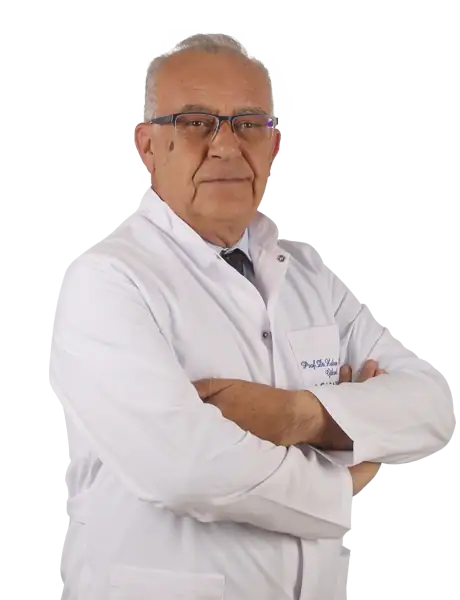
Prof. Dr. Hakan Murat Göksel
Neurosurgery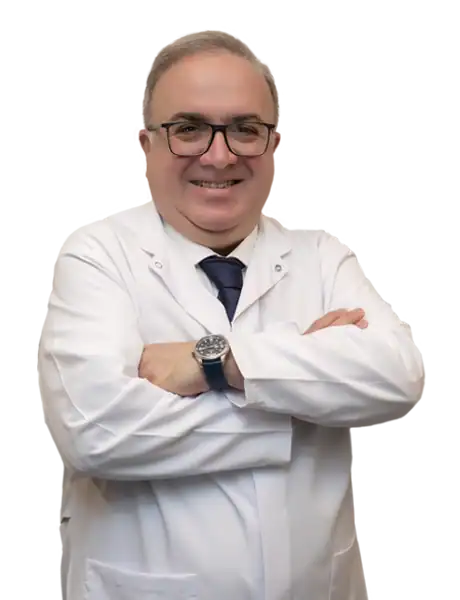
Prof. Dr. Hakan Seçkin
Neurosurgery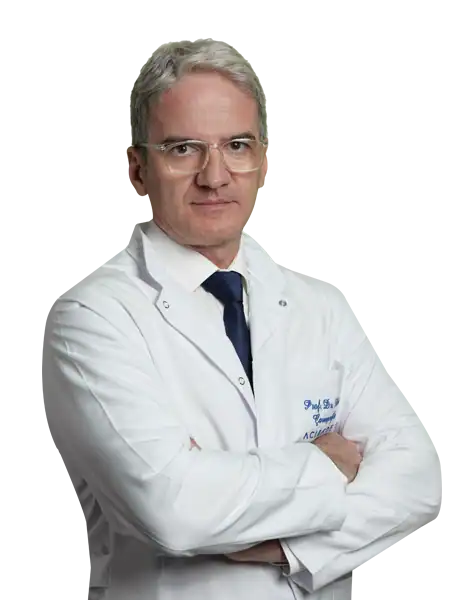
Prof. Dr. Halit Çavuşoğlu
Neurosurgery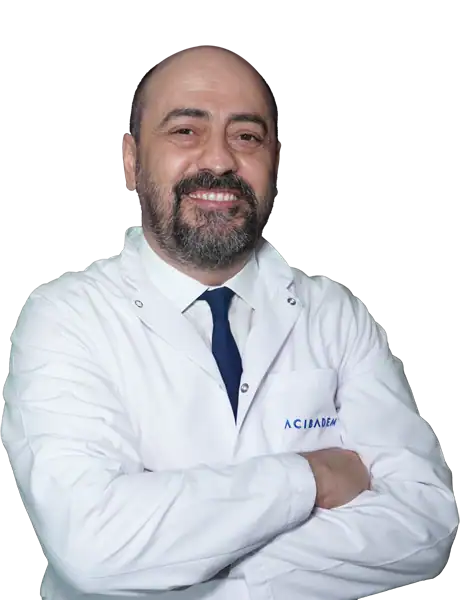
Prof. Dr. Hatem Hakan Selçuk
Interventional Neuroradiology
Prof. Dr. Hüseyin Hayrı Kertmen
Neurosurgery
Prof. Dr. Kamil Kadir Topalkara
Neurology
Prof. Dr. Kayihan Uluç
Neurology
Prof. Dr. Kağan Tun
Neurosurgery
Prof. Dr. Kenan Koç
Neurosurgery
Prof. Dr. Koray Özduman
Neurosurgery
Prof. Dr. Mehmet Zafer Berkman
Neurosurgery
Prof. Dr. Melih Bozkurt
Neurosurgery
Prof. Dr. Memet Özek
Neurosurgery
Prof. Dr. Müfit Kalelioğlu
NeurosurgeryMedical Units
Available at These Hospitals











Frequently Asked Questions
What affects the cost of gigantism treatment?
The main factors are the diagnostic workup, MRI review, hormone testing, whether surgery is needed, the type of medication used, hospital stay, specialist fees, and follow-up requirements. Travel, accommodation, translation, and family logistics can also affect the total budget.
How can my family receive a personalised quote?
A personalised quote usually requires medical records, recent hormone tests, growth history, MRI images if available, and details of current medicines. Acibadem International can review the case through a free consultation and provide guidance on the likely care pathway and estimated package scope.
Does a package usually include all parts of care?
Packages may include consultation, preoperative tests, surgery, hospital stay, and standard care coordination, but inclusions differ by case. Medicines, additional imaging, extended hospitalization, intensive monitoring, or long-term follow-up may be quoted separately.
Is surgery always required for gigantism?
No. Many cases are related to a pituitary adenoma, and surgery is often considered, but some children may also need medication, radiotherapy, or combined care. A specialist team decides suitability after endocrine testing and MRI evaluation.
Can international patients continue follow-up after returning home?
Yes, follow-up can often be coordinated with the family’s local endocrinologist. The treating team may provide reports, medication recommendations, and monitoring plans, but ongoing care should be supervised by qualified specialists in the child’s home country.
Is this information medical or financial advice?
No. This is general educational information. Families should request a specialist assessment and a free personalised consultation before making medical or financial decisions.