

Liver Disease
Liver disease care includes diagnosis, monitoring, medication, lifestyle guidance, and advanced interventions when needed for hepatitis, fatty liver, cirrhosis, and related complications.
Quick answer
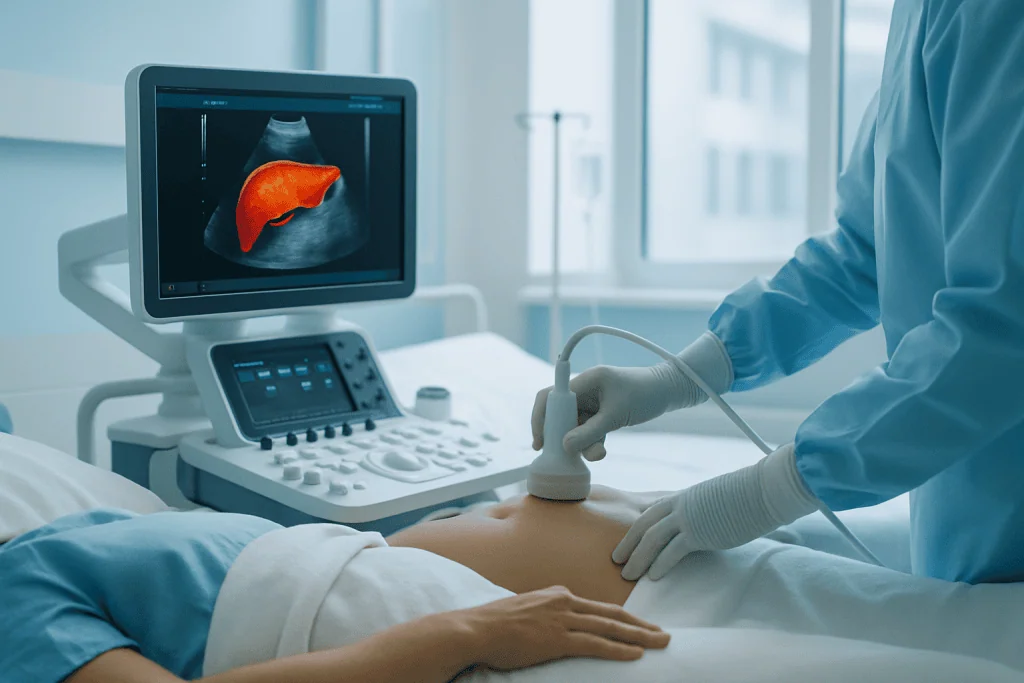
Liver disease is managed by identifying the underlying cause, assessing liver damage, and using a tailored plan that may include monitoring, medication, lifestyle changes, and advanced procedures when needed. At Acibadem in Turkey, care for conditions such as hepatitis, fatty liver disease, and cirrhosis involves coordinated evaluation and treatment aimed at controlling complications and protecting liver function.
Understanding Liver Disease Care From the Patient’s Perspective
Learning that you may have liver disease can be unsettling, especially because many liver conditions develop quietly. A person may feel well for years while inflammation, fat accumulation, scarring, or viral infection gradually affects liver function. Others discover a problem after abnormal blood tests, abdominal swelling, fatigue, jaundice, or an imaging study performed for another reason. For international patients, the concern is often twofold: understanding the seriousness of the diagnosis and deciding where to receive accurate, coordinated care.
The liver is central to digestion, metabolism, immunity, blood clotting, detoxification, and energy storage. When the liver is inflamed or injured, the effects may extend beyond the liver itself. Some conditions can be controlled with medication and close monitoring. Others require changes in weight, nutrition, alcohol use, diabetes management, or treatment of complications such as fluid accumulation, bleeding risk, or liver cancer. In advanced cases, patients may need evaluation for interventional procedures or liver transplantation.
Effective liver disease care begins with a precise diagnosis. “Liver disease” is not one condition; it is a broad group of disorders with different causes, risks, and treatment pathways. A patient with chronic hepatitis B needs a different plan from a patient with metabolic dysfunction-associated steatotic liver disease, autoimmune hepatitis, bile duct disease, cirrhosis, or a liver tumor. The purpose of expert evaluation is to identify what is happening, how advanced it is, whether it is reversible, and what should be done now to protect long-term health.
At Acibadem, liver disease care is approached through structured diagnostic pathways, experienced specialists, and coordinated decision-making. Gastroenterology and hepatology physicians work closely with radiology, interventional radiology, infectious diseases, endocrinology, nutrition, oncology, surgery, intensive care, and transplant teams when needed. For patients traveling from abroad, this coordination matters: it helps reduce uncertainty, avoid fragmented opinions, and create a plan that can be continued after returning home.
What Liver Disease Care Includes
Liver disease care is the medical evaluation, treatment, monitoring, and prevention of complications related to diseases that affect the liver and bile ducts. It may involve diagnosis of the underlying cause, assessment of liver function and scarring, medication, lifestyle guidance, surveillance imaging, endoscopic procedures, minimally invasive interventions, surgery, or transplant evaluation in selected patients.
The first goal is to understand the type of liver disease. Common categories include viral hepatitis, fatty liver disease related to metabolic risk factors, alcohol-related liver disease, autoimmune liver conditions, inherited or genetic disorders, bile duct diseases, drug-related liver injury, cirrhosis, portal hypertension, and liver tumors. Each category has a different pattern of testing and treatment.
The second goal is to determine severity. Some patients have mild enzyme elevation without permanent injury. Others have fibrosis, which means scar tissue has developed. Advanced fibrosis may progress to cirrhosis, where the liver architecture is significantly scarred and complications can occur. Even within cirrhosis, patients may be stable for years or may develop serious problems such as ascites, variceal bleeding, encephalopathy, kidney dysfunction, infections, or liver cancer.
The third goal is to reduce future risk. This may mean antiviral medication for hepatitis B or C, weight and metabolic treatment for fatty liver disease, immunosuppressive therapy for autoimmune hepatitis, alcohol cessation support, vaccination, medication review, cancer surveillance, or timely referral for advanced procedures. Good liver care is not limited to a single appointment; it is often a long-term partnership focused on preserving liver function and quality of life.
Who May Need Liver Disease Evaluation and Treatment
Patients may need specialist liver evaluation because of symptoms, abnormal laboratory results, known risk factors, or an existing diagnosis that requires monitoring. Many people do not have symptoms in early disease. For this reason, liver problems are frequently detected through blood tests showing elevated liver enzymes, changes in bilirubin, low platelet count, abnormal clotting tests, or imaging findings such as fatty liver, enlarged liver, nodules, or signs of cirrhosis.
Symptoms that may suggest liver disease include persistent fatigue, loss of appetite, nausea, right upper abdominal discomfort, yellowing of the skin or eyes, dark urine, pale stools, itching, easy bruising, swelling of the abdomen or legs, confusion, sleep disturbance, muscle loss, or unexplained weight changes. These symptoms do not always mean severe liver disease, but they should be assessed carefully, especially if they are persistent or progressive.
Certain patients benefit from early screening even before symptoms appear. These include people with hepatitis B or C exposure, a family history of liver disease, obesity, type 2 diabetes, high triglycerides, metabolic syndrome, significant alcohol use, autoimmune disease, prior abnormal liver tests, long-term use of medications that may affect the liver, or a history of blood transfusion or medical procedures in settings where viral hepatitis exposure may have occurred.
Diagnosis usually begins with a detailed medical history, medication and supplement review, physical examination, blood tests, and imaging. Blood tests may evaluate liver enzymes, bilirubin, albumin, clotting function, platelet count, viral hepatitis markers, autoimmune markers, iron and copper metabolism, metabolic risk, and tumor markers when indicated. Imaging may include ultrasound, Doppler ultrasound, CT, MRI, MR-based bile duct imaging, or elastography to assess stiffness and fibrosis. In selected cases, liver biopsy is recommended when the diagnosis remains unclear or when tissue information will change treatment decisions.
Patients with known cirrhosis require a more structured care plan. This often includes regular screening for liver cancer, evaluation for varices, management of fluid retention, nutrition assessment, vaccination, medication safety review, and monitoring for signs of decompensation. When advanced disease is suspected, timely assessment by a team familiar with transplant criteria and complex liver care is important.
Conditions and Indications Addressed in Liver Disease Care
Liver disease care covers a wide spectrum of conditions. Viral hepatitis remains one of the most important causes worldwide. Hepatitis B may require long-term monitoring and antiviral treatment depending on viral activity, liver inflammation, fibrosis stage, and cancer risk. Hepatitis C can often be treated with direct-acting antiviral medications, although patients with advanced scarring may still need ongoing surveillance after viral clearance.
Fatty liver disease is increasingly common and is closely linked with insulin resistance, obesity, type 2 diabetes, high cholesterol, and cardiovascular risk. The modern term metabolic dysfunction-associated steatotic liver disease reflects the role of metabolic health. Some patients develop inflammation and scarring, which can progress to cirrhosis. Treatment focuses on weight reduction when appropriate, improved glucose and lipid control, physical activity, nutrition planning, and management of associated conditions.
Alcohol-related liver disease may range from fatty changes to inflammation, fibrosis, cirrhosis, and acute severe hepatitis. Care includes medical assessment, nutritional support, management of complications, and structured support for alcohol cessation. Because alcohol-related injury can coexist with viral hepatitis, fatty liver disease, or other causes, a careful diagnostic review is essential.
Autoimmune and cholestatic liver diseases include autoimmune hepatitis, primary biliary cholangitis, and primary sclerosing cholangitis. These conditions often require specialized laboratory testing, imaging of the bile ducts, medication to control inflammation or bile flow, and long-term monitoring. Some patients also require evaluation for associated inflammatory bowel disease or other autoimmune disorders.
Inherited and metabolic liver disorders may include hemochromatosis, Wilson disease, alpha-1 antitrypsin deficiency, and other less common conditions. These diagnoses are particularly important because family screening, specific medications, phlebotomy, or lifelong monitoring may be needed. Early identification can prevent organ damage in the patient and sometimes in relatives.
Cirrhosis and portal hypertension require careful monitoring whether the underlying cause is viral, metabolic, alcohol-related, autoimmune, or genetic. Treatment may include medications, endoscopic therapy, drainage procedures, imaging surveillance, interventional radiology procedures, or transplant evaluation. Liver nodules and liver cancer require coordinated assessment by hepatology, radiology, oncology, surgery, and interventional specialists to determine the safest and most appropriate strategy.
How Liver Disease Care Is Performed Step by Step
Initial Review and Preparation
For international patients, the process often begins before travel with a review of medical records. Helpful documents include recent blood tests, imaging reports and images, biopsy reports, medication lists, previous endoscopy results, viral hepatitis records, discharge summaries, and any prior treatment plans. Translating and organizing these records allows the clinical team to identify urgent issues, determine which tests may need repeating, and plan appointments efficiently.
During the first consultation, the physician reviews symptoms, prior diagnoses, family history, alcohol use, metabolic risk factors, infections, medications, supplements, and previous treatments. This discussion is confidential and medically focused. Many liver conditions are influenced by lifestyle, infections, or medications, but the purpose of the consultation is not judgment; it is to understand risk accurately and protect the patient’s health.
Diagnostic Testing and Staging
Testing is individualized. A patient with mild fatty liver on ultrasound may need metabolic testing, fibrosis assessment, and cardiovascular risk evaluation. A patient with hepatitis B may need viral load testing, hepatitis markers, liver stiffness measurement, ultrasound, and cancer risk assessment. A patient with suspected cirrhosis may need broader laboratory testing, Doppler imaging of liver blood flow, upper endoscopy to look for varices, and surveillance for liver cancer.
Modern liver evaluation uses several technologies to reduce uncertainty. High-resolution ultrasound can evaluate liver texture, masses, bile ducts, blood flow, and fluid. Elastography estimates liver stiffness, helping assess fibrosis without surgery in many patients. CT and MRI provide detailed cross-sectional imaging, especially when nodules, tumors, vascular problems, or bile duct disease are suspected. Endoscopy allows physicians to identify and treat enlarged veins in the esophagus or stomach that can occur with portal hypertension. Laboratory testing helps determine whether the liver is inflamed, failing, infected, or affected by immune or metabolic disease.
In selected cases, liver biopsy is recommended. It may be performed through the skin using imaging guidance or through a vein in patients with higher bleeding risk or fluid accumulation. Biopsy is not required for every patient, but it can be valuable when blood tests and imaging do not fully explain the problem or when treatment decisions depend on the degree and pattern of inflammation or scarring.
Creating the Treatment Plan
After diagnosis and staging, the care team creates a plan based on cause, severity, symptoms, risks, and the patient’s overall health. Medication may include antiviral therapy, immune-modulating treatment, bile acid therapy, diuretics, medications to reduce bleeding risk from varices, lactulose or related treatments for encephalopathy, or antibiotics in specific situations. Medication choices are reviewed carefully because many drugs and supplements can affect the liver or require dose adjustment in advanced disease.
Lifestyle and nutrition guidance are often central to treatment. For fatty liver disease, gradual weight reduction, resistance and aerobic activity, improved sleep, and metabolic control can help reduce liver inflammation and overall health risk. In cirrhosis, nutrition focuses on preventing muscle loss, supporting adequate protein intake when appropriate, limiting sodium if fluid retention is present, and avoiding alcohol. Patients should not begin extreme diets, detox products, or high-dose supplements without medical advice, as some may worsen liver injury.
Procedures and Advanced Interventions
Some patients require procedures. Upper endoscopy may be used to diagnose varices and, when needed, treat them with banding. Paracentesis can remove abdominal fluid and test for infection. Interventional radiology may help manage complications of portal hypertension, treat selected liver tumors, or address bile duct or vascular problems. Surgery may be considered for certain liver tumors, cysts, bile duct conditions, or complications. In advanced irreversible liver disease, liver transplantation evaluation may be appropriate.
Multidisciplinary review is especially important for complex cases. Tumor boards or specialist boards may discuss patients with liver cancer, advanced cirrhosis, transplant questions, bile duct disease, or unclear diagnoses. These meetings allow hepatologists, surgeons, radiologists, oncologists, pathologists, and interventional specialists to compare findings and choose an evidence-based path rather than relying on a single perspective.
Typical Duration and Recovery Process
The time required depends on the patient’s condition. A diagnostic evaluation for abnormal liver tests may be completed over a few days, while complex cases may require staged testing. Most blood tests and imaging studies do not require recovery time. Endoscopy may require several hours of observation after sedation. Biopsy or interventional procedures may require monitoring for a longer period, sometimes including an overnight stay depending on risk and the procedure performed.
Recovery is different for each liver condition. Patients treated for hepatitis C may continue normal activities during medication, with scheduled monitoring. A patient with fatty liver disease may see improvement gradually through metabolic changes over months. Someone recovering from a complication of cirrhosis may need closer follow-up, medication adjustments, nutrition support, and repeat procedures. The care plan should clearly explain what to watch for, when to seek urgent care, and how monitoring will continue after returning home.
Why Acting Early Matters in Liver Disease
Early liver disease is often more manageable than advanced disease. Inflammation, fat accumulation, viral activity, or immune injury may be controlled before extensive scarring develops. When fibrosis becomes advanced, the risk of cirrhosis, portal hypertension, liver failure, and liver cancer increases. Although some liver improvement is possible in certain conditions after effective treatment, advanced scarring may not fully reverse, and complications can become harder to control.
Delaying evaluation can allow silent progression. A patient with chronic hepatitis B may feel well despite viral activity and increased cancer risk. A patient with fatty liver disease may have normal or mildly abnormal liver enzymes yet still develop significant fibrosis. A person with cirrhosis may remain stable until a sudden complication such as bleeding, infection, fluid accumulation, confusion, or kidney dysfunction occurs.
Prompt assessment is also important because some warning signs require urgent attention. Jaundice, vomiting blood, black stools, severe abdominal swelling, fever with cirrhosis, confusion, severe weakness, unexplained bruising, or rapid deterioration should be evaluated quickly. Timely care can reduce the risk of preventable complications and may preserve more treatment options.
Benefits of Liver Disease Treatment
The benefits of liver disease treatment depend on the diagnosis and stage, but effective care is aimed at protecting liver function and reducing future complications.
| Benefit | What It Means for You |
|---|---|
| More precise diagnosis | Identifying the exact cause of liver injury helps avoid unnecessary treatment and allows the care team to choose the most appropriate therapy. |
| Reduced inflammation or viral activity | Medications and targeted care can control hepatitis, autoimmune activity, or other drivers of liver damage in many patients. |
| Slower progression of scarring | When the cause is treated early, fibrosis progression may slow, and in some conditions liver stiffness and inflammation may improve over time. |
| Prevention and management of complications | Monitoring and timely procedures can help address varices, fluid retention, encephalopathy, infections, and liver cancer risk. |
| Clear long-term monitoring plan | Patients understand which tests are needed, how often they should be repeated, and which symptoms should prompt urgent evaluation. |
Recovery and Follow-Up Timeline
Because liver disease care may involve testing, medication, lifestyle treatment, or procedures, recovery timelines vary; the following overview describes common expectations.
| Time Period | What Patients Can Expect |
|---|---|
| Day 1 | Initial consultation, record review, physical examination, and planning of laboratory tests or imaging. If urgent complications are present, treatment may begin immediately. |
| First Week | Most diagnostic results are reviewed, imaging is completed, and the physician discusses the likely diagnosis, disease stage, and initial treatment plan. |
| First Month | Medication may be started or adjusted. Nutrition, metabolic, alcohol cessation, or monitoring plans are refined. Some patients undergo endoscopy, biopsy, or interventional procedures. |
| First 3 to 6 Months | Follow-up tests assess treatment response, liver function, viral activity when relevant, and tolerance of medications. Lifestyle-related improvements are monitored gradually. |
| Longer Term | Patients with chronic liver disease may continue scheduled surveillance, including blood tests, imaging, endoscopy when indicated, and reassessment of treatment goals. |
Factors That Influence Outcomes
Outcomes in liver disease depend on the cause, stage at diagnosis, response to treatment, and the presence of other health conditions. A patient with early hepatitis C who completes antiviral therapy has a different outlook from a patient with decompensated cirrhosis, kidney dysfunction, and recurrent infections. For this reason, individualized assessment is essential.
The stage of fibrosis is one of the most important factors. Patients without advanced scarring often have more opportunity to prevent long-term complications. Patients with cirrhosis can still benefit significantly from treatment of the underlying cause, but they usually require lifelong surveillance and careful management. Whether cirrhosis is compensated or decompensated also affects risk and treatment planning.
Metabolic health strongly influences outcomes, especially in fatty liver disease. Weight, blood sugar, cholesterol, blood pressure, sleep apnea, and physical activity all matter. Improvement is usually gradual and requires realistic goals. Even modest, sustained changes may be medically meaningful, but plans should be tailored to the patient’s age, muscle mass, diabetes status, cardiovascular risk, and cultural food preferences.
Adherence to medication and follow-up is another key factor. Antiviral therapy, immune-modulating medication, diuretics, variceal prevention, and cancer surveillance are effective only when taken and monitored correctly. Patients traveling internationally should leave with written instructions, medication plans, test schedules, and clear communication for local physicians when follow-up continues at home.
Alcohol use, supplement exposure, and medication safety can also influence liver outcomes. In many liver conditions, alcohol can accelerate injury even if it is not the original cause. Herbal products, bodybuilding supplements, high-dose vitamins, and certain over-the-counter pain relievers may be risky for some patients. A careful review helps prevent avoidable harm.
Finally, outcomes are affected by access to coordinated expertise. Liver disease often overlaps with endocrinology, cardiology, oncology, infectious diseases, radiology, surgery, and intensive care. When specialists collaborate, complex decisions can be made with a broader understanding of the patient’s risks and options.
Why International Patients Choose Acibadem for Liver Disease Care
International patients often seek liver disease care abroad when they need clarity, timely evaluation, multidisciplinary input, or access to advanced diagnostics and treatment options. At Acibadem, care is organized to support both the medical and practical needs of patients traveling from another country.
Acibadem hospitals are JCI-accredited, reflecting structured standards for patient safety, quality processes, infection control, and clinical governance. For liver disease patients, these systems are important because care may involve blood testing, imaging, sedation, procedures, hospitalization, medication monitoring, and coordination between departments.
The clinical approach is multidisciplinary. Gastroenterology and hepatology specialists evaluate the underlying liver condition and coordinate care with radiologists, pathologists, interventional radiologists, infectious disease physicians, endocrinologists, dietitians, oncologists, surgeons, intensive care specialists, and transplant-related teams when appropriate. Patients with liver tumors, advanced cirrhosis, or complex diagnoses may be reviewed through specialist boards, where imaging, laboratory results, pathology, and treatment options are considered together.
Modern diagnostic pathways help physicians understand disease stage without unnecessary delay. Elastography can help estimate fibrosis. Advanced ultrasound, CT, and MRI techniques can assess liver structure, blood flow, bile ducts, and suspicious nodules. Endoscopy services support diagnosis and treatment of portal hypertension complications. Interventional radiology and surgical teams may be involved when minimally invasive procedures or operative treatment are appropriate. The specific technology used is selected according to the patient’s condition, safety profile, and the clinical question being answered.
For patients with viral hepatitis, care follows international, evidence-based treatment principles. Testing helps determine viral activity, liver injury, cancer risk, and treatment eligibility. For fatty liver disease, the team evaluates metabolic drivers rather than focusing only on liver enzymes. For cirrhosis, the emphasis is on preventing complications, detecting liver cancer early, managing portal hypertension, and identifying when advanced therapy or transplant evaluation should be discussed.
Acibadem International supports patients before, during, and after travel. Services may include appointment coordination, medical record transfer, language assistance in more than 20 languages, hospital admission support, and guidance for follow-up planning. This is especially valuable for liver disease care, where the patient may need several consultations, tests, and a written plan that can be shared with physicians in the home country.
Personalized treatment planning is central. Some patients need reassurance and monitoring after a careful evaluation shows low short-term risk. Others need medication, endoscopy, intensive metabolic treatment, cancer surveillance, or urgent management of complications. The goal is to provide a plan that is medically appropriate, understandable, and realistic for the patient’s life after returning home.
Taking the Next Step
If you have abnormal liver tests, known hepatitis, fatty liver disease, cirrhosis, a liver mass, or symptoms that may suggest liver dysfunction, an expert evaluation can help clarify what is happening and what should be done next. Early, accurate assessment is especially important because many liver conditions are treatable or controllable when identified before advanced complications develop.
For international patients, requesting a consultation or second opinion can be a practical first step. Sharing recent blood tests, imaging files, biopsy reports, medication lists, and prior diagnoses allows the medical team to review your situation and recommend an appropriate evaluation pathway. Whether you need diagnosis, monitoring, medication, lifestyle guidance, interventional treatment, or advanced liver care, the plan should be based on your specific disease, stage, risks, and goals.
This information is provided for general educational purposes and is not a substitute for professional medical advice, diagnosis, or treatment. Please consult a qualified physician for recommendations based on your individual medical condition.
Preparation
- Patients should bring previous blood tests, imaging, biopsy reports, medication lists, and details of alcohol use or viral hepatitis history. Fasting may be requested before liver function tests, ultrasound, endoscopy, or other investigations. The care team may review vaccinations, nutrition, and risk factors before planning treatment.
Aftercare
- Follow-up usually includes regular liver function tests, imaging, medication monitoring, and lifestyle changes such as weight control and avoiding alcohol. Patients should take prescribed medicines exactly as directed and report jaundice, swelling, bleeding, confusion, or severe abdominal pain promptly. Long-term surveillance may be needed for cirrhosis or cancer risk.
Turkey vs UK, Germany & USA
Liver disease care varies widely depending on the diagnosis, disease severity, tests required, and whether advanced procedures are needed. Comparing destinations can help patients understand cost drivers and patient experience before requesting a personalised medical plan.
The overall cost and experience of liver disease care depend on the healthcare pathway, specialist expertise, hospital setting, diagnostics, follow up needs, and travel arrangements.
| Factor | Turkey | UK | Germany | USA |
|---|---|---|---|---|
| Healthcare pathway | Private hospital pathways are commonly used by international patients, with coordinated appointments and diagnostics. | Public and private pathways exist; private care may offer more scheduling flexibility. | Public, university, and private hospital options are available, often with structured specialist referral pathways. | Mostly insurance based or self pay pathways, with costs strongly influenced by provider networks and facility fees. |
| Hospital and specialist factors | Costs vary by hepatology team, gastroenterology support, intensive care availability, imaging, laboratory capability, and access to multidisciplinary review. | Costs vary between public and private settings, consultant seniority, hospital location, and the level of diagnostic workup. | Costs are influenced by specialist centre status, university hospital involvement, imaging, laboratory testing, and inpatient needs. | Costs are influenced by hospital tier, physician fees, insurance status, diagnostics, procedures, and hospital administration charges. |
| Accreditation and quality | International patients may choose JCI accredited hospitals and internationally oriented care teams. | Quality oversight is provided through national healthcare regulation and professional standards. | Quality oversight is based on national regulation, specialist certification, and hospital quality systems. | Quality oversight varies by hospital accreditation, specialist board certification, and institutional protocols. |
| Waiting and scheduling | Private pathways may allow coordinated scheduling for consultation, blood tests, imaging, and procedures when clinically appropriate. | Waiting can vary between public and private care and may depend on urgency and local capacity. | Scheduling depends on referral pathway, specialist availability, and the complexity of testing required. | Scheduling may be fast in private systems but depends on insurance approval, provider availability, and facility access. |
| Travel and language logistics | International patient departments often support translation, airport transfers, accommodation guidance, and appointment coordination. | Language support may be available, especially in major private hospitals, but travel coordination is often arranged separately. | Interpreter support may be available in larger centres; patients may need help coordinating records and travel. | Language and travel support vary by hospital; international patients often need to coordinate insurance, billing, and logistics carefully. |
| What a care package may include | Consultation, liver blood tests, viral and metabolic workup, ultrasound or advanced imaging, medication planning, lifestyle guidance, and follow up coordination may be bundled depending on need. | Packages may be less common; billing may be separated across consultation, tests, imaging, procedures, and follow up. | Care may be organised by department or centre, with separate billing for diagnostics, consultations, procedures, and inpatient care. | Billing is often itemised across physician, facility, laboratory, imaging, pharmacy, and procedure services. |
What affects your final cost
- Type of liver disease, such as hepatitis, fatty liver disease, cirrhosis, autoimmune liver disease, or bile duct related disease.
- Severity of disease and whether complications such as fluid build up, bleeding risk, infection, or liver failure are present.
- Required diagnostics, including blood tests, viral testing, ultrasound, elastography, endoscopy, biopsy, or advanced imaging.
- Need for medication, monitoring, endoscopic treatment, interventional radiology, intensive care, or transplant evaluation.
- Length of hospital stay, frequency of follow up, and whether care is outpatient or inpatient.
- Travel planning, translation, accommodation, medical reports, and post discharge coordination.
Compare your options
Liver disease care is personalised after specialist assessment, laboratory testing, imaging, and review of the patient’s medical history. Suitability for any option is decided by a hepatology, gastroenterology, surgery, radiology, or transplant specialist as appropriate.
| Option | What it is | Typical use | Key considerations |
|---|---|---|---|
| Diagnostic assessment and monitoring | Clinical examination, blood tests, viral markers, metabolic tests, ultrasound, elastography, endoscopy, and advanced imaging when needed. | Used to identify the cause of liver disease, assess fibrosis or cirrhosis, monitor progression, and guide treatment decisions. | The test plan depends on symptoms, previous results, risk factors, and suspected diagnosis. Some tests may need fasting, contrast assessment, or repeat monitoring. |
| Lifestyle and metabolic management | Nutrition planning, weight management, alcohol avoidance where relevant, exercise guidance, and control of diabetes, cholesterol, or blood pressure. | Commonly used in fatty liver disease and as supportive care for many chronic liver conditions. | Progress depends on long term adherence and regular monitoring. Plans should be adapted to the patient’s overall health and medication profile. |
| Medication based treatment | Antiviral, anti inflammatory, immune modulating, bile acid related, or symptom focused medicines depending on the diagnosis. | Used for conditions such as viral hepatitis, autoimmune liver disease, cholestatic disease, and complications of cirrhosis. | Medication choice requires specialist evaluation, liver function monitoring, drug interaction review, and follow up testing. |
| Cirrhosis and complication management | Ongoing surveillance and treatment for fluid retention, varices, encephalopathy, infection risk, malnutrition, and liver cancer risk. | Used when chronic liver damage has led to scarring and complications. | Care often requires a multidisciplinary team and regular follow up. Some patients need urgent evaluation if symptoms worsen. |
| Endoscopic or interventional procedures | Procedures such as endoscopic treatment for varices, drainage of fluid, bile duct procedures, or image guided interventions when clinically indicated. | Used to diagnose or manage complications, bleeding risk, bile duct obstruction, or selected liver lesions. | Suitability depends on imaging, blood clotting status, anaesthesia risk, and the patient’s overall condition. |
| Advanced liver surgery or transplant evaluation | Specialist surgical assessment for selected tumours, cysts, bile duct problems, or evaluation for liver transplantation in advanced liver failure. | Used when conservative or medication based care is not enough, or when disease is advanced or surgically treatable. | Requires detailed eligibility assessment, multidisciplinary review, donor and legal considerations where relevant, and careful long term follow up. |
Trusted care for international patients
General information only — not medical or financial advice. Final costs depend on the factors above and your individual case; request a free, personalised quote.
Doctors Performing This Treatment
Prof. Dr. Ahmet Karaman
Gastroenterology
Prof. Dr. Arzu Tiftikçi
Gastroenterology
Prof. Dr. Atakan Yeşil
Gastroenterology
Prof. Dr. Bahattin Çiçek
Gastroenterology
Prof. Dr. Bülent Değertekin
Gastroenterology
Prof. Dr. Can Gönen
Gastroenterology
Prof. Dr. Cem Aygün
Gastroenterology
Prof. Dr. Ebubekir Şenateş
Gastroenterology
Prof. Dr. Erkin Öztaş
Gastroenterology
Prof. Dr. Ethem Tankurt
Gastroenterology
Prof. Dr. Fatih Oğuz Önder
Gastroenterology
Prof. Dr. Ferdane Pirinççi Sapmaz
Gastroenterology
Prof. Dr. Filiz Akyüz (m)
Gastroenterology
Prof. Dr. Güngör Boztaş
Gastroenterology
Prof. Dr. Hakan Yildiz
Gastroenterology
Prof. Dr. Hakan Ümit Ünal
Gastroenterology
Prof. Dr. Hülya Hamzaoğlu
Gastroenterology
Prof. Dr. Murat Saruç
Gastroenterology
Prof. Dr. Nadir Kaya
Gastroenterology
Prof. Dr. Nesliar Eser Kutsal
Gastroenterology
Prof. Dr. Nurdan Tözü̇n
Gastroenterology
Prof. Dr. Oya Yönal
Gastroenterology
Prof. Dr. Sabahattin Kaymakoğlu
Gastroenterology
Prof. Dr. Yaşar Çolak
GastroenterologyMedical Units
Available at These Hospitals












Guides for This Treatment
Frequently Asked Questions
What affects the cost of liver disease care?
The cost depends on the diagnosis, disease severity, required blood tests and imaging, need for medication, procedures, hospital stay, intensive care support, and follow up. A personalised quote can only be prepared after medical records are reviewed by the specialist team.
How can I get a personalised quote for liver disease treatment in Turkey?
You can request a free consultation by sharing recent blood tests, imaging reports, endoscopy results if available, current medications, and a summary of symptoms or previous diagnoses. The medical team can then suggest the appropriate pathway and provide a tailored cost estimate.
Does a liver disease package include all tests and treatment?
Packages vary according to the patient’s condition. Some may include consultation, basic laboratory tests, imaging, and care coordination, while additional tests, procedures, medication, or hospitalisation may be quoted separately if needed.
Will I need to stay in hospital for liver disease care?
Many patients are evaluated and monitored as outpatients, but hospital admission may be needed for severe symptoms, advanced cirrhosis, bleeding risk, infection, fluid accumulation, procedures, or urgent complications. The specialist will advise based on clinical findings.
Can international patients receive follow up after returning home?
Follow up can often be coordinated through medical reports, remote communication, and recommendations for local monitoring. The exact plan depends on the diagnosis, treatment provided, medication needs, and whether ongoing specialist care is required.