

Neuroinfectious Diseases
Neuroinfectious diseases are infections affecting the brain, spinal cord, nerves, or surrounding tissues. Care focuses on rapid diagnosis, targeted antimicrobial treatment, and prevention of neurological complications.
Quick answer
Neuroinfectious diseases are infections of the brain, spinal cord, nerves, or their surrounding tissues, and treatment focuses on identifying the cause quickly and starting targeted antimicrobial therapy while protecting neurological function. At Acibadem in Turkey, evaluation may include neurological examination, laboratory testing, imaging, and cerebrospinal fluid analysis, followed by individualized treatment and supportive care to help prevent complications.
When an Infection Involves the Nervous System, Time and Expertise Matter
Neuroinfectious diseases can be frightening because they affect the parts of the body that control thought, movement, sensation, breathing, memory and independence. A fever with confusion, a severe headache, neck stiffness, sudden weakness, seizures, vision changes or a rapidly worsening neurological symptom can raise urgent questions: Is this meningitis? Could it be encephalitis? Is there an infection in the spine? Will there be lasting damage?
For international patients and families considering care abroad, the anxiety is often doubled. You may be trying to understand complex test results, compare medical opinions, arrange urgent travel or seek a second opinion when symptoms are not improving. Neuroinfectious diseases require a careful balance: treatment often must begin quickly, but the treatment must also be precise. Some infections require antibiotics, others antiviral or antifungal medications, and some conditions that look infectious may actually be autoimmune, inflammatory, vascular or cancer-related.
Care for neuroinfectious diseases focuses on three priorities: identifying the cause as early as possible, treating the infection with the right medication and dose, and protecting the nervous system from complications. Because the brain, spinal cord and nerves are sensitive to inflammation and pressure, even a short delay in diagnosis can change the course of illness. At the same time, unnecessary or incomplete treatment can expose patients to side effects without addressing the underlying problem.
At Acibadem, patients with suspected or confirmed neuroinfectious disease are evaluated through coordinated care involving neurology, infectious diseases, neuroradiology, neurosurgery, intensive care, microbiology, rehabilitation and other specialties as needed. The aim is not only to treat the infection, but to understand the patient’s full medical picture, including immune status, prior treatments, travel history, exposures, chronic illnesses and neurological function before the infection began.
What Neuroinfectious Disease Care Is
Neuroinfectious disease care is the diagnosis, treatment and follow-up of infections that affect the central or peripheral nervous system. The central nervous system includes the brain and spinal cord. The peripheral nervous system includes nerves outside the brain and spinal cord, including cranial nerves, nerve roots and peripheral nerves. Infections may also involve the protective membranes around the brain and spinal cord, known as the meninges, or adjacent structures such as the skull, spine, sinuses, ear, blood vessels or implanted medical devices.
These infections may be caused by bacteria, viruses, fungi, parasites or, less commonly, unusual organisms related to specific immune conditions or geographic exposures. Some develop suddenly and progress over hours. Others evolve over days, weeks or months and may cause subtle symptoms such as personality change, memory problems, imbalance, fatigue or unexplained pain.
Treatment is tailored to the suspected or confirmed cause. In many urgent cases, doctors begin broad antimicrobial therapy before all test results are available, then refine treatment once laboratory, imaging and clinical data clarify the diagnosis. This approach is particularly important in conditions such as bacterial meningitis, herpes encephalitis, brain abscess or spinal epidural abscess, where early treatment can reduce the risk of serious neurological injury.
Neuroinfectious disease care also includes management of complications. These may include seizures, brain swelling, hydrocephalus, blood vessel inflammation, stroke, hearing loss, weakness, neuropathic pain, cognitive changes or spinal cord compression. For some patients, recovery continues after the infection is controlled, requiring rehabilitation, medication adjustment, neuropsychological support or long-term monitoring.
Who May Need Evaluation for a Neuroinfectious Disease
A neuroinfectious disease may be suspected when symptoms suggest that an infection is affecting the nervous system directly or causing inflammation around it. Some patients arrive through an emergency department with sudden, severe symptoms. Others are referred after weeks of unexplained neurological complaints, abnormal imaging findings or incomplete response to previous treatment.
Common warning signs include fever with severe headache, neck stiffness, sensitivity to light, confusion, drowsiness, seizure, new weakness, speech difficulty, balance problems, double vision, facial drooping, numbness, severe back pain with fever, bladder or bowel changes, or rapidly progressive nerve pain. In infants, older adults and people with weakened immune systems, symptoms may be less typical. Fever may be absent, and the first sign may be lethargy, irritability, decreased appetite, falls, delirium or worsening of a known neurological condition.
Diagnosis begins with a detailed medical history and neurological examination. Physicians ask about the timing of symptoms, recent infections, vaccines, travel, animal or insect exposure, tuberculosis contact, sexual history when relevant, immune-suppressing medications, cancer treatment, organ transplantation, HIV status, prior neurosurgery, implanted devices and antibiotic use. These details can narrow the list of possible causes and help doctors choose the most appropriate tests.
Diagnostic testing may include blood tests, cultures, inflammatory markers, immune studies, imaging of the brain or spine, and analysis of cerebrospinal fluid obtained by lumbar puncture when safe and appropriate. Cerebrospinal fluid testing may evaluate cell counts, protein, glucose, cultures, molecular tests for viral or bacterial DNA or RNA, fungal markers, antibody patterns and other disease-specific indicators. When imaging shows a mass, abscess or spinal collection, additional procedures may be needed to obtain a sample or relieve pressure.
Because many neuroinfectious diseases overlap with noninfectious conditions, the diagnostic process also considers autoimmune encephalitis, demyelinating disease, stroke, cancer, medication reactions, metabolic problems and systemic inflammatory disorders. A precise diagnosis helps prevent both undertreatment of a dangerous infection and overtreatment when the cause is something else.
Conditions and Indications Addressed
Neuroinfectious disease care covers a broad range of conditions, from common emergencies to rare infections that require highly specialized testing. The exact treatment depends on the location of infection, the organism involved, the patient’s immune status and whether there are complications requiring procedural or surgical care.
Meningitis is inflammation or infection of the membranes surrounding the brain and spinal cord. It may be bacterial, viral, fungal, tuberculous or related to other causes. Bacterial meningitis is usually treated as an emergency because it can progress rapidly. Viral meningitis may be milder in some cases, but certain viral causes require urgent antiviral therapy.
Encephalitis refers to inflammation of the brain tissue itself, often causing confusion, behavioral changes, seizures, memory problems or reduced consciousness. Herpes simplex virus is one important treatable cause, but many other viruses and immune-related conditions can produce similar symptoms.
Brain abscess is a localized collection of infection within the brain. It may arise from ear, sinus or dental infections, bloodstream infection, trauma, surgery or immune suppression. Treatment often combines antimicrobial therapy with neurosurgical evaluation, particularly when the abscess is large, causing pressure or not responding adequately.
Spinal epidural abscess is an infection in the space around the spinal cord and nerve roots. It can cause fever, severe back pain, weakness, numbness or bladder and bowel dysfunction. Rapid diagnosis is important because spinal cord or nerve compression can lead to lasting deficits.
Neurotuberculosis may involve the meninges, brain, spine or spinal cord. It can develop gradually and may require prolonged combination treatment. Early recognition is particularly important in patients from regions where tuberculosis is more common or in people with immune compromise.
Fungal and parasitic infections of the nervous system are less common but may occur in immunocompromised patients, after certain environmental exposures or in relation to specific geographic regions. These infections often require specialized laboratory testing and longer treatment courses.
Device-related and post-surgical infections may involve shunts, drains, spinal hardware, neurosurgical wounds or implanted devices. Management may require coordination between infectious disease specialists and neurosurgeons to determine whether antimicrobial treatment alone is sufficient or whether device removal or revision is needed.
Peripheral nerve infections and inflammatory neuropathies triggered by infection may cause weakness, numbness, pain or autonomic symptoms. Some are caused by direct infection of nerves, while others are immune-mediated responses after an infection. Distinguishing between these mechanisms is essential because treatment strategies differ.
How Neuroinfectious Disease Care Is Performed
Evaluation and treatment are organized according to urgency. If symptoms suggest a life-threatening infection, treatment may begin immediately while diagnostic tests are being performed. If the condition is chronic or unclear, physicians may take a more staged approach, reviewing previous records, repeating key studies and planning targeted testing.
Initial assessment and stabilization
The first step is to assess neurological status and overall medical stability. Doctors evaluate consciousness, orientation, speech, eye movements, strength, sensation, coordination, reflexes and signs of meningitis or spinal cord involvement. Vital signs, oxygen levels, circulation, hydration and organ function are checked. In severe cases, patients may require intensive care monitoring, seizure control, respiratory support or medications to manage blood pressure, brain swelling or systemic infection.
Diagnostic planning
Modern neuroinfectious disease diagnosis often combines imaging, laboratory testing and clinical pattern recognition. Brain or spine imaging can identify inflammation, abscess, swelling, hydrocephalus, stroke, spinal cord compression or infection around the spine. Advanced imaging techniques may help distinguish infection from tumor, inflammatory disease or vascular conditions. Imaging is also important before lumbar puncture in selected patients, especially if there are signs of increased pressure, focal neurological deficits or immune suppression.
Laboratory studies typically include blood counts, kidney and liver function, inflammatory markers, blood cultures and tests directed by the suspected diagnosis. Cerebrospinal fluid testing remains central for many meningitis and encephalitis evaluations. Molecular tests can detect genetic material from specific organisms more quickly than traditional cultures in some cases. Serology, antigen tests, fungal studies, tuberculosis tests and immune markers may be added depending on the clinical scenario.
Starting antimicrobial treatment
When a serious infection is suspected, physicians may start antimicrobial treatment before the exact organism is known. This may include intravenous antibiotics, antiviral medication, antifungal treatment or anti-tuberculosis therapy, depending on the likely cause. Once results become available, treatment is adjusted to the organism, drug sensitivity, nervous system penetration, patient allergies, kidney and liver function, pregnancy status when relevant and interactions with other medications.
For many nervous system infections, medication selection is more complex than for infections elsewhere in the body. Drugs must reach effective levels in the cerebrospinal fluid or infected tissue. Dosing may be higher or more frequent than patients expect. Treatment may last days, weeks or months depending on the diagnosis. Monitoring is used to evaluate response and detect side effects early.
Procedures and surgical coordination when needed
Some neuroinfectious diseases require more than medication. A lumbar puncture may be used to obtain cerebrospinal fluid for diagnosis and, in select circumstances, to help assess pressure. Drainage of an abscess, biopsy of an abnormal lesion, removal or revision of infected hardware, treatment of hydrocephalus or decompression of spinal cord pressure may be necessary. These decisions are typically made through collaboration among infectious disease physicians, neurologists, neurosurgeons, radiologists, intensivists and other specialists.
Technology used in care
The technologies used in neuroinfectious disease care are designed to shorten the time to diagnosis, improve anatomical detail and support safe treatment. High-resolution brain and spine imaging helps locate infection, swelling, fluid collections or pressure on neural structures. Laboratory platforms may include culture systems, molecular diagnostics, antigen testing and immune-based assays. Neurophysiology tests such as electroencephalography may be used when seizures or encephalopathy are concerns. In intensive care settings, continuous monitoring can help detect changes in neurological and systemic status.
Technology does not replace clinical judgment. Its value is strongest when the results are interpreted in the context of the patient’s symptoms, immune status, imaging pattern, exposure history and response to treatment. This is why neuroinfectious disease care is often managed through multidisciplinary discussion rather than isolated test interpretation.
Typical duration of treatment and hospital stay
The duration of care varies widely. Some viral meningitis cases may require a short hospital stay and supportive care once dangerous causes are excluded. Bacterial meningitis, encephalitis, brain abscess, spinal epidural abscess, fungal infection and neurotuberculosis often require longer inpatient care and extended medication courses. Patients who need intensive care, surgery or rehabilitation may stay longer. International patients may also need coordination for follow-up testing, medication continuation and safe travel planning.
Recovery and follow-up
Recovery depends on the infection, how quickly treatment began, the patient’s age and health, and whether complications occurred. Some patients recover fully. Others experience fatigue, headaches, hearing changes, memory difficulty, mood symptoms, weakness, balance problems or nerve pain for a period after the infection is controlled. Follow-up may include neurological exams, repeat imaging, blood tests, medication monitoring, hearing evaluation, cognitive assessment or rehabilitation therapy.
Why Acting Early Matters
The nervous system has limited tolerance for infection, inflammation and pressure. Infections such as bacterial meningitis, herpes encephalitis, brain abscess and spinal epidural abscess can progress quickly. Early treatment can reduce the likelihood of severe complications, while delayed treatment may allow inflammation, swelling, vascular injury or compression to worsen.
Delay can also make diagnosis more difficult. Partial treatment with antibiotics or antivirals before adequate cultures or cerebrospinal fluid studies may reduce the chance of identifying the organism. In chronic infections, delayed recognition can allow progressive neurological decline that may not be fully reversible even after the infection is controlled.
Prompt evaluation is especially important for patients with weakened immune systems, including those receiving chemotherapy, transplant medications, long-term corticosteroids, biologic therapies or advanced HIV infection. These patients may develop infections that are uncommon in the general population, and their symptoms may be subtle until the disease is advanced.
Early care does not always mean rushing to invasive procedures. It means recognizing red flags, obtaining the right tests, starting appropriate treatment when necessary and escalating care if neurological function changes. In neuroinfectious disease, timely decision-making is often one of the most important parts of treatment.
Benefits of Neuroinfectious Disease Treatment
The benefits of treatment depend on the diagnosis and severity, but specialized care is designed to control infection while protecting neurological function.
| Benefit | What It Means for You |
|---|---|
| Faster identification of the cause | A structured diagnostic pathway can help distinguish bacterial, viral, fungal, parasitic, tuberculous, inflammatory and noninfectious conditions that may look similar at first. |
| Targeted antimicrobial therapy | Treatment can be adjusted to the organism, drug sensitivity, nervous system penetration and your individual medical risks, helping avoid unnecessary or ineffective medication. |
| Protection of neurological function | Early management of swelling, seizures, hydrocephalus, spinal compression or vascular complications may reduce the risk of lasting neurological injury. |
| Coordinated specialist input | Neurology, infectious diseases, neuroradiology, neurosurgery, intensive care and rehabilitation teams can align decisions when the condition is complex or rapidly changing. |
| Clear follow-up planning | Recovery may require repeat imaging, laboratory monitoring, rehabilitation or medication continuation, and a clear plan helps patients transition safely after hospital care. |
Recovery Timeline After a Neuroinfectious Disease
Recovery varies from person to person, but the following timeline describes what many patients may experience after treatment begins.
| Time Period | What Patients Can Expect |
|---|---|
| Day 1 | Urgent assessment, neurological examination, blood tests, imaging and possible lumbar puncture. If a serious infection is suspected, antimicrobial treatment may begin before all results are final. |
| First Week | Doctors monitor fever, mental status, neurological signs, laboratory results and treatment response. Medications may be refined as cultures, molecular tests or imaging findings become clearer. |
| First Month | Some patients complete treatment and return to normal activities gradually. Others continue intravenous or oral therapy, repeat imaging, rehabilitation or specialist follow-up depending on the infection. |
| Longer Term | Patients with severe infection, encephalitis, abscess, spinal involvement or immune compromise may need ongoing monitoring for cognitive changes, weakness, seizures, hearing issues, relapse or medication side effects. |
Factors That Influence Outcomes
Outcomes in neuroinfectious diseases are influenced by several medical and timing-related factors. The most important is often how quickly an accurate diagnosis is considered and appropriate treatment begins. In rapidly progressive infections, hours can matter. In slower infections, the key may be recognizing an unusual pattern before irreversible damage develops.
The type of organism also matters. Some viral infections resolve with supportive care, while others require urgent antiviral therapy. Bacterial infections may respond well when treated early with the right antibiotics, but they can cause serious complications if diagnosis is delayed. Fungal, parasitic and tuberculous infections often require prolonged treatment and close monitoring. Drug resistance or limited medication penetration into the nervous system can make treatment more complex.
The location of infection influences both symptoms and recovery. Meningitis, encephalitis, brain abscess, spinal epidural abscess, cranial nerve infection and peripheral nerve involvement each carry different risks. Infection near critical brain regions, the brainstem or spinal cord may require particularly careful monitoring because small changes can have major clinical effects.
The patient’s immune system is another major factor. People with normal immunity may have different infection patterns and treatment responses than those with cancer, organ transplantation, autoimmune disease, HIV, advanced diabetes or medications that suppress immunity. In immunocompromised patients, doctors may need to search for multiple organisms, use longer treatment courses and monitor more closely for recurrence.
Pre-existing health conditions can affect recovery. Kidney or liver disease may limit medication choices. Blood clotting disorders may influence procedural safety. Prior stroke, dementia, epilepsy, neuropathy or spinal disease may make it harder to separate new symptoms from baseline function. For this reason, reviewing previous medical records, imaging and medication history is valuable, especially for international patients seeking a second opinion.
Complications at presentation are also important. Seizures, coma, hydrocephalus, stroke, hearing loss, spinal cord compression or widespread systemic infection may lengthen recovery and increase the need for rehabilitation. Even when the infection is controlled, the nervous system may need time to heal. A good result is not only survival of the acute illness; it also includes preserving independence, communication, mobility, cognition and quality of life as much as possible.
Adherence to the treatment plan plays a practical role. Some patients need weeks of intravenous medication, careful blood monitoring or repeat imaging. Stopping treatment early, missing follow-up or traveling before medically advised may increase risk. For international patients, this makes coordination between the treating team, the patient’s local physician and family caregivers especially important.
Why International Patients Choose Acibadem for Neuroinfectious Disease Care
International patients who seek care for a suspected neuroinfectious disease often need more than a single consultation. They may need rapid access to diagnostics, review of complex records, coordinated specialist opinions, hospital admission, intensive care capability, neurosurgical support, rehabilitation planning and communication in their own language. Acibadem’s international patient structure is designed to support these needs while maintaining a medical approach based on careful diagnosis and individualized treatment planning.
Acibadem hospitals are JCI-accredited, reflecting internationally recognized standards for patient safety, quality processes and hospital operations. For a patient with a serious nervous system infection, these systems matter in practical ways: infection control practices, medication safety, critical care protocols, laboratory coordination, imaging access and multidisciplinary documentation all influence the reliability of care.
Neuroinfectious disease cases are often managed through collaboration across specialties. Neurologists assess the nervous system and monitor neurological complications. Infectious disease physicians guide antimicrobial selection, duration and monitoring. Neuroradiologists interpret detailed brain and spine imaging. Neurosurgeons become involved when drainage, biopsy, decompression or device management is needed. Intensive care specialists support patients with reduced consciousness, seizures, respiratory issues or systemic infection. Rehabilitation physicians and therapists help patients regain strength, balance, speech, swallowing or cognitive function when recovery requires additional support.
This multidisciplinary model is especially important when the diagnosis is uncertain. Encephalitis may be infectious, autoimmune or both. A brain lesion may represent abscess, tumor, demyelination or another inflammatory process. Spinal pain with fever may be a musculoskeletal infection, epidural abscess or another urgent condition. Specialist boards and case discussions help ensure that test results are interpreted together rather than in isolation.
Acibadem uses modern diagnostic pathways that may include advanced imaging, microbiology, molecular testing, cerebrospinal fluid analysis, neurophysiological monitoring and intensive care observation when indicated. The purpose is to identify the infection and its complications as accurately as possible, then adapt treatment as new information emerges. International and evidence-based treatment protocols guide care, while physicians adjust decisions for each patient’s immune status, medication tolerance, medical history and clinical response.
For patients traveling from the United States or other countries, communication and logistics can be as important as medical expertise. Acibadem International provides support in more than 20 languages, helping patients share medical records, arrange appointments, understand the treatment plan and coordinate hospital services. When ongoing treatment is needed after returning home, the medical team can help organize documentation that supports continuity with local physicians.
Personalized treatment planning is central in neuroinfectious disease care because two patients with the same label may need very different approaches. A young adult with viral meningitis, an older adult with confusion and suspected encephalitis, a transplant patient with fungal brain infection and a patient with spinal epidural abscess each require different diagnostic priorities, monitoring and recovery planning. The treatment plan may include urgent medication, surgery, intensive care, rehabilitation or outpatient follow-up, depending on the patient’s needs.
Choosing care abroad for a neurological infection is a significant decision. Many patients seek Acibadem for a second opinion when symptoms persist, when the diagnosis is unclear or when advanced coordination between neurology and infectious diseases is needed. Others come because treatment in their home country is delayed or because they need access to comprehensive hospital-based care in one setting. The goal is to provide clear medical reasoning, timely action and careful follow-up through each stage of diagnosis and recovery.
Moving Forward With Confidence and Clarity
If you or someone you love has symptoms that may suggest an infection of the brain, spine or nerves, evaluation should not be postponed. Severe headache with fever, confusion, seizure, neck stiffness, sudden weakness, severe back pain with neurological symptoms or a rapidly changing mental state should be treated as urgent. Even when symptoms are milder, persistent or unexplained neurological changes deserve careful medical assessment.
Neuroinfectious diseases can be complex, but a structured approach can bring clarity. The right team will look beyond a single test result, consider the full clinical picture, begin treatment when needed and adjust the plan as evidence develops. For many patients, early and coordinated care can improve the chance of controlling the infection and reducing neurological complications.
Acibadem offers consultation and second-opinion pathways for international patients with suspected or confirmed neuroinfectious diseases. If you have imaging, laboratory results, discharge summaries or previous treatment records, these can help specialists assess your situation and recommend next steps. Depending on urgency, evaluation may involve outpatient consultation, hospital admission or immediate emergency care.
This information is general and is not a substitute for professional medical advice, diagnosis or treatment. If you have urgent neurological symptoms or signs of infection, seek emergency medical care immediately.
Preparation
- Patients may need blood tests, lumbar puncture, brain or spine imaging, and review of vaccination, travel, immune status, and medication history. Bring previous test results and report fever, headache, confusion, seizures, weakness, or recent infections promptly. Treatment should not be delayed when meningitis or encephalitis is suspected.
Aftercare
- Aftercare may include completing antiviral, antibacterial, antifungal, or antiparasitic treatment exactly as prescribed. Follow-up visits monitor neurological recovery, laboratory results, medication side effects, and possible relapse. Rehabilitation, seizure management, or specialist follow-up may be needed if complications occur.
Turkey vs UK, Germany & USA
Neuroinfectious disease care can differ by country because rapid diagnostics, specialist availability, inpatient monitoring, and intensive care needs all influence the patient journey. The comparison below highlights practical cost and experience factors rather than fixed prices.
For infections affecting the brain, spinal cord, nerves, or surrounding tissues, costs are usually driven by urgency, diagnostic complexity, hospital stay, and the need for specialist teams.
| Factor | Turkey | UK | Germany | USA |
|---|---|---|---|---|
| Price drivers | Private hospital pathway; costs depend on imaging, laboratory tests, antimicrobial therapy, ward or intensive care stay, and specialist consultations. | Public and private pathways differ; private care may involve separate hospital, consultant, imaging, and laboratory fees. | Costs depend on hospital category, insurance status, diagnostics, inpatient duration, and specialist input. | Often itemised billing; facility fees, physician fees, imaging, laboratory work, medicines, and intensive care can be billed separately. |
| Hospital and specialist factors | International patient departments may coordinate neurology, infectious diseases, neuroradiology, microbiology, and intensive care teams in private hospitals. | Care is usually guided by referral systems, emergency pathways, and consultant-led multidisciplinary teams. | University and specialist hospitals may offer advanced diagnostics and multidisciplinary infection care. | Access may vary by hospital network, insurance coverage, and availability of subspecialist teams. |
| Accreditation and quality | Some private hospitals hold JCI accreditation and follow structured international patient safety processes. | Quality oversight is based on national regulation, hospital governance, and clinical audit systems. | Quality is supported by national regulation, hospital certification processes, and specialist clinical standards. | Quality frameworks vary by institution, with accreditation and hospital quality reporting used in many centres. |
| Waiting times | Urgent neurological infections are assessed rapidly; planned evaluations may be scheduled through an international patient team. | Emergency cases are prioritised; non-urgent specialist access can depend on public or private route and local capacity. | Emergency care is prioritised; planned specialist appointments may vary by region and provider. | Emergency care is available, while planned access can depend on insurance authorisation, network rules, and provider availability. |
| Travel and language logistics | Hospitals serving international patients may assist with medical records, interpreter support, airport transfers, and accommodation coordination. | English-speaking care is standard; travel support depends on the provider and whether care is private or public. | Interpreter services may be needed; international departments are more common in larger private or university hospitals. | English-speaking care is standard; travel coordination and billing navigation may require additional support. |
| What a package may include | For international patients, an estimate may include specialist assessment, planned diagnostics, hospital services, interpreter support, and care coordination, but acute infections often require flexible billing. | Private estimates may include selected consultations and tests, while inpatient and emergency costs may change with clinical need. | Estimates may include defined diagnostics and consultations, with inpatient care adjusted according to findings and treatment response. | Estimates may be separated by provider and service, and final billing may change if admission, intensive care, or advanced diagnostics are required. |
What affects your final cost
- Type of infection and how urgently treatment must begin
- Need for emergency admission, ward care, or intensive care monitoring
- Diagnostic tests such as blood tests, cerebrospinal fluid analysis, CT, MRI, EEG, and microbiology studies
- Choice and duration of antimicrobial, antiviral, antifungal, or antiparasitic treatment
- Involvement of neurology, infectious diseases, intensive care, neurosurgery, radiology, rehabilitation, and other specialists
- Management of complications such as seizures, swelling, hydrocephalus, weakness, or cognitive changes
- Travel, interpreter support, accommodation, and follow-up planning for international patients
Compare your options
Neuroinfectious diseases include a broad range of conditions, so treatment is tailored to the suspected organism, site of infection, severity, and neurological findings. Suitability for any option is decided by a specialist after clinical assessment and diagnostic testing.
| Option | What it is | Typical use | Key considerations |
|---|---|---|---|
| Urgent diagnostic assessment | Clinical examination combined with blood tests, imaging, and infection screening. | Used when meningitis, encephalitis, brain abscess, spinal infection, or nerve infection is suspected. | Early assessment helps guide treatment quickly; some treatment may start before all results are available. |
| Cerebrospinal fluid testing | A lumbar puncture is used to analyse fluid around the brain and spinal cord. | Often considered for suspected meningitis, encephalitis, inflammatory infection, or unusual neurological symptoms. | May be delayed or avoided if imaging or clinical signs suggest raised pressure or another safety concern. |
| Targeted antimicrobial treatment | Medicines directed against bacteria, viruses, fungi, parasites, or tuberculosis-related infection. | Used once the suspected or confirmed cause is identified, and sometimes started empirically in urgent cases. | Drug choice, route, monitoring, and duration depend on the organism, severity, allergies, kidney and liver function, and test results. |
| Supportive neurological care | Treatment for seizures, swelling, pain, fever, confusion, breathing problems, or organ support needs. | Used in severe infections or when complications affect brain, spinal cord, nerve, or general body function. | May require ward admission or intensive care; monitoring can significantly affect the overall care plan. |
| Surgical or interventional treatment | Procedures such as drainage, biopsy, shunt management, or removal of infected material when indicated. | Considered for selected brain abscesses, spinal collections, hydrocephalus, device-related infections, or uncertain diagnoses. | Decision depends on location, size, neurological risk, organism, and response to medicines. |
| Rehabilitation and follow-up | Neurological rehabilitation, cognitive support, physiotherapy, medication review, and repeat imaging or laboratory checks. | Used after acute infection when there are weakness, balance issues, speech problems, memory changes, seizures, or fatigue. | Recovery needs vary widely; follow-up planning is important for international patients returning home. |
Trusted care for international patients
General information only — not medical or financial advice. Final costs depend on the factors above and your individual case; request a free, personalised quote.
Doctors Performing This Treatment

Prof. Dr. Akin Sabanci
Neurosurgery
Prof. Dr. Ali Kurtsoy
Neurosurgery
Prof. Dr. Altay Bedük
Neurosurgery
Prof. Dr. Aytekin Akyüz
Neurology
Prof. Dr. Ayşe Sağduyu Kocaman
Neurology
Prof. Dr. Deniz Konya (m)
Neurosurgery
Prof. Dr. Dilaver Kaya
Neurology
Prof. Dr. Elif Ilgaz Aydınlar
Neurology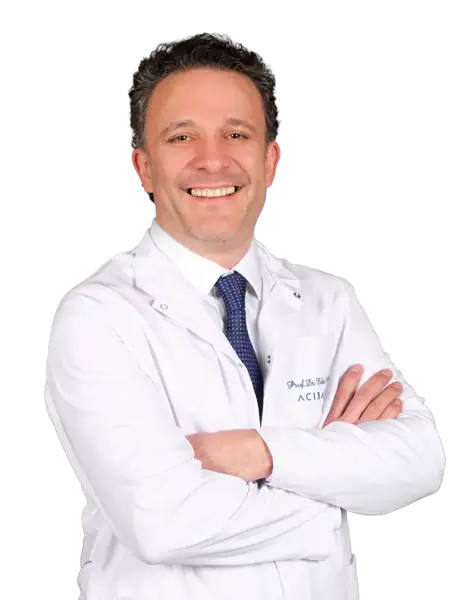
Prof. Dr. Erkin Sönmez
Neurosurgery
Prof. Dr. Gökhan Bozkurt
Neurosurgery
Prof. Dr. Hakan Murat Göksel
Neurosurgery
Prof. Dr. Hakan Seçkin
Neurosurgery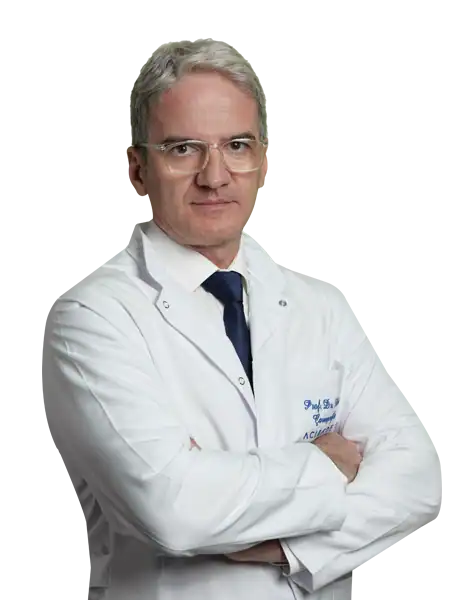
Prof. Dr. Halit Çavuşoğlu
Neurosurgery
Prof. Dr. Hatem Hakan Selçuk
Interventional Neuroradiology
Prof. Dr. Hüseyin Hayrı Kertmen
Neurosurgery
Prof. Dr. Kamil Kadir Topalkara
Neurology
Prof. Dr. Kayihan Uluç
Neurology
Prof. Dr. Kağan Tun
Neurosurgery
Prof. Dr. Kenan Koç
Neurosurgery
Prof. Dr. Koray Özduman
Neurosurgery
Prof. Dr. Mehmet Zafer Berkman
Neurosurgery
Prof. Dr. Melih Bozkurt
Neurosurgery
Prof. Dr. Memet Özek
Neurosurgery
Prof. Dr. Müfit Kalelioğlu
NeurosurgeryMedical Units
Available at These Hospitals












Frequently Asked Questions
What affects the cost of neuroinfectious disease treatment?
The main factors are the suspected infection, urgency, diagnostic tests, need for admission or intensive care, medicines used, specialist involvement, and management of complications. International travel support, interpreter services, and follow-up planning can also affect the total estimate.
Can I receive a fixed package price for neuroinfectious disease care?
A fixed package may be possible for a planned diagnostic consultation or follow-up visit, but acute neuroinfections are often unpredictable. Final costs may change if additional tests, inpatient care, intensive care, or procedures become medically necessary.
How can I get a personalised quote from Acibadem?
You can request a free consultation and share medical reports, imaging, laboratory results, discharge summaries, and current medications. A specialist review helps the international patient team prepare a personalised estimate based on your clinical needs.
Is urgent treatment always required?
Many neuroinfectious diseases require prompt assessment because delays can increase the risk of neurological complications. If symptoms are severe or rapidly worsening, emergency medical care should be sought immediately rather than waiting for travel arrangements.
Does the quote include travel and interpreter support?
For international patients, the care team can advise on services such as interpreter support, appointment coordination, airport transfer, and accommodation guidance. What is included should be confirmed in the personalised estimate before travel.
Who decides which treatment option is suitable?
Suitability is decided by specialists such as neurology, infectious diseases, intensive care, neuroradiology, microbiology, or neurosurgery teams, depending on the case. The decision is based on symptoms, examination findings, test results, and the urgency of treatment.