

Fractures
Fracture care restores bone alignment, stability, and function after traumatic or stress-related breaks. Treatment may include immobilization, closed reduction, surgery, pain control, and rehabilitation.
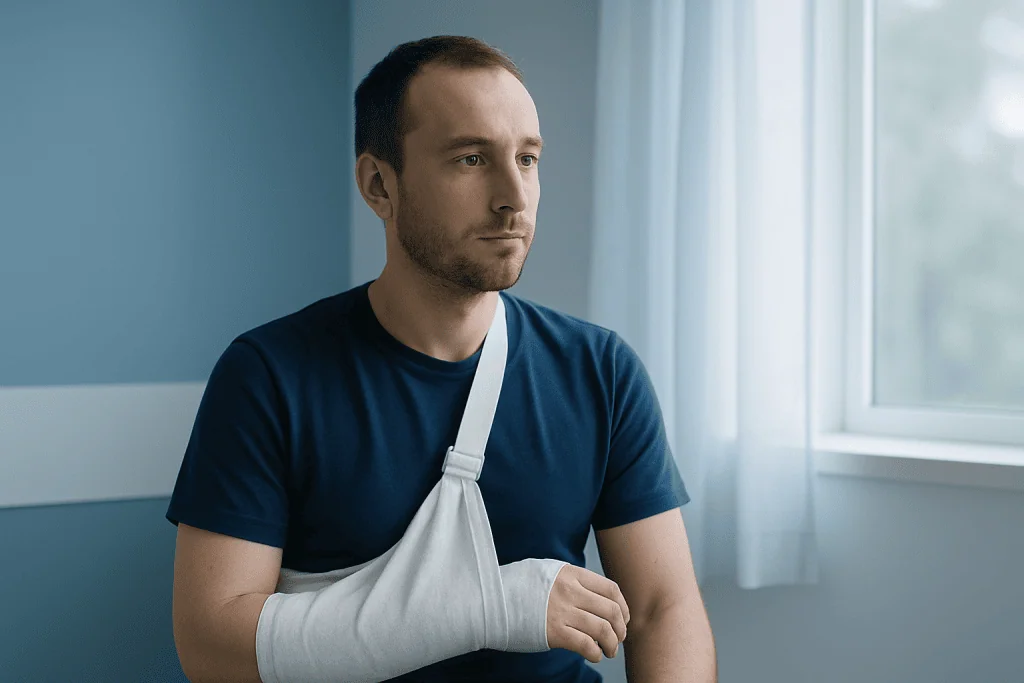
Quick answer
Fracture treatment restores the normal alignment, stability, and function of a broken bone after trauma or stress-related injury. At Acibadem, care begins with orthopedic assessment and imaging, then may involve immobilization, closed reduction, or surgery, followed by pain management and rehabilitation to support healing and recovery.
When a Fracture Changes the Way You Move, Work, or Care for Yourself
A fracture can happen in a moment: a fall on the stairs, a sports injury, a car accident, a workplace incident, or a sudden twist during everyday activity. Some fractures are immediately obvious, with severe pain, swelling, deformity, or inability to bear weight. Others are more subtle, especially stress fractures or fractures in older adults with osteoporosis, where discomfort may build gradually or be mistaken for a sprain.
For many patients and families, the first concern is simple and urgent: Will the bone heal correctly, and will I regain normal function? The answer depends on the type of fracture, its location, the patient’s age and health, the quality of the initial diagnosis, and how quickly the bone is stabilized in the right position. Fracture care is not only about pain relief. It is about restoring alignment, protecting nearby nerves and blood vessels, preventing long-term stiffness or deformity, and helping the patient return safely to daily life.
International patients may face additional questions. Is surgery necessary, or can the fracture heal with a cast or brace? How long will recovery take? Can treatment be coordinated quickly after an injury? What imaging is needed? Will rehabilitation be included? At Acibadem, fracture treatment is approached through careful diagnosis, evidence-based decision-making, and coordinated care from orthopedic specialists, radiology teams, anesthesiology, rehabilitation physicians, physiotherapists, nurses, and international patient services when needed.
The goal is to choose the least invasive treatment that can reliably restore stability and function. For some patients, this means immobilization with a cast, splint, or brace. For others, especially when the bone is displaced, unstable, near a joint, or associated with soft tissue injury, surgery may offer the best opportunity for accurate alignment and early rehabilitation.
What Fracture Treatment Is
Fracture treatment is the medical and surgical care used to help a broken bone heal in the correct position. A fracture may be a small crack, a complete break, a break into several fragments, or a fracture that extends into a joint. It may be closed, meaning the skin remains intact, or open, meaning the broken bone communicates with the outside environment through a wound. Each pattern has different risks and requires a specific treatment plan.
The essential principles of fracture care are alignment, stability, healing, and function. Alignment means placing the bone fragments as close as possible to their natural position. Stability means keeping the bone in that position long enough for healing. Healing is the biological process in which new bone forms across the fracture site. Function refers to restoring movement, strength, balance, and confidence after the injury.
Fracture treatment may include several components. Pain control is usually started early, along with elevation, ice, and protection of the injured area when appropriate. Immobilization may be provided with a splint, cast, boot, sling, or functional brace. If the bone fragments are displaced, the orthopedic team may perform a closed reduction, which means realigning the bone without an incision, often under local, regional, or general anesthesia depending on the injury and patient comfort.
When a fracture cannot be held securely in good position with a cast or brace, surgery may be recommended. Surgical fixation can involve plates, screws, rods, pins, wires, or external fixation systems. The purpose of these implants is not to “replace” the bone, but to hold the fragments stable while the body heals. In selected cases, minimally invasive techniques may be used to reduce soft tissue disruption. In more complex trauma, staged treatment may be necessary, especially when swelling, wounds, or multiple injuries are present.
Rehabilitation is also part of treatment. Even after the bone begins to heal, muscles may be weak and joints may be stiff. A structured recovery plan helps restore mobility and reduce the risk of long-term limitations. This is particularly important for fractures near the shoulder, elbow, wrist, hip, knee, ankle, or spine, where small changes in alignment or prolonged immobility can affect function.
Who May Need Fracture Care
Anyone with a suspected broken bone should receive medical assessment, especially if pain is severe, swelling is significant, movement is limited, or the injured limb appears deformed. Some patients require urgent care within hours, while others may be evaluated promptly in an outpatient setting. The decision depends on symptoms, mechanism of injury, age, overall health, and whether there are warning signs such as numbness, loss of circulation, open wounds, or inability to move the limb.
Typical symptoms of a fracture include sudden pain after an injury, swelling, bruising, tenderness over the bone, difficulty using the affected area, visible deformity, or a grinding sensation with movement. In leg, ankle, foot, hip, or pelvic fractures, patients may be unable to stand or walk. In hand, wrist, shoulder, or arm fractures, grip strength and range of motion may be reduced. In rib or spine fractures, pain may worsen with breathing, coughing, bending, or standing.
Not all fractures are dramatic at first. Stress fractures, often seen in runners, military personnel, dancers, and people who suddenly increase activity, may begin as mild pain that worsens during exercise and improves with rest. Fragility fractures related to osteoporosis can occur after a low-energy fall, such as slipping from standing height. In older adults, a hip fracture may present as groin pain, inability to bear weight, or a leg that appears shortened or turned outward.
Diagnosis usually begins with a physical examination and medical history. The doctor will ask how the injury occurred, where the pain is located, whether there is numbness or weakness, and whether the patient has underlying conditions such as diabetes, osteoporosis, vascular disease, kidney disease, or a history of previous fractures. The injured area is examined for swelling, deformity, skin wounds, circulation, nerve function, and joint movement.
Imaging is central to diagnosis. Standard X-rays are often the first test and can identify many fractures and dislocations. Computed tomography may be used when the fracture is complex, involves a joint, affects the pelvis or spine, or needs detailed surgical planning. Magnetic resonance imaging can help detect stress fractures, bone bruising, ligament injury, spinal cord involvement, or fractures not clearly visible on X-ray. Ultrasound may sometimes assist in evaluating soft tissue injury, tendon involvement, or certain pediatric fractures. Laboratory testing may be needed if surgery is planned or if bone quality, infection, or metabolic bone disease is a concern.
Patients may need fracture treatment after trauma, sports injuries, traffic accidents, falls from height, workplace injuries, overuse, osteoporosis-related fractures, or cancer-related weakening of bone. In children, growth plate fractures require particular expertise because treatment must protect future growth. In older adults, fracture care may need to be integrated with fall prevention, bone health assessment, and management of chronic medical conditions.
Conditions and Indications Treated
Fracture care covers a wide range of injuries, from simple stable fractures to complex trauma requiring coordinated multidisciplinary management. The treatment plan is shaped by the fracture pattern, degree of displacement, joint involvement, soft tissue condition, patient activity level, and medical risk factors.
Common indications include wrist and forearm fractures, which may occur after a fall on an outstretched hand; ankle fractures, which can range from stable sprains with a small bone injury to unstable fractures involving multiple parts of the ankle joint; and hip fractures, which are common in older adults and usually require urgent surgical assessment. Shoulder, clavicle, and upper arm fractures may be treated with a sling or surgery depending on displacement, age, bone quality, and functional needs.
Leg fractures, including tibia and femur fractures, often require careful stabilization because they bear body weight. Hand and finger fractures may look small but can affect fine movement, grip, and occupational function if not aligned properly. Foot fractures, including metatarsal and heel bone fractures, require attention to weight-bearing mechanics. Spine fractures may be stable or unstable and must be assessed for nerve or spinal cord involvement. Pelvic and acetabular fractures are often complex injuries that may require advanced imaging and specialist surgical planning.
Open fractures, fractures with dislocation, fractures affecting blood supply or nerve function, and fractures associated with severe swelling are treated with particular urgency. In these situations, care may involve emergency wound management, antibiotics, tetanus protection, temporary external fixation, vascular or plastic surgery consultation, or staged reconstruction.
Fracture care also includes non-traumatic or low-trauma fractures. Patients with osteoporosis, vitamin D deficiency, endocrine disorders, kidney disease, certain medications, or cancer may experience fractures with minimal force. In these cases, treating the fracture is only one part of care. Identifying why the bone broke and reducing future fracture risk are equally important.
How Fracture Treatment Is Performed
Fracture treatment begins with stabilization and assessment. In an emergency setting, the first priority is to protect the patient’s overall condition, especially after high-energy trauma. The injured limb may be splinted, elevated, and supported. Pain medication is provided, and the team checks circulation, sensation, and movement beyond the injury. If there is an open wound, it is covered with sterile dressing and assessed urgently.
Once the patient is stable, imaging is performed. X-rays are commonly used first. More advanced imaging may be recommended if the fracture extends into a joint, has multiple fragments, is near critical structures, or is difficult to see on plain films. Three-dimensional imaging from CT scans can help the orthopedic surgeon understand the fracture pattern and plan fixation. MRI may be used when soft tissue structures, bone marrow, ligaments, discs, or the spinal cord need evaluation. These tools help the team decide whether nonsurgical care, closed reduction, or surgery is most appropriate.
Preparation depends on the treatment plan. For nonsurgical treatment, the doctor may apply a splint initially, especially if swelling is expected. A full cast may be placed later when swelling decreases. The patient receives instructions on elevation, skin care, warning signs, and whether weight-bearing is allowed. Follow-up imaging may be scheduled to ensure the bone remains aligned during healing.
If a closed reduction is needed, the patient may receive pain medication, sedation, or anesthesia. The orthopedic specialist gently manipulates the bone fragments into improved alignment without making an incision. After reduction, a cast, splint, or brace is applied. X-rays are taken again to confirm position. Closed reduction is commonly used for selected wrist, ankle, forearm, shoulder, elbow, and pediatric fractures, but it is only appropriate when the bone can be aligned and kept stable without internal fixation.
Surgical treatment is recommended when a fracture is unstable, significantly displaced, involves a joint surface, cannot be maintained in acceptable position, is open, or is associated with certain high-risk patterns. Surgery may also be advised when earlier movement is important for recovery, such as in some hip fractures, certain ankle fractures, and fractures near joints. Before surgery, the patient is assessed by anesthesia and medical teams. Blood tests, heart evaluation, medication review, and fasting instructions may be required. For international patients, previous imaging and records can often be reviewed before travel to help plan care.
During surgery, the patient receives anesthesia, which may be general, regional, or a combination depending on the fracture and medical condition. The surgeon realigns the bone fragments and stabilizes them using implants chosen for the specific fracture. Plates and screws may hold fragments together along the bone surface. Intramedullary rods may be placed inside the central canal of long bones such as the femur or tibia. Pins or wires may be used in selected hand, wrist, elbow, or pediatric fractures. External fixation may be used when soft tissue swelling, wounds, infection risk, or severe trauma makes temporary or definitive stabilization from outside the body more appropriate.
Modern operating rooms use imaging guidance during many fracture procedures. Intraoperative X-ray helps confirm alignment and implant position. Surgical planning software, high-resolution imaging, and careful preoperative mapping can support precision in complex joint, pelvic, or spinal fractures. In selected cases, arthroscopic assistance may help evaluate and treat joint involvement through small incisions. The value of technology is not the equipment alone; it is how imaging and planning are integrated with orthopedic judgment to reduce avoidable uncertainty and protect function.
The duration of treatment varies widely. Applying a splint or cast may take a short appointment. Closed reduction may require a longer emergency or procedural visit. Surgery may last from less than an hour to several hours depending on complexity, number of bones involved, soft tissue injury, and whether additional procedures are needed. Hospital stay also varies. Some patients go home the same day after minor procedures, while others, especially those with hip, pelvic, spine, open, or multiple fractures, may require inpatient monitoring and rehabilitation planning.
Recovery starts immediately after stabilization. Pain control is adjusted, swelling is monitored, and the patient is taught how to move safely. Depending on the fracture, weight-bearing may be restricted, partial, or allowed as tolerated. Physical therapy may begin with gentle movement, breathing exercises, circulation exercises, or walking training with crutches or a walker. For upper limb fractures, therapy may focus on hand, wrist, elbow, or shoulder mobility to prevent stiffness.
Follow-up appointments are essential. The orthopedic team monitors healing through examination and imaging. Casts may be changed, sutures removed, weight-bearing advanced, and therapy progressed. Bone healing is gradual, and the patient’s recovery plan may change as new X-rays show callus formation and stability. The goal is to return to activity safely, not simply quickly.
Why Acting Early Matters
Timely fracture care can significantly influence comfort, alignment, and long-term function. A bone that heals in a poor position may cause pain, weakness, reduced range of motion, joint overload, or visible deformity. Some malunions are difficult to correct later and may require more complex surgery than the original injury would have required.
Delay can be especially risky when the fracture involves a joint. If the joint surface is not restored as accurately as possible, the cartilage may be exposed to abnormal pressure, increasing the risk of stiffness and arthritis over time. Delayed care can also make reduction more difficult as swelling increases and early healing begins in the wrong position.
Open fractures require urgent attention because bacteria can enter the wound and increase infection risk. Fractures associated with numbness, pale or cold fingers or toes, severe tightness, or worsening pain may indicate nerve, blood vessel, or compartment pressure problems. These symptoms require immediate medical evaluation.
In older adults, prompt treatment of hip fractures is particularly important. Prolonged immobility can increase the risk of blood clots, pneumonia, pressure injuries, loss of independence, and decline in general health. Early surgical assessment and carefully managed mobilization can help reduce these risks. For patients with stress fractures, early diagnosis may prevent a small crack from progressing to a complete fracture.
Benefits of Fracture Treatment
Effective fracture care is designed to relieve pain, restore stability, and support the safest possible return to function.
| Benefit | What It Means for You |
|---|---|
| Improved bone alignment | Correct positioning helps the bone heal in a way that supports normal movement, strength, and appearance. |
| Greater stability during healing | Casts, braces, or surgical fixation reduce unwanted movement at the fracture site and help protect the healing bone. |
| Reduced pain and swelling | Stabilizing the fracture, controlling inflammation, and using appropriate medication can make daily care and sleep more manageable. |
| Protection of joint function | Accurate treatment of fractures near joints can reduce stiffness, abnormal loading, and future movement limitations. |
| Earlier safe mobilization when appropriate | Some fixation methods allow carefully guided movement sooner, which may help reduce muscle loss and complications from immobility. |
| Lower risk of avoidable complications | Timely assessment can identify nerve, blood vessel, skin, infection, or bone-healing risks before they become more difficult to manage. |
Recovery Timeline After a Fracture
Recovery depends on the bone involved, the fracture pattern, the treatment method, and the patient’s overall health, but many patients follow a general progression.
| Time Period | What Patients Can Expect |
|---|---|
| Day 1 | The injury is assessed, pain is treated, imaging is reviewed, and the bone is stabilized with a splint, cast, brace, reduction, or surgery if needed. |
| First Week | Swelling and bruising are common. Patients receive instructions on elevation, wound or cast care, movement restrictions, and warning signs that require medical attention. |
| First Month | Follow-up imaging may confirm early healing and alignment. Therapy may begin or progress, and weight-bearing or activity limits may be adjusted. |
| Six to Twelve Weeks | Many uncomplicated fractures show meaningful healing during this period, though strength, balance, and joint mobility may still be limited. |
| Longer Term | Complex fractures, joint injuries, spine or pelvic fractures, and fractures in patients with weaker bone may require several months of rehabilitation and monitoring. |
Factors That Influence Healing and a Good Result
Fracture healing is both mechanical and biological. The bone needs enough stability to heal, but the body also needs adequate blood supply, nutrition, and cellular activity to create new bone. A good result depends on the interaction between the fracture pattern, treatment quality, rehabilitation, and patient health.
The location of the fracture matters. Some bones have a rich blood supply and heal predictably. Others, such as certain parts of the wrist, hip, foot, or lower leg, may have a higher risk of delayed healing because of blood flow or mechanical stress. Fractures that extend into a joint are more complex because the joint surface must be restored carefully to preserve motion and reduce uneven pressure.
The degree of displacement and fragmentation also affects outcome. A clean, stable fracture may heal well in a cast. A highly displaced or comminuted fracture may require surgical fixation to restore length, rotation, and alignment. Open fractures and crush injuries carry additional risks because the surrounding skin, muscle, and blood supply may be damaged.
Patient factors are equally important. Smoking is associated with slower bone healing and a higher risk of complications. Diabetes, vascular disease, kidney disease, immune suppression, anemia, poor nutrition, and certain medications can also affect healing. Osteoporosis can make fixation more challenging and increases the risk of future fractures. For this reason, fracture care may include evaluation of bone density, vitamin D levels, calcium intake, and fall risk, especially in older adults or patients with low-energy fractures.
Adherence to the recovery plan is one of the most practical influences on outcome. Removing a cast too early, walking before the bone is ready, missing follow-up imaging, or delaying therapy can compromise healing. At the same time, excessive immobilization can cause stiffness, weakness, and loss of confidence. The best recovery plan is individualized and adjusted as healing progresses.
Rehabilitation quality can determine how well the patient uses the healed bone. Physical therapy may address swelling control, range of motion, strengthening, gait training, balance, posture, scar mobility, and return to sport or work. Occupational therapy may be important after hand, wrist, elbow, or shoulder fractures, especially for patients whose daily activities require fine motor skills. In complex cases, rehabilitation physicians and pain specialists may support recovery if pain, nerve symptoms, or movement limitations persist.
Finally, surgical decision-making matters. Not every fracture needs surgery, and surgery is not automatically better. The key is choosing the treatment that offers the most appropriate balance of alignment, stability, risk, recovery time, and patient goals. A young athlete with an unstable ankle fracture, an older adult with a hip fracture, and a patient with a stable wrist fracture may each need very different treatment pathways.
Why International Patients Choose Acibadem for Fracture Care
For a patient considering treatment abroad, fracture care requires more than an orthopedic appointment. It requires rapid diagnosis, coordinated planning, clear communication, surgical and nonsurgical expertise, rehabilitation access, and support with the practical details of receiving care in another country. Acibadem’s hospitals in Turkey are JCI-accredited and serve international patients through dedicated services designed to help coordinate medical appointments, interpretation, hospital admission, discharge planning, and follow-up communication.
Orthopedic fracture care at Acibadem is delivered by experienced physicians who treat a broad spectrum of injuries, from common wrist and ankle fractures to complex trauma involving the pelvis, spine, joints, and multiple limbs. Depending on the case, patients may be evaluated by orthopedic trauma surgeons, hand surgeons, spine specialists, sports medicine physicians, pediatric orthopedic specialists, radiologists, anesthesiologists, rehabilitation physicians, physiotherapists, and other consultants. This multidisciplinary structure is especially important when the fracture is part of a larger injury pattern or when the patient has medical conditions that increase risk.
Modern diagnostic pathways support timely and accurate decisions. Digital X-ray, CT, MRI, ultrasound, and laboratory testing can be used according to the clinical need. Imaging is interpreted in the context of the physical examination and the patient’s functional goals. For complex fractures, detailed imaging helps the surgical team understand the three-dimensional structure of the break, plan implant placement, and anticipate challenges before entering the operating room.
Treatment plans are personalized. Some international patients arrive after an initial diagnosis in their home country and request a second opinion on whether surgery is necessary. Others travel after an injury and need definitive treatment, postoperative care, or rehabilitation. Some seek evaluation for a fracture that is not healing as expected, painful hardware, malunion, nonunion, or complications after previous treatment. In each situation, the team reviews available records and imaging, performs additional assessment if needed, and explains the options in practical terms.
When surgery is required, operating teams use contemporary fixation principles and imaging guidance to restore alignment and stability as accurately as the injury allows. The choice of implant and technique is based on the bone involved, fracture shape, soft tissue condition, age, bone quality, and expected rehabilitation plan. For selected patients, minimally invasive approaches may reduce soft tissue disruption, while more open reconstruction may be necessary for complex joint or trauma cases. The priority is not to use the smallest incision at all costs, but to choose the method that best protects healing and function.
International patient services are an important part of the care experience. Communication in more than 20 languages helps patients understand diagnosis, consent, medications, activity restrictions, and follow-up plans. Coordination teams can assist with scheduling, medical record transfer, hospital logistics, and communication between patients, families, and clinical teams. For patients traveling with a companion, these services can make the process easier to navigate during a stressful time.
Rehabilitation planning is integrated into the fracture pathway. Before discharge, patients are usually given instructions about wound care or cast care, medication use, mobility aids, weight-bearing limits, exercises, and follow-up timing. When patients return home after treatment in Turkey, the medical team can provide documentation to support continuity of care with local physicians and physiotherapists. This is particularly important because fracture recovery continues well beyond the hospital stay.
Choosing where to receive fracture care is a personal decision. Many international patients value access to experienced orthopedic teams, advanced imaging, hospital accreditation, coordinated services, and the ability to obtain a detailed second opinion. At Acibadem, the emphasis is on careful evaluation, clear explanation of options, and treatment planning that reflects both medical evidence and the patient’s life circumstances.
Moving Forward After a Fracture
A broken bone can interrupt nearly every part of life, from walking and working to sleeping comfortably and caring for family. With timely assessment and the right treatment plan, many fractures heal well and patients gradually return to their usual activities. The path may involve a cast, a brace, surgery, rehabilitation, or a combination of these, but the central goal remains the same: restore safe alignment, protect healing, and rebuild function.
If you have been diagnosed with a fracture, have been advised to consider surgery, or are uncertain whether your bone is healing correctly, a specialist review can help clarify your options. International patients may request a consultation or second opinion by sharing medical records and imaging so the orthopedic team can assess the injury and recommend an appropriate next step.
This information is general and is not a substitute for professional medical advice, diagnosis, or treatment. A qualified healthcare professional should evaluate your individual condition and recommend the most appropriate care plan.
Preparation
- Doctors assess the fracture with physical examination and imaging such as X-ray, CT, or MRI when needed. Blood tests and anesthesia evaluation may be required before surgical fixation. Patients should share medication use, allergies, and chronic conditions, and may need to stop eating or drinking before surgery.
Aftercare
- After treatment, the limb may be protected with a cast, splint, brace, or internal fixation while the bone heals. Pain control, wound care, swelling management, and follow-up imaging are important. Physical therapy helps restore strength, motion, and safe return to daily activities.
Turkey vs UK, Germany & USA
Fracture care costs and patient experience vary depending on the type of break, urgency, imaging, treatment method, implants, hospital stay, and rehabilitation needs. This comparison is general information; a specialist assessment is needed to confirm the most suitable plan.
When comparing fracture treatment destinations, the main differences are usually the care pathway, how services are billed, access to specialists, and the support offered to international patients.
| Factor | Turkey | UK | Germany | USA |
|---|---|---|---|---|
| Care setting | Private hospital care is commonly arranged through coordinated international patient services. | Private care may be available alongside the public system; access routes can differ for international patients. | Private and university hospital care is available, often with structured specialist pathways. | Care is commonly delivered through private hospitals or trauma networks, with billing varying by provider. |
| Price drivers | Cost is influenced by fracture complexity, imaging, implants, operating room use, hospital stay, and rehabilitation. | Costs may be itemized by consultation, diagnostics, surgery, anesthesia, hospital stay, and physiotherapy. | Costs may reflect hospital category, surgeon fees, diagnostics, implants, inpatient care, and rehabilitation planning. | Facility fees, surgeon and anesthesia fees, imaging, implants, medications, and rehabilitation can be billed separately. |
| Hospital and surgeon factors | Orthopedic trauma experience, availability of modern imaging, and implant systems can affect the treatment plan. | Consultant availability, hospital facilities, and access to operating time may influence scheduling and cost. | Subspecialty expertise, hospital infrastructure, and rehabilitation coordination may influence the pathway. | Hospital network, surgeon specialization, insurance status, and facility type can strongly affect the patient experience. |
| Accreditation and quality | International hospitals may hold JCI accreditation; patients should confirm the facility, surgeon experience, and safety protocols. | Hospitals follow national regulatory standards; international accreditation and private hospital services vary. | Hospitals follow national quality standards; international accreditation and English-language services vary by center. | Hospitals follow national and state regulations; accreditation status and trauma capability vary by facility. |
| Waiting times | Private pathways may allow faster scheduling when the fracture is stable and travel is safe. | Waiting time depends on public or private access, clinical urgency, and consultant availability. | Scheduling depends on urgency, hospital capacity, and specialist availability. | Access may be rapid in urgent settings, while planned private care depends on provider availability and authorization. |
| Travel and language logistics | International patient teams may help with appointments, translation, travel coordination, and discharge planning. | Language is usually straightforward for English speakers; travel and accommodation are arranged separately. | Translation support may be needed depending on the hospital; travel planning is usually separate. | English-language care is typical; travel, accommodation, and billing coordination may require separate planning. |
| Package contents | Packages may include consultation, imaging review, surgery when needed, hospital stay, basic medications, and coordination support. | Private quotes may list consultations, diagnostics, procedure, hospital stay, and rehabilitation separately. | Quotes may separate hospital, physician, diagnostics, implants, and rehabilitation services. | Quotes and bills may be divided between hospital, surgeon, anesthesiology, imaging, implants, and therapy providers. |
What affects your final cost
- Type and location of the fracture, such as wrist, ankle, hip, spine, or long bone involvement.
- Whether treatment is non surgical or requires fixation, implant removal, or revision surgery.
- Need for emergency care, advanced imaging, laboratory tests, or specialist consultations.
- Implant type, operating room time, anesthesia, and length of hospital stay.
- Rehabilitation, physiotherapy, mobility aids, medications, and follow-up visits.
- Travel arrangements, translation support, companion needs, and accommodation preferences.
Compare your options
Fracture treatment options range from immobilization to surgery and rehabilitation. Suitability is decided by an orthopedic or trauma specialist after examination, imaging, and assessment of overall health.
| Option | What it is | Typical use | Key considerations |
|---|---|---|---|
| Immobilization | Use of a cast, splint, brace, or sling to keep the bone stable while it heals. | Stable fractures with acceptable alignment and no major displacement. | Requires follow-up imaging, swelling control, skin care, and monitoring for stiffness or loss of alignment. |
| Closed reduction | Realignment of the bone without an open incision, followed by immobilization. | Displaced fractures that can be corrected manually and kept stable in a cast or splint. | May require pain control or anesthesia; alignment must be checked and maintained during healing. |
| Internal fixation | Surgery to stabilize the fracture with plates, screws, rods, pins, or similar implants. | Unstable, displaced, joint-involving, or multiple fractures where precise alignment is important. | Costs and recovery depend on fracture complexity, implant choice, surgical time, hospital stay, and rehabilitation needs. |
| External fixation | A frame outside the body connected to the bone with pins or wires to stabilize the fracture. | Severe injuries, open fractures, significant soft tissue damage, or temporary stabilization before further surgery. | Requires pin site care, close monitoring, and careful planning for later reconstruction or frame removal when appropriate. |
| Joint replacement for selected fractures | Replacement of part or all of a damaged joint when fixation is unlikely to restore function well. | Selected hip, shoulder, or complex joint fractures, especially when bone quality or fracture pattern limits fixation. | Implant selection, mobility goals, medical fitness, and rehabilitation planning are central to decision-making. |
| Rehabilitation and physiotherapy | Guided exercises and functional training to restore movement, strength, balance, and daily activity. | Most fracture pathways, whether treated with immobilization or surgery. | Timing and intensity depend on stability, pain, weight-bearing status, and specialist instructions. |
Trusted care for international patients
General information only — not medical or financial advice. Final costs depend on the factors above and your individual case; request a free, personalised quote.
Doctors Performing This Treatment

Prof. Dr. Ahmet Alanay
Orthopedic Surgery & Traumatology
Prof. Dr. Alper Kaya
Orthopedic Surgery & Traumatology
Prof. Dr. Arel Gereli
Orthopedic Surgery & Traumatology
Prof. Dr. Ata Can Atalar
Orthopedic Surgery & Traumatology
Prof. Dr. Aziz Kaya Alturfan
Orthopedic Surgery & Traumatology
Prof. Dr. Barış Kocaoğlu
Orthopedic Surgery & Traumatology
Prof. Dr. Burak Akan
Orthopedic Surgery & Traumatology
Prof. Dr. Cihangir Tetik
Orthopedic Surgery & Traumatology
Prof. Dr. Emre Toğrul
Orthopedic Surgery & Traumatology
Prof. Dr. Erhan Serin
Orthopedic Surgery & Traumatology
Prof. Dr. Fatih Dikici
Orthopedic Surgery & Traumatology
Prof. Dr. Gökşel Dikmen
Orthopedic Surgery & Traumatology
Prof. Dr. Gündüz Tezeren
Orthopedic Surgery & Traumatology
Prof. Dr. Hakan Turan Çift
Orthopedic Surgery & Traumatology
Prof. Dr. Harzem Özger
Orthopedic Surgery & Traumatology
Prof. Dr. Hüseyin Bayram
Orthopedic Surgery & Traumatology
Prof. Dr. Kaan Erler
Orthopedic Surgery & Traumatology
Prof. Dr. Kahraman Öztürk
Orthopedic Surgery & Traumatology
Prof. Dr. Kerem Bilsel
Orthopedic Surgery & Traumatology
Prof. Dr. Kerim Sarıyılmaz
Orthopedic Surgery & Traumatology
Prof. Dr. Korhan Özkan
Orthopedic Surgery & Traumatology
Prof. Dr. Levent Eralp
Orthopedic Surgery & Traumatology
Prof. Dr. M. Nadir Şener
Orthopedic Surgery & Traumatology
Prof. Dr. Mahir Gülşen
Orthopedic Surgery & TraumatologyMedical Units
Available at These Hospitals












Frequently Asked Questions
What affects the cost of fracture treatment?
The final cost depends on the fracture location and severity, the need for imaging, whether surgery is required, implant choice, anesthesia, hospital stay, medications, and rehabilitation. A personalized quote can only be prepared after a specialist reviews your medical information.
How can I get a personalized quote for fracture care in Turkey?
You can request a free consultation and share your medical reports, imaging, diagnosis, and current symptoms. The orthopedic team can then recommend a treatment pathway and provide a personalized estimate based on your needs.
Is surgery always needed for a fracture?
No. Some fractures heal well with a cast, splint, brace, or sling. Surgery may be recommended when the fracture is unstable, displaced, involves a joint, affects blood supply, or cannot be held in a safe position without fixation.
What is usually included in an international patient package?
Package contents vary, but they may include specialist assessment, imaging review, surgery if needed, hospital stay, basic inpatient medications, translation support, and care coordination. Rehabilitation, special implants, extended stays, or additional tests may be quoted separately.
Can I travel after a fracture or fracture surgery?
Travel safety depends on the fracture, treatment method, pain level, mobility, clot risk, and your overall health. Your specialist should confirm when travel is appropriate and what precautions are needed.
Is this information medical or financial advice?
No. This is general educational information and not a substitute for medical or financial advice. For an accurate treatment plan and cost estimate, request a free consultation with a qualified specialist.