

Tenosynovitis
Tenosynovitis is inflammation of the tendon sheath, often causing pain, swelling and limited movement. Treatment usually combines rest, splinting, medication, injections and rehabilitation to restore function.

Quick answer
Tenosynovitis is inflammation of the sheath surrounding a tendon, which can cause pain, swelling, tenderness, and restricted movement in the affected joint or limb. In Turkey, Acibadem manages tenosynovitis with evaluation to confirm the cause and severity, followed by treatment such as rest, splinting, anti-inflammatory medication, injections, physical therapy, and surgery when conservative care is not enough.
When Tendon Pain Starts to Limit Daily Life
Tenosynovitis can begin as a mild ache near a joint, a sense of tightness when moving a finger or wrist, or swelling that seems out of proportion to a small activity. Over time, the discomfort may become sharper, more persistent, or more restrictive. Tasks that once felt automatic, such as lifting a cup, typing, buttoning clothing, holding a phone, using tools, or walking comfortably, can become painful and frustrating.
For many patients, the most worrying part is uncertainty. Is this a simple strain that will improve with rest, or is it a tendon problem that needs targeted care? Could it become permanent? Will an injection help? Is surgery necessary? International patients considering treatment abroad often have additional concerns: how quickly they can be assessed, whether imaging and specialist consultation can be coordinated efficiently, and whether the recommended treatment will be appropriate for their lifestyle, work, sport, or travel plans.
Tenosynovitis means inflammation of the protective sheath that surrounds a tendon. Because tendons glide through these sheaths every time a joint moves, swelling or thickening in this small space can cause pain, friction, stiffness, clicking, catching, and reduced motion. In some cases, symptoms are related to repetitive use or an inflammatory disease. In others, especially when infection is present, tenosynovitis can be urgent and requires prompt medical attention.
Effective treatment matters because tendon problems can become self-perpetuating. Pain leads to altered movement, altered movement increases strain on neighboring joints and muscles, and ongoing inflammation can make the tendon sheath tighter and less flexible. With a careful diagnosis and a structured treatment plan, many patients improve with non-surgical care. When more advanced treatment is needed, the goal remains the same: reduce inflammation, restore tendon gliding, protect function, and help the patient return safely to normal activity.
What Tenosynovitis Treatment Is
Treatment for tenosynovitis is a stepwise medical approach designed to calm inflammation in the tendon sheath, relieve pain, preserve movement, and address the cause of the irritation. It is not one single procedure. Instead, care is personalized according to the tendon involved, the severity and duration of symptoms, the patient’s occupation or athletic demands, and whether there is an underlying condition such as rheumatoid arthritis, diabetes, gout, or infection.
Most treatment plans begin with conservative measures. These may include activity modification, temporary rest from aggravating movements, splinting or bracing, anti-inflammatory medication when appropriate, ice or heat strategies, and supervised rehabilitation. A hand therapist or physiotherapist may teach tendon-gliding exercises, stretching, strengthening, ergonomic changes, and techniques to prevent recurrence. The purpose is not simply to stop pain for a few days, but to improve how the tendon moves within its sheath.
If symptoms persist, image-guided or anatomically guided corticosteroid injection may be considered for certain forms of tenosynovitis. These injections can reduce inflammation around the tendon sheath and may help avoid surgery in selected patients. The timing, location, and dose must be chosen carefully, particularly in patients with diabetes, recurrent symptoms, or tendon degeneration.
In specific situations, surgery may be recommended. Surgical treatment is usually considered when symptoms are severe, recurrent, mechanically limiting, or resistant to well-conducted non-surgical treatment. Examples include trigger finger release or decompression for De Quervain’s tenosynovitis when splinting, therapy, and injections have not provided sufficient relief. If infectious tenosynovitis is suspected, urgent surgical drainage and antibiotics may be required to protect the tendon and surrounding tissues.
At Acibadem, the treatment pathway is based on an accurate diagnosis first. Orthopedics and traumatology, hand surgery, physical medicine and rehabilitation, radiology, rheumatology, infectious diseases, and other specialties may be involved when needed. This multidisciplinary structure is especially important for international patients, because tenosynovitis can look simple at first but may have a more complex medical cause.
Who May Need Treatment for Tenosynovitis
Patients may need evaluation for tenosynovitis when pain, swelling, stiffness, or catching develops along the course of a tendon. The most commonly affected areas include the wrist, thumb, fingers, hand, ankle, and foot, although tenosynovitis can occur anywhere tendons pass through a sheath. Symptoms may appear gradually after repetitive use, or they may develop suddenly after an injury, infection, or inflammatory flare.
Typical symptoms include localized pain that worsens with movement, tenderness over the tendon, swelling or warmth, limited range of motion, and a sensation of friction or creaking. In the fingers, patients may notice locking or triggering, where the finger catches in a bent position and then releases. In De Quervain’s tenosynovitis, pain is usually felt on the thumb side of the wrist and may worsen when lifting a child, gripping, turning the wrist, or using a smartphone. In the ankle or foot, symptoms may cause pain with walking, running, climbing stairs, or standing for long periods.
Diagnosis begins with a detailed clinical assessment. The physician reviews symptom onset, daily activities, work demands, sports, prior injuries, systemic diseases, medications, and any signs of infection. A focused physical examination evaluates tendon tenderness, swelling, strength, motion, nerve function, and provocative maneuvers that reproduce symptoms. In many cases, the diagnosis is clinical, meaning it can be made based on history and examination.
Imaging may be used when symptoms are atypical, severe, recurrent, or not improving as expected. Ultrasound can show tendon sheath fluid, thickening, inflammation, and dynamic tendon movement. MRI may be helpful for deeper structures, complex cases, suspected tendon injury, masses, or inflammatory disease. X-rays may be ordered to evaluate bone alignment, arthritis, calcification, or other causes of pain. Blood tests may be appropriate if there are signs of systemic inflammation, infection, gout, or autoimmune disease.
Some patients require urgent evaluation. Severe pain with swelling, redness, fever, rapidly worsening symptoms, inability to move a finger or limb, pain after a puncture wound or bite, or a finger held in a flexed position can suggest infectious flexor tenosynovitis. This is a serious condition because infection within the closed tendon sheath can damage the tendon and spread. Prompt diagnosis and treatment are essential.
Conditions and Indications Treated
Tenosynovitis treatment addresses a range of tendon sheath disorders. Although the underlying mechanism is inflammation or irritation around a tendon, each condition has its own pattern, risk factors, and treatment priorities.
De Quervain’s tenosynovitis affects tendons on the thumb side of the wrist. It is common in people who perform repetitive gripping, lifting, twisting, or thumb movements. New parents, office workers, musicians, athletes, and manual workers may be affected. Treatment often begins with thumb-spica splinting, activity modification, medication, therapy, and sometimes injection.
Trigger finger or trigger thumb occurs when a flexor tendon does not glide smoothly through its pulley system. Patients may feel clicking, locking, stiffness, or pain at the base of the finger or thumb. It is more common in people with diabetes, rheumatoid arthritis, or repetitive gripping activities. Treatment may include splinting, therapy, injection, and, if persistent, a minor surgical release.
Inflammatory tenosynovitis may be associated with rheumatoid arthritis, psoriatic arthritis, lupus, or other rheumatologic diseases. In these cases, local treatment may help symptoms, but controlling the underlying inflammatory condition is also important. Coordination between orthopedics, rheumatology, rehabilitation, and imaging specialists can improve diagnostic accuracy and treatment planning.
Infectious tenosynovitis can follow a puncture wound, animal bite, penetrating injury, surgery, or spread from nearby infection. It most often requires urgent antibiotics and, in many cases, surgical drainage. Delay can increase the risk of tendon damage, stiffness, and spread of infection.
Overuse-related tenosynovitis can occur in athletes, musicians, computer users, healthcare professionals, industrial workers, and anyone whose daily routine involves repeated forceful or awkward movements. Treatment focuses on inflammation control, tendon loading, ergonomic correction, and gradual return to activity.
Foot and ankle tenosynovitis may affect tendons such as the posterior tibial, peroneal, or extensor tendons. Patients may experience pain while walking, swelling around the ankle, instability, or difficulty with sports. Treatment may include footwear changes, orthotics, bracing, physical therapy, medication, and, in selected cases, surgical management.
How Tenosynovitis Treatment Is Performed
Treatment begins before any procedure is considered. A careful diagnostic pathway helps distinguish tenosynovitis from arthritis, nerve compression, ligament injury, tendon tear, fracture, infection, or referred pain. This is important because different conditions can produce similar symptoms, especially in the hand, wrist, ankle, and foot.
Preparation and Evaluation
Your first consultation usually includes a medical history, physical examination, and review of any prior imaging or treatments. International patients are encouraged to share previous reports, medication lists, surgery history, laboratory results, and details about their work or athletic activities. If symptoms are affecting a specific function, such as playing an instrument, performing surgery, using a computer, or competing in sport, this information helps the physician tailor treatment goals.
Imaging may be performed on the same diagnostic pathway when clinically appropriate. Ultrasound is useful because it can evaluate the tendon sheath in real time and may show fluid, swelling, and tendon motion during movement. MRI may be selected when the diagnosis is uncertain, deeper anatomy is involved, or surgery is being considered. Laboratory tests may be used when systemic inflammation, infection, or metabolic conditions are suspected.
Initial Non-Surgical Care
For many patients, treatment starts with reducing the mechanical irritation that keeps the tendon sheath inflamed. This may mean temporarily avoiding repetitive gripping, forceful pinching, twisting, running, or lifting. A splint or brace may be prescribed to limit painful motion while allowing safe use of the hand, wrist, or ankle. The type of splint depends on the tendon involved; for example, De Quervain’s tenosynovitis often requires support for the thumb and wrist, while trigger finger may require a finger-based splint.
Medication may include nonsteroidal anti-inflammatory drugs when appropriate for the patient’s health profile. These medications are not suitable for everyone, especially patients with certain stomach, kidney, heart, or bleeding risks, so medical guidance is important. Ice, heat, topical anti-inflammatory treatment, and gentle range-of-motion exercises may also be recommended.
Rehabilitation is a key part of care. A physiotherapist or hand therapist may use tendon-gliding exercises, soft tissue techniques, progressive strengthening, joint mobility work, and education on posture and ergonomics. The aim is to reduce inflammation while preventing stiffness. Complete immobilization for too long can make recovery harder, so the balance between protection and movement is carefully managed.
Injection Treatment When Appropriate
If pain and swelling persist despite initial treatment, a corticosteroid injection into or around the tendon sheath may be considered. The physician first confirms the diagnosis and evaluates whether injection is suitable. In some cases, ultrasound guidance may be used to improve accuracy, particularly when anatomy is complex, symptoms are recurrent, or the tendon is small or deep.
The injection itself is usually brief. The skin is cleaned, the target area is identified, and a small amount of medication is delivered to reduce local inflammation. Some patients feel improvement within days, while others improve gradually over several weeks. Temporary soreness can occur after the injection. Patients are typically advised to protect the area for a short period and then resume guided movement as directed.
Injection treatment is not simply a quick fix. It works best when combined with activity modification and rehabilitation. Repeated injections may not be advisable for all patients, as they can carry risks such as skin changes, temporary blood sugar elevation in people with diabetes, and potential weakening of tendon tissue if used inappropriately.
Surgical Treatment When Needed
Surgery is considered when tenosynovitis causes persistent mechanical symptoms, significant functional limitation, or recurrence after appropriate non-surgical care. The specific operation depends on the condition. For trigger finger, surgery typically releases the tight pulley that restricts tendon gliding. For De Quervain’s tenosynovitis, surgery releases the constricted tendon compartment on the thumb side of the wrist. For infectious tenosynovitis, surgery may involve urgent drainage and irrigation of the tendon sheath, followed by antibiotics.
Many elective tenosynovitis procedures are performed as short-stay or outpatient operations, often using local or regional anesthesia depending on the case and patient factors. The surgeon uses careful dissection to protect nerves, blood vessels, and tendons while relieving the constricted sheath or pulley. The incision is closed, a dressing or splint may be applied, and early motion is often encouraged when safe.
The typical duration varies by condition and complexity. An injection visit may take only a short time after assessment, while surgical treatment may require preoperative preparation, anesthesia planning, procedure time, and recovery monitoring. Infectious cases are less predictable and may require hospital admission, intravenous antibiotics, and close follow-up.
Technology Used in Diagnosis and Treatment
Modern care for tenosynovitis relies on precise examination supported by imaging and procedural tools when needed. High-resolution ultrasound can help visualize tendon sheath inflammation and guide injections. MRI can define soft tissue anatomy when deeper or more complex pathology is suspected. Digital radiography may help exclude bone or joint causes. In surgical settings, magnification, refined instruments, careful anesthesia monitoring, and sterile operating environments support accuracy and patient safety.
Technology is useful only when integrated with clinical judgment. The central question is not whether an image shows inflammation, but whether the findings match the patient’s symptoms, functional limitations, and goals. This is why specialist evaluation remains essential.
Recovery and Follow-Up
Recovery depends on the tendon involved and the treatment used. After non-surgical care or injection, many patients resume light activities quickly but may need several weeks of rehabilitation and activity modification to achieve lasting improvement. After elective surgery, stitches are usually removed according to the surgeon’s instructions, and hand therapy or physiotherapy may be recommended to restore motion, strength, and confidence. Swelling and tenderness can take time to settle, especially if symptoms were present for months before treatment.
For international patients, follow-up planning is part of the treatment discussion. The care team may provide written instructions, rehabilitation guidance, medication recommendations, warning signs, and a plan for coordination with a physician or therapist after returning home when appropriate.
Why Acting Early Matters
Early treatment can prevent a manageable tendon irritation from becoming a more persistent functional problem. When tenosynovitis is treated promptly, inflammation is often easier to control, compensatory movement patterns are less established, and the tendon sheath may respond better to rest, splinting, therapy, and medication.
Delaying care can allow swelling and thickening within the tendon sheath to progress. Patients may begin avoiding motion because it hurts, which can lead to stiffness, weakness, and reduced confidence in using the affected limb. In trigger finger, locking may become more frequent or fixed. In De Quervain’s tenosynovitis, patients may increasingly avoid lifting or gripping, placing more strain on the opposite hand, shoulder, or neck. In foot and ankle tenosynovitis, altered walking may contribute to knee, hip, or back discomfort.
The risks of delay are especially important when infection is possible. Infectious tenosynovitis is not a condition to observe at home. Because the tendon sheath is a confined space, pressure and infection can compromise tendon nutrition and function. Symptoms such as rapidly increasing swelling, redness, fever, severe pain, pain with passive movement, or a recent puncture wound should prompt urgent medical evaluation.
Early assessment also helps identify underlying causes. If tenosynovitis is related to rheumatoid arthritis, gout, diabetes, thyroid disease, or another systemic condition, treating only the local pain may not be enough. Recognizing the broader medical context can reduce recurrence and protect long-term function.
Benefits of Tenosynovitis Treatment
The main benefits of treatment are best understood in terms of daily function, symptom control, and prevention of progression.
| Benefit | What It Means for You |
|---|---|
| Reduced pain and swelling | Targeted treatment can calm inflammation around the tendon sheath, making movement more comfortable during daily activities. |
| Improved tendon gliding | Therapy, injection, or surgical release when needed can help the tendon move more smoothly and reduce catching or friction. |
| Better hand, wrist, foot, or ankle function | Patients may regain comfort with gripping, lifting, typing, walking, sports, or work-related tasks, depending on the affected tendon. |
| Lower risk of chronic stiffness | Early and appropriate care helps prevent prolonged immobilization, guarding, and loss of motion. |
| Identification of underlying causes | Evaluation may reveal inflammatory, metabolic, or infectious factors that need treatment beyond the tendon itself. |
| A structured return to activity | Rehabilitation and follow-up guidance help patients resume work, travel, exercise, and daily routines more safely. |
Recovery Timeline After Tenosynovitis Treatment
Recovery varies by diagnosis and treatment method, but most patients follow a gradual path from symptom control to restored motion and strength.
| Time Period | What Patients Can Expect |
|---|---|
| Day 1 | After evaluation, patients may begin splinting, medication, activity changes, or receive an injection if appropriate. After surgery, the area is dressed and protected, and pain control instructions are provided. |
| First Week | Swelling and pain may start to improve with rest and guided movement. Patients are taught how to protect the tendon while avoiding unnecessary stiffness. |
| First Month | Many patients progress with therapy, gradually increasing range of motion, grip, walking tolerance, or work activities. Surgical patients may have wound checks and begin more focused rehabilitation. |
| Six to Twelve Weeks | Strength, endurance, and confidence often continue to improve. Patients may return to more demanding tasks if pain, swelling, and motion are appropriate. |
| Longer Term | Prevention becomes the focus: ergonomic changes, conditioning, treatment of underlying disease, and early response if symptoms recur. |
Factors That Influence Outcomes
Outcomes in tenosynovitis depend on several factors, beginning with the accuracy of the diagnosis. Tendon sheath inflammation can resemble arthritis, nerve compression, tendon rupture, ligament injury, or referred pain from another area. A precise diagnosis helps prevent ineffective treatment and unnecessary delay.
The duration of symptoms also matters. Recent-onset tenosynovitis often responds more readily to activity modification, splinting, medication, and therapy. Longstanding symptoms may involve thicker tissue, more established movement changes, or greater stiffness. This does not mean improvement is not possible, but recovery may take longer and may require a more intensive plan.
The type and location of tenosynovitis influence treatment selection. Trigger finger, De Quervain’s tenosynovitis, inflammatory tenosynovitis, infectious tenosynovitis, and foot or ankle tendon sheath inflammation each require different considerations. For example, an injection may be appropriate for one patient, while another may need rheumatologic care, antibiotics, or surgical decompression.
Underlying health conditions can affect both symptoms and healing. Diabetes is associated with trigger finger and may influence injection decisions because corticosteroids can temporarily raise blood sugar. Rheumatoid arthritis and other inflammatory diseases may cause recurrent or multiple tendon sheath problems. Smoking, poor circulation, immune suppression, and certain medications can affect healing after surgery or infection.
Patient participation is central to a good result. Splints must be used as directed, but not in a way that creates unnecessary stiffness. Exercises need to be performed correctly and consistently. Workstation changes, tool modification, footwear adjustments, or training modifications may be needed to reduce recurrence. A patient who returns too quickly to the same repetitive stress may experience persistent or recurrent symptoms.
Finally, outcomes are influenced by coordinated follow-up. Tenosynovitis treatment is not finished when pain begins to improve. The later phases of recovery focus on restoring strength, endurance, dexterity, and confidence. This is particularly important for patients whose hands or feet are essential to their profession, sport, caregiving responsibilities, or independence.
Why International Patients Choose Acibadem for Tenosynovitis Care
International patients often seek care abroad when they need timely access to experienced specialists, clear diagnostic answers, and a treatment plan that fits both medical needs and travel realities. At Acibadem, tenosynovitis care is delivered within JCI-accredited hospitals that combine specialist evaluation, modern diagnostic pathways, and coordinated support for patients coming from outside Turkey.
For a tendon condition, the details matter. A small area of swelling in the wrist or finger can significantly affect a person’s ability to work, care for family, play sport, or travel comfortably. Acibadem’s physicians evaluate not only the painful tendon, but also the patient’s overall health, occupation, prior treatments, and functional goals. When needed, cases may involve orthopedics and traumatology, hand surgery, physical medicine and rehabilitation, radiology, rheumatology, infectious diseases, anesthesiology, and rehabilitation specialists. This multidisciplinary approach is particularly valuable when symptoms are recurrent, inflammatory, post-traumatic, or potentially infectious.
Diagnostic resources such as ultrasound, MRI, digital radiography, and laboratory testing can help confirm the cause of symptoms and guide treatment. Injections may be planned with careful anatomical assessment or imaging support when indicated. Surgical care, when necessary, is performed with attention to tissue preservation, tendon gliding, nerve protection, infection control, and early functional recovery.
Acibadem International provides dedicated services for patients traveling from abroad, including communication support in more than 20 languages, appointment coordination, medical record transfer, hospital admission guidance, and assistance with practical arrangements. This support helps patients navigate a foreign healthcare environment with clearer expectations, especially when multiple consultations, imaging studies, therapy sessions, or a short procedure must be organized within a limited travel window.
The treatment philosophy is evidence-based and personalized. Some patients need reassurance, a splint, and a rehabilitation plan. Others may benefit from an injection. A smaller group may require surgery or urgent infection management. The aim is to recommend the appropriate level of care, avoiding both undertreatment and unnecessary intervention.
For patients seeking a second opinion, Acibadem can review previous imaging, treatment history, and ongoing symptoms to help clarify whether the diagnosis is correct and whether the next step should be continued conservative care, injection, further imaging, rheumatologic evaluation, or surgery. This can be especially helpful for patients who have had recurring symptoms or conflicting recommendations.
Moving Forward With Confidence
Tenosynovitis is often treatable, but it deserves careful attention. Painful tendon movement can interfere with independence, work, sports, and travel, and some forms of tenosynovitis require urgent care. The right treatment begins with understanding why the tendon sheath is inflamed and how that inflammation is affecting your function.
If you are experiencing persistent tendon pain, swelling, stiffness, clicking, locking, or difficulty using your hand, wrist, foot, or ankle, a specialist evaluation can help define the problem and outline your options. Depending on your situation, treatment may involve rest, splinting, medication, rehabilitation, injection, management of an underlying condition, or surgery. The goal is to relieve symptoms while protecting long-term movement and strength.
International patients may request a consultation or second opinion with Acibadem to review symptoms, prior reports, imaging, and treatment options. A coordinated plan can help you understand what care may be needed, how long you may need to stay, and what recovery may involve after returning home.
This information is general and is not a substitute for professional medical advice, diagnosis, or treatment. Please consult a qualified healthcare professional for recommendations based on your individual condition.
Preparation
- A specialist examines the affected hand, wrist, ankle or other area and may request ultrasound, X-ray or MRI to confirm the diagnosis. Patients should share current medications, allergies, diabetes status and any blood thinner use before injections or procedures. Activity modification and splint use may be recommended before treatment.
Aftercare
- After treatment, patients may need rest, ice, splinting and a gradual return to daily activities. Physical therapy exercises help improve tendon gliding, strength and flexibility. Follow-up is important if pain, swelling, numbness or reduced movement persists.
Turkey vs UK, Germany & USA
Tenosynovitis treatment costs vary according to the cause, severity, imaging needs, injections, rehabilitation and whether surgery is required. Comparing care pathways can help international patients understand what may influence both the medical plan and overall experience.
The comparison below highlights cost and patient experience factors for tenosynovitis care in common destination countries.
| Factor | Turkey | UK | Germany | USA |
|---|---|---|---|---|
| Price drivers | Consultation, imaging, medication, splinting, injections, therapy sessions and any procedure are usually combined in an international care plan. | Costs differ between public and private pathways; private care, imaging and therapy can add to the total. | Specialist consultation, diagnostic imaging, rehabilitation and procedural care influence the final amount. | Costs are strongly affected by facility fees, insurance status, imaging, injections, therapy and surgical setting. |
| Hospital and specialist factors | International hospitals may coordinate orthopaedics, hand surgery, physical therapy and translation support in the same pathway. | Access may be through a general practitioner referral, private specialist appointment or emergency care depending on symptoms. | Care is often provided through specialist clinics, orthopaedic departments or hand surgery units. | Care may involve separate providers for consultation, imaging, injections, therapy and surgery. |
| Accreditation and quality | Patients may choose JCI-accredited hospitals with international patient departments and structured care coordination. | Quality standards depend on the selected public or private provider and professional regulation. | Hospitals and clinics follow national quality systems, with options for specialist musculoskeletal care. | Accreditation, network participation and provider credentials vary widely by facility and insurer. |
| Typical waiting experience | Private international pathways may offer coordinated scheduling for consultation, imaging and treatment planning. | Public waiting times may vary; private appointments may be arranged more directly. | Waiting times vary by clinic, urgency and whether the pathway is public or private. | Access may be fast in private systems but can depend on insurance approval and provider availability. |
| Travel and language logistics | International patient teams may help with appointments, translation, travel planning and hospital navigation. | Travel logistics are usually arranged by the patient unless using a private international service. | Language support may be available in larger hospitals, while smaller clinics may require separate arrangements. | International support varies by hospital; travel and accommodation are often arranged separately. |
| What a package may include | Packages may include specialist evaluation, diagnostic planning, treatment, interpreter support and follow-up guidance. | Private packages may include consultation and selected services, while tests or therapy may be billed separately. | Packages may include specialist assessment and planned treatment, with rehabilitation sometimes arranged separately. | Bundled packages are less common; separate billing for facility, clinician, imaging and therapy is frequent. |
What affects your final cost
- Whether the condition is inflammatory, overuse-related, traumatic or infectious.
- The need for ultrasound, MRI or laboratory tests.
- Whether treatment includes splinting, medication, injection therapy, hand therapy or surgery.
- The number and type of rehabilitation sessions required to restore movement and strength.
- The specialist’s assessment, hospital setting, anaesthesia needs and follow-up plan.
- Travel, accommodation, interpreter support and the length of stay if treatment is planned abroad.
Compare your options
Tenosynovitis treatment is selected according to the tendon involved, the cause of inflammation, symptom severity and functional limitation. Suitability is decided by a specialist after examination and appropriate tests.
| Option | What it is | Typical use | Key considerations |
|---|---|---|---|
| Activity modification and rest | Reducing or avoiding movements that irritate the tendon sheath. | Often used for early or mild symptoms related to repetitive strain. | May need workplace or sport adjustments to prevent recurrence. |
| Splinting or bracing | Temporary support to limit painful tendon movement. | Common for wrist, thumb, finger or ankle tendon sheath irritation. | Fit and duration should be guided by a clinician to avoid stiffness. |
| Medication | Anti-inflammatory or pain-relieving medicines when appropriate. | Used to reduce pain and swelling in non-infectious cases. | Suitability depends on medical history, other medicines and stomach, kidney or heart risks. |
| Injection therapy | Targeted medicine placed around the inflamed tendon sheath. | May be considered when symptoms persist despite conservative care. | Technique, diagnosis and tendon location are important; repeat use is assessed carefully. |
| Hand therapy or physiotherapy | Guided exercises, swelling control, stretching, strengthening and functional retraining. | Used during recovery and to restore range of motion and daily function. | Progress should be gradual, especially after immobilisation or a procedure. |
| Antibiotics or drainage for infection | Treatment aimed at infectious tenosynovitis, sometimes requiring urgent intervention. | Used when infection is suspected due to severe pain, warmth, redness, fever or rapid worsening. | This can be urgent; prompt specialist assessment is important. |
| Surgical release or debridement | A procedure to release a constricted tendon sheath or clean infected or damaged tissue. | Considered for persistent triggering, severe restriction, complications or infection. | Requires assessment by an orthopaedic, hand or relevant surgical specialist and a rehabilitation plan. |
Trusted care for international patients
General information only — not medical or financial advice. Final costs depend on the factors above and your individual case; request a free, personalised quote.
Doctors Performing This Treatment

Prof. Dr. Ahmet Alanay
Orthopedic Surgery & Traumatology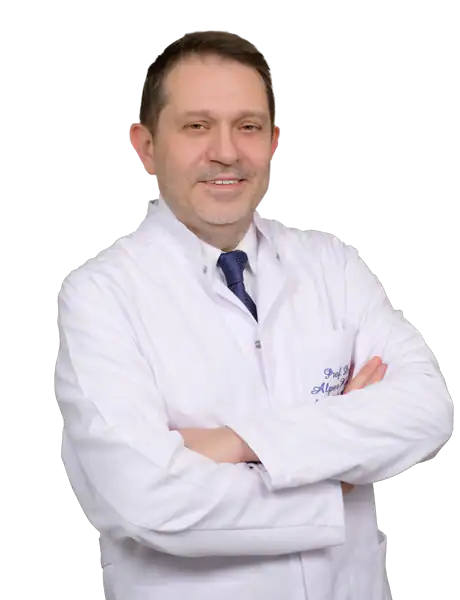
Prof. Dr. Alper Kaya
Orthopedic Surgery & Traumatology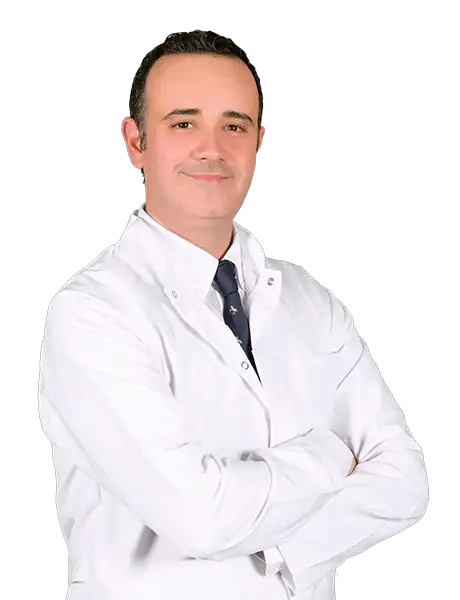
Prof. Dr. Arel Gereli
Orthopedic Surgery & Traumatology
Prof. Dr. Ata Can Atalar
Orthopedic Surgery & Traumatology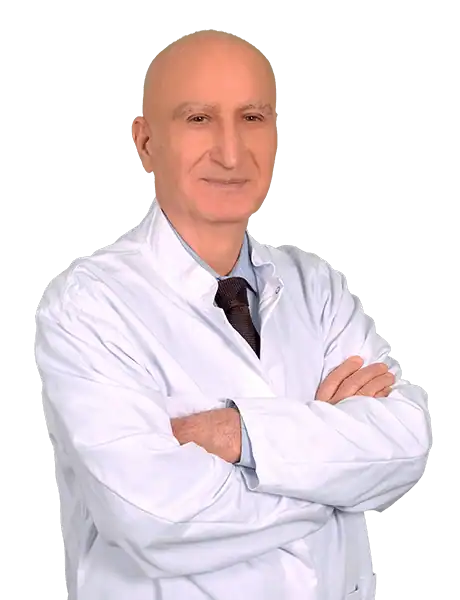
Prof. Dr. Aziz Kaya Alturfan
Orthopedic Surgery & Traumatology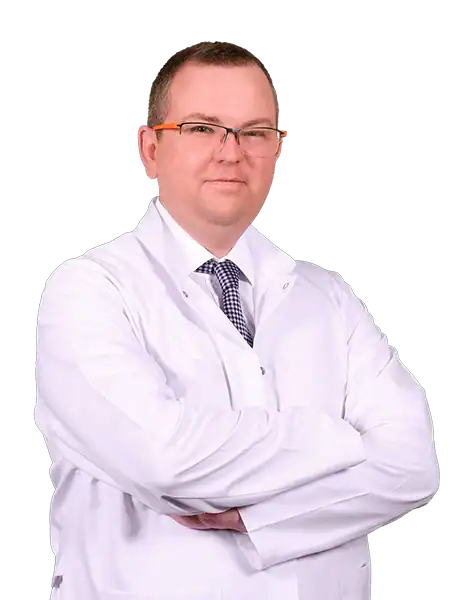
Prof. Dr. Barış Kocaoğlu
Orthopedic Surgery & Traumatology
Prof. Dr. Burak Akan
Orthopedic Surgery & Traumatology
Prof. Dr. Cihangir Tetik
Orthopedic Surgery & Traumatology
Prof. Dr. Emre Toğrul
Orthopedic Surgery & Traumatology
Prof. Dr. Erhan Serin
Orthopedic Surgery & Traumatology
Prof. Dr. Fatih Dikici
Orthopedic Surgery & Traumatology
Prof. Dr. Gökşel Dikmen
Orthopedic Surgery & Traumatology
Prof. Dr. Gündüz Tezeren
Orthopedic Surgery & Traumatology
Prof. Dr. Hakan Turan Çift
Orthopedic Surgery & Traumatology
Prof. Dr. Harzem Özger
Orthopedic Surgery & Traumatology
Prof. Dr. Hüseyin Bayram
Orthopedic Surgery & Traumatology
Prof. Dr. Kaan Erler
Orthopedic Surgery & Traumatology
Prof. Dr. Kahraman Öztürk
Orthopedic Surgery & Traumatology
Prof. Dr. Kerem Bilsel
Orthopedic Surgery & Traumatology
Prof. Dr. Kerim Sarıyılmaz
Orthopedic Surgery & Traumatology
Prof. Dr. Korhan Özkan
Orthopedic Surgery & Traumatology
Prof. Dr. Levent Eralp
Orthopedic Surgery & Traumatology
Prof. Dr. M. Nadir Şener
Orthopedic Surgery & Traumatology
Prof. Dr. Mahir Gülşen
Orthopedic Surgery & TraumatologyMedical Units
Available at These Hospitals












Frequently Asked Questions
What affects the cost of tenosynovitis treatment?
The main factors are the cause of inflammation, the tendon involved, the severity of pain and stiffness, the need for imaging or laboratory tests, and whether treatment includes splinting, medication, injection therapy, rehabilitation or surgery.
How can I get a personalised quote?
A personalised quote can be prepared after reviewing your symptoms, medical history, previous test results and any imaging. You can request a free consultation so the specialist team can advise on the likely pathway and what is included.
Is surgery always required for tenosynovitis?
No. Many cases improve with rest, splinting, medication, injections and rehabilitation. Surgery is considered only when conservative care is not enough, when function is significantly limited or when infection or another complication requires procedural treatment.
Will rehabilitation affect the total cost?
Yes. Therapy may be needed to restore movement, reduce swelling, improve grip or walking function and prevent recurrence. The overall cost depends on the type of therapy and the follow-up plan recommended by the specialist.
Can international patients arrange diagnosis and treatment in the same trip?
This may be possible depending on symptom severity, required tests and the treatment selected. International patient teams can help coordinate appointments, language support and scheduling, but the final plan depends on specialist assessment.