Hemorrhagic Stroke
Hemorrhagic Stroke is bleeding in or around the brain. Learn symptoms, causes, diagnosis, emergency treatment, recovery, and prevention.

Quick answer
Hemorrhagic stroke is a medical emergency caused by bleeding in or around the brain, which can damage brain tissue and rapidly affect speech, movement, consciousness, and other vital functions. Treatment focuses on stabilizing the patient, controlling bleeding and brain pressure, and addressing the source with intensive monitoring, medication, and when needed, neurosurgical or endovascular procedures at Acibadem in Turkey.
Hemorrhagic stroke is a type of stroke caused by bleeding in or around the brain, which can damage brain tissue and increase pressure inside the skull. It is a medical emergency, but rapid diagnosis, specialist treatment, and rehabilitation can improve recovery and reduce complications.
Overview
Hemorrhagic stroke is a stroke caused by bleeding in or around the brain. The bleeding occurs when a blood vessel ruptures, allowing blood to leak into brain tissue or into the spaces surrounding the brain. This can injure brain cells, reduce normal blood flow, and increase pressure within the skull.
There are two main types. An intracerebral hemorrhage occurs when bleeding happens inside the brain tissue itself. A subarachnoid hemorrhage occurs when bleeding happens in the space between the brain and the thin tissues that cover it, often because of a ruptured aneurysm or other blood vessel problem.
Hemorrhagic stroke is less common than ischemic stroke, which is caused by a blocked artery, but it often requires especially urgent assessment. Early treatment focuses on stabilizing the person, limiting further bleeding, protecting the brain, and identifying whether a procedure is needed.
Recovery varies widely depending on the size and location of the bleed, the person’s overall health, and how quickly care begins. With specialist treatment and rehabilitation, many people regain important abilities and learn strategies to manage any lasting effects.
Symptoms
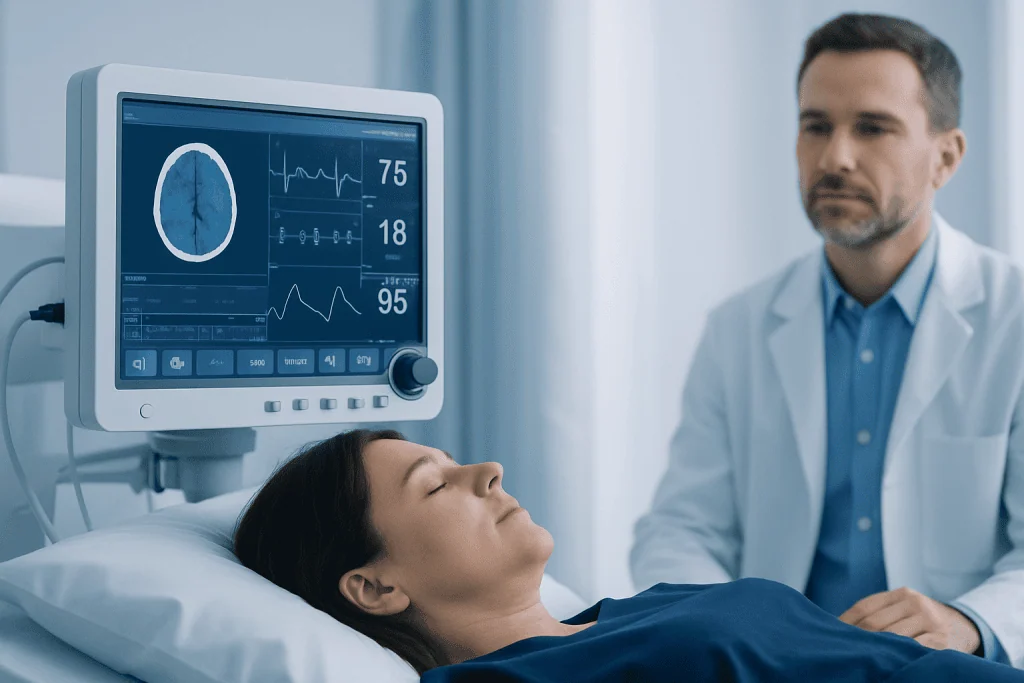
Hemorrhagic stroke symptoms usually begin suddenly. The exact symptoms depend on where the bleeding occurs in the brain and how much pressure develops. Because symptoms can look similar to other types of stroke, urgent medical evaluation is needed to identify the cause and begin the right treatment.
Possible symptoms include sudden weakness or numbness of the face, arm, or leg, especially on one side of the body; trouble speaking or understanding speech; confusion; vision loss or double vision; dizziness; loss of balance or coordination; nausea or vomiting; and a sudden severe headache. Some people may become very sleepy, have a seizure, or lose consciousness.
- Face drooping, arm weakness, and speech difficulty are key stroke warning signs.
- A sudden, extremely severe headache can be a warning sign of bleeding around the brain.
- Symptoms may worsen over minutes or hours if bleeding or swelling increases.
- Even if symptoms improve, the person still needs emergency assessment.
Hemorrhagic stroke should always be treated as an emergency. If a person develops sudden neurological symptoms, emergency services should be contacted immediately rather than waiting to see whether symptoms pass.
Causes & Risk Factors
Hemorrhagic stroke happens when a blood vessel in or around the brain leaks or ruptures. The most common underlying contributor is long-term high blood pressure, which can weaken small blood vessels over time. Sudden increases in blood pressure may also contribute to bleeding in vulnerable vessels.
Other causes include aneurysms, arteriovenous malformations, cerebral amyloid angiopathy, blood clotting disorders, liver disease that affects clotting, head trauma, and the use of medicines that reduce the blood’s ability to clot. Tumors, vessel inflammation, and certain rare vascular conditions can also cause bleeding in some patients.
Risk factors include increasing age, uncontrolled hypertension, smoking, heavy alcohol use, stimulant drug use, previous stroke, family history of aneurysm or vascular malformation, and conditions that affect blood vessels or clotting. People taking blood-thinning or anti-clotting treatment may have a higher risk of bleeding and need careful medical follow-up.
Risk reduction focuses on treating high blood pressure, avoiding smoking, moderating alcohol intake, taking prescribed medicines correctly, and attending regular medical reviews for heart, vascular, kidney, or clotting conditions. People with known aneurysms or vascular malformations should follow specialist advice about monitoring or preventive treatment.
Diagnosis
Diagnosis begins with urgent assessment of symptoms, vital signs, medical history, medication use, and neurological function. Doctors check consciousness, speech, strength, sensation, vision, coordination, and reflexes. Because stroke treatments differ greatly depending on whether bleeding or blockage is present, brain imaging is essential.
A CT scan is often the first test because it can quickly show bleeding in the brain. MRI may be used for more detailed assessment or when the diagnosis is unclear. CT angiography, MR angiography, or catheter angiography may be recommended to look for an aneurysm, arteriovenous malformation, or other blood vessel abnormality.
Blood tests may assess blood count, clotting function, kidney and liver function, blood sugar, and other factors that affect treatment choices. An electrocardiogram and heart monitoring may be performed, especially when the overall stroke risk needs evaluation. In selected cases, additional tests are used to investigate infection, inflammation, or rare causes.
The diagnostic goal is not only to confirm hemorrhagic stroke, but also to understand the type, location, size, cause, and risk of further bleeding. This helps neurologists, neurosurgeons, neuroradiologists, and intensive care specialists decide the safest treatment approach.
Treatment Options
Hemorrhagic stroke treatment is individualized and decided by specialists after urgent assessment. The right approach depends on the type of bleeding, its size and location, the person’s symptoms, blood pressure, clotting status, medical history, and whether an aneurysm or vascular malformation is present.
Initial treatment usually focuses on stabilizing breathing, circulation, blood pressure, and brain pressure. Medication may be used to control blood pressure, reduce swelling, prevent or treat seizures, manage pain or nausea, and correct problems with blood clotting. If the person is taking blood-thinning treatment, doctors may use reversal strategies when appropriate.
Some patients need neurosurgical or endovascular treatment. Surgery may be considered to remove a blood clot, reduce pressure, drain fluid, or repair a bleeding source. Endovascular procedures, performed through blood vessels, may be used for certain aneurysms or vascular malformations. These decisions require careful balancing of benefits and risks.
Rehabilitation is an important part of treatment once the person is medically stable. It may include physiotherapy, occupational therapy, speech and swallowing therapy, neuropsychology, nutritional support, and help with daily activities. Rehabilitation plans are adapted as recovery progresses and may continue after hospital discharge.
Living With / Prognosis
Life after hemorrhagic stroke can involve physical, cognitive, emotional, and practical changes. Some people recover quickly, while others need longer rehabilitation and support. Common recovery goals include improving movement, balance, speech, swallowing, memory, concentration, mood, independence, and confidence in daily routines.
Prognosis depends on several factors, including the location and amount of bleeding, whether bleeding recurs, the level of consciousness at presentation, age, general health, and how soon treatment is started. Follow-up care may include repeat imaging, blood pressure management, medication review, rehabilitation, and assessment of any underlying aneurysm or vascular malformation.
Secondary prevention is essential. Patients are usually advised to keep blood pressure well controlled, avoid smoking, limit alcohol, follow a heart-healthy diet, stay physically active as recommended, and take medicines only as prescribed. Any blood-thinning treatment should be reviewed by the treating doctor, because the balance between clot prevention and bleeding risk is individual.
Emotional recovery also matters. Anxiety, low mood, fatigue, sleep problems, and changes in thinking can occur after stroke and should be discussed with the care team. Acibadem International’s multidisciplinary specialists and JCI-accredited hospitals diagnose and treat hemorrhagic stroke for international patients, with care coordinated across neurology, neurosurgery, intensive care, imaging, and rehabilitation services.
When to See a Doctor
Possible stroke symptoms require emergency medical care immediately. A person should not drive themselves to hospital or wait for symptoms to improve. Calling emergency services allows medical teams to begin assessment and transport the person to a suitable stroke center as quickly and safely as possible.
Seek urgent help for sudden weakness or numbness on one side, facial drooping, speech difficulty, confusion, severe headache, loss of vision, double vision, dizziness with loss of balance, seizure, repeated vomiting, unusual drowsiness, or loss of consciousness. These symptoms may indicate hemorrhagic stroke or another serious neurological condition.
People who have had a previous hemorrhagic stroke should attend all recommended follow-up appointments. They should also contact their doctor promptly if they develop new headaches, worsening neurological symptoms, side effects from medicines, blood pressure concerns, falls, or problems with rehabilitation progress.
Anyone with known high blood pressure, aneurysm, vascular malformation, or long-term use of blood-thinning treatment should have regular medical supervision. Early management of risk factors is one of the most effective ways to lower the chance of future brain bleeding.
Frequently asked questions
What is hemorrhagic stroke?
Hemorrhagic stroke is a type of stroke caused by bleeding in or around the brain. The bleeding can damage brain tissue and increase pressure inside the skull. It requires urgent medical assessment and treatment.
How is hemorrhagic stroke different from ischemic stroke?
Hemorrhagic stroke is caused by a ruptured blood vessel and bleeding. Ischemic stroke is caused by a blocked blood vessel that reduces blood flow to part of the brain. Brain imaging is needed because the treatments for these two stroke types are different.
What are the first warning signs of a hemorrhagic stroke?
Warning signs may include sudden weakness on one side, facial drooping, speech problems, confusion, vision changes, loss of balance, vomiting, seizure, or a sudden severe headache. Symptoms often begin suddenly and may worsen. Emergency services should be called immediately.
Can hemorrhagic stroke be treated?
Yes. Treatment may include intensive monitoring, blood pressure control, correction of bleeding risks, procedures to treat aneurysms or abnormal vessels, surgery in selected cases, and rehabilitation. The safest plan is chosen by specialists after imaging and clinical assessment.
What causes bleeding in the brain?
Common causes include long-term high blood pressure, aneurysm rupture, arteriovenous malformations, head injury, clotting problems, and some medicines that affect blood clotting. In older adults, fragile brain blood vessels can also contribute. Doctors use imaging and laboratory tests to identify the likely cause.
What is recovery like after hemorrhagic stroke?
Recovery is different for every person. Some regain function quickly, while others need months of rehabilitation for movement, speech, swallowing, thinking, or daily activities. Ongoing follow-up helps manage risk factors and support the best possible recovery.
Can another hemorrhagic stroke be prevented?
Risk can often be reduced, although not every stroke can be prevented. Good blood pressure control, not smoking, limiting alcohol, safe medication use, and specialist monitoring of aneurysms or vascular malformations are important. Patients should follow an individualized prevention plan from their doctor.
References
- World Health Organization
- American Heart Association and American Stroke Association
- National Institute of Neurological Disorders and Stroke
- European Stroke Organisation
- Mayo Clinic
This article is for general information only and is not a substitute for professional medical advice. Please consult a qualified doctor about your individual situation.
Treatments for This Condition
Doctors Who Treat This Condition

Prof. Dr. Aytekin Akyüz
Neurology
Prof. Dr. Ayşe Sağduyu Kocaman
Neurology
Prof. Dr. Dilaver Kaya
Neurology
Prof. Dr. Elif Ilgaz Aydınlar
Neurology
Prof. Dr. Hatem Hakan Selçuk
Interventional Neuroradiology
Prof. Dr. Kayihan Uluç
Neurology
Prof. Dr. Murat Aksu
Neurology
Prof. Dr. Muzaffer Olcay Çizmeli
Interventional Neuroradiology
Prof. Dr. Nergiz Hüseyinoğlu
Neurology
Prof. Dr. Neşe Tuncer
Neurology
Prof. Dr. Nur Aydinli
Pediatric Neurology
Assoc. Prof. Dr. Mehmet Barburoğlu
Interventional NeuroradiologyRelated Articles

Nerve Compression Symptoms: When Peripheral Nerve Treatment May Help

Unexplained Fainting: When Heart Rhythm and Neurology Tests Are Both Needed

Swallowing Problems in Neurological Disease: When Dysphagia Needs Specialist Care

When Dizziness Is Neurological: Signs You May Need a Neuro-Otology Assessment

Motor Neuron Disease: When Speech or Swallowing Problems Are the First Clues

Tourette Syndrome in Children and Adults: Symptoms and Treatment Options

Swallowing Problems in Motor Neuron Disease: Early Warning Signs and Supportive Care

Narcolepsy Testing: How to Prepare for an MSLT and Sleep Lab Evaluation

What Is a Neuro-Ophthalmology Exam? Step by Step for Patients With Vision and Nerve Symptoms

Pediatric Epilepsy Surgery: Who May Be a Candidate and How Evaluation Works

Cerebral Angiography vs MR Angiography: Which Brain Vessel Test Is Right?