Ingrown Toenail
Ingrown Toenail causes pain, swelling and infection at the nail edge. Learn symptoms, causes, diagnosis, treatment and prevention.

Quick answer
An ingrown toenail occurs when the edge of a toenail grows into the surrounding skin, causing pain, redness, swelling, and sometimes infection. Treatment depends on severity and may include proper nail care, managing inflammation or infection, and minor procedures to remove part of the nail and help prevent recurrence.
An ingrown toenail occurs when the edge or corner of a toenail grows into the surrounding skin, most often on the big toe. It can cause pain, redness, swelling and sometimes infection, but it is usually treatable with timely care and prevention measures.
Overview
An ingrown toenail is a common nail problem in which the side or corner of a toenail grows into the soft skin beside the nail. The condition is also called onychocryptosis. It usually affects the big toe, although any toenail can be involved.
At first, an ingrown toenail may cause mild tenderness or pressure at the nail fold. If the nail continues to irritate the skin, inflammation can develop, and the area may become red, swollen and painful. In some cases, bacteria enter through the irritated skin and cause an infection.
Ingrown toenails can affect people of any age. They are often related to nail trimming habits, tight shoes, toe injury or the natural shape of the nail. Most cases are not dangerous, but they can interfere with walking, sports and daily comfort if not treated appropriately.
Medical care is especially important when pain is severe, infection is suspected, the problem keeps returning or the person has diabetes, poor circulation or a reduced ability to feel pain in the feet. With proper assessment, treatment is usually straightforward and focused on relieving pain, treating infection when present and preventing recurrence.
Symptoms
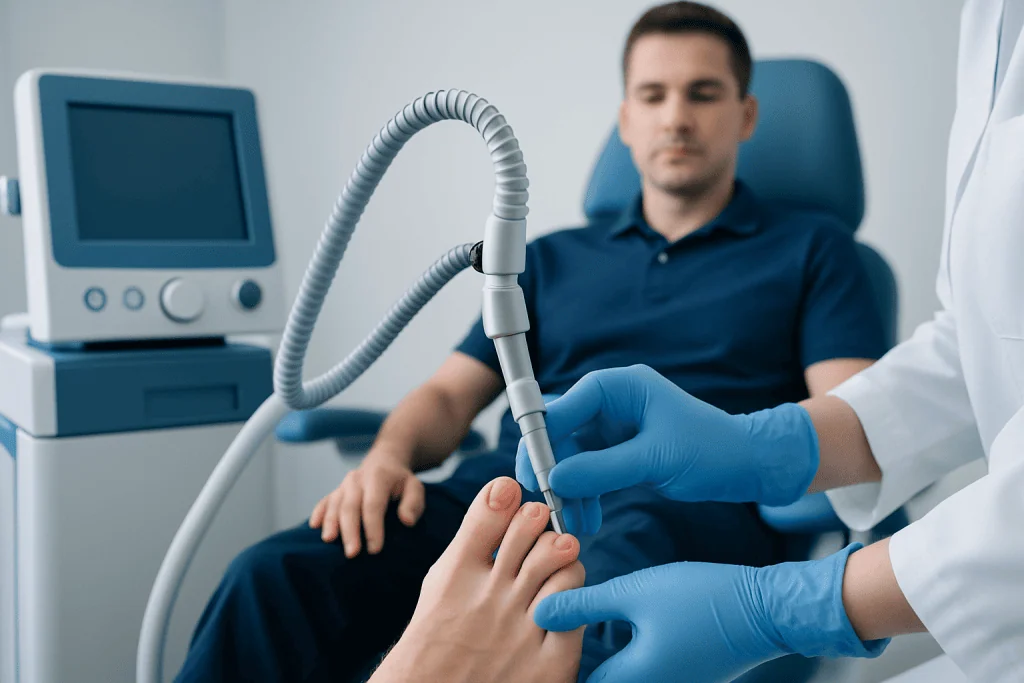
Ingrown toenail symptoms usually begin at one side of the nail. The skin may feel sore when pressed, particularly while wearing shoes. The discomfort can be mild at first, but it may become more noticeable with walking, standing or physical activity.
Typical symptoms of an ingrown toenail include:
- Pain or tenderness along one or both sides of the toenail
- Redness and swelling around the nail fold
- A feeling of pressure or throbbing in the toe
- Skin growing over the edge of the nail
- Clear fluid, pus or drainage if infection develops
- Bleeding or extra soft tissue, sometimes called granulation tissue, in more advanced cases
An infected ingrown toenail may be warm, increasingly swollen and more painful. There may be yellow or white discharge, an unpleasant smell or spreading redness. Fever is not common with a simple ingrown toenail, but systemic symptoms require prompt medical attention.
Symptoms can be mistaken for other toe conditions, such as a fungal nail, trauma, a wart, an abscess or inflammation around the nail. A healthcare professional can examine the toe and determine whether the nail is ingrown, infected or affected by another condition.
Causes & Risk Factors
An ingrown toenail develops when the nail edge irritates or pierces the surrounding skin. The pressure between the nail and the skin triggers inflammation. If bacteria enter the area, infection can follow.
Several factors can contribute to this process. Cutting toenails too short, rounding the corners or tearing the nail instead of trimming it straight across may encourage the nail edge to grow into the skin. Shoes that are narrow at the toes, high-pressure sports footwear or tight socks can compress the toes and push the skin against the nail.
Other risk factors include repeated toe trauma, such as kicking sports, running, dancing or workplace injury. A naturally curved or wide nail, thickened nail, excessive sweating, poor foot hygiene or a family tendency to ingrown nails can also increase risk. Some people develop ingrown nails after losing a toenail or after nail damage changes the way the nail grows back.
Medical conditions may affect risk and healing. People with diabetes, peripheral vascular disease, immune suppression, nerve problems or poor circulation may have a higher chance of complications from small foot wounds. For these individuals, even a mild ingrown toenail should be assessed by a qualified doctor rather than managed only at home.
Diagnosis
Diagnosis of an ingrown toenail is usually made through a physical examination. The doctor looks at the nail edge, the surrounding skin and any signs of infection or tissue overgrowth. The patient may be asked when symptoms started, whether the problem has happened before and what footwear or activities may be contributing.
In most cases, imaging tests are not needed. However, if there has been significant trauma, severe swelling, unusual symptoms or concern about a deeper infection, a doctor may consider additional evaluation. This may include checking circulation, sensation in the foot or, rarely, imaging if bone involvement is suspected.
The doctor may also assess whether the toenail is affected by fungal thickening, abnormal nail shape or another skin condition. Identifying contributing factors is important because treatment is more successful when the cause of recurrence is addressed.
People with diabetes, reduced sensation or vascular disease may need a more careful foot assessment. In these patients, the goal is not only to relieve the ingrown nail but also to prevent delayed healing and protect overall foot health.
Treatment Options
Ingrown toenail treatment depends on the severity of symptoms, whether infection is present, the person’s general health and whether the problem is recurrent. The right approach should be decided by a qualified doctor, podiatrist, dermatologist or surgeon after assessment.
For mild cases without infection, conservative care may be recommended. This can include soaking the foot in warm water, keeping the area clean and dry, choosing roomy footwear and avoiding pressure on the toe. A healthcare professional may advise safe ways to protect the skin and guide the nail edge, but the nail should not be aggressively cut, dug out or treated with sharp instruments at home.
If the nail has penetrated the skin, pain is significant or infection is present, medical treatment may be needed. The clinician may clean the area, manage drainage, remove the ingrown edge of the nail or prescribe treatment for infection when appropriate. Pain control and wound care instructions are usually provided after the procedure.
For recurrent or more advanced ingrown toenails, a minor surgical procedure may be considered. This may involve removing a narrow portion of the nail and, in some cases, treating part of the nail root to reduce the chance of that edge growing back. The procedure is generally performed under local anesthesia, and follow-up care focuses on healing, hygiene and preventing further pressure on the toe.
Living With / Prognosis
The outlook for an ingrown toenail is generally good, especially when it is treated early. Pain often improves once pressure from the nail edge is relieved and inflammation is controlled. Healing time varies depending on the severity of the ingrown nail, whether infection was present and the type of treatment performed.
Prevention is an important part of long-term care. Toenails are usually best trimmed straight across, not too short and without deeply rounding the corners. Shoes should provide enough space for the toes, especially during exercise or long periods of standing. Socks should not compress the toes excessively.
People who often develop ingrown toenails may benefit from professional foot care and advice about nail shape, footwear and activity-related pressure. Recurrence can happen if the nail continues to grow into the same area or if the underlying causes are not addressed.
Patients should follow aftercare instructions after any procedure, including keeping the toe clean, changing dressings as directed and returning for review if symptoms worsen. Acibadem International’s multidisciplinary specialists and JCI-accredited hospitals diagnose and treat ingrown toenails and related foot conditions for international patients, with care plans based on individual assessment.
When to See a Doctor
A doctor should be consulted if an ingrown toenail causes moderate to severe pain, swelling, pus, spreading redness or difficulty walking. Medical evaluation is also recommended if symptoms do not improve with simple care or if the ingrown nail keeps returning.
Prompt assessment is particularly important for people with diabetes, poor circulation, immune system problems, nerve damage in the feet or a history of foot ulcers. These conditions can make foot infections harder to detect and slower to heal, so early professional care is safer.
Patients should avoid cutting deeply into the side of the nail, using unsterile instruments or attempting to drain an infected area at home. These actions may worsen tissue damage or introduce infection. A clinician can provide safe treatment under clean conditions and explain how to care for the toe afterward.
Emergency care may be needed if there is rapidly spreading redness, severe swelling, fever, red streaks moving up the foot or leg, or intense pain after an injury. These signs may indicate a more serious infection or another condition that requires urgent medical attention.
Frequently asked questions
What is an ingrown toenail?
An ingrown toenail is a condition in which the edge or corner of a toenail grows into the surrounding skin. It most often affects the big toe and can cause pain, redness, swelling and sometimes infection. Early care can help prevent the problem from becoming more painful or recurrent.
What causes an ingrown toenail?
Common causes include cutting toenails too short, rounding the nail corners, wearing tight shoes and repeated toe injury. Some people are more prone to ingrown toenails because of their nail shape, thickened nails or family tendency. Medical conditions that affect circulation or healing can make complications more likely.
Can an ingrown toenail heal on its own?
A very mild ingrown toenail without infection may improve with reduced pressure, careful hygiene and appropriate footwear. However, if the nail is embedded in the skin, symptoms are worsening or infection is present, it usually needs medical assessment. People with diabetes or poor circulation should not wait to see if it improves on its own.
How is an infected ingrown toenail treated?
Treatment depends on the severity of infection and the patient’s overall health. A doctor may clean the area, remove the ingrown nail edge, provide wound care and treat infection when appropriate. The specific treatment should be decided after examination rather than by self-treatment at home.
Is ingrown toenail surgery painful?
Minor procedures for ingrown toenails are commonly performed with local anesthesia to numb the toe. Patients may feel pressure during the procedure, but significant pain is usually minimized. Some soreness can occur afterward, and the healthcare team provides aftercare instructions to support healing.
How can ingrown toenails be prevented?
Toenails should generally be trimmed straight across and not cut too short. Wearing shoes with enough toe room, protecting the toes during sports and avoiding repeated pressure can reduce risk. People with recurring ingrown nails may benefit from professional foot care advice.
When is an ingrown toenail urgent?
Urgent medical care is advised if there is rapidly spreading redness, severe swelling, fever, red streaking, intense pain or signs of a serious infection. People with diabetes, poor circulation or reduced foot sensation should seek medical advice early, even for mild symptoms. Prompt care helps protect the toe and overall foot health.
References
- American Academy of Dermatology Association
- Mayo Clinic
- National Health Service
- Cleveland Clinic
- American College of Foot and Ankle Surgeons
This article is for general information only and is not a substitute for professional medical advice. Please consult a qualified doctor about your individual situation.
Treatments for This Condition
Doctors Who Treat This Condition





Related Articles

Can Bariatric Surgery Help Fatty Liver Disease?

Weight Loss Before Bariatric Surgery: How Much Is Usually Recommended?

Sleeve Gastrectomy for BMI 30 to 35: When Lower-BMI Patients May Qualify

Can You Reverse Type 2 Diabetes After Bariatric Surgery?

One-Anastomosis Gastric Bypass vs Gastric Sleeve: Which Weight Loss Surgery Fits Your Goals?

Weight Loss Surgery in Turkey: How to Choose the Right Hospital and Surgeon

Bypass Stomach Operation: Who May Be a Good Candidate?

Gastric Balloon Side Effects: What Is Normal and What Needs Medical Review

Bariatric Surgery Recovery: What to Expect in the First 30 Days

Bypass Stomach Operation: Benefits, Risks, and Long-Term Changes

Obesity and Sleep Apnea: When Weight Loss Treatment May Help