Robotic Hip Replacement
Robotic hip replacement uses a robotic arm and three-dimensional planning from a CT scan to help the surgeon position an artificial hip joint. It is used for the same conditions as conventional…
Quick answer
Robotic hip replacement is a total hip replacement in which the surgeon uses a robotic arm and CT-based planning software to guide bone preparation and implant positioning. The surgeon stays in full control; the robot improves placement accuracy. It treats advanced hip arthritis and similar conditions, with risks and recovery broadly similar to conventional hip replacement.
What is robotic hip replacement?
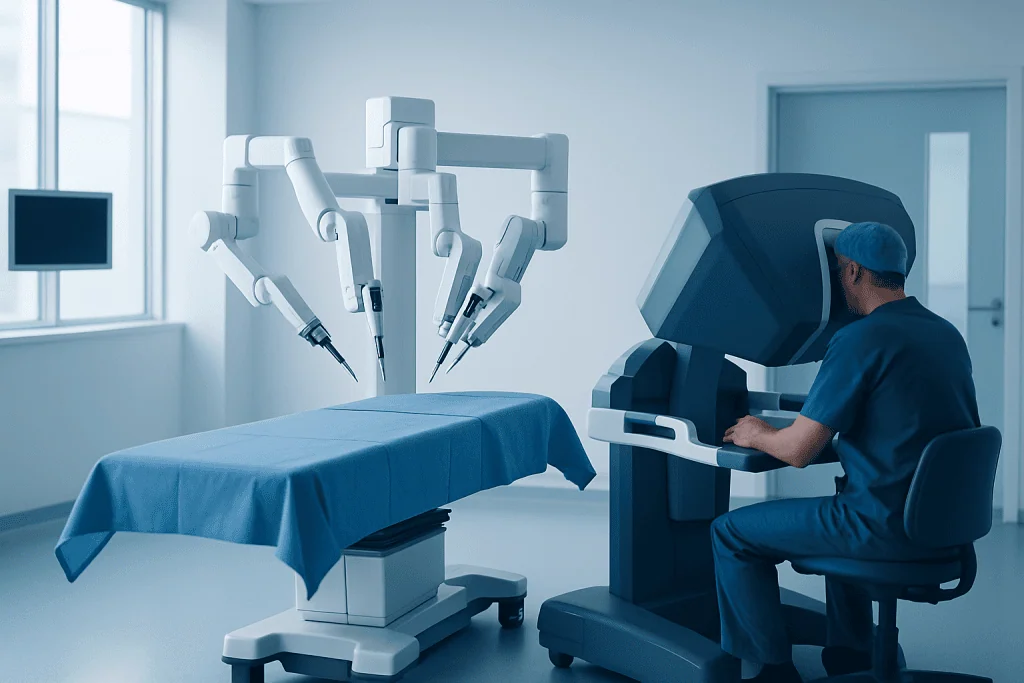
Robotic hip replacement is a form of total hip replacement (also called total hip arthroplasty) in which the surgeon uses a robotic arm and specialized planning software to help position the artificial joint. It is important to understand from the start that the robot does not operate on its own. The surgeon remains in control throughout, and the robotic system acts as a precision tool that guides bone preparation and implant placement according to a plan created before surgery.
In a hip replacement, the damaged ball-and-socket joint of the hip is removed and replaced with an implant. The implant has two main parts: a cup that is fixed into the socket of the pelvis (the acetabulum) and a stem with a ball that is placed into the thigh bone (the femur). In robotic assisted hip replacement, a three-dimensional model of the patient’s hip is usually created from a CT scan (a detailed X-ray-based scan), and the surgeon uses this model to plan the size and position of the implant. During the operation, the robotic arm helps the surgeon stay within that plan.
One widely used system is often referred to as Mako hip replacement, after the brand name of the robotic platform. Other robotic and computer-assisted systems exist. Regardless of the platform, the underlying operation is a standard hip replacement; the robot changes how the surgeon prepares the bone and places the implant, not what the implant does.
Robotic hip replacement is used for the same conditions as conventional hip replacement. The most common is osteoarthritis, a wear-and-tear condition in which the smooth cartilage that cushions the joint breaks down, causing pain and stiffness. Other reasons include rheumatoid arthritis (an inflammatory joint disease), avascular necrosis (loss of blood supply to the ball of the hip, causing the bone to collapse), hip dysplasia (a hip socket that did not form properly), post-traumatic arthritis after a fracture, and some hip fractures in older adults. Orthopedic robotic surgery of this kind is generally offered in specialist joint replacement centers; at Acibadem, it is managed within the orthopedics and traumatology department together with the robotic surgery unit.
Who is a candidate
Candidacy for robotic hip replacement follows the same general principles as for any hip replacement. Surgery is usually considered when hip pain and stiffness significantly limit daily activities such as walking, climbing stairs, dressing, or sleeping, and when non-surgical treatments have not given enough relief. These treatments often include weight management, physical therapy, walking aids, anti-inflammatory medicines, and sometimes injections into the joint.
You may be a candidate if:
- Imaging (X-rays or scans) shows advanced damage to the hip joint that matches your symptoms.
- Pain persists at rest or at night despite conservative treatment.
- Your general health allows you to undergo anesthesia and take part in rehabilitation afterward.
- You have complex anatomy, such as hip dysplasia or previous surgery, where precise planning may be especially helpful.
Robotic assisted hip replacement may not be suitable, or may need to be delayed, in some situations. These include an active infection anywhere in the body, severe osteoporosis (fragile bones) that could affect how the implant is fixed, uncontrolled medical conditions such as unstable heart disease or poorly controlled diabetes, and certain severe bone deformities or bone loss that the robotic system may not be able to accommodate. Some patients also have metal hardware or other factors that limit the quality of the CT scan needed for planning. In these cases, your surgeon may recommend a conventional hip replacement or a different approach. The decision is individual and is made together with the surgical and anesthesia teams.
How the procedure works
The steps below describe a typical pathway. Details vary between hospitals and surgeons.
Before surgery
After the decision for surgery, a CT scan of the hip and pelvis is usually taken. Software converts this scan into a three-dimensional model. The surgeon uses the model to choose the implant size and to plan the exact angle and depth at which the cup and stem should sit. This planning aims to restore leg length and the natural offset of the hip (how far the thigh bone sits from the pelvis), which can influence how the joint feels and moves afterward.
During surgery
Robotic hip replacement is most often performed under regional anesthesia (a spinal or epidural injection that numbs the lower body), sometimes combined with sedation, or under general anesthesia (fully asleep). The anesthesia team will discuss the best option for you. The operation typically takes around one to two hours, although complex cases take longer.
The surgeon makes an incision over the hip, moves muscles aside, and exposes the joint. Small tracking pins or markers are attached to the pelvis and thigh bone so that the robotic system can register, or match, your actual bone to the pre-operative model. The surgeon then checks and, if needed, adjusts the plan based on what is seen in the operating room.
The damaged ball at the top of the thigh bone is removed. The surgeon prepares the socket using a reaming tool held by, or guided by, the robotic arm. The system limits the tool to the planned area, which is intended to help avoid removing too much bone or preparing the socket at an unintended angle. The cup is placed, and its final position is confirmed against the plan. The thigh bone is then prepared and the stem and ball are inserted. The surgeon tests the new joint for stability and range of motion before closing the wound with stitches or staples.
After surgery
You are monitored in a recovery area until the anesthesia wears off. Pain is controlled with a combination of medicines. In many hospitals, physical therapists help patients stand and take a few steps with a walker or crutches on the day of surgery or the following day. A short X-ray check confirms the implant position. Hospital stay is typically one to three nights, and some patients in selected programs go home the same day.
Preparation for robotic hip replacement
Good preparation can make recovery smoother. Your care team will give individual instructions, but the following points are common:
- Medical assessment: Blood tests, an electrocardiogram (a recording of the heart’s electrical activity), and a review of your medical history are usually performed. Chronic conditions such as diabetes, high blood pressure, and anemia are optimized before surgery.
- Imaging: The CT scan required for robotic planning is arranged in advance, in addition to standard X-rays.
- Medicines: Tell the team about all medicines and supplements. Blood thinners and some anti-inflammatory drugs may need to be paused; never stop a prescribed medicine without advice.
- Dental and skin health: Untreated dental infections or skin problems near the hip may need attention first, because infection is a serious risk for any joint implant.
- Smoking and alcohol: Stopping smoking and limiting alcohol in the weeks before surgery may support wound healing and reduce complications.
- Home setup: Arrange a raised toilet seat if advised, remove loose rugs, plan to sleep on one level if possible, and organize help for the first days at home.
- Fasting: You will be told when to stop eating and drinking before anesthesia.
Many centers also offer a pre-operative education session that explains exercises, walking aids, and what to expect on each day of the hospital stay.
Recovery and aftercare
Robotic hip replacement recovery follows a similar pattern to recovery after conventional hip replacement. The implant itself and the healing of soft tissue set the pace, and individual factors such as age, fitness, and other health conditions matter a great deal.
- First days: Walking short distances with a walker or crutches, doing simple exercises to move the ankle and tighten thigh muscles, and managing pain and swelling with medicines, ice, and elevation.
- First two weeks: The wound is checked and stitches or staples are removed if needed. Most patients continue with a walking aid and gradually increase walking distance at home. Blood-thinning medicine or compression stockings are often used for several weeks to reduce the risk of blood clots.
- Weeks two to six: Many patients move from a walker to a cane and then walk unaided as strength and confidence improve. Physical therapy focuses on hip strength, balance, and a normal walking pattern. Driving is often possible once you are off strong pain medicines and can control the pedals safely, typically after several weeks; your surgeon will advise.
- Six to twelve weeks: Most everyday activities, including light household work and desk-based jobs, are typically resumed. Low-impact exercise such as swimming, cycling, and walking is often encouraged.
- Three to twelve months: Muscle strength and endurance continue to improve. Some residual stiffness or mild discomfort with certain movements can persist for months and usually settles.
Your surgeon may give movement precautions in the early weeks depending on the surgical approach, such as avoiding bending the hip beyond a right angle or crossing the legs. High-impact sports are generally discouraged long term to protect the implant. Regular follow-up visits with X-rays are used to check the implant over the years.
Risks and side effects
Robotic assisted hip replacement carries the same main risks as conventional hip replacement. Serious complications are uncommon, but they can occur and some can be severe.
- Infection: Infection around the implant is one of the most serious complications and may require prolonged antibiotics or further surgery.
- Blood clots: Deep vein thrombosis (a clot in a leg vein) can travel to the lungs (pulmonary embolism). Preventive measures are routine.
- Dislocation: The ball can come out of the socket, particularly in the first months. Accurate implant positioning aims to reduce this risk, though it cannot eliminate it.
- Leg length difference: Small differences can occur and are sometimes noticeable.
- Fracture: The thigh bone or pelvis can crack during or after surgery, especially if bone is weak.
- Nerve or blood vessel injury: This can cause numbness, weakness, or bleeding; most nerve symptoms improve over time, but some can be lasting.
- Implant wear or loosening: Over many years, the implant may wear or loosen and require revision surgery.
- Anesthesia-related risks: These include reactions to medicines and breathing or heart problems, more common in people with existing health conditions.
Some considerations are specific to robotic systems. The tracking pins placed in the bone create small additional wounds, which carry a small risk of infection or, rarely, fracture at the pin site. The CT scan used for planning involves radiation exposure. Technical problems with the system are uncommon but can occur, and the surgeon is prepared to complete the operation conventionally if necessary. Robotic surgery may also add to the operative time in some cases.
Results and outlook
Total hip replacement, whether performed conventionally or with robotic assistance, is one of the most established operations in orthopedic surgery. For most patients it substantially relieves pain and improves mobility and quality of life, and modern implants often last for decades, although some will eventually need revision.
Studies of robotic hip replacement have generally shown that the robotic system can improve the accuracy and consistency of implant positioning compared with freehand techniques, with fewer implants placed outside the surgeon’s intended target. Whether this improved accuracy translates into clearly better long-term outcomes, such as lower dislocation or revision rates, is still being evaluated, and results in the medical literature are mixed. Evidence on short-term pain, length of hospital stay, and speed of recovery has not consistently shown a large difference between robotic and conventional techniques. Long-term data on robotic systems are still accumulating because the technology is newer than the implants themselves.
In practical terms, the experience and judgment of the surgeon, the quality of rehabilitation, and your own health and participation in recovery remain the most important factors in the result. Robotic assistance is best understood as one tool that may support consistent implant placement rather than as a fundamentally different operation.
Cost considerations
The cost of robotic hip replacement is typically higher than that of conventional hip replacement, mainly because of the robotic system itself, the disposable instruments used with it, and the additional pre-operative CT scan and planning. Other factors that influence the overall cost include:
- The type and brand of implant chosen, including specialized bearing surfaces or designs.
- Surgeon and anesthesia fees.
- Length of hospital stay and level of nursing care required.
- Pre-operative tests and medical optimization.
- Post-operative physical therapy, follow-up visits, and imaging.
- Medicines, including blood thinners and pain relief, after discharge.
- Whether complications occur that need further treatment.
Insurance coverage varies widely; some insurers cover robotic assistance as part of a standard hip replacement, while others may consider the robotic element an additional expense. It is reasonable to ask for an itemized estimate and to check coverage before surgery.
Frequently asked questions
Is robotic hip replacement better than traditional hip replacement?
Robotic assistance has generally been shown to improve how accurately the implant is placed according to the surgeon’s plan. However, it has not been clearly proven that this leads to better long-term outcomes for every patient, and both techniques give good results in experienced hands. Your surgeon can explain whether robotic assistance is likely to offer an advantage in your specific case.
What is Mako hip replacement?
Mako is the brand name of one robotic-arm system used in hip and knee replacement. A Mako hip replacement is a total hip replacement in which this system helps the surgeon prepare the socket and position the implant based on a CT-based plan. Other robotic and navigation systems work on similar principles.
How long does robotic hip replacement recovery take?
Recovery is broadly similar to conventional hip replacement. Many patients walk with support within a day of surgery, return to most everyday activities within about six to twelve weeks, and continue to gain strength for up to a year. Individual timelines vary with age, general health, and how consistently rehabilitation exercises are performed.
Does the robot perform the surgery by itself?
No. The surgeon plans the operation, makes the incision, controls the robotic arm, and makes every decision during surgery. The robotic system provides guidance and helps keep bone preparation within the planned boundaries; it cannot move or cut on its own.
Is robotic assisted hip replacement safe?
The safety profile is largely the same as for conventional hip replacement, with the same main risks such as infection, blood clots, and dislocation. There are a few additional considerations, including small pin sites in the bone and the radiation from the planning CT scan. Serious complications are uncommon, but no surgery is risk-free.
How long does a robotic hip implant last?
The longevity of the implant depends on the implant materials, the patient’s activity level and weight, and the quality of fixation, rather than on the robotic technique itself. Modern hip implants often last many years, frequently decades, but some eventually wear or loosen and require revision surgery.
Who performs orthopedic robotic surgery for the hip?
Robotic hip replacement is performed by orthopedic surgeons who specialize in joint replacement and have completed specific training on the robotic system. In hospital groups such as Acibadem, this is organized through the orthopedics department, which works alongside anesthesiology, radiology, and physical therapy teams.
When to see a doctor
Consider seeing an orthopedic specialist if hip pain has lasted for several months, limits walking or daily activities, wakes you at night, or is no longer controlled by exercise, weight management, and standard pain medicines. A specialist can confirm the cause of the pain with an examination and imaging and discuss whether hip replacement, robotic or conventional, is appropriate. Sudden inability to bear weight on the hip after a fall should be assessed urgently, as it may indicate a fracture.
After robotic hip replacement, seek urgent medical attention if you notice any of the following:
- Fever, chills, or increasing redness, warmth, swelling, or discharge from the wound, which may signal infection.
- Sudden severe hip pain, a feeling of the hip “popping out,” a leg that appears shortened or turned, or inability to move the leg, which may indicate dislocation.
- Calf pain, swelling, or tenderness in either leg, which may indicate a blood clot.
- Chest pain, shortness of breath, coughing up blood, or a racing heartbeat, which can be signs of a clot in the lungs and require emergency care.
- New numbness, tingling, or weakness in the foot or leg.
- Pain that steadily worsens instead of improving over the first weeks.
Routine follow-up appointments should be kept even if you feel well, because they allow the surgical team to check wound healing, walking pattern, and implant position over time.
Preparation
- You will have blood tests, a heart tracing, and a CT scan of the hip for robotic planning. Tell your team about all medicines, especially blood thinners, and follow instructions on which to pause. Treat any dental or skin infections beforehand and stop smoking if possible. Prepare your home with a clear walking path and arrange help for the first days after discharge.
Aftercare
- Begin walking with a walker or crutches as soon as your team advises and perform your prescribed exercises daily. Take blood-thinning medicine and wear compression stockings as directed to reduce clot risk. Keep the wound clean and dry and attend all follow-up visits. Follow any movement precautions your surgeon gives, and avoid high-impact activities long term.
Medically reviewed by the Acıbadem International Medical Board — September 8, 2026
See our medical review board →
Update history
- PublishedSeptember 8, 2026
- Medical review approvedSeptember 8, 2026
- Last content updateSeptember 8, 2026
References3
Doctors Performing This Treatment

Prof. Dr. Metin Türkmen
Orthopedic Surgery & Traumatology
Prof. Dr. Cihangir Tetik
Orthopedic Surgery & Traumatology
Prof. Dr. Harzem Özger
Orthopedic Surgery & Traumatology
Prof. Dr. Ahmet Alanay
Orthopedic Surgery & Traumatology
Prof. Dr. Mustafa Karahan
Orthopedic Surgery & Traumatology
Prof. Dr. Barış Kocaoğlu
Orthopedic Surgery & Traumatology
Prof. Dr. Mustafa Seyhan
Orthopedic Surgery & Traumatology
Prof. Dr. Ata Can Atalar
Orthopedic Surgery & Traumatology
Prof. Dr. Fatih Dikici
Orthopedic Surgery & Traumatology
Prof. Dr. Levent Eralp
Orthopedic Surgery & Traumatology
Prof. Dr. İbrahim Tuncay
Orthopedic Surgery & Traumatology
Prof. Dr. İbrahim Kaya
Orthopedic Surgery & Traumatology
Prof. Dr. Alper Kaya
Orthopedic Surgery & Traumatology
Prof. Dr. Korhan Özkan
Orthopedic Surgery & Traumatology
Prof. Dr. Metin Uzun
Orthopedic Surgery & Traumatology
Prof. Dr. Burak Akan
Orthopedic Surgery & Traumatology
Prof. Dr. Kerem Bilsel
Orthopedic Surgery & Traumatology
Prof. Dr. Göksel Dikmen
Orthopedic Surgery & Traumatology
Prof. Dr. Kerim Sarıyılmaz
Orthopedic Surgery & Traumatology
Prof. Dr. Aziz Kaya Alturfan
Orthopedic Surgery & Traumatology
Prof. Dr. Hüseyin Bayram
Orthopedic Surgery & Traumatology
Prof. Dr. Mehmet Serdar Binnet
Orthopedic Surgery & Traumatology
Prof. Dr. Mahir Gülşen
Orthopedic Surgery & Traumatology
Prof. Dr. Mustafa Herdem
Orthopedic Surgery & TraumatologyMedical Units
Available at These Hospitals