Mastectomy
Mastectomy is an operation to remove all of the breast tissue, performed mainly to treat breast cancer and sometimes to lower cancer risk in people with high inherited risk. Several types exist,…
Quick answer
A mastectomy is surgery to remove all breast tissue from one or both breasts, most often to treat breast cancer or to lower risk in people with a high inherited risk. It is done under general anesthesia, usually requires a hospital stay of one to three nights, and most people resume normal activities within about four to six weeks.
What is mastectomy?
A mastectomy is an operation to remove all of the breast tissue from one breast (unilateral) or both breasts (bilateral). It is most often performed to treat breast cancer, and in some cases to lower the risk of breast cancer in people who carry a high inherited risk. The word comes from the Greek for breast (mastos) and removal (ektome).
Mastectomy is one of two main types of breast cancer surgery. The other is breast-conserving surgery, sometimes called a lumpectomy, in which only the tumor and a rim of surrounding tissue are removed. Which operation is recommended depends on the size and location of the cancer, the size of the breast, whether radiation therapy can be given afterward, and the patient’s own preferences.
There are several types of mastectomy procedure, and the names describe how much tissue is removed:
- Total (simple) mastectomy: removal of the entire breast, including the nipple and areola (the darker skin around the nipple), but not the muscles of the chest wall.
- Modified radical mastectomy: a total mastectomy combined with removal of many of the lymph nodes under the arm (axillary lymph node dissection). Lymph nodes are small glands that filter fluid and can be the first place breast cancer spreads.
- Skin-sparing mastectomy: the breast tissue is removed but most of the breast skin is kept, which can improve the appearance of breast reconstruction.
- Nipple-sparing mastectomy: the breast tissue is removed while the skin, nipple and areola are preserved. It is suitable only in selected cases.
- Radical mastectomy: removal of the breast, chest wall muscles and lymph nodes. This is rarely performed today because less extensive operations are usually just as effective.
Mastectomy is used for invasive breast cancer, for ductal carcinoma in situ (DCIS, an early non-invasive cancer confined to the milk ducts) when it is widespread, for some recurrent cancers, and as a preventive (prophylactic) operation for people at very high genetic risk. In hospital groups such as Acibadem, this surgery is typically managed by a multidisciplinary team within the Breast Health Department.
Who is a candidate
People often ask who needs mastectomy rather than a smaller operation. Your surgeon may recommend mastectomy when:
- The tumor is large in relation to the size of the breast, so that removing it would leave a poor cosmetic result.
- There is more than one tumor in different areas of the same breast (multicentric disease).
- Cancer or DCIS is widespread across the breast, or the margins (edges of the removed tissue) remained positive after earlier breast-conserving surgery.
- Radiation therapy after lumpectomy is not possible, for example because of previous radiation to the same chest area, pregnancy, or certain connective tissue diseases.
- Inflammatory breast cancer, an aggressive form that affects the skin of the breast, is diagnosed; this is usually treated with chemotherapy first, followed by mastectomy.
- A person carries a high-risk gene change (such as BRCA1 or BRCA2) or has a very strong family history and chooses risk-reducing surgery after genetic counseling.
- The patient prefers mastectomy after discussing both options, sometimes to avoid radiation or to reduce anxiety about follow-up.
Mastectomy is not always the right choice. It is generally not advised when breast-conserving surgery followed by radiation would give an equivalent chance of cure, because both approaches are considered comparable for suitable early-stage cancers. It may also be unsuitable when cancer has already spread widely to other organs (metastatic disease), where treatment usually focuses on medicines rather than surgery, or when a person is too unwell to undergo general anesthesia. Nipple-sparing techniques are usually avoided when the tumor is close to the nipple. Decisions are made case by case, and it is reasonable to ask for a second opinion.
How the procedure works
Before surgery. You will have imaging (usually mammography, ultrasound and sometimes MRI) and a biopsy to confirm the diagnosis. Blood tests, a heart tracing (ECG) and an anesthesia assessment check your fitness for the operation. If the lymph nodes are to be checked, a small amount of radioactive tracer or blue dye may be injected near the tumor a few hours before surgery so the surgeon can find the sentinel lymph node, the first node that drains the breast. If reconstruction is planned, a plastic surgeon will mark the skin and discuss the type of reconstruction.
During surgery. Mastectomy is performed under general anesthesia, meaning you are fully asleep. The surgeon makes an incision across the breast, separates the breast tissue from the skin and from the chest muscle underneath, and removes it in one piece. Depending on the plan, the sentinel node or a group of underarm lymph nodes is removed and sent to the laboratory. If immediate reconstruction is chosen, a tissue expander, an implant, or tissue from another part of the body (for example the abdomen) is placed at the same time. One or two thin drainage tubes are usually left in the wound to collect fluid, and the incision is closed with dissolvable stitches or surgical glue. A mastectomy without reconstruction typically takes about one to two hours; with lymph node removal or reconstruction it can take considerably longer.
After surgery. You wake in a recovery area where nurses monitor your breathing, blood pressure and pain. Most people spend one to three nights in the hospital, longer if complex reconstruction was performed. The removed tissue is examined under a microscope, and the results, available after several days, guide whether further treatment such as chemotherapy, hormone therapy, targeted therapy or radiation is needed.
Preparation for a mastectomy
Good preparation can make the mastectomy procedure and recovery smoother. Your team will give specific instructions, which commonly include:
- Medicines: tell your doctor about everything you take, including supplements. Blood thinners, aspirin and some herbal products may need to be stopped several days beforehand; never stop prescribed medication without advice.
- Smoking: stopping smoking as far ahead as possible improves wound healing and lowers the risk of complications, particularly if reconstruction is planned.
- Eating and drinking: you will usually be asked not to eat for several hours before anesthesia; follow the exact fasting times given.
- Practical arrangements: arrange for someone to take you home and help for the first week or two. Prepare loose, front-opening tops, and place everyday items at waist height so you do not need to reach overhead.
- Emotional preparation: losing a breast can affect body image and mood. Many centers offer a breast care nurse, counselor or patient support group before surgery; it may help to ask what is available.
- Reconstruction decisions: discuss whether you want reconstruction, immediate or delayed, and what a prosthesis (an external breast form worn in a bra) would involve if you prefer no reconstruction.
Recovery and aftercare
Mastectomy recovery time varies with the type of operation, whether lymph nodes were removed, whether reconstruction was performed, and your general health. The following timeline is typical, but your own experience may differ.
- First days: pain, tightness and numbness across the chest and under the arm are expected and are managed with prescribed pain relief. You will be shown how to empty and record the fluid from your drains, which often stay in place for one to two weeks until the output falls.
- First one to two weeks: many patients are walking around the house and doing light tasks within a few days. Driving is usually possible once you can move your arm freely and are no longer taking strong pain medicine, often after about two weeks.
- Three to six weeks: most people without reconstruction return to desk-based work and normal daily activities within about four weeks. Heavy lifting and vigorous exercise are typically avoided for four to six weeks or longer, as advised by your surgeon.
- Two to three months and beyond: full strength and shoulder movement often return over several months. Numbness may improve slowly or may be permanent in parts of the chest wall. Recovery after flap reconstruction, which uses your own tissue, generally takes longer than after implant-based reconstruction.
Aftercare usually includes gentle arm and shoulder exercises started within days of surgery to prevent stiffness, wound care instructions, wearing a soft supportive bra or compression garment if advised, and follow-up visits to review the pathology results and remove drains. If lymph nodes were removed, you may be taught how to reduce the risk of lymphedema (swelling of the arm caused by disrupted lymph drainage), such as protecting the skin of that arm from cuts and infections. Ongoing follow-up appointments and, if you have a remaining breast, regular mammograms remain important.
Risks and side effects
Understanding mastectomy risks and benefits helps you make an informed choice. Mastectomy is a common and generally safe operation, but like all surgery it carries risks:
- Bleeding and hematoma: a collection of blood under the skin that occasionally needs to be drained.
- Seroma: a build-up of clear fluid in the space where the breast was; this is common and often settles on its own or with needle drainage.
- Infection: redness, warmth or discharge at the wound; usually treated with antibiotics, though an infected implant sometimes has to be removed.
- Numbness and altered sensation: nerves in the skin are cut during surgery, so numbness of the chest, armpit and inner upper arm is very common and may be permanent.
- Pain: some people develop long-lasting nerve-related pain in the chest wall, known as post-mastectomy pain syndrome.
- Shoulder stiffness: usually preventable or improvable with exercises and physical therapy.
- Lymphedema: arm swelling that can develop months or years after lymph node removal; the risk is higher after full axillary dissection than after sentinel node biopsy, and higher again if radiation is added.
- Wound-healing problems: including skin or nipple loss after skin- or nipple-sparing techniques, more likely in smokers and people with diabetes.
- Reconstruction-related complications: implant rupture, capsular contracture (scar tissue tightening around an implant), asymmetry, or partial failure of a tissue flap.
- Anesthesia risks: such as reactions to medicines, breathing problems or blood clots, which are uncommon but are discussed by the anesthesia team.
- Psychological effects: grief, changes in body image, and effects on sexuality and intimacy are common and are a valid reason to seek support.
Results and outlook
For most early-stage breast cancers, large long-term studies have shown that mastectomy and breast-conserving surgery with radiation give similar survival, so the choice between them is largely about local control, the need for radiation, cosmetic outcome and personal preference. Mastectomy does not remove every breast cell, and a small amount of tissue always remains under the skin, so there is still a small chance of cancer returning on the chest wall; this is why follow-up continues after surgery.
For people with a high inherited risk who have not developed cancer, risk-reducing mastectomy substantially lowers, but does not entirely eliminate, the future risk of breast cancer. This decision is usually taken after genetic counseling and consideration of alternatives such as enhanced screening or risk-reducing medicines.
The overall outlook after mastectomy depends far more on the features of the cancer itself, such as its stage, grade, hormone receptor status and HER2 status, and on the additional treatments given, than on the type of surgery. Quality of life is generally good in the long term, although adjustment to changes in appearance and sensation takes time, and reconstruction or a prosthesis helps many people feel comfortable again.
Cost considerations
The cost of a mastectomy varies widely, and no figure can be quoted here. The main factors that influence the total are:
- The type of mastectomy and whether lymph nodes are removed, which affects operating time.
- Whether breast reconstruction is performed and which method is used; implants, tissue expanders and surgical mesh are separate device costs, and flap reconstruction requires longer surgery and a longer hospital stay.
- The length of the hospital stay and the level of care needed afterward.
- Pre-operative tests, pathology examination of the removed tissue, and genetic testing if recommended.
- Follow-up visits, physical therapy, lymphedema garments, external prostheses and any further treatment such as radiation or drug therapy.
- Surgeon and anesthesia fees, and whether costs are covered by public insurance, private insurance or paid directly.
Asking for an itemized estimate before surgery, and clarifying what your insurer covers, including reconstruction and prostheses, can prevent unexpected expenses.
Frequently asked questions
How long is mastectomy recovery time?
Many patients return to light daily activities within one to two weeks and to most normal activities within about four to six weeks. Recovery is often longer if lymph nodes were removed or if reconstruction was performed, especially with your own tissue. Numbness and fatigue can persist for several months, and your surgeon will tailor advice to your situation.
Who needs mastectomy instead of a lumpectomy?
Mastectomy is usually recommended when the cancer is large relative to the breast, affects several areas, is inflammatory, has recurred after previous treatment, or when radiation therapy cannot be given. Some people also choose it for personal reasons or because of a high inherited risk. In many early cancers both options are considered equally effective, so the decision is shared with your care team.
Is the mastectomy procedure painful?
You will be asleep under general anesthesia during the operation itself. Afterward, discomfort, tightness and a pulling sensation across the chest are common and are usually controlled with prescribed pain medicine over the first one to two weeks. Persistent nerve-related pain affects a minority of people and can often be improved with medication or physical therapy.
What are the main mastectomy risks and benefits?
The main benefit is removal of the cancer, or of tissue at high risk of cancer, often without the need for radiation. Risks include bleeding, infection, fluid collection, permanent numbness, shoulder stiffness, lymphedema if lymph nodes are removed, and reconstruction-related complications. Emotional and body-image effects are also important and should be weighed alongside the physical considerations.
Can I have breast reconstruction at the same time?
In many cases, yes. Immediate reconstruction with an implant, tissue expander or your own tissue can be done during the same operation, which may reduce the number of surgeries. It is not always advised, for example when radiation is planned afterward or when other health conditions increase surgical risk, and delayed reconstruction remains an option later.
Will I need chemotherapy or radiation after a mastectomy?
That depends on the pathology findings rather than on the surgery itself. Radiation after mastectomy is often recommended when the tumor was large or several lymph nodes contained cancer. Chemotherapy, hormone therapy or targeted therapy depend on the type and stage of the cancer. Your oncology team will discuss the plan once the laboratory results are available.
Does a mastectomy remove all risk of breast cancer coming back?
No. A thin layer of breast tissue always remains, so a small risk of recurrence on the chest wall or elsewhere in the body persists. This is why follow-up appointments continue, and why any new lump, skin change or unexplained symptom should be reported. Risk-reducing mastectomy greatly lowers but does not completely remove future risk.
When to see a doctor
You should be assessed by a breast specialist if you notice a new lump or thickening in the breast or armpit, a change in breast size or shape, skin dimpling or puckering, redness or an orange-peel texture, a nipple that turns inward, or discharge from the nipple, particularly if it is bloody. People with a strong family history of breast or ovarian cancer, or a known gene change, may benefit from a referral for genetic counseling and a discussion of screening or risk-reducing options.
After a mastectomy, contact your surgical team promptly if you develop:
- Fever, chills, or spreading redness, warmth or foul-smelling discharge from the wound.
- Rapidly increasing swelling, bruising or a firm, painful lump at the operation site.
- A drain that stops working, falls out, or produces bright red blood in large amounts.
- New or worsening swelling, heaviness or tightness in the arm or hand on the operated side, which may be early lymphedema.
- Pain, swelling or redness in the calf, or sudden shortness of breath or chest pain; these may indicate a blood clot and need emergency care.
- Skin over the wound or nipple turning dark, blue or black, which can signal poor blood supply.
- Persistent low mood, anxiety or difficulty coping, for which support is available and worthwhile.
Seek emergency help immediately for heavy bleeding that soaks dressings, difficulty breathing, or chest pain.
Preparation
- Tell your care team about all medicines and supplements, as blood thinners and some herbal products may need to be paused before surgery. Stop smoking as early as possible to support wound healing, and follow the fasting instructions given by the anesthesia team. Arrange transport home and help for the first week or two, and prepare loose front-opening clothing. Discuss reconstruction and prosthesis options before the operation date.
Aftercare
- Take prescribed pain relief, care for your drains as instructed, and keep the wound clean and dry until your team says otherwise. Begin the gentle arm and shoulder exercises you are taught within days to prevent stiffness, but avoid heavy lifting for four to six weeks or as advised. Attend follow-up visits to review pathology results and remove drains. Protect the arm on the operated side from injury if lymph nodes were removed, and report new swelling early.
Medically reviewed by the Acıbadem International Medical Board — September 13, 2026
See our medical review board →
Update history
- PublishedSeptember 13, 2026
- Medical review approvedSeptember 13, 2026
- Last content updateSeptember 13, 2026
References2
Doctors Performing This Treatment
Dr. Tuncer Babür
General Surgery
Dr. Sırrı Özkan
General Surgery
Dr. Necat Almalı
General Surgery
Dr. Göksel Seçkin
General Surgery
Dr. Ferhat Erdem Uğraş
General Surgery
Dr. Ertuğrul Yaltı
General Surgery
Dr. Emel Özveri
General Surgery
Dr. Ebru Özdemir
General Surgery
Dr. Doğuş Durmuş
General Surgery
Dr. Cezmi Karaca
General Surgery
Dr. Burak Kutlu
General Surgery
Dr. Berkhan Savaşçın
General Surgery
Dr. Ahmet Alan
General Surgery
Assoc. Prof. Dr. Yunus Dönder
General Surgery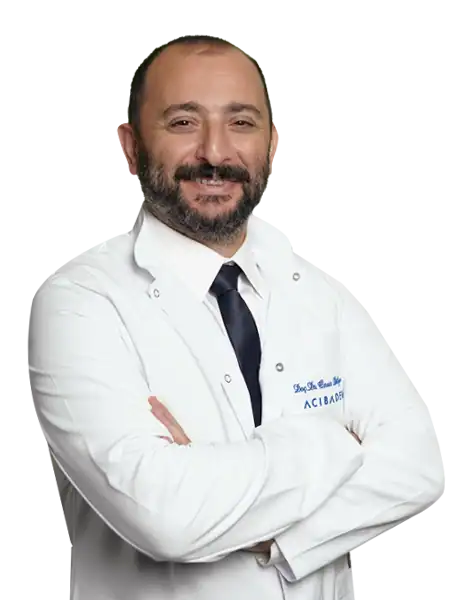
Assoc. Prof. Dr. Onur Dülgeroğlu
General Surgery
Assoc. Prof. Dr. Hüseyin Cahit Yılmaz
General Surgery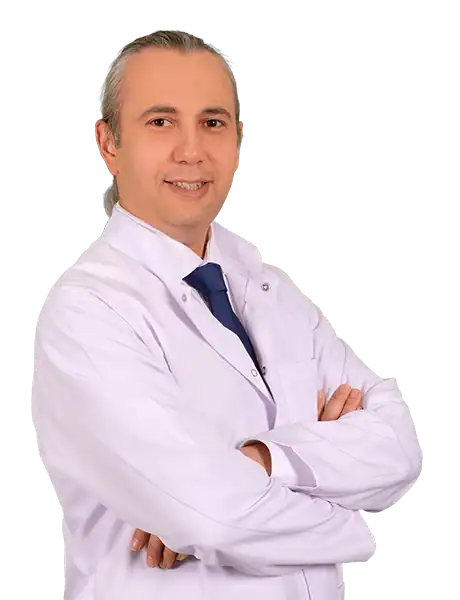
Assoc. Prof. Dr. Halil Kara
General Surgery
Assoc. Prof. Dr. Emir Çapkınoğlu
General Surgery
Prof. Dr. Deniz Atasoy
General Surgery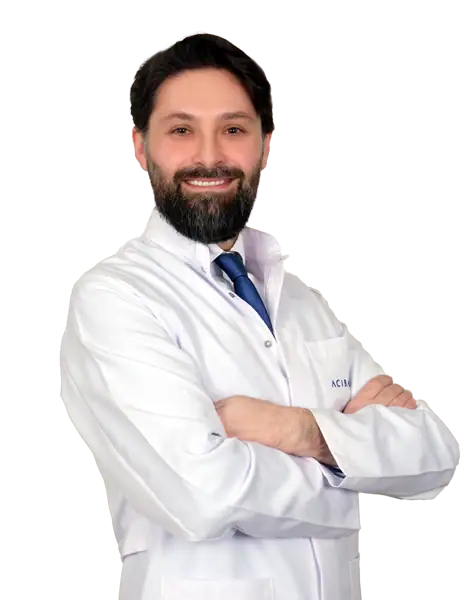
Assoc. Prof. Dr. A. Enes Arıkan
General Surgery
Prof. Dr. Metin Ertem
General Surgery
Prof. Dr. Fatih Ata Genç
General Surgery
Prof. Dr. Cihan Uras
General Surgery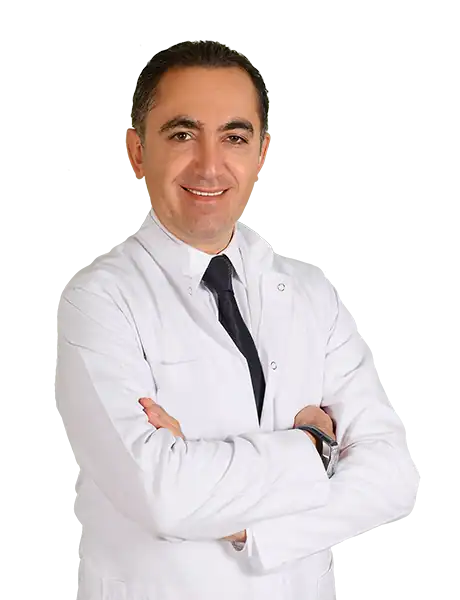
Prof. Dr. Can Küçük
General SurgeryMedical Units
Available at These Hospitals