

Hair Transplant Without Shaving: Who It Suits and What to Expect
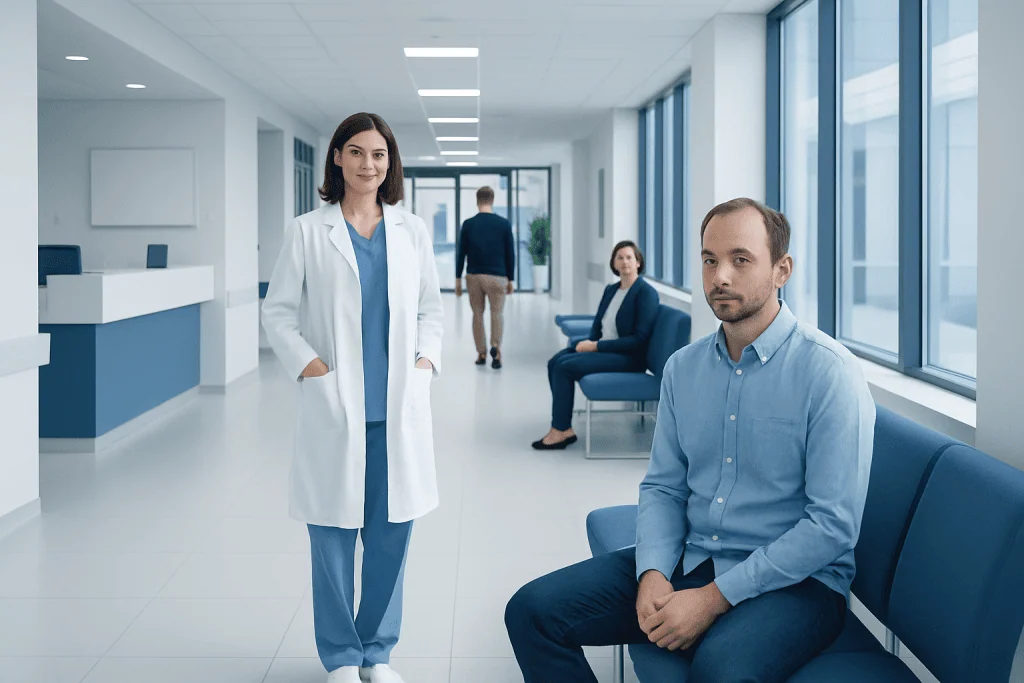
Hair transplant without shaving is possible for some patients, but it is not the best choice for everyone. It is often most suitable for smaller sessions, longer hairstyles, or people who want minimal visible change right after surgery.
Key Takeaways
- Hair transplant without shaving is possible for some patients, but it is not the best choice for everyone.
- It is often most suitable for smaller sessions, longer hairstyles, or people who want minimal visible change right after surgery.
- The same medical principles apply as in other hair transplant methods: donor quality, realistic goals, and careful technique matter most.
- Recovery is similar to other modern hair transplant procedures, though aftercare still needs close attention.
- A specialist evaluation helps decide whether an unshaven approach, partial shave, or standard shave method is more practical.
Hair transplant without shaving is a technique that allows selected patients to have a hair restoration procedure while keeping most or all visible hair uncut. It can be a good option for people who want a more discreet appearance, but suitability depends on hair loss pattern, graft needs, hair characteristics, and surgical planning.
Overview
Hair transplant without shaving, sometimes called an unshaven or no-shave hair transplant, is a hair restoration approach in which the patient does not need to have the entire scalp shaved before the procedure. Depending on the technique used and the area being treated, the surgeon may leave all visible hair long or trim only a small hidden donor area. This can make the procedure feel more private and less disruptive to daily life.
The main goal is the same as with other transplant methods: to move healthy hair follicles from a donor area, usually the back or sides of the scalp, into areas of thinning or baldness. The difference is cosmetic and practical rather than biological. The transplanted follicles still need careful harvesting, placement, and healing in order to grow well over time.
Many patients ask for this option because they want to return to work or social activities without an obvious shaved appearance. It may be especially appealing for women, people with longer hair, and those having a smaller procedure focused on the hairline, temples, eyebrows, or small thinning areas. In appropriate cases, specialists may discuss hair transplant without shaving alongside other modern hair restoration procedures.
Who It Suits Best
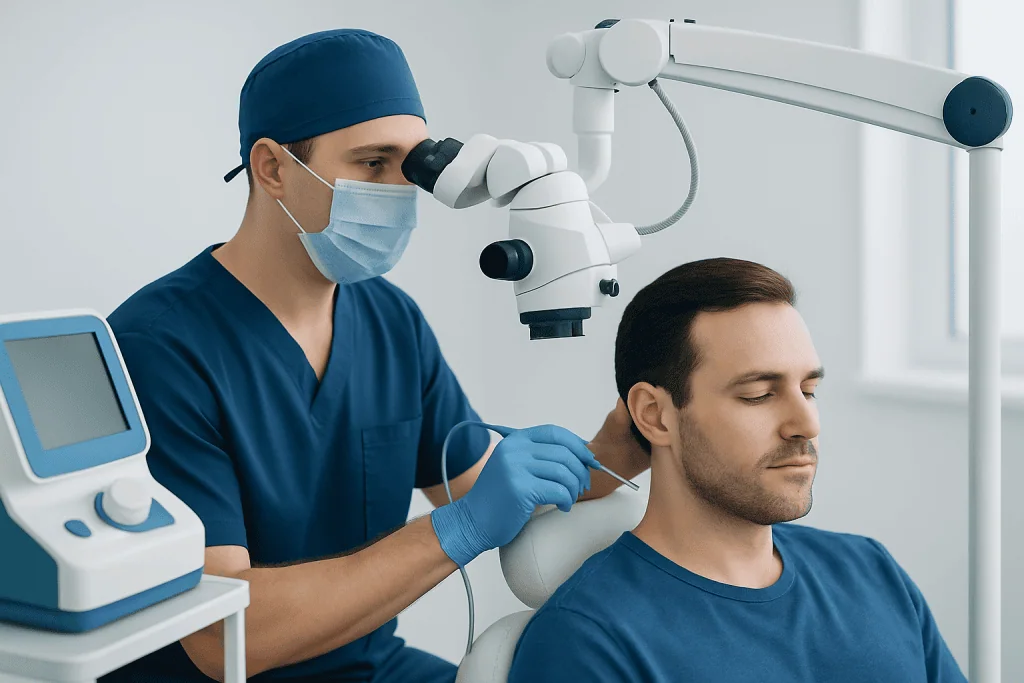
Hair transplant without shaving tends to suit patients who have a limited or moderate area of hair loss and enough healthy donor hair to provide grafts. It is often chosen by people who want discretion during recovery because their existing longer hair can help cover small scabs, redness, or trimmed donor spots. Patients who cannot easily take visible time away from work sometimes prefer this approach.
It may also be a good fit for women, since shaving the scalp can be emotionally difficult or socially inconvenient for some. In selected cases, a specialist may consider this approach together with options tailored to female pattern hair loss, such as hair transplant for women. It can also be useful for carefully targeted treatment of a frontal hairline or small crown area, though this depends on the number of grafts needed.
However, it is not automatically the ideal choice simply because it sounds less invasive. If a patient needs a large number of grafts, has very short hair, has a complex pattern of hair loss, or has donor hair that is difficult to access without trimming, a standard shaved method may be more efficient and practical. An unshaven procedure can also take longer and may require more technical precision during harvesting and implantation.
People with active scalp disease, inflammation, or sudden patchy hair loss need careful diagnosis before considering transplantation. For example, conditions such as alopecia areata are different from pattern hair loss and may not be suitable for transplantation until the condition is properly assessed and stabilized.
How the Procedure Is Done
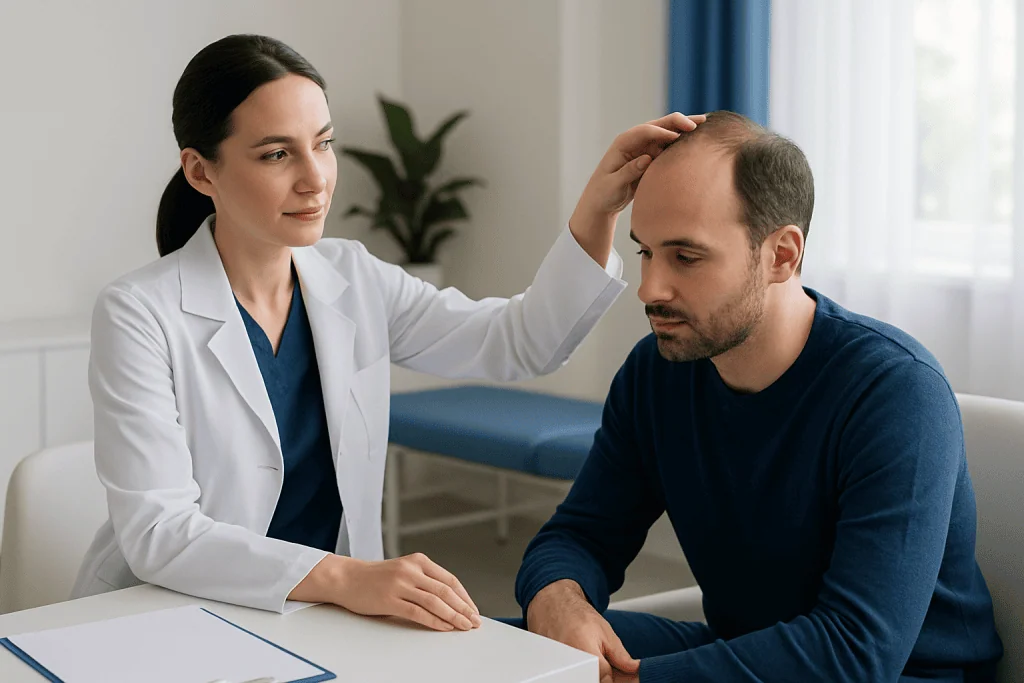
The process begins with consultation, scalp examination, and planning of the donor and recipient areas. The surgeon evaluates the hair loss pattern, density, hair shaft thickness, curl, scalp laxity where relevant, and the expected number of grafts. Photographs are often taken to help design a natural-looking result and to discuss realistic expectations.
In many cases, the unshaven approach is performed using follicular unit extraction, in which individual follicular units are removed from the donor area. The surgeon may trim tiny portions of the donor region that can remain hidden under surrounding hair, or may work selectively through longer hair. Patients may hear this compared with FUE hair transplant or DHI hair transplant, depending on the implantation method used.
After local anesthesia is given, grafts are harvested and then placed into carefully created recipient sites that match the natural direction, angle, and density pattern of the patient’s hair. The technical challenge is often greater when surrounding hair is left long, because the team must work around existing strands while maintaining visibility and precision. For that reason, surgeon experience and planning are especially important.
Although the visible hair may remain unshaven, patients should understand that this does not mean the procedure is minor or casual. It is still a medical procedure that requires sterile technique, detailed aftercare, and time for transplanted follicles to cycle through shedding and regrowth before final results appear.
Benefits and Limitations
The most obvious benefit of hair transplant without shaving is privacy. Existing hair can help conceal signs of surgery, allowing some patients to feel more comfortable in social and professional settings soon after treatment. For people with longer hairstyles, this can reduce the emotional impact of the procedure and make the early recovery period easier to manage.
Another advantage is that the patient can maintain a more familiar appearance right away. This may be especially important when only a small area is being restored, such as the front hairline, temples, or a narrow thinning zone. Some patients also find that preserving their hairstyle makes the decision to move forward with treatment feel less overwhelming.
At the same time, there are real limitations. The procedure may take longer, can be technically more demanding, and may not be ideal for large sessions requiring many grafts. If the surgeon cannot access donor follicles efficiently, or if the unshaven method risks compromising graft quality or placement, a partial shave or full shave may offer a better outcome.
It is also important to remember that the unshaven approach does not change the biology of hair growth. The grafts still need time to heal, often shed before regrowing, and gradually mature over several months. Results depend on donor hair quality, scalp health, surgical technique, and proper aftercare more than on whether the hair was shaved.
Preparation, Recovery, and What to Expect Afterward
Before the procedure, patients usually receive instructions about washing the scalp, avoiding certain medications or supplements if advised by the doctor, and arranging transportation if needed. The surgeon may also ask about smoking, alcohol use, previous hair procedures, medical conditions, and any scalp symptoms such as itching, scaling, or irritation. Conditions like seborrheic dermatitis may need treatment first to support better healing.
On the day of the procedure, the patient is typically awake under local anesthesia. Mild pressure or movement may be felt, but sharp pain is generally minimized. The session length varies depending on the number of grafts and the complexity of working around unshaven hair. Patients can usually go home the same day with aftercare instructions.
In the first days, some redness, tenderness, tiny scabs, and swelling can occur. These are expected after many hair transplant procedures. The scalp should be handled gently, washed as instructed, and protected from friction, scratching, and direct sun exposure. Sleeping with the head elevated for a short period may be advised to help reduce swelling.
Over the following weeks, many transplanted hairs shed before entering a new growth cycle. This can be concerning if unexpected, but it is usually part of the normal process. New growth often begins gradually after several months, while fuller cosmetic improvement takes longer. Patience is important, and follow-up visits help the team monitor healing and progress.
Possible Risks and When a Shaved Method May Be Better
Like any hair transplant, an unshaven procedure can involve risks such as bleeding, swelling, infection, poor graft survival, uneven density, visible scarring, or a result that does not meet expectations. These risks are generally reduced by careful patient selection, an experienced surgical team, and good aftercare, but they cannot be removed completely.
There are also practical concerns unique to the unshaven approach. Long surrounding hair can make harvesting and implantation slower or less straightforward, especially in large sessions. If visibility is limited, the procedure may be more labor-intensive, and in some cases a no-shave plan may need to be changed to a partial trim during treatment for safety or accuracy.
A shaved or partially shaved method may be better when a patient needs a high graft count, has extensive pattern baldness, or wants the most efficient access to the donor area. It may also be preferred in corrective cases, such as improving an older transplant design, where the surgeon needs broad visual control. In selected situations, specialists may discuss hair transplant repair or complementary non-surgical support such as non-surgical hair restoration.
Scalp health also matters. Active infection, significant inflammation, uncontrolled skin disease, or a tendency to form problematic scars may affect timing or candidacy. A proper medical evaluation is the best way to balance cosmetic preferences with the chance of achieving a natural and durable result.
Choosing a Clinic and When to See a Specialist
Anyone considering hair transplant without shaving should start with a consultation from a qualified hair restoration specialist or dermatologist with experience in scalp and hair disorders. The assessment should confirm the cause of hair loss, evaluate donor supply, and clarify whether the patient’s goals are realistic. A good consultation explains not only what is possible, but also what may not be advisable.
Questions that may be helpful include whether the patient is a true candidate for a no-shave approach, how many grafts are likely needed, whether the donor area must be partially trimmed, what the expected timeline for growth is, and how complications are handled. Asking to see before-and-after examples of similar cases can also help patients understand what a natural result looks like.
Medical advice is especially important if hair loss is sudden, patchy, painful, associated with redness or scaling, or occurring after illness, childbirth, major stress, or medication changes. These patterns may point to conditions other than typical androgenetic hair loss and may need medical treatment before surgery is considered.
For international patients seeking expert assessment, Acibadem International’s multidisciplinary specialists and JCI-accredited hospitals diagnose and treat hair loss and perform hair restoration procedures with individualized planning. The most suitable method may be an unshaven approach, a partial shave, or another established technique based on the patient’s scalp health, hair characteristics, and long-term goals.
Frequently asked questions
Is hair transplant without shaving really possible?
Yes, in selected patients it is possible to perform a hair transplant without shaving the entire scalp. Some cases involve no visible shaving, while others use small hidden trimmed areas in the donor region. The exact approach depends on the number of grafts needed and the patient’s hairstyle.
Who is the best candidate for a no-shave hair transplant?
It often suits patients with mild to moderate hair loss, longer hair, and a desire for a discreet recovery. It can be especially appealing for women or for people treating smaller areas such as the hairline. A consultation is needed to confirm whether donor density and scalp conditions make it practical.
Does an unshaven hair transplant give the same results as a shaved one?
The potential for a good result can be similar when the patient is well selected and the procedure is performed carefully. However, the unshaven method is more technically demanding and may not be ideal for every case. The quality of the surgical plan and graft handling matters more than the visible haircut.
Is recovery easier if the hair is not shaved?
Recovery is not necessarily medically easier, but it may feel socially easier because existing hair can help hide early signs of the procedure. Patients still need to follow the same aftercare principles, including gentle washing and protecting the scalp. Mild redness, scabbing, and temporary shedding can still happen.
Will the transplanted hair fall out after the procedure?
Many transplanted hairs shed in the first weeks after surgery, and this is usually a normal part of the growth cycle. The follicles remain in place and often begin producing new hair over the following months. Final cosmetic improvement takes time and usually develops gradually.
Can women have a hair transplant without shaving?
Yes, many women ask about this option because preserving their hairstyle can be important. In suitable cases, an unshaven or partially shaved approach may be used. The decision depends on the pattern of hair loss, donor area quality, and the size of the treatment area.
How should someone choose between a shaved and unshaven hair transplant?
The choice should be based on medical suitability rather than preference alone. A specialist will consider graft numbers, donor access, hairstyle, scalp health, and the desired result. Sometimes a standard shaved method offers better efficiency or precision, especially for larger sessions.
References
- American Academy of Dermatology
- International Society of Hair Restoration Surgery
- National Health Service
- Mayo Clinic
- DermNet
This article is for general information only and is not a substitute for professional medical advice. Please consult a qualified doctor about your individual situation.
Hair Transplant Without Shaving in Turkey — costs, top hospitals & a free quote
JCI-accredited · board-certified surgeons · reply within 24h
Add us as a Preferred Source to see more of our trusted health content across Google Search, AI Overviews and Discover.

Hair Transplant
Modern FUE and DHI hair restoration with natural, lasting results.
Related Treatments
Related Conditions
More from the Health Library



Related Specialists
Prof. Dr. Sedef Şahin
Dermatology
Prof. Dr. Şükrü Yazar
Aesthetic Plastic & Reconstructive Surgery
Prof. Dr. Emel Öztürk Durmaz
Dermatology
Prof. Dr. Özlem Dicle
Dermatology