Complete Heart Block: Symptoms, Pacemakers, and When It Becomes an Emergency

Complete heart block means electrical signals are fully blocked between the atria and ventricles. Symptoms can include fatigue, dizziness, fainting, chest discomfort, and shortness of breath, but some people have few symptoms at first.
Key Takeaways
- Complete heart block means electrical signals are fully blocked between the atria and ventricles.
- Symptoms can include fatigue, dizziness, fainting, chest discomfort, and shortness of breath, but some people have few symptoms at first.
- It can happen because of aging of the heart’s conduction system, heart disease, prior heart damage, certain medicines, or congenital conditions.
- An electrocardiogram confirms the diagnosis, and urgent monitoring may be needed if symptoms are severe.
- A permanent pacemaker is a common and effective treatment for persistent complete heart block.
- Emergency care is important if complete heart block causes fainting, severe weakness, chest pain, or trouble breathing.
Complete heart block, also called third-degree atrioventricular block, is a serious rhythm problem in which electrical signals do not travel properly from the upper to the lower chambers of the heart. It can cause a very slow heartbeat, fatigue, dizziness, or fainting, and many people need prompt evaluation and a pacemaker.
Overview: What Complete Heart Block Means
Complete heart block is the most severe form of atrioventricular, or AV, block. It is also called third-degree AV block. In this condition, the heart’s normal electrical signal does not pass from the atria, the upper chambers, to the ventricles, the lower chambers. As a result, the atria and ventricles beat independently rather than in a coordinated way.
The heart usually relies on a steady electrical pathway to keep blood moving efficiently through the body. When that pathway is interrupted, the ventricles may create their own backup rhythm, but this rhythm is often much slower and less reliable. That can reduce blood flow to the brain and other organs, which is why symptoms such as dizziness or fainting may occur.
Complete heart block is different from milder forms of heart block, where some signals still get through. Because no atrial impulses are conducted to the ventricles, complete heart block usually needs prompt medical attention. In many cases, it becomes a type of cardiac arrhythmia that requires close monitoring and long-term treatment.
Symptoms of Complete Heart Block

Symptoms vary depending on how slow the heart rate becomes, whether the block happens suddenly or gradually, and whether there is underlying heart disease. Some people notice symptoms only during activity, while others feel unwell even at rest. A few may have no obvious symptoms at first, and the condition is found during an ECG or hospital evaluation.
Common symptoms include unusual tiredness, weakness, lightheadedness, dizziness, shortness of breath, exercise intolerance, and fainting. Some people also notice chest discomfort, confusion, or a sensation of skipped or unusually forceful heartbeats. These complaints may overlap with other rhythm disorders and conditions such as heart palpitations or sick sinus syndrome.
Symptoms can become more urgent if the heart rate drops very low or if blood pressure falls. Warning signs of an emergency include fainting, near-fainting, severe shortness of breath, chest pain, sudden extreme weakness, or difficulty staying awake. These signs suggest the body may not be getting enough blood flow and need immediate medical care.
- Fatigue or reduced stamina
- Dizziness or lightheadedness
- Fainting or near-fainting
- Shortness of breath
- Chest discomfort
- Slow pulse
Causes and Risk Factors
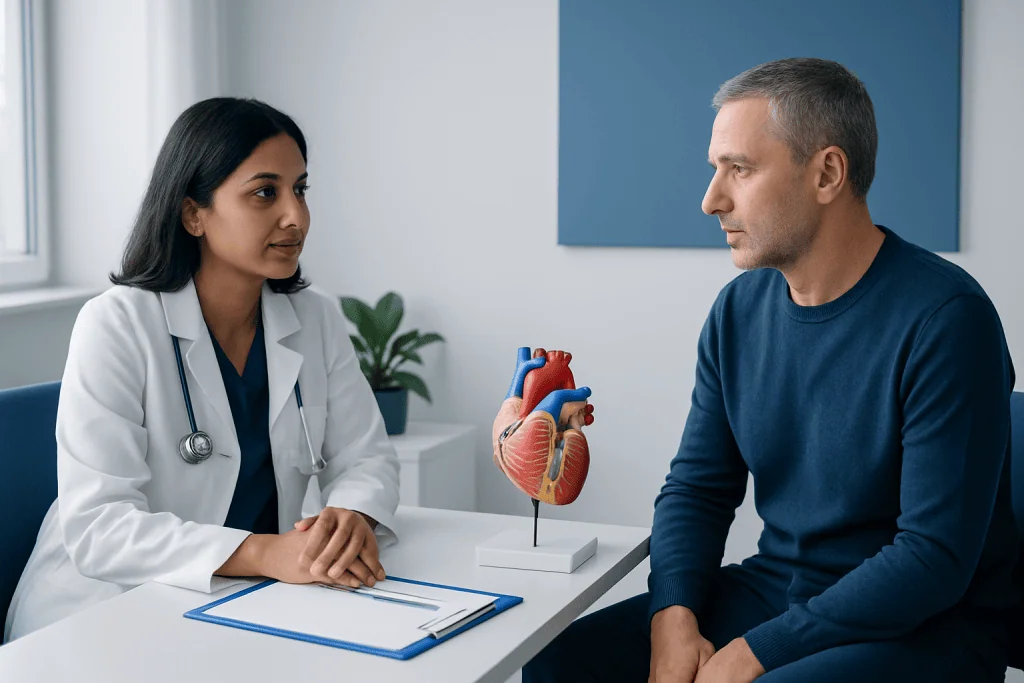
Complete heart block can develop for several reasons. In older adults, one common cause is age-related scarring or degeneration of the heart’s electrical conduction system. In other people, it may occur because of underlying heart disease, reduced blood supply to the heart, inflammation, infection, or damage after a heart attack.
It may also be linked to structural heart problems, including congenital heart disease present from birth. Some children are born with complete heart block, while some adults develop it after heart surgery or procedures near the conduction system. People with conditions such as coronary artery disease, cardiomyopathy, or inflammatory disorders affecting the heart may have a higher risk.
Certain medicines can slow electrical conduction too much in susceptible people. Examples include some beta blockers, calcium channel blockers, digoxin, and antiarrhythmic drugs. Electrolyte imbalances, thyroid disorders, and less commonly infiltrative or inflammatory conditions such as cardiac sarcoidosis or cardiac amyloidosis can also affect the conduction system. A doctor will look for reversible causes because treatment may differ when the block is temporary rather than permanent.
How Complete Heart Block Is Diagnosed
The main test used to diagnose complete heart block is an electrocardiogram, or ECG. On the ECG, the atria and ventricles show separate rhythms with no consistent conduction between them. This pattern helps doctors distinguish complete heart block from first-degree or second-degree AV block and from other rhythm problems.
Because symptoms may come and go, doctors may also use continuous heart monitoring in the hospital, a Holter monitor, or an event recorder. These tests help show how often the block occurs, how slow the heart rate becomes, and whether dangerous pauses are happening. In urgent cases, continuous monitoring is especially important because the rhythm can be unstable.
Additional evaluation often looks for the cause and possible complications. Blood tests may check electrolytes, thyroid function, and medication levels. An echocardiogram can assess heart structure and pumping function, especially if there is concern about heart failure or valve disease. If reduced blood flow to the heart is suspected, doctors may perform further cardiac testing.
Treatment Options: From Emergency Care to Pacemakers
Treatment depends on symptoms, the cause, and whether the block is temporary or persistent. If complete heart block is causing low blood pressure, fainting, chest pain, or signs of poor blood flow, treatment begins as an emergency. The person may need oxygen, cardiac monitoring, medication support, and temporary pacing while the medical team stabilizes the heart rhythm.
When a reversible trigger is found, doctors treat that issue first. This may include stopping or adjusting a medicine, correcting an electrolyte imbalance, or managing a heart attack or infection. However, many cases of complete heart block do not fully reverse and require a permanent pacemaker to restore a dependable heart rate.
A pacemaker is a small device placed under the skin, usually near the collarbone, with leads that help control the heartbeat. It senses the heart’s rhythm and sends electrical impulses when needed so the ventricles beat regularly. For many people, permanent pacemaker procedures are the standard long-term treatment and can greatly improve symptoms, safety, and quality of life.
If complete heart block is related to another heart condition, treatment may also address that problem. Depending on the situation, a person may need management through invasive cardiology services or surgery for associated structural disease, including congenital correction in selected patients with congenital abnormalities.
Living With a Pacemaker and Recovery
Most people recover well after pacemaker implantation. The care team gives instructions about keeping the incision clean, limiting heavy arm movements for a short period, and attending follow-up visits. These visits are important because the pacemaker settings may be adjusted to match the person’s needs and to check battery life and lead function.
Daily life often improves once the heart rate is stabilized. Many people feel less fatigued, less dizzy, and more confident returning to normal activities. Even so, recovery times vary depending on age, other heart conditions, and whether the pacemaker was placed during an emergency hospitalization.
People with pacemakers should tell other healthcare professionals about the device before tests or procedures. Modern pacemakers are designed with safety in mind, but certain medical equipment and strong electromagnetic sources may need special precautions. The cardiology team explains what is safe, what to avoid, and when device checks are needed.
Near the end of the care journey, some patients benefit from coordinated follow-up and rehabilitation, especially if complete heart block occurred along with broader heart disease. Acibadem International’s multidisciplinary specialists in JCI-accredited hospitals diagnose and treat rhythm disorders for international patients, including follow-up after pacemaker care when appropriate.
Prevention and Self-Care
Not all cases of complete heart block can be prevented, especially when it results from age-related changes or congenital problems. Still, protecting overall heart health may lower the risk of related complications and helps support better long-term outcomes. Managing blood pressure, diabetes, cholesterol, and smoking cessation all matter.
It is also helpful to review medicines regularly with a doctor, especially if there are episodes of dizziness, fainting, or a very slow pulse. People should not stop heart medicines on their own, but they should ask whether any prescription or over-the-counter drug could affect heart rhythm. Good follow-up is especially important for anyone with known conduction disease or prior heart surgery.
Self-care after diagnosis includes staying hydrated, taking medicines exactly as prescribed, keeping pacemaker appointments, and learning warning signs that need urgent help. If a person has another cardiovascular problem, treatment of that condition may be part of prevention as well, such as careful control of hypertension.
- Attend regular cardiology follow-up
- Report fainting or near-fainting promptly
- Keep a current medication list
- Follow pacemaker care instructions carefully
- Support heart health with diet, activity, and smoking cessation
When Complete Heart Block Becomes an Emergency
Complete heart block should always be taken seriously, but it becomes an emergency when the slow rhythm causes poor blood flow or appears suddenly in the setting of acute heart disease. A person should seek immediate medical help if symptoms include fainting, severe dizziness, chest pain, trouble breathing, confusion, bluish skin color, or profound weakness. Emergency treatment may be needed even before the exact cause is fully known.
New complete heart block during or after a suspected heart attack is especially urgent. It can signal major involvement of the heart’s electrical system and may occur alongside other dangerous rhythm problems. Anyone with sudden symptoms should call emergency services rather than trying to drive themselves.
People who already have a pacemaker should also seek prompt medical advice if symptoms return, if the device site becomes red or swollen, or if they develop persistent hiccups, palpitations, or recurrent fainting. These symptoms do not always mean device failure, but they deserve timely evaluation to keep the person safe.
Frequently asked questions
Is complete heart block the same as a heart attack?
No. Complete heart block is an electrical conduction problem, while a heart attack happens when blood flow to part of the heart muscle is blocked. A heart attack can sometimes cause complete heart block, which is why sudden symptoms need urgent evaluation.
Does everyone with complete heart block need a pacemaker?
Many people with persistent complete heart block do need a permanent pacemaker because the heart’s backup rhythm is often too slow or unreliable. If the block is caused by something reversible, treatment of that cause may improve the rhythm, but careful monitoring is still needed.
Can complete heart block go away on its own?
Sometimes it can improve if it is triggered by a temporary problem such as a medication effect, an electrolyte imbalance, or inflammation. However, many cases are long-lasting and do not resolve without treatment. A doctor must determine whether the cause is reversible.
What heart rate is seen in complete heart block?
The ventricular rate is often slower than normal, but the exact number varies from person to person. Some people have a stable but slow backup rhythm, while others develop very slow or unstable rhythms that cause serious symptoms.
Can a person live a normal life with a pacemaker?
Many people return to normal daily activities after recovery from pacemaker implantation. Regular follow-up is important, and some precautions are needed around certain devices or medical procedures, but quality of life often improves significantly.
Is complete heart block hereditary?
Most cases are not directly inherited in a simple way. Still, some congenital heart conditions or rare electrical disorders can increase the chance of conduction problems. A doctor may ask about family history, especially in younger patients.
This article is for general information only and is not a substitute for professional medical advice. Please consult a qualified doctor about your individual situation.
Explore treatments in Turkey — costs, top hospitals & a free quote
JCI-accredited · board-certified surgeons · reply within 24h
Add us as a Preferred Source to see more of our trusted health content across Google Search, AI Overviews and Discover.
Check your numbers in seconds
BMI, calories, due date, blood pressure and 30+ more clinical calculators — free, instant, doctor-reviewed ranges.

Cardiology Department
Diagnosis and treatment of heart and vascular conditions, from prevention to advanced interventional procedures.
93 specialists in this unitRelated Treatments
Related Conditions
More from the Health Library

Telecardiology for International Patients: What Care Can Be Managed Remotely?

What Does an Echocardiogram Show? Heart Ultrasound Results Explained

Waking Up in ICU After Heart Bypass Surgery: Tubes, Monitors, and Pain Control

Aortic Aneurysm Repair: Open Surgery vs Endovascular Treatment
Cardiac Stress Test: When Doctors Recommend It