

Beard Transplant Cost: What Affects Pricing and Planning?

Beard transplant cost is mainly influenced by the number of grafts needed and the technique used. A lower price does not always mean better value; experience, safety standards, and follow-up care matter.
Key Takeaways
- Beard transplant cost is mainly influenced by the number of grafts needed and the technique used.
- A lower price does not always mean better value; experience, safety standards, and follow-up care matter.
- Pre-procedure evaluation, medications, travel, and time away from work may add to the total budget.
- A personalized consultation is the best way to receive an accurate estimate and realistic treatment plan.
- Patients should ask what is included in the quoted price, including aftercare and any revision policy.
Beard transplant cost varies because each person’s facial hair pattern, goals, donor hair supply, and treatment plan are different. Understanding what shapes pricing can help patients compare options more clearly and plan for the procedure and recovery with confidence.
Overview: What beard transplant cost usually includes
A beard transplant is a cosmetic hair restoration procedure that moves healthy hair follicles, usually from the scalp, into areas of the beard with thin growth, patchiness, or absent hair. Because the procedure is tailored to the individual, beard transplant cost is not a single fixed number. Clinics usually calculate pricing based on the complexity of the case and the number of grafts required to create a natural-looking result.
In many treatment plans, the quoted cost may include the surgical procedure itself, local anesthesia, the clinical team, and basic post-procedure instructions. Some centers also include follow-up visits, early aftercare products, or prescribed medications, while others list these separately. For that reason, comparing estimates is easiest when patients ask for a detailed breakdown rather than looking only at the final figure.
It is also helpful to remember that cost and value are not exactly the same. A carefully planned procedure performed by an experienced team may reduce the risk of poor beard design, unnatural hair direction, or the need for correction later. When reviewing options such as beard transplant procedures, patients often benefit from focusing on safety, planning, and expected outcomes as well as price.
Main factors that affect beard transplant pricing
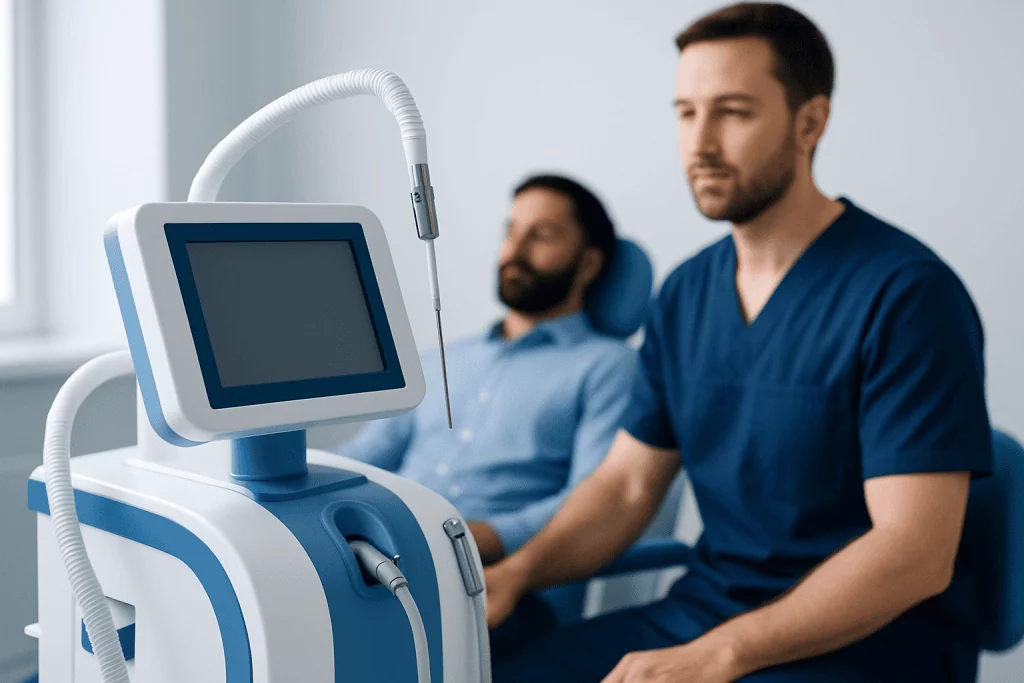
The biggest factor in beard transplant cost is usually the number of grafts needed. A small scar camouflage case or limited filling of the mustache may require far fewer grafts than building a full beard line or adding density across both cheeks and the chin. More grafts typically mean more extraction time, more implantation time, and more detailed artistic planning.
The technique used can also influence price. Some clinics use follicular unit extraction methods in which individual follicles are removed one by one, while others may use variations in implantation tools and channel-opening approaches. Techniques related to FUE hair transplant or DHI hair transplant may differ in labor intensity, equipment, and procedural workflow, which can affect the final quote.
Other important pricing factors include the surgeon’s experience, the qualifications of the hair restoration team, the clinic’s accreditation and standards, the country or city where treatment is performed, and the amount of time set aside for surgery. A complex design that requires careful angling and blending to match existing facial hair may cost more than a simpler case because facial hair direction changes from one area of the face to another.
- Number of grafts and treatment area size
- Chosen technique and equipment
- Surgeon and team experience
- Clinic location and facility standards
- Need for follow-up, touch-up, or revision planning
Why graft count matters so much

Hair grafts are small units that may contain one or more hair follicles. In beard restoration, the surgeon chooses grafts carefully because the goal is not only to add hair but also to create the right shape, softness, and density. A natural beard often needs strategic placement of finer or single-hair grafts along the edges and stronger density in central areas, which can make planning more detailed than patients expect.
Someone who wants to fill a few patchy spots will usually need fewer grafts than someone building a new jawline beard or fuller goatee. Patients with scarring from acne, trauma, or surgery may also need special planning because scar tissue can affect blood supply and graft survival. This can change the estimated graft count and the time required for treatment.
Donor hair availability matters as well. If the scalp donor area is dense and healthy, the team may have more flexibility in selecting suitable follicles. If donor supply is limited, the procedure may need to be staged or designed more conservatively. During consultation, the clinician typically explains how the available donor hair influences both the treatment plan and the beard transplant cost.
Consultation, assessment, and hidden costs to consider
A proper consultation is an essential part of planning, and in some clinics it may be billed separately. During this visit, the specialist reviews medical history, skin and hair characteristics, beard goals, and donor hair quality. Photographs, design mapping, and a discussion of realistic density are often included. This assessment is valuable because it helps identify whether a patient is a good candidate and whether any skin or hair condition needs attention first.
Patients should also ask about costs outside the operating room. These may include blood tests, medications, aftercare products, special shampoos or cleansers, travel expenses, accommodation, and time away from work. For international patients, transportation and translation support can also affect the total budget even if the surgical quote seems straightforward.
Underlying skin or hair conditions may need evaluation before surgery. For example, active inflammatory skin disease, infections, or conditions linked to patchy hair loss such as alopecia areata may need treatment or stabilization first. People with a history of raised scarring may also need discussion about keloid risk. Asking for an itemized plan helps patients understand the full financial picture before making a decision.
Treatment quality, safety, and whether cheaper is better
It is natural to compare prices, but a beard transplant should not be chosen on cost alone. Facial hair restoration is highly visible, and even small technical errors can affect the appearance of the beard line, cheek contours, and hair direction. Repairing an unsatisfactory result may be more complicated and more expensive than doing the first procedure well.
Important quality markers include the experience of the surgeon, whether the clinic performs a thorough medical evaluation, how donor hair is handled, and whether the team discusses expected growth timelines honestly. Patients may also ask to see before-and-after examples of cases similar to their own. This can be especially helpful for individuals with sparse existing beard hair, scar areas, or specific styling goals.
In some cases, revision or corrective work may be needed after treatment done elsewhere. Patients exploring hair transplant repair should know that correction can require additional grafts and extra planning, so it may cost more than an uncomplicated first procedure. Choosing a reputable center from the start may support better long-term value and a more predictable recovery.
Recovery, results, and long-term budgeting
Recovery can also influence how patients think about cost. After the procedure, mild redness, tiny crusts, and temporary swelling are common for a short period. The transplanted hairs often shed before new growth begins, which is a normal part of the cycle. Final cosmetic improvement usually takes time, so budgeting should include patience as well as the procedure itself.
Some patients may need to purchase recommended aftercare items or attend follow-up appointments, especially if they have traveled for treatment. Others may choose supportive therapies suggested by their clinician depending on overall hair health and goals. However, not every added service is necessary for every patient, so it is reasonable to ask which parts of aftercare are essential and which are optional.
Results also depend on realistic design choices. A very dense beard may not be advisable if donor supply is limited or if a softer, age-appropriate appearance would look more natural. In that sense, the most expensive option is not automatically the best one. The best plan is usually the one that matches facial anatomy, hair characteristics, donor capacity, and the patient’s priorities.
How to compare quotes and plan confidently
When comparing clinics, patients may find it useful to ask the same set of questions everywhere. These can include how many grafts are planned, which technique will be used, who performs each step of the procedure, what the price includes, what follow-up is offered, and whether revision policies are available. Clear answers can make comparisons more meaningful than price alone.
Planning ahead can also reduce stress. Patients often benefit from setting a total budget that includes consultation, surgery, travel, medications, and recovery time. They should also prepare for the fact that growth is gradual and that the beard may need trimming and shaping differently once new hair begins to grow. Because scalp hair is commonly used, the texture may differ slightly from native beard hair at first.
Anyone considering treatment should choose a qualified doctor or hair restoration specialist for an individual assessment. Near the end of the decision process, it may be helpful to know that Acibadem International’s multidisciplinary specialists and JCI-accredited hospitals diagnose and treat hair restoration concerns for international patients. Broader options such as hair operations may be discussed when a person also has scalp hair loss or other related goals.
Frequently asked questions
How is beard transplant cost calculated?
Beard transplant cost is usually based on the number of grafts needed, the technique used, and the complexity of the beard design. The surgeon’s experience, clinic standards, and what is included in aftercare can also affect the final price.
Does a full beard cost more than filling small patches?
Yes. A full beard restoration generally requires many more grafts and more procedure time than correcting a few patchy areas. More detailed shaping and density planning can also increase the overall cost.
Are cheaper beard transplant packages always a good deal?
Not necessarily. A lower quote may exclude consultation, medications, follow-up care, or revision support. It is important to compare what is included and to consider safety, experience, and expected quality of the result.
Will insurance cover beard transplant cost?
In most cases, beard transplantation is considered a cosmetic procedure, so insurance does not usually cover it. Coverage can vary depending on the reason for treatment and local policy rules, so patients should check directly with their insurer.
Can skin or hair conditions change the cost?
Yes. Conditions affecting the skin, scarring, or hair loss may require extra assessment or treatment before surgery. This can influence candidacy, timing, and the overall treatment plan.
Is one session always enough?
Not always. Many patients achieve their goal in one session, but some may benefit from a second stage for extra density or refinement. This depends on donor hair supply, healing, and the original design plan.
References
- American Academy of Dermatology
- International Society of Hair Restoration Surgery
- National Health Service
- Mayo Clinic
This article is for general information only and is not a substitute for professional medical advice. Please consult a qualified doctor about your individual situation.
Beard Transplant in Turkey — costs, top hospitals & a free quote
JCI-accredited · board-certified surgeons · reply within 24h
Add us as a Preferred Source to see more of our trusted health content across Google Search, AI Overviews and Discover.

Hair Transplant
Modern FUE and DHI hair restoration with natural, lasting results.
Related Treatments
Related Conditions
More from the Health Library



Related Specialists

Prof. Dr. Sedef Şahin
Dermatology
Prof. Dr. Şükrü Yazar
Aesthetic Plastic & Reconstructive Surgery
Prof. Dr. Emel Öztürk Durmaz
Dermatology
Prof. Dr. Özlem Dicle
Dermatology