Unexplained Fainting: When Heart Rhythm and Neurology Tests Are Both Needed
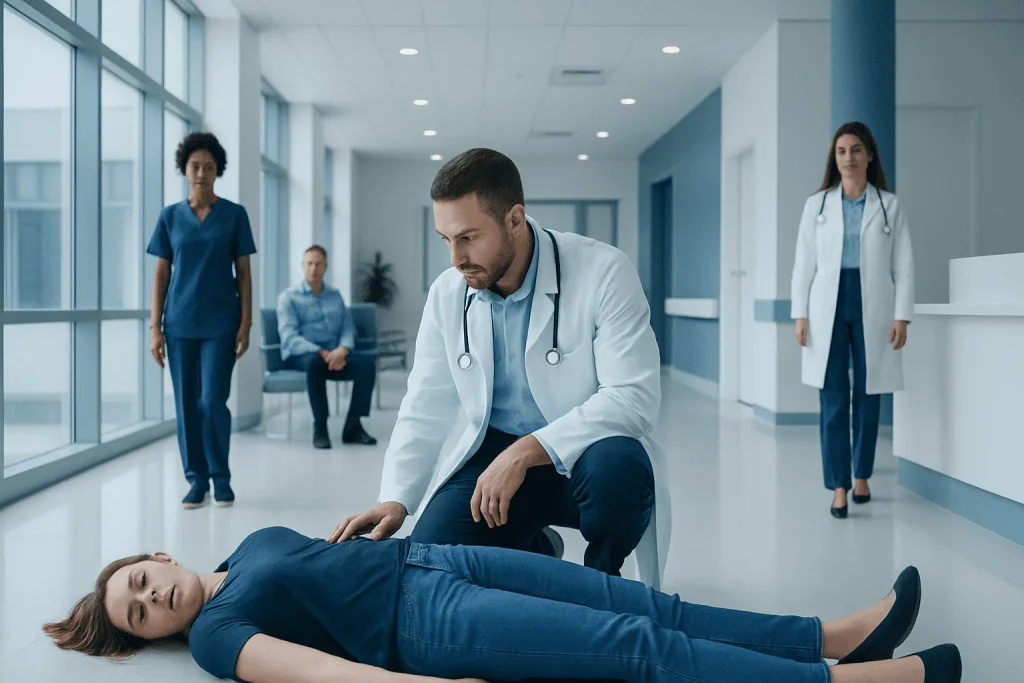
Fainting is often benign, but sometimes it signals a heart rhythm disorder or a neurological problem. A careful history, physical exam, and ECG are the first steps in evaluating unexplained fainting.
Key Takeaways
- Fainting is often benign, but sometimes it signals a heart rhythm disorder or a neurological problem.
- A careful history, physical exam, and ECG are the first steps in evaluating unexplained fainting.
- Heart rhythm monitoring can help detect arrhythmias that may not appear during a brief office visit.
- Neurology tests may be needed when seizure, stroke, or another nervous system cause is suspected.
- Urgent medical care is important if fainting happens with chest pain, injury, shortness of breath, or stroke-like symptoms.
Unexplained fainting is a temporary loss of consciousness that can have several causes, including heart rhythm problems, blood pressure changes, and neurological conditions. When the reason is not clear, doctors may combine cardiac and neurological testing to reach a safe, accurate diagnosis.
Overview: What unexplained fainting means
Unexplained fainting, also called syncope when it is due to a brief drop in blood flow to the brain, is a sudden and short-lived loss of consciousness followed by recovery. Many people describe feeling lightheaded, warm, nauseated, or dimming of vision just before they pass out. In some cases, however, fainting happens without warning.
Fainting is common and does not always mean there is a serious disease. Dehydration, standing up too quickly, stress, pain, or a temporary reflex in the nervous system can all trigger an episode. Still, fainting can also be a sign of a heart rhythm problem, structural heart disease, seizure, or another neurological condition. That is why repeated or unexplained episodes deserve medical attention.
When the cause is not obvious, doctors often look at both the heart and the nervous system. This is because symptoms can overlap. For example, a person with an arrhythmia may suddenly collapse, while a seizure can also cause loss of consciousness and body movements. A combined approach helps avoid missed diagnoses and guides the right treatment.
Symptoms and warning signs to notice
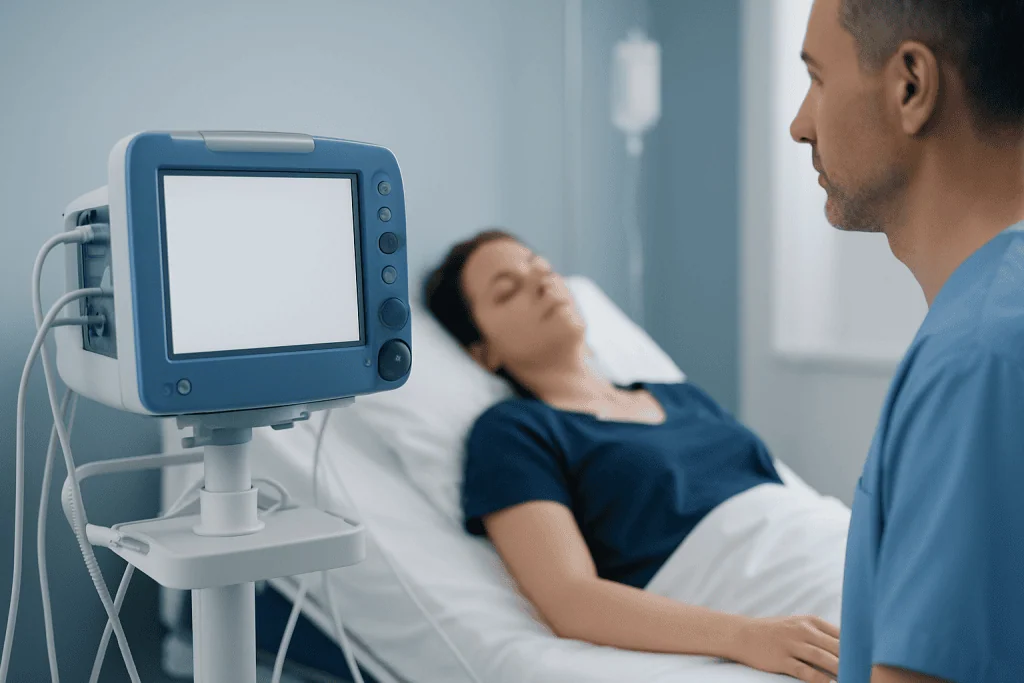
Some people feel a clear warning before fainting. Common symptoms include dizziness, weakness, sweating, nausea, blurred vision, ringing in the ears, palpitations, or a sense of warmth. Others may become pale or feel as though they are about to collapse. These clues can help doctors understand whether the episode was more likely related to blood pressure, heart rhythm, or another cause.
What happens during the event also matters. Witnesses may notice limpness, brief twitching, snoring-like breathing, or confusion afterward. A short period of jerking can occur in true fainting because the brain temporarily lacks blood flow, so movements alone do not always mean a seizure. The pattern before, during, and after the event is often one of the most valuable parts of the evaluation.
Certain features increase concern for a heart-related cause, including fainting during exercise, while lying down, or without any warning. Fainting accompanied by chest pain, shortness of breath, or strong palpitations also needs prompt assessment. Neurological red flags include prolonged confusion, weakness on one side, trouble speaking, severe headache, or symptoms suggestive of stroke.
Causes and risk factors

Unexplained fainting can result from several broad groups of conditions. The most common is reflex or vasovagal syncope, in which the nervous system briefly lowers heart rate or blood pressure in response to triggers such as pain, fear, heat, dehydration, or standing for a long time. Another common cause is orthostatic hypotension, where blood pressure drops on standing, often because of dehydration, medications, or problems with the autonomic nervous system.
Cardiac causes are especially important to identify because some can be serious. These include abnormal heart rhythms such as very slow rhythms, very fast rhythms, or intermittent conduction problems. Structural issues such as valve disease or cardiomyopathy can also reduce blood flow to the brain. A person may need heart rhythm monitoring even if the office ECG is normal, because some arrhythmias come and go.
Neurological causes are less common than many people expect, but they are still considered when the story suggests them. Seizures, certain forms of autonomic dysfunction, and less commonly brain disorders can lead to collapse or transient loss of consciousness. Doctors also distinguish fainting from balance-related disorders such as vestibular neuritis, which causes dizziness but does not usually cause true loss of consciousness.
Risk factors include older age, underlying heart disease, a family history of sudden cardiac death, diabetes, use of blood pressure-lowering or sedating medicines, alcohol, and recent illness with poor fluid intake. In younger people, recurrent episodes may still be benign, but they should not be dismissed if the events are frequent, unexplained, or associated with injury.
How doctors diagnose unexplained fainting
The evaluation begins with a detailed history and physical examination. Doctors ask what the person was doing before the episode, whether there were warning symptoms, how long the event lasted, and how recovery occurred. Information from witnesses can be very helpful. Blood pressure and heart rate may be checked lying down and standing up, and a standard electrocardiogram (ECG) is usually performed early.
Basic blood tests may be used in selected cases to look for contributors such as anemia, low blood sugar, or dehydration, although tests are guided by the clinical picture rather than ordered automatically. An echocardiogram may be recommended if structural heart disease is suspected. A tilt table test can sometimes help diagnose reflex syncope or orthostatic intolerance by reproducing symptoms in a controlled setting.
Because many heart rhythm problems are intermittent, monitoring over time is often important. Depending on how often episodes happen, this may involve a Holter monitor, an event recorder, or a longer-term implantable loop recorder. These tools increase the chance of capturing the heart rhythm during symptoms and can be crucial when unexplained fainting occurs only occasionally.
Neurological testing is considered when there is prolonged confusion, tongue biting, unusual movements, focal neurological symptoms, or concern for seizure or other brain conditions. This may include an electroencephalogram through neurophysiology testing or brain imaging with advanced neuroradiology. Imaging is not needed for every person who faints, but it can be appropriate if the history or examination suggests a neurological cause.
When both heart rhythm and neurology tests are needed
Doctors may recommend both cardiac and neurological evaluation when the cause remains unclear after the first assessment or when symptoms point in more than one direction. For example, a person may report palpitations before collapsing but also have a brief period of confusion afterward. In another case, a witness may describe jerking movements, yet the person also has known heart disease. These mixed features call for a broader workup.
It is also important to tell fainting apart from seizures, falls, and psychogenic nonepileptic events. True fainting usually causes a short loss of consciousness with relatively quick recovery, while seizures often have a different pattern, including a post-event period of confusion, though overlap can occur. Sometimes specialists in neurophysiology and cardiology work together to decide whether symptoms are due to electrical activity in the brain or an abnormal heart rhythm.
In older adults, more than one factor may contribute at the same time. A person may have dehydration, blood pressure changes, and an underlying arrhythmia together. Older patients may also benefit from assessment in geriatric neurology when age-related neurological issues, falls, memory concerns, or medication effects complicate the picture.
Occasionally, transient neurological symptoms raise concern for a circulation problem rather than classic fainting, such as a transient ischemic attack. Although TIA does not typically cause brief loss of consciousness by itself, it may enter the differential diagnosis when symptoms such as speech changes, weakness, or vision loss are present.
Treatment options and next steps
Treatment depends entirely on the cause. If fainting is related to dehydration, prolonged standing, or vasovagal triggers, management often focuses on hydration, avoiding triggers, rising slowly, and learning physical counter-pressure maneuvers such as leg crossing or muscle tensing when warning signs appear. Medication review is also important, especially if blood pressure medicines, diuretics, or sedatives may be contributing.
If heart rhythm problems are found, treatment may involve medications, catheter-based procedures, or devices such as a pacemaker, depending on the diagnosis. Structural heart problems are treated according to the underlying condition. These decisions are usually guided by a cardiologist and may significantly reduce the risk of further episodes.
When a neurological disorder is identified, care is tailored to that condition. For example, seizures require a different treatment plan from syncope caused by blood pressure changes. If emotional or cognitive factors contribute to recurrent episodes or recovery, support through neuropsychiatry may sometimes be helpful as part of a broader care plan.
Near the end of the diagnostic process, coordinated care can be especially useful for people with complex or repeated episodes. Acibadem International’s multidisciplinary specialists in JCI-accredited hospitals evaluate and treat unexplained fainting for international patients, using coordinated cardiology and neurology assessment when appropriate.
Prevention, safety, and self-care
Not every episode can be prevented, but simple measures may lower the risk of recurrence. Drinking enough fluids, especially during hot weather or illness, can help many people. Eating regular meals, limiting excess alcohol, and standing up gradually are also practical steps. People who know their triggers may benefit from avoiding prolonged standing, overheated spaces, or situations that reliably provoke symptoms.
Safety is important because injury can occur during a fall. At the first sign of faintness, the person should sit or lie down right away, ideally with legs elevated if possible. This may help restore blood flow to the brain and prevent a complete loss of consciousness. Driving, swimming alone, climbing heights, or operating machinery may need to be avoided until a doctor has assessed the episodes.
Keeping a symptom diary can be useful. It may include what happened before the event, how long it lasted, medications taken that day, food and fluid intake, sleep, stress, and whether there were palpitations or warning signs. If available, a witness account or phone video can also help clinicians distinguish fainting from seizure or other events.
When to see a doctor urgently
Anyone with unexplained fainting should speak with a doctor, especially if episodes are new, recurrent, or causing injury. An urgent assessment is important if fainting happens during exercise, while sitting or lying down, or with chest pain, shortness of breath, severe palpitations, or a family history of sudden cardiac death. These features can point to a cardiac cause that needs prompt attention.
Emergency care is also needed if there are neurological symptoms such as weakness, trouble speaking, severe headache, prolonged confusion, or facial drooping. These signs may suggest a serious neurological event and should not be ignored. Head injury after a fall is another reason to seek immediate care, even if the person seems to recover quickly.
Although unexplained fainting can be unsettling, the evaluation is usually stepwise and focused. With a careful history and the right combination of tests, doctors can often identify whether the problem comes from the heart, the nervous system, blood pressure regulation, or another cause, and then recommend appropriate treatment.
Frequently asked questions
Is unexplained fainting always serious?
No. Many episodes are caused by reflex fainting, dehydration, or a temporary drop in blood pressure. Still, unexplained fainting should be assessed because some cases are related to heart rhythm disorders or neurological conditions that need treatment.
What is the difference between fainting and a seizure?
Fainting usually happens because the brain briefly receives less blood flow, and recovery is often fairly quick. A seizure is caused by abnormal electrical activity in the brain and may involve a longer period of confusion afterward. Because symptoms can overlap, doctors sometimes need both heart and neurology tests.
Why would a person need heart monitoring if the first ECG is normal?
A standard ECG records only a short moment in time. Some arrhythmias happen intermittently, so they may not appear during a clinic visit. Longer monitoring can capture the heart rhythm during symptoms and make the diagnosis clearer.
Do all people who faint need a brain scan?
No. Brain imaging is not routine for every fainting episode. It is usually reserved for situations where the history or examination suggests a neurological cause, such as seizure, stroke-like symptoms, or a head injury.
Can anxiety cause fainting?
Emotional stress can trigger reflex fainting in some people, especially in situations involving fear, pain, or prolonged standing. However, doctors should still rule out medical causes before assuming anxiety is the main reason. Recurrent episodes deserve professional evaluation.
What should someone do if they feel faint?
They should sit or lie down immediately to reduce the risk of falling. Loosening tight clothing, raising the legs if possible, and drinking fluids once fully alert may help if dehydration is a factor. Medical advice is important if symptoms are new, severe, or keep returning.
References
- National Institute for Health and Care Excellence
- American Heart Association
- European Society of Cardiology
- National Institute of Neurological Disorders and Stroke
This article is for general information only and is not a substitute for professional medical advice. Please consult a qualified doctor about your individual situation.
Persistent digestive symptoms? Get evaluated in Turkey
JCI-accredited · board-certified surgeons · reply within 24h
Add us as a Preferred Source to see more of our trusted health content across Google Search, AI Overviews and Discover.
Check your numbers in seconds
BMI, calories, due date, blood pressure and 30+ more clinical calculators — free, instant, doctor-reviewed ranges.

Neurology
Diagnosis and treatment of disorders of the brain, spinal cord, nerves and muscles.
51 specialists in this unit