

Colon Cancer
Colon cancer treatment involves personalized care with surgery, chemotherapy, radiotherapy, targeted therapy or immunotherapy depending on stage, tumor location and overall health.
Quick answer
Colon cancer treatment removes or controls malignant tumors in the large intestine using a personalized plan based on the cancer’s stage, location, and the patient’s overall health. At Acibadem in Turkey, care may include surgery, chemotherapy, radiotherapy, targeted therapy, or immunotherapy, with treatment planning guided by multidisciplinary evaluation.
Facing Colon Cancer: Understanding the Decision Ahead
A diagnosis of colon cancer can bring urgent questions: How advanced is it? Will I need surgery? Is chemotherapy necessary? Can I travel for treatment? What will recovery be like? For many people and families, the most difficult part is not only hearing the word cancer, but also trying to understand which treatment path is appropriate and how quickly decisions should be made.
Colon cancer is a disease in which abnormal cells grow in the colon, the longest part of the large intestine. It often develops slowly from polyps, which are small growths in the lining of the bowel. Some polyps remain harmless, but others may become cancerous over time. When detected early, colon cancer is often highly treatable. Even when it is diagnosed at a more advanced stage, modern treatment can help control disease, relieve symptoms, extend life and preserve quality of life.
The right treatment depends on several factors: the location of the tumor, whether it has grown through the bowel wall, whether lymph nodes are involved, whether the cancer has spread to organs such as the liver or lungs, the molecular features of the tumor, and the patient’s overall health. For international patients, there are additional practical concerns: how long evaluation will take, whether all tests can be coordinated efficiently, whether the treatment plan is aligned with international standards, and how follow-up can be managed after returning home.
At Acibadem, colon cancer care is planned through a multidisciplinary approach. Gastroenterologists, colorectal surgeons, medical oncologists, radiation oncologists when needed, radiologists, pathologists, nuclear medicine physicians, dietitians and specialist nurses may all contribute to decision-making. This helps ensure that treatment is not based on a single perspective, but on a coordinated review of the cancer’s biology, stage and the patient’s goals.
What Colon Cancer Treatment Is
Colon cancer treatment is not one single procedure. It is a personalized treatment plan that may include surgery, chemotherapy, targeted therapy, immunotherapy, radiotherapy in selected situations, interventional procedures, active surveillance or a combination of these approaches. The main goals are to remove or destroy cancer cells, reduce the risk of recurrence, control disease that has spread and protect bowel function as much as possible.
For early-stage colon cancer, surgery is often the central treatment. The surgeon removes the part of the colon containing the tumor along with nearby lymph nodes, which are examined by a pathologist. In some very early cancers limited to a polyp, removal during colonoscopy may be sufficient if strict pathology criteria are met. In more advanced localized disease, surgery may be followed by chemotherapy to reduce the risk that microscopic cancer cells remain in the body.
For metastatic colon cancer, meaning cancer that has spread beyond the colon and nearby lymph nodes, treatment is more complex. Chemotherapy may be combined with targeted therapy or immunotherapy depending on molecular test results. In some patients with limited spread to the liver or lungs, surgery or local treatments may still be possible. In others, systemic therapy is used to control the cancer and maintain daily function for as long as possible.
Radiotherapy is used less commonly for colon cancer than for rectal cancer because of the colon’s mobility within the abdomen. However, it may be considered in selected cases, such as tumors fixed to nearby structures, local recurrence, pain control, or specific metastatic sites. The use of radiotherapy is determined carefully, balancing benefit with possible effects on surrounding organs.
Modern colon cancer treatment is guided by staging and by tumor biology. Imaging studies, colonoscopy, pathology, blood tests and molecular testing help physicians decide which treatments are appropriate. Rather than applying the same plan to every patient, a contemporary approach asks: What is the exact stage? What is the tumor’s genetic profile? Is cure possible? If not, what is the best way to control disease and preserve quality of life?
Who May Need Colon Cancer Treatment
Some patients are diagnosed with colon cancer after symptoms develop. Others are diagnosed through routine screening, such as colonoscopy, before symptoms appear. Because colon cancer can grow quietly for years, screening is especially important for adults in recommended age groups or those with increased risk due to family history, inflammatory bowel disease or inherited syndromes.
Symptoms that may lead to evaluation include blood in the stool, a persistent change in bowel habits, unexplained constipation or diarrhea, narrowing of the stool, abdominal pain or cramping, unexplained weight loss, fatigue, or iron-deficiency anemia. Some people notice a sense that the bowel does not empty completely. In more urgent cases, colon cancer may cause bowel obstruction, severe bleeding or perforation, requiring immediate medical attention.
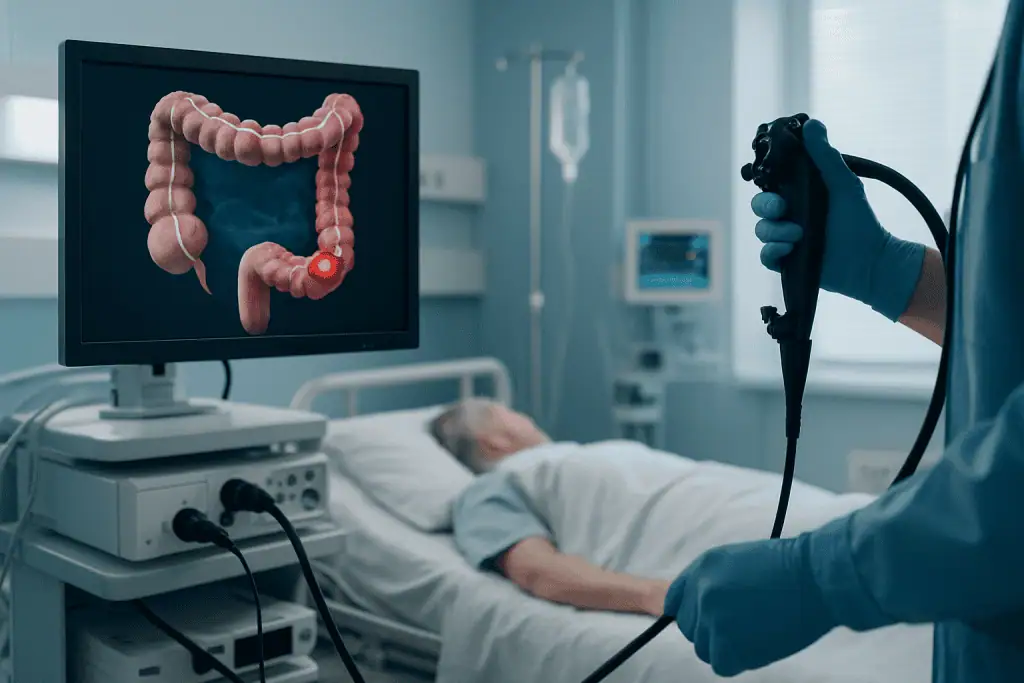
Diagnosis usually begins with colonoscopy. During this examination, a flexible camera is used to inspect the inside of the colon. Suspicious areas can be biopsied, and some polyps can be removed. If cancer is confirmed, additional tests are performed to determine stage. These may include blood tests, tumor markers such as CEA, CT scans of the chest, abdomen and pelvis, MRI in selected cases, PET/CT in specific circumstances, and detailed pathology review.
Pathology is central to treatment planning. The pathologist identifies the tumor type, grade, depth of invasion, lymphovascular or perineural invasion, margin status and lymph node involvement. Molecular tests may include evaluation for mismatch repair deficiency or microsatellite instability, and testing of genes such as RAS, BRAF and others when metastatic disease is present. These results help identify whether immunotherapy or targeted therapy may be relevant.
Patients who may need colon cancer treatment include those with newly diagnosed early-stage disease, locally advanced tumors, cancer involving lymph nodes, metastatic disease, cancer recurrence after previous treatment, or precancerous polyps with high-risk features. Some patients seek care because they want confirmation of a diagnosis, a second opinion on whether chemotherapy is necessary, or an assessment of whether liver or lung metastases can be treated with surgery or local therapy.
Conditions and Indications Addressed by Colon Cancer Treatment
Colon cancer care addresses a wide range of disease stages and clinical situations. Treatment is tailored according to whether the cancer is confined to the bowel wall, has reached lymph nodes, has spread to distant organs, or has returned after previous therapy. The plan also considers whether the patient has urgent symptoms such as bleeding or obstruction.
Common indications for treatment include malignant polyps, stage I colon cancer, stage II disease with or without high-risk features, stage III disease involving lymph nodes, and stage IV disease with distant metastases. Treatment may also be recommended for recurrent colon cancer, hereditary colon cancer syndromes, multiple advanced polyps, and colon tumors associated with chronic inflammatory bowel disease.
In early disease, the purpose of treatment is often cure. In stage III disease, surgery followed by chemotherapy is commonly recommended because lymph node involvement increases the risk of recurrence. In metastatic disease, the goal may vary. For some patients with limited metastases, treatment may still aim for long-term disease control and, in carefully selected cases, complete removal of visible cancer. For others, treatment focuses on controlling growth, relieving symptoms and maintaining independence.
Colon cancer treatment also addresses complications. A tumor may narrow the bowel, causing partial or complete obstruction. It may bleed slowly and cause anemia, or bleed more noticeably. It may invade nearby tissues or cause pain. In these situations, treatment may include surgery, stenting, systemic therapy, radiotherapy in selected cases, or supportive interventions to stabilize the patient before a longer-term cancer plan is started.
How Colon Cancer Treatment Is Performed
Preparation and Diagnostic Planning
Before treatment begins, the medical team confirms the diagnosis and stage. International patients are often asked to share colonoscopy reports, pathology slides or blocks, imaging studies, operative notes if surgery has already occurred, and previous chemotherapy records if relevant. When needed, tests may be repeated or expanded to ensure that the treatment plan is based on complete and current information.
Preparation may include blood tests, liver and kidney function assessment, nutritional evaluation, anesthesia assessment and cardiopulmonary review for patients who may undergo surgery. If chemotherapy is being considered, the medical oncologist reviews performance status, other medical conditions, medications and potential side effects. If a hereditary cancer syndrome is suspected, genetic counseling and testing may be discussed.
At Acibadem, cases may be reviewed by a multidisciplinary tumor board. This is particularly important when disease is locally advanced, metastatic, recurrent, or when there is a question about whether chemotherapy should be given before or after surgery. A tumor board helps align the sequence of care: for example, whether to proceed directly to surgery, start with systemic therapy, evaluate liver metastases for resection, or use additional imaging before deciding.
Surgery for Colon Cancer
Surgery is the main treatment for many patients with localized colon cancer. The operation is called a colectomy, meaning removal of the part of the colon that contains the tumor. Depending on the tumor’s location, the procedure may be a right hemicolectomy, left hemicolectomy, sigmoid colectomy or subtotal colectomy. Nearby lymph nodes are removed at the same time because they provide essential staging information and may contain cancer cells.
Whenever appropriate, surgeons may use minimally invasive approaches such as laparoscopic or robotic-assisted surgery. These techniques use small incisions and specialized instruments, with camera systems that provide magnified views. For suitable patients, minimally invasive surgery can support smaller incisions, reduced postoperative discomfort and faster return of bowel function. Open surgery may still be the safest choice for large tumors, emergency obstruction, extensive prior surgery or complex anatomy.
After the cancerous segment is removed, the two healthy ends of the bowel are usually reconnected in a procedure called an anastomosis. In some cases, a temporary or permanent stoma may be required, where the bowel is brought to the abdominal wall to allow stool to exit into a pouch. A stoma is less common after standard colon cancer surgery than after certain rectal cancer operations, but it may be necessary in emergencies, high-risk anastomoses or extensive disease.
Typical surgery duration varies depending on complexity, prior operations, tumor location, body habitus and whether additional procedures are needed. Many colon cancer operations take several hours. After surgery, patients are monitored for pain control, bowel recovery, mobility, hydration and signs of complications. Pathology results usually guide the next stage of treatment.
Chemotherapy, Targeted Therapy and Immunotherapy
Chemotherapy uses medicines that circulate through the bloodstream to destroy rapidly dividing cancer cells. It may be given after surgery, called adjuvant chemotherapy, to reduce the risk of recurrence. In metastatic disease, chemotherapy may be used to shrink tumors, slow progression or make surgery possible for metastases in selected patients.
Targeted therapies act on specific pathways that cancer cells use to grow or form blood vessels. Their use depends on tumor location, molecular test results and prior treatments. Immunotherapy helps the immune system recognize and attack cancer cells and can be highly relevant for tumors with mismatch repair deficiency or high microsatellite instability. These tests are important because they may change the treatment plan substantially.
Systemic treatments are typically given in cycles, often through an intravenous infusion, an implanted port or oral medication depending on the regimen. The care team monitors blood counts, liver and kidney function, nerve symptoms, bowel changes, skin effects, fatigue and infection risk. Supportive medications can help manage nausea, diarrhea, mouth sores and other side effects.
Radiotherapy and Local Treatments in Selected Cases
Radiotherapy is not routine for most colon cancers, but it may be used in specific circumstances. Carefully planned radiation can help treat local recurrence, relieve pain, control bleeding, or address tumors involving fixed structures. Modern planning methods use imaging to define the target and reduce unnecessary exposure to surrounding organs.
For metastatic disease, local treatments may also be considered. These may include surgery for liver or lung metastases, ablation techniques that destroy small tumors using heat or other energy sources, or interventional radiology procedures in selected liver-dominant disease. The decision depends on the number, size and location of metastases, response to systemic therapy, liver function and overall health.
Technology Used in Evaluation and Treatment
Technology in colon cancer care supports accuracy, safety and coordination. High-resolution endoscopy helps identify and biopsy lesions. Cross-sectional imaging such as CT and MRI helps determine the extent of disease. PET/CT may be useful in selected cases where it may clarify metastatic spread or recurrence. Digital pathology and immunohistochemical testing support precise tumor classification, while molecular diagnostics guide targeted therapy and immunotherapy decisions.
In surgery, minimally invasive camera systems, advanced energy devices, intraoperative imaging in selected cases and enhanced anesthesia monitoring can support safer procedures and more precise tissue handling. In radiation oncology, planning software and image guidance help shape treatment around the target area. In medical oncology, infusion safety systems and structured monitoring help reduce medication risks and detect side effects early.
Recovery Process
Recovery depends on the type of treatment. After colon surgery, patients typically stay in the hospital for several days, although the exact length varies. The first priorities are pain control, walking, breathing exercises, gradual return of bowel function and safe nutrition. Patients usually start with liquids and advance diet as tolerated. The care team monitors for fever, infection, bleeding, ileus, leakage from the bowel connection and blood clots.
If chemotherapy is recommended, it usually begins after adequate healing from surgery. Patients receiving systemic therapy may continue many daily activities, but fatigue, bowel changes, neuropathy or infection precautions may affect routines. Follow-up includes physical examination, blood tests, CEA monitoring when appropriate, colonoscopy surveillance and periodic imaging based on stage and risk.
Why Acting Early Matters
Colon cancer is often more treatable when found before it spreads. Early evaluation can identify cancers that are still limited to the bowel wall or nearby lymph nodes, when surgery and selected additional treatments may be most effective. Delaying assessment can allow a tumor to grow deeper, involve lymph nodes, spread to distant organs or cause complications such as obstruction and bleeding.
Acting early does not always mean rushing into the first available treatment. It means obtaining the right information quickly and making a well-informed plan. For example, some patients benefit from immediate surgery, while others need additional imaging, molecular testing or multidisciplinary review before treatment begins. In metastatic disease, early planning can determine whether disease is potentially resectable, whether chemotherapy should be started first, or whether a clinical strategy should focus on symptom control.
Delays can also affect a patient’s physical condition. Ongoing bleeding may worsen anemia and fatigue. Poor appetite and weight loss may reduce strength before surgery or chemotherapy. Bowel narrowing may progress to obstruction, which can turn a planned operation into an emergency procedure. Emergency surgery may carry higher risks and may increase the chance that a temporary or permanent stoma is needed.
Benefits of Colon Cancer Treatment
The benefits of treatment depend on the cancer stage, treatment type and individual health factors, but the goals are clear and patient-centered.
| Benefit | What It Means for You |
|---|---|
| Removal of localized cancer | Surgery can remove the tumor and nearby lymph nodes, offering the strongest treatment option for many early and locally advanced colon cancers. |
| Reduced risk of recurrence | When appropriate, chemotherapy after surgery can help treat microscopic cancer cells that may not be visible on scans. |
| Personalized treatment selection | Molecular testing can identify whether targeted therapy or immunotherapy may be useful, especially in advanced disease. |
| Symptom relief | Treatment can help address bleeding, obstruction, pain, anemia and other problems caused by the tumor. |
| Preservation of daily function | Modern surgical, medical and supportive care aim to treat the cancer while helping patients maintain nutrition, mobility and independence. |
| Structured follow-up | Surveillance after treatment helps detect recurrence or new polyps early, when additional treatment may be more effective. |
Recovery Timeline After Colon Cancer Treatment
Recovery is different for every patient, but the following timeline gives a general sense of what many patients experience after surgery and during ongoing treatment planning.
| Time Period | What Patients Can Expect |
|---|---|
| Day 1 | Patients are monitored closely after surgery. Pain control, early movement, breathing exercises and fluid balance are key priorities. |
| First Week | Bowel function gradually returns. Diet is advanced step by step, walking increases, and discharge planning begins when recovery is stable. |
| First Month | Energy improves gradually. Pathology results are reviewed, wounds heal, and the oncology team decides whether additional treatment is needed. |
| During Chemotherapy | Treatment is given in cycles. Patients are monitored for fatigue, bowel changes, blood count changes, neuropathy and other side effects. |
| Longer Term | Surveillance may include clinic visits, blood tests, colonoscopy and imaging based on stage. Nutrition, exercise and bowel habits continue to recover. |
What Influences Outcomes and a Good Result
Several factors influence outcomes in colon cancer. Stage at diagnosis is one of the most important. Cancers found early, before lymph node involvement or distant spread, generally have better treatment outcomes than cancers diagnosed at a later stage. However, stage is not the only factor. Tumor biology, molecular features, surgical quality, lymph node assessment, treatment response and overall health also matter.
The completeness of surgery is critical. A good oncologic operation removes the tumor with appropriate margins and an adequate lymph node specimen for staging. The pathologist’s report provides information that determines whether chemotherapy is recommended. If lymph nodes are involved, if the tumor has high-risk features, or if margins are close or positive, additional treatment may be needed.
Response to systemic therapy is important in advanced disease. Some tumors shrink meaningfully with chemotherapy, targeted therapy or immunotherapy, making local treatments possible. Others may be more resistant, requiring a different strategy. Molecular testing helps avoid ineffective treatments and supports selection of therapies that match tumor characteristics.
Patient factors also play a significant role. Nutrition, physical strength, diabetes control, heart and lung health, kidney and liver function, smoking status and medication use can all influence surgical recovery and tolerance of chemotherapy. Prehabilitation, which may include nutrition support, walking programs, anemia correction and optimization of chronic conditions, can improve readiness for treatment.
Communication and follow-up are also part of a good result. Patients need clear instructions about wound care, diet, bowel function, warning signs and when to resume travel. After returning home, coordination with local physicians may be needed for chemotherapy cycles, blood tests, scans or surveillance colonoscopy. A well-organized treatment summary helps maintain continuity across countries and healthcare systems.
Why International Patients Choose Acibadem for Colon Cancer Care
International patients considering colon cancer treatment abroad often want two things at the same time: medical confidence and careful coordination. They need timely access to experienced specialists, but they also need help with language, travel planning, appointment scheduling, medical records and communication with family members. Acibadem International supports patients throughout this process with dedicated services in more than 20 languages.
Acibadem hospitals are JCI-accredited, reflecting a commitment to internationally recognized standards for patient safety and quality systems. For a patient traveling from the United States, Europe, the Middle East or another region, this can be an important consideration. Accreditation does not replace the need to evaluate the individual treatment plan, but it does indicate that the hospital follows structured processes for safety, infection control, medication management and clinical governance.
Colon cancer care at Acibadem is delivered by experienced physicians working across related specialties. A patient may begin with a gastroenterologist for diagnosis, then be evaluated by a colorectal surgeon and medical oncologist. Radiology and pathology teams contribute essential staging and tumor biology information. When disease is complex, multidisciplinary tumor boards can review imaging, pathology and clinical factors together before recommending a plan.
This team-based model is especially valuable for patients with advanced disease, liver metastases, recurrent cancer or uncertain treatment sequencing. For example, a patient may be told elsewhere that metastatic disease is inoperable, but a detailed review may determine whether chemotherapy could make surgery possible, whether liver-directed therapy is appropriate, or whether systemic treatment is the best option. In other cases, a second opinion may confirm that the recommended plan is already appropriate, giving the patient a clearer understanding of why.
Technology is used to support decision-making and treatment precision. Advanced imaging helps evaluate the chest, abdomen, pelvis, liver and lymph nodes. Endoscopy supports diagnosis and polyp management. Pathology and molecular testing help determine tumor subtype and treatment sensitivity. Minimally invasive surgical techniques may be considered when appropriate. Radiation planning and interventional procedures are available for selected indications. The emphasis is not technology for its own sake, but using the right tools to answer the right clinical questions.
Personalized treatment planning is also important. Colon cancer care must account for the patient’s goals, occupation, family responsibilities, travel distance, insurance or self-pay arrangements, and ability to continue treatment at home. Some international patients come for surgery and return home for chemotherapy. Others travel for a second opinion, molecular review or evaluation of metastases. Some receive a full course of treatment in Turkey, depending on medical and personal circumstances.
Acibadem’s international patient teams help coordinate appointments, translation, hospital admission, discharge planning and medical documentation. For patients who do not speak Turkish, interpreter support can reduce the emotional burden of complex medical conversations. Clear communication is particularly important in cancer care, where decisions may involve weighing benefits, risks, side effects, timing and alternatives.
For many patients, choosing where to receive colon cancer treatment is not simply about geography. It is about finding a center capable of integrating surgery, oncology, diagnostics and supportive care into a coherent plan. At Acibadem, that integration is designed to help patients move from uncertainty to an informed treatment decision.
Taking the Next Step
Colon cancer treatment has advanced significantly, but the best plan still begins with a careful understanding of the individual patient’s disease. The stage, pathology, tumor location, molecular profile and overall health all shape the treatment pathway. Some patients need surgery alone. Others benefit from chemotherapy, targeted therapy, immunotherapy, radiotherapy in selected cases or treatment for metastatic sites.
If you or someone you love has been diagnosed with colon cancer, a timely specialist review can help clarify the options. A second opinion may be especially useful if the cancer is advanced, if metastases are present, if chemotherapy recommendations are unclear, or if you are deciding whether to travel for treatment. Bringing together complete records, imaging and pathology allows the medical team to provide a more precise recommendation.
Acibadem offers multidisciplinary evaluation for international patients seeking colon cancer treatment, second opinions or coordinated care abroad. To learn more, you may request a consultation and share your available medical records for review by the relevant specialists.
This information is general and is not a substitute for professional medical advice. Diagnosis and treatment decisions should always be made with a qualified physician who can assess your individual medical condition.
Our Specialists Explain
 Colon Cancer Treatment at Acibadem | Prof. Dr. Mert Erkan
Preparation
- Evaluation usually includes colonoscopy results, biopsy review, blood tests and imaging to stage the disease. The care team may request bowel preparation before surgery and review current medications, nutrition and general fitness. Treatment planning is individualized by oncology, surgery and related specialists.
Aftercare
- After surgery, patients are monitored for bowel function, wound healing, pain control and nutrition. Follow-up may include pathology review, chemotherapy planning, imaging and colonoscopy surveillance. Patients should report fever, severe abdominal pain, bleeding or changes in bowel habits promptly.
Turkey vs UK, Germany & USA
Colon cancer treatment costs and timelines vary because care is personalized according to tumor location, disease extent, test results and overall health. Comparing destinations can help international patients understand how hospital processes, specialist expertise and package structure affect the patient experience.
The overall experience for colon cancer care depends on how quickly diagnostics, surgery and systemic treatments can be coordinated, as well as what is included in the hospital package.
| Factor | Turkey | UK | Germany | USA |
|---|---|---|---|---|
| Pricing model | Often package-based for international patients, with coordinator support | Private self-pay is usually itemised; public pathways depend on eligibility | Structured hospital billing with detailed clinical documentation | Highly itemised billing; insurance and network rules can shape cost |
| Hospital and surgeon factors | Cost varies by hospital, colorectal surgeon, oncology team and technology used | Cost varies by private hospital, consultant fees and access to specialist centres | Cost varies by cancer centre, senior specialist involvement and inpatient needs | Cost varies widely by hospital system, surgeon, oncologist and facility fees |
| Accreditation and quality | International hospitals may hold JCI accreditation and use multidisciplinary tumor boards | Quality oversight is strong; private and public systems have different pathways | Cancer care is commonly delivered in regulated specialist centres | Major cancer centres offer advanced services, with quality depending on provider and network |
| Waiting and scheduling | International patient teams may coordinate diagnostics, surgery and oncology appointments in a planned pathway | Private care may be scheduled directly; public access can involve formal referral routes | Scheduling is typically organized after review of records and required diagnostics | Access can be prompt in private systems, but approvals and administration may add complexity |
| Travel and language logistics | International departments often assist with airport transfers, interpreters and appointment planning | English language is convenient for many patients, but travel support varies by provider | Interpreter support may be needed; travel and accommodation are usually arranged separately | English language access is broad; travel, accommodation and billing navigation may be complex |
| Typical package inclusions | May include consultations, diagnostics, surgery or treatment sessions, hospital stay and translation support | Packages may be limited; separate fees can apply for tests, consultants and hospital services | Packages depend on hospital policy and whether inpatient or outpatient care is required | Many items may be billed separately, including facility, physician, anesthesia, pathology and medications |
What affects your final cost
- Tumor location, disease extent and whether treatment is curative, preventive, or symptom-focused
- Type of surgery, surgical approach, anesthesia, intensive care needs and length of hospital stay
- Pathology, genetic and molecular testing used to guide treatment
- Need for chemotherapy, radiotherapy, targeted therapy, immunotherapy or combined treatment
- Medication choice, treatment duration and monitoring requirements
- Management of stoma care, complications, nutrition, rehabilitation and follow-up visits
- Travel, accommodation, interpreter support and companion arrangements
Compare your options
Colon cancer treatment is individualized after specialist review of imaging, colonoscopy findings, pathology and overall health. Suitability for any option is decided by a colorectal surgeon, medical oncologist, radiation oncologist or multidisciplinary tumor board.
| Option | What it is | Typical use | Key considerations |
|---|---|---|---|
| Surgery | Removal of the affected colon segment and nearby lymph nodes, sometimes with minimally invasive techniques | Commonly used when the cancer can be removed safely | Cost and recovery depend on surgical complexity, hospital stay, stoma need, pathology results and complication risk |
| Chemotherapy | Medicines that target rapidly dividing cancer cells throughout the body | May be used after surgery, before selected procedures, or for cancer that has spread | Choice of regimen, number of cycles, side effect management and monitoring visits affect planning and cost |
| Targeted therapy | Medicines directed at specific cancer-related pathways identified through testing | Often considered for advanced disease when molecular features support use | Requires specialist evaluation and molecular testing; drug selection and duration influence cost |
| Immunotherapy | Treatment that helps the immune system recognize and attack cancer cells | May be suitable for tumors with certain biomarker features | Not appropriate for every patient; biomarker testing, monitoring and management of immune-related side effects are important |
| Radiotherapy | Focused radiation treatment to control cancer in a defined area | Less common for colon cancer than rectal cancer, but may be used in selected local or recurrent cases | Planning scans, treatment sessions and coordination with other therapies affect the care pathway |
| Palliative and supportive care | Care focused on symptom control, nutrition, pain management and quality of life | Used alongside active treatment or when disease control is the main goal | May include procedures for obstruction, stoma support, pain care, nutrition and home follow-up planning |
Trusted care for international patients
General information only — not medical or financial advice. Final costs depend on the factors above and your individual case; request a free, personalised quote.
Doctors Performing This Treatment

Prof. Dr. Abdullah Büyükçelik
Medical Oncology
Prof. Dr. Ahmet Öztürk
Hematology
Prof. Dr. Ali Arican
Medical Oncology
Prof. Dr. Ayşen Timurağaoğlu
Hematology
Prof. Dr. Aziz Yazar
Medical Oncology
Prof. Dr. Başak Oyan Uluç
Medical Oncology
Prof. Dr. Bülent Karabulut
Medical Oncology
Prof. Dr. Bülent Orhan
Medical Oncology
Prof. Dr. Eren Erken
Hematology
Prof. Dr. Ersin Özaslan
Medical Oncology
Prof. Dr. Faysal Dane
Medical Oncology
Prof. Dr. Gökhan Demir
Medical Oncology
Prof. Dr. Gül Başaran
Medical Oncology
Prof. Dr. Gülsan Sucak
Hematology
Prof. Dr. Handan Onur Topuzlu
Medical Oncology
Prof. Dr. Hüseyin Engin
Medical Oncology
Prof. Dr. Meliha Nalçacı
Hematology
Prof. Dr. Mustafa Çetiner
Hematology
Prof. Dr. Okan Kuzhan
Medical Oncology
Prof. Dr. S. Sami Kartı
Hematology
Prof. Dr. Salim Başol Tekin
Hematology
Prof. Dr. Siret Ratip
Hematology
Prof. Dr. Soner Solmaz
Hematology
Prof. Dr. Taner Korkmaz
Medical OncologyMedical Units
Available at These Hospitals












Guides for This Treatment
Frequently Asked Questions
What affects the cost of colon cancer treatment abroad?
The main factors are the extent of disease, required diagnostics, type of surgery, hospital stay, pathology and molecular testing, chemotherapy or other medicines, supportive care and follow-up. Travel, accommodation and interpreter services can also affect the total budget.
How can I receive a personalised quote from Acibadem?
You can request a free consultation by sharing your medical reports, colonoscopy and biopsy results, imaging, blood tests and any previous treatment records. A specialist team can review the information and prepare a personalised treatment plan and cost estimate.
Is surgery always required for colon cancer?
Surgery is common when the tumor can be removed, but treatment depends on disease extent, tumor biology and overall health. Some patients also need chemotherapy, targeted therapy, immunotherapy or supportive procedures. A specialist decides suitability after full evaluation.
What is usually included in an international patient package?
Packages may include specialist consultations, selected diagnostic tests, surgery or treatment sessions, hospital stay, nursing care, translation support and care coordination. Inclusions vary, so the written quote should be reviewed carefully.
Can the quoted cost change after arrival?
Yes. Costs may change if additional tests are needed, the treatment plan changes, complications occur, a longer hospital stay is required, or different medicines are selected after pathology or molecular results.
Is this information medical or financial advice?
No. This is general educational information. A personalised recommendation and quote require review by qualified specialists, so patients are encouraged to request a free consultation before making treatment or travel decisions.