

Breast Fat Transfer vs Implants: Pros, Cons, and Best Candidates
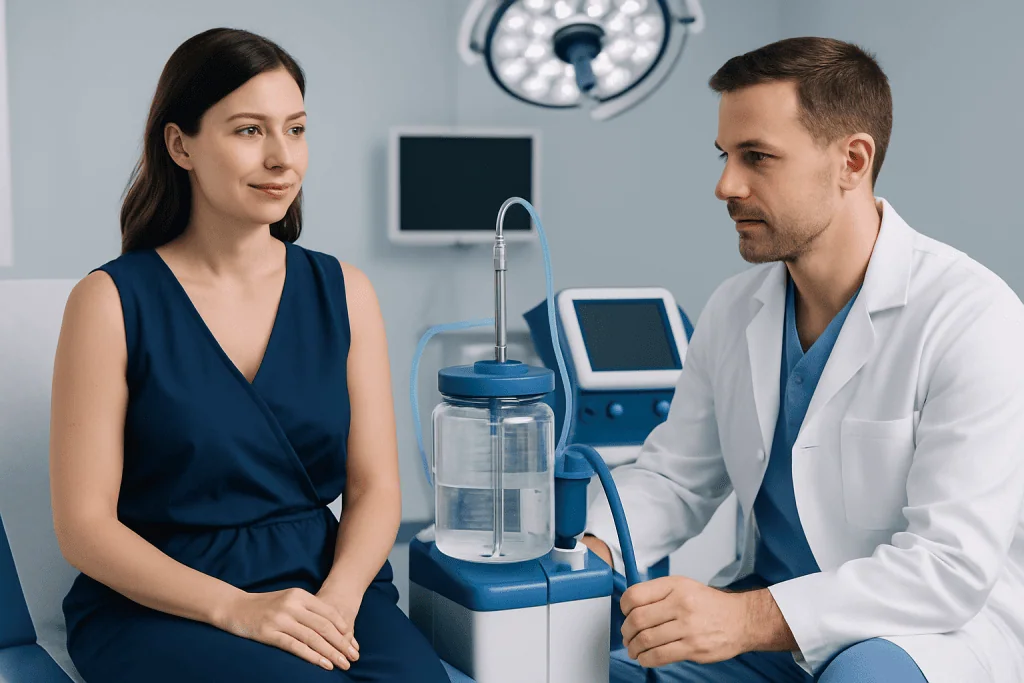
Breast fat transfer uses a person’s own fat, while implants use silicone or saline-filled devices. Fat transfer usually offers a subtler increase in size; implants can create a more noticeable volume change.
Key Takeaways
- Breast fat transfer uses a person’s own fat, while implants use silicone or saline-filled devices.
- Fat transfer usually offers a subtler increase in size; implants can create a more noticeable volume change.
- Best candidates differ based on body type, goals, breast anatomy, and willingness to accept scars or future maintenance.
- Both options require assessment by a qualified plastic surgeon and realistic expectations about results and recovery.
- Safety, long-term follow-up, and breast screening plans should be discussed before any breast procedure.
Breast fat transfer and breast implants are both established options for breast enlargement and shape improvement, but they work in different ways. The right choice depends on the desired size change, available body fat, breast shape, skin quality, and whether a person prefers a natural-tissue approach or an implant-based result.
Overview: How Breast Fat Transfer and Implants Differ
Breast augmentation can be performed in more than one way. In broad terms, breast fat transfer uses fat taken from another part of the body and places it into the breasts, while implants use a medical device to add volume. Both methods aim to improve breast size, shape, fullness, or symmetry, but they differ in how much enlargement they can achieve, how they feel, and what recovery involves.
Fat transfer, sometimes called lipofilling or autologous fat grafting, begins with liposuction from an area such as the abdomen, flanks, or thighs. The collected fat is processed and then injected into carefully selected areas of the breast. This approach can appeal to people who want a modest increase and a more natural-tissue feel, especially when there is enough donor fat available elsewhere in the body.
Breast implants, by contrast, are placed through a surgical incision and can produce a wider range of volume changes. They may be chosen by people who want a more noticeable increase in cup size, more upper-pole fullness, or correction of shape differences that fat transfer alone may not reliably address. A consultation about aesthetic breast surgery options can help clarify which method fits a person’s goals and anatomy.
Pros of Breast Fat Transfer
One of the main benefits of fat transfer is that it uses the person’s own tissue. Many patients like the idea of avoiding an implant and appreciate that the breasts may feel soft and natural. Because the surgeon is injecting fat in small amounts across different areas, fat transfer can also be useful for gentle contour refinement and for improving mild asymmetry.
Another advantage is that liposuction is part of the procedure. Removing fat from areas such as the abdomen or flanks may create a body-contouring effect in addition to breast enhancement. For some people, this combined approach is appealing because it addresses two aesthetic goals in one operation. Related approaches to fat grafting are also used in procedures such as lipofilling techniques in other body areas.
Scarring is often limited to small liposuction entry points and tiny injection sites rather than larger breast incisions. However, this does not mean the procedure is scar-free, and bruising and swelling are still expected during recovery. It is also important to understand that not all transferred fat survives; some is naturally reabsorbed by the body over time, so final volume may be less than the early postoperative appearance.
- Uses the patient’s own fat
- Often gives a natural feel
- Can improve mild contour irregularities or asymmetry
- Includes liposuction from donor areas
- Usually involves smaller scars than implant surgery
Pros of Breast Implants
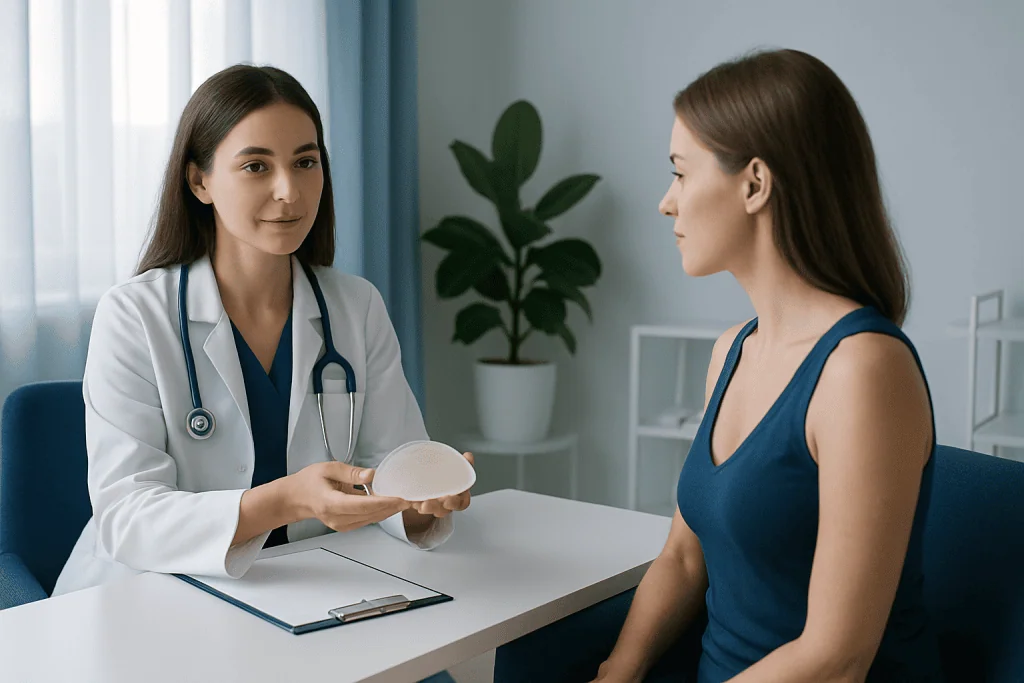
Breast implants are often better suited for people who want a clearer and more predictable increase in breast size. They are available in different shapes, sizes, and profiles, allowing the surgeon to tailor the result to the chest wall, breast width, and personal preference. For many patients, implants make it easier to achieve a larger change in one operation than fat transfer alone can usually provide.
Implants can also help create upper-breast fullness and define breast shape in a way that may be difficult with fat transfer, especially in very slim patients who do not have enough donor fat. In reconstructive or revision settings, implants may also play a role when there is a need to restore volume after previous surgery or to address more significant asymmetry.
That said, implants are medical devices and are not considered lifetime devices. They may eventually need monitoring, replacement, or removal depending on age, rupture, capsular contracture, shifting, or patient preference. A surgeon may also discuss techniques that complement augmentation, such as liposuction for body contouring, when this is relevant to the overall treatment plan.
- Can provide a larger and more predictable size increase
- Available in multiple sizes and shapes
- Useful for patients with little body fat
- May improve upper-pole fullness more effectively
- Can be helpful in selected reconstructive or revision cases
Cons, Risks, and Limitations of Each Option
Neither option is perfect for everyone. With fat transfer, the main limitation is volume. Most patients can expect a subtle to moderate increase rather than a dramatic enlargement. Some of the transferred fat will not survive, and repeat sessions may be needed to reach the desired result. There is also a risk of oil cysts, calcifications, contour irregularities, infection, bleeding, or uneven fat survival.
With implants, the trade-off for more volume is the presence of a device in the body. Potential concerns include capsular contracture, implant rupture or leakage, malposition, rippling, changes in sensation, and the possibility of future operations. Scars are usually more noticeable than with fat transfer because an incision is needed to place the implant.
Both approaches share general surgical risks, including anesthesia-related complications, delayed healing, asymmetry, and dissatisfaction if expectations are unrealistic. People with a strong tendency toward thick or raised scars should mention this during consultation, especially if they have a history of keloid scars. A careful discussion about breast screening, family history, smoking, and overall health is an important part of safe planning.
Best Candidates: Who May Benefit Most From Each
The best candidate for fat transfer is often someone who wants a modest increase in breast size, prefers a natural-tissue approach, and has enough donor fat in other body areas. Good skin quality, relatively mild asymmetry, and realistic expectations are important. People who are very lean may not have enough available fat, and those seeking a significantly larger breast size may be disappointed if they choose fat transfer alone.
Implants may suit people who want a larger or more clearly defined increase, especially if they have limited body fat or wish to create more upper-breast fullness. Implants can also be helpful when breast tissue is naturally sparse and the person wants a result that would be difficult to achieve through grafted fat alone. Breast anatomy, chest wall shape, nipple position, and skin elasticity all influence whether implants are likely to meet the goal.
Some patients may benefit from a combined or staged approach, depending on their anatomy and expectations. For example, a surgeon may discuss adding modest fat transfer around an implant in selected cases to soften contours or refine cleavage and edges. In people with other breast concerns, such as enlarged male breast tissue known as gynecomastia, treatment planning differs and should be individualized rather than compared directly with cosmetic female breast augmentation.
Consultation, Diagnosis, and Planning Before Surgery
A preoperative consultation usually includes a review of medical history, medications, previous surgeries, smoking status, weight stability, and personal goals. The surgeon examines breast size, symmetry, skin quality, chest wall shape, and the amount of available donor fat if fat transfer is being considered. Photographs and measurements often help guide planning.
Patients may also need breast imaging or age-appropriate breast screening depending on personal and family history, symptoms, and local practice standards. This is especially important for anyone with a breast lump, nipple discharge, unexplained pain, or a strong family history of breast disease. Cosmetic surgery should not replace proper breast evaluation when symptoms are present.
During planning, the surgeon explains likely outcomes, scars, recovery, and the possibility of additional procedures. Some people considering breast shape changes may also be reviewing other procedures such as breast reduction or body contouring. A good consultation focuses not only on what is possible, but also on what is appropriate and safe for that individual.
Recovery, Long-Term Care, and Self-Care
Recovery varies by technique and by the extent of surgery. After fat transfer, there are usually two sets of healing areas: the breasts and the liposuction donor sites. Swelling, bruising, and temporary soreness are common. After implant surgery, chest tightness, swelling, and discomfort are expected early on, and patients are advised to limit strenuous activity until cleared by their surgeon.
Self-care typically includes wearing recommended garments, taking prescribed medications as directed, caring for incisions, and avoiding nicotine. Smoking and nicotine exposure can interfere with blood flow and healing, which is especially important in fat transfer because newly placed fat depends on establishing a healthy blood supply. Weight stability also matters, since major weight changes can affect breast size after either procedure.
Long-term follow-up is important for both options. Fat transfer results may change somewhat as swelling settles and some fat is reabsorbed. Implants require continued surveillance over time, and patients should know the signs of possible complications. Near the end of decision-making, some international patients choose evaluation at centers such as Acibadem International, where multidisciplinary specialists in JCI-accredited hospitals diagnose and treat aesthetic breast concerns with individualized planning.
When to See a Doctor and How to Choose Between Them
A person should see a qualified plastic surgeon when considering breast enhancement, especially if they are unsure which method suits their body and goals. A medical review is also important if there are breast symptoms, a prior history of breast surgery, a family history of breast cancer, or concerns about healing and scarring. Decisions should be based on anatomy, safety, and realistic expectations rather than photos alone.
In general, fat transfer may be the better fit for patients who want subtle enhancement, softer contour changes, and a procedure that uses their own tissue. Implants may be the better fit for those seeking a larger size increase, more predictable volume, or more noticeable upper-breast fullness. The right answer is not universal; it is personal and should come from a careful discussion with an experienced surgeon.
Urgent medical attention is needed after surgery if there is severe pain, sudden swelling on one side, high fever, increasing redness, shortness of breath, or heavy bleeding. These symptoms do not always mean a serious problem, but they should be assessed promptly. Ongoing follow-up helps protect both safety and satisfaction with the final result.
Frequently asked questions
Which looks more natural: breast fat transfer or implants?
Both can look natural when carefully planned, but fat transfer often feels and behaves more like natural breast tissue because it uses the patient’s own fat. Implants can also look very natural, especially when size and shape are well matched to the chest and soft tissues.
Can breast fat transfer increase breast size as much as implants?
Usually no. Fat transfer is generally better for a subtle to moderate increase, while implants are better for a more noticeable change in size. The exact result depends on how much fat can be safely transferred and how much of it survives.
Do breast implants always need to be replaced?
Breast implants are not considered lifetime devices, so some patients will need replacement or removal at some point. The timing varies and depends on symptoms, implant condition, and personal preference. Regular follow-up with a surgeon is important.
Is fat transfer safer than implants?
Each option has its own risks rather than one being universally safer for everyone. Fat transfer avoids an implant device but involves liposuction and uncertainty about fat survival. Implants provide predictable volume but may require future monitoring or additional surgery.
Who is not a good candidate for breast fat transfer?
People who are very slim, do not have enough donor fat, or want a large size increase may not be ideal candidates for fat transfer alone. Smoking, unstable weight, and certain medical conditions can also affect suitability and healing.
Will breast imaging still be possible after augmentation?
Yes, but the radiology team should know about prior augmentation. Fat transfer and implants can both affect how the breasts appear on imaging, so routine breast screening and any recommended follow-up should continue under medical guidance.
References
- American Society of Plastic Surgeons
- U.S. Food and Drug Administration
- National Health Service
- International Society of Aesthetic Plastic Surgery
- American Society for Aesthetic Plastic Surgery
This article is for general information only and is not a substitute for professional medical advice. Please consult a qualified doctor about your individual situation.
Breast Fat Transfer in Turkey — costs, top hospitals & a free quote
JCI-accredited · board-certified surgeons · reply within 24h
Add us as a Preferred Source to see more of our trusted health content across Google Search, AI Overviews and Discover.
Check your numbers in seconds
BMI, calories, due date, blood pressure and 30+ more clinical calculators — free, instant, doctor-reviewed ranges.

Plastic, Reconstructive & Aesthetic Surgery
Reconstructive and aesthetic procedures for the face and body, performed by experienced surgeons.
35 specialists in this unitRelated Treatments
Related Conditions
More from the Health Library

Related Specialists
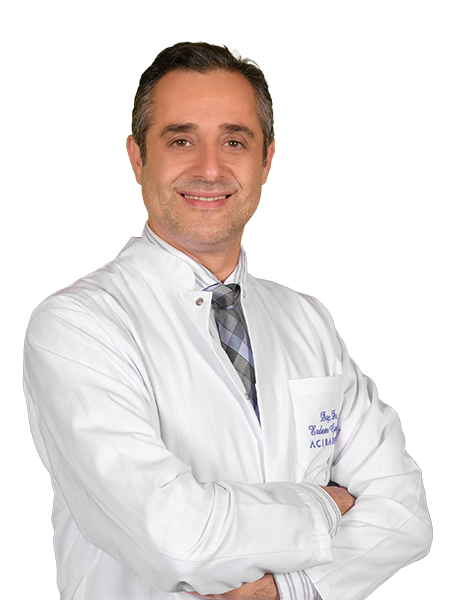
Assoc. Prof. Dr. Erdem Güven (m)
Aesthetic Plastic & Reconstructive Surgery
Prof. Dr. Şükrü Yazar
Aesthetic Plastic & Reconstructive Surgery
Prof. Dr. Hakan Ağır
Aesthetic Plastic & Reconstructive Surgery
Prof. Dr. Bülent Saçak
Aesthetic Plastic & Reconstructive Surgery