Can Eye Surgery Improve Vision? Your Treatment Options
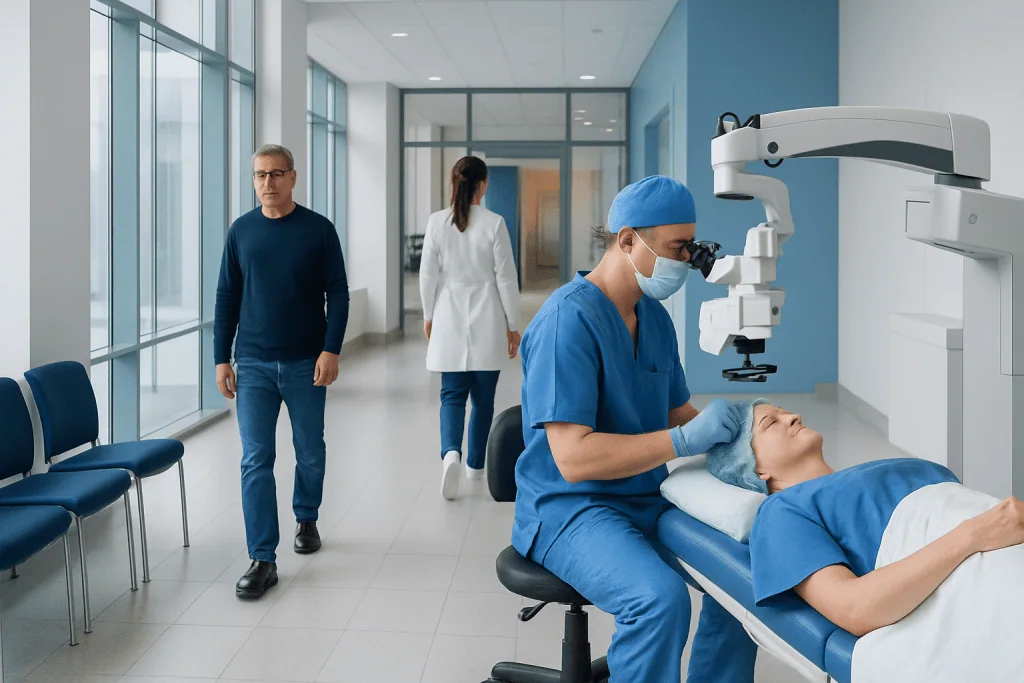
Eye surgery may improve vision by correcting refractive errors, replacing a cloudy lens, or treating certain eye diseases. Not everyone is a candidate for laser vision correction; corneal thickness, age, prescription stability, and eye health matter.
Key Takeaways
- Eye surgery may improve vision by correcting refractive errors, replacing a cloudy lens, or treating certain eye diseases.
- Not everyone is a candidate for laser vision correction; corneal thickness, age, prescription stability, and eye health matter.
- Common options include LASIK-type procedures, PRK, SMILE, and cataract surgery with lens replacement.
- A full ophthalmology assessment is needed to match the right procedure to the right patient.
- Recovery times, risks, and expected results vary by surgery type and by the condition being treated.
Eye surgery can improve vision in many cases, but the best option depends on the cause of blurred sight, overall eye health, and personal goals. A detailed eye examination helps determine whether laser vision correction, cataract surgery, or another treatment is likely to help.
Overview: Can eye surgery improve vision?
Eye surgery can improve vision for many people, but it is not a single treatment for every vision problem. Different procedures are designed for different causes of reduced sight. Some surgeries reshape the cornea to reduce dependence on glasses or contact lenses, while others remove a cloudy natural lens or treat an underlying eye condition.
In general, the answer is yes: eye surgery may improve vision when the reason for blurred or reduced sight is treatable. People with nearsightedness, farsightedness, astigmatism, or age-related lens changes may benefit from refractive or lens-based procedures. Others may need surgery for conditions such as cataracts or corneal disease rather than for routine vision correction.
The most suitable treatment depends on several factors, including age, eye anatomy, prescription strength, stability of vision, tear film quality, and general eye health. Expectations are also important. Some procedures can reduce the need for glasses, but they may not eliminate glasses in every situation.
A careful eye examination with an ophthalmologist helps clarify whether surgery is likely to improve sight, what level of improvement is realistic, and which option offers the safest and most effective result.
Who may benefit from eye surgery
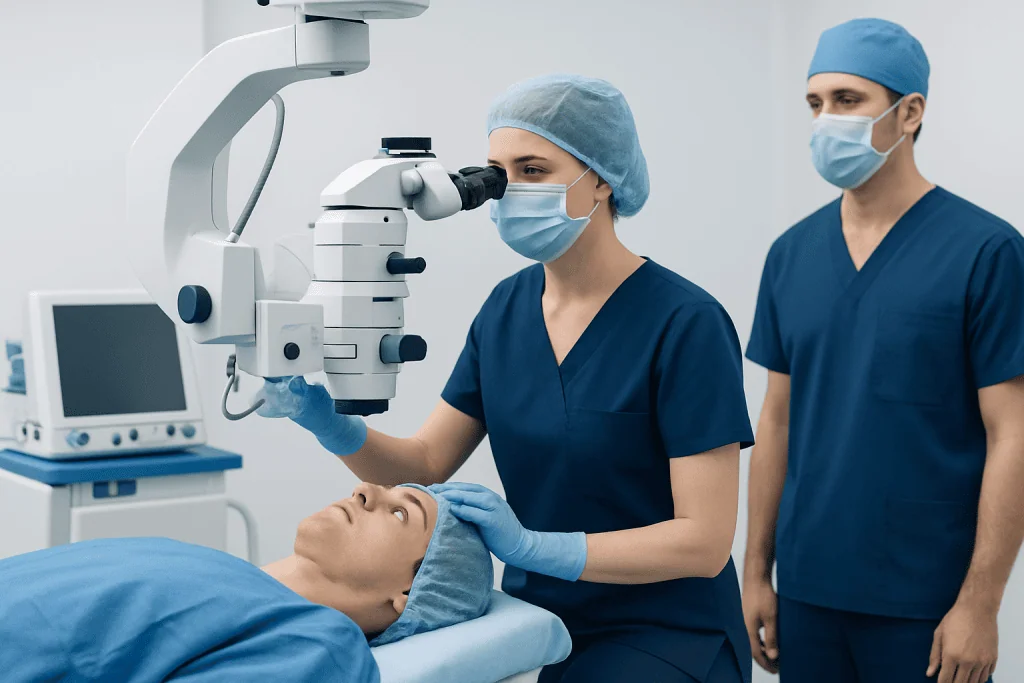
People often consider eye surgery when glasses or contact lenses feel inconvenient, when vision has become limited by cataracts, or when an eye condition is interfering with daily life. Surgical treatment may be considered for refractive errors such as myopia, hyperopia, and astigmatism, as well as for age-related focusing changes and lens clouding.
Laser vision correction is usually considered for adults whose glasses prescription has been stable for a period of time and whose eyes are otherwise healthy. Cataract surgery is more often recommended when lens clouding starts affecting reading, driving, work, or quality of life. Some patients may also benefit from corneal procedures or other specialized treatments depending on the diagnosis.
However, surgery is not suitable for everyone. Dry eye disease, thin or irregular corneas, uncontrolled diabetes, active eye inflammation, advanced glaucoma, retinal disease, or pregnancy-related vision fluctuations may affect timing or candidacy. In some situations, glasses, contact lenses, or medical treatment remain the safer choice.
Suitability is especially individual in younger patients and in those with complex eye conditions. When symptoms point to vision changes beyond the front of the eye, a specialist evaluation may be needed, including neuro-ophthalmology assessment if there is concern about the optic nerve or visual pathways.
Main treatment options for vision improvement
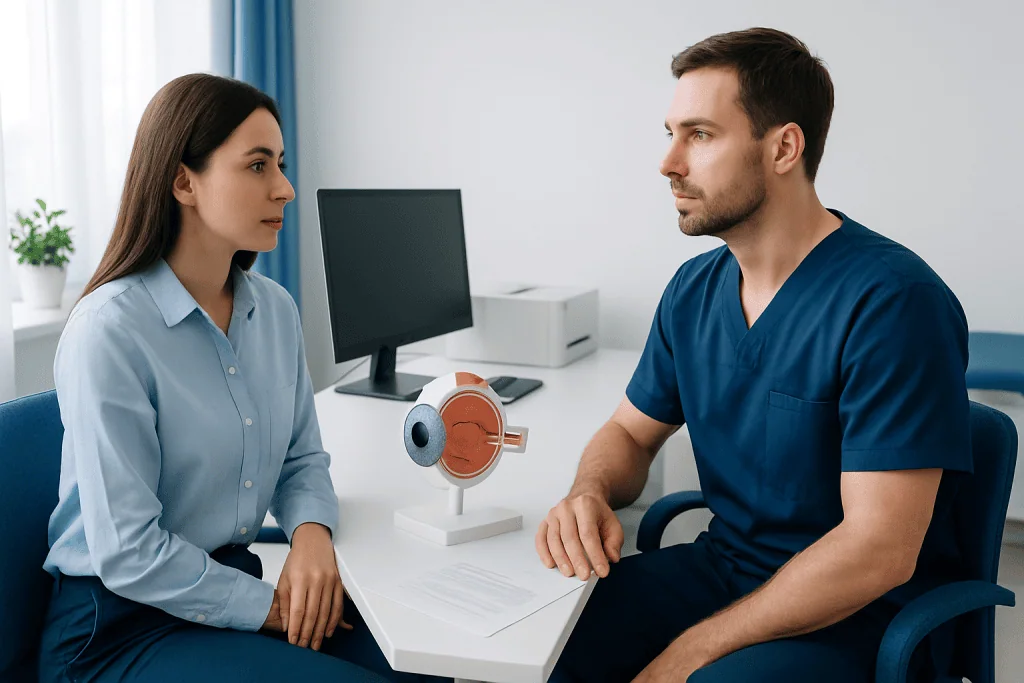
Several types of eye surgery can improve vision, and they work in different ways. Refractive laser procedures reshape the cornea so that light focuses more accurately on the retina. Lens-based procedures replace the eye’s natural lens to reduce blur caused by cataracts or high refractive error. Other surgeries treat specific diseases that interfere with clear sight.
Common laser options include LASIK-related techniques, surface procedures such as PRK, and small-incision approaches such as ReLEx SMILE. These are most often used to treat nearsightedness, astigmatism, and some cases of farsightedness. Each has its own advantages, recovery profile, and eligibility criteria.
Cataract surgery improves vision by removing the cloudy natural lens and replacing it with a clear artificial lens. This can restore clarity and may also reduce dependence on glasses, depending on the lens selected. For many adults, this is one of the most effective and commonly performed vision-restoring surgeries. Some patients may discuss options such as intraocular lens replacement or advanced lens choices when planning surgery.
Not all vision problems are corrected by elective vision correction surgery. If reduced sight is caused by corneal scarring, retinal disease, diabetic eye disease, or nerve-related problems, treatment focuses on that underlying condition. In those cases, improving vision may require a different procedure or a combination of medical and surgical care.
How doctors decide which procedure is right
Choosing the right eye surgery starts with a detailed eye exam. The ophthalmologist usually checks visual acuity, glasses prescription, corneal shape, corneal thickness, pupil size, tear film, eye pressure, lens clarity, and retinal health. These measurements help identify both candidacy and safety.
Medical history also matters. The doctor will ask about current medications, autoimmune disease, diabetes, prior eye problems, pregnancy, and symptoms such as dry eyes or night glare. A person’s work, hobbies, and visual priorities are important too. Someone who drives often at night may have different needs from someone mainly seeking freedom from reading glasses.
The choice of procedure is guided by what is causing the vision problem. For example, a healthy adult with stable myopia may be suitable for corneal laser treatment, while someone with lens clouding may benefit more from cataract surgery. A person with age-related near vision changes may be advised to consider presbyopia treatment strategies depending on the eyes and lifestyle.
The goal is not simply to recommend surgery, but to match the procedure to the individual. In some cases, the best recommendation may be to delay surgery, treat dry eye first, update glasses, or continue non-surgical management.
Benefits, risks, and realistic expectations
The main benefit of eye surgery is improved visual function. Many people see more clearly, rely less on glasses or contact lenses, and find everyday tasks easier after successful treatment. Cataract surgery can also improve color perception and reduce the hazy or dim appearance caused by a cloudy lens.
Still, every procedure has limits. Laser vision correction can reduce refractive error, but it does not stop normal aging changes in the eye. A person may still need reading glasses later in life, and some may continue to use glasses for certain tasks such as prolonged screen work or nighttime driving.
Possible risks vary by procedure and by the person’s eye health. They may include dry eye symptoms, glare or halos, undercorrection or overcorrection, infection, inflammation, flap-related issues in some laser procedures, corneal haze after surface treatments, or lens-related complications in cataract surgery. Serious complications are uncommon, but they are an important part of informed decision-making.
Good outcomes depend on careful patient selection, accurate measurements, experienced surgical planning, and appropriate follow-up. Clear discussion before surgery helps patients understand what improvement is likely, what side effects may happen temporarily, and what signs require prompt medical review.
Recovery and self-care after eye surgery
Recovery depends on the type of surgery performed. Some laser procedures allow functional vision to return quite quickly, while surface treatments may take longer for comfort and clarity to stabilize. After cataract surgery, many people notice clearer vision within days, although full healing and final focusing may take longer.
Doctors usually advise using prescribed eye drops exactly as directed, avoiding rubbing the eyes, and protecting the eyes from dust, water exposure, or accidental trauma during the early healing period. Sunglasses may improve comfort outdoors, and temporary restrictions on swimming, strenuous activity, or eye makeup are common after surgery.
It is normal to have some temporary blurriness, mild irritation, tearing, light sensitivity, or a scratchy sensation depending on the procedure. Follow-up visits are important because they allow the surgeon to monitor healing, check vision, and adjust aftercare if needed.
Self-care also includes realistic pacing. Eyes may need time to settle before final vision is reached. Patients should ask when it is safe to drive, return to work, exercise, travel, or resume contact lens use if applicable.
When to see a doctor and getting expert care
A person should arrange an eye examination if blurred vision, glare, halos, frequent prescription changes, difficulty reading, or reduced night vision is affecting daily life. A professional assessment is also important before considering any elective laser eye procedure, since not all blurry vision is caused by a problem that surgery can fix.
Urgent medical attention is needed for sudden vision loss, severe eye pain, flashes of light, a curtain-like shadow, marked redness, or symptoms after surgery that rapidly worsen. These symptoms do not always mean a serious problem, but they should be checked without delay.
Patients often benefit from care in a center where ophthalmologists can evaluate the cornea, lens, retina, and optic nerve together when needed. Acibadem International’s multidisciplinary specialists and JCI-accredited hospitals diagnose and treat eye conditions for international patients, with treatment plans based on individual eye findings and visual goals.
The best next step for anyone asking whether eye surgery can improve vision is a comprehensive exam. That visit helps answer the most important questions: what is causing the vision problem, whether surgery is appropriate, and which treatment is most likely to provide safe and meaningful improvement.
Frequently asked questions
Can eye surgery permanently improve vision?
Eye surgery can provide long-lasting vision improvement, but the result depends on the procedure and the reason for treatment. It does not stop normal age-related changes, so some people may still need glasses later or notice vision changes over time.
What is the best surgery for correcting vision?
There is no single best procedure for everyone. The right option depends on the person’s prescription, corneal shape and thickness, age, lens condition, dry eye status, and overall eye health.
Is laser eye surgery better than cataract surgery?
These surgeries treat different problems. Laser eye surgery usually corrects refractive errors in otherwise healthy eyes, while cataract surgery removes a cloudy lens and replaces it with an artificial one.
Can cataract surgery reduce the need for glasses?
Yes, cataract surgery can often reduce dependence on glasses, especially when lens selection is planned carefully. However, some people still need glasses for reading, detailed work, or certain distances.
Who is not a good candidate for laser vision correction?
People may not be suitable if they have unstable vision, very thin or irregular corneas, significant dry eye, active eye disease, certain autoimmune conditions, or uncontrolled diabetes. An ophthalmologist can determine candidacy after a detailed examination.
How long does recovery take after eye surgery?
Recovery time varies by procedure. Some people see well within a day or two after certain laser treatments, while others need longer for comfort and vision to stabilize; cataract surgery often improves vision within days, with healing continuing over several weeks.
This article is for general information only and is not a substitute for professional medical advice. Please consult a qualified doctor about your individual situation.
Eye Surgery in Turkey — costs, top hospitals & a free quote
JCI-accredited · board-certified surgeons · reply within 24h
Add us as a Preferred Source to see more of our trusted health content across Google Search, AI Overviews and Discover.

Ophthalmology
Comprehensive eye care from laser vision correction to retina, cornea and cataract surgery.
75 specialists in this unitRelated Treatments
More from the Health Library

Contact Lenses: Which Type Is Best for Your Vision Needs?
What Is LASIK Eye Surgery? A Beginner’s Guide

Premium vs Standard Lens Options in Cataract Surgery
Dry Eye Syndrome: Symptoms, Causes, and Relief Options

Does Insurance Cover LASIK? Coverage and Exceptions