

Does Liposuction Hurt? Pain During and After Surgery

Most people feel little or no pain during liposuction because local anesthesia, sedation, or general anesthesia is used. After surgery, soreness, swelling, bruising, and tenderness are common and often feel similar to intense muscle aches.
Key Takeaways
- Most people feel little or no pain during liposuction because local anesthesia, sedation, or general anesthesia is used.
- After surgery, soreness, swelling, bruising, and tenderness are common and often feel similar to intense muscle aches.
- Pain levels depend on the treatment area, the amount of fat removed, the technique used, and the individual’s pain tolerance.
- Following postoperative instructions, wearing compression garments, and taking prescribed medicines can make recovery more comfortable.
- Severe, worsening, or unusual pain should be assessed by a qualified surgeon because it may signal a complication.
Liposuction is usually not painful during the procedure because anesthesia is used, but some discomfort afterward is normal. Most people describe recovery pain as soreness, tightness, swelling, and bruising rather than sharp pain, and these symptoms usually improve steadily with proper aftercare.
Overview: How painful is liposuction?
When people ask, “does liposuction hurt,” they are usually thinking about two different stages: the procedure itself and the recovery afterward. In most cases, liposuction is not painful during surgery because the area is numbed with anesthesia or the person is asleep under general anesthesia. The goal is to keep the procedure safe and as comfortable as possible.
After surgery, it is normal to have some discomfort. Many patients describe it as soreness, pressure, stiffness, swelling, or bruising rather than severe pain. The sensation can feel similar to the tenderness that follows a hard workout, but it may be stronger in the first few days.
The overall experience varies from person to person. Pain tolerance, the size of the area treated, the amount of fat removed, and the surgical technique all play a role. For example, someone having a smaller area treated with arm liposuction may recover differently from someone having more extensive classic liposuction in multiple body areas.
What is felt during the procedure?
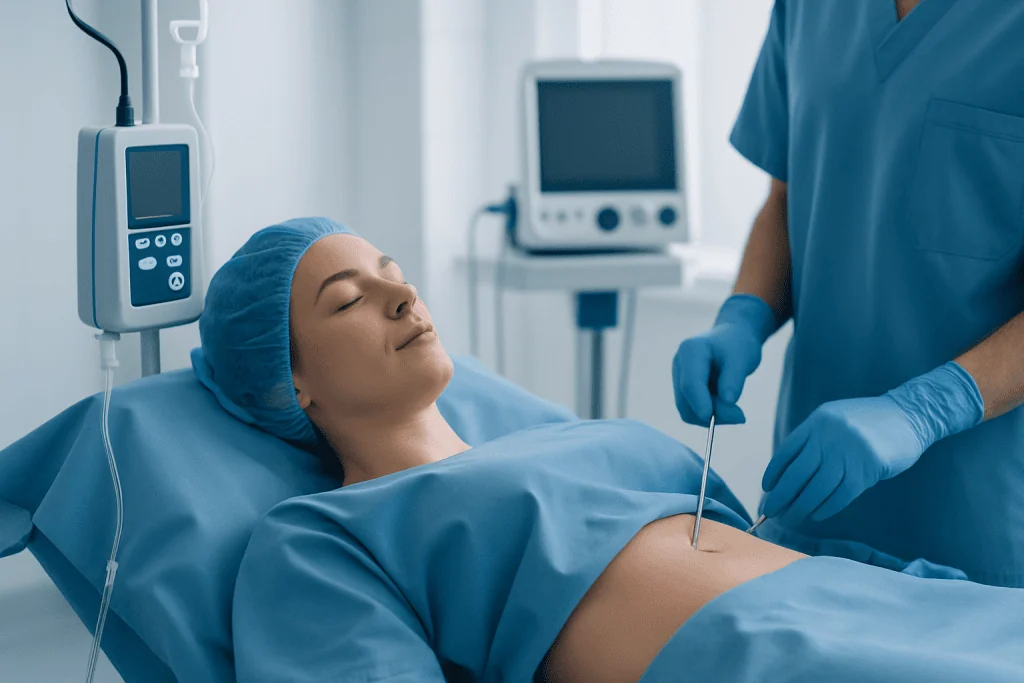
Liposuction can be performed using different forms of anesthesia. Depending on the body area, the expected extent of treatment, and the surgeon’s plan, a person may receive local anesthesia, sedation, or general anesthesia. Because of this, most patients do not feel pain during the actual fat removal.
With local anesthesia, the area is numbed thoroughly, but there may still be some sensations such as pressure, movement, vibration, or mild tugging. These feelings can seem unusual, but they are not usually described as painful. With sedation or general anesthesia, awareness of the procedure is reduced or absent.
Surgeons often use fluid infiltration techniques to help numb the area and reduce bleeding. This can also improve comfort after surgery. A detailed preoperative discussion helps patients understand what type of anesthesia is planned and what sensations are realistic to expect.
What does pain after liposuction feel like?

After liposuction, discomfort is common, especially in the first several days. Patients often describe the feeling as aching, burning, tenderness, swelling, numbness mixed with sensitivity, or tightness in the treated area. Bruising may also contribute to soreness.
It is also common for the area to feel firm or lumpy for a while as swelling settles. Some parts may feel more sensitive, while others may temporarily feel numb. These changes can happen because the tissues have been manipulated and need time to heal.
In many cases, discomfort begins to ease gradually within days, although swelling and tenderness can last longer. Recovery may be more noticeable if more than one area is treated, such as during broader body contouring procedures. Even then, symptoms should usually improve over time rather than become steadily worse.
- Common sensations: soreness, swelling, bruising, tightness, tenderness
- Less common but possible: temporary numbness, tingling, firmness
- Expected pattern: strongest in the early recovery period, then gradually improving
What affects how much liposuction hurts?
Several factors influence the level of discomfort after liposuction. One of the most important is the size and number of treatment areas. A small, localized procedure may lead to less postoperative pain than a larger procedure involving the abdomen, thighs, back, or multiple regions.
The amount of fat removed can also affect recovery. More extensive treatment may cause more swelling and soreness. In addition, different body regions feel different during healing. Areas that move often, such as the arms or abdomen, may feel more uncomfortable because daily movement can pull on healing tissues.
Personal factors matter too. Everyone experiences pain differently, and past surgeries, anxiety, sleep quality, and general health can influence recovery. Whether liposuction is done alone or combined with another aesthetic procedure may also change the healing experience. People considering reshaping after major weight loss, for example, may discuss options such as bariatric contouring with their surgeon.
Good surgical planning and realistic expectations are important. Liposuction is not a treatment for every body concern, and some contour concerns may overlap with conditions that need separate evaluation, such as gynecomastia in men with chest enlargement.
How is pain managed after liposuction?
Postoperative pain is usually managed with a combination of strategies. The surgeon may recommend or prescribe pain-relief medicine, and sometimes anti-inflammatory measures are also used when appropriate. It is important for patients to follow instructions exactly and avoid taking extra medicines unless the medical team approves them.
Compression garments are a key part of comfort for many patients. These garments help reduce swelling, support healing tissues, and may lessen the feeling of heaviness or motion-related soreness. Wearing them as directed can make a noticeable difference during recovery.
Gentle walking is often encouraged soon after surgery to support circulation and reduce stiffness. At the same time, strenuous exercise, heavy lifting, and intense stretching are usually limited until the surgeon says it is safe. Rest, hydration, and a balanced diet can also support healing.
- Take medications exactly as directed
- Wear compression garments for the recommended time
- Walk gently, but avoid intense activity early on
- Attend follow-up visits so the team can monitor healing
Recovery timeline: when does it start to feel better?
The first few days after liposuction are usually the most uncomfortable. During this period, swelling, bruising, drainage from small incision sites, and tenderness are often most noticeable. Many people begin to feel more comfortable as the first week progresses, although they may still feel sore and tired.
Over the next few weeks, discomfort usually decreases steadily. Some swelling and firmness may continue for longer, and it can take time for the final contour to become clearer. Temporary numbness or altered sensation may also take weeks or months to fully settle in some cases.
Recovery should not be judged only by pain. Energy level, mobility, swelling, and skin sensitivity all improve on their own timelines. A patient should always use the surgeon’s individual guidance rather than comparing their healing with someone else’s experience online or on social media.
When pain may be a warning sign
Some discomfort is expected after liposuction, but severe or unusual pain should not be ignored. Pain that is rapidly worsening instead of gradually improving may suggest that something needs medical review. The same is true if pain is accompanied by a high fever, spreading redness, significant warmth, bad-smelling drainage, shortness of breath, chest pain, or marked swelling on one side.
Persistent pain can sometimes have simple explanations, such as irritation from compression garments or increased activity too soon. However, only a qualified medical team can tell the difference between normal healing and a problem that needs treatment. It is always better to ask early than to wait.
People who have a history of abnormal scarring may also want to mention this before surgery, since healing concerns may influence postoperative care. For example, a tendency toward keloid scars may be relevant when discussing incision healing, even though liposuction incisions are usually small.
Reducing discomfort and preparing for a smoother recovery
Preparation can make recovery easier. Before surgery, patients should ask practical questions about anesthesia, expected discomfort, how long help at home may be needed, when they can return to work, and what symptoms should prompt a call to the clinic. Clear guidance helps reduce anxiety, which can itself make pain feel harder to manage.
Setting up a recovery space at home may also help. Easy access to water, medications, comfortable loose clothing, and pillows for support can make the first days less stressful. Planning ahead for transportation, meals, and childcare if needed is also useful.
Choosing an experienced surgical team matters as much as the procedure itself. Careful assessment, good technique, and structured aftercare all support comfort and safety. Near the end of the care journey, some international patients may choose centers such as Acibadem International, where multidisciplinary specialists in JCI-accredited hospitals evaluate and treat aesthetic concerns within a broader surgical care pathway, including cosmetic surgery options when appropriate.
Anyone considering liposuction should remember that the best source of advice is a qualified plastic surgeon who can explain the likely recovery based on the individual body area, health status, and treatment plan.
Frequently asked questions
Does liposuction hurt during surgery?
Usually, no. Liposuction is performed with anesthesia, so most people feel little to no pain during the procedure itself. Some may notice pressure or movement sensations, depending on the anesthesia type, but not significant pain.
Is liposuction recovery very painful?
Recovery is often uncomfortable rather than severely painful. Many patients describe soreness, bruising, swelling, and tightness that feel like strong muscle aches. The discomfort is usually strongest in the first few days and then improves gradually.
How long does pain last after liposuction?
The most noticeable discomfort often lasts several days to about one to two weeks, though this varies by person and by the size of the procedure. Swelling, tenderness, and firmness can continue longer even after pain has improved. Some numbness or altered sensation may take weeks or months to settle.
Which areas hurt the most after liposuction?
There is no single answer because pain varies by person, but areas that move frequently or were treated more extensively may feel more uncomfortable. The abdomen, flanks, thighs, and arms can feel sore during movement in the early recovery period. The amount of fat removed also affects the experience.
What helps reduce pain after liposuction?
Following the surgeon’s aftercare plan is the most important step. This usually includes taking prescribed medicines as directed, wearing compression garments, resting, staying hydrated, and doing only gentle activity at first. Patients should avoid strenuous exercise until their surgeon approves it.
When should someone worry about pain after liposuction?
A doctor should be contacted if pain is severe, suddenly worsening, or paired with symptoms such as fever, increasing redness, unusual drainage, chest pain, or shortness of breath. These are not typical signs of routine healing. Early medical advice is the safest approach.
References
- American Society of Plastic Surgeons
- NHS
- Mayo Clinic
- MedlinePlus
- U.S. Food and Drug Administration
This article is for general information only and is not a substitute for professional medical advice. Please consult a qualified doctor about your individual situation.
Explore treatments in Turkey — costs, top hospitals & a free quote
JCI-accredited · board-certified surgeons · reply within 24h
Add us as a Preferred Source to see more of our trusted health content across Google Search, AI Overviews and Discover.

Related Treatments
Related Conditions
More from the Health Library



Related Specialists

Assoc. Prof. Dr. Erdem Güven (m)
Aesthetic Plastic & Reconstructive Surgery
Prof. Dr. Şükrü Yazar
Aesthetic Plastic & Reconstructive Surgery
Prof. Dr. Hakan Ağır
Aesthetic Plastic & Reconstructive Surgery
Prof. Dr. Bülent Saçak
Aesthetic Plastic & Reconstructive Surgery