Neurosarcoidosis: Symptoms, MRI Findings, and How Diagnosis Is Confirmed

Neurosarcoidosis happens when inflammatory sarcoid granulomas involve the nervous system. Symptoms vary widely and may include facial weakness, headaches, vision changes, numbness, seizures, or balance problems.
Key Takeaways
- Neurosarcoidosis happens when inflammatory sarcoid granulomas involve the nervous system.
- Symptoms vary widely and may include facial weakness, headaches, vision changes, numbness, seizures, or balance problems.
- MRI can strongly suggest neurosarcoidosis, but it does not confirm the diagnosis by itself.
- Diagnosis is usually confirmed by biopsy from a more accessible affected organ, such as lymph nodes, skin, or lung, together with neurologic findings.
- Treatment often includes corticosteroids and other immune-modifying medicines, with close follow-up by neurology and related specialists.
Neurosarcoidosis is a form of sarcoidosis that affects the brain, spinal cord, cranial nerves, or peripheral nerves. Because its symptoms can resemble many other neurologic conditions, diagnosis usually depends on a careful combination of MRI findings, laboratory tests, and tissue biopsy when possible.
Overview
Neurosarcoidosis is an inflammatory condition in which sarcoidosis affects part of the nervous system. Sarcoidosis itself is a disease marked by clusters of inflammatory cells called granulomas. These granulomas can form in many organs, most often the lungs and lymph nodes, but in some people they also involve the brain, spinal cord, cranial nerves, meninges, or peripheral nerves.
This condition is considered uncommon, and it can be challenging to recognize because its symptoms are not specific. A person may first notice facial weakness, persistent headache, numbness, double vision, hearing changes, or balance problems. Others may develop symptoms related to inflammation around the brain or spinal cord, and some people already have known sarcoidosis elsewhere in the body before neurologic symptoms begin.
Neurosarcoidosis can affect one area of the nervous system or several at the same time. The severity ranges from mild symptoms that respond to treatment to more complex disease that needs long-term care. Although it can feel overwhelming, many people benefit from timely diagnosis, coordinated specialist care, and ongoing monitoring.
Symptoms of Neurosarcoidosis
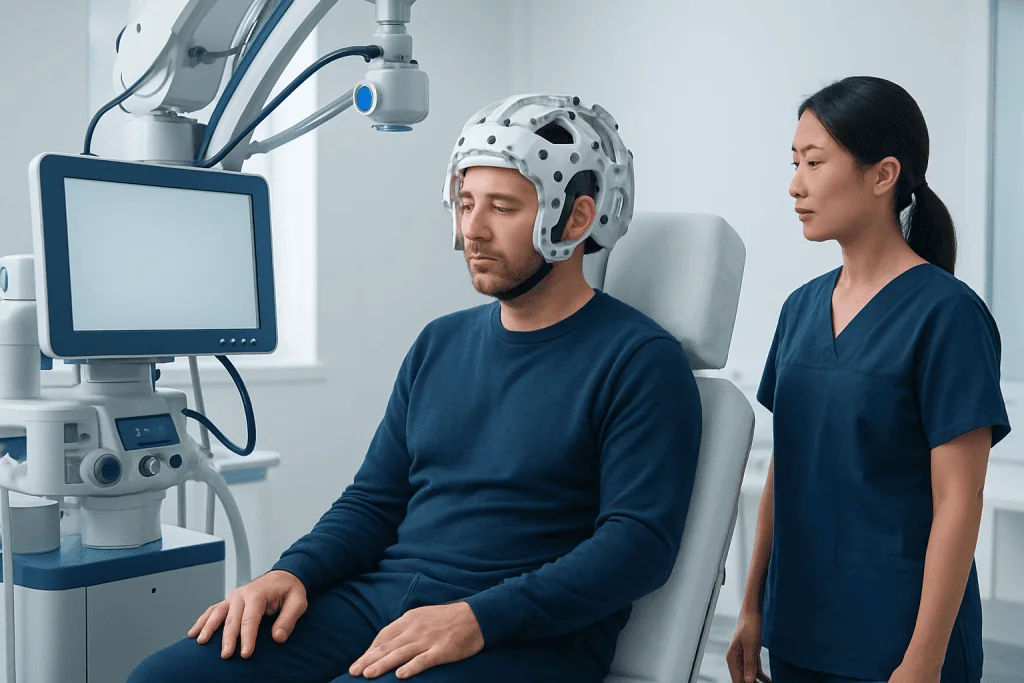
Neurosarcoidosis symptoms depend on which nerves or structures are inflamed. One of the best-known presentations is cranial nerve involvement, especially facial nerve weakness that may resemble Bell palsy. Vision changes can happen if the optic nerve or the pathways controlling eye movement are affected. Some people develop hearing loss, dizziness, or swallowing difficulties.
When the brain or its coverings are involved, symptoms may include headaches, confusion, memory problems, mood changes, seizures, or weakness. If the spinal cord is affected, a person may notice limb weakness, numbness, altered walking, or bowel and bladder difficulties. Peripheral nerve involvement can lead to pain, tingling, burning sensations, or muscle weakness in the arms or legs.
Because these symptoms overlap with many other neurologic disorders, they do not point to neurosarcoidosis on their own. Symptoms that need urgent medical review include a sudden severe headache, new seizures, fainting, sudden weakness on one side, or sudden speech difficulty, as these can also occur in emergencies such as stroke.
- Facial droop or facial numbness
- Blurred vision, eye pain, or double vision
- Headache or neck stiffness
- Numbness, tingling, or weakness in the limbs
- Balance problems or dizziness
- Seizures or changes in thinking and memory
Causes and Risk Factors

The exact cause of sarcoidosis, including neurosarcoidosis, is not fully understood. Experts believe it involves an abnormal immune response in a genetically susceptible person after exposure to one or more environmental triggers. This immune reaction leads to granuloma formation, which can disrupt the normal function of nerves and surrounding tissues.
Neurosarcoidosis does not appear to be contagious, and it is not caused by an injury. It may occur in people who have already been diagnosed with sarcoidosis in the lungs, skin, eyes, or lymph nodes, but in some cases neurologic symptoms are the first sign. A past history of systemic sarcoidosis can make clinicians more suspicious when new neurologic problems develop.
Risk factors for sarcoidosis in general may include family history and certain demographic patterns, but neurosarcoidosis can affect adults of different backgrounds. What matters most clinically is recognizing patterns that suggest inflammatory disease and carefully ruling out infections, autoimmune disorders, tumors, and other neurologic conditions that can look similar.
MRI Findings and Other Tests
MRI is one of the most important tools when neurosarcoidosis is suspected. MRI of the brain and, when needed, the spine can show inflammation in the meninges, cranial nerves, brain tissue, pituitary region, spinal cord, or nerve roots. Gadolinium contrast is commonly used because it helps highlight areas of active inflammation. Typical findings may include leptomeningeal enhancement, cranial nerve enhancement, hypothalamic or pituitary lesions, white matter abnormalities, or longitudinal spinal cord lesions.
Even when MRI findings are suggestive, they are not specific enough to confirm neurosarcoidosis by themselves. Similar imaging patterns can be seen with infections, multiple sclerosis, lymphoma, vasculitis, and other inflammatory disorders. For this reason, MRI is interpreted together with the clinical history, neurologic examination, and additional testing, often with help from specialists in neuroradiology.
Other tests may include blood work, cerebrospinal fluid analysis from a lumbar puncture, chest imaging, and studies to look for sarcoidosis in organs outside the nervous system. Cerebrospinal fluid may show signs of inflammation, such as elevated protein or increased white blood cells, but these findings are also not unique to neurosarcoidosis. Depending on symptoms, doctors may arrange eye exams, nerve conduction studies, hormone testing if the pituitary is involved, or focused evaluations through services such as neuroophthalmology or neurophysiology.
How Diagnosis Is Confirmed
Confirming neurosarcoidosis usually requires several steps rather than one single test. Doctors first consider the pattern of symptoms and MRI findings, then look for evidence of sarcoidosis elsewhere in the body. Because nervous system biopsy can be difficult or risky, the preferred approach is often to obtain tissue from a safer, more accessible site such as skin, lymph nodes, or lung if those areas appear involved.
Under the microscope, sarcoidosis typically shows noncaseating granulomas, after other causes of granulomatous inflammation have been excluded. This tissue confirmation, together with compatible neurologic symptoms and supportive MRI or cerebrospinal fluid findings, makes the diagnosis much stronger. Doctors also work to exclude infections such as tuberculosis and fungal disease, as well as cancer and other autoimmune conditions.
In clinical practice, specialists may describe the diagnosis as possible, probable, or definite neurosarcoidosis depending on how much objective evidence is available. Definite diagnosis generally requires nervous system tissue showing sarcoid granulomas, but many patients are diagnosed as probable neurosarcoidosis when there is strong neurologic evidence plus biopsy-proven sarcoidosis elsewhere. This is why careful assessment by a multidisciplinary team, including neuroimmunology expertise, is often important.
Treatment Options
Treatment aims to reduce inflammation, protect nerve function, and manage symptoms. Corticosteroids are often the first-line treatment because they can work relatively quickly. If symptoms are significant, if disease returns during steroid tapering, or if long-term steroid side effects are a concern, doctors may add other immune-modifying medicines. The exact plan depends on which parts of the nervous system are affected and how severe the disease is.
Some people also need treatment targeted to complications. For example, seizures may require anti-seizure medicine, hormone problems may need endocrine care, and neuropathic pain may be managed with pain-modifying medications. Rehabilitation may help if weakness, balance difficulty, or changes in daily function develop. Follow-up MRI scans and neurologic examinations are often used to monitor response.
Because this condition can resemble infection or other inflammatory neurologic diseases, treatment decisions should be individualized and guided by a specialist. In selected cases, doctors may need to reassess the diagnosis if symptoms do not improve as expected. At centers such as Acibadem International, multidisciplinary specialists in neurology, radiology, and immunology work in JCI-accredited hospitals to diagnose and treat neurosarcoidosis for international patients.
Prevention, Self-care, and Living With Neurosarcoidosis
There is no known way to prevent neurosarcoidosis because its exact cause is not fully established. However, self-care can play a meaningful role in managing symptoms and supporting overall health. Taking medicines as prescribed, keeping follow-up appointments, and reporting new neurologic symptoms early can help doctors adjust treatment before problems become more serious.
People living with neurosarcoidosis may benefit from practical steps such as pacing activity, protecting sleep, staying physically active within safe limits, and following advice from rehabilitation specialists. Those using long-term corticosteroids may also need monitoring for blood pressure, blood sugar, bone health, mood changes, and infection risk. Eye symptoms, headaches, or balance changes should not be ignored, especially if they are new or worsening.
Support from family, counseling, or patient groups can be helpful because chronic neurologic illness may affect work, concentration, mood, and daily confidence. It is also reasonable to ask the care team about vaccinations, bone protection, and plans for monitoring treatment side effects. A clear long-term plan often helps people feel more informed and reassured.
When to See a Doctor
A doctor should assess persistent or unexplained neurologic symptoms, especially if they occur in someone who already has sarcoidosis. Warning signs include facial weakness, unexplained vision loss, double vision, hearing changes, ongoing headache, limb weakness, numbness, imbalance, or seizures. Early evaluation can help identify whether symptoms are related to inflammation in the nervous system or another condition that needs treatment.
Urgent medical attention is needed for sudden weakness, trouble speaking, sudden severe headache, fainting, new seizures, rapidly worsening confusion, or loss of bladder and bowel control. These symptoms do not always mean neurosarcoidosis, but they can signal a neurologic emergency. Prompt assessment can be important both for diagnosis and for starting the right treatment quickly.
People who have already been diagnosed with neurosarcoidosis should contact their care team if symptoms return, medicines cause troublesome side effects, or new body systems become involved. Regular follow-up remains important even when symptoms improve, because treatment often needs adjustment over time.
Frequently asked questions
What is neurosarcoidosis?
Neurosarcoidosis is sarcoidosis that affects the nervous system, including the brain, spinal cord, cranial nerves, or peripheral nerves. It happens when inflammatory granulomas interfere with normal nerve function.
What are common neurosarcoidosis symptoms?
Symptoms vary by the area involved and may include facial weakness, headache, numbness, weakness, vision problems, balance difficulty, or seizures. Some people also develop memory changes, hearing problems, or bladder symptoms if the spinal cord is affected.
Can MRI confirm neurosarcoidosis?
MRI can strongly support the diagnosis, especially when it shows meningeal, cranial nerve, brain, or spinal cord inflammation. However, MRI alone cannot confirm neurosarcoidosis because other conditions can produce similar findings.
How is neurosarcoidosis diagnosis confirmed?
Diagnosis is usually confirmed by combining neurologic symptoms and test results with biopsy evidence of sarcoidosis. When possible, doctors prefer biopsy from a safer site outside the nervous system, such as lymph nodes, skin, or lung.
Is neurosarcoidosis treatable?
Yes, neurosarcoidosis is treatable, and many people improve with anti-inflammatory or immune-modifying treatment. The treatment plan often includes corticosteroids and may involve other medicines if symptoms are severe, recurrent, or long-lasting.
Is neurosarcoidosis the same as multiple sclerosis?
No, they are different conditions, although they can sometimes look similar on symptoms and imaging. Doctors use MRI, laboratory testing, spinal fluid studies, and biopsy findings to help tell them apart.
References
- National Institute of Neurological Disorders and Stroke
- National Organization for Rare Disorders
- American Academy of Neurology
- National Heart, Lung, and Blood Institute
- Merck Manual Professional Edition
This article is for general information only and is not a substitute for professional medical advice. Please consult a qualified doctor about your individual situation.
Neurosarcoidosis in Turkey — costs, top hospitals & a free quote
JCI-accredited · board-certified surgeons · reply within 24h
Add us as a Preferred Source to see more of our trusted health content across Google Search, AI Overviews and Discover.

Neurology
Diagnosis and treatment of disorders of the brain, spinal cord, nerves and muscles.
51 specialists in this unit