

Rosacea: Facial Redness, Triggers, and Long-Term Control

Rosacea is chronic but manageable; symptoms often improve with consistent skin care and medical treatment. Common triggers include sun exposure, heat, alcohol, spicy foods, stress, and harsh skin products, but triggers vary from person to person.
Key Takeaways
- Rosacea is chronic but manageable; symptoms often improve with consistent skin care and medical treatment.
- Common triggers include sun exposure, heat, alcohol, spicy foods, stress, and harsh skin products, but triggers vary from person to person.
- Rosacea can look like acne, allergy, eczema, or lupus, so a dermatologist’s diagnosis is important.
- Treatment may include gentle skin care, daily sunscreen, topical medicines, oral medications, and laser or light-based procedures.
- Eye symptoms such as burning, dryness, redness, or swollen eyelids should be assessed because ocular rosacea may need specific care.
Rosacea is a common long-term skin condition that causes facial redness, flushing, visible blood vessels, bumps, and sometimes eye irritation. With the right diagnosis, trigger management, and individualized treatment, many people can keep symptoms well controlled.
Overview
Rosacea is a chronic inflammatory skin condition that most often affects the central face, including the cheeks, nose, chin, and forehead. It commonly causes repeated flushing, persistent redness, visible small blood vessels, and acne-like bumps. Some people also develop burning, stinging, skin dryness, thickened skin, or eye symptoms. Although rosacea is not contagious and is not caused by poor hygiene, it can be frustrating because it tends to flare and settle over time.
The condition is most often seen in adults, but it can affect people of different ages and skin types. In lighter skin, redness may be more obvious. In darker skin tones, rosacea may appear as warmth, swelling, bumps, skin sensitivity, or areas of darker discoloration rather than bright redness. Because signs can be subtle or resemble other conditions, rosacea may be under-recognized in people with darker skin.
Rosacea is not usually dangerous, but it can affect comfort, confidence, and quality of life. The good news is that modern treatment focuses on long-term control. A combination of trigger awareness, gentle daily skin care, sun protection, and dermatologist-guided therapy can reduce flares and help protect the skin barrier.
Symptoms and Types of Rosacea
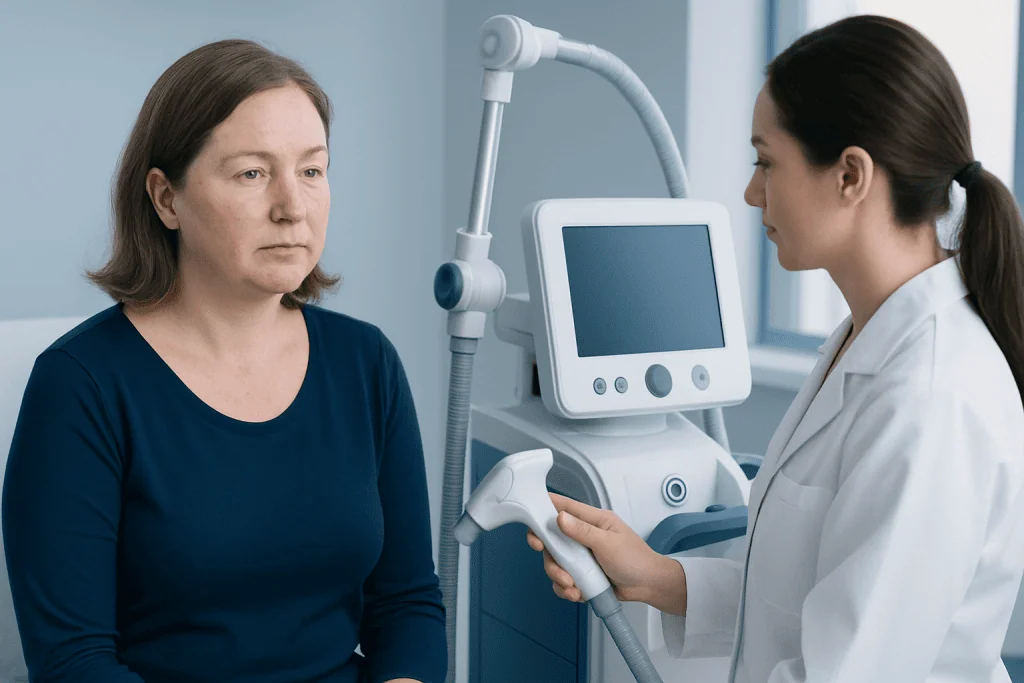
Rosacea symptoms vary from person to person. Some people mainly experience flushing and redness, while others have bumps, thickened skin, or eye irritation. Symptoms may appear gradually, and flares can last from hours to weeks depending on triggers, skin sensitivity, and treatment. The condition is often described by its main features rather than as one single pattern.
Common signs and symptoms include:
- Frequent facial flushing or a feeling of heat in the face
- Persistent redness or discoloration across the cheeks, nose, chin, or forehead
- Visible small blood vessels, sometimes called telangiectasia
- Red bumps or pus-filled spots that may resemble acne
- Burning, stinging, tightness, dryness, or swelling
- Thickened skin, especially around the nose in some long-standing cases
- Eye symptoms such as dryness, grittiness, redness, light sensitivity, or swollen eyelids
Ocular rosacea can occur with or without obvious skin symptoms. It may cause irritated eyes, recurrent styes, crusting around the eyelashes, or a sensation of sand in the eyes. Any persistent eye redness, discomfort, vision change, or light sensitivity should be checked by a doctor, as eye involvement may require coordinated care between dermatology and ophthalmology.
Causes and Risk Factors
The exact cause of rosacea is not fully understood. Research suggests that several factors may contribute, including an overactive immune response in the skin, changes in facial blood vessels, skin barrier sensitivity, genetics, and interactions with normal skin microorganisms. Microscopic Demodex mites, which live on many people’s skin, may play a role in some cases, but their presence alone does not mean a person has rosacea.
Rosacea tends to run in families for some people, suggesting a genetic tendency. It is more commonly diagnosed in adults and may be more visible in fair skin, but it can occur in all skin tones. People with naturally sensitive skin, frequent flushing, or a history of sun-damaged skin may be more prone to symptoms. Certain medical conditions that affect flushing or inflammation may also overlap with rosacea, which is why professional evaluation is helpful.
It is important to understand that rosacea is not caused by unclean skin, and scrubbing the face can make symptoms worse. Harsh cleansers, exfoliating acids, abrasive devices, and irritating cosmetics can weaken the skin barrier and increase stinging or redness. A supportive approach aims to calm the skin, avoid known irritants, and treat inflammation in a measured way.
Common Triggers and Flare Management
A trigger is anything that makes rosacea symptoms worse in a particular person. Triggers do not cause rosacea by themselves, but they can increase flushing, inflammation, or skin sensitivity. Common triggers include sunlight, hot weather, wind, cold exposure, hot drinks, spicy foods, alcohol, intense exercise, emotional stress, saunas, and certain skin care products. However, each person’s pattern is different, and not everyone needs to avoid every possible trigger.
Keeping a simple symptom diary for several weeks can help identify patterns. A person may note foods, drinks, weather exposure, exercise, stress levels, skin products, and symptom changes. This approach is often more useful than making very restrictive lifestyle changes. The aim is to find practical adjustments that reduce flares without unnecessarily limiting daily life.
Helpful flare-management steps may include seeking shade, using a broad-spectrum sunscreen daily, choosing lukewarm rather than hot water for washing, and cooling the face gently during heat-related flushing. After exercise, a cool environment and hydration may help the skin settle. If stress is a trigger, breathing exercises, regular sleep, and gentle physical activity can support overall well-being, although they do not replace medical treatment when symptoms are persistent.
Diagnosis
Rosacea is usually diagnosed through a medical history and physical examination of the skin. A dermatologist will look for patterns such as facial flushing, persistent redness, visible blood vessels, inflammatory bumps, skin thickening, and eye symptoms. The doctor may ask about triggers, skin care habits, medications, sun exposure, and any family history of similar symptoms.
There is no single routine blood test that confirms rosacea. In some cases, tests may be used to rule out other conditions that can resemble it, such as acne, seborrheic dermatitis, contact dermatitis, eczema, lupus, perioral dermatitis, or medication-related flushing. If eye symptoms are present, an eye examination may be recommended to assess the eyelids, tear film, and surface of the eye.
A careful diagnosis is especially important because treatments differ between conditions. For example, acne therapies that are too drying may irritate rosacea-prone skin, while steroid creams used without guidance can worsen rosacea-like eruptions. A personalized assessment helps match treatment to the dominant features, such as redness, bumps, sensitivity, thickened skin, or ocular symptoms.
Treatment Options
Rosacea treatment is tailored to the person’s symptoms and skin sensitivity. For many people, the foundation is gentle skin care and daily sun protection. A mild, fragrance-free cleanser, a barrier-supporting moisturizer, and a broad-spectrum sunscreen can reduce irritation and improve tolerance of medical treatments. Mineral sunscreens containing zinc oxide or titanium dioxide may be better tolerated by some sensitive skin types, but the best sunscreen is one the person can use consistently.
Prescription topical treatments may be recommended for redness, bumps, or inflammation. Depending on the presentation, a dermatologist may prescribe anti-inflammatory gels, creams, or lotions, or medications that temporarily reduce facial redness by acting on superficial blood vessels. For more persistent inflammatory bumps, oral anti-inflammatory antibiotics may be used for a limited period under medical supervision. Severe or resistant cases may require other specialist treatments.
Laser and light-based therapies can help some people with persistent redness and visible blood vessels. These procedures target abnormal superficial vessels and may reduce background redness over a series of sessions. They are not suitable for everyone, and results vary, so an experienced clinician should assess skin type, treatment goals, risks, and aftercare. Thickened skin, particularly around the nose, may sometimes be treated with procedural techniques to reshape excess tissue.
Ocular rosacea may require eyelid hygiene, lubricating eye drops, prescription medicines, or ophthalmology care. People should avoid using leftover antibiotic or steroid eye drops without medical advice. Because rosacea is long-term, treatment success is usually measured by fewer flares, calmer skin, and better comfort rather than a permanent cure.
Prevention and Daily Skin Care
While rosacea cannot always be prevented, flares can often be reduced with consistent daily habits. The skin barrier in rosacea is often sensitive, so less is usually more. A simple routine may include a gentle cleanser once or twice daily, a non-irritating moisturizer, and sunscreen every morning. New products should be introduced one at a time, ideally with a small patch test, so it is easier to identify irritation.
People with rosacea-prone skin may benefit from avoiding products that contain fragrance, alcohol-heavy toners, menthol, camphor, harsh scrubs, and strong exfoliating acids unless a dermatologist recommends them. Makeup can be used if tolerated; green-tinted primers or non-comedogenic mineral products may help neutralize redness for some people. Removing makeup gently at the end of the day is important to prevent irritation.
Sun protection is one of the most important long-term measures. This includes broad-spectrum sunscreen, hats, sunglasses, shade, and avoiding peak sun exposure when possible. For weather-related flares, a scarf in cold wind or cooling measures in heat may help. Self-care should feel realistic and sustainable; overly strict routines can become stressful and may not improve outcomes.
When to See a Doctor
A person should consider seeing a dermatologist if facial redness, flushing, bumps, burning, or skin sensitivity persists, recurs, or affects daily life. Early assessment can help confirm the diagnosis, reduce unnecessary product use, and prevent worsening irritation. Medical advice is also important if symptoms do not improve with gentle skin care or if over-the-counter products seem to make the skin more reactive.
Prompt medical evaluation is recommended for eye symptoms such as persistent redness, dryness, pain, light sensitivity, recurrent styes, or any change in vision. A doctor should also assess rapid swelling, a new rash that spreads beyond the face, or symptoms that may suggest another medical condition. People should avoid self-treating with topical steroid creams unless specifically prescribed, as they can aggravate rosacea in some cases.
For international patients seeking evaluation, Acibadem International’s multidisciplinary specialists and JCI-accredited hospitals can diagnose and treat dermatologic conditions such as rosacea, including coordination with eye care when needed. As with any chronic condition, the best plan is individualized and should be discussed with a qualified healthcare professional.
Frequently asked questions
Is rosacea the same as acne?
No. Rosacea can cause red bumps and pus-filled spots that look like acne, but it is a different condition with different triggers and treatments. Blackheads are typical of acne and are not a usual feature of rosacea. A dermatologist can help distinguish between the two and choose treatments that do not irritate sensitive skin.
Can rosacea be cured permanently?
Rosacea is considered a chronic condition, so it may not be permanently cured. However, many people achieve good long-term control with trigger management, gentle skin care, sun protection, and appropriate medical treatment. Symptoms often improve when a consistent plan is followed.
What foods should people with rosacea avoid?
There is no universal rosacea diet. Spicy foods, hot drinks, and alcohol can trigger flushing in some people, but not everyone reacts the same way. A symptom diary can help identify personal triggers without unnecessary food restrictions.
Is sunscreen really necessary for rosacea?
Yes. Sun exposure is one of the most common rosacea triggers and can worsen redness and sensitivity. Daily broad-spectrum sunscreen, along with hats and shade, is an important part of long-term control. People with sensitive skin may need to try different formulas to find one they tolerate well.
Can rosacea affect the eyes?
Yes. Ocular rosacea can cause dry, gritty, red, or irritated eyes and may also lead to swollen eyelids or recurrent styes. Eye symptoms should be assessed by a healthcare professional, especially if there is pain, light sensitivity, or vision change.
Are laser treatments safe for rosacea redness?
Laser and light-based treatments can be helpful for visible blood vessels and persistent redness in suitable candidates. Safety and results depend on skin type, the device used, the clinician’s experience, and aftercare. A dermatologist should assess whether this option is appropriate.
Can skin care products make rosacea worse?
Yes. Fragranced products, harsh scrubs, strong exfoliants, alcohol-heavy toners, and some anti-aging products can irritate rosacea-prone skin. A simple routine with gentle cleanser, moisturizer, and sunscreen is often better tolerated. Prescription treatments should be introduced as directed by a doctor.
References
- American Academy of Dermatology Association
- National Rosacea Society
- British Association of Dermatologists
- Mayo Clinic
- European Academy of Dermatology and Venereology
This article is for general information only and is not a substitute for professional medical advice. Please consult a qualified doctor about your individual situation.
Rosacea in Turkey — costs, top hospitals & a free quote
JCI-accredited · board-certified surgeons · reply within 24h
Add us as a Preferred Source to see more of our trusted health content across Google Search, AI Overviews and Discover.

Related Treatments
Related Conditions
More from the Health Library


Related Specialists
Prof. Dr. Sedef Şahin
Dermatology
Prof. Dr. Şükrü Yazar
Aesthetic Plastic & Reconstructive Surgery
Prof. Dr. Emel Öztürk Durmaz
Dermatology
Prof. Dr. Özlem Dicle
Dermatology