CoolSculpting
CoolSculpting is a non-surgical body contouring treatment that uses controlled cooling to reduce stubborn fat pockets. It is designed for localized fat reduction, not weight loss.
Quick answer
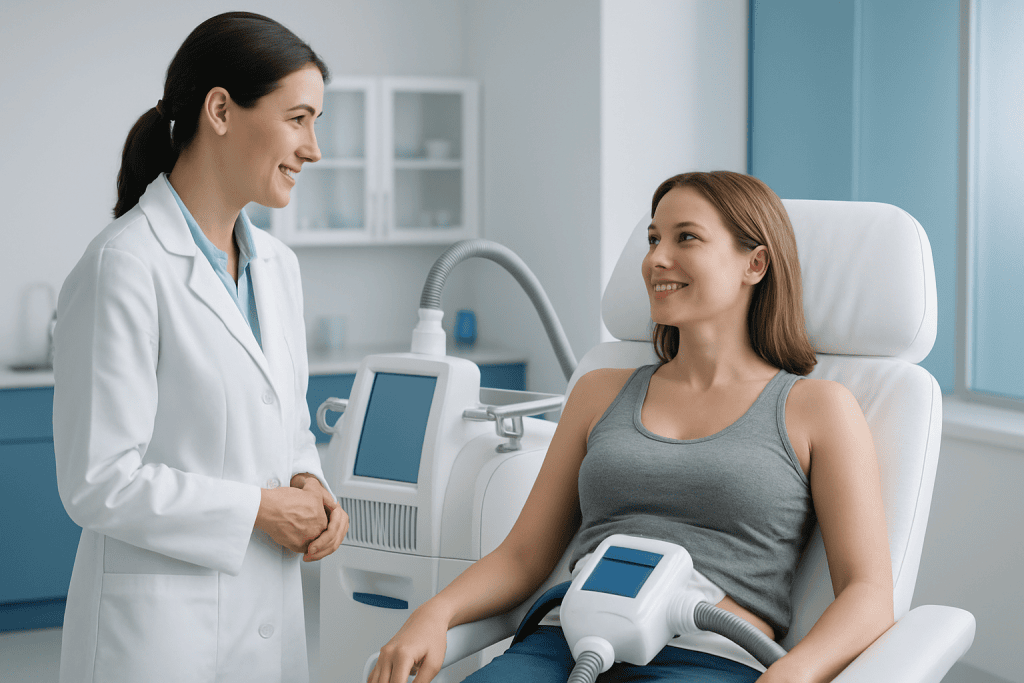
CoolSculpting is a non-surgical fat reduction treatment that uses controlled cooling, a process called cryolipolysis, to reduce localised, pinchable fat beneath the skin. An applicator cools the targeted fat layer; the damaged fat cells are then gradually cleared by the body over weeks to months. It suits adults near a stable weight with specific stubborn areas. It involves little downtime and is not a weight-loss treatment.
CoolSculpting: Non-Surgical Fat Reduction for Stubborn, Pinchable Fat
CoolSculpting is a non-surgical fat reduction treatment that uses controlled cooling, a process called cryolipolysis, to reduce localised pockets of pinchable fat beneath the skin. There are no incisions, no cannulas, no general anaesthesia and no stitches. It is designed for adults who are already close to a stable weight but carry a specific bulge, at the abdomen, flanks, thighs, upper arms, back or under the chin, that has not responded to consistent diet and exercise. It is not a weight-loss treatment, and it is not a substitute for healthy habits.
Many people who consider CoolSculpting are already attentive to their health. You may exercise regularly, eat carefully and hold a stable weight, yet still notice areas of fat that do not change in the way you expected. These pockets can affect how clothing fits, how balanced the body looks and how comfortable you feel in photographs or social settings. Often the pattern is genetic: the body simply prefers to store fat in one place, and no amount of extra training changes where that storage happens.
You will see the name written two ways. CoolSculpting is the brand name of the device-based treatment; cool sculpting, with a space, is simply the form many people type into a search engine. Both refer to the same cryolipolysis procedure, and everything on this page applies equally to both spellings.
If you are weighing up treatment, the questions multiply. Is the treatment right for your body? How much downtime should you plan for? Will the result look natural? Will the team evaluate you honestly, or simply perform a procedure because you asked for one? These are reasonable concerns, and the answer to all of them starts in the same place: a careful assessment. A skilled clinician should first establish whether the area you dislike is caused by subcutaneous fat, loose skin, muscle separation, swelling, posture, visceral fat or a combination of these. In some cases CoolSculpting is a sensible option. In others, a different plan is safer or more effective. At Acibadem, the focus is on matching the treatment to the individual, using a medical evaluation, body contour analysis and realistic planning before any procedure is recommended.
What Is CoolSculpting?
CoolSculpting is a body contouring treatment that reduces the thickness of a selected fat pocket by cooling it in a controlled way. The goal is not immediate weight reduction. Instead, the treatment aims to create a gradual decrease in localised fat thickness and a more refined contour in the treated area. Because the body removes the affected fat cells slowly, results typically develop over several weeks and may continue to become more visible over a few months. The final appearance depends on the treated area, the amount and quality of fat, skin elasticity, body composition and your lifestyle after treatment.
What is cryolipolysis and how does it work?
Cryolipolysis means controlled cooling of fat tissue, and it works because fat cells are more sensitive to cold than many of the tissues around them. During treatment, a specialised applicator delivers carefully regulated cooling to the targeted fat layer beneath the skin. That cooling injures selected fat cells while sparing the skin surface and surrounding structures as far as possible. Over the following weeks, the body’s own clearing processes gradually break down and remove the damaged fat cells. Nothing is cut, suctioned or injected; the change happens through the body’s natural response to the cold exposure.
Modern cryolipolysis systems use applicators of different shapes and sizes to match different body areas, from a curved flank to the small space under the chin. Integrated sensors monitor temperature and tissue contact so that cooling stays within defined treatment parameters. The technology is genuinely important, but it does not replace clinical skill. Accurate applicator placement, sensible applicator choice, protection of the skin and careful treatment mapping all influence both safety and the final contour. Two clinics using identical machines can produce very different results.
Does CoolSculpting really work?
For a well-selected patient treating a suitable area, CoolSculpting can visibly reduce the thickness of a localised fat pocket, but the honest answer has conditions attached. The change is gradual, developing over weeks rather than days. It is modest compared with surgical fat removal, and it varies from person to person. It works on soft, pinchable subcutaneous fat that an applicator can reach; it does not work on deep abdominal fullness, loose skin or a bulge caused by muscle separation, because none of those are subcutaneous fat. The real question at your consultation is not whether the device cools fat, it does, but whether your particular bulge is the kind of fat the device can treat. When the answer is no, a responsible clinician says so and discusses alternatives.
What CoolSculpting does not do
Understanding the limits of the treatment matters as much as understanding its mechanism. CoolSculpting does not:
- Treat obesity or replace medical weight management when overall body weight is the main concern.
- Remove visceral fat: the deep internal fat that sits around the organs inside the abdomen.
- Tighten skin in any meaningful way; it is primarily a fat reduction method, not a skin treatment.
- Correct significant muscle laxity or abdominal muscle separation after pregnancy.
- Reliably improve the dimpled texture of cellulite, which has causes beyond fat volume alone.
- Match the degree of fat removal that liposuction can achieve in a single session.
CoolSculpting may improve the contour of an area, but it should be seen as one part of a broader body-shaping plan rather than a complete replacement for weight management, surgery or lifestyle care when those are what the anatomy actually needs.
Who Is a Good Candidate for CoolSculpting?
CoolSculpting may suit adults who are close to their desired weight but have localised fat deposits that persist despite diet and exercise. The best candidates can usually point to or pinch a specific area, rather than describing a general wish to lose weight all over. They typically have a stable body weight, realistic expectations, and enough skin elasticity for the treated area to settle smoothly as fat volume decreases. Skin that has already been stretched by significant weight change or pregnancy may not retract as well once the fat beneath it shrinks.
Common concerns that bring patients to a consultation include fullness at the lower abdomen, love handles at the sides of the waist, fat at the inner or outer thighs, small bulges at the bra line or back, fullness under the chin, or upper arm fullness that resists exercise. Some patients seek treatment after pregnancy, weight fluctuation or age-related changes in fat distribution. Others have always had a genetic tendency to store fat in one particular place, whatever their overall weight.
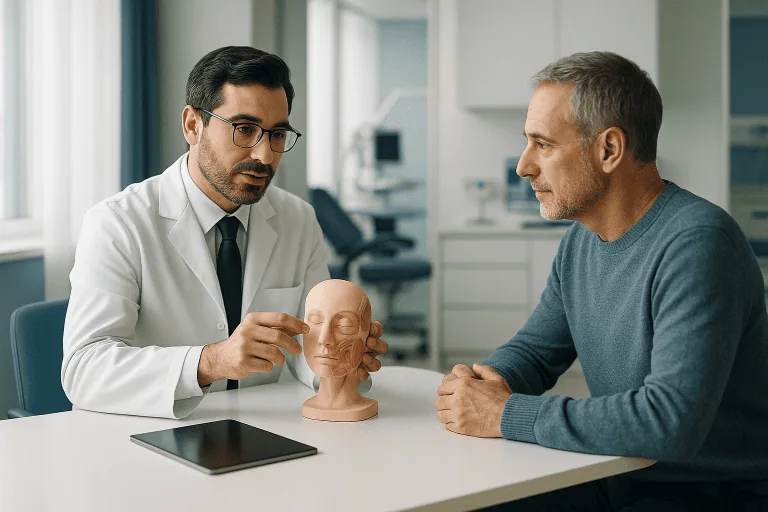
The plan begins with a consultation. The clinician reviews your medical history, current medicines, previous surgeries, weight history, pregnancy plans, skin quality and expectations. The area is examined while you stand and, where useful, in other positions, because this helps distinguish fat from loose skin, muscle bulging or deeper abdominal fullness. Standardised photographs are usually taken. They are not decoration: they support objective planning and give you and the clinician a fair baseline for comparing changes later.
Who should not have cryolipolysis?
Some people should not have this treatment at all. Cryolipolysis is contraindicated in certain cold-related medical conditions, including cryoglobulinaemia, cold agglutinin disease and paroxysmal cold haemoglobinuria, because exposure to cold can trigger harmful reactions in these disorders. Patients with active skin disease or open wounds in the treatment zone, a significant hernia in the area, severe nerve sensitivity, certain circulatory problems or recent surgery at the site may need to delay treatment or choose another option entirely. Pregnancy is generally not a time for elective body contouring. Declaring your full medical history honestly, including anything that seems unrelated, is the simplest way to keep the treatment safe.
What are the alternatives if CoolSculpting is not right for you?
A responsible evaluation always includes alternatives. If the main concern is substantial loose skin, a surgical procedure may offer a more predictable improvement than any fat-reduction device. If the real issue is overall body weight, a medically supervised weight management plan is usually more appropriate before any body contouring. If cellulite texture bothers you, CoolSculpting alone will not address the dimpling. If you want a larger, single-stage change, liposuction may be the better-matched option. The right recommendation follows from the anatomy behind the concern, not from the treatment a clinic happens to sell.
Conditions and Indications CoolSculpting Addresses
CoolSculpting is used for localised subcutaneous fat reduction. Subcutaneous fat is the layer that sits beneath the skin and above the muscle: the fat you can pinch between your fingers. It is different from visceral fat, which lies deeper in the abdomen around the internal organs. Visceral fat is influenced mainly by overall metabolic health, nutrition, exercise, genetics and medical factors; it cannot be treated with external cooling applicators, and a firm, rounded abdomen that does not pinch easily often signals visceral rather than subcutaneous fullness.
The areas commonly considered for CoolSculpting include:
- Abdomen: small to moderate fat bulges in the upper or lower abdomen, particularly when the fat is clearly pinchable.
- Flanks: fullness at the sides of the waist, often described as love handles.
- Thighs: localised fullness at the inner thighs, outer thighs or other selected thigh areas, depending on individual anatomy.
- Upper arms: fat fullness that remains despite toning exercise, when skin quality is suitable.
- Submental area: fullness under the chin in appropriate candidates.
- Back and bra-line areas: small localised bulges that affect how clothing sits.
- Below the buttocks: selected fat pockets in the banana-roll region, when the anatomy allows safe applicator placement.
CoolSculpting can suit patients who want a gradual, natural-looking change without the recovery period of surgery. It is also considered by people who are not ready for liposuction, or who do not need the degree of fat removal that surgery provides. In some plans, more than one treatment cycle is scheduled for the same area, or several areas are treated across sessions, depending on the level of refinement wanted.
The indication must be precise. A patient who says “I want a flatter abdomen” may have several different reasons for abdominal fullness: subcutaneous fat, visceral fat, loose skin, bloating, posture, muscle separation, or a mixture of these. CoolSculpting can only address the component caused by treatable subcutaneous fat. This is exactly why evaluation by an experienced medical aesthetic team, not a sales conversation, is the essential first step.
How CoolSculpting Is Performed, Step by Step
Preparation and treatment planning
Preparation begins with a medical and aesthetic consultation. The clinician asks about your goals, health history, allergies, medicines, previous body contouring treatments and any unusual sensitivity to cold. It also helps to describe how the area behaves over time, whether it changes with weight, with bloating or across the day, because that history helps the clinician distinguish treatable subcutaneous fat from other causes of fullness before any plan is made.
During the body assessment, the treatment area is examined and measured. The provider determines whether the fat can be safely drawn into a suction applicator or treated with a contact applicator suited to the area. The number of applicator placements is mapped according to your body shape, the size of the fat pocket and the need for symmetry, treating one flank without matching the other, for instance, would create imbalance rather than refinement. Baseline photographs are taken in standardised conditions so that later comparison is fair.
Practical preparation is simple. Arrive in comfortable clothing. No fasting is generally required, because anaesthesia is not typically used. Many patients bring something to read or listen to during the session. If the abdomen or flanks are being treated, loose clothing afterwards tends to feel more comfortable against skin that may be tender for a few days.
What happens during a CoolSculpting session?
A session follows a predictable sequence:
- The skin is cleansed and the treatment site is marked according to the plan agreed at consultation.
- A protective gel pad or liner is placed over the skin to help shield the surface tissues from the cold.
- The applicator is positioned over the target fat pocket. Depending on its type, it either uses suction to draw the tissue into the applicator cup or rests against the area with controlled contact cooling.
- Cooling begins. The device holds the tissue within defined temperature parameters for the duration of the cycle while sensors monitor contact and temperature.
- The clinical team checks your comfort, the applicator position and device function throughout.
- At the end of the cycle, the applicator is removed and the treated tissue is massaged for a short period.
At the start of cooling, most people feel intense cold, pressure, pulling or tugging. These sensations usually fade as the area becomes numb, typically within the first minutes. Many patients read, watch something, answer emails or simply rest during the cycle. The post-cycle massage can feel uncomfortable, the tissue is cold and firm, but it is part of the treatment process and helps the cooled area begin to soften.
Session length depends on the area, the number of applicator placements and the overall plan. A single placement may take less than an hour; treating multiple areas or both sides of the body takes longer. Your team should explain the expected schedule beforehand so you can plan the rest of your day around it.
Immediately after treatment
When the applicator comes off, the treated area may look firm, raised, red or feel very cold to the touch. As it warms, sensations such as tingling, stinging, aching, cramping or numbness are common. None of this requires bed rest. Most patients walk out after the session and return to routine activities the same day. Exercise can usually resume quickly, though some people prefer to wait a day or two if the area feels tender. There are no incisions to care for and no stitches to remove.
What there is, instead, is patience. The body’s fat-clearing process takes time, and visible change develops gradually rather than immediately. Leaving the clinic looking much the same as when you arrived is normal and expected.
Recovery and follow-up
In the days after CoolSculpting, the treated area may feel swollen, bruised, tender, itchy or numb. These effects are usually temporary. Some patients experience delayed soreness several days after treatment, particularly in abdominal areas: a deep ache, tingling, or sensitivity when clothing brushes the skin. The care team will explain which sensations are expected at each stage and recommend simple comfort measures where useful.
Follow-up is typically scheduled once enough time has passed for early contour changes to show. Photographs are repeated under the same conditions as the baseline images so the comparison is honest. Some patients are satisfied after one treatment cycle; others choose additional sessions for further refinement. A good plan leaves enough time between sessions to assess the true response before deciding whether more treatment is worthwhile.
CoolSculpting Before and After: How to Judge Results Honestly
CoolSculpting before and after photographs are the most common way clinics present results, and the easiest place for expectations to go wrong. Lighting, posture, camera angle, distance, clothing and even the time of day can exaggerate or hide a contour change. Meaningful comparison requires standardised images: same position, same lighting, same distance, taken by the clinical team rather than cropped from a phone. Our guides on medical photography before and after treatment and what realistic before-and-after results mean explain how to read these images critically wherever you are treated.
When you look at any clinic’s gallery, ask three questions. Are the before and after images taken under identical conditions? Is the interval between them stated, so you know how long the result took to develop? And does the person in the photograph resemble your starting point, similar area, similar fat volume, similar skin quality? A dramatic photograph of someone with different anatomy tells you very little about your own likely outcome.
How long do CoolSculpting results last?
Fat cells that have been treated and cleared by the body do not return, so the contour change itself can be long-lasting. However, the fat cells that remain in and around the treated area behave normally: they can enlarge if calorie intake, hormones, medicines or lifestyle changes lead to weight gain. In practical terms, the result lasts as long as your weight stays broadly stable. CoolSculpting changes where fat sits today; it does not protect you from future weight change.
How many inches of fat can CoolSculpting remove?
No honest clinic can tell you in advance exactly how many inches a treatment will remove, and you should be cautious of anyone who quotes a fixed figure before examining you. Cryolipolysis reduces the thickness of the treated fat layer by a modest amount per cycle, and the visible change depends on the size of the pocket, how much of it the applicator covers, how your body clears the treated cells, your skin’s behaviour as volume decreases, and how many cycles are performed. A tape-measure change may accompany the contour improvement, but the treatment is planned around shape and proportion, not around a promised measurement.
What Is the Downside of CoolSculpting?
The main downsides of CoolSculpting are that results are gradual and modest rather than dramatic, that more than one cycle is often needed, that temporary side effects are common, and that a rare complication called paradoxical adipose hyperplasia can occur. Weighing these against the convenience of a non-surgical treatment is the core of the decision.
Expected, usually temporary effects include redness, swelling, bruising, firmness, tenderness, itching, numbness and altered sensation in the treated area. Delayed soreness can appear several days after treatment, especially at the abdomen. These effects generally settle without intervention, and your care team will explain the expected course before you agree to treatment.
Paradoxical adipose hyperplasia deserves a plain explanation, because it is the risk patients most often discover only after searching online. In this uncommon condition, the treated fat enlarges and firms instead of shrinking, typically becoming noticeable months after the session. It does not resolve on its own and may require surgical correction, usually liposuction. It is rare, but you deserve to understand it as part of informed consent before treatment, not afterwards. A clinic that raises it unprompted is showing you how it handles honesty in general.
The final downside is the quietest one: disappointment from treating the wrong problem. If a bulge is mostly loose skin, visceral fat or muscle separation, cryolipolysis will not fix it, and the money and time are spent for little visible return. Careful candidate selection is the strongest protection against this outcome, which is why the quality of the assessment matters more than the machine.
Why Acting Early on an Honest Assessment Matters
CoolSculpting is elective, so “acting early” does not carry the urgency of treatment for a serious disease. Timely evaluation still matters, though. Many people spend months or years trying to correct a localised fat pocket with increasingly restrictive dieting or excessive exercise, even when the area is largely determined by genetics and fat distribution. A medical assessment can settle whether the concern is treatable with non-surgical contouring or whether a different approach would serve you better.
Delaying evaluation can also lead to frustration, unrealistic expectations, or unnecessary spending on treatments that never address the underlying anatomy. If abdominal fullness is mainly visceral fat or muscle separation, CoolSculpting is the wrong primary treatment. If the issue is loose skin, fat reduction alone will disappoint. Identifying these factors early lets you choose a plan that is medically sound and aligned with what you actually want to change.
Timing matters most when treatment is planned around an event: a wedding, a professional milestone or a holiday. CoolSculpting results develop gradually, so scheduling a session too close to an important date may not leave enough time for swelling to settle or for the contour change to become visible. Early planning also gives the care team time to review your medical history and confirm suitability without rushing any part of the decision.
There is a safety argument against rushing, too. Rare but important risks such as paradoxical adipose hyperplasia should be discussed and understood before treatment, and alternatives should be genuinely considered. Thoughtful evaluation and clear counselling are not delays; they are part of responsible care.
Benefits of CoolSculpting
For appropriately selected patients, CoolSculpting offers several practical and aesthetic advantages.
| Benefit | What It Means for You |
|---|---|
| Non-surgical fat reduction | No incisions, stitches or general anaesthesia are typically required, which reduces the recovery demands compared with surgical body contouring. |
| Targets localised fat pockets | Treatment can be planned for specific areas such as the abdomen, flanks, thighs, upper arms or under the chin when the fat is suitable for cryolipolysis. |
| Minimal interruption to daily life | Most patients return to routine activities shortly after treatment, which suits people with work, travel or family commitments. |
| Gradual-looking change | Because the body clears treated fat cells over time, the improvement usually appears progressively rather than suddenly, which many patients prefer. |
| Personalised treatment mapping | Applicator placement and session planning can be adapted to your anatomy, symmetry and aesthetic goals rather than following a fixed package. |
| Can complement healthy habits | When weight is stable, CoolSculpting may help refine areas that have not responded fully to nutrition and exercise. |
Recovery Timeline After CoolSculpting
Recovery varies by treatment area and individual sensitivity, but many patients follow a broadly similar pattern.
| Time Period | What Patients Can Expect |
|---|---|
| Day 1 | The treated area may look red and feel cold, firm, swollen or tender. Numbness, tingling, pulling sensations and mild bruising can occur. Most patients resume normal daily activities. |
| First week | Swelling, tenderness, itching or altered sensation may continue. Some patients notice delayed soreness, especially after abdominal treatment. Light activity is usually possible. |
| First month | Early contour changes may begin to appear as the body processes the affected fat cells. Numbness or sensitivity usually improves gradually. |
| Two to three months | Results often become more noticeable. Follow-up photographs taken under the same conditions as the baseline help compare the change and guide decisions about further cycles. |
| Longer term | Treated fat cells that have been cleared do not return, but remaining fat cells can enlarge with weight gain. A stable weight and healthy habits help maintain the contour. |
Factors That Influence a Good Result
A good CoolSculpting result begins with correct patient selection. The treatment works best when the concern is a defined area of subcutaneous fat that available applicators can safely and effectively reach. If the area is too broad, too firm, too small, mostly loose skin or mainly visceral fat, results will be limited. The consultation should therefore focus not only on what you want changed, but on what your anatomy can realistically deliver.
Skin quality matters. Once fat volume decreases, the skin must adapt to the new contour. Younger patients and those with good elasticity tend to see smoother settling. Patients with significant skin laxity, stretch marks or a history of major weight loss may still benefit from fat reduction, but they may also notice looseness that needs a different treatment approach. This is especially relevant at the abdomen, upper arms and inner thighs, where skin behaviour often determines whether the final look is refined or deflated.
Weight stability is another major factor. CoolSculpting reduces selected fat cells in the treated area, but it does nothing to prevent future weight gain. The remaining fat cells respond to calorie balance, hormones, medicines and lifestyle exactly as they always did. Patients who keep a stable weight after treatment are far more likely to preserve their contour improvement over the years.
The number of treatment cycles shapes the degree of change. Some patients want subtle refinement; others need staged sessions on the same area, or on several areas, to reach their goal. Planning should be individual rather than a fixed package. Over-treating can create contour irregularities; under-treating can produce a change too subtle to satisfy. Balanced, staged planning, with honest reassessment between cycles, is what separates careful practice from volume-driven practice.
Provider experience carries real weight. Cryolipolysis looks simple because it is non-surgical, but the details decide the result. The clinician must select the correct applicator, place it accurately, protect the skin, monitor the tissue response and plan symmetrical treatment. For areas such as the flanks, thighs, chin and upper arms, small differences in placement visibly affect the final contour. Consistent photography and structured follow-up are how a serious team checks its own work.
Medical factors influence healing and comfort. Conditions affecting circulation, nerve sensitivity, lymphatic drainage or skin health may change the risk profile; certain medicines or recent procedures can affect timing. Patients should disclose their full history, including prior aesthetic treatments, injections, surgeries and any unusual reactions to cold. Nothing on that list is trivial when the treatment itself works through cold exposure.
Finally, expectations shape satisfaction. CoolSculpting can refine body shape, but it cannot match the fat removal of liposuction in every case, and it does not replace weight loss, muscle strengthening or skin tightening when those are the real needs. Patients who understand the gradual nature of results, the possibility of needing more than one session and the genuine limits of the method are consistently the most satisfied, because the result matches what they were told to expect.
CoolSculpting Cost: What Actually Drives the Price
How much does CoolSculpting cost?
There is no single answer, because CoolSculpting cost is built from variables that differ for every patient: how many areas you treat, how many cycles each area needs, which applicator sizes are used, whether a second session is planned for further refinement, and what the clinic includes around the treatment itself, consultation, standardised photography, follow-up review. A small single-area plan and a multi-area staged plan are entirely different undertakings, and pricing them the same way would make no sense.
What you can control is the clarity of the quote. Ask for pricing per cycle and per area, in writing, with a statement of what happens if a follow-up assessment recommends additional cycles. Ask whether the consultation fee is separate, whether follow-up photography is included, and whether a repeat session on the same area is charged at the same rate. Our guide on how to ask for a clear cost breakdown before treatment sets out the questions worth putting to any provider.
When you compare cool sculpting cost quotes between clinics, make sure you are comparing the same thing: the same number of cycles, the same areas, the same applicators and the same included follow-up. A quote that looks cheaper per session can cost more overall if it quietly assumes fewer cycles than your anatomy needs, or if the plan was never based on an examination in the first place. The cheapest honest quote is the one built on an assessment of you, not on a template.
Choosing a Provider: Does the Closest Clinic Mean the Right Clinic?
Looking for the closest clinic is how most people start, and proximity genuinely matters for a treatment that may involve follow-up visits and possible repeat cycles. But distance is only one variable, and it is rarely the most important one. The quality of the initial assessment, whether someone actually examines your anatomy, distinguishes fat from skin and muscle, and is willing to tell you the treatment is not right for you, predicts your satisfaction far better than the length of the journey.
Wherever you are treated, look for the same markers: a medical setting with proper screening and documentation, a clinician rather than a salesperson conducting the evaluation, standardised photography before and after, a written plan stating cycles and areas, an unprompted discussion of side effects and paradoxical adipose hyperplasia, and a clear follow-up structure. A provider who meets those standards nearby is a good choice. A provider who meets them further away is a better choice than a nearer one who does not.
How Acibadem Approaches CoolSculpting
Patients who consider CoolSculpting at Acibadem usually want more than a device-based session. They want a medically responsible evaluation, clear communication and a care environment built around safety. The treatment sits within a structured hospital environment, with medical screening, infection prevention, documentation, informed consent, staff training and follow-up processes, rather than an isolated aesthetic setting.
The consultation approach is personalised. Physicians and trained medical aesthetic teams evaluate body shape, fat distribution, skin quality and health history before recommending CoolSculpting. When a concern falls outside the scope of cryolipolysis, patients are guided toward other specialties or treatment options. Within a hospital group, collaboration is available when needed, dermatology, plastic surgery, endocrinology, nutrition or other relevant fields, so a body contouring concern is never assessed in isolation from your overall health.
Because CoolSculpting typically involves minimal downtime, it can often fit into a busy schedule for suitable candidates, with follow-up arranged at sensible intervals so the true response of the treated area is assessed before any further cycles are planned.
Where you have CoolSculpting should never be decided on convenience or price alone. The quality of the assessment, transparency about limitations, safety protocols and follow-up care all belong in the decision. The aim at Acibadem is a medically grounded body contouring experience in which you understand what the treatment can do, what it cannot do, and how it fits into your broader aesthetic and health goals.
Preparing for a CoolSculpting Consultation
The most useful preparation is information. Note your weight history, previous aesthetic procedures, medical conditions, current medicines and the specific areas you want assessed. Photographs can help a preliminary discussion, though an in-person evaluation is usually needed before final treatment planning, because the difference between fat, skin and muscle is felt as much as seen. Bring your questions in writing; the ones that feel awkward, about paradoxical adipose hyperplasia, about the chance the treatment is wrong for you, about total cost across all likely cycles, are precisely the ones worth asking.
A good consultation should leave you with clear answers: whether your area of concern is genuinely suitable for cryolipolysis, how many treatment cycles are likely, what the realistic degree of change looks like for your anatomy, what side effects to expect and on what timeline, and what the alternatives would be if CoolSculpting is not the best match. If any of those answers are vague, treat the vagueness itself as information about the provider.
CoolSculpting can be a thoughtful option for localised fat reduction when it is chosen for the right reasons and performed with careful planning. For many patients, it offers a way to refine body contours without surgery and with limited disruption to daily life. The key is to approach it as what it is: a medical aesthetic procedure, individualised, evidence-aware, and guided by clinicians who put suitability and safety before the sale.
Preparation
- A consultation assesses your target areas, medical history, expectations, and suitability for cryolipolysis. Patients are usually advised to maintain a stable weight and avoid applying lotions or oils on treatment areas before the session. No fasting or anesthesia preparation is typically required.
Aftercare
- Most patients return to normal activities immediately after CoolSculpting. Temporary redness, swelling, bruising, tenderness, or numbness may occur in the treated area. Staying hydrated, light movement, and follow-up visits help monitor gradual fat reduction over the following weeks.
Frequently Asked Questions
What affects the cost of CoolSculpting?
The main factors are the treatment area, the extent of fat reduction desired, applicator planning, whether additional visits are recommended, provider experience, clinic setting, and what is included in the care package.
How can I get a personalised quote?
A personalised quote usually requires photos or an in-person assessment, a review of your goals, and confirmation that CoolSculpting is suitable for you. You can request a free consultation to receive a treatment plan and package details.
Is CoolSculpting priced like a weight-loss treatment?
No. CoolSculpting is designed for localized fat reduction and body contouring, not overall weight loss. The quote is based on the areas treated and the treatment plan rather than body weight alone.
What is typically included in an international patient package in Turkey?
Depending on the provider, a package may include consultation, body assessment, treatment planning, the CoolSculpting session, aftercare guidance, interpreter support, and help with travel logistics. Inclusions should always be confirmed before booking.
Will I need more than one CoolSculpting visit?
Some patients may benefit from additional visits depending on their anatomy and goals, while others may have a more limited plan. A specialist decides this after assessing the treatment area and expected outcome.
Does a lower package cost mean lower quality?
Not necessarily, but patients should compare more than price. Important factors include provider qualifications, medical supervision, use of an authentic device, clinic safety standards, follow-up arrangements, and clear communication about what is included.
Medically reviewed by the Acıbadem International Medical Board September 13, 2026
See our medical review board →
Update history
- PublishedJune 8, 2026
- Medical review approvedSeptember 13, 2026
- Last content updateSeptember 12, 2026
Trusted care for international patients
From the Acibadem Blog

CoolSculpting vs Liposuction: What Each Can Remove, Downtime and Who Suits Which Approach
Cryolipolysis (the technique widely known by the trade name CoolSculpting) and liposuction both target pockets of fat under the skin, but they differ in…
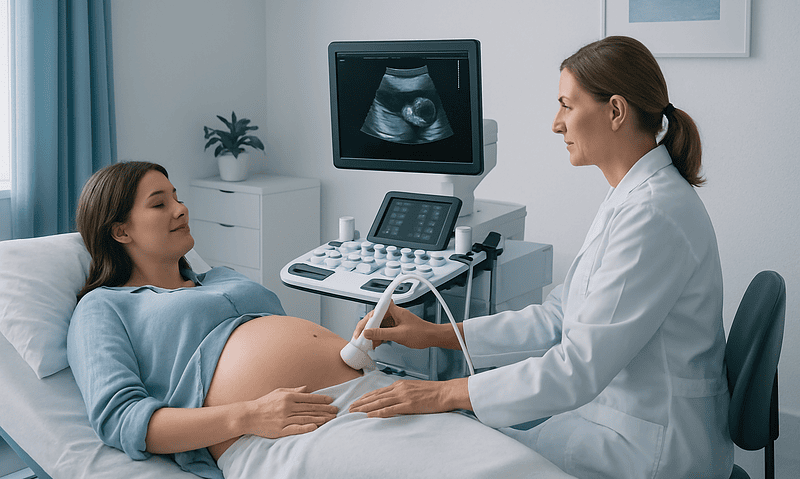
CoolSculpting After Pregnancy: When It Helps, When It Does Not and Why Timing Matters
Cryolipolysis, the fat-freezing treatment sold under the CoolSculpting name, can reduce small, pinchable fat pockets that persist after pregnancy, but it does not tighten…

What to Expect in the Days After CoolSculpting: Tenderness, Numbness and Normal Activity
In the days after cryolipolysis, the fat-freezing procedure marketed as CoolSculpting, most people notice redness, swelling, tenderness, bruising and numbness in the treated area.…
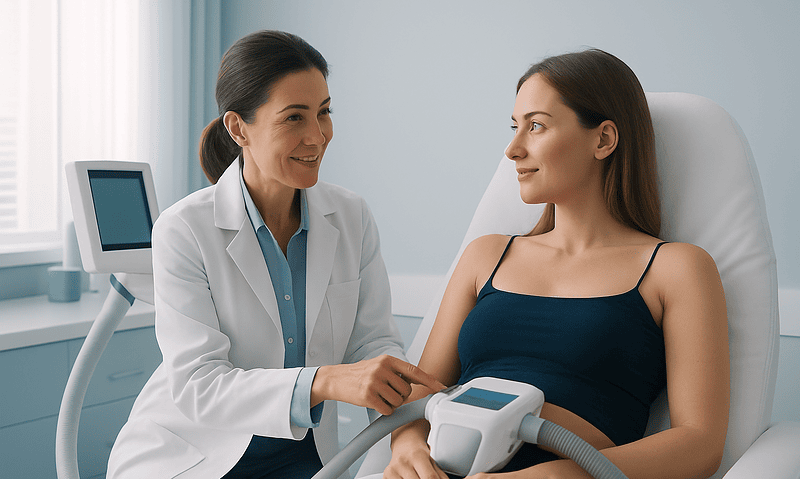
How Does CoolSculpting (Cryolipolysis) Work? What Controlled Cooling Does to Fat Cells
CoolSculpting is the trade name for cryolipolysis, a non-surgical procedure that cools a pinch of fat through the skin. Fat cells are more sensitive…
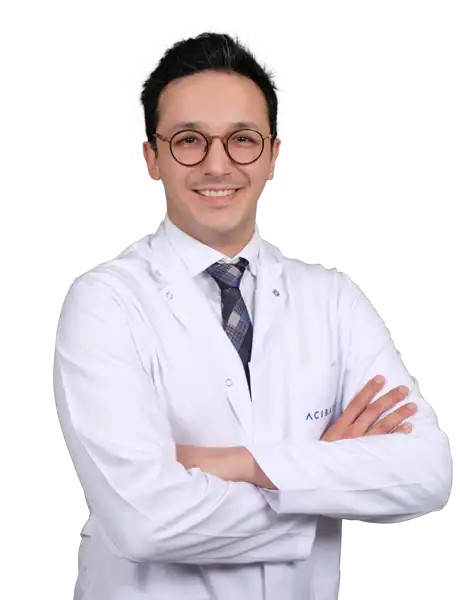
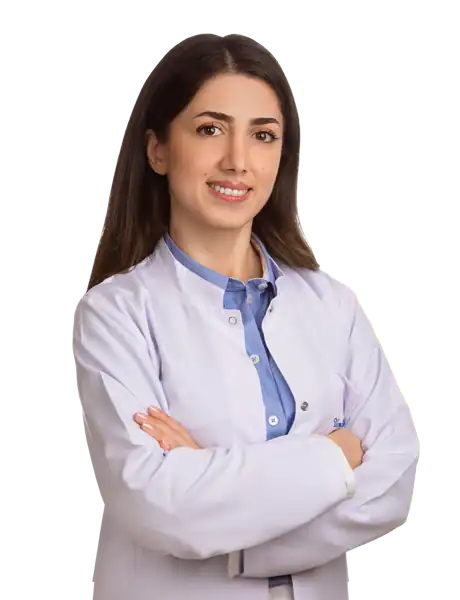
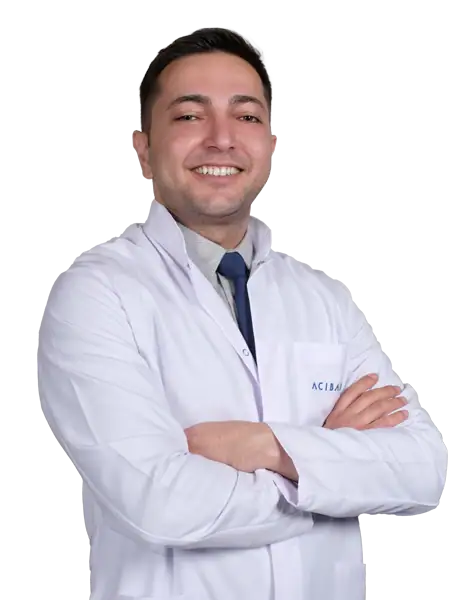
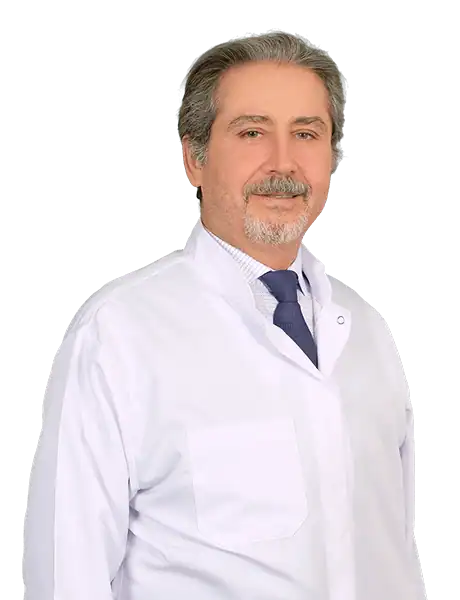
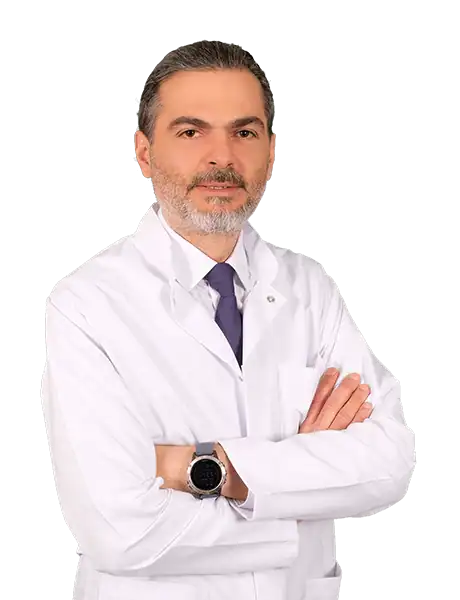
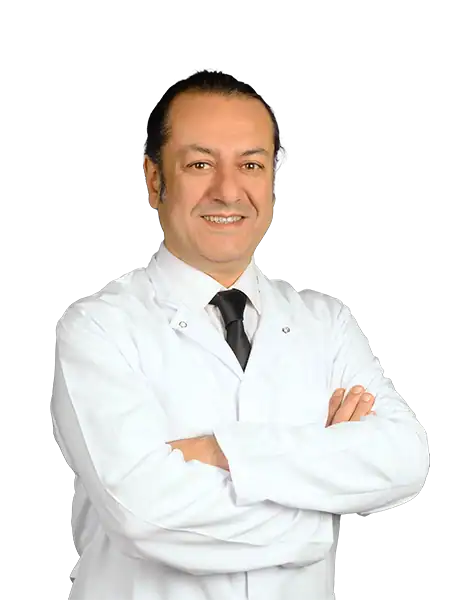
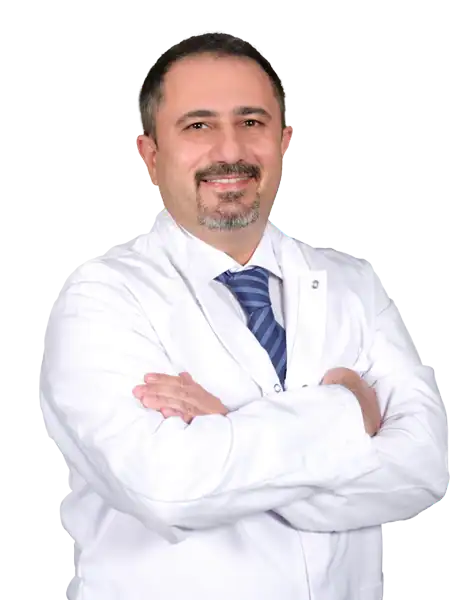
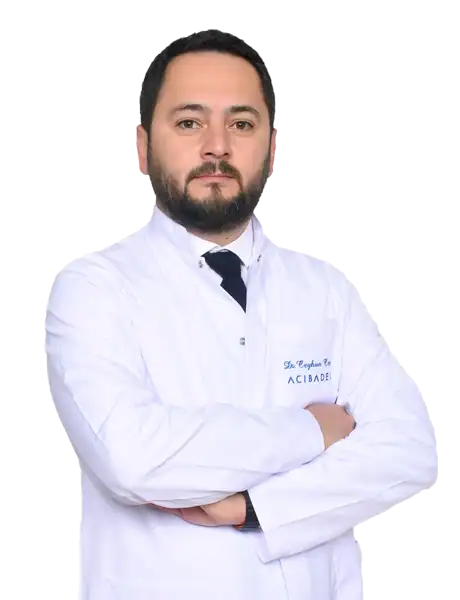
Doctors Performing This Treatment


Aesthetic Plastic & Reconstructive Surgery
Prof. Mehmet Veli Karaaltın, MD

Aesthetic Plastic & Reconstructive Surgery
Assoc. Prof. Erdem Güven, MD

Aesthetic Plastic & Reconstructive Surgery
Assoc. Prof. Ahmet Küçükçelebi, MD
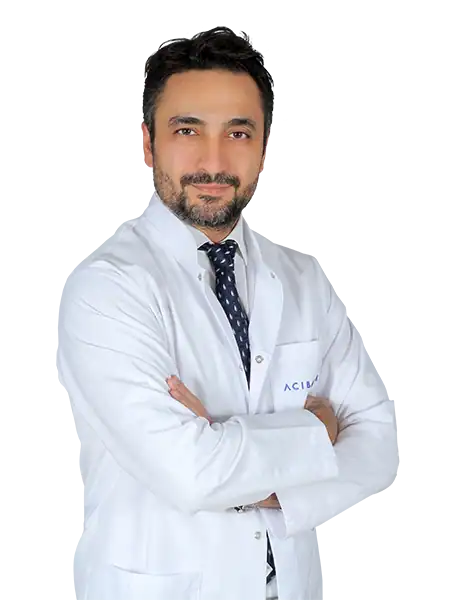
Aesthetic Plastic & Reconstructive Surgery
Assoc. Prof. Mehmet Altıparmak, MD

Aesthetic Plastic & Reconstructive Surgery