

Neurotherapeutics
Neurotherapeutics uses personalized, non-surgical treatments to support brain and nervous system function in movement, cognitive, pain, or psychiatric conditions, guided by specialist assessment.

Quick answer
Neurotherapeutics is a personalized, non-surgical approach that uses targeted therapies to support brain and nervous system function in movement, cognitive, pain, and psychiatric conditions. At Acibadem in Turkey, care is guided by specialist neurological and psychiatric assessment, with treatment plans tailored to the patient and may include medication management, neuromodulation, rehabilitation, and other supportive therapies.
When Brain or Nerve Symptoms Begin to Affect Daily Life
Changes in the brain and nervous system can be deeply personal. A tremor that makes writing difficult, pain that persists long after an injury should have healed, memory or attention problems that interfere with work, dizziness that limits movement, or depression that has not responded well to standard care can all affect confidence, independence and family life. Many patients also worry about what their symptoms mean: whether they are progressive, whether they will need surgery, whether medications will be enough, and whether treatment abroad can be coordinated safely.
Neurotherapeutics is designed for patients who need a careful, individualized approach to nervous system function without immediate surgery. It brings together neurological assessment, advanced diagnostic testing and targeted non-surgical therapies to help regulate brain, nerve and muscle activity. Depending on the diagnosis, this may include medication optimization, non-invasive brain stimulation, injection-based treatments, pain and spasticity management, neurorehabilitation, cognitive and behavioral strategies, and close monitoring by specialists.
For international patients, the most important first step is clarity. Before any treatment is recommended, physicians need to understand why symptoms are happening, which neural pathways are involved, what has already been tried, and what goals matter most to the patient. In some people, the goal may be to reduce tremor or stiffness. In others, it may be better pain control, fewer migraine days, improved attention, safer walking, reduced spasticity, or better emotional regulation. Treatment matters because well-directed neurotherapeutic care can help prevent unnecessary escalation, reduce symptom burden, support rehabilitation and preserve function.
What Neurotherapeutics Is
Neurotherapeutics is not a single procedure. It is a personalized treatment pathway that uses non-surgical methods to influence the brain, spinal cord, peripheral nerves and muscles. The approach is guided by specialist assessment and is often used when symptoms are complex, long-lasting or only partially controlled with standard treatments.
In practical terms, neurotherapeutics may combine several categories of care. These can include targeted medications, dose adjustments, non-invasive stimulation techniques, therapeutic injections, nerve or muscle-focused treatments, physiotherapy and occupational therapy programs, cognitive rehabilitation, sleep and mood support, and structured follow-up. The exact combination depends on the condition being treated and the patient’s medical history.
A key principle is personalization. Two patients with similar symptoms may need very different treatment plans. For example, tremor can be related to Parkinson’s disease, essential tremor, medication effects, thyroid disease or anxiety. Chronic nerve pain may arise from diabetes, spine disease, surgery, viral infection, chemotherapy or an autoimmune condition. Cognitive symptoms may reflect neurodegenerative disease, sleep disturbance, depression, vascular risk factors, medication side effects or previous brain injury. Neurotherapeutics begins by identifying the pattern and probable cause, then choosing interventions that are appropriate and measurable.
Many neurotherapeutic methods work by encouraging the nervous system to function more efficiently. Some techniques modulate overactive or underactive brain networks. Others calm irritated nerves, reduce muscle overactivity, improve blood vessel or inflammatory contributors, or support the brain’s ability to relearn through rehabilitation. The aim is not simply to suppress symptoms but to improve function in ways that are meaningful in everyday life.
Because neurotherapeutics spans several clinical areas, care often involves neurologists, psychiatrists, physical medicine and rehabilitation specialists, pain physicians, neurosurgeons when consultation is needed, psychologists, physiotherapists, speech and language therapists, and specialized nurses. This multidisciplinary structure is especially important for patients who have more than one diagnosis or who are seeking a second opinion after limited improvement elsewhere.
Who May Need Neurotherapeutics
Patients may consider neurotherapeutics when symptoms suggest a disorder of brain, nerve, muscle or neuropsychiatric function and when a non-surgical, individualized plan is appropriate. Some patients come after a new diagnosis. Others seek care because symptoms have persisted despite treatment or because they want a more comprehensive evaluation before considering invasive options.
Common reasons for referral include movement symptoms such as tremor, stiffness, slowness, dystonia, tics, muscle spasms or problems with walking and balance. Patients with chronic pain may seek neurotherapeutic care when pain is burning, electric, shooting, tingling, widespread or disproportionate to imaging findings. Cognitive and behavioral symptoms may include memory difficulty, poor concentration, executive dysfunction, fatigue, sleep disruption, anxiety, depression or emotional changes after brain injury or neurological disease.
Diagnosis usually begins with a detailed clinical interview and neurological examination. The physician reviews symptom timing, triggers, medical history, medications, previous imaging, prior treatment response and family history. For international patients, sharing previous MRI or CT scans, laboratory results, electrodiagnostic studies, medication lists and operative reports before travel can help the team plan efficiently.
Depending on the suspected condition, diagnostic testing may include brain or spine imaging, blood tests, electroencephalography to assess electrical brain activity, electromyography and nerve conduction studies to evaluate nerves and muscles, neuropsychological testing for memory and cognition, gait and balance assessment, sleep evaluation, or standardized symptom scales. These tests help distinguish conditions that may look similar but require different treatment.
Neurotherapeutics may be appropriate for patients who:
- Have neurological symptoms that are affecting daily activities, work, sleep or independence.
- Have not achieved enough relief from standard medication or therapy.
- Need a second opinion about diagnosis or treatment options.
- Prefer to explore non-surgical treatment before considering an operation, when medically reasonable.
- Have complex symptoms involving movement, mood, cognition, pain or autonomic function.
- Need a coordinated plan after stroke, traumatic brain injury, spinal cord injury or neurological illness.
- Require long-term monitoring and adjustment because symptoms change over time.
Not every patient is a candidate for every neurotherapeutic method. For example, some stimulation techniques are unsuitable for patients with certain implanted devices or seizure risks. Injection therapies may not be appropriate in specific bleeding disorders or active infections. A specialist assessment is essential to select safe and suitable options.
Conditions and Indications Neurotherapeutics May Address
Neurotherapeutics may be used across a wide range of neurological and neuropsychiatric conditions. The common link is that symptoms arise from altered nervous system activity and may improve with targeted non-surgical intervention.
Movement disorders are a frequent indication. Patients with Parkinson’s disease, essential tremor, dystonia, spasticity, tics or medication-related movement problems may benefit from careful medication adjustment, injection therapies for overactive muscles, rehabilitation, gait training and monitoring of function. In selected cases, neurotherapeutics can also help clarify whether a patient might later benefit from a surgical consultation, while still optimizing non-surgical care.
Chronic pain and nerve pain are also common reasons for treatment. Neuropathic pain, migraine and headache disorders, facial pain, post-surgical nerve pain, diabetic neuropathy, complex regional pain syndrome and spine-related nerve irritation may require a combination of medication planning, nerve-targeted procedures, physical therapy, behavioral pain strategies and neuromodulatory approaches. The goal is to reduce pain intensity, improve movement and decrease the impact of pain on sleep and mood.
Cognitive and post-injury conditions may include symptoms after concussion, traumatic brain injury, stroke, encephalitis or prolonged critical illness. Patients may experience slowed thinking, attention problems, memory difficulty, dizziness, fatigue, speech or swallowing difficulties, mood changes, or reduced coordination. Neurotherapeutics in this setting often combines rehabilitation, cognitive therapy, medical management, sleep optimization and careful tracking of recovery.
Psychiatric and functional brain network conditions may also be considered when symptoms are persistent and require specialist input. In some patients with depression, anxiety-related symptoms, obsessive-compulsive symptoms or functional neurological symptoms, non-invasive neuromodulation and structured behavioral treatment may be part of the plan. These conditions require thoughtful evaluation to ensure that neurological, psychiatric, sleep, endocrine and medication-related contributors are addressed together.
Other indications can include spasticity after stroke or spinal cord disease, autonomic symptoms such as abnormal sweating or dizziness in selected cases, facial spasm, blepharospasm, muscle overactivity, certain sleep-related neurological symptoms, and rehabilitation needs related to multiple sclerosis or other chronic neurological diseases. The plan is always adapted to the diagnosis, risks, goals and prior treatment history.
How Neurotherapeutic Care Is Performed Step by Step
Preparation and Specialist Assessment
The process begins before treatment. International patients are usually asked to provide medical records, imaging files, laboratory results, current medications, allergy information and a summary of previous therapies. This helps the clinical team decide which specialists should be involved and whether additional testing is likely to be needed after arrival.
During the initial consultation, the physician focuses on understanding the patient’s symptoms in detail. This includes when symptoms began, what makes them better or worse, how they affect daily life, which treatments have helped or caused side effects, and what the patient hopes to achieve. A neurological examination assesses strength, reflexes, sensation, coordination, gait, balance, eye movements, speech and cognitive function when relevant.
In more complex cases, findings may be discussed by a specialist board or multidisciplinary team. For example, movement disorder specialists, rehabilitation physicians, pain specialists, psychiatrists, radiologists or neurosurgeons may review the case together. This approach helps ensure that the diagnosis is sound and that non-surgical therapies are used appropriately.
Diagnostic Testing and Treatment Planning
Testing is selected according to the suspected cause. Magnetic resonance imaging can show structural changes in the brain or spine. Electrodiagnostic studies can identify nerve compression, neuropathy or muscle disease. EEG can help evaluate seizure-like episodes or abnormal brain activity. Neuropsychological testing can define patterns of memory, attention and executive function. Laboratory tests may identify vitamin deficiencies, inflammation, infection, autoimmune disease, endocrine disorders or medication-related contributors.
Once the evaluation is complete, the team creates a treatment plan. A good plan is specific: it defines the target symptoms, the treatment methods, expected timelines, safety considerations, follow-up schedule and criteria for adjusting therapy. Patients should understand why each therapy is recommended and how progress will be measured.
The Treatment Session or Program
The treatment itself varies widely because neurotherapeutics is a program rather than a single operation. Some patients receive medication changes with close monitoring. Others undergo a series of non-invasive brain stimulation sessions, targeted injections, pain procedures, rehabilitation therapies or combined care.
Non-invasive brain stimulation may use magnetic or low-level electrical stimulation to influence specific brain networks involved in mood, movement, pain or cognition. These treatments are typically performed while the patient is awake. The specialist determines the target area and stimulation parameters based on the indication and safety assessment. Sessions may be repeated over days or weeks because the effect often develops gradually.
Injection-based treatments may be used for muscle overactivity, dystonia, spasticity, migraine prevention or focal pain syndromes. Image guidance or anatomical mapping may be used when precision is important. These treatments are usually performed in an outpatient setting and may require periodic repetition depending on the condition and response.
Pain-focused neurotherapeutics may include medication optimization, nerve blocks, trigger point treatments, rehabilitation, desensitization strategies and neuromodulatory techniques. In chronic pain, the goal is often to improve function as well as reduce pain intensity. This may involve pacing, sleep management, mood support and gradual physical reconditioning.
Neurorehabilitation may include physiotherapy, occupational therapy, speech and language therapy, swallowing therapy, balance training, gait analysis, cognitive rehabilitation and home exercise planning. Modern rehabilitation uses objective measurements to track progress, such as walking speed, balance tests, functional scales or computerized cognitive tasks. The intensity and duration of therapy are tailored to the patient’s tolerance and goals.
Technology Used in Neurotherapeutics
Technology supports diagnosis, treatment precision and follow-up. Imaging systems help identify structural causes and guide selected interventions. Electrophysiology tools measure nerve, muscle and brain activity. Non-invasive stimulation equipment allows specialists to target brain networks without surgery. Rehabilitation technologies may help evaluate gait, balance, coordination or cognitive performance. Digital assessment tools and standardized scales can track symptoms over time, making it easier to adjust therapy based on evidence rather than impressions alone.
For patients, the value of technology is practical: it helps the team localize the problem, choose safer treatment parameters, monitor response and avoid unnecessary procedures. Technology does not replace clinical judgment; it strengthens it when used by experienced teams.
Typical Duration and Recovery
The duration of care depends on the diagnosis and treatment type. A consultation and diagnostic pathway may take several days if multiple tests are needed. Some treatments are completed in a single outpatient visit. Others require repeated sessions over one or more weeks. Rehabilitation programs may continue longer, either at the hospital or with a plan that can be followed after returning home.
Most neurotherapeutic treatments are non-surgical and do not require a hospital stay, although some patients may need inpatient rehabilitation or monitoring if symptoms are severe or complex. Recovery is usually measured by functional improvement rather than wound healing. Patients may notice gradual changes in pain, movement, sleep, attention, mood or stamina. Some therapies work quickly; others require repeated sessions and follow-up adjustments.
After treatment, patients receive guidance on activity, medications, possible side effects, warning signs and follow-up. International patients should also receive a clear medical report for their physicians at home, including diagnosis, tests performed, treatments given and recommendations for ongoing care.
Why Acting Early Matters
Neurological symptoms should not be ignored, especially when they are new, progressive or interfering with daily life. Early evaluation can identify conditions that are treatable, prevent complications and reduce the chance of long-term disability. For example, weakness, speech changes, new seizures, rapidly worsening memory, severe headache, loss of bladder control with back pain, or sudden balance problems require urgent medical attention.
Even when symptoms are not an emergency, delay can make recovery more difficult. Chronic pain can become more entrenched as the nervous system becomes sensitized. Untreated spasticity can lead to contractures, hygiene problems and pain. Movement disorders can increase fall risk. Cognitive symptoms may worsen if sleep disorders, depression, medication effects or vascular risk factors are not addressed. After stroke or brain injury, rehabilitation is often most effective when started early and adjusted regularly.
Acting early also helps avoid unnecessary treatment. A precise diagnosis can prevent months of ineffective medications or therapies. It can also identify when non-surgical care is appropriate and when a different pathway is needed. In neurotherapeutics, timing is not only about speed; it is about making the right decision before symptoms create additional physical, emotional or social consequences.
Benefits of Neurotherapeutic Treatment
The benefits of neurotherapeutics depend on the condition and the treatment plan, but they often focus on function, symptom control and better long-term management.
| Benefit | What It Means for You |
|---|---|
| Personalized, non-surgical care | Your treatment is selected according to your diagnosis, symptom pattern, medical history and goals, rather than using a one-size-fits-all approach. |
| Improved symptom control | Targeted therapy may help reduce tremor, stiffness, pain, spasms, migraine burden, mood symptoms or cognitive difficulties, depending on the condition. |
| Better function in daily life | Treatment aims to improve practical abilities such as walking, hand use, sleep, concentration, work performance, communication or self-care. |
| Reduced reliance on ineffective therapy | A structured reassessment can identify medications or approaches that are not helping and replace them with more appropriate options. |
| Objective monitoring | Standardized tests and follow-up measures help your team see whether treatment is working and make timely adjustments. |
| Coordinated specialist input | Complex cases can be reviewed by relevant specialists so that neurological, rehabilitation, pain and psychiatric factors are considered together. |
Recovery and Follow-Up Timeline
Recovery after neurotherapeutic care varies, but the following timeline gives a general sense of what many patients can expect after outpatient assessment and non-surgical treatment.
| Time Period | What Patients Can Expect |
|---|---|
| Day 1 | Most patients have consultation, examination and selected testing or treatment. Some therapies cause mild temporary fatigue, soreness, headache or symptom fluctuation. |
| First Week | Further diagnostic results may be reviewed, and treatment may be adjusted. Patients undergoing repeated stimulation or rehabilitation sessions may begin noticing early changes. |
| First Month | Medication plans, injection effects, pain control strategies and rehabilitation progress are assessed. Many patients need refinement rather than a single fixed treatment. |
| Longer Term | Ongoing benefit often depends on follow-up, home exercises, lifestyle measures, medication adherence and periodic reassessment, especially for chronic neurological conditions. |
What Influences Outcomes and a Good Result
Outcomes in neurotherapeutics are influenced by the diagnosis, duration of symptoms, overall health, prior treatments, psychological factors, sleep quality, activity level and the patient’s ability to continue therapy after returning home. A good result may mean different things for different patients. For one person, success may be fewer migraine days and less medication use. For another, it may be safer walking, improved hand control, reduced muscle spasms or better concentration at work.
The accuracy of diagnosis is one of the most important factors. Symptoms such as tremor, pain, dizziness or memory problems can have many causes. Treatment is more likely to help when the underlying mechanism is well understood. This is why careful examination, review of previous records and appropriate testing are central to the process.
Patient selection also matters. Some therapies are most effective for specific symptom patterns. Non-invasive brain stimulation, for example, is not suitable for every psychiatric, cognitive or pain condition. Injection therapy works best when the target muscle or nerve pattern is clearly defined. Rehabilitation is most effective when goals are realistic, exercises are performed consistently and barriers such as pain, fatigue or depression are addressed.
Timing can influence recovery. Early intervention after injury or neurological change may improve the ability to regain function. In chronic conditions, improvement is still possible, but treatment may require more time and a broader plan. Long-standing pain or movement problems can involve learned patterns in the nervous system, muscles and behavior. These patterns often respond best to gradual, coordinated therapy.
General health is also important. Diabetes, vascular disease, autoimmune conditions, sleep apnea, nutritional deficiencies, medication interactions and mood disorders can affect neurological function and treatment response. A comprehensive neurotherapeutic plan considers these contributors rather than focusing only on the most visible symptom.
Finally, communication between the treating team and the patient’s home physicians is essential, particularly for international patients. Neurotherapeutics often requires follow-up adjustments. A clear discharge report, medication plan and rehabilitation recommendations help maintain continuity after travel.
Why International Patients Choose Acibadem for Neurotherapeutics
Patients traveling for neurological care often need more than a single appointment. They need an accurate diagnosis, coordinated specialist input, access to modern diagnostic and therapeutic methods, and a team that can communicate clearly across languages and healthcare systems. At Acibadem, neurotherapeutic care is organized around these needs.
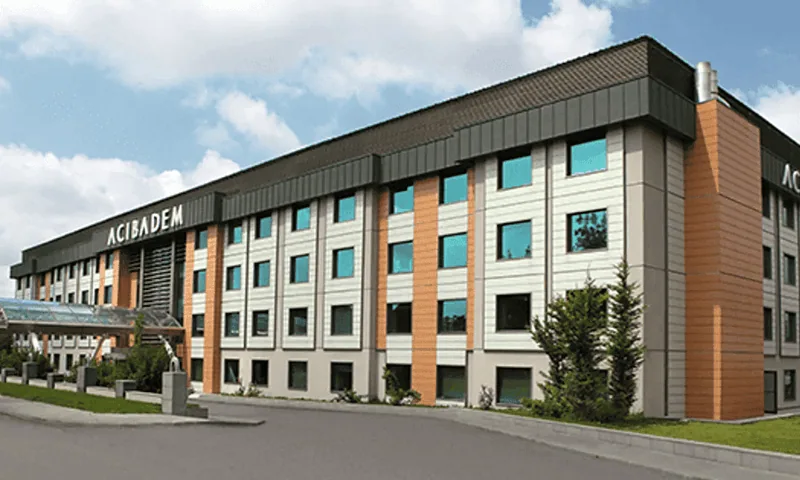
Acibadem hospitals are JCI-accredited, reflecting international standards for patient safety and quality processes. For patients coming from abroad, this structure supports reliable medical documentation, infection control, medication safety, procedural protocols and coordinated care. International patients are assisted by dedicated teams who help with scheduling, medical record transfer, interpretation, hospital navigation and communication with clinical departments. Support is available in more than 20 languages, which is particularly important when discussing neurological symptoms that may be subtle or difficult to describe.
The clinical approach is multidisciplinary. Depending on the patient’s condition, neurologists may work with physical medicine and rehabilitation specialists, psychiatrists, pain physicians, neurosurgeons, neuroradiologists, neuropsychologists, physiotherapists, speech therapists and specialized nurses. Complex cases can be reviewed through specialist discussions or boards, especially when diagnosis is uncertain or when more than one treatment option is possible. This helps patients receive a plan that is evidence-based, balanced and tailored to their goals.
Acibadem’s diagnostic pathways include modern imaging, electrophysiology, laboratory testing, functional assessment and rehabilitation evaluation where appropriate. Treatment may involve non-invasive neuromodulation, medication optimization, injection-based therapies, pain interventions, structured rehabilitation and follow-up planning. The technology is used to support clinical precision: identifying the affected pathway, targeting treatment more accurately, monitoring response and reducing unnecessary intervention.
Experienced physicians are central to this process. Neurotherapeutics requires judgment because symptoms often overlap across neurology, psychiatry, pain medicine and rehabilitation. An experienced team can recognize when a symptom pattern suggests a reversible condition, when a chronic condition needs long-term management, and when a patient should be referred for another type of specialist evaluation. For international patients seeking a second opinion, this careful review can be especially valuable.
Personalized treatment planning is also important for patients traveling from the United States and other countries. Time abroad may be limited, medications may differ by country, and follow-up must be realistic after returning home. A well-designed plan considers travel schedules, current prescriptions, home healthcare access, rehabilitation availability, and the need for remote or local follow-up. The goal is to provide care that is clinically sound during the hospital visit and practical after the patient returns home.
Moving Forward With Confidence
Living with neurological, pain, cognitive or psychiatric symptoms can be frustrating, especially when previous treatments have not provided enough answers. Neurotherapeutics offers a structured way to reassess the problem and consider targeted, non-surgical options guided by specialist expertise. For many patients, the value lies not only in one therapy but in a clearer understanding of the condition and a coordinated plan for what to do next.
If you are considering care abroad, the first step is usually a medical review or second opinion. Sharing your records, imaging and treatment history allows the clinical team to determine which evaluations may be needed and whether neurotherapeutic care is appropriate for your situation. From there, a personalized plan can be developed around your diagnosis, safety considerations, travel needs and functional goals.
This information is general and is not a substitute for professional medical advice. Diagnosis and treatment decisions should be made with a qualified physician who can evaluate your individual medical condition.
Preparation
- Preparation begins with a neurological evaluation and review of symptoms, medical history, medications, and previous test results. Additional imaging, EEG, or laboratory tests may be requested when clinically needed. Patients should follow medication instructions from their doctor and report implanted devices or pregnancy before treatment.
Aftercare
- Most patients can resume normal activities the same day unless advised otherwise. The care team monitors response over repeated sessions and may adjust the treatment plan. Report new or worsening symptoms, headaches, dizziness, or mood changes promptly.
Turkey vs UK, Germany & USA
Neurotherapeutics can include a range of personalized, non-surgical treatments guided by neurological, psychiatric, pain, rehabilitation, or cognitive assessment. Comparing destinations helps clarify how clinical planning, hospital standards, logistics, and follow-up models may influence both cost and patient experience.
The overall experience depends on the complexity of assessment, the therapies selected, the specialist team involved, and how care is coordinated before and after travel.
| Factor | Turkey | UK | Germany | USA |
|---|---|---|---|---|
| Cost structure | Often package-oriented for international patients, with bundled consultation, diagnostics, and treatment planning where appropriate. | Private care may be billed by consultation, testing, therapy sessions, and facility use; public pathways may involve referral criteria. | Costs often reflect specialist assessment, diagnostics, therapy intensity, and hospital or clinic setting. | Pricing can vary widely by provider, insurance status, facility fees, diagnostics, and therapy plan. |
| Hospital and specialist factors | International departments may coordinate neurology, psychiatry, rehabilitation, pain medicine, and imaging in one pathway. | Access may depend on local referral routes, private availability, and subspecialist clinics. | Strong emphasis on structured diagnostics and specialist-led rehabilitation or neurology pathways. | Broad range of academic and private centers, with care pathways influenced by insurance networks and provider models. |
| Accreditation and quality signals | Some hospitals hold international accreditation such as JCI and may have dedicated international patient protocols. | Quality is supported through national regulation, professional standards, and hospital governance systems. | Quality is supported through national regulation, certification processes, and specialist society standards. | Quality indicators may include accreditation, academic affiliation, specialty certification, and insurer credentialing. |
| Waiting and scheduling | International patient teams may help arrange assessment and therapy scheduling around travel plans. | Waiting times vary between public and private routes and by subspecialty availability. | Scheduling depends on center capacity, referral requirements, and diagnostic needs. | Access may be fast in private settings, but insurance authorization and network rules can affect timing. |
| Travel and language logistics | Hospitals serving international patients may offer interpreters, airport guidance, accommodation support, and remote pre-assessment. | Language support varies by provider; travel planning is generally arranged independently. | International offices may be available in larger centers, with interpreter support depending on provider. | Travel, insurance coordination, and language support vary considerably by hospital and region. |
| Typical package inclusions | May include specialist consultation, selected diagnostics, treatment sessions, care coordination, translation, and follow-up guidance. | Packages are less standardized; patients may receive separate billing for appointments, tests, and therapy. | Care plans may combine diagnostics, specialist review, and therapy blocks, depending on the center. | Services are often itemized, with separate charges for facility, clinician, diagnostics, and therapy components. |
What affects your final cost:
- Diagnosis, symptom severity, and treatment goals.
- Type and duration of neurotherapeutic program recommended by the specialist.
- Need for imaging, neurophysiology tests, cognitive assessment, laboratory work, or psychiatric evaluation.
- Number and type of specialists involved, such as neurology, psychiatry, rehabilitation, pain medicine, or psychology.
- Medication, device-based therapy, injection treatment, rehabilitation sessions, or follow-up requirements.
- Interpreter services, travel support, accommodation, and remote monitoring needs.
Compare your options
Neurotherapeutic care is individualized, and suitability for any option is decided by a specialist after clinical assessment, diagnosis review, and discussion of goals and risks.
| Option | What it is | Typical use | Key considerations |
|---|---|---|---|
| Medication optimization | Specialist review and adjustment of medicines affecting the brain, nerves, movement, pain, mood, or cognition. | Movement disorders, neuropathic pain, epilepsy-related care, migraine, mood symptoms, sleep-related neurological complaints, or cognitive symptoms. | Requires careful review of diagnosis, side effects, interactions, previous response, and monitoring needs. |
| Non-invasive neuromodulation | Therapies that use external stimulation methods to influence brain or nerve activity without surgery. | Selected psychiatric, pain, motor, or cognitive conditions where evidence-based protocols are appropriate. | Not suitable for everyone; screening is needed for contraindications, implanted devices, seizure risk, and treatment expectations. |
| Neurorehabilitation | Personalized therapy combining physiotherapy, occupational therapy, speech and swallowing therapy, cognitive training, or balance and gait work. | Stroke recovery, Parkinsonian syndromes, traumatic brain injury, multiple sclerosis, neuropathy-related function loss, or post-surgical recovery support. | Progress depends on diagnosis, baseline function, therapy intensity, home practice, and continuity after discharge. |
| Botulinum toxin and injection-based treatments | Targeted injections used by trained specialists to reduce abnormal muscle activity or selected pain patterns. | Spasticity, dystonia, chronic migraine, focal muscle overactivity, or selected neuropathic pain presentations. | Requires precise diagnosis, anatomical targeting, dose planning, and follow-up to assess response and timing of repeat care. |
| Cognitive and behavioral therapies | Structured interventions delivered by psychologists, neuropsychologists, psychiatrists, or rehabilitation teams. | Memory or attention difficulties, functional neurological symptoms, chronic pain coping, anxiety, depression, sleep disruption, or adjustment after neurological illness. | Best results often require active participation, realistic goals, and coordination with medical treatment when needed. |
| Multidisciplinary pain and symptom management | A coordinated plan combining medical review, rehabilitation, psychological strategies, lifestyle guidance, and targeted procedures when appropriate. | Chronic neurological pain, neuropathic symptoms, headache disorders, fatigue, dizziness, or complex symptom patterns. | Assessment aims to identify treatable causes and set practical goals; improvement may require staged care rather than a single intervention. |
Trusted care for international patients
General information only — not medical or financial advice. Final costs depend on the factors above and your individual case; request a free, personalised quote.
Doctors Performing This Treatment

Prof. Dr. Akın Sabancı
Neurosurgery
Prof. Dr. Ali Kurtsoy
Neurosurgery
Prof. Dr. Altay Bedük
Neurosurgery
Prof. Dr. Aytekin Akyüz
Neurology
Prof. Dr. Ayşe Sağduyu Kocaman
Neurology
Prof. Dr. Deniz Konya (m)
Neurosurgery
Prof. Dr. Dilaver Kaya
Neurology
Prof. Dr. Elif Ilgaz Aydınlar
Neurology
Prof. Dr. Erkin Sönmez
Neurosurgery
Prof. Dr. Gökhan Bozkurt
Neurosurgery
Prof. Dr. Hakan Murat Göksel
Neurosurgery
Prof. Dr. Hakan Seçkin
Neurosurgery
Prof. Dr. Halit Çavuşoğlu
Neurosurgery
Prof. Dr. Hüseyin Hayrı Kertmen
Neurosurgery
Prof. Dr. Kamil Kadir Topalkara
Neurology
Prof. Dr. Kayıhan Uluç
Neurology
Prof. Dr. Kağan Tun
Neurosurgery
Prof. Dr. Kenan Koç
Neurosurgery
Prof. Dr. Koray Özduman
Neurosurgery
Prof. Dr. Mehmet Zafer Berkman
Neurosurgery
Prof. Dr. Melih Bozkurt
Neurosurgery
Prof. Dr. Memet Özek
Neurosurgery
Prof. Dr. Muammer Doygun
Neurosurgery
Prof. Dr. Müfit Kalelioğlu
NeurosurgeryMedical Units
Available at These Hospitals











Frequently Asked Questions
What factors affect the cost of neurotherapeutics?
Cost is influenced by the diagnosis, the complexity of specialist assessment, the therapies recommended, diagnostic tests, treatment duration, the need for multidisciplinary care, and follow-up planning. Travel, translation, and accommodation support may also affect the total package.
How can I get a personalized quote?
You can request a free consultation and share your medical history, previous test results, current medications, and treatment goals. A specialist team can then advise which assessments are needed and provide a tailored plan and quote.
Is neurotherapeutics a single treatment?
No. Neurotherapeutics is an umbrella term for personalized, non-surgical approaches that may include medication review, neuromodulation, rehabilitation, injection therapies, cognitive therapy, or pain management. The appropriate option is decided by a specialist.
Are diagnostics usually included in the package?
Some international patient packages may include consultation and selected diagnostics, while additional tests may be recommended after the first assessment. The quote should clearly state what is included and what may be billed separately.
Can I continue care after returning home?
Many patients benefit from a follow-up plan that can be shared with their local doctor or therapist. Depending on the case, remote follow-up may help review progress, medications, rehabilitation goals, and the need for future visits.
Is this medical or financial advice?
This information is educational and does not replace medical or financial advice. A specialist assessment and a written quote are needed before deciding on treatment or travel.