Orthopedic Rheumatology
Orthopedic rheumatology diagnoses and treats joint, bone, tendon and autoimmune inflammatory conditions, combining rheumatology, orthopedics and rehabilitation to reduce pain and preserve mobility.

Quick answer
Orthopedic rheumatology is a combined approach to diagnosing and treating joint, bone, tendon and muscle conditions where inflammation and mechanical damage overlap. It brings together rheumatology, orthopedics and rehabilitation in one coordinated pathway, which can include laboratory testing, imaging, medication, image-guided injections, physiotherapy and, when conservative care is no longer sufficient, surgical planning.
What Is Orthopedic Rheumatology?
Orthopedic rheumatology is a combined approach to diagnosing and treating conditions of the joints, bones, muscles, tendons, ligaments and connective tissue, particularly where inflammation and mechanical damage overlap. It joins the medical expertise of rheumatology — the specialty concerned with autoimmune and inflammatory disease — with the structural perspective of orthopedics and the functional focus of rehabilitation. It is intended for people whose musculoskeletal problem does not fit neatly into a single specialty, and for people who want one coordinated answer rather than three partial ones.
Each discipline contributes something different. Rheumatology addresses autoimmune and inflammatory diseases such as rheumatoid arthritis, psoriatic arthritis, ankylosing spondylitis, lupus-related joint disease and inflammatory tendon or ligament conditions. Orthopedics addresses the structure and mechanics of the musculoskeletal system: cartilage damage, deformity, tendon tears, joint instability, fractures and advanced joint degeneration. Rehabilitation addresses movement, strength, balance and function — what your body can actually do once pain and inflammation are under better control.
Orthopedic rheumatology is not a single procedure. It is a coordinated treatment pathway built around your diagnosis, disease stage, symptoms, imaging findings, functional goals and overall health. In practice it may include diagnostic testing, medication management, image-guided injections, physiotherapy, orthotic support, lifestyle and movement guidance, monitoring of disease activity, and surgical planning when conservative care is no longer sufficient.
Three examples show how the pieces fit together. A patient with painful, swollen hands may need laboratory testing for inflammatory arthritis, ultrasound assessment of the tendon sheaths, medication to control immune activity and hand therapy to preserve grip function. A patient with hip pain may need imaging to distinguish inflammatory arthritis from osteoarthritis, avascular necrosis or a tendon disorder — three problems that feel similar but are treated very differently. A patient with spinal stiffness may need evaluation for inflammatory back disease alongside a rehabilitation plan that protects posture and mobility.
The central question is always the same: what is causing the pain and loss of function, and what is the safest, most effective way to control it before it leads to lasting damage?
Is rheumatology the same as orthopedics?
No — rheumatology and orthopedics are separate specialties, even though they treat the same parts of the body. Rheumatology is a medical specialty. Rheumatologists diagnose and treat systemic, autoimmune and inflammatory diseases with medication, monitoring and non-surgical care, and they consider the whole body, because many rheumatic diseases also affect the skin, eyes, lungs or other organs. Orthopedics is a surgical specialty. Orthopedic surgeons diagnose and treat structural and mechanical problems — damaged cartilage, torn tendons, unstable or deformed joints, fractures — and they operate when the structure itself needs repair or replacement. Many musculoskeletal problems sit somewhere between the two, which is precisely why a combined orthopedic rheumatology pathway exists.
How are rheumatology and orthopedics related?
The two specialties are related because they share the same territory — joints, bones, tendons, ligaments and muscles — and they frequently share the same patients. A person with rheumatoid arthritis may need a rheumatologist to control the disease and, years later, an orthopedic surgeon if a joint has been damaged beyond what medication can address. A person referred to orthopedics for a “mechanical” knee problem may turn out to have inflammatory arthritis that needs medical treatment first. Referral flows in both directions. When the two disciplines assess a patient together, the risk of treating a symptom while missing the underlying disease falls considerably.
What is the difference between an arthritis specialist and a rheumatologist?
In most cases, “arthritis specialist” is simply an informal name for a rheumatologist, because rheumatologists are the physicians who specialise in the medical diagnosis and treatment of arthritis in all its forms. The term can cause confusion, though, because orthopedic surgeons also treat arthritis — specifically the structural consequences of it, such as a worn hip or knee that may need replacement. A useful way to think about it: the rheumatologist manages the disease process, while the orthopedic surgeon manages the structural damage the disease leaves behind. Many patients with arthritis need one of these specialists; some, over the course of their condition, need both.
How does a doctor train in orthopedic rheumatology?
There is no single residency called “orthopedic rheumatology” in most countries. Rheumatologists typically complete training in internal medicine and then subspecialise in rheumatology. Orthopedic surgeons complete surgical training in orthopedics, sometimes with further subspecialisation in joints, spine or sports injuries. Orthopedic rheumatology, as patients encounter it, is usually delivered by a team: physicians from both backgrounds, together with physical medicine and rehabilitation specialists, radiologists and physiotherapists, working from a shared assessment of the same patient.
When Joint Pain Becomes a Medical Decision
Persistent joint, tendon, bone or muscle pain affects far more than movement. It changes how you sleep, how you work, how confidently you travel and how easily you take part in daily life. For many patients, the hardest part is uncertainty. Is this arthritis? Is it an injury that never healed? Is the immune system involved? Will surgery be needed? Could waiting make the damage permanent?
Orthopedic rheumatology exists for exactly this intersection. The goal is not only to reduce pain, but to understand why pain is happening, prevent structural damage, preserve mobility and return you to a more predictable quality of life.
Many international patients arrive after months or years of fragmented evaluations. One physician focused on inflammation. Another focused on cartilage or tendon injury. A third focused on rehabilitation. Yet many musculoskeletal conditions refuse to stay inside one specialty. Rheumatoid arthritis can damage joints and tendons. Ankylosing spondylitis can affect the spine, hips and posture. Osteoarthritis can coexist with inflammatory disease. A sports injury can trigger chronic swelling that requires careful diagnosis. Orthopedic rheumatology connects these pieces into one coordinated treatment plan.
At Acibadem, this work is shared across the Rheumatology Department and the Orthopedics & Joint Center, with input from physical medicine and rehabilitation specialists, radiologists, pain specialists and physiotherapists. A multidisciplinary evaluation matters most when the diagnosis is complex, when symptoms are progressing, or when a patient wants a second opinion before starting long-term medication or considering surgery.
Who May Need Orthopedic Rheumatology Care?
You may benefit from orthopedic rheumatology if you have persistent musculoskeletal symptoms that have never been fully explained, or if you have an established rheumatic condition that is affecting your joints, bones, tendons or mobility. Many patients seek evaluation when pain has lasted longer than expected, when swelling returns repeatedly, or when standard pain medication and rest no longer help.
Typical symptoms include:
- Joint swelling, warmth around a joint, or reduced range of motion
- Morning stiffness, or pain that improves with movement but worsens after rest
- Tendon pain, heel pain, recurrent bursitis or tendonitis
- Back or neck stiffness, or difficulty maintaining posture
- Fatigue that appears alongside joint symptoms
- Difficulty walking or loss of hand function
- Unexplained bone or muscle pain
Symptoms may develop gradually or begin after an infection, an injury, a period of stress, pregnancy, a medication change or another medical event. The pattern of onset is itself diagnostic information, which is why the evaluation begins with a detailed clinical history. Your physician will ask when symptoms started, which joints are affected, whether stiffness is worse in the morning, whether pain changes with activity, whether there is swelling, whether you have skin, eye, bowel or urinary symptoms, and whether autoimmune disease runs in your family. The physical examination then assesses joint tenderness, swelling, alignment, range of motion, gait, tendon function, posture and muscle strength.
Testing is selected according to your situation rather than applied as a fixed panel. Blood tests may evaluate markers of inflammation, autoimmune antibodies, uric acid levels, infection-related markers, organ function and medication safety. Imaging may include X-rays to assess joint space and bone changes, ultrasound to evaluate synovitis and tendon inflammation, MRI for early inflammatory changes or soft tissue injury, CT for complex bone detail, and bone density testing when osteoporosis or fracture risk is a concern.
Patients also come to orthopedic rheumatology at decision points rather than because of new symptoms: when they have been advised to start biologic or immune-modifying treatment and want the reasoning examined, when they need structured monitoring for medication safety, when they are considering joint replacement in the setting of autoimmune disease, or when they want to know whether surgery can be delayed or avoided with appropriate medical and rehabilitation treatment. These are reasonable questions, and a combined evaluation is designed to answer them with evidence rather than assumption.
Conditions Treated in Orthopedic Rheumatology
Orthopedic rheumatology covers a broad spectrum of inflammatory, degenerative, autoimmune and mechanical musculoskeletal conditions. What they share is their effect on movement, joint integrity, pain and long-term function.
Inflammatory arthritis is one of the most common indications. This group includes rheumatoid arthritis, psoriatic arthritis, ankylosing spondylitis, reactive arthritis and other forms of spondyloarthritis. These diseases cause swelling, stiffness and tendon inflammation, may involve the spine, and can produce progressive joint damage if left uncontrolled. Because they are immune-driven, they need medical treatment, not just local pain relief.
Degenerative joint disease, including osteoarthritis of the knees, hips, hands, shoulders or spine, also benefits from a combined approach. Osteoarthritis is often described as “wear and tear”, but it is more complex than simple ageing. Joint alignment, previous injury, low-grade inflammation, body weight, muscle weakness and genetics can all contribute. Treatment may include rehabilitation, injections, medication, assistive strategies and orthopedic evaluation when joint damage is advanced.
Tendon and soft tissue disorders — tendinitis, tenosynovitis, bursitis, enthesitis, rotator cuff disease, trigger finger, Achilles tendon pain and plantar fasciitis — may arise from overuse, from inflammatory disease or from biomechanical problems. Identifying the cause matters, because treatment for inflammatory tendon disease differs from treatment for a purely mechanical injury. Enthesitis, for example, can be the first visible sign of spondyloarthritis rather than a sports problem.
Bone health conditions include osteoporosis, fragility fractures, inflammatory bone pain and medication-related bone loss. Patients with rheumatic disease can carry higher fracture risk because of inflammation itself, reduced mobility, steroid exposure or hormonal factors. Bone density evaluation and preventive treatment are therefore built into long-term care rather than treated as an afterthought.
Autoimmune connective tissue diseases such as systemic lupus erythematosus, systemic sclerosis, Sjögren’s syndrome and mixed connective tissue disease can involve the joints, muscles and tendons. These conditions require careful medical oversight because they may also affect organs beyond the musculoskeletal system, and any local treatment has to fit within the plan for the disease as a whole.
Complex post-injury or post-surgical pain is also evaluated here when swelling, stiffness or pain persists beyond the expected healing period. Sometimes an inflammatory condition only becomes apparent after an injury. Sometimes scar tissue, altered mechanics, nerve irritation or incomplete rehabilitation is the main issue. Where the original problem was a fracture or acute injury, the assessment overlaps with orthopedic traumatology, and the two teams work from the same imaging and history. In children and adolescents, joint pain and swelling raise a different set of questions — growth, juvenile forms of arthritis, developmental conditions — and are assessed within pediatric orthopedics together with paediatric medical specialists.
Is osteoarthritis a rheumatology specialty or an orthopedic specialty?
Osteoarthritis belongs to both specialties, and which one leads depends on the stage of the disease. In earlier and moderate stages, care is largely medical and rehabilitative — pain control, targeted exercise, weight management, injections where appropriate — and a rheumatologist or physical medicine specialist commonly directs it. When cartilage loss is advanced, when deformity develops, or when pain and disability persist despite good conservative care, orthopedic evaluation for surgical options such as joint replacement becomes relevant. There is also an important diagnostic task at the start: confirming that the problem really is osteoarthritis and not an inflammatory arthritis that mimics it, because the treatments differ fundamentally. A combined pathway handles all three stages without the patient having to guess which door to knock on.
What is the difference between rheumatoid arthritis and osteoarthritis?
Rheumatoid arthritis is an autoimmune disease; osteoarthritis is primarily a degenerative one. That single distinction explains most of the practical differences patients notice. In rheumatoid arthritis, the immune system attacks the lining of the joints, producing swelling, warmth, prolonged morning stiffness and often symmetrical involvement of the small joints of the hands and feet; it can also affect tendons and organs, and it requires immune-modifying medication. Osteoarthritis — the condition people sometimes call “orthopedic arthritis” — develops when cartilage wears down over time, typically causing pain that worsens with use and briefer stiffness after rest, most often in the knees, hips, hands and spine. The distinction matters because rheumatoid arthritis needs disease control to prevent joint destruction, while osteoarthritis needs a plan built around mechanics, load and function. Some patients have both at once, which is one of the clearest cases for combined orthopedic rheumatology assessment.
How Orthopedic Rheumatology Assessment and Treatment Work
Care begins with a careful diagnostic pathway rather than a one-size-fits-all treatment. Many joint and tendon disorders look similar at first, so the initial phase is designed to separate inflammatory disease from mechanical injury, degenerative disease, infection, crystal arthritis and other causes of pain. The pathway usually follows a recognisable sequence:
- Review of your history, previous records and imaging
- Clinical and musculoskeletal examination
- Targeted laboratory tests and imaging
- Diagnosis and a written treatment plan
- Treatment — medical, injection-based, rehabilitative or surgical
- Follow-up to assess response and safety
Preparation and Initial Evaluation
Before the appointment, previous medical records, imaging reports, laboratory results, medication lists and operative notes from any earlier procedures are reviewed, because they often prevent duplicate testing and shorten the diagnostic phase. If you take immune-suppressing medication, blood thinners or steroids, that information shapes both the assessment and the safety planning around any procedure — decisions about those medicines always rest with your treating doctor.
During the visit, the physician reviews your symptoms in detail and performs a full musculoskeletal examination: joint swelling, tenderness, deformity, spine mobility, limb alignment, walking pattern, grip strength, tendon function and areas of nerve irritation. The aim is to understand both disease activity and mechanical function, because the treatment plan has to address both.
Diagnostic Testing
Laboratory testing can detect inflammation, autoimmune markers, crystal disease, infection-related causes and medication safety concerns. Imaging is chosen to answer a specific clinical question rather than ordered by habit. X-rays show joint narrowing, erosions, alignment changes and bone damage. Musculoskeletal ultrasound detects active inflammation in joints and tendon sheaths, guides injections and monitors response to treatment. MRI shows early inflammatory changes, cartilage, bone marrow, ligaments, tendons and soft tissue in greater detail. CT is useful for complex bone anatomy or surgical planning. Bone density scanning is recommended when osteoporosis risk is present.
These tools let the team move beyond symptom description to the underlying pattern of disease. For patients who have received conflicting opinions, this step is often the most valuable part of the entire process.
Medical Treatment
If inflammation is present, treatment may include nonsteroidal anti-inflammatory drugs, corticosteroids for short-term control, conventional disease-modifying medications, biologic therapies or targeted synthetic medications. The choice depends on the diagnosis, severity, organ involvement, infection risk, pregnancy plans, previous treatments and other medical conditions. Medication monitoring is a standing part of safe care, especially when treatment acts on the immune system: it involves scheduled blood tests, review of side effects and reassessment of whether the medication is doing its job.
For osteoarthritis and mechanical pain, medical treatment focuses on pain control, inflammation reduction, weight-bearing strategies, muscle strengthening, activity modification and joint protection. The aim is to reduce symptoms while preserving function and avoiding unnecessary medication exposure.
Image-Guided Injections and Local Treatments
For some patients, injections can reduce inflammation or pain in a specific joint, tendon sheath or bursa. Options include corticosteroid injections, local anaesthetic injections or other injectable treatments selected according to the diagnosis. Where appropriate, ultrasound or other imaging guidance improves precision — particularly in small joints, deep joints and tendon-related conditions, where a blind injection can miss the target. Injections are usually outpatient procedures and the injection itself takes only a short time, though the full appointment includes preparation, evaluation and post-procedure instructions. An injection treats a location; it does not replace treatment of the underlying disease, and the plan should always make clear which role it is playing.
Rehabilitation and Functional Recovery
Rehabilitation is a core component of orthopedic rheumatology, not an optional extra. A physiotherapy plan may address joint range of motion, strengthening, balance, posture, walking mechanics, hand function, spine mobility and safe return to activity. For inflammatory conditions, exercise has to be balanced against disease activity: during flares the programme emphasises gentle movement and joint protection, while stable periods allow progressive strengthening.
You may also receive guidance on braces, splints, footwear, ergonomic changes, assistive devices and strategies to reduce joint strain during daily activities. The goal is not simply to exercise more, but to exercise correctly for your condition and its current stage.
When Surgery Is Considered
Surgery is not the first step for most rheumatologic or inflammatory conditions. It becomes appropriate when there is severe joint damage, tendon rupture, advanced deformity, nerve compression, loss of function or pain that no longer responds to well-conducted conservative treatment. Depending on the condition, procedures may include arthroscopy, tendon repair, synovectomy, deformity correction, fracture management or joint replacement.
When surgery is considered in a patient with inflammatory disease, coordination is essential. Medication timing, infection risk, bone quality, wound healing, rehabilitation planning and disease control all influence the surgical plan. Rheumatologists and orthopedic surgeons determine the safest timing and approach together, so that the operation is performed when the disease is as well controlled as it can be.
Can a rheumatologist treat knee pain?
Yes — a rheumatologist can treat knee pain, provided the cause falls within medical rather than surgical territory. Knee pain from rheumatoid arthritis, psoriatic arthritis, gout, pseudogout, inflammatory effusions or osteoarthritis is routinely managed by rheumatologists using medication, joint aspiration, injections and rehabilitation referral. Where the cause is structural — a meniscal tear, ligament rupture, severe cartilage loss or instability — an orthopedic assessment is the right route, and a rheumatologist will typically arrange it. In practice, unexplained knee pain is a common reason patients enter a combined pathway, because the knee is a joint where inflammatory and mechanical problems frequently coexist and can only be separated with examination and imaging.
How Long Does Treatment Take?
Duration varies widely with the diagnosis. A diagnostic consultation and testing can often be completed within a few days for international patients, depending on which tests are required. An injection-based treatment usually involves a short outpatient visit with brief observation afterwards. Medication-based treatment is monitored over weeks to months, because inflammatory diseases require follow-up to assess response and safety. Rehabilitation may continue for several weeks or longer, depending on weakness, stiffness and functional goals. Surgical recovery depends on the procedure, the joint involved and your overall health.
Why Acting Early Matters
Pain is not the only concern in many musculoskeletal diseases. Inflammatory arthritis can damage cartilage, bone, tendons and ligaments before any deformity becomes visible. Some patients adjust to their symptoms so gradually that they do not realise how much function they have lost until ordinary tasks become difficult. Early treatment can help control inflammation, reduce flares and protect joints from progressive structural damage.
Delay allows stiffness, weakness and altered movement patterns to become established. Chronic knee pain can change walking mechanics and contribute to hip, back or foot pain. Untreated tendon inflammation can lead to tendon weakening or rupture. Longstanding spinal inflammation can reduce flexibility and posture. Osteoporosis can remain silent until a fracture occurs.
There are also risks in treating symptoms without a diagnosis. Repeated pain medication can quiet the discomfort while the underlying disease advances. Steroid use without monitoring can affect bone density, blood sugar, infection risk and other aspects of health. The reverse error exists too: some patients are told they need surgery when inflammation control, rehabilitation or targeted injections might still offer meaningful improvement.
A timely orthopedic rheumatology evaluation defines the disease process, sets priorities and reduces avoidable complications. It also gives you an honest map: what can improve quickly, what requires long-term management, and what changes may already be permanent. That last category is uncomfortable to discuss, but knowing it changes decisions — about surgery, about medication, and about what rehabilitation can realistically deliver.
Benefits of a Combined Approach
The benefits of treatment depend on the diagnosis and stage of disease, but a coordinated approach supports both symptom control and long-term joint protection.
| Benefit | What It Means for You |
|---|---|
| More accurate diagnosis | Inflammatory, degenerative, mechanical and autoimmune causes of pain are evaluated together, reducing the risk of incomplete or delayed diagnosis. |
| Reduced pain and inflammation | Medication, injections, rehabilitation and lifestyle strategies are combined to address both systemic inflammation and local joint symptoms. |
| Preservation of mobility | Early treatment and structured rehabilitation may help maintain range of motion, strength, posture and daily function. |
| Better surgical decision-making | If surgery is considered, rheumatology and orthopedic input clarify timing, risks, medication management and recovery planning. |
| Long-term disease monitoring | Ongoing assessment tracks treatment response, medication safety, bone health and changes in joint structure or function. |
Recovery Timeline and Follow-Up
Recovery in orthopedic rheumatology is individual, but most patients move through recognisable phases from initial evaluation to longer-term disease control.
| Time Period | What Patients Can Expect |
|---|---|
| Day 1 | Clinical examination, review of previous records and planning of laboratory tests or imaging. Some patients begin symptom-relief treatment the same day. |
| First Week | Diagnostic results are reviewed and the treatment plan is refined. This may include medication, injection therapy, rehabilitation, bracing or further specialist consultation. |
| First Month | Pain, swelling and function are reassessed. Rehabilitation progresses, medication response is monitored and treatment adjustments are made where needed. |
| Longer Term | Patients with chronic inflammatory or degenerative conditions continue periodic follow-up to monitor disease activity, joint health, medication safety and mobility goals. |
Factors That Influence Outcomes
A good result depends on several interconnected factors, and it helps to know them in advance. The first is diagnostic accuracy. Treatment is most effective when the care team understands whether symptoms come from active inflammation, structural joint damage, tendon disease, nerve irritation, bone fragility, infection, crystal disease or — as is common — a combination of causes.
The stage of disease matters. Early inflammatory arthritis generally offers more opportunity to prevent joint damage than long-established disease with deformity. Advanced osteoarthritis may respond to rehabilitation and injections for a time, but severe cartilage loss or deformity may eventually require surgical evaluation. Tendon disorders often improve with targeted treatment, but chronic tears or ruptures need a different plan altogether.
Medication selection and adherence carry particular weight in autoimmune disease. Some treatments require time to show their full effect, and regular monitoring is essential for safety. You should understand why a medication is recommended, what side effects to report, and what follow-up tests are needed. If any of that is unclear, it is worth asking until it is not.
Rehabilitation quality is another major factor. Muscles protect joints, and movement patterns can either reduce or increase stress on painful areas. A programme that is too aggressive during active inflammation can worsen symptoms; too little movement increases stiffness and weakness. Effective rehabilitation is tailored to disease activity, joint stability, age, fitness level and personal goals — not copied from a template.
Overall health plays its part. Sleep, nutrition, body weight, smoking, diabetes control, bone density, mental stress and cardiovascular health all influence inflammation, pain perception, healing and surgical risk. For patients travelling for care, practicalities matter too: long flights, mobility limitations, safe medication storage and reliable follow-up communication deserve planning before and after treatment.
Finally, outcomes improve when decisions are coordinated. A patient with rheumatoid arthritis and knee degeneration needs both disease control and orthopedic planning. A patient with psoriatic arthritis and Achilles tendon pain needs systemic treatment as well as local tendon care and gait assessment. The best plan is rarely built from a single test or a single specialty’s opinion.
How Orthopedic Rheumatology Care Is Organised at Acibadem
Care for complex musculoskeletal and autoimmune conditions works best when laboratory testing, advanced imaging, specialist consultations, rehabilitation services and procedural care sit within one coordinated pathway. That is how orthopedic rheumatology is structured at Acibadem, within a hospital network experienced in managing complex medical and surgical cases.
The multidisciplinary model is the core of it. Rheumatologists evaluate immune and inflammatory disease activity. Orthopedic specialists assess structural joint and tendon problems. Physical medicine and rehabilitation physicians and physiotherapists focus on function, movement and recovery. Radiologists support diagnosis through detailed imaging interpretation. When cases are complex, multidisciplinary discussions help align treatment decisions with evidence-based protocols, so that the plan reflects the whole picture rather than one specialty’s slice of it.
Many patients arrive with previous MRI reports, blood tests, X-rays, medication histories or differing medical opinions. The clinical teams review these materials, identify what is missing and organise the appropriate next steps: confirming a diagnosis, assessing whether disease is active, evaluating whether surgery is genuinely needed, or building a longer-term plan that can be continued with physicians at home. Consolidating evaluation in this way is often what patients who have had fragmented care value most.
Technology supports the process rather than replacing judgement. Modern imaging visualises joint damage, active inflammation, tendon disease and bone health. Image-guided techniques improve accuracy for selected injections and aspirations. Laboratory capabilities cover autoimmune testing, inflammation monitoring and medication safety. Digital medical records and coordinated scheduling let the team follow the pathway from diagnosis through treatment and follow-up. For patients travelling from abroad, Acibadem International provides services covering appointment coordination, medical record transfer, interpretation support in multiple languages and hospital navigation, which makes the experience more organised for people managing pain or limited mobility far from home.
Care plans are personalised rather than protocol-only. A young athlete with inflammatory back pain, an older adult with severe knee osteoarthritis, a patient with lupus-related joint symptoms and a person weighing up biologic therapy all require different decisions. The aim is to match treatment intensity to disease severity, protect long-term function and respect your medical history, travel schedule and personal goals.
What an Orthopedic Rheumatology Evaluation Can Clarify
When joint pain, stiffness, swelling or tendon symptoms interfere with daily life, an orthopedic rheumatology evaluation exists to clarify what is happening and which options are appropriate. For some patients, the answer is medical treatment to control inflammation. For others, it is targeted rehabilitation, an image-guided injection, bone health management, surgical planning, or a second opinion that finally brings scattered findings together into one coherent picture.
An evaluation is not a commitment. Being assessed does not mean agreeing to a procedure or to long-term medication. It means obtaining a careful diagnosis, understanding the realistic risks of waiting, and discussing a treatment plan based on your actual condition rather than on assumptions. Previous test results and imaging usually form part of that assessment, so nothing you have already been through is wasted.
The value of the combined approach is ultimately simple: one team, looking at the immune system, the joint structure and the way you move, at the same time. For conditions that live at the border between rheumatology and orthopedics, that is the most reliable way to get an answer you can plan a life around.
Preparation
- Bring previous imaging, blood tests, medication lists and reports from prior orthopedic or rheumatology evaluations. Your doctor may request new blood tests, X-rays, ultrasound or MRI to clarify the diagnosis. Do not stop prescribed medicines unless your physician advises you to do so.
Aftercare
- Follow the personalized treatment plan, which may include medication, injections, physical therapy, exercise and lifestyle changes. Attend follow-up visits to monitor inflammation, joint function and treatment response. Contact your doctor if pain, swelling, fever or medication side effects worsen.
Turkey vs UK, Germany & USA
Orthopedic rheumatology care may involve specialist assessment, imaging, laboratory testing, medication planning, injections, rehabilitation, or surgery when needed. Costs and patient experience vary by country, hospital model, clinical complexity, and the services included in the care plan.
This comparison focuses on practical factors that may influence total cost and the international patient experience.
| Factor | Turkey | UK | Germany | USA |
|---|---|---|---|---|
| Price drivers | Private hospital pricing may be packaged for international patients; cost depends on diagnostics, medication type, rehabilitation, and any procedure needed. | Private care costs depend on consultant fees, imaging, injections, physiotherapy, and hospital charges; public pathways may involve referral steps. | Costs depend on specialist evaluation, advanced imaging, laboratory work, rehabilitation, and inpatient or outpatient setting. | Costs vary widely by provider, insurance status, facility fees, imaging, laboratory testing, and medication coverage. |
| Hospital and specialist factors | Multidisciplinary care may combine rheumatology, orthopedics, radiology, pain management, and rehabilitation in the same hospital network. | Care may be split between rheumatology, orthopedics, imaging centers, and physiotherapy providers depending on pathway. | Specialist clinics and hospital departments may offer structured diagnostics and rehabilitation planning. | Care may involve separate specialist offices, hospital systems, imaging providers, and therapy centers. |
| Accreditation and quality | International hospitals may hold JCI accreditation and use international patient coordination services. | Quality oversight and professional regulation are established; private facility standards vary by provider. | Hospitals and clinics follow national quality and professional standards; international patient services vary. | Hospital accreditation and quality reporting exist, but patient experience and billing processes vary by system. |
| Waiting times | Private appointments, imaging, and treatment planning can often be coordinated within a streamlined travel schedule. | Public access may involve waiting; private access may be faster depending on consultant and facility availability. | Access depends on region, insurance pathway, and specialist availability. | Access may be rapid in some private settings, but depends on insurance authorization, network rules, and specialist availability. |
| Travel and language logistics | International patient teams may assist with scheduling, translation, airport transfers, and hotel coordination. | Language support may be available in larger private hospitals, but travel coordination is usually arranged separately. | International offices may be available in major centers; translation and travel support vary. | Travel support is usually patient arranged; language services may be available in larger hospitals. |
| What a package may include | Consultation, diagnostic planning, imaging coordination, laboratory tests, treatment plan, rehabilitation guidance, and follow-up coordination may be bundled. | Items are often billed separately in private care, including consultation, imaging, procedures, and physiotherapy. | Packages may be available for international patients, but diagnostics, therapies, and rehabilitation may be itemized. | Billing is commonly itemized by provider and facility; insurance rules may influence what is included. |
What affects your final cost
- Diagnosis and severity of joint, bone, tendon, or autoimmune inflammatory disease.
- Need for imaging, laboratory tests, ultrasound-guided procedures, or advanced diagnostics.
- Medication plan, including conventional, targeted, or biologic therapies when appropriate.
- Whether treatment is outpatient, day-case, or requires hospital admission.
- Need for injections, rehabilitation, orthotics, bracing, or surgical consultation.
- Hospital category, specialist experience, language support, and international patient services.
- Travel, accommodation, companion needs, and follow-up arrangements after returning home.
Compare your options
Orthopedic rheumatology includes several clinical options, often combined into a personalized plan. Suitability is decided by a specialist after examination, medical history, imaging, and laboratory evaluation.
| Option | What it is | Typical use | Key considerations |
|---|---|---|---|
| Specialist assessment and diagnostics | Evaluation by rheumatology and orthopedic specialists, supported by imaging and laboratory tests. | Clarifying the cause of joint pain, swelling, stiffness, tendon pain, bone pain, or inflammatory symptoms. | Accurate diagnosis is essential before choosing medication, injection, rehabilitation, or surgery. |
| Medication management | Use of anti-inflammatory medicines, disease-modifying therapies, targeted therapies, or biologic medicines when clinically indicated. | Inflammatory arthritis, autoimmune joint disease, flare control, and long-term disease management. | Requires specialist monitoring, safety checks, and follow-up to balance benefit and risk. |
| Image-guided injections | Injection into or around a joint, tendon, bursa, or soft tissue structure, often guided by ultrasound or imaging. | Local inflammation, bursitis, tendon sheath inflammation, selected arthritic joints, or pain flares. | Effect and duration vary; not suitable for every condition and should be part of a broader treatment plan. |
| Rehabilitation and physiotherapy | Exercise therapy, mobility work, strengthening, posture correction, pain education, and functional training. | Improving movement, reducing stiffness, supporting recovery, and helping preserve independence. | Consistency and correct technique are important; plans should reflect the diagnosis and activity goals. |
| Orthotics, bracing, and lifestyle support | Supportive devices, shoe inserts, braces, ergonomic advice, weight-bearing guidance, and activity modification. | Joint protection, tendon offloading, deformity support, and pain reduction during daily activities. | Best results usually come when combined with medical treatment and rehabilitation. |
| Orthopedic procedures or surgery | Procedures such as arthroscopy, tendon repair, deformity correction, or joint replacement when conservative care is insufficient. | Structural joint damage, severe functional limitation, tendon rupture, instability, or advanced degenerative change. | Requires careful selection, perioperative planning, rehabilitation, and coordination with rheumatology medication management. |
General information only — not medical or financial advice. Final costs depend on the factors above and your individual case; request a free, personalised quote.
Frequently Asked Questions
What affects the cost of orthopedic rheumatology care?
The final cost depends on the diagnosis, complexity of inflammation or joint damage, required imaging and laboratory tests, medication plan, injections, rehabilitation, and whether surgery or hospital admission is needed.
How can I get a personalized quote?
You can request a free consultation and share your medical history, previous test results, imaging reports, medication list, and current symptoms. A specialist review helps estimate the most appropriate care pathway and the services likely to be included.
Are diagnostics usually included in a treatment package?
Packages vary. Some may include consultation, selected tests, imaging coordination, and treatment planning, while advanced imaging, special laboratory tests, injections, rehabilitation, or medications may be added according to clinical need.
Will I need both a rheumatologist and an orthopedic surgeon?
Not always. Some conditions are managed mainly by a rheumatologist and rehabilitation team, while others require orthopedic input for structural joint, tendon, or bone problems. The care team is chosen according to the diagnosis.
Can international patients receive follow-up after returning home?
Follow-up planning may include medical reports, medication guidance, rehabilitation recommendations, and coordination with local physicians. The appropriate follow-up schedule should be confirmed by the treating specialist.
Medically reviewed by the Acıbadem International Medical Board — August 31, 2026
See our medical review board →
Update history
- PublishedJune 8, 2026
- Medical review approvedAugust 31, 2026
- Last content updateAugust 31, 2026
Trusted care for international patients
Doctors Performing This Treatment

Prof. Dr. Metin Türkmen
Orthopedic Surgery & Traumatology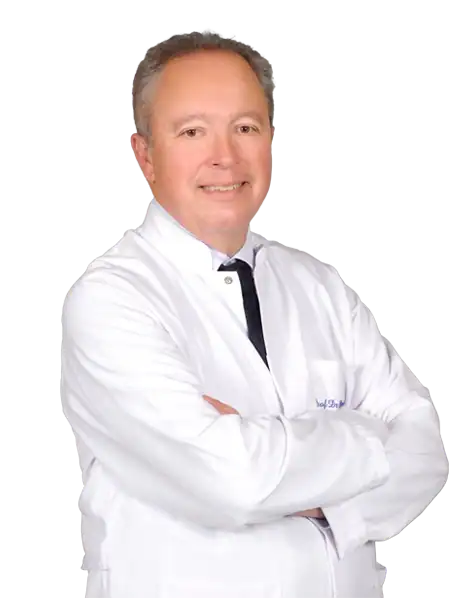
Prof. Dr. Cihangir Tetik
Orthopedic Surgery & Traumatology
Prof. Dr. Harzem Özger
Orthopedic Surgery & Traumatology
Prof. Dr. Ahmet Alanay
Orthopedic Surgery & Traumatology
Prof. Dr. Mustafa Karahan
Orthopedic Surgery & Traumatology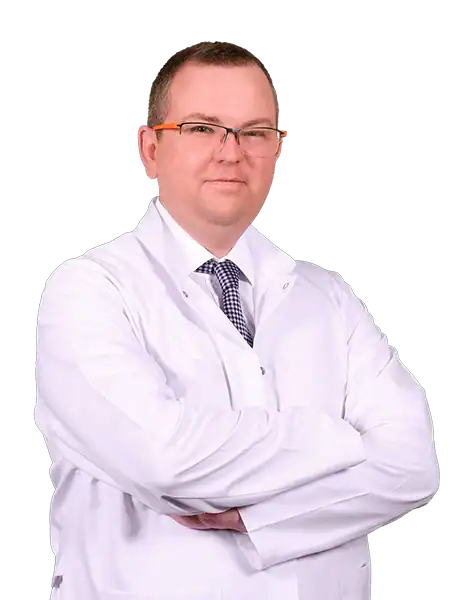
Prof. Dr. Barış Kocaoğlu
Orthopedic Surgery & Traumatology
Prof. Dr. Mustafa Seyhan
Orthopedic Surgery & Traumatology
Prof. Dr. Ata Can Atalar
Orthopedic Surgery & Traumatology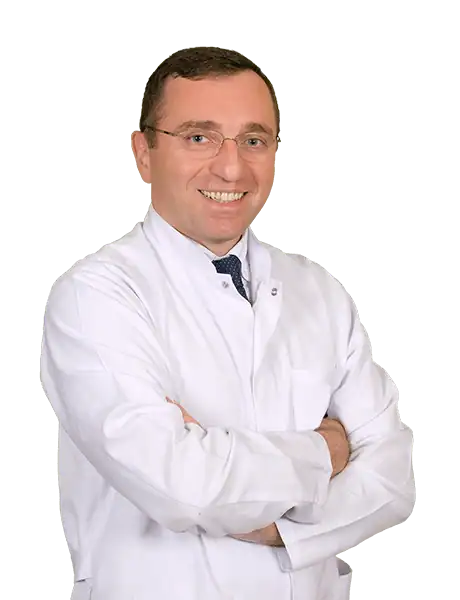
Prof. Dr. Fatih Dikici
Orthopedic Surgery & Traumatology
Prof. Dr. Levent Eralp
Orthopedic Surgery & Traumatology
Prof. Dr. İbrahim Tuncay
Orthopedic Surgery & Traumatology
Prof. Dr. İbrahim Kaya
Orthopedic Surgery & Traumatology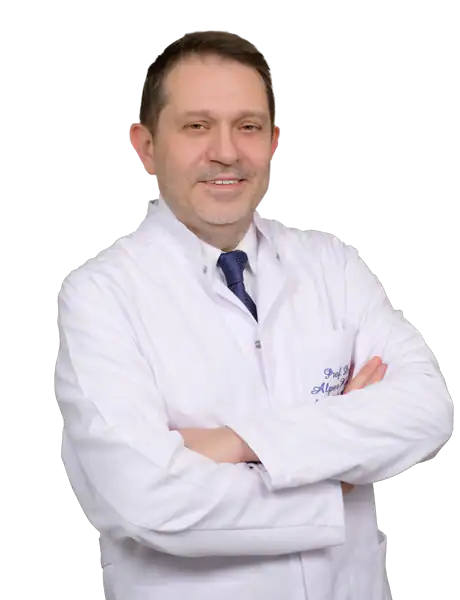
Prof. Dr. Alper Kaya
Orthopedic Surgery & Traumatology
Prof. Dr. Korhan Özkan
Orthopedic Surgery & Traumatology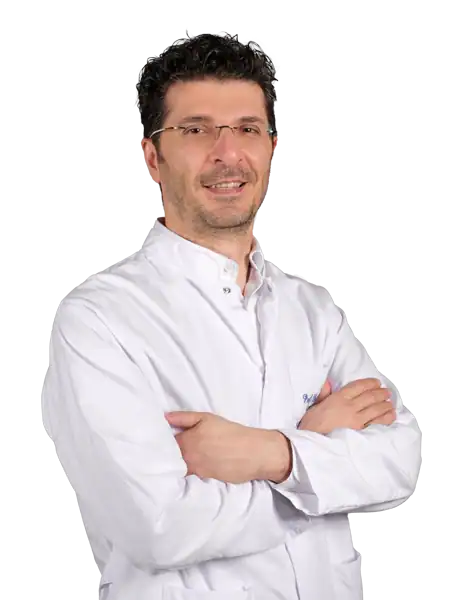
Prof. Dr. Metin Uzun
Orthopedic Surgery & Traumatology
Prof. Dr. Burak Akan
Orthopedic Surgery & Traumatology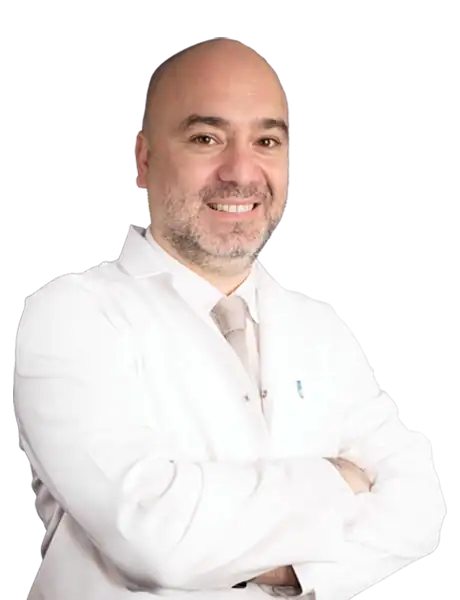
Prof. Dr. Kerem Bilsel
Orthopedic Surgery & Traumatology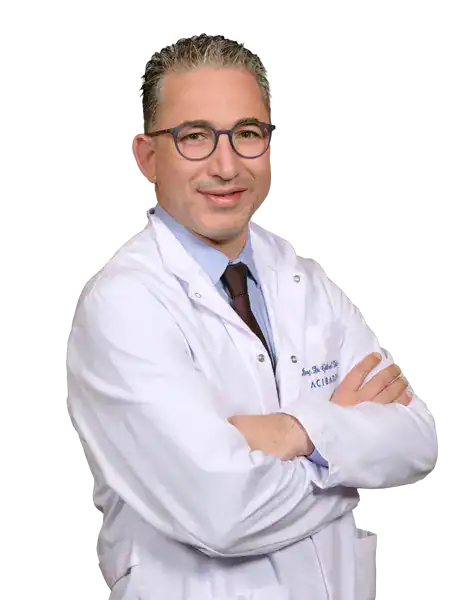
Prof. Dr. Göksel Dikmen
Orthopedic Surgery & Traumatology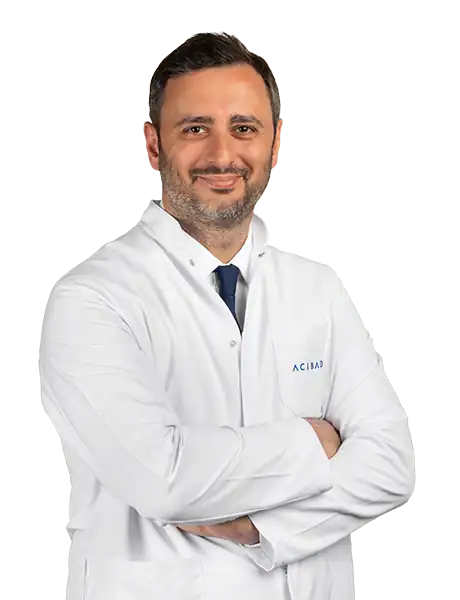
Prof. Dr. Kerim Sarıyılmaz
Orthopedic Surgery & Traumatology
Prof. Dr. Aziz Kaya Alturfan
Orthopedic Surgery & Traumatology
Prof. Dr. Hüseyin Bayram
Orthopedic Surgery & Traumatology
Prof. Dr. Mehmet Serdar Binnet
Orthopedic Surgery & Traumatology
Prof. Dr. Mahir Gülşen
Orthopedic Surgery & Traumatology
Prof. Dr. Mustafa Herdem
Orthopedic Surgery & TraumatologyMedical Units
Available at These Hospitals