Regenerative Medicine
Regenerative medicine uses biological treatments such as platelet-rich plasma or cell-based approaches to support tissue repair, reduce pain, and improve function in selected orthopedic conditions.
Quick answer
Regenerative medicine uses biological treatments — most commonly platelet-rich plasma (PRP) prepared from your own blood, or carefully selected cell-based preparations — to support the body's own tissue repair. In orthopaedics it is used for selected joint, tendon, ligament, muscle and cartilage problems. Most procedures are outpatient injections, often given under imaging guidance, followed by structured rehabilitation over weeks to months.
What Is Regenerative Medicine?
Regenerative medicine is a group of treatments that use biological materials — most often prepared from your own blood or tissue — to support the body’s natural repair processes. In orthopaedic care, regenerative medicine is used for selected joint, tendon, ligament, muscle and cartilage problems, with the aim of reducing pain and improving function rather than only suppressing symptoms. It sits between conservative care, such as physiotherapy and medication, and surgery. It is an option for some patients, not a universal answer for every musculoskeletal condition.
Most people start reading about regenerative medicine after months of discomfort: joint pain that interferes with walking, exercise, work, travel or sleep; a tendon injury that flares every time training resumes; physiotherapy that helps only temporarily; or a warning that surgery may be the next step. Others are athletes or highly active people who want to recover function while preserving as much natural tissue as possible. Whatever brings you here, the same principle applies — the value of a regenerative treatment depends less on the injection itself and more on whether it matches your actual diagnosis.
It is equally important to understand what regenerative medicine cannot do. These treatments do not build an entirely new joint, and they do not reverse advanced structural damage in any simple way. The quality of results depends heavily on diagnosis, technique, patient selection, rehabilitation and realistic expectations. A treatment that is reasonable for chronic tennis elbow may be inappropriate for advanced hip osteoarthritis. That distinction runs through everything on this page.
How does regenerative medicine work?
Regenerative medicine works by concentrating or delivering biologically active material to an injured or degenerated tissue in order to support cell regeneration, modulate inflammation and improve the local environment for healing. Platelets, for example, are small blood components best known for their role in clotting, but they also carry growth factors and signalling proteins involved in tissue repair. Concentrating them and placing them precisely at a tendon or joint target is intended to encourage the tissue’s own recovery processes.
The treatment does not act alone. Tendons and joints respond to mechanical load, so the biological signal is usually combined with a staged rehabilitation programme. The injection is one part of the process; the tissue also needs time, appropriate loading and a structured return to activity. Patients who expect a single injection to substitute for all of this are usually disappointed. Patients who treat it as the start of a recovery plan tend to get more from it.
What is an example of regenerative medicine?
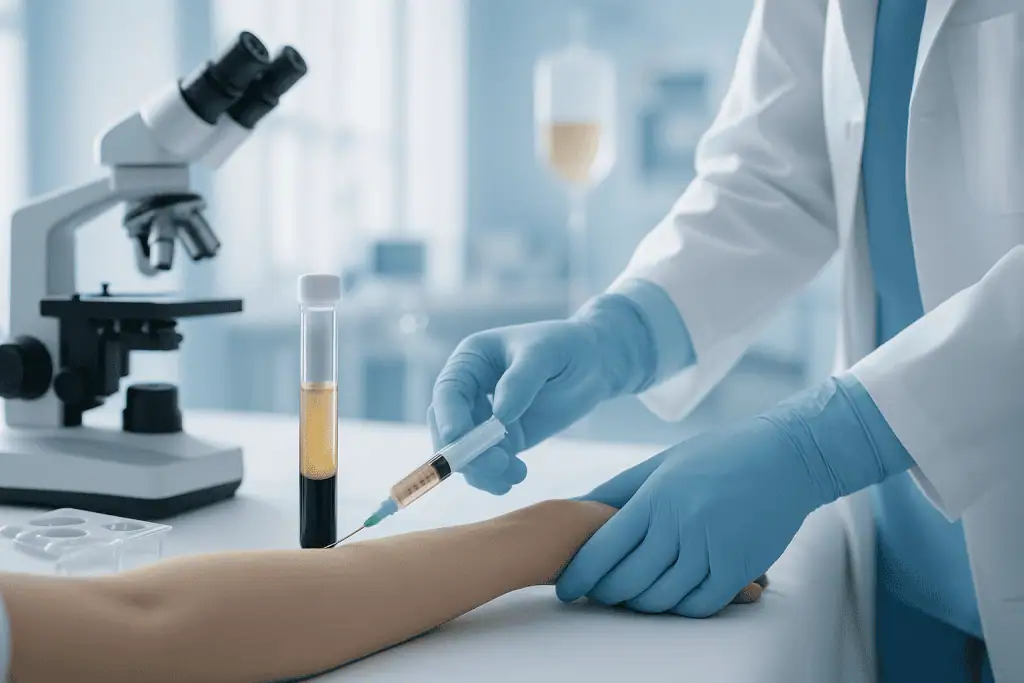
The best-known example in orthopaedics is platelet-rich plasma, usually called PRP. A small sample of your blood is drawn, much like a routine blood test, and processed in a centrifuge to separate its components by density. The platelet-concentrated portion is selected and injected into a targeted area — a tendon, ligament, joint or muscle injury — usually under imaging guidance when precision matters. Because the material comes from your own blood, PRP avoids many of the compatibility concerns associated with donor products.
A second category covers cell-based treatments, which may use cells or biologically active preparations obtained from your own tissues, such as bone marrow or adipose (fat) tissue, depending on the condition, the medical indication and local regulations. These are more complex than PRP and are used with greater caution, as explained further below.
What is the main use of regenerative medicine?
The main use of regenerative medicine in orthopaedic practice is the treatment of selected tendon disorders and early to moderate joint degeneration — situations where the tissue still has repair potential and the mechanical environment is favourable. In early or moderate osteoarthritis, it may form part of a joint preservation plan. In chronic tendinopathy, it may be combined with progressive loading exercises to encourage recovery.
In more advanced disease, regenerative treatments may still provide symptom relief for some patients, but they should not be viewed as a replacement for surgery when structural damage is severe and function is significantly compromised. A knee with mild cartilage wear and stable alignment is a very different problem from a knee with severe bone-on-bone arthritis and deformity.
Who May Consider Regenerative Therapy?
Regenerative therapy is usually considered by patients whose musculoskeletal symptoms have not improved enough with standard conservative treatment. That typically means rest, activity modification, oral anti-inflammatory medication, physiotherapy, bracing, exercise therapy or previous injections have already been tried, at least in part. Some patients look at biological options earlier because they want to avoid repeated steroid injections, or because they prefer an approach that aims to support tissue recovery rather than only suppress symptoms.
The symptoms that commonly lead to evaluation are familiar to anyone who has lived with them: joint pain with activity, swelling after exercise, stiffness, reduced range of motion, tendon pain that worsens with loading, pain on stairs or when squatting, discomfort during sport, and pain that returns after a period of temporary improvement. Some patients have local tenderness at a tendon attachment point — the elbow, shoulder, knee, hip or heel. Others have muscle injuries that heal more slowly than expected, or cartilage-related pain that limits ordinary daily movement.
Assessment begins with a detailed history and physical examination. Your physician will ask when the symptoms began, what makes them better or worse, which treatments you have already tried, and what level of function you need for work, sport or daily life. The examination identifies the painful structure, assesses joint stability, measures movement, tests tendon and muscle strength, and looks for biomechanical contributors such as malalignment, weakness or an altered gait pattern.
Imaging usually follows. X-rays show joint space narrowing, alignment problems, bone spurs, fractures and the stage of arthritis. Magnetic resonance imaging evaluates cartilage, menisci, tendons, ligaments, bone marrow changes and soft tissues in finer detail. Ultrasound is particularly useful for tendon injuries and can guide injections in real time. Laboratory tests may be added when inflammatory arthritis, infection, metabolic disease or another systemic condition needs to be excluded — sometimes with input from internal medicine specialists.
Several patient profiles come up repeatedly. A middle-aged patient with early knee osteoarthritis and persistent activity-related pain may be evaluated for PRP as part of a joint preservation plan. An athlete with chronic patellar or Achilles tendinopathy may be considered for an ultrasound-guided biological injection combined with progressive rehabilitation. A patient with a partial tendon injury may need a plan balancing biological support, load management and careful strengthening. And a patient with advanced arthritis, major deformity or a complete tendon rupture may be advised, honestly, that surgery is the more appropriate route.
The strongest candidates tend to share three things: a clear diagnosis, realistic expectations, and a willingness to participate in rehabilitation. Regenerative treatment is rarely passive.
Conditions Regenerative Medicine May Address
In orthopaedic practice, regenerative treatments are used for selected problems of joints, tendons, ligaments, muscles and cartilage. The strength of the evidence varies by condition and by treatment type. PRP has more supportive evidence for certain tendon disorders and for mild to moderate knee osteoarthritis than it does for other conditions. Cell-based approaches are more complex and are generally considered with particular attention to safety, indication and scientific support.
Conditions that may be evaluated include:
- Knee osteoarthritis: particularly early to moderate degenerative joint disease, where the aim is to reduce pain and improve function as part of a wider joint preservation strategy.
- Hip, shoulder or ankle joint pain: in selected cases, biological injections may be considered once imaging has confirmed the nature and stage of the joint disease.
- Tendon injuries and tendinopathy: chronic tennis elbow, golfer’s elbow, Achilles tendinopathy, patellar tendinopathy, hamstring tendinopathy, gluteal tendinopathy and rotator cuff-related tendon pain may all be assessed.
- Ligament sprains or partial injuries: some partial ligament injuries can be managed with biological support and rehabilitation when the joint remains stable.
- Muscle injuries: selected muscle strains or sports-related injuries, especially when recovery is slower than expected.
- Cartilage lesions: focal cartilage injuries need detailed assessment; regenerative treatment may be part of the plan, but some lesions require surgical cartilage repair techniques instead.
- Post-injury or overuse pain: persistent pain after a sports injury may be assessed to determine whether a tendon, ligament, joint or bone-related cause is present.
Regenerative medicine is not suitable for every problem. It is usually not the first treatment for acute fractures, complete tendon ruptures requiring repair, severe joint deformity, advanced bone-on-bone arthritis with major disability, uncontrolled inflammatory disease, active infection, or unexplained pain without a clear diagnosis. It may also be delayed or avoided in patients with certain blood disorders, active cancer, severe immune suppression or other medical risks. Your physician reviews all of these considerations before any treatment is recommended.
One point deserves emphasis: the indication must be specific. “Knee pain” is not a diagnosis. A knee may hurt because of osteoarthritis, a meniscus tear, ligament instability, cartilage damage, inflammatory disease, referred pain from the hip or spine — or several of these combined. A regenerative treatment can only be planned responsibly after the actual source of the symptoms is understood.
Stem Cell Injections and Other Cell-Based Treatments
A stem cell injection, in the orthopaedic sense, is a procedure in which cells or biologically active preparations obtained from your own tissue — typically bone marrow or adipose tissue — are placed into a damaged joint or tendon with the aim of supporting repair. The term is used loosely online, which causes confusion. What responsible clinics offer are carefully regulated, autologous (your own tissue) preparations for specific indications, not the sweeping “stem cell cures” advertised on some websites.
These treatments demand more medical judgment than PRP. The source of the material, the method of collection, the processing steps, the treatment target and the applicable regulations all vary, and not every patient is a candidate. Not every “stem cell” claim you will read is scientifically supported. In responsible orthopaedic care, cell-based approaches are considered only after a complete diagnosis and a frank discussion of potential benefits, limitations and alternatives.
It also helps to separate orthopaedic stem cell injections from other, quite different treatments that share similar vocabulary. A stem cell transplant is a haematological procedure used mainly for blood cancers and bone marrow disorders. CAR-T cell therapy is a cancer immunotherapy in which immune cells are engineered to target malignant cells. Cardiac stem cell therapy concerns the heart, not the musculoskeletal system. All are cell-based; none of them is what an orthopaedic patient with knee pain is usually reading about.
Is regenerative medicine legit?
Yes — as a medical field, regenerative medicine is legitimate and actively researched, but the honest answer is more layered than a yes or no. Some applications, such as PRP for certain tendon disorders and for mild to moderate knee osteoarthritis, are supported by a meaningful body of clinical evidence. Other applications are still investigational, and some claims made commercially go well beyond what science currently supports.
The practical test is not whether “regenerative medicine works” as a category, but whether a specific treatment is appropriate for your specific diagnosis, at your stage of disease, delivered with proper technique. A clinic that examines you carefully, reviews your imaging, explains the limits of the evidence and is willing to tell you that a biological injection is not suitable for your condition is behaving legitimately. A clinic that promises dramatic results to everyone who asks is not.
What is the biggest problem with regenerative medicine?
The biggest problem with regenerative medicine is the gap between marketing and evidence. Because these treatments are appealing — biological, minimally invasive, drawn from your own body — they are sometimes promoted for conditions where the supporting data is thin, or offered to patients whose disease is too advanced to respond meaningfully. Standardisation is a related difficulty: PRP preparations differ in concentration and handling between providers, which makes results harder to compare and predict.
For you as a patient, the protection against both problems is the same: an accurate diagnosis, a physician who explains why a treatment is or is not indicated in your case, and a plan that includes rehabilitation and follow-up rather than a stand-alone injection. If the underlying condition is misjudged, even a perfectly executed procedure will not deliver what you are hoping for.
How Regenerative Medicine Treatment Is Performed
Initial evaluation and treatment planning
The process begins with a medical assessment, a review of previous records and diagnostic imaging where needed. International patients are often able to share MRI scans, X-rays, operative reports, laboratory results and previous treatment summaries before travelling, which allows the clinical team to judge whether an in-person evaluation is appropriate and whether further tests will be needed on arrival.
During the consultation, the physician discusses your symptoms, medical history, activity goals and expectations. The examination focuses on confirming the painful structure and identifying factors that influence outcomes — joint alignment, instability, muscle weakness, body weight, smoking, diabetes control, inflammatory conditions and current medication. From this, a personalised plan is built. It may include regenerative treatment, physiotherapy, exercise modification, weight management, bracing, an anti-inflammatory strategy, or a surgical referral if the condition requires a different solution altogether.
Preparation before the procedure
Preparation depends on the treatment type. For PRP, a small blood sample is collected, similar to a routine blood draw. Medicines and supplements that affect platelet function or bleeding risk are reviewed in advance by the treating doctor — any adjustment is that doctor’s decision, made with knowledge of your full medical picture. Because inflammation is part of the early healing signal that PRP is intended to influence, the physician will also advise on how anti-inflammatory medicines fit around the treatment window.
For cell-based procedures, preparation is more detailed. The source of the biological material, the method of collection, the expected processing, the treatment target and the safety considerations are all explained beforehand. Depending on the approach, local anaesthesia or additional monitoring may be used. The team also reviews infection risk, bleeding risk, allergies, chronic illnesses and — for travelling patients — the timing of flights and onward plans.
What happens during the procedure?
Most regenerative procedures are performed in an outpatient setting and follow a recognisable sequence. For PRP, a typical appointment looks like this:
- A small sample of your blood is drawn.
- The sample is processed in a sterile centrifuge system to separate and concentrate the platelets.
- The target area is cleaned carefully, and local anaesthesia may be used depending on the site and technique.
- The physician injects the prepared plasma into the planned location, often watching the needle in real time on ultrasound.
- You are observed briefly, given activity instructions, and can usually return to your accommodation the same day.
Imaging guidance matters whenever precision matters. Ultrasound shows tendons, ligaments, muscles and some joints in real time, allowing accurate needle placement while avoiding nearby structures. Fluoroscopy or other imaging methods may be used for deeper joints or complex anatomy. Guidance is especially valuable for hip injections, shoulder structures, tendon sheaths, and small or deep targets where surface anatomy alone is unreliable.
Timing varies with the treatment and the number of areas addressed. PRP appointments include blood collection, processing, preparation, injection and a short observation period. Cell-based treatments take longer because tissue collection and processing are more involved. Activity restrictions are usually advised for the first days, even when you feel well.
Technology used in regenerative medicine
Modern regenerative medicine relies on technology to improve accuracy, safety and planning — never as a substitute for clinical judgment. High-resolution ultrasound identifies tendon thickening, partial tears, fluid, inflammation and abnormal tissue patterns. MRI provides detailed information about cartilage, bone marrow, ligaments, menisci, tendons and deeper joint structures. Digital X-ray assesses arthritis stage, joint alignment and bone-related change.
During treatment, sterile processing systems prepare the platelet-rich plasma or other approved biological preparations; centrifugation separates blood components by density so the platelet-concentrated portion can be selected. Image-guided injection systems deliver the treatment to the intended location. In rehabilitation, functional assessment tools and physiotherapy equipment help monitor strength, movement quality and readiness to return to activity.
After the procedure and early recovery
Mild soreness, swelling, warmth or stiffness can occur after regenerative injections. This is usually temporary and may simply reflect a local biological response. You will typically be advised to limit strenuous activity for a short period and return to movement gradually, following your physician’s instructions. Ice and simple supportive measures may be recommended; the place of anti-inflammatory medicines in the days around treatment is a question for your treating doctor, because they may not be appropriate immediately around some biological therapies.
Rehabilitation carries much of the result. For tendon conditions, that usually means a staged strengthening programme progressing from pain-controlled movement to loading exercises and sport-specific work. For joint conditions, the focus shifts to range of motion, muscle support, gait mechanics, balance and low-impact conditioning — often coordinated through a physical medicine and rehabilitation team. Progress is measured over weeks to months, not days. Some patients notice early improvement; others improve gradually as tissue irritation settles and function builds.
Follow-up matters. Your physician assesses pain, mobility, activity tolerance and whether further treatment is warranted. For some conditions a series of injections is considered; for others a single procedure is given and monitored. If symptoms do not improve as expected, the diagnosis and the plan should both be reassessed rather than simply repeated.
Recovery Timeline After Regenerative Medicine Treatment
Recovery varies with the treated area, the diagnosis, the procedure type and the rehabilitation plan, but most patients follow a broadly similar return-to-activity pathway. Treat the table below as a general shape, not a schedule — your own physician’s instructions take precedence.
| Time Period | What Patients Can Expect |
|---|---|
| Day 1 | Mild soreness, tightness or swelling may occur at the injection site. Most patients can walk and perform light daily activities, depending on the treated area. |
| First week | Activity is usually limited to protect the treated tissue. Strenuous exercise, heavy lifting or impact activity may be restricted. Gentle movement is often encouraged. |
| First month | Rehabilitation becomes more active, with progressive strengthening, mobility work and controlled loading. Symptoms may fluctuate as activity increases. |
| Two to three months | Many patients can assess meaningful changes in pain, function and activity tolerance. Sport-specific or higher-level training may begin when clinically appropriate. |
| Longer term | Ongoing improvement often depends on continued strengthening, weight management, biomechanics and avoiding excessive overload. Follow-up guides further care if symptoms persist. |
Does Regenerative Medicine Work? Factors That Influence Outcomes
Does regenerative medicine work? For the right patient, with the right diagnosis and a proper rehabilitation plan — it can. For the wrong indication, it usually does not, however skilfully the injection is given. Results vary from person to person: some patients experience significant improvement in pain and function, others improve partially, and some need additional or different treatment. The factors below explain most of that variation.
What is the success rate of regenerative medicine?
There is no single success rate for regenerative medicine, and you should be cautious of any source that quotes one. Outcomes depend on the specific condition being treated, the stage of the disease, the type of biological preparation, the accuracy of the injection, the quality of rehabilitation, and your overall health. A chronic tendinopathy in an otherwise fit patient is a different proposition from advanced arthritis in a joint with deformity. An honest consultation frames the likely range of outcomes for your case — including the possibility that another treatment would serve you better — rather than offering a headline figure.
What determines whether you get a good result?
The single most important factor is the accuracy of the diagnosis. Treating the wrong structure, or treating a symptom without understanding its cause, sharply reduces the likelihood of meaningful improvement. This is why careful examination and imaging review sit at the centre of responsible care.
The stage of disease matters almost as much. Regenerative treatment is generally more promising when the tissue still has repair potential and the mechanical environment is favourable. Early to moderate osteoarthritis behaves differently from advanced arthritis with severe cartilage loss; a chronic tendon disorder with partial degeneration is not the same as a complete rupture needing surgical repair. Alignment, joint stability, muscle strength and movement mechanics all influence how a treated tissue behaves afterwards.
Your general health plays a major role. Smoking, poorly controlled diabetes, obesity, inflammatory disease, certain medications, poor sleep and inadequate nutrition can all affect healing. Age alone does not decide candidacy, but biological capacity, activity level and overall health matter — which is one reason a broader health check-up is sometimes useful before planning treatment.
Technique influences quality. Proper preparation of the PRP, appropriate concentration and handling, sterile technique, accurate placement and image guidance where needed all contribute. Cell-based approaches demand even greater attention to indication, processing method, safety and regulatory standards.
Finally, rehabilitation is often what separates temporary symptom relief from durable functional improvement. Tendons and joints respond to controlled loading. Too much activity too soon irritates the tissue; too little leads to stiffness and weakness. A staged physiotherapy programme rebuilds strength, coordination and confidence while respecting the biological healing timeline.
Why Acting Early Matters
Orthopaedic pain often begins as a manageable problem and becomes harder to treat when ignored. A tendon that is painful during sport can progress to chronic tendinopathy with weakening and structural change. A joint with early cartilage wear can become more inflamed as movement patterns shift and surrounding muscles lose strength. A partial injury can worsen if the tissue is repeatedly overloaded before it has recovered.
Early evaluation does not always mean early injection. Sometimes the most valuable step is simply an accurate diagnosis and a structured plan. But delaying assessment allows avoidable problems to accumulate. Patients reduce activity because of pain, which brings muscle loss, stiffness, weight gain, poorer balance and less confidence in movement. They may lean increasingly on pain medication or repeated steroid injections without ever addressing the underlying mechanics or the condition of the tissue itself.
In progressive joint disease, timing shapes the menu of options. Regenerative approaches are most relevant while there is still a reasonable biological and mechanical environment for improvement. Once severe deformity, advanced cartilage loss, major instability or extensive tendon rupture has developed, non-surgical biological treatments are unlikely to produce meaningful functional change, and surgery becomes the more appropriate path.
For patients travelling for treatment, early planning also matters practically. Reviewing records ahead of time, arranging imaging efficiently, understanding how long to stay after a procedure and organising physiotherapy at home all affect the quality of the overall episode of care. A well-timed second opinion can prevent an unnecessary procedure, redirect you to the right intervention, or let you proceed with confidence in a plan that genuinely matches your diagnosis.
Benefits of Regenerative Medicine
When used for the right indication and combined with appropriate rehabilitation, regenerative treatment can offer several practical advantages for selected orthopaedic patients.
| Benefit | What It Means for You |
|---|---|
| Biological approach to tissue healing | Treatments such as PRP use components from your own blood to support local repair processes and tissue recovery. |
| Minimally invasive treatment | Many procedures are performed as outpatient injections, often without an incision or a hospital stay. |
| Potential pain reduction | In selected conditions, treatment may help reduce pain and inflammation, allowing fuller participation in rehabilitation and daily activities. |
| Support for function and mobility | The goal is not only symptom relief but better movement, strength, activity tolerance and an appropriate return to physical activity. |
| May help delay or avoid more invasive treatment in some cases | For carefully selected patients, biological treatment may form part of a joint preservation or tendon recovery plan before surgery is considered. |
| Personalised treatment planning | Your plan is built on your diagnosis, imaging findings, medical history, activity level and recovery goals, not a one-size-fits-all protocol. |
How Much Does Regenerative Medicine Cost?
There is no single answer, because the cost of regenerative treatment depends on what is actually being done — and that varies widely from patient to patient. Rather than a headline figure, it is more useful to understand what drives the total:
- Treatment type: PRP is a simpler process than cell-based procedures, which involve tissue collection and more elaborate processing.
- Number of sessions: some conditions are treated with a single procedure; others involve a planned series of injections.
- Imaging guidance: ultrasound- or fluoroscopy-guided injections involve additional equipment and expertise compared with landmark-guided ones.
- Diagnostics: MRI, X-ray, ultrasound and laboratory tests needed to confirm the diagnosis are part of the overall picture.
- The treated area and complexity: a deep hip joint is a different undertaking from a superficial elbow tendon.
- Rehabilitation: a structured physiotherapy programme after the procedure is often where much of the value — and some of the cost — sits.
Any meaningful estimate requires a diagnosis first, because the diagnosis determines the treatment. Be wary of pricing offered before anyone has examined you or reviewed your imaging; a quoted price for an unconfirmed indication tells you very little about what you actually need.
Does insurance pay for regenerative medicine?
Often not, and you should check before assuming otherwise. Many insurers classify PRP and orthopaedic stem cell injections as experimental or elective for a number of indications and exclude them from cover, while related items — the diagnostic imaging, the specialist consultation, the physiotherapy — may be handled differently under the same policy. Coverage rules vary by insurer, by country and by the specific condition being treated. The reliable course is to read your policy terms and put the question to your insurer in writing before committing to treatment, whether at home or abroad.
How Acibadem Approaches Regenerative Medicine
At Acibadem, regenerative medicine for orthopaedic conditions sits inside a broader musculoskeletal care model rather than standing alone as a procedure. Orthopaedics and traumatology specialists, sports medicine physicians, radiologists, physical therapy and rehabilitation teams — and other medical specialists when needed — evaluate together whether a biological treatment is appropriate for a given patient. For some, it may help reduce pain and improve function. For others, structured rehabilitation, arthroscopic repair, joint preservation surgery or joint replacement is the better recommendation, and that is what is said.
This multidisciplinary structure matters particularly for patients weighing up care abroad. A patient may arrive convinced they need PRP, only for imaging to reveal a meniscus tear, advanced arthritis, hip-related referred pain, inflammatory disease or a spine condition. Another may have been advised to have surgery elsewhere yet still be a candidate for a less invasive joint preservation plan. A careful second opinion clarifies the diagnosis and matches the treatment to the true source of the symptoms.
The diagnostic pathway is built to support evidence-based decisions. High-quality MRI, digital X-ray and ultrasound allow soft tissue and joint structures to be evaluated in detail; image-guided injection techniques improve precision for deeper joints and specific tendon or ligament targets; laboratory testing is used when systemic disease must be ruled out. These tools help the team distinguish conditions that may respond to biological treatment from those that require another approach entirely.
Planning is personalised. The severity of your condition, prior treatments, medical history, activity goals, travel schedule and expectations all shape the plan, which may include PRP, another biological approach where appropriate, structured physiotherapy, bracing, lifestyle guidance, medication review with your treating doctor, or referral for a surgical opinion. Internationally recognised treatment protocols and current medical evidence guide the decisions; the final plan is adapted to the individual.
Continuity after travel is part of the design. Patients who return home shortly after treatment receive written recommendations covering activity restrictions, physiotherapy progression, warning signs and follow-up, and where appropriate the rehabilitation plan is structured so that therapy can continue with a local physiotherapist at home. Knowing what should happen in the weeks after the procedure is as important as knowing what happens during it.
The underlying approach is deliberately measured. The aim is not to provide regenerative treatment to every patient who asks for it, but to determine whether it is suitable, whether it is likely to help, and whether another treatment would serve better. For patients comparing options across borders, that clarity is often the most valuable thing a hospital can offer.
A Careful, Evidence-Based Path Forward
Regenerative medicine is a meaningful option for selected orthopaedic conditions — particularly certain tendon disorders, early or moderate joint degeneration, and tissue injuries that stand to benefit from biological support combined with structured rehabilitation. For the right patient, it can be part of a thoughtful plan to reduce pain, improve function and support a return to daily activity or sport. For others, the most responsible recommendation is physiotherapy, a medication review with the treating doctor, surgery or further diagnostic work-up.
If you are weighing up this kind of treatment, the most important first step is an accurate diagnosis and a candid discussion of your options. Reviewing your imaging, understanding the stage of your condition and identifying the correct treatment target prevents unnecessary procedures — and gives whatever treatment you do choose its best chance of working.
Preparation
- A specialist evaluates your medical history, imaging, medications, and suitability for regenerative treatment. Blood tests or additional scans may be requested. You may be advised to stop certain anti-inflammatory or blood-thinning medicines before the procedure.
Aftercare
- Mild soreness or swelling can occur and is usually temporary. Follow the doctor’s activity restrictions, rehabilitation plan, and medication advice carefully. Improvement may develop gradually over weeks as tissue healing progresses.
Turkey vs UK, Germany & USA
Regenerative medicine for orthopedic conditions may include platelet-rich plasma or selected cell-based approaches to support tissue repair, pain relief, and function. Costs and patient experience vary by country, hospital standards, specialist expertise, treatment type, and the level of care coordination included.
The comparison below highlights cost and experience factors for international patients considering regenerative medicine abroad.
| Factor | Turkey | UK | Germany | USA |
|---|---|---|---|---|
| Price drivers | Private hospital pricing may be bundled with consultation, imaging review, procedure planning, and follow-up coordination. | Private care costs are influenced by consultant fees, clinic setting, imaging, and whether treatment is outside public pathways. | Costs depend on specialist clinic type, diagnostic workup, procedure complexity, and regulatory requirements for biologic treatments. | Pricing is often highly variable by provider, facility, biologic preparation, imaging guidance, and insurance coverage limits. |
| Hospital and specialist factors | International hospitals may offer orthopedic specialists, sports medicine teams, and coordinated patient services. | Care may be delivered in private clinics or hospital-based orthopedic units, with specialist availability varying by region. | Specialist orthopedic and rehabilitation networks are well established, with structured diagnostic and follow-up pathways. | Wide provider choice, from academic centers to private regenerative clinics, with significant variation in protocols and oversight. |
| Accreditation and quality | Patients may choose JCI-accredited hospitals with international patient departments and standardized safety processes. | Quality oversight depends on the provider, hospital governance, and national regulatory frameworks. | Providers operate within national healthcare regulation, with strong emphasis on documentation and clinical standards. | Accreditation and regulatory oversight vary by setting; patients should confirm provider credentials and treatment compliance. |
| Waiting times | Private scheduling is often coordinated for international patients after medical record review. | Private treatment may be faster than public pathways, but availability depends on consultant schedules. | Appointments are typically structured and may require staged diagnostics before treatment. | Access can be rapid in private clinics, though specialist centers may have longer scheduling timelines. |
| Travel and language logistics | International patient teams may assist with appointments, airport transfers, interpreters, and hotel coordination. | Travel is simpler for patients already in the region; interpreter support may vary by provider. | International services are available in many centers, though language support should be confirmed in advance. | Travel distances, accommodation, and insurance administration can add complexity for international patients. |
| Typical package inclusions | Packages may include specialist consultation, treatment planning, procedure, basic follow-up guidance, and coordination services. | Services are often billed separately, including consultation, imaging, procedure, and follow-up appointments. | Packages may be structured around diagnostics, specialist consultation, treatment, and rehabilitation planning. | Itemized billing is common, with separate charges for clinic, physician, biologic processing, imaging, and follow-up. |
What affects your final cost
- The type of regenerative treatment recommended after specialist assessment.
- The number and location of joints or tissues being treated.
- Whether ultrasound or other imaging guidance is required.
- The need for diagnostic imaging, laboratory tests, rehabilitation, or pain management support.
- The hospital setting, specialist experience, accreditation status, and international patient services.
- Travel, accommodation, interpreter support, and follow-up arrangements after returning home.
Compare your options
Regenerative medicine is not a single treatment, and suitability is decided by a specialist after examination, imaging review, diagnosis, and discussion of realistic goals.
| Option | What it is | Typical use | Key considerations |
|---|---|---|---|
| Platelet-rich plasma | A preparation made from the patient’s own blood, concentrating platelets and growth factor-related components. | May be considered for selected tendon, ligament, muscle, or early joint degeneration concerns. | Results vary by condition, preparation method, injection technique, and rehabilitation adherence. |
| Bone marrow aspirate concentrate | A cell-containing concentrate prepared from the patient’s bone marrow sample. | May be used in selected orthopedic cases where a specialist considers a biologic support approach appropriate. | Requires careful patient selection, sterile processing, and clear discussion of expected benefits and limitations. |
| Adipose-derived cell-based approaches | A biologic preparation derived from the patient’s fat tissue, depending on local regulations and clinical indication. | May be discussed for selected joint or soft-tissue problems in specialized settings. | Availability and permitted processing methods vary by country; patients should confirm regulatory compliance. |
| Hyaluronic acid and biologic adjuncts | Injectable substances used to support joint lubrication or complement a non-surgical care plan. | Often considered for symptomatic joint wear when surgery is not immediately indicated. | Not all injectable treatments are regenerative; the choice depends on diagnosis, severity, and treatment goals. |
| Rehabilitation-led conservative care | Exercise therapy, load management, physiotherapy, bracing, and lifestyle guidance. | Frequently used alone or alongside injections for orthopedic pain and functional limitation. | Often essential for long-term improvement; injections may have limited value without an appropriate rehabilitation plan. |
| Surgical treatment | Procedures such as arthroscopy, repair, reconstruction, or joint replacement when indicated. | May be recommended when structural damage, advanced degeneration, or functional impairment is unlikely to respond to injections. | Regenerative options are not a substitute for surgery in every case; the specialist will explain alternatives and risks. |
General information only — not medical or financial advice. Final costs depend on the factors above and your individual case; request a free, personalised quote.
Frequently Asked Questions
What affects the cost of regenerative medicine treatment?
Cost depends on the diagnosis, treatment type, treated area, imaging needs, preparation method, specialist fees, hospital setting, and whether rehabilitation or follow-up support is included. Travel, accommodation, and interpreter services can also affect the total budget.
How can I get a personalised quote?
A personalised quote usually requires a review of medical history, current symptoms, imaging reports, previous treatments, and treatment goals. You can request a free consultation so the clinical team can advise whether regenerative medicine is suitable and provide an individualized estimate.
Is regenerative medicine suitable for every orthopedic condition?
No. Suitability depends on the specific diagnosis, severity of tissue damage, overall health, expectations, and previous treatment response. A specialist decides whether platelet-rich plasma, a cell-based approach, rehabilitation, or another option is appropriate.
Why do quotes vary between clinics and countries?
Quotes may differ because of provider accreditation, specialist expertise, procedure setting, imaging guidance, biologic preparation protocols, laboratory or processing standards, and what is included in the package. Comparing inclusions is important, not only the headline price.
Are travel and language services usually included?
Some international hospitals provide coordinated services such as appointment planning, interpreter support, airport transfers, and assistance with accommodation. In other settings, these may be arranged separately, so patients should confirm inclusions before booking.
Is this information medical or financial advice?
No. This is general educational information and not a substitute for medical or financial advice. A free consultation with a specialist team is recommended for a personalised treatment plan and quote.
Medically reviewed by the Acıbadem International Medical Board — August 30, 2026
See our medical review board →
Update history
- PublishedJune 8, 2026
- Medical review approvedAugust 30, 2026
- Last content updateAugust 30, 2026
Trusted care for international patients
Doctors Performing This Treatment

Prof. Dr. Metin Türkmen
Orthopedic Surgery & Traumatology
Prof. Dr. Cihangir Tetik
Orthopedic Surgery & Traumatology
Prof. Dr. Harzem Özger
Orthopedic Surgery & Traumatology
Prof. Dr. Ahmet Alanay
Orthopedic Surgery & Traumatology
Prof. Dr. Mustafa Karahan
Orthopedic Surgery & Traumatology
Prof. Dr. Barış Kocaoğlu
Orthopedic Surgery & Traumatology
Prof. Dr. Mustafa Seyhan
Orthopedic Surgery & Traumatology
Prof. Dr. Ata Can Atalar
Orthopedic Surgery & Traumatology
Prof. Dr. Fatih Dikici
Orthopedic Surgery & Traumatology
Prof. Dr. Levent Eralp
Orthopedic Surgery & Traumatology
Prof. Dr. İbrahim Tuncay
Orthopedic Surgery & Traumatology
Prof. Dr. İbrahim Kaya
Orthopedic Surgery & Traumatology
Prof. Dr. Alper Kaya
Orthopedic Surgery & Traumatology
Prof. Dr. Korhan Özkan
Orthopedic Surgery & Traumatology
Prof. Dr. Metin Uzun
Orthopedic Surgery & Traumatology
Prof. Dr. Burak Akan
Orthopedic Surgery & Traumatology
Prof. Dr. Kerem Bilsel
Orthopedic Surgery & Traumatology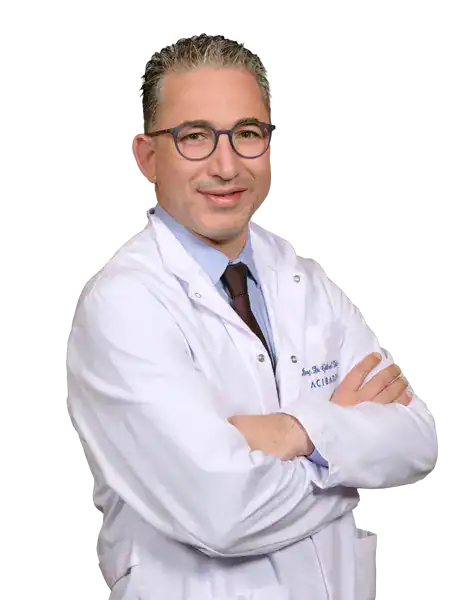
Prof. Dr. Göksel Dikmen
Orthopedic Surgery & Traumatology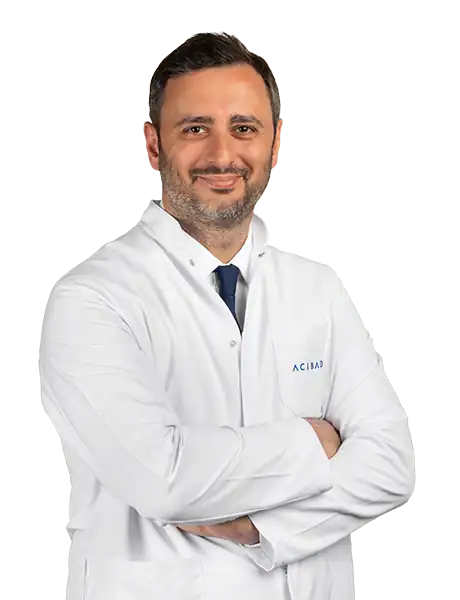
Prof. Dr. Kerim Sarıyılmaz
Orthopedic Surgery & Traumatology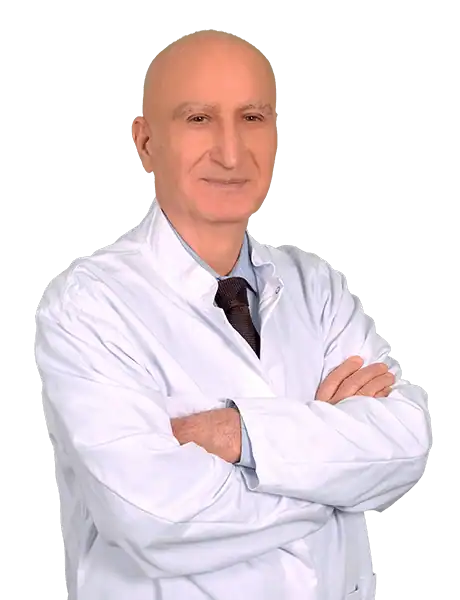
Prof. Dr. Aziz Kaya Alturfan
Orthopedic Surgery & Traumatology
Prof. Dr. Hüseyin Bayram
Orthopedic Surgery & Traumatology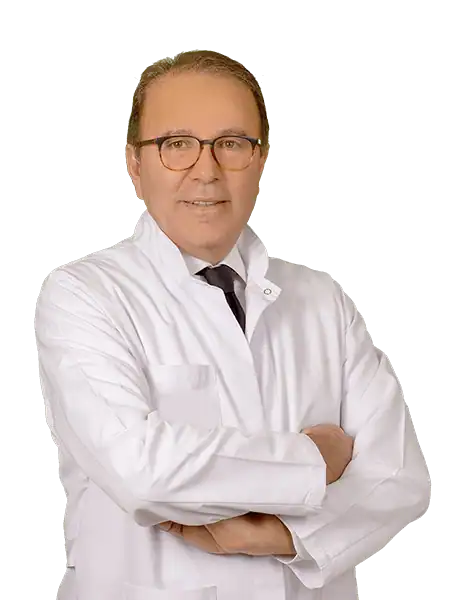
Prof. Dr. Mehmet Serdar Binnet
Orthopedic Surgery & Traumatology
Prof. Dr. Mahir Gülşen
Orthopedic Surgery & Traumatology
Prof. Dr. Mustafa Herdem
Orthopedic Surgery & TraumatologyMedical Units
Available at These Hospitals