Robotic Gallbladder Surgery
Robotic gallbladder surgery is a minimally invasive way to remove a diseased gallbladder, most often because of gallstones or inflammation. The surgeon operates through a few small incisions using robotic arms controlled…
Quick answer
Robotic gallbladder surgery is a minimally invasive cholecystectomy in which a surgeon removes the gallbladder through small incisions using robotic arms controlled from a console. It treats gallstones, gallbladder inflammation, and polyps. It is done under general anesthesia, usually takes one to two hours, and most patients go home within a day.
What is robotic gallbladder surgery?
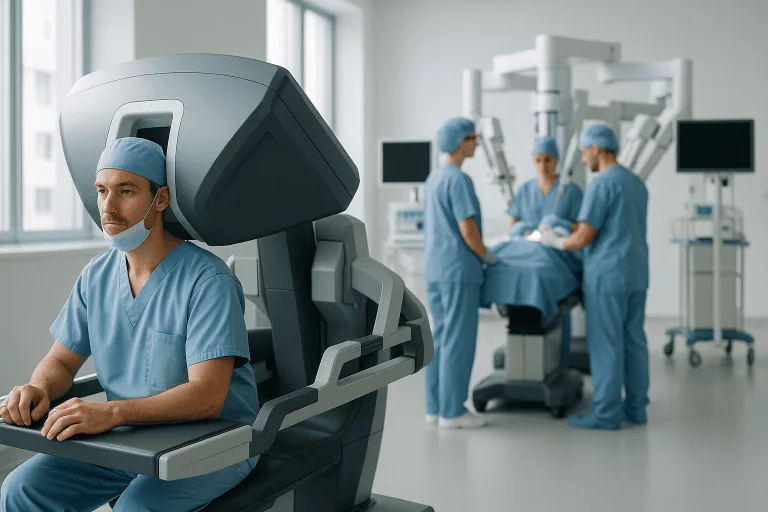
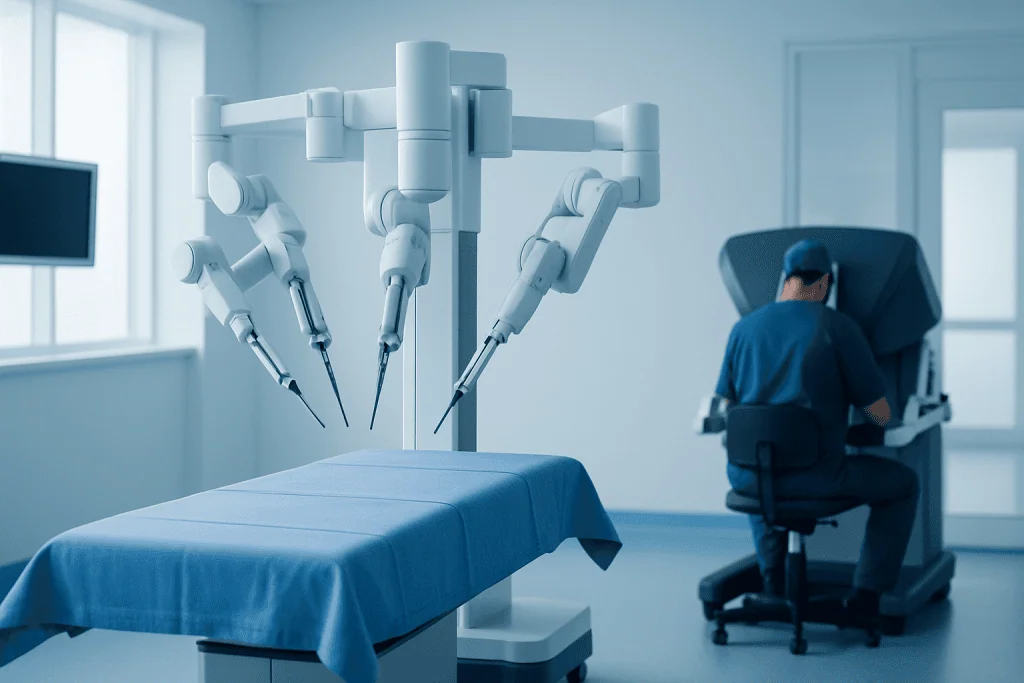
Robotic gallbladder surgery is an operation to remove the gallbladder using a surgical robot. The medical name for gallbladder removal is a cholecystectomy (pronounced ko-luh-sis-TEK-tuh-mee). In a robotic cholecystectomy, the surgeon sits at a console a few feet from the patient and controls robotic arms that hold a camera and small instruments. The robot does not operate on its own; every movement is made by the surgeon in real time.
The gallbladder is a small, pear-shaped organ under the liver that stores bile, a fluid that helps digest fat. When it becomes diseased, removing it is often the recommended treatment. Robotic surgery cholecystectomy is used for the same conditions as other forms of gallbladder removal, including:
- Gallstones (hardened deposits in the gallbladder) that cause pain, known as biliary colic.
- Cholecystitis, which is inflammation of the gallbladder, often caused by a stone blocking its outlet.
- Gallbladder polyps (small growths on the inner wall) above a size where doctors recommend removal.
- Biliary dyskinesia, a condition in which the gallbladder does not empty properly even without stones.
- Gallstone pancreatitis, inflammation of the pancreas triggered by a stone, once the acute episode has settled.
Robotic gallbladder surgery is a form of minimally invasive surgery, meaning it is done through a few small cuts rather than one large incision. It belongs to the same family of techniques as laparoscopic (keyhole) surgery. Hospital groups that offer this approach generally do so through a dedicated Robotic Surgery unit working alongside general surgeons; at Acibadem, for example, robotic cholecystectomy is performed by general surgery teams using the hospital’s robotic platform.
Who is a candidate
Most people who need their gallbladder removed and are fit enough for general anesthesia (medicine that keeps you fully asleep) can be considered for gallbladder robotic surgery. The decision is usually made together by the patient and a general surgeon after reviewing symptoms, blood tests, and imaging such as an ultrasound scan.
Candidates often include people with:
- Repeated attacks of gallstone pain.
- Acute or chronic gallbladder inflammation.
- Gallbladder polyps that meet criteria for removal.
- A history of gallstone-related pancreatitis.
- A higher body weight, where the robot’s stable camera and articulating instruments may make the operation technically easier for the surgeon.
Robotic surgery may not be suitable, or may need extra planning, in the following situations:
- Severe, rapidly worsening infection where the fastest available approach is preferred and a robot is not immediately set up.
- Extensive scar tissue from previous abdominal operations, which can make any keyhole approach harder.
- Suspected gallbladder cancer, which usually requires a different, more extensive operation and specialist planning.
- Serious heart or lung disease that makes general anesthesia and inflating the abdomen with gas unsafe.
- Pregnancy, where timing and technique are decided case by case.
- Inability to lie in the required position for the duration of surgery.
Some patients with mild symptoms may not need surgery at all and can be monitored. Your doctor may also suggest a standard laparoscopic operation if the robotic system is not available or is not expected to add value in your case.
How the procedure works
Understanding the steps can make the experience less stressful. The exact routine varies between hospitals, but the overall sequence is similar.
Before the operation
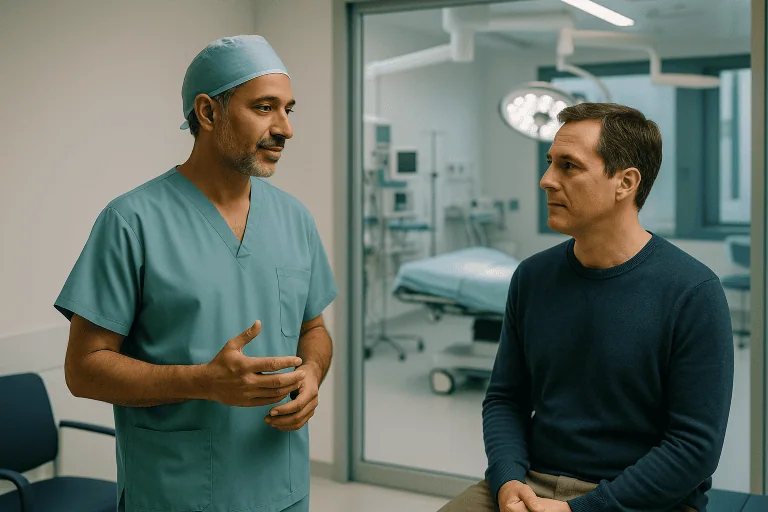
You will meet the surgeon and an anesthesiologist (a doctor who manages anesthesia). They review your medical history, medications, and allergies. You are usually asked not to eat or drink for several hours beforehand. On the day, a small tube (intravenous line) is placed in a vein in your hand or arm to give fluids and medicines.
During the operation
- Anesthesia: You are given general anesthesia and will be asleep and pain-free throughout.
- Positioning and small cuts: The surgical team makes three or four small incisions in the abdomen, typically each less than an inch long. In some centers a single incision near the navel is used instead.
- Inflating the abdomen: Carbon dioxide gas is introduced to lift the abdominal wall away from the organs, creating space to see and work.
- Docking the robot: The robotic arms are attached to thin tubes (ports) placed through the incisions. A high-definition, three-dimensional camera and instruments are inserted.
- The surgeon takes control: Sitting at the console, the surgeon views a magnified image and moves the instruments with hand and foot controls. The instruments can rotate in ways that mimic and extend the movement of a human wrist.
- Removing the gallbladder: The surgeon identifies the cystic duct (the tube draining the gallbladder) and the cystic artery (its blood supply), seals them with small clips, and then separates the gallbladder from the liver. Some surgeons use a fluorescent dye and special camera lighting to help see the bile ducts more clearly.
- Extraction and closure: The gallbladder is placed in a small bag and removed through one of the incisions. The gas is released, and the incisions are closed with stitches, glue, or small adhesive strips.
The operation itself often takes about one to two hours, though setup and recovery room time make the total hospital time longer.
After the operation
You wake up in a recovery area where nurses monitor your breathing, blood pressure, and pain. Once you are alert, can drink, and are passing urine, many patients are allowed to go home the same day or after one night. You will receive instructions about wound care, activity, and warning signs before you leave.
Preparation for robotic gallbladder surgery
Good preparation helps reduce complications and makes recovery smoother. Your surgical team will give you personalized instructions, which generally include the following.
- Pre-operative tests: Blood tests, and sometimes an electrocardiogram (heart tracing) or chest X-ray, depending on your age and health. Imaging of the gallbladder is usually already done as part of diagnosis.
- Medication review: Tell your doctor about every medicine and supplement you take. Blood thinners, some diabetes medicines, and certain herbal products may need to be paused or adjusted. Never stop a prescribed medicine without medical advice.
- Fasting: You will usually be asked not to eat for about six to eight hours before surgery and to stop clear fluids a shorter time beforehand. Follow the exact times you are given.
- Smoking and alcohol: Stopping smoking, even for a few weeks, may lower the risk of breathing and wound problems. Limiting alcohol is also advised.
- Skin and hygiene: Shower on the morning of surgery. Avoid shaving the abdomen yourself; if hair removal is needed, the team will do it.
- Practical planning: Arrange for an adult to take you home and, ideally, stay with you the first night. Wear loose, comfortable clothing and leave jewelry and valuables at home.
- Questions to ask: Whether your operation will be robotic or laparoscopic, what will happen if the surgeon needs to change to an open approach, and how pain will be managed afterward.
Recovery and aftercare
Robotic cholecystectomy recovery is broadly similar to recovery after laparoscopic gallbladder removal. Timelines vary from person to person, and your surgeon’s advice should take priority over general guidance.
First 24 to 48 hours
Some pain around the incisions is expected and is typically managed with over-the-counter pain relievers or a short course of prescribed medicine. Shoulder tip pain is common; it is caused by leftover gas irritating the diaphragm and usually settles within a day or two. Walking short distances around the house is encouraged from the first day to reduce the risk of blood clots and help the bowel recover. Start with light foods and small portions.
First week
Many patients feel noticeably better each day. Bloating, mild nausea, and loose stools can occur as your digestive system adjusts to bile flowing directly from the liver into the intestine. Keep incisions clean and dry; showering is often allowed after a day or two, but soaking in a bath or pool is usually discouraged until wounds have healed. You may drive again once you are off strong pain medicine and can brake sharply without pain, which for many people is within about a week.
Two to six weeks
People with desk-based jobs often return to work within one to two weeks. Physically demanding work and heavy lifting are typically restricted for about four to six weeks to let the abdominal wall heal. Light exercise such as walking can be increased gradually.
Diet after surgery
You do not need a gallbladder to digest food normally. In the early weeks, a lower-fat diet with regular small meals may reduce bloating and diarrhea. Most people return to a normal diet over time. A small number continue to notice looser stools after fatty meals in the longer term and may need dietary adjustments or medical advice.
Follow-up
A follow-up visit or call is usually arranged within a few weeks to check wounds and discuss any ongoing symptoms. If the removed gallbladder was sent for laboratory examination, results are typically discussed at this visit.
Risks and side effects
Gallbladder removal is one of the most commonly performed abdominal operations and is generally considered safe, but no surgery is without risk. Robotic gallbladder surgery carries the same core risks as other approaches, plus a few considerations specific to the technology.
- Bleeding during or after the operation, occasionally requiring a transfusion or further surgery.
- Infection of the small wounds or, less commonly, inside the abdomen.
- Bile leak from the closed duct or from the surface of the liver, which may need a drain or an endoscopic procedure to fix.
- Bile duct injury, an uncommon but serious complication in which the main duct carrying bile from the liver is damaged. This can require additional, more complex surgery.
- Injury to nearby organs such as the bowel, liver, or blood vessels.
- Retained stones in the bile duct that were not detected before surgery and may need a separate endoscopic procedure.
- Conversion to open surgery, meaning the surgeon decides during the operation that a larger incision is safer. This is a judgment call, not a failure, but it lengthens recovery.
- Anesthesia-related risks, including breathing problems, allergic reactions, and, rarely, heart complications.
- Blood clots in the legs or lungs, particularly in people who are less mobile after surgery.
- Hernia at an incision site, which is thought to be somewhat more relevant when a single, larger incision is used.
- Post-cholecystectomy syndrome, a term for ongoing abdominal pain, bloating, or diarrhea after gallbladder removal, which affects a minority of people and has several possible causes.
- Technology-related issues, such as equipment malfunction or the need to undock the robot and continue laparoscopically. Serious problems of this kind are uncommon in experienced centers.
Your surgeon will explain how these risks apply to your situation before asking you to sign a consent form.
Results and outlook
For most people, removing the gallbladder relieves the pain and other symptoms caused by gallstones or inflammation. The outcome depends mainly on whether the gallbladder was truly the source of the symptoms, not on whether the operation was robotic or laparoscopic.
When comparing robotic vs laparoscopic gallbladder surgery, published research to date generally finds that both techniques are safe and effective, with similar complication rates, similar pain levels, and similar recovery times for routine cases. Robotic surgery typically takes somewhat longer in the operating room, partly because of the time needed to set up the robot, and it costs more to deliver. Potential advantages of the robotic platform include a magnified three-dimensional view, instruments with a wider range of motion, reduced hand tremor, and greater comfort for the surgeon during long or difficult operations. Some surgeons find these features helpful in patients with obesity, significant inflammation, or complex anatomy, and some evidence suggests the robotic approach may be associated with fewer conversions to open surgery in selected difficult cases. However, high-quality studies proving that robotic surgery leads to better patient outcomes than laparoscopy for straightforward gallbladder removal are limited, and professional bodies currently regard both as acceptable options.
Once the gallbladder is removed, gallstones cannot form there again, although stones can very rarely develop in the bile ducts. Life expectancy and long-term digestion are not meaningfully affected for the vast majority of people.
Cost considerations
The cost of robotic gallbladder surgery varies widely between countries, hospitals, and insurance arrangements, so no single figure applies. Factors that commonly influence the total include:
- Use of the robotic system: The robot, its maintenance, and single-use instrument attachments add to the cost compared with conventional laparoscopy. This is the main reason the robotic approach is often priced higher.
- Operating room time: Longer setup and procedure times can increase charges.
- Length of hospital stay: Same-day discharge is less expensive than an overnight or multi-night stay, which may be needed if there is inflammation or a complication.
- Pre-operative tests and imaging: Blood work, ultrasound, and any additional scans are usually billed separately.
- Anesthesia and surgeon fees, which may be itemized or bundled.
- Additional procedures, such as an X-ray of the bile ducts during surgery or an endoscopic procedure to remove duct stones.
- Follow-up care, including clinic visits, wound checks, and treatment of any complications.
- Insurance coverage: Some insurers cover robotic surgery on the same terms as laparoscopy; others may only cover the standard approach or require prior authorization.
Asking the hospital for an itemized estimate and checking with your insurer in advance can help avoid unexpected bills.
Frequently asked questions
Is robotic gallbladder surgery better than laparoscopic surgery?
Current evidence does not show that robotic surgery is clearly better for routine gallbladder removal. Both approaches have similar safety and recovery profiles. The robot offers the surgeon enhanced vision and instrument control, which may be useful in more difficult cases, but for uncomplicated gallstones many surgeons consider the two techniques equivalent. The best option often depends on the surgeon’s experience and the equipment available.
How long does robotic cholecystectomy recovery take?
Many patients go home the same day or the next morning, feel comfortable with light activity within a few days, and return to a desk job within one to two weeks. Heavy lifting and strenuous exercise are typically avoided for about four to six weeks. Recovery can be slower if the gallbladder was severely inflamed or if a complication occurred.
Does the robot perform the surgery by itself?
No. The robotic system is a tool controlled entirely by the surgeon, who sits at a console in the operating room. The robot translates the surgeon’s hand movements into precise movements of the instruments. It cannot make decisions or move on its own.
How many incisions are made in gallbladder robotic surgery?
Most robotic cholecystectomies use three or four small incisions, similar to laparoscopic surgery. Some hospitals offer a single-incision robotic technique through the navel, which may leave a less visible scar but has been associated in some studies with a higher risk of hernia at the incision site. Your surgeon can explain which approach is planned for you and why.
Will I be able to eat normally after robotic surgery cholecystectomy?
Most people return to a normal diet within a few weeks. In the early period, fatty or very large meals may cause bloating or loose stools because bile now flows continuously into the intestine rather than being stored. Eating smaller, lower-fat meals at first often helps. A minority of people have longer-lasting changes in bowel habits and may benefit from dietary advice.
Is robotic gallbladder surgery painful?
Some discomfort at the incision sites and temporary shoulder pain from the gas used during surgery are common. Pain is usually mild to moderate and manageable with standard pain relievers. Studies comparing robotic vs laparoscopic gallbladder surgery generally find similar pain scores between the two.
Can robotic surgery be converted to open surgery?
Yes. If the surgeon cannot see the anatomy clearly or encounters bleeding, dense scar tissue, or another problem, they may switch to a traditional open operation through a larger incision for safety. This happens in a minority of cases and results in a longer hospital stay and recovery, but it is a recognized and appropriate part of surgical decision-making.
When to see a doctor
You should be assessed by a doctor if you have symptoms that may be related to your gallbladder, such as:
- Pain in the upper right or center of the abdomen, especially after meals, that lasts more than a few hours or keeps returning.
- Pain that spreads to the back or right shoulder blade.
- Nausea or vomiting together with abdominal pain.
- Yellowing of the skin or eyes (jaundice), dark urine, or pale stools, which can signal a blocked bile duct.
- Fever with abdominal pain, which may indicate infection.
After robotic gallbladder surgery, seek urgent medical attention if you notice any of the following:
- Fever above 101°F (38.3°C) or shaking chills.
- Severe or worsening abdominal pain not controlled by your prescribed medicine.
- Yellowing of the skin or eyes, or very dark urine.
- Persistent vomiting or inability to keep fluids down.
- Redness, swelling, warmth, or pus at an incision, or a wound that opens.
- A swollen, hard, or increasingly tender abdomen.
- Shortness of breath, chest pain, or coughing up blood, which may indicate a blood clot in the lungs.
- Pain, swelling, or redness in one leg, which may indicate a clot in the leg.
- Bleeding from an incision that does not stop with gentle pressure.
- No bowel movement for several days combined with bloating and pain.
If you are unsure whether a symptom is serious, it is safer to contact the surgical team or attend an emergency department than to wait. Most recoveries are uneventful, but early treatment of complications leads to the best outcomes.
Preparation
- You will typically have blood tests and a review of your medications, and blood thinners may need to be paused under medical guidance. Do not eat for about six to eight hours before surgery and follow the fluid instructions you are given. Stopping smoking beforehand may reduce breathing and wound complications. Arrange for an adult to take you home and stay with you the first night.
Aftercare
- Take pain medicine as directed and walk short distances from the first day to reduce clot risk and help digestion. Keep incisions clean and dry, and avoid baths or swimming until wounds have healed. Start with small, lower-fat meals and increase your diet gradually. Avoid heavy lifting for about four to six weeks and attend your follow-up appointment.
Medically reviewed by the Acıbadem International Medical Board September 14, 2026
See our medical review board →
Update history
- PublishedSeptember 8, 2026
- Medical review approvedSeptember 14, 2026
- Last content updateSeptember 14, 2026
References2
From the Acibadem Blog

Why Does Your Shoulder Hurt After Robotic Gallbladder Surgery? Gas Pain and Relief
Shoulder pain after robotic gallbladder surgery is usually referred pain from carbon dioxide gas used to inflate the abdomen. The gas irritates the diaphragm,…
Robotic Gallbladder Surgery From Console to Closure: How the Operation Unfolds
A robotic cholecystectomy procedure removes the gallbladder through a few small abdominal incisions, with the surgeon controlling instrument arms from a console beside the…

Robotic Gallbladder Surgery Recovery: Day-One Walks, Showering and When Baths Are Allowed
After robotic gallbladder surgery, most people are encouraged to walk within hours, shower from the day after surgery once the team confirms the dressings…