Super LASIK
Super LASIK is an advanced laser vision correction procedure used to reduce dependence on glasses or contact lenses for suitable patients with refractive errors.
Quick answer
Super LASIK is a personalised form of laser vision correction that reshapes the cornea to treat short-sightedness, long-sightedness and astigmatism. It combines detailed diagnostic mapping of the individual eye with computer-guided excimer laser treatment. A thin corneal flap is created, the underlying tissue is reshaped to a customised plan, and the flap is repositioned without stitches. It is an outpatient procedure for adults with a stable prescription.
Super LASIK: Personalised Laser Vision Correction
Super LASIK is a personalised form of laser eye surgery that reshapes the cornea to correct short-sightedness (myopia), long-sightedness (hyperopia) and astigmatism. It builds on standard LASIK by adding detailed optical and corneal mapping before treatment, so the laser reshaping pattern is calculated for your individual eye rather than from your glasses prescription alone. It is intended for adults with a stable prescription who want to depend less on glasses or contact lenses.
Most people who look into Super LASIK arrive with the same practical frustrations. Years of glasses or contact lenses. Dry or irritated eyes from lens wear. The inconvenience of lenses during sport, swimming, travel or long working days. Glasses that get in the way of protective equipment, cameras, microscopes or other occupational tools. Alongside the frustration come reasonable questions: is the procedure safe for my eyes, am I actually a candidate, how long does recovery take, and what happens if I have dry eyes, thin corneas or a strong prescription?
Honest answers start with honest assessment. Not everyone is a candidate for LASIK, and not every prescription is best treated with the same method. A careful refractive surgery programme looks well beyond the numbers on your glasses prescription. It examines corneal thickness and shape, tear film quality, pupil size, eye pressure, retinal health, your occupation and lifestyle, and whether your prescription has been stable long enough to treat. If any of those factors point away from Super LASIK, a responsible team says so and explains the alternatives.
The laser treatment itself is brief, but the decision should never feel rushed. The most important part of Super LASIK happens before the laser is ever switched on: confirming that your eyes are healthy, your prescription is stable, and the chosen approach fits your anatomy and your visual goals. Everything on this page is written with that principle in mind.
What Is Super LASIK?
Super LASIK is a customised laser vision correction procedure that treats refractive errors by reshaping the cornea, the clear front window of the eye. The term is generally used to describe an advanced form of LASIK that incorporates detailed preoperative measurements and personalised laser planning. Depending on your eye characteristics, that may include wavefront-guided or wavefront-optimised treatment design, corneal topography analysis and computer-assisted laser delivery with active eye tracking. The name describes an approach to planning and precision rather than a single fixed machine.
In an eye with normal focus, light entering through the cornea and lens lands directly on the retina at the back of the eye. In an eye with a refractive error, light focuses in front of the retina, behind it, or unevenly across it, which blurs vision at distance, near, or both. Super LASIK corrects this by using an excimer laser to remove microscopic amounts of corneal tissue in a precisely calculated pattern. The cornea’s new curvature changes how light is bent, so that it focuses more accurately on the retina.
The procedure is performed on the surface layers of the cornea, not inside the eye. It does not treat cataracts, glaucoma, retinal disease or corneal scarring, and it does not stop presbyopia, the age-related loss of near focusing ability, although in selected cases customised strategies can reduce dependence on reading glasses. Because the treatment is individualised, the planning phase carries real weight: the surgeon must decide whether Super LASIK is the best option for your eyes, or whether a surface laser treatment or an implantable lens would be safer or more appropriate.
Super LASIK is performed as an outpatient procedure. The laser itself is active for only a short time per eye, while the full visit includes preparation, identity and plan checks, numbing drops, positioning under the laser, treatment and an immediate post-procedure examination. Most patients return to routine, non-strenuous activities within a short period, although vision commonly fluctuates during the early healing phase while the corneal surface and tear film settle.
What does wavefront-guided treatment mean?
Wavefront-guided treatment means the laser plan is built from a map of how light actually travels through your whole optical system, not just from your glasses prescription. A wavefront analyser measures how a beam of light is distorted as it passes through your cornea and lens, capturing both the standard refractive error and more subtle optical imperfections known as higher-order aberrations. Where those imperfections are suitable for laser correction, the treatment pattern can take them into account. Wavefront-optimised planning, by contrast, uses your prescription together with corneal curvature data and is designed to preserve the cornea’s natural optical profile. Which approach suits you depends on your measurements, and this is one of the decisions your surgeon makes during planning.
What is the most advanced type of LASIK?
There is no single “most advanced” type of LASIK; modern procedures differ in how the corneal flap is created, how the treatment is planned and how the laser tracks the eye, and the best combination depends on your anatomy. A femtosecond laser flap, sometimes described as bladeless LASIK, replaces the mechanical blade used in older techniques. Wavefront-guided or topography-informed planning personalises the reshaping pattern. Names such as Super LASIK, ILASIK and Femto LASIK describe combinations of these technologies rather than a fixed hierarchy of quality. The genuinely advanced choice is the procedure matched to your cornea after full diagnostic testing, which for some patients is not LASIK at all.
Who Is a Candidate for Super LASIK?
Candidates for Super LASIK are adults with a stable glasses or contact lens prescription who want to reduce their dependence on corrective eyewear. Typical candidates have myopia, hyperopia, astigmatism or a combination of these. The strongest candidates have healthy corneas of adequate thickness, a regular corneal shape, a prescription that has not changed meaningfully over time, realistic expectations, and no active eye disease that would raise the risk of complications.
The symptoms and situations that most often bring people to a refractive surgery consultation are practical ones: blurred distance vision, difficulty reading road signs, dependence on glasses for driving or work, contact lens intolerance, recurrent eye irritation from lenses, and the daily friction of managing lenses during travel, sport or professional tasks. None of these symptoms is itself a diagnosis. What matters is the detailed examination that follows.
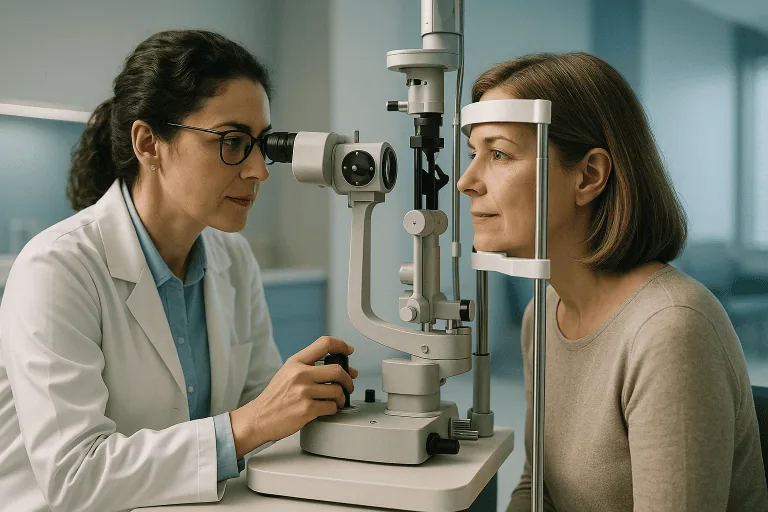
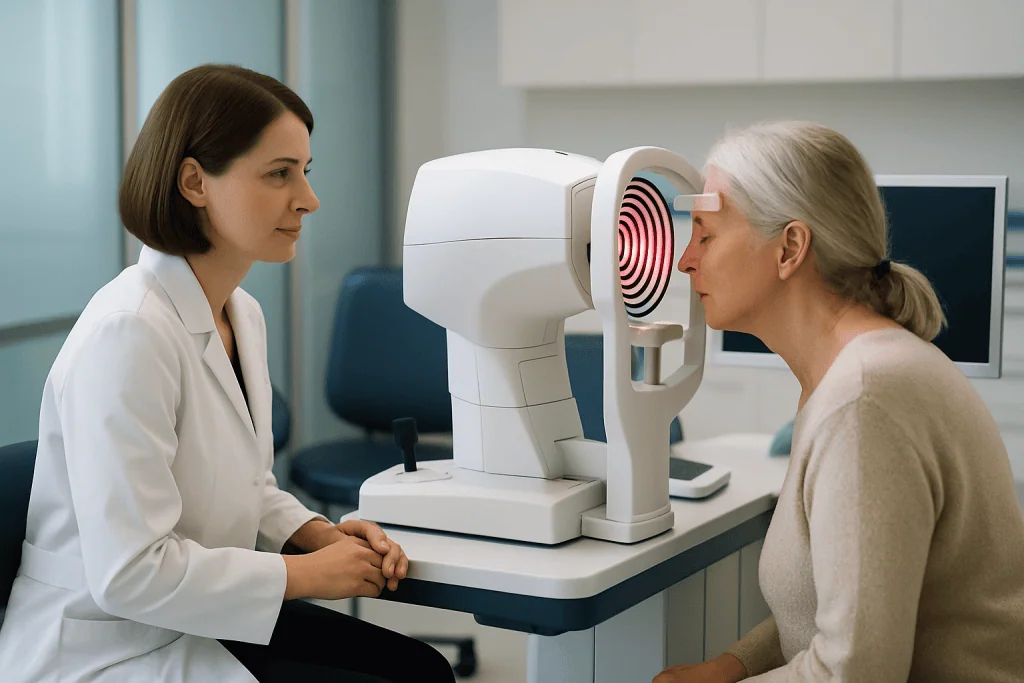
That examination is a comprehensive refractive surgery evaluation, which is considerably more detailed than a routine eye test. The ophthalmology team measures your prescription, maps the front and back surfaces of the cornea, measures corneal thickness, evaluates the tear film, checks pupil size in different lighting, measures eye pressure, and examines the retina. The team is looking not only for whether your prescription can be treated, but for subtle signs of corneal weakness or irregularity that would make laser reshaping unwise.
If you wear contact lenses, you will usually be asked to stop wearing them for a period before the examination. Lenses temporarily mould the corneal surface, and accurate, repeatable measurements are essential for safe planning. The required lens-free period differs between soft, toric, rigid gas permeable and specialty lenses, and your physician will specify what applies to you.
Some findings point away from Super LASIK. A cornea that is too thin, an irregular corneal shape, a prescription outside an appropriate treatment range, significant dry eye, or any suspicion of keratoconus or another corneal condition may lead to a recommendation for a different procedure or for no surgery at all. Pregnancy, breastfeeding, certain autoimmune conditions, uncontrolled diabetes, an unstable prescription, active eye inflammation and some medications can also affect candidacy. These factors do not always rule out treatment permanently, but each requires careful medical judgement rather than a quick yes.
What’s the worst eyesight LASIK can fix?
There is no single universal limit, because the upper boundary of what LASIK can safely correct is set by your corneal thickness and shape rather than by the prescription alone. Higher corrections require more corneal tissue to be removed, and the cornea must retain enough structural strength after treatment. This is why two people with identical prescriptions can receive different recommendations: one may have a thick, regular cornea that tolerates the correction comfortably, while the other does not. Very high degrees of myopia or hyperopia, and some strong or irregular astigmatism, are often better served by an implantable lens or another refractive strategy. The honest answer is measured in your diagnostic scans, not quoted in advance.
At what age is LASIK not worth it?
There is no strict age at which LASIK stops being worthwhile; what matters is the stage your eyes have reached. At the younger end, surgery is generally not appropriate until adulthood and until the prescription has demonstrably stabilised, because treating a still-changing eye risks the correction becoming outdated. From the 40s onwards, presbyopia begins to affect near focus regardless of any distance correction, so patients in this age group should be counselled that reading glasses or a tailored strategy such as blended vision may still be part of the picture. Later in life, if the natural lens is beginning to develop a cataract, lens-based surgery usually makes more sense than corneal laser correction, because it addresses both problems in one plan. The useful question is therefore not “how old am I?” but “what do my eyes need at this stage?”
Conditions Super LASIK Addresses
Super LASIK addresses refractive errors: focusing problems caused by the shape of the eye’s optical surfaces. It may be recommended for myopia, hyperopia, astigmatism or selected mixed prescriptions when the eye’s anatomy is suitable. Understanding each condition helps make sense of what the laser is actually correcting.
Myopia (short-sightedness)
Myopia, or short-sightedness, means distant objects appear blurred because light focuses in front of the retina rather than on it. People with myopia often read comfortably at close range but struggle with driving, presentations, sport or recognising faces across a room. Laser correction flattens the central cornea slightly so that light lands further back, on the retina. Patients with moderate or high myopia also warrant a careful retinal examination, because longer eyes carry a higher likelihood of retinal thinning that should be assessed before any surgery.
Hyperopia (long-sightedness)
Hyperopia, or long-sightedness, means light tends to focus behind the retina. Younger patients often compensate by using their eye’s own focusing effort, which can mask the problem but lead to eye strain, headaches or difficulty with sustained near work. As natural focusing ability declines with age, the symptoms become harder to ignore. Laser correction for hyperopia steepens the corneal profile so that light converges sooner, and it requires its own careful assessment of corneal shape and treatment limits.
Astigmatism
Astigmatism occurs when the cornea or lens has an uneven curvature, more like the side of a rugby ball than a football, causing distorted, stretched or shadowed vision at multiple distances. It can occur alone or together with myopia or hyperopia, and it is one of the areas where personalised planning matters most: the laser must correct not just the amount of astigmatism but its precise axis. Regular astigmatism is often treatable with Super LASIK; irregular astigmatism raises the possibility of an underlying corneal condition and requires a different pathway.
Higher-order aberrations
Higher-order aberrations are complex optical imperfections beyond the standard prescription, and they can contribute to glare, halos, reduced contrast or subtle visual distortion, particularly in low light. Customised planning in Super LASIK may address selected aberrations when they are genuinely corneal in origin and suitable for laser correction. It is worth being clear-eyed here: not all visual symptoms come from corneal shape. Dry eye, early lens changes, retinal conditions and neurological factors can produce similar complaints, which is another reason the diagnostic work-up matters more than the laser platform.
Equally important is what Super LASIK does not treat. It is not a treatment for cataracts, macular degeneration, diabetic retinal disease, glaucoma or corneal scarring that needs other forms of care, and it does not halt the normal ageing of the eye. Patients in their 40s and beyond should be counselled about presbyopia in advance, because even after excellent distance correction, near-vision strategies may still be needed.
How Super LASIK Is Performed
The Super LASIK pathway begins with a consultation, not a laser. The ophthalmologist reviews your visual history, prescription stability, general health, medications, contact lens use, work demands, hobbies and expectations. Previous prescriptions, past eye examination reports, corneal scans and details of your contact lens type all provide useful background, although candidacy is only ever confirmed by fresh, in-person testing.
The diagnostic work-up
The diagnostic stage produces the data the whole treatment rests on. Corneal topography and tomography create detailed maps of the front and back corneal surfaces. Pachymetry measures corneal thickness point by point. Wavefront or optical analysis records how light travels through your eye and whether there are aberrations worth incorporating into the plan. Tear film evaluation detects dry eye, which affects both comfort and visual quality after surgery. Pupil size is measured under different lighting conditions, because large pupils influence how the treatment zone is designed. A dilated retinal examination may be performed to assess the back of the eye, particularly in patients with moderate or high myopia. Where measurements are inconsistent, they are repeated until the surgeon is satisfied they are stable and true.
Planning the treatment
If Super LASIK is appropriate, the surgeon designs a personalised plan: the amount and pattern of corneal reshaping, the eye-tracking strategy, the size of the treatment zone, safety margins, and whether the goal is full distance correction or a customised alternative. A central safety principle runs through every plan: the cornea must retain adequate thickness and strength after treatment. If the numbers do not allow that, the plan changes, to a surface laser method, a lens-based procedure, or no surgery.
On the day: step by step
- Preparation. You will usually be asked to arrive without eye make-up, perfume or creams around the eyes, and without contact lenses. A companion is recommended, because you should not drive immediately after treatment.
- Final checks. The care team confirms the treatment plan, reviews consent, examines your eyes again and administers numbing eye drops. Sedation is not usually required, although some patients may be given medication to help them relax if appropriate.
- Flap creation. A thin corneal flap is created, in modern practice usually with a femtosecond laser, which uses extremely short pulses of energy to define a precise flap plane without a blade. Your vision may dim or blur briefly during this stage.
- Corneal reshaping. The flap is gently lifted and an excimer laser reshapes the underlying corneal tissue according to your personalised plan. Eye-tracking technology follows the small, involuntary movements of your eye and keeps the laser aligned throughout.
- Flap repositioning. The flap is laid back into position, where it adheres naturally without stitches.
- Immediate assessment. The team examines your eyes, confirms the flap position and gives you your post-procedure instructions and medications before you leave.
During the procedure you may feel pressure or mild discomfort at certain points, but sharp pain is not expected because the eye is numbed with drops. The laser is active for only a short period per eye; the total time in the treatment room is longer because of positioning, preparation and safety checks between each step.
Afterwards, you will usually be given antibiotic and anti-inflammatory eye drops, lubricating drops and protective guidance. It is normal for the eyes to feel watery, gritty and light-sensitive for the first several hours. Vision often improves quickly, but it fluctuates while the corneal surface heals and the tear film stabilises, so early impressions are not the final result.
Most patients return to many routine activities within a few days, depending on the surgeon’s advice and the nature of their work. Screen use is often possible soon after treatment, with frequent lubrication and regular breaks. Swimming, eye rubbing, dusty environments, eye make-up and contact sports are restricted for a period to reduce the risk of infection, inflammation or flap-related problems. Follow-up visits confirm healing, monitor your vision and allow medications to be adjusted by your doctor.
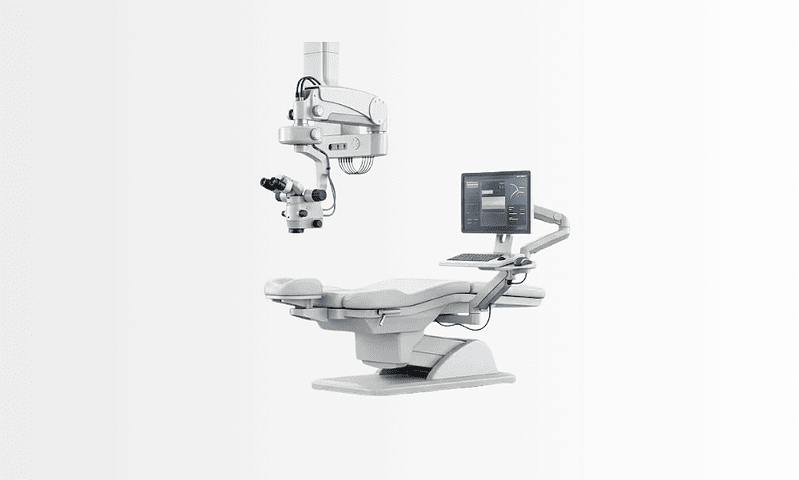
A note on technology. The tools used in Super LASIK, diagnostic imaging, optical measurement systems, computer-guided laser delivery, active eye tracking, exist to improve precision, planning and safety. They matter. But the most important factor remains the surgeon’s judgement in selecting the right patient, the right method and the right treatment parameters. A sophisticated laser applied to an unsuitable cornea is still the wrong operation.
Why Timing Matters
Super LASIK is an elective procedure, so it is almost never urgent. Timing still matters, though, in a quieter way. Acting at the right time means being evaluated when your prescription is stable, your ocular surface is healthy, and your work and lifestyle can accommodate a sensible recovery period. Waiting is not harmful in itself, but delaying an evaluation can prolong avoidable difficulties, particularly if contact lenses are already causing dryness, inflammation, recurrent irritation or outright intolerance.
For some patients, the evaluation itself is the most valuable step, because it uncovers conditions that need attention before any laser treatment can be considered. Dry eye, allergic eye disease, eyelid inflammation, retinal thinning in highly myopic eyes, or early corneal irregularity may all need treatment or monitoring first. Identifying these issues early improves comfort, reduces risk, and clarifies whether Super LASIK is genuinely appropriate or whether another option serves you better.
Life stage shapes the decision too. Younger adults need evidence that the prescription has settled. Patients in their 40s and older should understand how presbyopia will affect near vision after distance correction. Anyone who is pregnant, breastfeeding or planning pregnancy is generally advised to postpone surgery, because hormonal changes can temporarily alter the cornea and tear film, undermining both the measurements and the result. Patients with evolving cataracts are usually better served by cataract or lens-based planning than by corneal laser correction.
The value of acting early, in other words, is not pressure to proceed. It is the chance to make an informed decision before discomfort, lifestyle limitations or changing eye conditions make the planning more complicated than it needed to be.
Benefits of Super LASIK
The potential benefits of Super LASIK depend on careful candidacy, accurate planning and normal healing, and they should always be weighed alongside the risks and the alternatives discussed on this page.
| Benefit | What It Means for You |
|---|---|
| Reduced dependence on glasses or contact lenses | Many suitable patients rely less on corrective eyewear for daily activities such as driving, exercise, travel and work. |
| Personalised laser planning | Detailed diagnostic measurements tailor the treatment pattern to your prescription and your corneal characteristics. |
| Rapid visual recovery for many patients | Vision often improves within the first days, although fluctuations are normal while the eyes heal and dryness settles. |
| Outpatient treatment | The procedure is performed without an overnight hospital stay, with follow-up arranged around your recovery plan. |
| Improved convenience in daily life | Sport, professional tasks and travel become easier without managing lenses or glasses as frequently. |
| Detailed screening before treatment | Comprehensive testing identifies who is a good candidate, and who would be safer with a different approach. |
Recovery After Super LASIK
Recovery varies from person to person, but the pattern below reflects what many patients can expect after Super LASIK.
| Time Period | What Patients Can Expect |
|---|---|
| Day 1 | Vision may be blurry, hazy or fluctuating. Watering, light sensitivity and a gritty feeling are common. Rest, avoid rubbing the eyes and use prescribed drops as directed. |
| First week | Many patients notice significant improvement in distance vision. Dryness, halos or glare may occur, especially at night. A follow-up examination confirms early healing and medication use. |
| First month | Vision usually becomes more stable, although dryness and minor fluctuations may continue. Most daily activities resume, while certain sports and water activities remain restricted until cleared. |
| Three to six months | The ocular surface and visual quality continue to settle. Night-vision symptoms and dryness often improve over time, though some patients need lubrication or additional management for longer. |
| Longer term | Results are generally stable when the preoperative prescription was stable, but natural eye changes, presbyopia or cataracts later in life can affect vision independently of the LASIK correction. |
When can you fly after Super LASIK?
Flying after LASIK is usually possible within days, once your surgeon has confirmed at follow-up that early healing is on track. The main practical issue on board is not cabin pressure but cabin air, which is dry and can aggravate the temporary dryness that follows the procedure; frequent lubricating drops during the flight help. If you plan to fly soon after surgery, schedule the early post-operative check before your flight rather than after it. Our guide to flying after eye surgery compares LASIK with retinal laser and cataract surgery in detail.
What happens 10 years after LASIK?
The corneal reshaping performed during LASIK is permanent; a decade later, most changes people notice come from the natural ageing of the eye rather than from the surgery itself. Presbyopia gradually affects near focus from the 40s onwards, and early lens changes can alter vision later in life, both would have happened with or without LASIK. Some patients experience a degree of regression, a partial drift back towards the original prescription, which is more likely with higher initial corrections; in selected, fully healed eyes an enhancement procedure can be considered. Routine eye examinations remain important after LASIK, exactly as they do for everyone else, because the procedure corrects focus but does not protect against unrelated eye disease.
What Influences a Good Result
A good Super LASIK result depends on far more than the laser platform. The first and most important factor is patient selection. The cornea must have an appropriate shape and adequate thickness, the prescription must be stable, and the planned correction must sit within safe treatment limits. Subtle corneal irregularities have to be recognised at the screening stage, because treating an unsuitable cornea risks poor visual quality or progressive corneal weakening.
Tear film quality is the second major factor. Dry eye is common among contact lens wearers and people who spend long hours at screens, and LASIK can temporarily worsen it because corneal nerves are affected during flap creation. Identifying and treating dry eye before surgery improves comfort and supports better visual recovery. Some patients need lubricating drops, eyelid care, allergy treatment, anti-inflammatory therapy prescribed by their doctor, or simply a delay until the ocular surface is healthier.
Measurement accuracy matters just as much. Contact lens wear temporarily changes the corneal surface, which is why a lens-free period is required before evaluation, and why measurements may be repeated to confirm consistency. If the scans are not stable, or the findings do not match the prescription, the careful response is postponement, further testing or a different procedure, not proceeding on uncertain data.
Age and visual goals need frank discussion. A patient in their 20s with stable myopia has different expectations from a patient in their late 40s who is beginning to need reading glasses. Correcting both eyes for distance improves distance vision but does not prevent presbyopia. In selected cases, strategies such as blended vision or monovision can be discussed, but these require careful testing beforehand, because not everyone adapts to them comfortably.
Healing responses vary between individuals. Temporary glare, halos, dryness and fluctuating vision are relatively common in the early months and usually improve with time and treatment, but they belong in the preoperative conversation, not as a surprise afterwards. Rare complications include infection, inflammation, flap displacement, epithelial ingrowth, undercorrection, overcorrection, regression and reduced quality of vision. Enhancement procedures can be considered in selected cases, but only after the eye has healed and safety criteria are met.
Finally, your own participation shapes the outcome. Using drops correctly, attending follow-up appointments, avoiding eye rubbing, protecting the eyes from trauma and respecting activity restrictions all contribute to a smooth recovery. A good care plan sets out clear written instructions for the first days after surgery and provides documentation that supports ongoing follow-up with your own eye doctor.
How Acibadem Approaches Super LASIK
At Acibadem, Super LASIK is treated as a medical decision rather than a quick cosmetic service. The process begins with a comprehensive diagnostic evaluation and candidacy assessment, and the ophthalmology team’s first question is not whether the procedure can be performed, but whether it should be performed for this particular patient. Corneal shape, thickness, optical quality and ocular surface status are measured in detail, and the recommendation follows the measurements, which sometimes means advising a delay, treating the ocular surface first, choosing a different laser method, or steering away from corneal laser correction altogether. That selectiveness is a marker of responsible refractive surgery, not a limitation of it.
Complex cases receive broader input. Patients with diabetes, autoimmune disease, previous eye surgery, retinal findings or other medical considerations may need coordination with additional specialists before a refractive decision is made, and Acibadem’s hospital structure allows that coordination to happen within one system.
Aftercare is planned with the same discipline. Follow-up examinations are scheduled to confirm flap position and healing, drop regimens are reviewed and adjusted by the treating physician, and patients receive documentation of their measurements and treatment parameters so that any eye doctor they see in future has a complete picture of what was done and why. Final candidacy is always confirmed through in-person testing, whatever records are reviewed beforehand.
Making a Decision About Super LASIK
Super LASIK can be an effective option for suitable patients who want to depend less on glasses or contact lenses. The procedure is brief, recovery is often quick, and modern diagnostic planning allows the treatment to be tailored to the individual eye. But the quality of the result is decided largely before the laser fires: by careful screening, stable measurements, realistic expectations, and a surgeon prepared to recommend the safest option even when that means a different treatment.
Whether Super LASIK, another laser method or a lens-based procedure suits you best is a clinical judgement built from your corneal scans, your tear film, your prescription history and your visual goals, not from the prescription alone. Clearer vision starts with precise information about your own eyes, and that is what a thorough refractive evaluation exists to provide.
Preparation
- A detailed eye examination is required to assess corneal thickness, prescription stability, tear film, and overall eye health. Contact lenses may need to be stopped before testing and surgery as advised by the ophthalmologist. Patients should avoid eye makeup, creams, or perfumes on the day of the procedure.
Aftercare
- Mild burning, tearing, light sensitivity, or blurred vision can occur during the first hours after Super LASIK. Prescribed eye drops should be used exactly as directed, and rubbing the eyes must be avoided. Follow-up visits are important to monitor healing and visual recovery.
Frequently Asked Questions
What factors affect the cost of Super LASIK?
The final cost is influenced by diagnostic testing, laser technology, the level of customisation, surgeon experience, hospital or clinic standards, follow-up care, and whether travel-related services are included. A personalised assessment is needed before a clear quote can be prepared.
How can I get a personalised quote from Acibadem?
You can request a free consultation by sharing your recent eye examination results, prescription history, and any previous eye surgery or medical information. The clinical team can then advise whether further testing is needed and provide a tailored quotation.
Is Super LASIK always more expensive than standard laser eye surgery?
It may cost more when advanced diagnostics, customised treatment planning, or specific laser platforms are used. However, the appropriate option should be selected for safety and visual suitability, not only by price.
What is usually included in a Super LASIK package for international patients?
Packages may include the specialist consultation, diagnostic tests, procedure planning, the laser treatment, medication guidance, and follow-up coordination. International patient services may also help with translation, appointment scheduling, and travel logistics, depending on the package.
Will I need to stay in Turkey after Super LASIK?
Your specialist will advise the appropriate follow-up plan based on your eye findings and treatment response. International patients should plan enough time for preoperative testing, the procedure, and early postoperative review before travelling.
Is this information medical or financial advice?
No. This is general educational information. Treatment suitability and the final cost can only be confirmed after specialist evaluation and a personalised quotation.
Medically reviewed by the Acıbadem International Medical Board August 31, 2026
See our medical review board →
Update history
- PublishedJune 8, 2026
- Medical review approvedAugust 31, 2026
- Last content updateAugust 31, 2026
References1
- LASIK Eye Surgery my.clevelandclinic.org
Planning tools for this treatment
Indicative figures for orientation only: your written plan and quote follow a free medical review.
Trusted care for international patients
Laser eye surgery costsledger-based guide ranges, or browse the full Turkey Medical Price Index.
From the Acibadem Blog
Super LASIK Recovery: Burning Hours, Blurry Evening and the Follow-Up Appointments Ahead
Super LASIK recovery follows the same pattern as standard LASIK: eyes typically burn, water and feel gritty for several hours, vision is often blurry…