Uterine Fibroids Treatment
Uterine fibroids are benign growths of the uterus that may cause heavy bleeding, pelvic pain, pressure symptoms or fertility concerns. Treatment is tailored to size, location, symptoms and pregnancy plans.
Quick answer
Uterine fibroids are noncancerous growths in the uterus that are treated when they cause symptoms such as heavy menstrual bleeding, pelvic pressure, pain, or fertility problems. At Acibadem in Turkey, evaluation with gynecologic examination and imaging guides personalized care, which may include monitoring, medication, minimally invasive procedures, or surgery depending on the fibroids and reproductive plans.
Uterine Fibroids: When Symptoms Begin to Affect Daily Life, Fertility or Confidence
Learning that you have uterine fibroids can bring many questions at once. Are they dangerous? Will they keep growing? Could they affect pregnancy? Is surgery necessary, or can they be monitored? For many women, fibroids are found during an ultrasound for heavy menstrual bleeding, pelvic pressure, anemia, fertility evaluation or pregnancy planning. Others discover them incidentally during a routine gynecologic examination and feel anxious even though they have no symptoms.
Uterine fibroids are very common, and most are benign. They are not the same as uterine cancer, and in many cases they can be managed without urgent intervention. However, fibroids can significantly affect quality of life. Heavy bleeding may lead to iron deficiency anemia and fatigue. Pelvic pressure can make exercise, sexual intimacy or even sitting uncomfortable. Fibroids that distort the uterine cavity may contribute to infertility, recurrent pregnancy loss or complications during pregnancy. Large fibroids may press on the bladder or bowel, causing frequent urination, constipation or a feeling of abdominal fullness.
The most important principle in fibroid care is personalization. Treatment is not based on size alone. The best approach depends on the number of fibroids, their location in the uterus, the severity of symptoms, age, overall health, previous surgeries and whether you wish to become pregnant in the future. A woman who wants to preserve fertility may need a very different treatment plan from someone who has completed childbearing and wants definitive relief from severe bleeding.
At Acibadem, evaluation and treatment of uterine fibroids are planned with careful attention to both medical outcomes and the patient’s personal goals. For international patients, this often includes reviewing prior imaging and medical records before travel, arranging coordinated appointments, and helping the patient understand which treatment options are appropriate before making decisions about care abroad.
What Uterine Fibroid Treatment Is
Uterine fibroid treatment refers to the medical, interventional or surgical methods used to control symptoms, remove fibroids, reduce their size or, in selected cases, remove the uterus. Because fibroids vary widely, treatment may range from regular monitoring to minimally invasive procedures or major surgery.
Fibroids are noncancerous tumors that develop from the muscle layer of the uterus. They may be very small or large enough to enlarge the uterus. A woman may have one fibroid or many. Their position is especially important:
- Submucosal fibroids grow toward or into the uterine cavity and are commonly associated with heavy bleeding and fertility problems.
- Intramural fibroids grow within the muscular wall of the uterus and may cause bleeding, pain, pressure or fertility concerns depending on size and location.
- Subserosal fibroids grow outward from the uterus and often cause pressure symptoms rather than heavy bleeding.
- Pedunculated fibroids are attached by a stalk and may project inside or outside the uterus.
Treatment may aim to control bleeding, relieve pelvic pressure, correct anemia, improve the uterine environment before pregnancy, or provide a definitive solution for women with severe recurrent symptoms. Options may include hormonal or nonhormonal medications, hysteroscopic removal of fibroids inside the uterine cavity, laparoscopic or open myomectomy to remove fibroids while preserving the uterus, uterine artery embolization performed by interventional radiology, or hysterectomy when uterine preservation is not desired or not medically advisable.
A high-quality treatment plan begins with accurate diagnosis. Fibroids must be mapped carefully, because a fibroid that looks small on a general scan may still be clinically important if it distorts the uterine cavity. Conversely, a large fibroid on the outer surface of the uterus may not require treatment if it causes no symptoms and pregnancy is not being planned.
Who May Need Treatment for Uterine Fibroids
Not every woman with fibroids needs treatment. Many fibroids are monitored over time, particularly if they are small, stable and not causing symptoms. Treatment becomes more relevant when fibroids affect health, comfort, fertility or pregnancy planning.
Common symptoms that may lead to evaluation include menstrual bleeding that is heavier or longer than usual, bleeding between periods, passing clots, pelvic pain, menstrual cramps that are worsening, pain during intercourse, frequent urination, difficulty emptying the bladder, constipation, lower back pain, abdominal swelling or a sensation of pressure in the pelvis. Some women first seek medical attention because of tiredness, dizziness or shortness of breath caused by anemia from heavy bleeding.
Fibroids may also be discovered during fertility assessment. Depending on their location, they may interfere with embryo implantation, increase the risk of miscarriage or make assisted reproductive treatment less successful. A fibroid that changes the shape of the uterine cavity is usually considered more significant for fertility than one that grows outward from the uterus.
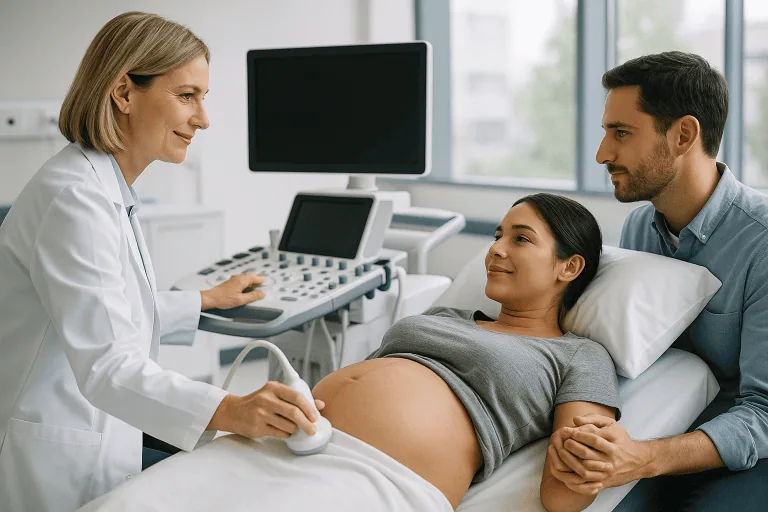
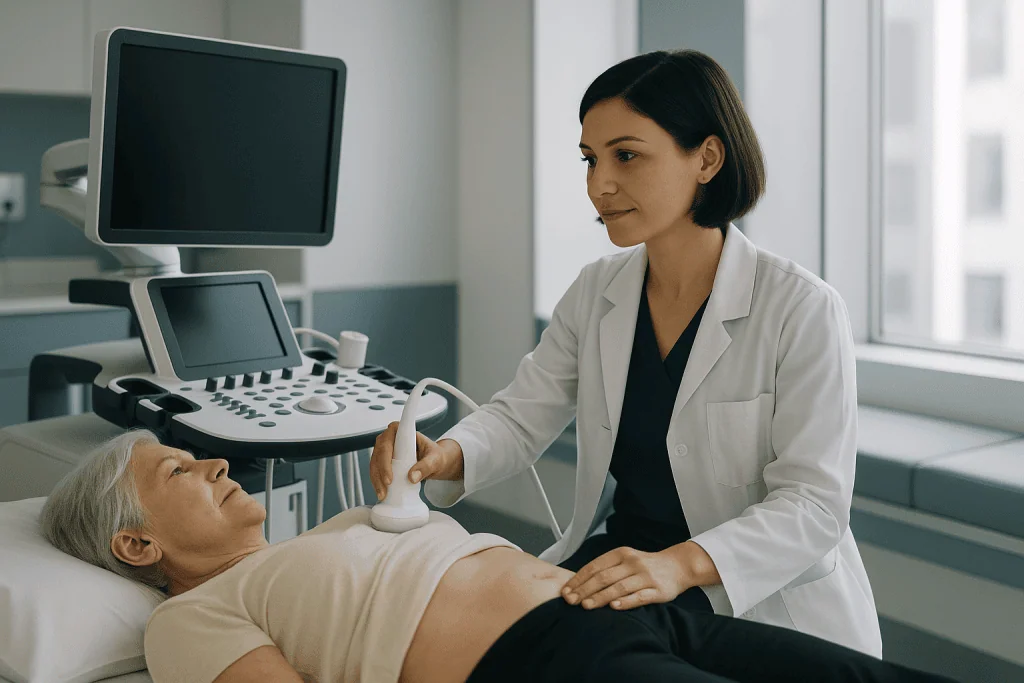
Diagnosis typically begins with a gynecologic consultation and pelvic examination, followed by imaging. Ultrasound is often the first test and may be performed through the abdomen, transvaginally or both. When more detail is needed, pelvic magnetic resonance imaging can help define the number, size and exact location of fibroids. MRI is especially useful before complex surgery or embolization, or when adenomyosis, ovarian disease or other pelvic conditions must be considered. Saline infusion sonography or hysteroscopy may be used to assess whether a fibroid enters the uterine cavity. Blood tests may be ordered to check for anemia, iron deficiency, thyroid disease or other causes of abnormal bleeding.
International patients are often asked to send recent ultrasound or MRI reports, operative notes from previous procedures, pathology results if available, medication lists and fertility history. This allows the gynecology team to form an initial view of the case before the patient travels and to recommend whether further imaging should be repeated at Acibadem for surgical planning.
Conditions and Indications Addressed by Fibroid Treatment
Fibroid treatment may be recommended for several different clinical situations. The indication is not simply “having fibroids,” but having fibroids that are likely responsible for symptoms or medical concerns.
One of the most frequent indications is heavy menstrual bleeding. Fibroids that enlarge or distort the uterine cavity can increase bleeding and make periods unpredictable or prolonged. Over time, this can cause iron deficiency anemia, reducing energy, concentration and exercise tolerance. Treating the fibroid may help reduce bleeding and allow anemia to improve with appropriate iron therapy.
Another common indication is pelvic pressure. Large fibroids can create a constant sense of fullness or heaviness. They may press against the bladder, causing frequent urination or nighttime waking, or against the bowel, causing constipation or discomfort. Some women describe looking pregnant because of an enlarged uterus, even when they are not pregnant.
Fibroid treatment may also be part of fertility care. Submucosal fibroids and selected intramural fibroids may reduce the chance of pregnancy or increase pregnancy risks. For women planning pregnancy, the decision to remove fibroids must balance potential benefit against surgical risks, healing time and the possibility of scar tissue. This is why fertility goals must be discussed early and clearly.
Other indications include rapid growth that requires evaluation, fibroids associated with recurrent pregnancy loss, fibroids that complicate pregnancy or delivery planning, persistent pelvic pain after other causes have been considered, and recurrent symptoms after previous fibroid treatment. In women approaching menopause, symptoms may improve naturally as estrogen levels decline, but this is not always predictable. Severe bleeding or significant pressure symptoms should not be dismissed solely because menopause may be near.
How Uterine Fibroid Treatment Is Performed
Fibroid care usually follows a step-by-step pathway: detailed evaluation, individualized treatment selection, preparation, treatment and recovery. The pathway differs depending on whether the plan is medication, a minimally invasive procedure or surgery.
Preparation and Treatment Planning
Before treatment, the care team confirms that the fibroids are the likely cause of the symptoms. This may involve pelvic ultrasound, MRI, hysteroscopy, laboratory testing and review of previous medical history. If bleeding is severe, anemia is treated before surgery whenever possible. Iron therapy, hormonal medication or other measures may be used to stabilize bleeding and improve blood counts. Optimizing anemia can reduce perioperative risk and support recovery.
Your physician will also discuss pregnancy plans in detail. If you want future pregnancy, the uterus-preserving options, such as myomectomy or selected nonsurgical approaches, may be considered. If you do not want future pregnancy and symptoms are severe or recurrent, hysterectomy may offer a definitive solution. The choice is always shaped by your health, anatomy and preferences.
For international patients, preparation may include a remote review of imaging, travel planning around the menstrual cycle, guidance on medications such as blood thinners, and coordination of preoperative anesthesia evaluation. A translator or international patient coordinator can assist with scheduling, hospital admission, consent processes and communication with the clinical team.
Medication-Based Management
Medication may be appropriate for women with mild to moderate symptoms, women who want to avoid or delay procedures, or patients who need stabilization before surgery. Options may include nonhormonal medications to reduce menstrual bleeding, hormonal contraceptives, progesterone-based therapies, intrauterine hormone systems or short-term medications that reduce estrogen stimulation of fibroids. These treatments can improve bleeding and anemia, but they generally do not remove fibroids. Symptoms may return when medication is stopped, and some medications are intended only for limited duration because of side effects.
Hysteroscopic Myomectomy
Hysteroscopic myomectomy is used for fibroids that project into the uterine cavity. No abdominal incision is needed. A thin camera is passed through the vagina and cervix into the uterus. The surgeon visualizes the fibroid directly and removes it using specialized instruments. Fluid is used to expand the uterine cavity so the surgeon can work precisely.
This approach is often selected for submucosal fibroids causing heavy bleeding or fertility concerns. Procedure time varies depending on fibroid size and complexity, and some larger fibroids may require more than one stage. Recovery is typically faster than abdominal surgery, although patients may have cramping, watery discharge or light bleeding for several days.
Laparoscopic, Robotic-Assisted or Open Myomectomy
Myomectomy removes fibroids while preserving the uterus. It may be performed through small abdominal incisions using laparoscopic techniques, with robotic-assisted instruments in suitable cases, or through an open abdominal incision when fibroids are very large, numerous or difficult to access. The surgeon opens the uterine muscle, removes the fibroid, and reconstructs the uterus carefully with layered suturing. This reconstruction is particularly important for women who may become pregnant later.
Minimally invasive myomectomy usually allows smaller incisions, less postoperative discomfort and faster return to daily activities compared with open surgery, but it is not suitable for every case. Open myomectomy may be the safer and more effective option for extensive disease or complex anatomy. The operation may take one to several hours depending on the number, size and location of fibroids, previous surgeries and whether adhesions are present.
After myomectomy, pregnancy is usually delayed for a period recommended by the surgeon to allow the uterus to heal. In some cases, cesarean delivery may be advised in future pregnancy, particularly if the uterine wall was deeply incised. These details are discussed during surgical planning.
Uterine Artery Embolization
Uterine artery embolization is a minimally invasive procedure performed by an interventional radiologist. Through a small puncture, usually in the groin or wrist, a catheter is guided into the arteries supplying the uterus. Tiny particles are delivered to reduce blood flow to the fibroids, causing them to shrink over time. The uterus itself receives blood supply from multiple sources, but the fibroids are particularly sensitive to reduced flow.
Embolization can be effective for bleeding and pressure symptoms in selected patients. It is not the right choice for every woman, especially those with certain fertility goals, suspected malignancy, active infection or specific fibroid patterns. After embolization, cramping and pain can be significant for the first days and are managed with medication. Symptom improvement usually develops gradually over weeks to months as fibroids shrink.
Hysterectomy
Hysterectomy is the surgical removal of the uterus and is considered definitive treatment for fibroids when pregnancy is not desired. It may be recommended for severe symptoms, very large or multiple fibroids, recurrent fibroids after previous treatment, coexisting uterine disease, or when other options are unlikely to provide lasting relief. Depending on the case, hysterectomy may be performed vaginally, laparoscopically, robotically assisted or through an abdominal incision. The ovaries are not always removed; that decision depends on age, ovarian health, cancer risk and patient preference.
Because hysterectomy ends the ability to carry a pregnancy, it requires careful counseling. For women with years of severe bleeding, anemia and repeated procedures, it may provide meaningful and lasting relief. For others, uterus-preserving treatment is more appropriate.
Technology Used During Diagnosis and Treatment
Modern fibroid care relies on accurate imaging and precise surgical planning. High-resolution ultrasound helps identify fibroids and assess the uterine cavity. MRI provides detailed mapping of fibroid number, size, location, blood supply and relationship to surrounding organs. During hysteroscopy, small cameras allow direct visualization inside the uterus. During laparoscopy, magnified imaging helps surgeons operate through small incisions with careful tissue handling. In embolization, real-time imaging guides catheter placement and confirms blood vessel anatomy.
Technology supports decision-making, but it does not replace clinical judgment. The most important factor is choosing the right treatment for the right patient, then performing it with careful attention to safety, fertility goals and long-term symptom control.
Recovery Process
Recovery varies by treatment. Medication does not require procedural recovery, but follow-up is needed to assess bleeding and side effects. Hysteroscopic procedures often allow return to normal light activities within a few days. Laparoscopic or robotic-assisted myomectomy usually requires a longer recovery, often measured in several weeks. Open surgery and hysterectomy generally require more time, particularly before heavy lifting, long flights, vigorous exercise or return to demanding work. Embolization has a different recovery pattern, with cramping and fatigue most prominent in the early days, followed by gradual improvement.
Your care team will provide individualized instructions about wound care, bleeding, pain control, bathing, sexual activity, travel, exercise and follow-up. International patients should discuss when it is safe to fly after treatment, especially after abdominal surgery or if anemia, clotting risk or other health concerns are present.
Why Acting Early Matters
Fibroids are often benign and slow-growing, so not every diagnosis requires immediate treatment. However, delaying evaluation when symptoms are significant can allow problems to progress. Heavy bleeding may worsen anemia, leading to fatigue, palpitations, dizziness and reduced physical resilience. Severe anemia may make surgery riskier and may require treatment before an operation can proceed safely.
Delay can also matter for fertility. Fibroids that distort the uterine cavity may interfere with conception or pregnancy outcomes. If pregnancy is planned, early assessment allows time to decide whether treatment is needed before trying to conceive or before assisted reproduction. Waiting until fibroids are very large or numerous may limit minimally invasive options and make surgery more complex.
Pressure symptoms may also become more disruptive over time. A growing fibroid can increase urinary frequency, constipation, pelvic pain or abdominal enlargement. In rare situations, sudden pain can occur if a fibroid outgrows its blood supply and degenerates, or if a pedunculated fibroid twists. Although these events are not always preventable, careful follow-up can help identify changing patterns.
Acting early does not always mean choosing surgery. It means receiving a clear diagnosis, understanding the options, monitoring appropriately and intervening at the right time for your health goals.
Benefits of Uterine Fibroid Treatment
The potential benefits of treatment depend on the type of fibroid, the chosen approach and the patient’s goals.
| Benefit | What It Means for You |
|---|---|
| Reduced heavy menstrual bleeding | Many treatments can help decrease excessive bleeding, which may improve anemia, energy levels and daily functioning. |
| Relief from pelvic pressure | Removing or shrinking fibroids may reduce bladder frequency, constipation, pelvic heaviness and abdominal fullness. |
| Uterus-preserving options | Myomectomy and selected minimally invasive treatments may address symptoms while keeping the uterus in place when appropriate. |
| Improved fertility planning | When fibroids affect the uterine cavity, treatment may help create a more favorable environment for pregnancy in selected patients. |
| Definitive treatment when needed | For women who do not want future pregnancy, hysterectomy can eliminate recurrence of uterine fibroids and related uterine bleeding. |
| More personalized decision-making | Accurate imaging and specialist evaluation help avoid both undertreatment and unnecessary procedures. |
Recovery Timeline After Fibroid Treatment
Recovery differs by procedure, but the following timeline gives a general view of what many patients can expect.
| Time Period | What Patients Can Expect |
|---|---|
| Day 1 | After hysteroscopy, some patients go home the same day with mild cramping. After myomectomy, hysterectomy or embolization, monitoring focuses on pain control, bleeding, urination and early movement. |
| First Week | Fatigue, light bleeding or pelvic discomfort may occur. Patients are usually advised to avoid heavy lifting and follow medication, wound care and activity instructions closely. |
| First Month | Energy gradually improves. Many patients return to desk-based work earlier after minimally invasive procedures than after open surgery. Follow-up may include pathology review, imaging when needed and discussion of activity progression. |
| Longer Term | Bleeding patterns, pressure symptoms and anemia often continue to improve over time. After myomectomy, pregnancy planning should follow the surgeon’s recommended healing interval. |
Factors That Influence Outcomes
A good result in fibroid treatment depends on matching the treatment to the patient’s anatomy, symptoms and future plans. Fibroid location is one of the most important factors. A submucosal fibroid that enters the uterine cavity may cause significant bleeding even if it is not very large. A large subserosal fibroid may cause pressure but may not affect menstrual bleeding or fertility in the same way.
The number of fibroids also matters. A single accessible fibroid can often be treated more directly than multiple fibroids throughout the uterus. Very large fibroids, deep intramural fibroids or fibroids near important blood vessels may require more complex surgery. Previous pelvic operations, endometriosis, adhesions, cesarean delivery scars and other gynecologic conditions may influence the safest approach.
Age and reproductive plans are central. Women planning pregnancy may benefit from myomectomy in certain situations, but they also need counseling about uterine healing, timing of conception and delivery planning. Women close to menopause may choose symptom control or monitoring if symptoms are manageable, while women with severe bleeding may still need active treatment. For women who have completed childbearing, definitive treatment may be considered if symptoms are substantial and recurrence risk is a concern.
Overall health affects recovery. Anemia, obesity, diabetes, high blood pressure, smoking, clotting disorders and medication use can influence surgical risk and healing. Optimizing these factors before treatment can make recovery safer. The experience of the clinical team also matters, particularly in complex myomectomy, fertility-preserving surgery, minimally invasive approaches and cases requiring coordination between gynecology, radiology, anesthesiology and reproductive medicine.
Expectations should be realistic. Treatment can reduce symptoms and improve quality of life, but fibroids can recur after uterus-preserving surgery, particularly in younger women with multiple fibroids. Embolization may shrink fibroids rather than remove them. Medication may control symptoms only while it is being used. A careful consultation should explain the likely benefits, limitations and alternatives of each option.
Why International Patients Choose Acibadem for Uterine Fibroid Care
For patients considering treatment abroad, medical quality is only one part of the decision. They also need clarity, coordination and confidence that their diagnosis and goals will be understood. At Acibadem, uterine fibroid care is delivered within JCI-accredited hospitals where gynecology, radiology, anesthesiology, pathology and related specialties can work together when needed. This multidisciplinary structure is especially important for patients with complex fibroids, fertility goals, recurrent symptoms or previous surgeries.
Treatment planning follows evidence-based international protocols while remaining individualized. A patient with heavy bleeding and anemia may need medical stabilization before surgery. A patient seeking pregnancy may require detailed assessment of the uterine cavity and coordination with fertility specialists. A patient with a very large uterus may need discussion of open versus minimally invasive surgery, including the safety and completeness of each approach. These decisions are made through careful evaluation rather than a single standard pathway.
Acibadem hospitals use advanced diagnostic and operative technologies to support precision and safety. Detailed ultrasound and MRI help map fibroids before treatment. Endoscopic systems support hysteroscopic and laparoscopic procedures when suitable. Image-guided interventional radiology can be part of the treatment plan for selected patients. Anesthesia and perioperative care teams support patients before, during and after procedures, with attention to pain control, bleeding risk, mobility and safe discharge planning.
Experienced physicians are central to the process. Fibroid treatment can be technically demanding, particularly when the goal is to preserve fertility or avoid unnecessary removal of the uterus. Surgical judgment is required to decide which fibroids should be removed, how the uterus should be reconstructed, when a minimally invasive approach is appropriate and when a more extensive procedure is safer. International patients benefit from clear explanations of these choices, including the reasons a particular treatment is recommended.
Acibadem International provides dedicated support for patients traveling from abroad. Services may include assistance with appointment scheduling, medical record transfer, interpretation in more than 20 languages, airport and accommodation coordination where appropriate, and guidance throughout the hospital process. This support is designed to reduce confusion during a time when patients may already feel vulnerable and far from home.
For many patients, a second opinion is a valuable step before deciding on surgery. If you have been told that hysterectomy is the only option, if your fibroids have returned after prior treatment, or if you are uncertain whether fibroids are affecting fertility, a detailed review may clarify alternatives. In some cases, the recommendation may be to monitor rather than operate. In others, earlier intervention may help prevent worsening symptoms or preserve future options.
Taking the Next Step
Uterine fibroids are common, but their impact is deeply individual. One woman may live comfortably with small fibroids for years, while another may experience severe bleeding, anemia, pain or fertility concerns. The right treatment begins with a precise diagnosis and a conversation that takes your symptoms, reproductive plans and personal priorities seriously.
If you are considering fibroid treatment, or if you would like a second opinion on imaging or a proposed surgery, Acibadem can help you understand your options. A consultation can review the type and location of your fibroids, explain whether medication, hysteroscopic treatment, myomectomy, embolization or hysterectomy may be appropriate, and outline what recovery could look like for your situation.
This information is general and is not a substitute for professional medical advice. Diagnosis and treatment decisions should always be made with a qualified physician who can evaluate your individual medical condition.
Preparation
- Evaluation usually includes a pelvic exam, ultrasound or MRI, blood tests and a review of bleeding patterns and fertility goals. Your gynecologist will discuss medication, laparoscopic, hysteroscopic, robotic or open surgical options. Blood thinners and certain medicines may need to be adjusted before surgery, and fasting is required if general anesthesia is planned.
Aftercare
- After treatment, patients are monitored for bleeding, pain control and recovery from anesthesia. Walking is encouraged early, while heavy lifting, intercourse and strenuous exercise are restricted until cleared by the doctor. Follow-up visits assess healing, symptom relief and future pregnancy planning when relevant.
Frequently Asked Questions
What affects the cost of uterine fibroid treatment?
The main factors are the fibroid size and location, the severity of symptoms, diagnostic tests, the treatment method, anaesthesia, hospital stay, pathology, medications, and follow-up needs. Travel, translation, and accommodation arrangements can also affect the overall budget for international patients.
How can I get a personalised quote from Acibadem?
You can request a free consultation and share recent ultrasound or magnetic resonance imaging reports, blood tests, symptom history, previous treatments, and pregnancy plans. A specialist team can review your case and provide a tailored care plan and quote based on the recommended option.
Is the lowest-cost option always the best choice?
Not necessarily. Fibroid treatment should balance symptom relief, safety, fertility goals, recovery expectations, and the likelihood of needing further treatment. A gynaecology specialist should recommend the most appropriate option for your clinical situation.
What is usually included in an international patient package?
Packages may include specialist consultation, diagnostic review, the procedure, hospital stay, standard nursing care, routine medications, and international patient coordination. Inclusions vary by case, so it is important to confirm imaging, pathology, medications, follow-up, interpreter services, and any extra tests before travelling.
Will I need to travel more than once for fibroid care?
Many patients can complete consultation, testing, and treatment in one planned visit when clinically appropriate, but this depends on the chosen treatment, test results, recovery, and follow-up needs. Your care team can advise whether remote follow-up is possible.
Medically reviewed by the Acıbadem International Medical Board June 20, 2026
See our medical review board →
Update history
- PublishedJune 8, 2026
- Medical review approvedJune 20, 2026
- Last content updateSeptember 8, 2026
References3
- Uterine fibroids nhs.uk
- Uterine fibroids medlineplus.gov
- Uterine Fibroids my.clevelandclinic.org
Trusted care for international patients
From the Acibadem Blog

How Laparoscopic Myomectomy Removes Fibroids: The Procedure and Time in Hospital
A laparoscopic myomectomy removes uterine fibroids through several small abdominal incisions while leaving the uterus in place. Under general anesthesia, a surgeon uses a…
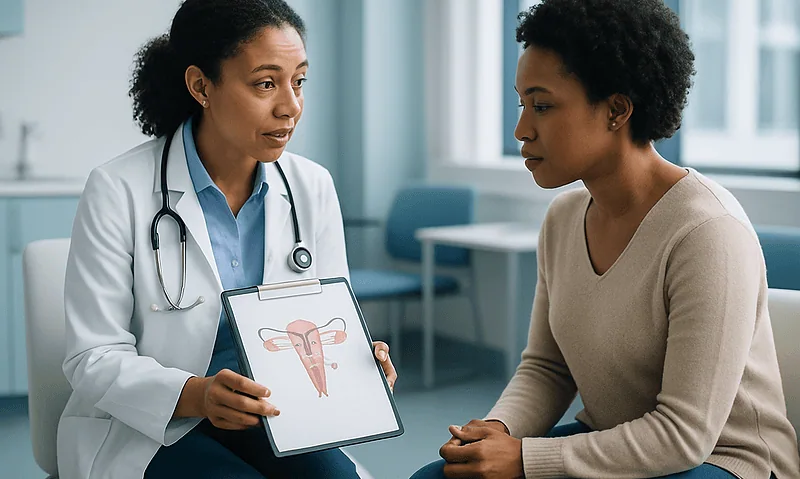
How Uterine Fibroids Develop and Grow: Why Size and Location Decide the Care Plan
Uterine fibroids are benign muscle growths that enlarge mainly under the influence of estrogen and progesterone, which is why they usually grow during the…
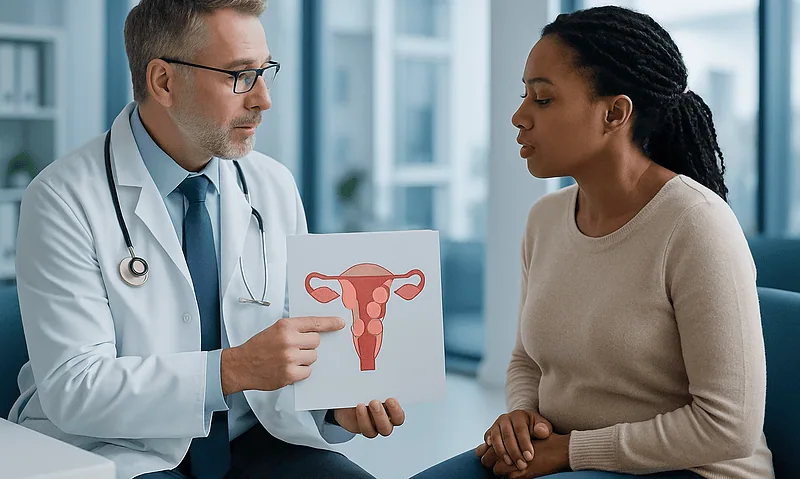
Which Size of Fibroid Is Dangerous? Size, Symptoms and When Treatment Is Advised
No single fibroid size is officially dangerous. Doctors judge risk by symptoms and location, not centimeters alone. Fibroids larger than about 5 cm are…
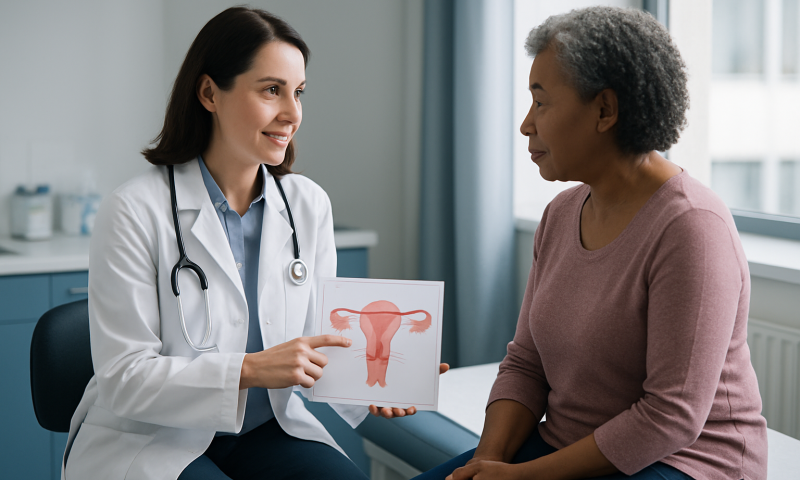
Uterine Fibroids: When Monitoring Is Enough and When Medication or Surgery Is Considered
Uterine fibroids that cause no symptoms are usually monitored with periodic check-ups rather than treated, because they are benign and typically shrink after menopause.…
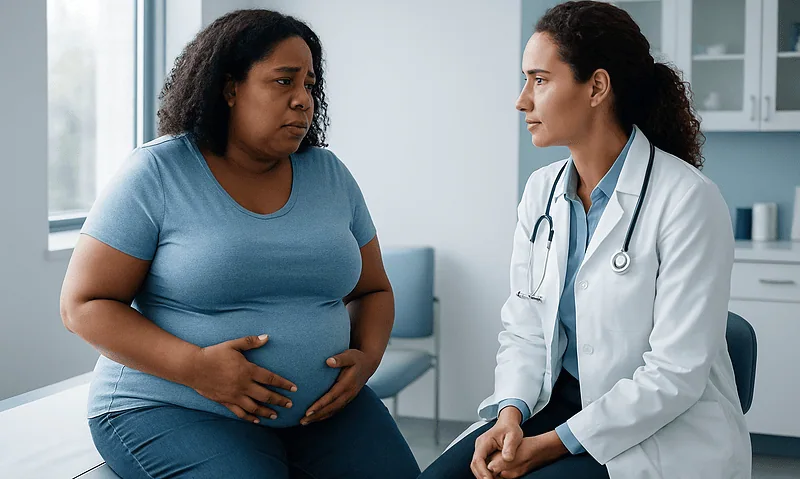
Fibroids, Weight Gain and Bloating: Why It Happens and What Treatment Can Change
Fibroids can add weight directly, but usually only when they are large. Most fibroids are small and add very little, while a very large…