

Dementia Treatment
Dementia care focuses on diagnosing the cause of memory and cognitive decline, slowing progression where possible, and supporting daily function through medical, cognitive and caregiver-centered plans.
Quick answer
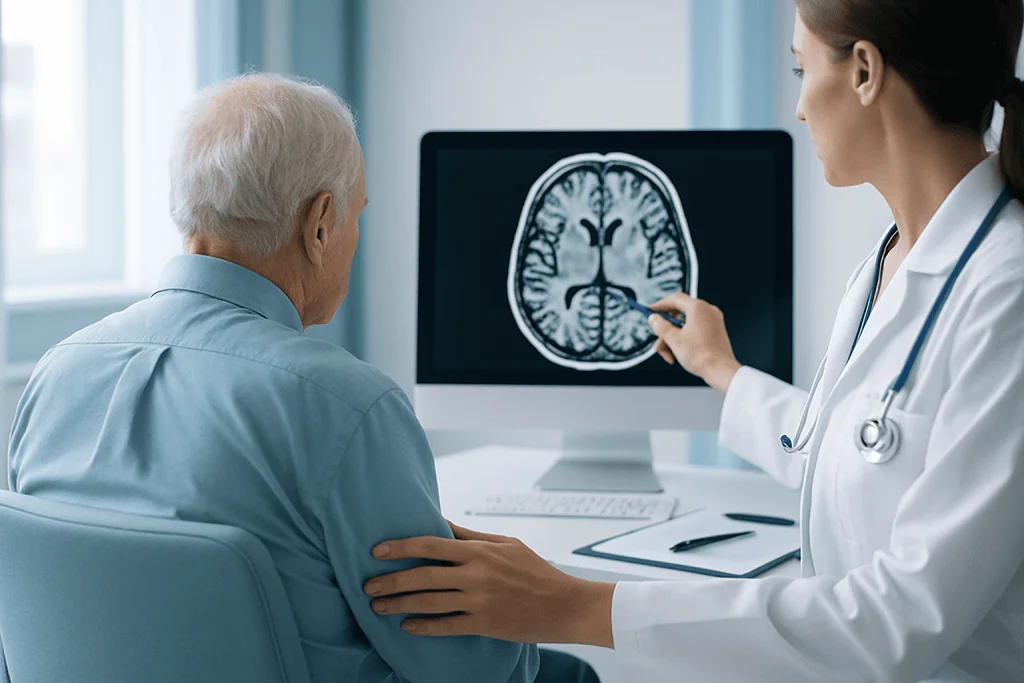
Dementia care focuses on identifying the cause of memory and thinking decline, managing symptoms, and supporting daily function with a personalized treatment plan. At Acibadem in Turkey, evaluation may include neurological assessment, cognitive testing, brain imaging, and laboratory studies, followed by treatment that can combine medication, rehabilitation, lifestyle guidance, and caregiver support.
Understanding Dementia Care From the Patient and Family Perspective
When memory, language, judgment or behavior begins to change, the question is rarely only medical. Families often wonder whether the changes are normal aging, stress, depression, medication side effects or the early signs of dementia. Patients may feel frightened, embarrassed or frustrated. Adult children may notice missed appointments, repeated questions, financial mistakes, unsafe driving or changes in personality and wonder when to intervene.
Dementia care begins with taking these concerns seriously. Dementia is not a single disease, and it is not an inevitable part of aging. It is a clinical syndrome: a pattern of cognitive decline that affects daily life. The cause may be Alzheimer’s disease, vascular injury to the brain, Lewy body disease, frontotemporal degeneration, Parkinson’s disease dementia, normal pressure hydrocephalus, head injury, alcohol-related brain disease, medication effects, depression, sleep disorders, vitamin deficiencies, thyroid disease or other medical conditions. Some causes are potentially reversible or partially reversible. Others are progressive but can often be managed in ways that support independence, safety and quality of life.
For international patients, the decision to seek dementia evaluation abroad can feel especially complex. Families may need a careful diagnosis, a second opinion, medication review, brain imaging, a structured care plan or guidance on the next stage of the disease. They may also need communication in their own language, coordination of appointments, clear medical reports and practical recommendations they can continue at home.
The purpose of dementia care is not only to name the condition. It is to understand why cognitive changes are happening, identify treatable contributors, slow progression where possible, manage symptoms, reduce risks and help the patient and family make informed decisions. A well-organized evaluation can replace uncertainty with a clearer plan: what is known, what still needs to be monitored, which treatments may help and what support will be needed over time.
What Dementia Care Is
Dementia care is a structured medical approach to evaluating and managing memory and cognitive decline. It includes diagnosis, treatment planning, medication management, cognitive and functional support, caregiver education and long-term follow-up. Because dementia can affect thinking, mood, movement, sleep, behavior and daily activities, care often involves more than one specialty.
A typical dementia care pathway includes a detailed medical history, cognitive testing, neurological examination, laboratory studies and brain imaging when appropriate. The team looks for patterns: which cognitive abilities are affected, how quickly symptoms developed, whether there are neurological signs, whether mood or sleep is involved, and whether daily function is changing. This information helps distinguish among different causes of cognitive decline.
Treatment depends on the diagnosis. For Alzheimer’s disease, medications may be used to support memory and attention or to help regulate symptoms as the disease progresses. For vascular cognitive impairment, controlling blood pressure, diabetes, cholesterol, smoking and heart rhythm problems can be central to reducing further brain injury. For Lewy body dementia, treatment may focus on cognition, movement, hallucinations, sleep behavior and sensitivity to certain medications. For frontotemporal dementia, behavioral management, speech and language support and caregiver strategies often become especially important. If cognitive symptoms are related to depression, medication effects, vitamin deficiency, thyroid disease, sleep apnea or another treatable condition, addressing that cause may improve cognition or prevent further decline.
Good dementia care also looks beyond medication. It may include cognitive rehabilitation strategies, occupational therapy, speech and language therapy, nutritional assessment, sleep management, fall prevention, home safety planning, driving and financial safety discussions, caregiver training and advance care planning. The aim is to protect the patient’s dignity and function while giving families practical tools for daily life.
Who May Need Dementia Evaluation and Care
A person may need dementia evaluation when cognitive or behavioral changes are persistent, progressive or affecting everyday activities. Occasional forgetfulness can happen with normal aging, especially under stress or poor sleep. Dementia is more concerning when memory loss or thinking problems interfere with independence, decision-making, safety or relationships.
Common symptoms that may prompt evaluation include repeating the same questions, forgetting recent conversations, getting lost in familiar places, difficulty managing medications or finances, trouble following a recipe or using familiar devices, changes in judgment, reduced attention, word-finding difficulty, confusion about time, withdrawal from social activities, irritability, apathy, depression, suspiciousness, hallucinations or changes in sleep. Some patients first present with movement problems, falls, tremor, urinary symptoms, visual misperceptions or personality changes rather than obvious memory loss.
Diagnosis begins with listening carefully to both the patient and someone who knows the patient well. This is important because people with cognitive impairment may not fully recognize the extent of their difficulties, while family members may notice changes in daily behavior before test results become abnormal. The clinician reviews when symptoms began, how they have progressed, current medications, alcohol use, sleep quality, mood, medical history, stroke risk factors, family history and functional changes.
Formal cognitive testing helps measure memory, attention, language, problem-solving, visual-spatial skills and executive function. A neurological examination looks for signs such as abnormal reflexes, movement changes, gait disturbance, tremor, weakness or coordination problems. Blood tests may check for anemia, vitamin B12 deficiency, thyroid disease, infection, metabolic problems, liver or kidney dysfunction and other contributors. Brain imaging, such as MRI or CT, can show strokes, tumors, hydrocephalus, brain atrophy patterns, bleeding, traumatic changes or other structural causes. In selected cases, more specialized assessments may be considered, such as advanced imaging, electroencephalography, cerebrospinal fluid analysis, sleep studies, psychiatric evaluation or detailed neuropsychological testing.
Patients often seek dementia care in several situations: after a new diagnosis, when symptoms are unexplained, when the family wants a second opinion, when medications are not working well, when behavior changes become difficult to manage, when there are safety concerns or when the patient’s condition changes suddenly. A sudden decline should be evaluated promptly because delirium, infection, dehydration, medication reactions or stroke can cause rapid cognitive worsening and may require urgent treatment.
Conditions and Indications Addressed by Dementia Care
Dementia care addresses a broad range of cognitive disorders and related conditions. The most common is Alzheimer’s disease, which often begins with short-term memory loss and gradually affects language, orientation, reasoning and daily function. Alzheimer’s disease may occur alone or together with vascular changes or other brain conditions.
Vascular dementia and vascular cognitive impairment occur when reduced blood flow, strokes or small vessel disease affect brain function. Symptoms may include slowed thinking, attention problems, planning difficulty, mood changes and gait instability. Because vascular risk factors can often be treated, early recognition is especially important.
Lewy body dementia may involve fluctuations in alertness, visual hallucinations, movement symptoms similar to Parkinson’s disease, sleep behavior disorder and sensitivity to certain psychiatric medications. Parkinson’s disease dementia occurs in some patients with longstanding Parkinson’s disease and may require careful balancing of cognitive, movement and behavioral treatments.
Frontotemporal dementia often affects personality, behavior, judgment, language or social conduct, sometimes at a younger age than Alzheimer’s disease. Families may notice impulsivity, loss of empathy, compulsive behaviors, overeating, apathy or progressive language difficulty. Because early symptoms can resemble psychiatric illness or relationship stress, accurate diagnosis can take time.
Dementia care also evaluates mild cognitive impairment, a condition in which cognitive changes are measurable but daily independence is largely preserved. Not everyone with mild cognitive impairment develops dementia. Care focuses on identifying the cause, treating risk factors and monitoring change over time.
Other conditions addressed include normal pressure hydrocephalus, traumatic brain injury-related cognitive decline, alcohol-related cognitive disorders, autoimmune or inflammatory disorders, infections affecting the nervous system, medication-related cognitive impairment, depression-related cognitive symptoms, sleep apnea-related cognitive problems and metabolic or nutritional causes. Some of these conditions may improve when treated, making a careful diagnostic pathway essential.
How Dementia Care Is Performed: From Preparation to Follow-Up
Before the Appointment
Preparation helps the clinical team understand the full picture. Patients and families are usually asked to bring previous medical records, brain imaging, laboratory results, medication lists and reports from neurologists, psychiatrists or primary care physicians. It is helpful to write down examples of cognitive changes, when they began, how often they occur and whether they are getting worse. A trusted family member or caregiver should attend if possible, because their observations are often central to diagnosis.
For international patients, coordination before travel may include review of existing records, planning the most appropriate consultations and scheduling diagnostic tests efficiently. Translation and interpretation support can help ensure that the patient’s story, symptoms and expectations are understood accurately.
Clinical Assessment and Cognitive Testing
The evaluation usually begins with a detailed consultation. The physician explores memory, language, attention, behavior, mood, sleep, movement, daily function and safety. The history includes medical conditions such as hypertension, diabetes, heart disease, stroke, thyroid disease, depression and neurological disorders. Medication review is particularly important because sedatives, some sleep medications, certain allergy medicines, pain medicines and other drugs can worsen confusion or memory in susceptible patients.
Cognitive screening tests provide an overview of function, while more detailed neuropsychological testing may be used when the diagnosis is uncertain, symptoms are subtle, the patient is highly educated, or a detailed baseline is needed for future comparison. Testing can help distinguish memory-predominant patterns from attention, language, executive or visual-spatial patterns.
Laboratory Tests and Brain Imaging
Laboratory tests help identify medical contributors that may be treatable. These may include blood counts, metabolic panels, thyroid function, vitamin levels and other tests selected according to the patient’s history. If symptoms developed rapidly or have unusual features, the evaluation may include additional testing for infection, inflammation, autoimmune conditions or other less common causes.
Brain imaging is often an important part of the diagnostic process. MRI can provide detailed information about brain structure, small vessel disease, prior strokes, tumors, bleeding, fluid buildup and patterns of brain volume loss. CT may be used when MRI is not possible or when rapid structural assessment is needed. In selected patients, functional or molecular imaging may help clarify the diagnosis by showing patterns of brain activity or disease-related changes. Electroencephalography may be useful if seizures, episodes of confusion or rapidly progressive symptoms are suspected.
Diagnosis and Multidisciplinary Review
Once the assessment is complete, the physician explains the most likely diagnosis, the level of certainty and whether additional monitoring or testing is recommended. In complex cases, discussion among specialists may help refine the diagnosis and plan. Neurology, psychiatry, geriatrics, radiology, rehabilitation, nutrition, sleep medicine and other disciplines may contribute depending on the patient’s needs. This kind of coordinated review is especially valuable when symptoms overlap, when there are multiple medical conditions or when the family is considering treatment abroad and needs a clear, portable plan.
Medical Treatment Plan
Medication decisions are individualized. Some patients with Alzheimer’s disease, Lewy body dementia, Parkinson’s disease dementia or mixed dementia may be candidates for medications that support cognitive symptoms. These medicines do not cure dementia, but for some patients they may help with memory, attention, daily function or behavioral symptoms for a period of time. Other medications may be used cautiously for depression, anxiety, sleep problems, agitation, hallucinations or mood instability when non-drug strategies are not enough.
For vascular cognitive impairment, the plan often emphasizes prevention of further injury: blood pressure control, diabetes management, lipid treatment, antiplatelet or anticoagulation therapy when medically indicated, smoking cessation, physical activity and treatment of heart rhythm problems. For reversible or contributing causes, treatment may include vitamin replacement, thyroid therapy, medication adjustment, depression treatment, sleep apnea management or treatment of infection or metabolic disorders.
Because people with dementia can be more sensitive to medication side effects, the safest plan is usually careful, measured and regularly reviewed. The goal is to use medicines only when the expected benefit outweighs the risks, and to avoid drugs that worsen confusion, falls or sedation.
Cognitive, Functional and Caregiver Support
A dementia plan should be practical. Occupational therapy may help patients adapt daily routines, reduce fall risk and improve safety at home. Speech and language therapy may support communication and swallowing when needed. Cognitive rehabilitation strategies can help patients and families use calendars, labels, medication organizers, structured routines and environmental cues. Physical therapy can help with balance, strength and mobility.
Caregiver education is a central part of treatment. Families may need guidance on communication, managing repetitive questions, responding to agitation, preventing wandering, reducing evening confusion, supporting hygiene and nutrition, and knowing when behavior changes require medical attention. Discussions may also include driving safety, legal planning, financial protection, home supervision and future care needs. These conversations can be difficult, but they are part of protecting both the patient and the family.
Typical Duration and Follow-Up
The duration of evaluation depends on complexity. Some patients complete consultations, cognitive assessment, laboratory tests and imaging within a short planned visit. Others require staged testing or follow-up after records are reviewed. The treatment itself is ongoing and adjusted as the condition changes. Follow-up visits may assess medication response, side effects, cognitive changes, caregiver burden, nutrition, sleep, mobility, mood and safety.
Dementia is usually a long-term condition, but the care plan should not be static. A good plan evolves as needs change. Early-stage care may focus on diagnosis, risk reduction and independence. Middle-stage care often emphasizes supervision, behavioral support and daily function. Later-stage care may focus on comfort, nutrition, mobility, infection prevention, caregiver support and dignity.
Why Acting Early Matters
Early evaluation matters because cognitive decline has many possible causes, and some are treatable. A person whose memory problems are related to medication effects, vitamin deficiency, thyroid disease, depression, sleep apnea, infection or metabolic imbalance may improve when the underlying issue is addressed. Even when the cause is progressive, early diagnosis can help patients and families make informed decisions while the patient can still participate actively.
Delay can increase risk. Unrecognized dementia may lead to medication errors, falls, driving accidents, financial exploitation, poor nutrition, wandering, untreated depression, caregiver exhaustion and avoidable hospitalizations. In vascular cognitive impairment, delayed management of blood pressure, diabetes, cholesterol or heart rhythm problems can allow further brain injury. In conditions such as normal pressure hydrocephalus, timely diagnosis may influence whether specific interventions are appropriate.
Acting early does not mean rushing into treatment. It means building a clear picture before a crisis occurs. It gives families time to organize support, adapt the home, review legal and financial planning, address safety and establish a relationship with specialists who can guide care over time.
Benefits of Dementia Care
The benefits of dementia care are often measured not only in memory scores, but in clarity, safety, function and support for the entire family.
| Benefit | What It Means for You |
|---|---|
| More accurate diagnosis | A structured evaluation helps identify the cause of cognitive decline and distinguish dementia from treatable medical, mood, sleep or medication-related problems. |
| Earlier treatment opportunities | When appropriate, medications, risk-factor control and rehabilitation strategies can be started before symptoms create major safety or functional problems. |
| Personalized daily-life planning | Recommendations can address medication routines, home safety, communication, nutrition, sleep, mobility, driving and financial protection. |
| Reduced avoidable risks | Care plans can lower the likelihood of medication mistakes, falls, wandering, unmanaged behavior symptoms and caregiver crisis. |
| Support for caregivers | Families receive guidance on what to expect, how to respond to symptoms and when to seek additional medical help. |
| Continuity over time | Follow-up allows treatment to be adjusted as cognition, behavior, mobility and care needs change. |
Dementia Care Timeline: What Patients and Families Can Expect
Dementia treatment is a continuing care process rather than a single procedure, but most families find it helpful to understand the typical timeline after evaluation begins.
| Time Period | What Patients Can Expect |
|---|---|
| Day 1 | The patient and family usually meet with the physician for history, examination and initial cognitive assessment. Existing records and medications are reviewed, and needed tests are planned. |
| First Week | Laboratory tests, brain imaging and specialist consultations may be completed. The team begins forming a diagnosis and identifying treatable contributors. |
| First Month | A treatment plan is started or refined. This may include medication changes, risk-factor management, cognitive strategies, therapy referrals and caregiver guidance. |
| Three to Six Months | Follow-up helps assess response to treatment, side effects, safety concerns, mood, sleep, daily function and caregiver needs. The care plan is adjusted as needed. |
| Longer Term | Ongoing monitoring supports changing needs. Care may focus on preserving function, preventing complications, managing behavior, planning supervision and maintaining dignity. |
Factors That Influence Outcomes
Outcomes in dementia care depend on the cause of cognitive decline, the stage at diagnosis, the patient’s general health and how consistently the care plan can be followed. Some conditions improve significantly when an underlying contributor is treated. Others progress over time despite appropriate care, but symptoms may still be managed and complications reduced.
The type of dementia is important. Alzheimer’s disease, vascular dementia, Lewy body dementia and frontotemporal dementia have different patterns and treatment priorities. Mixed dementia is common, especially in older adults, and may require a combined approach. Patients with vascular risk factors may benefit from careful prevention strategies. Patients with depression, sleep disorders, hearing loss or medication-related cognitive worsening may improve when these contributors are addressed.
Stage at diagnosis also matters. Earlier evaluation generally allows more time for planning, safety measures, treatment decisions and lifestyle adjustments. Later-stage care can still be valuable, particularly for behavior management, nutrition, swallowing concerns, mobility, infection prevention and caregiver support.
General health influences resilience. Heart disease, diabetes, kidney disease, frailty, poor nutrition, chronic pain, untreated hearing or vision loss, sleep problems and social isolation can all affect cognition and daily function. Addressing these issues may not reverse dementia, but it can reduce additional burden on the brain and improve quality of life.
Medication management is another major factor. Some medicines can worsen confusion, sedation, falls or low blood pressure. Regular review helps ensure that treatment remains appropriate as the patient’s condition changes. Families should avoid starting, stopping or combining cognitive or psychiatric medications without medical guidance.
The home environment and caregiver support strongly influence day-to-day outcomes. Simple routines, clear labeling, adequate lighting, fall prevention, safe medication storage, supervision of cooking and driving, and predictable schedules can reduce stress and improve function. Caregivers who receive education and support are often better able to manage symptoms and avoid crisis-driven decisions.
Finally, communication among healthcare teams matters. International patients may receive evaluation in one country and ongoing care in another. A clear written diagnosis, imaging reports, medication plan, follow-up recommendations and warning signs to monitor can help local physicians continue care effectively.
Why International Patients Choose Acibadem for Dementia Care
International patients often come to Acibadem when they need a careful diagnosis, a second opinion or a coordinated plan for a complex cognitive condition. Dementia care can involve neurology, psychiatry, geriatrics, radiology, rehabilitation, internal medicine, nutrition and other specialties. At Acibadem, patients can be evaluated through a multidisciplinary model, with specialist input shaped around the patient’s symptoms, medical history and family concerns.
Acibadem hospitals are JCI-accredited, reflecting an institutional focus on patient safety, quality processes and internationally recognized healthcare standards. For a patient traveling from another country, these systems matter. Dementia evaluation may require multiple appointments, imaging, laboratory testing and consultations. Organized care pathways help reduce unnecessary repetition and support clear communication among departments.
Modern diagnostic resources are an important part of dementia assessment. Depending on the clinical question, patients may have access to high-resolution brain imaging, functional assessments, laboratory diagnostics, neurological testing and rehabilitation evaluations. Technology is used to clarify the diagnosis, identify treatable contributors and guide individualized care rather than to replace clinical judgment.
Experienced physicians are essential because dementia diagnosis often requires interpretation of subtle patterns. Memory loss may be caused by Alzheimer’s disease, but it may also reflect depression, sleep disturbance, vascular disease, medication effects or another neurological condition. Behavioral changes may be psychiatric, neurological or both. A careful specialist assessment helps avoid assumptions and supports a more appropriate plan.
For international patients, Acibadem International provides coordination services designed around the realities of traveling for medical care. This may include appointment planning, medical record coordination, interpreter support in more than 20 languages, assistance with hospital processes and communication with patients and families before and after the visit. For dementia care, language support is especially important because memory, mood, behavior and family observations must be described accurately.
Personalized treatment planning is central to the approach. Two patients with the same diagnosis may need different plans depending on age, stage, medical conditions, family structure, cultural expectations, living environment and goals of care. One patient may need diagnostic clarification and medication review. Another may need behavioral management, caregiver training and safety planning. Another may need rehabilitation support after stroke-related cognitive decline. The care plan should reflect the patient’s life, not only the diagnosis.
Acibadem’s role is also to help families prepare for continuity. Many international patients return home after evaluation. A useful dementia consultation should provide clear medical documentation, practical recommendations and follow-up guidance that can be shared with the patient’s local doctors. When ongoing communication or future visits are needed, the plan can be adjusted as the disease evolves.
Taking the Next Step
Seeking help for dementia symptoms can be emotionally difficult, but it is also a protective step. A thorough evaluation can identify treatable causes, clarify the diagnosis and help the family plan with greater confidence. Even when dementia is progressive, care can reduce avoidable risks, support daily function and guide decisions at each stage.
If you or someone close to you is experiencing memory loss, confusion, behavior change or a decline in daily abilities, consider requesting a consultation or second opinion. Bringing previous records, medication lists, imaging studies and written examples of symptoms can help the team provide a more complete assessment.
This information is general and is not a substitute for professional medical advice. Diagnosis and treatment decisions should be made with a qualified healthcare professional who can evaluate the individual patient’s condition.
Preparation
- Patients should bring previous medical records, medication lists, brain imaging, laboratory results and notes about memory or behavior changes. A family member or caregiver is often asked to attend because dementia assessment relies on daily function history. The doctor may request blood tests, cognitive testing and brain imaging before or after the consultation.
Aftercare
- After diagnosis, care may include medications, cognitive stimulation, sleep and mood management, nutrition guidance and safety planning at home. Regular follow-up helps monitor progression, adjust treatment and support caregivers. Patients should seek urgent medical advice if confusion worsens suddenly, falls occur or new neurological symptoms appear.
Turkey vs UK, Germany & USA
Dementia care costs vary because the pathway may include specialist evaluation, diagnostic testing, medication review, cognitive support, and caregiver guidance. Comparing destinations can help patients and families understand differences in access, coordination, travel support, and package inclusions.
International dementia care is usually planned around diagnosis, treatment recommendations, and ongoing support rather than a single procedure.
| Factor | Turkey | UK | Germany | USA |
|---|---|---|---|---|
| Price drivers | Costs are influenced by the depth of neurological assessment, imaging, laboratory tests, neuropsychology, medication planning, and follow-up format. | Private care costs may depend on consultant fees, imaging access, cognitive testing, and whether care is outside public pathways. | Costs often reflect specialist consultations, advanced diagnostics, hospital setting, and structured rehabilitation or memory clinic services. | Costs may vary widely by provider, insurance status, diagnostic tests, facility fees, and ongoing specialist follow-up. |
| Hospital and specialist factors | International hospitals may coordinate neurology, psychiatry, geriatrics, radiology, and rehabilitation in a single pathway. | Access may differ between public and private routes, with private appointments often arranged through consultant-led services. | Care is commonly delivered through university hospitals, specialist clinics, or private hospitals with structured diagnostic pathways. | Care may involve neurologists, memory clinics, academic centers, and separate providers for testing and therapy. |
| Accreditation and quality | Some hospitals serving international patients hold JCI accreditation and provide coordinated quality and safety processes. | Quality is regulated through national healthcare standards and professional oversight. | Hospitals follow national quality systems, with many centers known for specialist diagnostic services. | Quality frameworks vary by state, hospital network, academic center, and insurance network. |
| Typical waiting times | International patient departments may help schedule consultations and diagnostics within a planned travel window. | Public pathways may involve waiting; private assessment may offer faster scheduling depending on availability. | Appointments are usually scheduled in advance, with timing depending on clinic capacity and required tests. | Access depends on location, insurance authorization, specialist availability, and diagnostic scheduling. |
| Travel and language logistics | Hospitals experienced with international patients may offer interpreter support, airport transfers, accommodation guidance, and report translation assistance. | Language support may be available in larger hospitals but is not always packaged with care. | Interpreter services may be arranged, especially in larger centers, but families may need to plan logistics separately. | Interpreter access and travel support vary widely by provider and hospital system. |
| Package inclusions | Packages may include specialist consultation, selected diagnostics, care plan discussion, interpreter support, and international patient coordination. | Private packages may include consultation and selected tests, while ongoing therapy and support may be billed separately. | Packages may focus on diagnostic assessment, imaging, and specialist recommendations, with rehabilitation planned separately if needed. | Billing is often itemized, and consultations, tests, facility charges, medications, and therapies may be separate. |
What affects your final cost
- The suspected type and cause of dementia.
- The need for MRI, PET imaging, cerebrospinal fluid testing, genetic counseling, or detailed blood tests.
- The extent of neuropsychological and functional assessment.
- Whether care requires neurology, psychiatry, geriatrics, rehabilitation, or sleep evaluation.
- Medication review, management of other illnesses, and monitoring for side effects.
- Caregiver education, behavioral support, cognitive rehabilitation, and follow-up planning.
- Interpreter services, travel arrangements, accommodation, and report translation.
Compare your options
Dementia care options depend on the suspected diagnosis, stage of symptoms, medical history, and family goals. Suitability is decided by a specialist after assessment.
| Option | What it is | Typical use | Key considerations |
|---|---|---|---|
| Specialist diagnostic assessment | A structured review by neurology, psychiatry, geriatrics, or a memory clinic team. | Used to evaluate memory loss, confusion, behavior changes, language problems, and daily function. | Accurate diagnosis guides treatment; family input and previous medical records are often important. |
| Brain imaging and laboratory tests | MRI, CT, PET, blood tests, and selected advanced tests when clinically indicated. | Used to look for treatable causes, vascular changes, Alzheimer-related patterns, or other neurological conditions. | Not every patient needs every test; the specialist selects tests based on symptoms and examination. |
| Neuropsychological testing | Detailed cognitive testing of memory, attention, language, planning, and other functions. | Used when diagnosis is uncertain, symptoms are mild, or baseline measurement is needed. | Results help distinguish dementia from depression, sleep problems, medication effects, or other conditions. |
| Medication management | Prescription treatment and review of existing medicines that may affect cognition or behavior. | Used for selected dementia types, behavioral symptoms, sleep issues, mood symptoms, and vascular risk factors. | Benefits and side effects must be monitored; medication choice depends on diagnosis and overall health. |
| Cognitive rehabilitation and daily function support | Personalized strategies to support memory, communication, safety, routines, and independence. | Used to maintain daily activities and reduce caregiver burden where possible. | Works best when adapted to the person’s abilities, home environment, and caregiver availability. |
| Caregiver-centered planning | Education, behavioral strategies, safety planning, legal and social guidance, and follow-up coordination. | Used throughout the dementia journey to support families and reduce crisis-driven care. | Plans should be realistic, culturally appropriate, and updated as needs change. |
Trusted care for international patients
General information only — not medical or financial advice. Final costs depend on the factors above and your individual case; request a free, personalised quote.
Doctors Performing This Treatment

Prof. Dr. Akin Sabanci
Neurosurgery
Prof. Dr. Ali Kurtsoy
Neurosurgery
Prof. Dr. Altay Bedük
Neurosurgery
Prof. Dr. Aytekin Akyüz
Neurology
Prof. Dr. Ayşe Sağduyu Kocaman
Neurology
Prof. Dr. Deniz Konya (m)
Neurosurgery
Prof. Dr. Dilaver Kaya
Neurology
Prof. Dr. Elif Ilgaz Aydınlar
Neurology
Prof. Dr. Erkin Sönmez
Neurosurgery
Prof. Dr. Gökhan Bozkurt
Neurosurgery
Prof. Dr. Hakan Murat Göksel
Neurosurgery
Prof. Dr. Hakan Seçkin
Neurosurgery
Prof. Dr. Halit Çavuşoğlu
Neurosurgery
Prof. Dr. Hatem Hakan Selçuk
Interventional Neuroradiology
Prof. Dr. Hüseyin Hayrı Kertmen
Neurosurgery
Prof. Dr. Kamil Kadir Topalkara
Neurology
Prof. Dr. Kayihan Uluç
Neurology
Prof. Dr. Kağan Tun
Neurosurgery
Prof. Dr. Kenan Koç
Neurosurgery
Prof. Dr. Koray Özduman
Neurosurgery
Prof. Dr. Mehmet Zafer Berkman
Neurosurgery
Prof. Dr. Melih Bozkurt
Neurosurgery
Prof. Dr. Memet Özek
Neurosurgery
Prof. Dr. Müfit Kalelioğlu
NeurosurgeryMedical Units
Available at These Hospitals












Guides for This Treatment
Diseases This Treats
Frequently Asked Questions
What affects the cost of dementia assessment and care?
The final cost depends on the scope of specialist assessment, required imaging and laboratory tests, neuropsychological evaluation, medication review, caregiver support, rehabilitation needs, and follow-up planning. Travel, interpreter support, and accommodation can also influence the overall budget.
How can I get a personalised quote for dementia care in Turkey?
A personalised quote can be prepared after reviewing medical history, current medications, previous scans or test results, symptoms, and the family’s care goals. Acibadem International can arrange a free consultation to clarify the recommended pathway and estimated inclusions.
Are dementia care packages usually all-inclusive?
Packages may include specialist consultation, selected diagnostic tests, interpreter assistance, and coordination support, but inclusions vary by patient need. Advanced imaging, extended rehabilitation, additional specialist opinions, or longer follow-up may be quoted separately.
Is it possible to receive a diagnosis and return home for ongoing care?
Many international patients travel for a structured assessment and care plan, then continue follow-up with local physicians. The medical team can provide reports and recommendations to support continuity of care after returning home.
Does every patient need advanced tests for dementia?
No. The specialist decides which tests are appropriate based on symptoms, examination findings, medical history, and previous results. Some patients need basic evaluation, while others may benefit from more detailed imaging or cognitive testing.
Is dementia treatment curative?
Many forms of dementia are managed rather than cured. Care focuses on identifying reversible contributors when present, slowing progression where possible, supporting daily function, managing symptoms, and helping caregivers plan safely.