

Complex Joint Reconstruction
Complex joint reconstruction restores function in severely damaged hips, knees, shoulders, or other joints using advanced orthopedic repair, replacement, or revision techniques tailored to each patient.
Quick answer
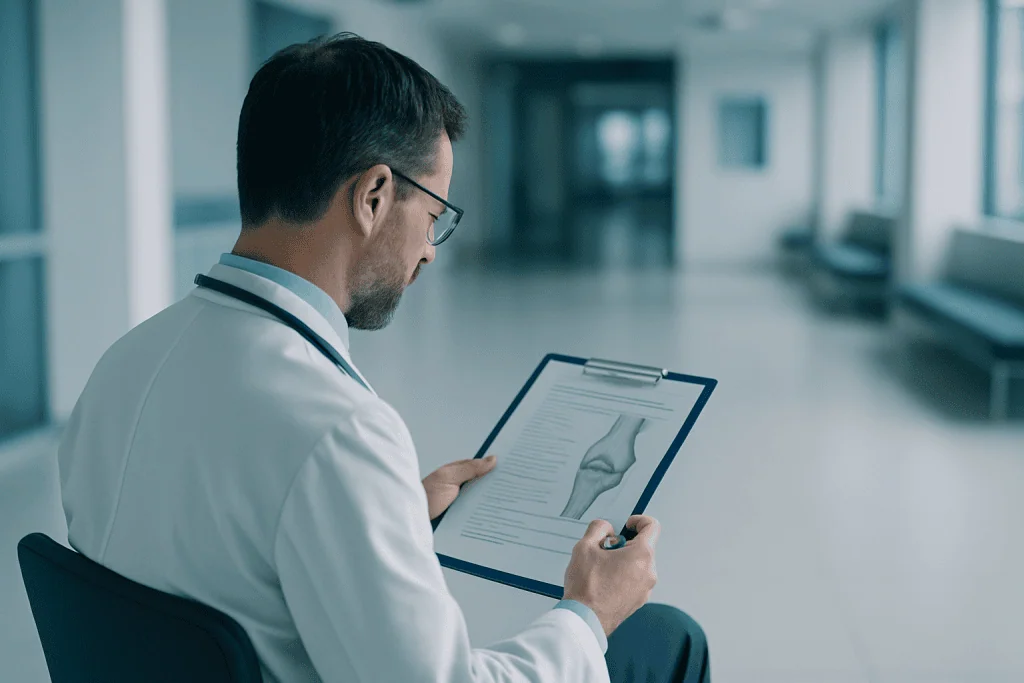
Complex joint reconstruction restores movement and reduces pain in severely damaged joints by repairing, replacing, or revising parts of the hip, knee, shoulder, or other joints when standard procedures are not enough. At Acibadem in Turkey, orthopedic teams evaluate the joint in detail and plan individualized surgery using advanced reconstruction and rehabilitation approaches to support recovery and function.
When a Joint Problem Becomes More Than a Joint Problem
Severe joint damage can change the way a person moves through daily life. A hip that no longer carries weight comfortably, a knee that feels unstable after previous surgery, or a shoulder that cannot lift the arm may affect far more than walking, climbing stairs, working, sleeping, or exercising. It can influence independence, confidence, travel plans, family life, and the ability to participate in normal routines.
For many patients considering complex joint reconstruction, the decision is not simple. You may have already tried medication, injections, physical therapy, or a previous operation. You may have been told that your anatomy is difficult, that bone loss is present, that an implant has loosened, or that standard joint replacement may not be enough. It is natural to ask whether another surgery is truly necessary, how much pain is expected, how long recovery may take, and whether you can safely travel for treatment.
Complex joint reconstruction is designed for situations in which joint damage is advanced, anatomy is altered, or previous treatment has not produced the desired result. The goal is to restore stability, alignment, mobility, and comfort as much as possible, while reducing the risk of future failure. In a high-level orthopedic program, this type of care requires careful diagnosis, detailed surgical planning, experienced surgeons, modern imaging, appropriate implant selection, and a coordinated rehabilitation strategy.
For international patients, the quality of the medical plan is only one part of the experience. Clear communication, efficient scheduling, language support, pre-travel review of medical records, coordination between orthopedic specialists and other physicians, and guidance through recovery are also essential. A well-organized pathway helps patients understand what will happen before, during, and after treatment, and supports safer decision-making at each stage.
What Is Complex Joint Reconstruction?
Complex joint reconstruction is an advanced orthopedic approach used to repair, rebuild, replace, or revise a severely damaged joint. It may involve the hip, knee, shoulder, elbow, ankle, or other joints, although hips and knees are among the most common. The procedure is not a single technique. It is a category of treatment that may include primary joint replacement in difficult anatomy, revision of a previous joint replacement, correction of deformity, bone reconstruction, ligament balancing, management of instability, or restoration of function after trauma, infection, tumor-related surgery, or inflammatory joint disease.
In a standard joint replacement, the damaged joint surfaces are removed and replaced with carefully selected artificial components. In complex reconstruction, additional challenges often exist. These may include poor bone quality, bone loss, scarring from previous surgery, deformity, fracture, instability, leg length differences, damaged ligaments, previous infection, implant loosening, or unusual anatomy caused by developmental conditions. Because of these factors, the surgeon may need specialized implants, bone grafting techniques, metal augments, stems, custom planning, or advanced fixation methods.
The central aim is to create a joint that is stable, well-aligned, and able to move in a functional range. Pain relief is often an important objective, but the broader goal is to help the patient return to safer movement and improved daily function. For some patients, this may mean walking without severe pain. For others, it may mean regaining the ability to use the arm overhead, sit comfortably, climb stairs, return to work, or reduce dependence on walking aids.
Complex reconstruction differs from routine orthopedic surgery because the margin for error can be narrower. Detailed evaluation is essential. Surgeons must understand not only the joint itself, but also the patient’s full musculoskeletal alignment, bone stock, soft tissue condition, medical history, prior operations, infection risk, and functional goals. In many cases, the plan is discussed by orthopedic teams with input from radiology, anesthesia, infectious diseases, rehabilitation, internal medicine, and other relevant specialties.
Who May Need Complex Joint Reconstruction?
Patients who need complex joint reconstruction usually have joint damage that cannot be adequately treated with simpler methods. The symptoms may develop gradually over years, as in advanced arthritis, or appear after trauma, infection, implant failure, or complications from a prior procedure. Many patients have already reduced their activities because the joint no longer feels reliable.
Typical symptoms include persistent pain, stiffness, swelling, grinding, locking, weakness, deformity, reduced range of motion, difficulty bearing weight, limping, repeated falls, or inability to perform routine movements. In the shoulder, patients may describe pain while sleeping, weakness when lifting the arm, or loss of overhead function. In the hip or knee, patients often notice difficulty walking distances, rising from a chair, climbing stairs, standing for long periods, or getting in and out of a car.
Complex reconstruction may also be considered when a previous implant no longer functions properly. Warning signs can include increasing pain after a period of improvement, a sense that the joint is loose or unstable, new deformity, clicking or shifting, recurrent dislocation, swelling, warmth, or reduced function. Some implant-related problems develop slowly; others may occur suddenly after a fall or fracture.
Diagnosis begins with a detailed consultation and physical examination. The orthopedic specialist evaluates alignment, gait, joint stability, range of motion, muscle strength, nerve function, and the condition of the skin and soft tissues. Imaging is then used to define the anatomy. X-rays often show joint space narrowing, deformity, implant position, fractures, loosening, or bone loss. Computed tomography may help assess complex bone defects or rotational alignment. Magnetic resonance imaging or ultrasound can evaluate soft tissues in selected cases, particularly around the shoulder or in patients without certain metal implants. Laboratory tests may be needed to check for inflammation, infection, anemia, metabolic bone issues, or medical conditions that could affect surgery.
For revision joint replacement, ruling out infection is especially important. This may involve blood tests, joint aspiration, fluid analysis, culture studies, and sometimes advanced diagnostic methods. Identifying infection before surgery changes the treatment plan and can be critical for long-term success.
The decision to proceed is based on the severity of symptoms, the structural problem, the patient’s overall health, and the likelihood that reconstruction can improve function. Surgery is generally considered when non-surgical care no longer provides acceptable relief, when the joint is mechanically failing, or when delay may cause progressive bone loss, deformity, or loss of mobility.
Conditions and Indications Complex Joint Reconstruction Can Address
Complex joint reconstruction may be recommended for a range of orthopedic conditions. The specific treatment depends on the joint involved, the amount of damage, the patient’s age and activity level, previous treatments, and overall health.
- Advanced osteoarthritis: Severe cartilage loss can cause pain, stiffness, deformity, and reduced mobility. When conservative care is no longer effective, reconstruction may restore joint mechanics.
- Inflammatory arthritis: Conditions such as rheumatoid arthritis or other inflammatory joint diseases may damage cartilage, bone, ligaments, and tendons, sometimes affecting multiple joints.
- Post-traumatic arthritis: A prior fracture, dislocation, ligament injury, or joint surface injury can lead to progressive arthritis and deformity over time.
- Failed or painful joint replacement: Implants can loosen, wear, become unstable, become infected, fracture around the implant, or fail because of bone loss or malposition.
- Complex hip disorders: Developmental dysplasia, avascular necrosis, previous hip surgery, fracture nonunion, or severe deformity may require advanced reconstruction techniques.
- Complex knee deformity: Severe bowing, knock-knee alignment, ligament deficiency, bone loss, or prior surgeries may require customized planning and specialized implants.
- Shoulder arthritis and rotator cuff-related damage: Severe arthritis, cuff tear arthropathy, fracture sequelae, or failed prior shoulder surgery may require anatomic or reverse shoulder reconstruction depending on tendon function.
- Fractures involving joints: Some complex fractures, especially in older adults or in joints with pre-existing arthritis, may be treated with reconstruction rather than repair alone.
- Bone loss or deformity after infection or tumor treatment: In selected patients, reconstruction may help restore stability and function after removal of diseased bone or previous infection control.
- Instability and recurrent dislocation: When a joint repeatedly dislocates or feels unstable despite prior treatment, reconstruction may be needed to correct mechanical causes.
Not every patient with severe symptoms needs immediate surgery. Some may benefit from non-surgical strategies, weight management, medication adjustment, injections, bracing, or structured rehabilitation. However, when imaging and symptoms show advanced mechanical failure, complex reconstruction may be the most appropriate path to meaningful improvement.
How Complex Joint Reconstruction Is Performed
Complex joint reconstruction begins before the operating room. The first step is a comprehensive review of the patient’s medical history, prior imaging, previous operation reports, implant records if available, medication list, allergies, and current symptoms. For international patients, this review may start remotely so the orthopedic team can determine whether travel for evaluation or surgery is appropriate and what additional tests may be needed on arrival.
Preparation includes medical optimization. Patients may need cardiology, internal medicine, endocrinology, pulmonology, hematology, or infectious disease evaluation depending on their health status. Conditions such as diabetes, anemia, heart disease, kidney disease, obesity, smoking-related risk, poor nutrition, or active infection can affect healing. Adjusting medications, improving blood sugar control, treating dental or skin infections, and planning blood clot prevention may all be part of the preparation.
Imaging is used to map the joint in detail. Standing X-rays can show alignment and limb length. Specialized views may demonstrate implant fixation, bone loss, or deformity. CT scans can help surgeons understand three-dimensional bone anatomy, especially in revision cases, dysplasia, fracture deformity, or severe bone defects. MRI or ultrasound may be used when soft tissue quality must be assessed. Digital planning tools help estimate implant size, component position, bone reconstruction needs, and possible surgical challenges.
Before surgery, the anesthesiology team reviews the safest anesthesia plan. Depending on the joint, procedure, and patient’s health, surgery may be performed under general anesthesia, regional anesthesia, or a combination. Pain control planning often begins before the operation and may include nerve blocks, local anesthetic techniques, and multimodal medications designed to reduce opioid dependence where appropriate.
The procedure itself varies by joint and indication. In a complex hip reconstruction, the surgeon may remove damaged bone and cartilage, correct deformity, place acetabular and femoral components, manage bone loss with grafts or metal support structures, and restore leg length and stability as precisely as possible. In revision hip surgery, old components may need to be removed carefully, bone defects reconstructed, and new components fixed using specialized techniques.
In a complex knee reconstruction, the surgeon corrects alignment, balances ligaments, resurfaces damaged bone, and places components designed to restore stability and motion. Severe deformity, previous fractures, ligament loss, or bone defects may require stems, augments, constrained implants, or bone reconstruction. In revision knee surgery, the surgeon assesses whether implants are loose, worn, infected, malpositioned, or associated with bone loss, then rebuilds the joint according to the underlying cause.
In shoulder reconstruction, the plan depends heavily on the rotator cuff, bone quality, glenoid shape, and prior procedures. Some patients require an anatomic shoulder replacement; others require reverse shoulder reconstruction when tendon function is severely compromised. Bone defects, instability, previous fractures, or failed implants may require additional reconstructive steps.
Modern orthopedic reconstruction uses a range of technologies to improve planning and precision. High-resolution imaging supports detailed assessment of anatomy. Digital templating helps surgeons anticipate implant size and alignment. In selected cases, patient-specific planning, navigation, robotic-assisted systems, intraoperative imaging, or advanced alignment tools may be used to support accurate component placement. Specialized instruments and modular implant systems allow the surgeon to address bone loss, deformity, and instability during the operation. The role of technology is not to replace surgical judgment, but to provide additional information and control in complex anatomy.
The duration of surgery depends on the joint, the complexity of the reconstruction, the number of prior operations, the presence of bone loss, and whether infection or hardware removal is involved. Some procedures may take a few hours, while more complex revisions can take longer. Patients are monitored closely after surgery in a recovery area, and some may require a higher level of monitoring depending on age, medical condition, or the extent of surgery.
Hospital stay also varies. Many patients begin standing, walking, or joint movement with physiotherapy within the first day or two, depending on the operation and surgeon’s protocol. Early mobilization can reduce complications and help patients regain confidence. Pain is managed with a structured plan. Blood clot prevention, wound care, breathing exercises, nutrition, and safe mobility training are part of the early recovery process.
Rehabilitation is essential. For hip and knee reconstruction, therapy focuses on walking, range of motion, muscle activation, stair training, balance, and gradual return to activities. For shoulder reconstruction, the early phase may involve protection in a sling, followed by staged movement and strengthening. Patients receive specific precautions based on the reconstruction performed. A complex revision with bone grafting may require more restrictions than a straightforward primary replacement.
For international patients, discharge planning includes wound review, medication instructions, physiotherapy guidance, travel timing, prevention of blood clots during flights, and arrangements for follow-up after returning home. The treating team may provide medical reports, imaging, implant information, and recommendations for local rehabilitation. In many cases, remote communication can support continuity after the patient leaves Turkey.
Why Acting Early Matters
It is understandable to postpone surgery, especially when the procedure sounds complex or when travel is involved. However, delaying evaluation can sometimes make treatment more difficult. Severe joint disease is often progressive. As cartilage disappears and bone changes, deformity can worsen, muscles can weaken, ligaments can stretch or contract, and walking patterns may place strain on the spine, opposite hip, opposite knee, or foot and ankle.
In failed joint replacement, delay may allow bone loss to increase. A loose implant can move against bone and enlarge defects. Polyethylene wear or metal debris can contribute to inflammatory tissue reactions in some patients. Recurrent dislocation can damage soft tissues. If infection is present, delayed treatment may make reconstruction more complicated and can affect general health.
Loss of mobility also carries broader health risks. Patients who become less active may experience weight gain, reduced cardiovascular fitness, poorer balance, higher fall risk, muscle loss, sleep disruption, and reduced independence. Pain medications used for long periods can cause side effects, and repeated injections may not be appropriate for every joint or every patient.
Early assessment does not always mean immediate surgery. It means understanding the problem before it becomes more complex. A timely evaluation allows the orthopedic team to identify reversible risk factors, plan the safest approach, and determine whether continued non-surgical care remains reasonable. When reconstruction is needed, earlier planning may help preserve bone, improve preparation, and reduce the likelihood of urgent decision-making.
Potential Benefits of Complex Joint Reconstruction
The potential benefits depend on the joint, the underlying condition, and the complexity of the case, but the overall goal is to restore safer, more comfortable function.
| Benefit | What It Means for You |
|---|---|
| Improved pain control | Reconstruction can reduce pain caused by bone-on-bone arthritis, unstable implants, deformity, or mechanical failure, although recovery discomfort is expected in the early period. |
| Better joint stability | A carefully planned reconstruction can address looseness, deformity, ligament imbalance, or recurrent dislocation so the joint feels more reliable during daily movement. |
| Restored alignment and mechanics | Correcting abnormal joint position may improve walking, standing, limb function, or arm movement and may reduce compensatory strain on other areas. |
| Greater independence | Many patients aim to return to activities such as walking, stairs, self-care, travel, work, and social life with less dependence on others or on assistive devices. |
| Management of failed prior surgery | Revision reconstruction can address loosening, wear, malposition, instability, fracture, or selected infection-related problems when a previous implant is no longer functioning well. |
| Individualized surgical planning | The procedure is tailored to your anatomy, bone quality, prior operations, medical risk, and functional goals rather than using a one-size-fits-all approach. |
Recovery Timeline After Complex Joint Reconstruction
Recovery varies widely, but most patients progress through recognizable stages of healing, mobility training, strengthening, and return to daily activities.
| Time Period | What Patients Can Expect |
|---|---|
| Day 1 | Close monitoring, pain control, wound care, blood clot prevention, and beginning safe movement. Some patients start standing or walking with assistance, depending on the procedure. |
| First Week | Hospital discharge planning, physiotherapy instruction, gradual mobility improvement, swelling control, medication management, and education on precautions specific to the reconstructed joint. |
| First Month | Increasing independence with walking or arm use, continued rehabilitation, wound healing checks, and adjustment of activity level. Fatigue and swelling may still occur. |
| Three Months | Many patients experience meaningful functional improvement, although strength, endurance, and range of motion may continue to develop. Restrictions depend on the complexity of reconstruction. |
| Longer Term | Ongoing strengthening, return to appropriate activities, periodic follow-up, and implant monitoring. Full recovery after complex reconstruction may take several months and, in some cases, longer. |
What Influences a Good Result?
Outcomes after complex joint reconstruction are influenced by many factors. The first is the reason surgery is needed. A patient with advanced arthritis and good bone quality may have a different expected recovery than a patient requiring revision for infection, severe bone loss, or multiple previous surgeries. The joint involved also matters; hip, knee, shoulder, and ankle reconstructions each have different mechanical demands and rehabilitation requirements.
Bone quality is important. Osteoporosis, previous fractures, bone defects, or long-standing implant loosening may require additional fixation or reconstruction. Soft tissue quality also affects stability and function. Ligaments, muscles, tendons, and the joint capsule all contribute to how well the joint moves and feels after surgery. In the shoulder, rotator cuff integrity can determine which type of reconstruction is appropriate. In the knee, ligament balance is central to stability. In the hip, soft tissue tension and component position help reduce dislocation risk.
Previous operations can increase complexity. Scar tissue, retained hardware, altered anatomy, and missing operative records can make planning more demanding. When prior implants are present, knowing their type and size can be helpful. International patients are encouraged to share previous surgery reports, implant cards, imaging studies, and laboratory records before travel when available.
Medical health strongly influences healing. Diabetes, smoking, vascular disease, obesity, immune suppression, kidney disease, anemia, malnutrition, and chronic infections can increase complication risk. Optimizing these conditions before surgery is a major part of responsible care. Patients who participate actively in preparation often enter surgery with a safer profile.
Infection prevention and detection are also central. For revision cases, identifying whether infection is present can change the entire strategy. Some infections require staged treatment rather than a single operation. Although this may be frustrating for patients hoping for a quick solution, treating infection appropriately is essential for durable reconstruction.
Rehabilitation commitment affects recovery. Surgery can rebuild the joint structure, but muscles, balance, endurance, and movement patterns must be retrained. Patients who follow weight-bearing instructions, attend therapy, protect the joint during early healing, and gradually increase activity usually give themselves the best chance of functional improvement. Overdoing activity too early can be as harmful as doing too little.
Finally, realistic expectations matter. Complex reconstruction can significantly improve pain and function for many patients, but it does not create a normal biological joint. High-impact sports or heavy labor may not be advisable after certain reconstructions. Some stiffness, numbness around the incision, weather-related aching, or activity limitations may persist. A good result is best defined together with the surgeon: safer movement, reduced pain, stable mechanics, and a level of function that matches the patient’s health and anatomy.
Why International Patients Choose Acibadem for Complex Joint Reconstruction
International patients considering complex joint reconstruction often want two things at the same time: sophisticated orthopedic decision-making and a care experience that is clear, organized, and respectful of the challenges of traveling for treatment. At Acibadem, complex joint cases are managed within a hospital network experienced in caring for patients from many countries, with systems designed to support both medical quality and practical coordination.
Acibadem hospitals are accredited by Joint Commission International, reflecting structured standards for patient safety, quality processes, infection control, medication management, surgical care, and continuous improvement. For a patient traveling from the United States, Europe, the Middle East, Africa, or elsewhere, this provides an important framework for evaluating care abroad. Accreditation does not replace the need for an individual consultation, but it supports a disciplined hospital environment.
Orthopedic care for complex reconstruction is multidisciplinary when needed. A patient with a failed joint replacement may require input from radiology, infectious diseases, anesthesia, rehabilitation medicine, internal medicine, or cardiology. A patient with inflammatory arthritis may need coordination with rheumatology. A patient with cancer-related bone reconstruction may need tumor board evaluation involving orthopedic oncology and related specialists. This team-based approach helps ensure that decisions are based on the full clinical picture rather than on the joint alone.
Acibadem’s orthopedic teams use international and evidence-based treatment protocols while tailoring the plan to each patient. The evaluation may include advanced imaging, laboratory testing, infection workup, digital surgical planning, and assessment of medical risk. Treatment recommendations are based on the diagnosis, the patient’s anatomy, the condition of bone and soft tissue, previous surgeries, and personal goals. In complex reconstruction, individualized planning is not a luxury; it is a clinical necessity.
Advanced diagnostic and surgical technologies support decision-making and precision. Depending on the case, this may include detailed cross-sectional imaging, digital templating, intraoperative imaging support, navigation or robotic-assisted planning tools, specialized revision instruments, and modern implant systems designed for bone loss or instability. The choice of technology is determined by the clinical problem. The most important question is not whether a device is used, but whether the selected method helps the surgeon place components accurately, restore alignment, manage defects, and reduce avoidable risk.
Experienced physicians are particularly important in revision and complex joint surgery because intraoperative findings can differ from preoperative expectations. Surgeons must be prepared to adjust the plan if bone loss is greater than expected, an implant is difficult to remove, tissue quality is poor, or infection is suspected. Access to appropriate implant options, blood management strategies, imaging, laboratory support, and intensive care resources when needed contributes to safer care for demanding cases.
For international patients, Acibadem International provides dedicated support before arrival, during the hospital stay, and after discharge. Services may include assistance with medical record review, appointment coordination, interpretation in more than 20 languages, hospital admission guidance, travel-related organization, and communication with care teams. Patients and families can better focus on medical decisions when logistical questions are addressed clearly.
Communication is especially important in complex orthopedic care. Patients need to understand why a particular reconstruction is recommended, what alternatives exist, what risks are relevant, how long they may need to stay in Turkey, when it is safe to fly, and what rehabilitation will be required at home. A well-prepared patient is more likely to follow precautions, recognize warning signs, and participate effectively in recovery.
Acibadem’s approach is not to treat complex joint reconstruction as a routine operation. Each case is evaluated individually, with attention to diagnosis, surgical feasibility, medical optimization, rehabilitation needs, and the patient’s life after discharge. For many international patients, this combination of orthopedic expertise, hospital infrastructure, coordinated international services, and personalized planning is the reason they seek an opinion at Acibadem.
Taking the Next Step
If severe joint pain, instability, deformity, or a failed previous joint replacement is limiting your life, a detailed specialist review can help clarify your options. You may not need surgery immediately. You may need further tests before a decision can be made. Or you may learn that complex joint reconstruction offers a reasonable path toward improved comfort and function. The most important step is an accurate diagnosis and a plan that reflects your anatomy, medical condition, and goals.
Patients considering treatment abroad can request a consultation or second opinion by sharing recent imaging, medical reports, prior surgery notes, implant information, laboratory results, and a description of current symptoms. The orthopedic team can then advise what additional evaluation may be needed and whether complex joint reconstruction is appropriate.
Living with a severely damaged joint can be exhausting, especially when previous treatments have not helped. With careful planning, experienced surgical judgment, coordinated hospital care, and committed rehabilitation, many patients can move toward a more stable and active daily life.
This information is general and is not a substitute for professional medical advice. Diagnosis and treatment recommendations should always be made by a qualified physician after an individual medical evaluation.
Preparation
- Before surgery, patients usually have orthopedic examination, X-rays or advanced imaging, blood tests, and anesthesia assessment. Doctors review medications, allergies, previous implants, and medical conditions. Blood thinners may need adjustment, and fasting is required before anesthesia.
Aftercare
- After surgery, pain control, wound care, blood clot prevention, and early mobilization are closely managed. Physical therapy is essential to restore strength, range of motion, and safe walking or joint use. Follow-up visits monitor healing, implant position, and rehabilitation progress.
Turkey vs UK, Germany & USA
Complex joint reconstruction can involve advanced repair, replacement, or revision surgery, so costs and timelines vary widely between patients and healthcare systems. Comparing destinations can help international patients understand the main factors that shape the overall treatment experience.
For complex joint reconstruction, the final cost is influenced by the complexity of the damaged joint, implant needs, surgeon expertise, hospital standards, and the support required before and after surgery.
| Factor | Turkey | UK | Germany | USA |
|---|---|---|---|---|
| Cost drivers | Often offered as bundled international patient packages; implant type, revision complexity, imaging, and hospital stay affect pricing. | Private care pricing varies by hospital, consultant, implant, and rehabilitation pathway. | Costs depend on hospital category, specialist fees, implant selection, diagnostics, and inpatient recovery needs. | Pricing can vary widely by provider, insurance status, implant choice, hospital charges, and rehabilitation services. |
| Hospital and surgeon factors | International hospitals may provide orthopedic subspecialists, advanced imaging, and coordinated care for overseas patients. | Access to experienced consultants is available in private care; public pathways may involve referral and prioritisation processes. | Specialist orthopedic centres may offer advanced reconstruction and revision services with structured diagnostics. | High-volume orthopedic centres and academic hospitals may offer advanced techniques, with separate professional and facility billing common. |
| Accreditation and quality | JCI-accredited hospitals may appeal to international patients seeking recognised quality and safety standards. | Quality is regulated through national systems and hospital governance frameworks. | Hospitals follow national quality and regulatory standards, with many specialised orthopedic departments. | Quality oversight varies by hospital network, accreditation body, and care setting. |
| Waiting times | International patient departments may help coordinate consultations, imaging, surgery planning, and travel scheduling. | Private care may be faster than public pathways, depending on consultant availability and clinical urgency. | Timelines vary by centre, case complexity, and required preoperative assessment. | Scheduling depends on surgeon availability, insurance approvals, hospital capacity, and preoperative clearance. |
| Travel and language logistics | Multilingual coordinators, airport transfers, accommodation guidance, and medical translation are commonly arranged for overseas patients. | English-language care is standard; international patients may still need support with travel, accommodation, and aftercare planning. | Language support may be available in larger centres; travel and accommodation coordination varies by provider. | English-language care is standard; travel distance, accommodation, and local support can add to the overall experience. |
| Typical package inclusions | Packages may include specialist consultation, diagnostics, surgery, implants, hospital stay, nursing care, translation, and local coordination. | Private quotes may separate consultation, surgery, implant, hospital, anaesthesia, imaging, and rehabilitation items. | Quotes may include hospital and surgical services, while diagnostics, implants, and rehabilitation may be itemised. | Billing may be itemised across surgeon, hospital, anaesthesia, imaging, implant, medicines, and rehabilitation providers. |
What affects your final cost:
- Which joint is affected and how severe the damage is
- Whether the case is a primary reconstruction, a revision, or a complex deformity correction
- Implant type, custom components, bone grafts, or specialist materials
- Need for advanced imaging, laboratory tests, or infection assessment
- Length of hospital stay and intensity of postoperative monitoring
- Physiotherapy, rehabilitation planning, mobility aids, and follow-up care
- Travel, accommodation, translation, and companion support
Compare your options
Complex joint reconstruction is tailored to the joint involved, the cause of damage, bone quality, soft tissue condition, and the patient’s overall health. Suitability for any option is decided by an orthopedic specialist after examination and imaging.
| Option | What it is | Typical use | Key considerations |
|---|---|---|---|
| Complex primary joint replacement | Replacement of a severely damaged joint using standard or specialised implants. | Advanced arthritis, deformity, trauma-related joint damage, or failed conservative treatment. | Implant selection, bone quality, alignment, and soft tissue balance influence the surgical plan. |
| Revision joint reconstruction | Replacement or correction of a previous joint implant that has failed, loosened, worn, or become unstable. | Painful or failing hip, knee, shoulder, or other joint replacements. | Often requires detailed imaging, implant identification, bone defect management, and careful infection assessment. |
| Bone reconstruction and grafting | Use of bone grafts, augments, or specialised components to rebuild missing or weakened bone. | Bone loss after trauma, revision surgery, tumour treatment, or severe implant loosening. | May increase surgical complexity and requires planning for fixation, healing, and long-term implant support. |
| Joint preservation procedures | Operations that aim to improve alignment, stability, or joint mechanics while preserving natural joint surfaces where possible. | Selected younger or active patients with localised damage, malalignment, or instability. | Not suitable for every patient; outcome depends on cartilage condition, alignment, and activity goals. |
| Soft tissue and ligament reconstruction | Repair or reconstruction of ligaments, tendons, or stabilising soft tissues around the joint. | Instability, complex sports injuries, trauma, or soft tissue imbalance around a reconstructed joint. | Rehabilitation is important, and recovery depends on tissue quality, fixation strength, and patient adherence. |
| Custom or patient-specific reconstruction | Use of advanced planning, custom implants, or patient-specific instruments for unusual anatomy or severe defects. | Complex deformity, major bone loss, unusual joint anatomy, or challenging revision cases. | May require additional planning time, specialised imaging, and close coordination between surgeon and implant team. |
Trusted care for international patients
General information only — not medical or financial advice. Final costs depend on the factors above and your individual case; request a free, personalised quote.
Doctors Performing This Treatment

Prof. Dr. Ahmet Alanay
Orthopedic Surgery & Traumatology
Prof. Dr. Alper Kaya
Orthopedic Surgery & Traumatology
Prof. Dr. Arel Gereli
Orthopedic Surgery & Traumatology
Prof. Dr. Ata Can Atalar
Orthopedic Surgery & Traumatology
Prof. Dr. Aziz Kaya Alturfan
Orthopedic Surgery & Traumatology
Prof. Dr. Barış Kocaoğlu
Orthopedic Surgery & Traumatology
Prof. Dr. Burak Akan
Orthopedic Surgery & Traumatology
Prof. Dr. Cihangir Tetik
Orthopedic Surgery & Traumatology
Prof. Dr. Emre Toğrul
Orthopedic Surgery & Traumatology
Prof. Dr. Erhan Serin
Orthopedic Surgery & Traumatology
Prof. Dr. Fatih Dikici
Orthopedic Surgery & Traumatology
Prof. Dr. Gökşel Dikmen
Orthopedic Surgery & Traumatology
Prof. Dr. Gündüz Tezeren
Orthopedic Surgery & Traumatology
Prof. Dr. Hakan Turan Çift
Orthopedic Surgery & Traumatology
Prof. Dr. Harzem Özger
Orthopedic Surgery & Traumatology
Prof. Dr. Hüseyin Bayram
Orthopedic Surgery & Traumatology
Prof. Dr. Kaan Erler
Orthopedic Surgery & Traumatology
Prof. Dr. Kahraman Öztürk
Orthopedic Surgery & Traumatology
Prof. Dr. Kerem Bilsel
Orthopedic Surgery & Traumatology
Prof. Dr. Kerim Sarıyılmaz
Orthopedic Surgery & Traumatology
Prof. Dr. Korhan Özkan
Orthopedic Surgery & Traumatology
Prof. Dr. Levent Eralp
Orthopedic Surgery & Traumatology
Prof. Dr. M. Nadir Şener
Orthopedic Surgery & Traumatology
Prof. Dr. Mahir Gülşen
Orthopedic Surgery & TraumatologyMedical Units
Available at These Hospitals












Guides for This Treatment
Frequently Asked Questions
What affects the cost of complex joint reconstruction?
The main factors are the joint involved, severity of damage, whether previous surgery has been performed, implant type, bone loss, need for grafts or custom components, hospital stay, rehabilitation, and travel support. A specialist review is needed to estimate the scope of treatment.
How can I get a personalised quote from Acibadem?
You can request a free consultation by sharing your medical history, imaging reports, previous operation notes if available, and current symptoms. The international patient team can then coordinate review by an orthopedic specialist and provide a personalised treatment plan and quote.
Are implants and hospital stay usually included in a package?
International packages may include consultation, diagnostics, surgery, implant-related items, hospital stay, nursing care, translation, and local coordination. In complex reconstruction, inclusions should always be confirmed because implant choice, revision materials, or rehabilitation needs can change the final scope.
Why can revision joint reconstruction cost more than primary surgery?
Revision cases may involve removal of old implants, management of bone loss, infection assessment, specialised implants, longer operative planning, and more intensive postoperative care. These factors can make the procedure more complex than a primary replacement.
Will I need physiotherapy after complex joint reconstruction?
Most patients require a rehabilitation plan after surgery to support mobility, strength, and safe recovery. The type and duration of physiotherapy depend on the joint treated, surgical technique, and the specialist’s recommendations.
Is this information medical or financial advice?
No. This is general educational information only. Diagnosis, treatment suitability, package inclusions, and costs should be confirmed through a specialist consultation and a personalised quote.