
Quick answer
Diverticulitis is inflammation or infection of small pouches in the wall of the colon, often causing abdominal pain, fever, and changes in bowel habits. Treatment depends on severity and may include bowel rest, antibiotics, pain control, and in complicated or recurrent cases, surgery; at Acibadem in Turkey, care is guided by gastroenterology, radiology, and colorectal surgery teams.
Overview
Diverticulitis is a digestive condition that occurs when small pouches in the lining of the large intestine become inflamed or infected. These pouches are called diverticula. The presence of diverticula is known as diverticulosis, which is common, especially with increasing age. Many people with diverticulosis have no symptoms. Diverticulitis develops when one or more of these pouches become irritated, inflamed, or infected.
Diverticulitis most often affects the lower part of the large intestine, but it can occur in other areas of the colon. The condition can range from mild to severe. Some people recover with medical treatment and monitoring, while others may need hospital care if complications develop. With appropriate evaluation and care, many patients can manage the condition effectively and reduce the risk of future episodes.
Symptoms
Symptoms of diverticulitis can vary from person to person. They may begin suddenly or develop gradually over several days. The most common symptom is abdominal pain, often on the lower left side, although the location may differ depending on the affected part of the colon.
- Persistent abdominal pain or tenderness
- Fever or chills
- Nausea or vomiting
- Changes in bowel habits, such as constipation or diarrhea
- Bloating or a feeling of fullness
- Loss of appetite
- Discomfort that worsens with movement or pressure on the abdomen
Some symptoms may resemble other digestive conditions, such as irritable bowel syndrome, appendicitis, inflammatory bowel disease, or infections. A medical assessment is important to identify the cause of symptoms and guide appropriate care.
Causes and Risk Factors
Diverticula are thought to form when pressure inside the colon pushes against weaker areas of the intestinal wall. Diverticulitis occurs when these pouches become inflamed or infected. The exact reason why this happens is not always clear, and several factors may contribute.
Possible risk factors
- Increasing age
- A diet low in fiber over a long period of time
- Constipation or straining during bowel movements
- Lack of regular physical activity
- Excess body weight
- Smoking
- Some medical conditions affecting the immune system
- Use of certain medications that may affect the digestive tract or inflammation, as assessed by a doctor
Having diverticula does not mean a person will definitely develop diverticulitis. Many people with diverticulosis never experience inflammation. Lifestyle factors, bowel habits, and overall health may influence risk, but they do not fully predict who will have an episode.
Diagnosis
Diagnosis begins with a discussion of symptoms, medical history, previous digestive problems, and any medicines being used. A doctor may examine the abdomen to check for tenderness, swelling, or signs of irritation.
Tests may be recommended to confirm diverticulitis and rule out other conditions. Blood tests can help identify signs of infection or inflammation. Urine tests may be used to exclude urinary problems that can cause similar pain. Imaging, commonly with a computed tomography scan, can help show inflammation, abscesses, perforation, or other complications.
In some cases, additional evaluation of the colon may be recommended after the acute inflammation has settled. This may help assess the colon more completely and exclude other causes of symptoms. The timing and type of examination depend on the patient’s condition, age, medical history, and previous screening results.
Treatment Options
Treatment depends on the severity of diverticulitis, the patient’s general health, and whether complications are present. Mild cases may be managed with medical advice, dietary adjustments for a short period, symptom monitoring, and sometimes medicines prescribed by a doctor. Patients should not attempt to diagnose or treat suspected diverticulitis without medical guidance, as symptoms can overlap with more serious conditions.
Medical management
A healthcare professional may recommend rest for the digestive system, fluids, and a gradual return to a usual diet as symptoms improve. In some cases, antibiotics may be prescribed if infection is suspected or if the patient has risk factors for complications. Pain control and monitoring are also part of care, but the choice of treatment should be individualized by a clinician.
Hospital care
Hospital treatment may be needed if symptoms are severe, the patient cannot keep fluids down, or complications are suspected. Care may include intravenous fluids, medicines, imaging tests, and close observation. If an abscess forms, a procedure to drain it may be considered.
Surgery
Surgery is not required for every patient with diverticulitis. It may be considered if there are serious complications, repeated severe episodes, narrowing of the colon, fistula formation, or a perforation. The type of operation depends on the location and severity of disease and the patient’s overall condition.
Long-term prevention
After recovery, doctors may discuss ways to support bowel health. These may include a fiber-rich eating pattern, adequate fluids, regular physical activity, and management of constipation when present. Recommendations should be tailored to each patient, especially for those with other digestive or medical conditions.
When to See a Doctor
Medical advice should be sought if abdominal pain is persistent, worsening, or associated with fever, nausea, vomiting, or a significant change in bowel habits. Prompt evaluation is especially important for people with a history of diverticulitis, immune system problems, or other serious health conditions.
Urgent medical care is needed for severe abdominal pain, a rigid or swollen abdomen, fainting, confusion, inability to drink fluids, repeated vomiting, blood in the stool, or signs of serious infection such as high fever and chills. Early assessment helps identify complications and ensures that the safest treatment plan is chosen.
Treatments for This Condition
Doctors Who Treat This Condition
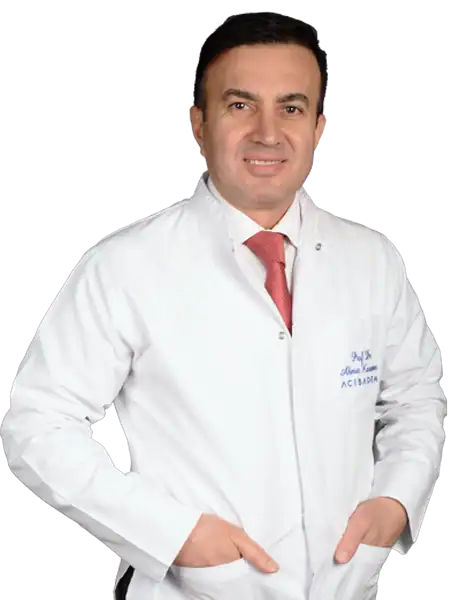
Prof. Dr. Ahmet Karaman
Gastroenterology
Prof. Dr. Arzu Tiftikçi
Gastroenterology
Prof. Dr. Bahattin Çiçek
Gastroenterology
Prof. Dr. Bülent Değertekin
Gastroenterology
Prof. Dr. Can Gönen
Gastroenterology
Prof. Dr. Cem Aygün
Gastroenterology
Prof. Dr. Ebubekir Şenateş
Gastroenterology
Prof. Dr. Erkin Öztaş
Gastroenterology
Prof. Dr. Ethem Tankurt
Gastroenterology
Prof. Dr. Fatih Oğuz Önder
Gastroenterology
Prof. Dr. Ferdane Pirinççi Sapmaz
Gastroenterology
Prof. Dr. Güngör Boztaş
GastroenterologyRelated Articles

Chronic Constipation With Suspected Nerve Dysfunction: Tests a Neurogastroenterologist May Order

Hepatitis B: Who Should Be Tested, Vaccinated, or Monitored Long Term?

Cirrhosis: Early Warning Signs of Liver Failure and When to Seek Urgent Care

Salmonella Infection: Recovery Time, Dehydration Risks, and When Antibiotics Help
Food Poisoning: When Diarrhea and Vomiting Need Medical Tests
Peptic Ulcer Treatment: How Doctors Test for H. pylori and Confirm Healing
Celiac Disease: What to Eat After a New Diagnosis

Crohn’s Disease: What to Expect From Biologic Treatment and Follow-Up
Crohn’s Disease: When a Second Opinion May Change Treatment

Inflammatory Bowel Disease: Biologics vs Surgery for Long-Term Control

Ulcerative Colitis Flare: What to Do and When to Seek Urgent Care