Cardiac Rehabilitation After Bypass Surgery: When to Start and How It Helps
Cardiac rehabilitation is an important part of recovery after coronary artery bypass surgery. Many people begin gentle activity in the hospital and start formal outpatient rehab within a few weeks after discharge.
Key Takeaways
- Cardiac rehabilitation is an important part of recovery after coronary artery bypass surgery.
- Many people begin gentle activity in the hospital and start formal outpatient rehab within a few weeks after discharge.
- A rehab program combines monitored exercise, education, risk-factor control, and emotional support.
- Cardiac rehab can improve stamina, confidence, and long-term heart health while reducing future cardiovascular risk.
- The safest start time depends on wound healing, overall stability, and the surgeon or cardiologist’s recommendations.
Cardiac rehabilitation after bypass surgery is a structured, medically supervised program that helps people recover strength, improve heart health, and return to daily life more safely. It usually begins soon after surgery, with timing tailored to healing, symptoms, and the care team’s advice.
Overview: What Cardiac Rehabilitation Is
Cardiac rehabilitation after bypass surgery is a personalized recovery program designed for people who have had coronary artery bypass surgery. It is not simply an exercise class. Instead, it combines supervised physical activity, education about heart health, medication review, nutrition guidance, and support for emotional recovery.
Bypass surgery is often performed to improve blood flow in people with coronary artery disease. Although the operation can relieve symptoms and lower certain risks, surgery is only one step in long-term care. Cardiac rehab helps a person rebuild endurance, understand how to protect the heart, and return to work, family life, and hobbies with greater confidence.
Programs are usually led by a multidisciplinary team that may include cardiologists, rehabilitation physicians, nurses, physiotherapists, exercise specialists, dietitians, and psychologists. The team adjusts the plan according to age, fitness level, symptoms, other medical conditions, and the type of surgery performed.
When to Start After Bypass Surgery

Recovery starts very early, often while the person is still in the hospital. This early phase may include sitting up, breathing exercises, walking short distances, and learning how to move safely while the chest and incision heal. These first steps help reduce stiffness, support lung function, and begin restoring confidence.
Formal outpatient cardiac rehabilitation commonly begins after discharge once the surgeon or cardiologist confirms that the person is medically stable. For many patients, this happens within a few weeks of surgery, but timing varies. Factors such as wound healing, pain control, heart rhythm stability, blood pressure, anemia, infection risk, and other health problems all influence the safest start date.
Not everyone follows exactly the same schedule. Some people need a slower start because of fatigue, diabetes, lung disease, kidney disease, or complications after surgery. Others may progress more quickly. The most important point is that rehabilitation should begin under professional guidance, with activity increasing step by step rather than rushing into strenuous exercise.
If there is uncertainty, the care team may arrange an assessment before the program starts. This helps set safe exercise limits and identify special precautions, such as sternum protection after open-chest surgery or closer monitoring for rhythm problems like heart failure symptoms or postoperative arrhythmias.
How Cardiac Rehabilitation Helps Recovery
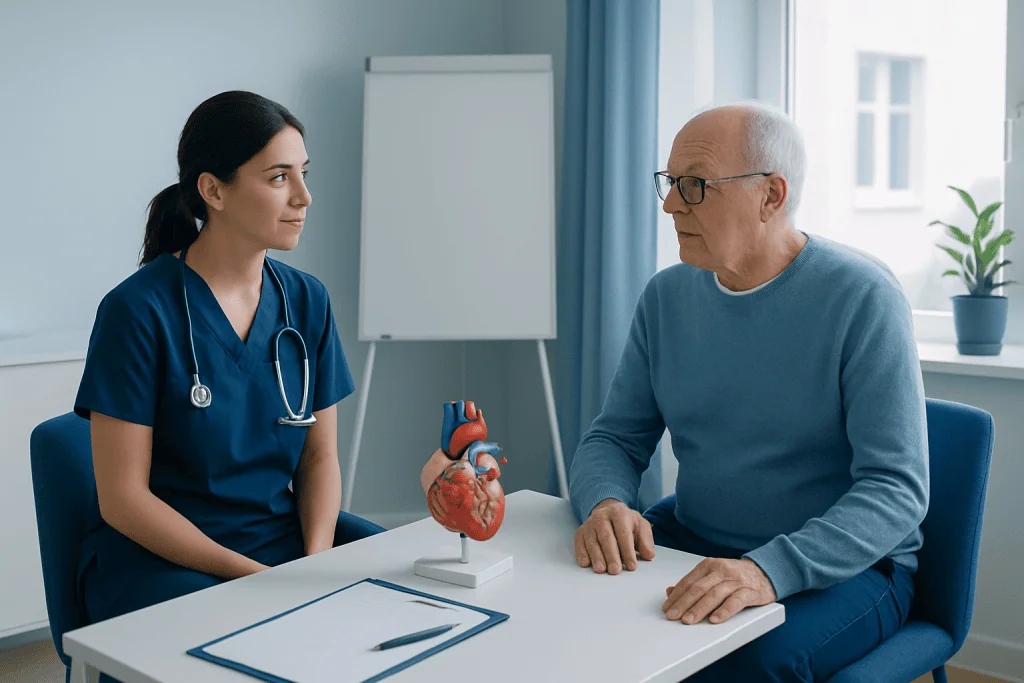
One of the main benefits of cardiac rehab is improved physical recovery. After bypass surgery, many people notice weakness, reduced stamina, shortness of breath with activity, or fear of overexertion. A supervised program gradually rebuilds endurance and strength, helping the body adapt safely to increasing activity.
Rehab also supports long-term heart protection. It teaches practical ways to manage cholesterol, blood pressure, blood sugar, body weight, sleep, and stress. These lifestyle and medical measures are important because surgery does not remove the underlying tendency toward atherosclerosis. Protecting the grafts and the rest of the circulation remains essential over time.
Emotional recovery matters as much as physical healing. It is common after major heart surgery to experience low mood, anxiety, poor sleep, or worry about another heart event. Structured rehabilitation provides reassurance, education, and support, which can help patients feel more in control of recovery and more comfortable resuming normal activities.
For many people, the result is better day-to-day function. Climbing stairs, walking outdoors, shopping, returning to work, and participating in family life often become easier as strength and confidence improve through cardiac rehabilitation.
What a Typical Program Includes
A cardiac rehab plan usually begins with a detailed assessment. The team reviews the surgery, current symptoms, medications, blood pressure, heart rate, incision healing, and any other conditions such as diabetes or high blood pressure. They also ask about goals, such as returning to work, travel, or exercise.
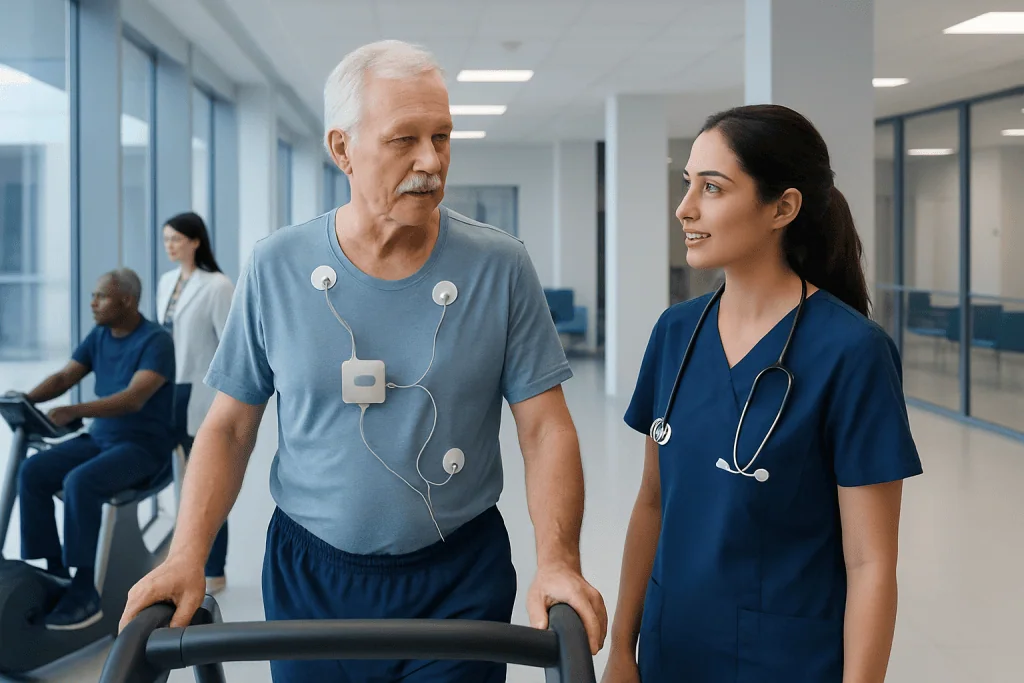
Supervised exercise is a core part of the program. This may include walking on a treadmill, stationary cycling, light strength work, stretching, and breathing exercises. Intensity is increased gradually based on symptoms, pulse, blood pressure, and overall progress. Patients are taught how to recognize normal exertion versus warning signs that mean they should stop and seek advice.
Education sessions often cover topics such as:
- heart-healthy eating patterns
- safe activity at home
- smoking cessation
- medication adherence
- stress management
- sleep and fatigue
- sexual activity and return to daily routines
Some programs also include psychological support or counseling. This can be especially helpful for people dealing with anxiety, low mood, or the stress of adjusting to life after major surgery. Family education may also be part of care, since support at home often improves recovery.
Safety, Monitoring, and Common Concerns
Cardiac rehab is designed to be safe. Before and during exercise, the team may monitor symptoms, heart rate, blood pressure, oxygen levels, and sometimes the heart rhythm. This supervised setting helps identify problems early and allows the program to be tailored if the patient becomes too tired, dizzy, breathless, or uncomfortable.
Many patients worry that exercise could damage the chest incision or strain the heart. In reality, rehabilitation programs are specifically planned around postoperative healing. Patients are given clear instructions on lifting limits, posture, coughing support, and safe arm and upper-body movements while the breastbone heals after surgery.
Another common concern is pain or fatigue. Mild tiredness can be part of recovery, but severe exhaustion, worsening chest discomfort, palpitations, fever, or increasing wound redness are not typical training effects and should be assessed. The team may adapt sessions if there are issues such as anemia, medication side effects, or rhythm problems including heart palpitations.
For some people, home-based or hybrid rehabilitation may be an option after clinical assessment, especially if travel is difficult. Even then, the safest approach is a structured plan with professional follow-up rather than unsupervised exercise found online or copied from someone else’s recovery.
Self-care at Home Between Sessions
What happens between rehab sessions is just as important as the supervised appointments. Patients are usually encouraged to stay gently active every day, following the care team’s guidance. Short, regular walks are often more useful than occasional overexertion. Rest remains important, but prolonged inactivity can slow recovery.
Medication adherence is another key part of self-care. After heart bypass surgery, prescribed medicines may help protect the heart, control blood pressure, reduce cholesterol, or prevent blood clots. Patients should take medicines exactly as directed and discuss side effects with their doctor rather than stopping treatment on their own.
Healthy habits support the benefits of rehab. These include not smoking, eating a balanced diet low in excess salt and unhealthy fats, managing weight, and keeping follow-up appointments. Good sleep, stress reduction, and gradual return to driving, work, and intimacy should also be discussed with the care team so recommendations match the individual’s progress.
Some centers use remote check-ins or tele-cardiology support to help patients stay connected to their team. Near the end of recovery, Acibadem International’s multidisciplinary specialists and JCI-accredited hospitals also provide diagnosis, treatment, and follow-up for international patients recovering from heart surgery.
When to Contact a Doctor
Most people improve steadily after bypass surgery, but certain symptoms should prompt medical advice. New or worsening chest pain, severe shortness of breath, fainting, rapid swelling, or a racing or irregular heartbeat should not be ignored. These symptoms do not always mean an emergency, but they do need timely assessment.
Patients should also contact their doctor if the incision becomes increasingly red, swollen, painful, or warm, or if there is drainage or fever. These can be signs of infection and should be evaluated promptly, especially in the early weeks after surgery.
Rehabilitation plans sometimes need adjustment. Ongoing fatigue, low mood, poor appetite, dizziness when walking, or fear of activity can all affect recovery. Sharing these concerns with the rehab team is important because support, medication review, or changes in the exercise plan may help.
Anyone who is unsure whether they are ready to start or continue rehab should ask their surgeon, cardiologist, or rehabilitation team. Professional guidance is the best way to make recovery safe, steady, and realistic.
Frequently asked questions
How soon can cardiac rehabilitation start after bypass surgery?
Gentle movement often begins in the hospital shortly after surgery, including walking and breathing exercises. A formal outpatient cardiac rehab program usually starts after discharge when the surgeon or cardiologist confirms that healing and overall stability are adequate.
Is cardiac rehabilitation necessary if the surgery went well?
Yes, rehab is still important even when surgery is successful. It helps improve fitness, supports emotional recovery, and teaches long-term heart-protective habits that surgery alone cannot provide.
What if a person feels too weak or anxious to exercise?
That is a common concern after bypass surgery. Cardiac rehab starts at a low level and progresses gradually under supervision, which can help rebuild both strength and confidence safely.
Can cardiac rehab reduce the risk of future heart problems?
Cardiac rehab supports better long-term heart health by improving activity levels and helping manage risk factors such as smoking, high blood pressure, cholesterol, diabetes, and stress. It is one part of an overall plan that also includes medicines and regular medical follow-up.
How long does a cardiac rehabilitation program last?
Program length varies by country, center, and individual needs. Many people attend for several weeks to a few months, with progress depending on healing, fitness, and any other medical conditions.
Are there reasons to delay cardiac rehabilitation?
Yes, the start may be delayed if there are issues such as infection, poor wound healing, unstable blood pressure, significant rhythm problems, severe fatigue, or other complications. The care team decides the safest timing based on the patient’s overall condition.
This article is for general information only and is not a substitute for professional medical advice. Please consult a qualified doctor about your individual situation.
Cardiac Rehabilitation in Turkey — costs, top hospitals & a free quote
JCI-accredited · board-certified surgeons · reply within 24h
Add us as a Preferred Source to see more of our trusted health content across Google Search, AI Overviews and Discover.
Check your numbers in seconds
BMI, calories, due date, blood pressure and 30+ more clinical calculators — free, instant, doctor-reviewed ranges.

Cardiology Department
Diagnosis and treatment of heart and vascular conditions, from prevention to advanced interventional procedures.
93 specialists in this unitRelated Treatments
Related Conditions
More from the Health Library

Waking Up in ICU After Heart Bypass Surgery: Tubes, Monitors, and Pain Control

Supraventricular Tachycardia: Fast Heartbeat Episodes Explained

Cardiac MRI Before CABG: Assessing Heart Muscle Viability

Arrhythmia Symptoms That Need Urgent Evaluation Instead of Watchful Waiting

Cardiovascular Toxicology: How Drugs and Toxins Can Damage the Heart