

DHI Hair Transplant: Step-by-Step Procedure and Recovery
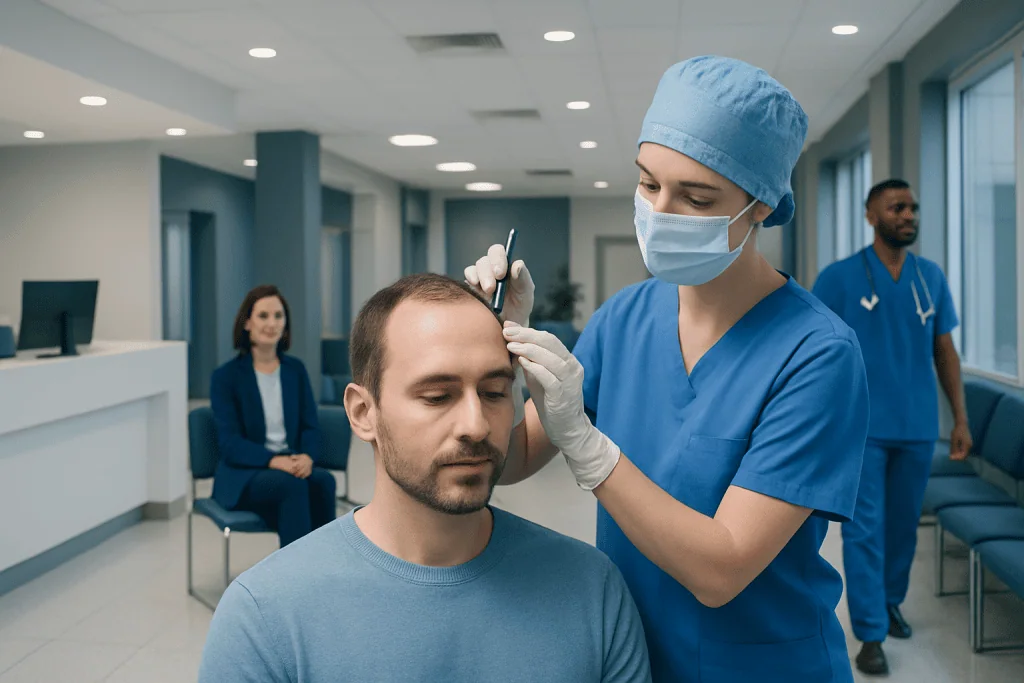
DHI hair transplant uses a special implantation pen to place follicles directly into the scalp. The method is commonly performed under local anesthesia and usually takes several hours.
Key Takeaways
- DHI hair transplant uses a special implantation pen to place follicles directly into the scalp.
- The method is commonly performed under local anesthesia and usually takes several hours.
- Temporary shedding after the procedure is expected before new growth begins.
- Careful aftercare helps protect grafts and support healing during recovery.
- A specialist assessment is important to confirm whether DHI is the right option for the cause and pattern of hair loss.
DHI hair transplant is a modern hair restoration technique that places individual hair follicles directly into the scalp using a specialized implanter tool. Many people choose it for precise placement, a natural-looking hairline, and a recovery period that is usually manageable with proper aftercare.
Overview of DHI Hair Transplant
DHI stands for Direct Hair Implantation. It is a hair transplant technique in which healthy hair follicles are usually taken from a donor area, most often the back or sides of the scalp, and then implanted directly into thinning or balding areas with a specialized pen-like device. This approach is designed to give the surgeon detailed control over the angle, depth, and direction of each graft.
DHI is often discussed alongside other modern methods of hair restoration, including FUE hair transplant and broader hair restoration procedures. The key difference is that in DHI, channel creation and graft placement are combined into one step during implantation. This can be helpful when careful density planning and hairline design are priorities.
The procedure may be suitable for men and women with pattern hair loss, selected cases of thinning in smaller areas, or people seeking refinement of the hairline. However, not every type of hair loss is treated with transplantation. Conditions such as alopecia areata are autoimmune and may require medical treatment rather than surgery, so an accurate diagnosis is essential before planning any transplant.
Who May Be a Good Candidate
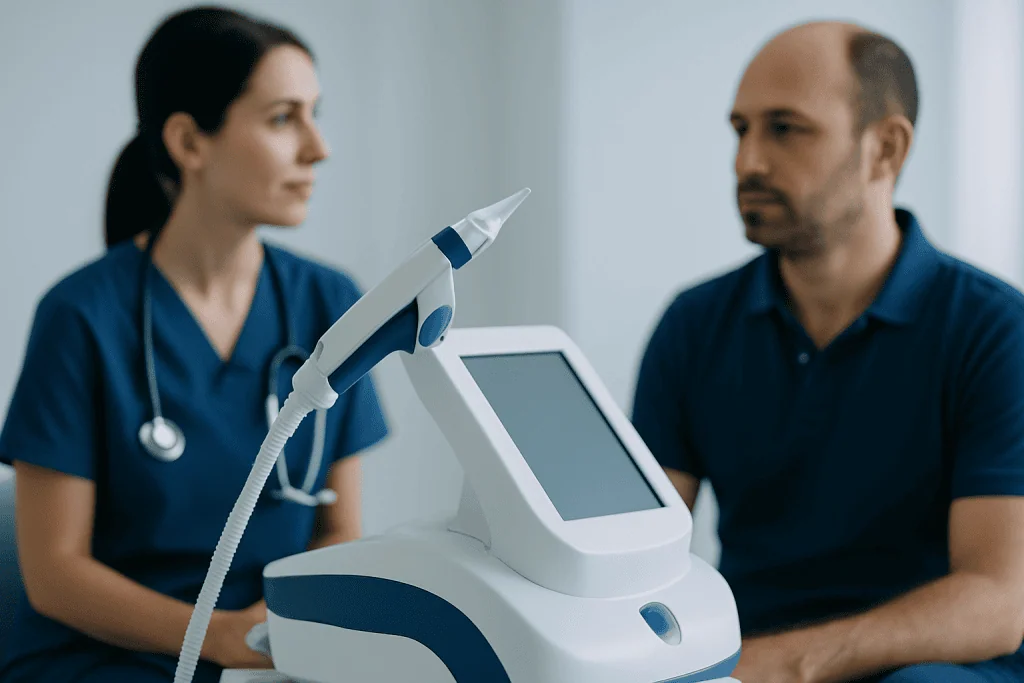
A good candidate for DHI hair transplant usually has stable hair loss, enough healthy donor hair, and realistic expectations about what the procedure can achieve. Surgeons assess the pattern of hair loss, hair thickness, scalp flexibility, and donor density to estimate how many grafts may be available and what kind of coverage is realistic.
DHI may be considered for people who want focused work on the hairline, crown, or areas of diffuse thinning where precise placement matters. It can also appeal to patients who wish to explore tailored options such as hair transplant without shaving in carefully selected situations. The best technique depends on the person’s hair characteristics, styling goals, and extent of loss.
Some people may need treatment of an underlying scalp condition before surgery. Active inflammation, infection, or significant scarring can affect healing and outcomes. For example, scalp problems related to seborrheic dermatitis may need to be controlled first so the scalp is in the best possible condition for transplantation.
Step-by-Step DHI Hair Transplant Procedure
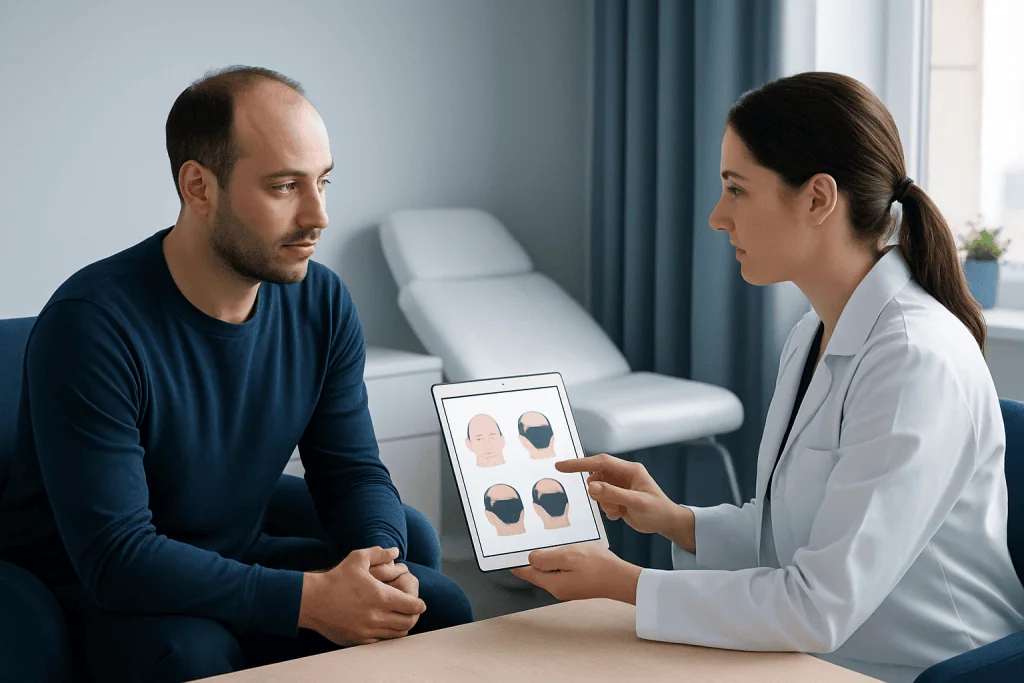
The process usually begins with a consultation, scalp examination, and treatment plan. The surgical team reviews medical history, medications, smoking status, and the cause of hair loss. The hairline and target areas are then designed carefully to match facial proportions, age, and expected future hair loss. Photographs may be taken to help with planning and follow-up.
On the day of the procedure, the donor and recipient areas are prepared, and local anesthesia is used to numb the scalp. Healthy follicular units are generally extracted one by one from the donor area, often using a method related to follicular unit extraction. The grafts are handled carefully to protect their viability while they are prepared for implantation.
During the DHI stage, the surgeon loads follicles into a specialized implanter pen and places them directly into the scalp. This allows close control over density, direction, and angle, which is important for a natural look. The session may take several hours, depending on the number of grafts. Some people need one session, while others may require a staged approach. Patients interested in this method in more detail may also read about DHI hair transplant as a dedicated treatment option.
After implantation, the scalp is checked, post-procedure instructions are reviewed, and the patient usually goes home the same day. A brief period of redness, tenderness, and small crusts around graft sites is normal. The team typically explains how to sleep, wash the scalp, and avoid pressure on the transplanted area during the first days.
Recovery Timeline and What to Expect
Recovery after DHI hair transplant happens gradually. In the first few days, the scalp may feel tender or tight, and there may be mild swelling, pinpoint scabs, or redness in the donor and recipient areas. These early effects usually improve with time and careful aftercare. Patients are often able to resume light daily activities soon, but strenuous exercise and friction to the scalp should be avoided until the surgeon says it is safe.
During the first two weeks, the transplanted grafts begin to settle. Tiny crusts generally fall away as healing progresses, and the donor area also starts to look more comfortable. It is important not to scratch, pick, or rub the scalp. Following washing instructions closely helps keep the scalp clean while protecting newly implanted follicles.
One of the most important parts of recovery is understanding shock shedding. Transplanted hairs often fall out temporarily in the first weeks after surgery, while the follicles remain in place under the skin. This is expected and does not usually mean the transplant has failed. New growth commonly begins over the following months, with continued improvement in thickness and coverage over time.
Final results are not immediate. Hair growth occurs in cycles, so visible changes develop gradually. Many people notice early regrowth after several months, while fuller maturation may take closer to a year, and sometimes longer depending on the area treated. Patience and regular follow-up help set realistic expectations.
Benefits, Limitations, and Possible Risks
DHI hair transplant may offer several advantages. Because implantation is highly controlled, it can support natural-looking placement, especially in the hairline and areas where direction matters. The method can be useful for creating refined density patterns and for selected patients who want a tailored restoration approach.
At the same time, DHI is not automatically better for every person or every pattern of hair loss. The outcome still depends on donor supply, scalp health, the quality of the grafts, and the experience of the medical team. People with extensive baldness may need realistic planning because donor hair is limited. In some cases, another technique or combined strategy may be more appropriate.
As with any minor surgical procedure, there are possible risks. These can include swelling, discomfort, temporary numbness, infection, poor graft survival, uneven density, or scarring. Most side effects are mild and temporary when the procedure is done by qualified professionals and aftercare advice is followed. A careful evaluation also helps identify patients with conditions that may increase the chance of scarring, such as a tendency toward keloid formation.
Aftercare and Self-Care Tips
Aftercare plays an important role in protecting the grafts and supporting healing. Patients are commonly advised to sleep with the head elevated for a short time, avoid touching or rubbing the scalp, and follow a gentle washing routine exactly as instructed. Hats, helmets, and activities that create pressure on the scalp may need to be limited in the early period.
Sun protection is also important, since a healing scalp can be more sensitive. Swimming pools, saunas, steam rooms, and intense workouts are often postponed until the doctor confirms it is safe. Smoking and heavy alcohol use may interfere with healing, so many clinics recommend avoiding them around the time of surgery.
Doctors may also discuss longer-term ways to support hair health, including medications, scalp care, or adjunctive therapies when appropriate. Some patients benefit from a combined plan that includes laser hair therapy or other non-surgical measures to support existing hair. These options do not replace a transplant, but they may be part of a broader hair preservation strategy.
When to Contact a Doctor
It is sensible to contact the treating team if there is increasing pain, worsening swelling, spreading redness, fever, pus, bleeding that does not settle, or any concern that grafts may have been disturbed. Early advice can help address a problem promptly and provide reassurance when symptoms are part of normal healing.
A follow-up appointment is also useful if hair growth seems delayed, density appears uneven, or continued hair loss is affecting untreated areas. In some cases, a person may eventually benefit from adjustments, additional sessions, or revision planning such as hair transplant repair if earlier procedures elsewhere gave unsatisfactory results.
For international patients seeking evaluation and treatment, Acibadem International’s multidisciplinary specialists and JCI-accredited hospitals diagnose and manage hair loss with individualized planning. The most important step is a professional consultation that confirms the cause of hair loss and matches the treatment approach to the patient’s goals and scalp condition.
Frequently asked questions
What is the difference between DHI and FUE?
DHI and FUE are closely related techniques because follicles are often extracted individually in both methods. The main difference is in implantation: DHI uses a specialized implanter pen to place follicles directly, while standard FUE often involves creating recipient sites first and then placing grafts.
Is DHI hair transplant painful?
The procedure is usually performed under local anesthesia, so the scalp is numbed during treatment. Mild discomfort, tightness, or tenderness can occur afterward, but this is commonly manageable and tends to improve over the first days.
How long does it take to recover from a DHI hair transplant?
Early healing often takes around one to two weeks, during which redness, tiny crusts, and mild swelling gradually settle. Hair growth itself takes longer, and the visible result develops over several months as the transplanted follicles enter normal growth cycles.
When will new hair start to grow after DHI?
Temporary shedding of transplanted hairs is common in the first weeks and is usually expected. New growth often begins after several months, with continued thickening and maturation over time, and final results may take close to a year.
Does DHI leave scars?
DHI is considered a minimally invasive technique, and any marks are typically very small. However, all procedures that involve extraction and implantation can leave some degree of scarring, even if it is often subtle and difficult to notice once healed.
Is DHI suitable for women?
It can be suitable for some women, especially when donor hair is adequate and the cause of hair loss is appropriate for transplantation. A specialist assessment is important because female hair thinning may have different patterns and underlying causes that need evaluation first.
References
- American Academy of Dermatology
- International Society of Hair Restoration Surgery
- British Association of Dermatologists
- National Health Service
- Mayo Clinic
This article is for general information only and is not a substitute for professional medical advice. Please consult a qualified doctor about your individual situation.
DHI Hair Transplant in Turkey — costs, top hospitals & a free quote
JCI-accredited · board-certified surgeons · reply within 24h
Add us as a Preferred Source to see more of our trusted health content across Google Search, AI Overviews and Discover.

Hair Transplant
Modern FUE and DHI hair restoration with natural, lasting results.
Related Treatments
Related Conditions
More from the Health Library



Related Specialists
Prof. Dr. Sedef Şahin
Dermatology
Prof. Dr. Şükrü Yazar
Aesthetic Plastic & Reconstructive Surgery
Prof. Dr. Emel Öztürk Durmaz
Dermatology
Prof. Dr. Özlem Dicle
Dermatology