How Expensive Is LASIK? Cost Compared With Glasses

LASIK is usually a one-time elective cost, while glasses and contact lenses create ongoing expenses. The total price of LASIK depends on the clinic, technology used, surgeon experience, and whether both eyes are treated.
Key Takeaways
- LASIK is usually a one-time elective cost, while glasses and contact lenses create ongoing expenses.
- The total price of LASIK depends on the clinic, technology used, surgeon experience, and whether both eyes are treated.
- Not everyone is a suitable candidate for LASIK, so a detailed eye assessment is essential before comparing costs.
- Glasses may cost less upfront, but repeated frame, lens, and prescription changes can add up over time.
- The lowest advertised LASIK price may not include all preoperative, surgical, and follow-up services.
- A personalized discussion with an eye specialist is the safest way to decide whether LASIK offers good value for a person’s needs.
LASIK cost is best understood as a long-term value question rather than just a one-time bill. For many adults, comparing LASIK with years of spending on glasses, contact lenses, solutions, and routine vision updates helps clarify whether the procedure may be worthwhile.
Overview: Is LASIK Expensive?
LASIK is often described as expensive because it involves a planned surgical procedure with advanced laser technology and specialist care. Unlike eyeglasses, which can be purchased in many price ranges, LASIK is usually paid as a single larger expense. However, the most useful comparison is not just the upfront price. It is the long-term cost of vision correction over several years.
For people who regularly buy prescription glasses, sunglasses, contact lenses, cleaning solutions, and replacement lenses, the total cost of vision correction can rise steadily. In that context, LASIK may be seen as a one-time investment that can reduce or remove dependence on corrective eyewear. Whether it is “worth it” depends on a person’s eye health, lifestyle, prescription stability, and expectations.
It is also important to remember that LASIK is an elective procedure. It is intended to reduce dependence on glasses or contacts for common refractive errors such as nearsightedness, farsightedness, and astigmatism. People considering LASIK should weigh both financial and medical factors, not cost alone.
What Costs Are Included in LASIK?
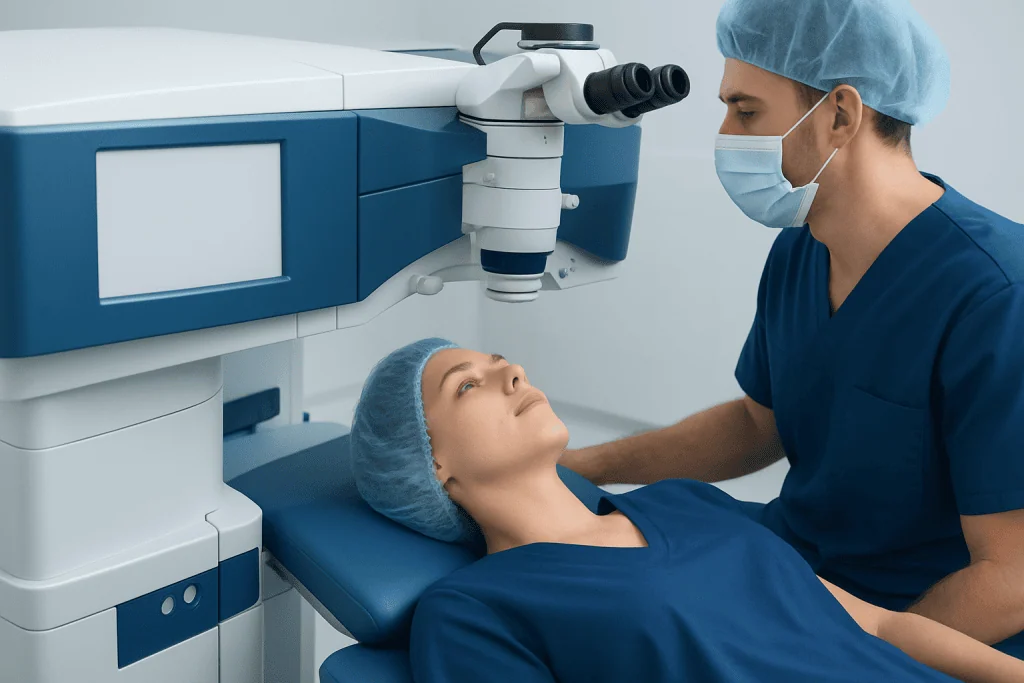
The quoted cost of LASIK may vary widely because clinics do not always include the same services in their advertised price. Some centers present a base surgical fee only, while others offer a package that includes preoperative testing, the procedure itself, medications, and follow-up visits. This is why a direct price comparison can sometimes be misleading.
Before making a decision, patients may want to ask exactly what is included. Important components can include a comprehensive eye examination, corneal mapping, prescription measurements, surgeon fees, laser technology fees, postoperative visits, and any short-term eye drops used during recovery. In some cases, enhancement procedures or retreatments are covered for a limited period, but in others they are not.
Several factors can influence the final price:
- The type of laser platform and diagnostic technology used
- The surgeon’s training and experience
- The complexity of the prescription
- Whether one eye or both eyes are treated
- The clinic’s location and level of support services
- What postoperative care is included in the package
Understanding these details helps patients compare value rather than just the headline number. A slightly higher fee may include more complete care and clearer planning.
LASIK Cost Compared With Glasses and Contact Lenses
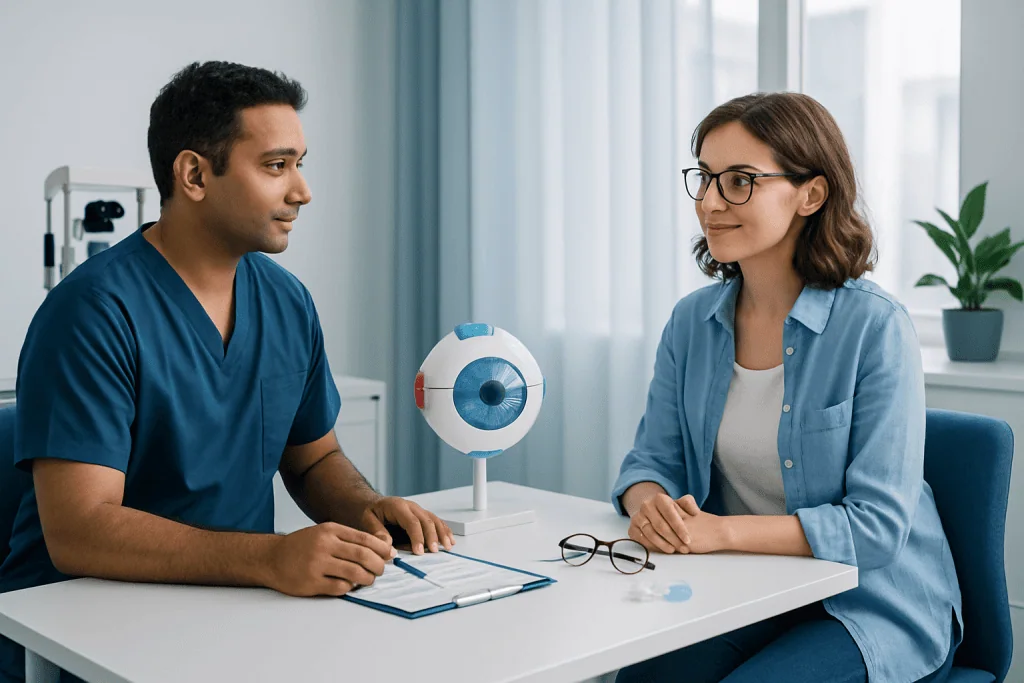
Glasses usually cost less at the start, which is why they often seem like the more affordable choice. Yet glasses can involve repeated spending over time. Frames, prescription lenses, coatings, sports or computer glasses, repairs, and prescription sunglasses may all add to the total. If a prescription changes regularly, these purchases may happen more often than expected.
Contact lenses may create even higher ongoing costs for some people. Daily, monthly, or specialty lenses require regular replacement. There may also be expenses for cleaning solutions, storage cases, reorders, and extra eye appointments. People who alternate between contacts and glasses may pay for both systems at the same time. Those interested in non-surgical correction can discuss options such as contact lenses with an eye specialist.
When LASIK is compared over a period of years, some adults find that the cumulative cost of eyewear approaches or exceeds the one-time cost of surgery. This does not mean LASIK is always cheaper. The outcome depends on a person’s prescription, eyewear habits, and how often lenses or frames are replaced. Someone who buys basic glasses infrequently may spend much less than someone who purchases premium lenses and multiple pairs.
Convenience also plays a role. LASIK may reduce the daily burden of cleaning lenses, carrying backup glasses, or managing eyewear during sports and travel. While convenience is not a direct financial saving, it is part of the overall value many patients consider.
Who May Be a Good Candidate for LASIK?
Cost matters, but candidacy matters more. LASIK is not suitable for everyone, and the safest decision starts with a careful eye assessment. In general, candidates are adults with a stable prescription, healthy corneas, and refractive errors that fall within treatable ranges. Common reasons for LASIK include nearsightedness, farsightedness, and astigmatism.
Some people may not be ideal candidates because of thin corneas, dry eye disease, unstable vision, certain autoimmune conditions, pregnancy-related prescription changes, or other eye disorders. Patients with cataracts, glaucoma, corneal disease, retinal conditions, or previous eye injuries may need a different approach. In those situations, a surgeon may recommend another form of eye surgery or continued use of glasses or lenses instead.
Age is also part of the discussion. LASIK does not prevent natural age-related changes such as presbyopia, which affects near vision over time. This means that even after successful LASIK, some people may still need reading glasses later in life. A realistic understanding of this helps people compare long-term value more accurately.
Benefits, Limits, and Long-Term Value
The main benefit of LASIK is reduced dependence on glasses or contact lenses. Many patients value the freedom it can bring in daily activities such as exercising, swimming, commuting, and travel. For some, this improvement in convenience and quality of life is as important as the financial comparison.
At the same time, LASIK has limits. It cannot guarantee perfect vision for every person, and some people may still need glasses for certain tasks after surgery. Vision can also change naturally with age. The procedure addresses refractive error at the time of treatment, but it does not stop future age-related eye changes.
Like any procedure, LASIK also has potential risks and side effects. These can include temporary dry eyes, glare, halos, fluctuating vision, or undercorrection and overcorrection. Most concerns improve with time and proper follow-up, but patients should understand them before deciding. The value of LASIK is highest when expectations are realistic and the decision is based on both eye health and lifestyle needs.
How to Compare LASIK Prices Safely
Choosing LASIK based on price alone is not the safest approach. A very low advertised fee may not reflect the total cost of care, and it does not necessarily indicate the level of screening or follow-up provided. In eye procedures, quality assessment, careful patient selection, and experienced surgical planning are especially important.
When comparing clinics, patients may want to ask practical questions. For example: Is the consultation included? What preoperative tests are performed? Who performs the surgery? What type of laser technology is used? How many follow-up visits are part of the package? Are enhancement procedures covered if needed? Clear answers can make the financial comparison more meaningful.
It is also wise to discuss alternatives. Some people may be better suited to other laser-based approaches included under laser treatments, while others may do well with updated glasses or contact lenses. An individualized discussion helps match treatment choice to eye anatomy, visual goals, and budget.
Near the end of the decision process, patients should feel comfortable asking for a written cost breakdown. This reduces surprises and supports informed consent. Acibadem International’s multidisciplinary eye specialists in JCI-accredited hospitals diagnose and treat vision problems for international patients, helping them understand both suitability and treatment planning.
When to See an Eye Doctor
Anyone thinking about LASIK should book a full eye evaluation before focusing on cost. An eye doctor can confirm whether the prescription is stable, assess corneal thickness and surface health, and identify conditions that may affect safety or results. This step is especially important for people who have dry eyes, irregular prescriptions, or previous eye problems.
Prompt assessment is also important if a person notices blurred vision that changes quickly, eye pain, flashes of light, a sudden increase in floaters, redness, or significant light sensitivity. These symptoms may point to conditions that need diagnosis before any refractive procedure is considered. LASIK should only be planned after the eyes are shown to be healthy enough for treatment.
People who are unsure whether LASIK is financially worthwhile can ask the doctor to help compare realistic long-term costs. Looking at current spending on glasses, contact lenses, maintenance products, and routine updates often gives a clearer picture. A careful medical evaluation plus an honest financial comparison usually leads to the most confident decision.
Frequently asked questions
Is LASIK cheaper than glasses in the long run?
It can be for some people, but not for everyone. LASIK is a one-time cost, while glasses and contact lenses create ongoing expenses over many years. The long-term comparison depends on how often a person replaces frames, lenses, or contact lens supplies.
Why do LASIK prices vary so much?
Prices vary because clinics may include different services in their quotes. The final cost can reflect the type of laser technology used, the surgeon’s experience, preoperative testing, and postoperative care. A lower advertised fee may not include everything needed for treatment and follow-up.
Does insurance usually cover LASIK?
LASIK is commonly considered an elective procedure, so many health insurance plans do not cover it. Some plans may offer limited discounts through partner programs rather than full reimbursement. Patients should check directly with their insurer and the clinic for accurate details.
Will a person ever need glasses again after LASIK?
Possibly, yes. LASIK can reduce dependence on glasses, but it does not stop natural age-related vision changes. Some people may still need glasses for reading, night driving, or certain detailed tasks later on.
Is LASIK worth the cost for contact lens users?
For many regular contact lens users, LASIK may offer both convenience and potential long-term value. Contacts involve repeated purchases, cleaning products, and ongoing maintenance. Whether LASIK is worth it depends on eye health, budget, and personal preference.
What is the most important step before comparing LASIK costs?
The first step is a full eye examination to see whether LASIK is medically suitable. A person who is not a good candidate should not base the decision on price alone. Safety, expected outcomes, and alternative options should always be discussed with an eye specialist.
References
- American Academy of Ophthalmology
- National Eye Institute
- American Society of Cataract and Refractive Surgery
- Royal College of Ophthalmologists
This article is for general information only and is not a substitute for professional medical advice. Please consult a qualified doctor about your individual situation.
LASIK in Turkey — costs, top hospitals & a free quote
JCI-accredited · board-certified surgeons · reply within 24h
Add us as a Preferred Source to see more of our trusted health content across Google Search, AI Overviews and Discover.