Ankle Replacement
Ankle replacement is a surgical procedure that replaces damaged ankle joint surfaces with artificial components to reduce pain and improve mobility in patients with severe arthritis.
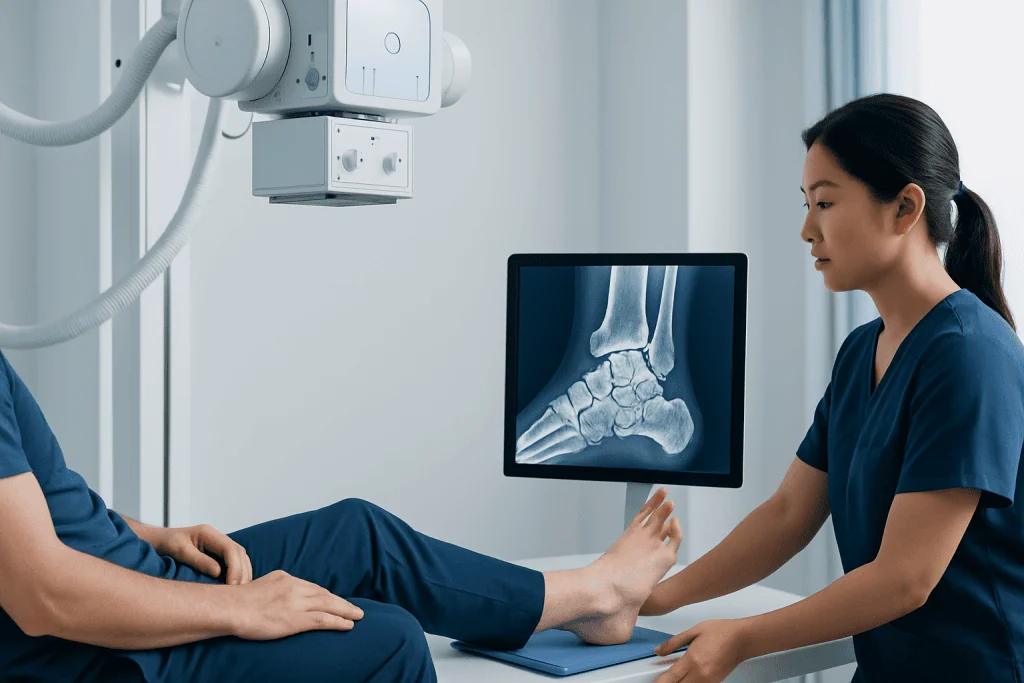
Quick answer
Ankle replacement, or total ankle arthroplasty, is surgery that removes the damaged surfaces of a severely arthritic ankle joint and replaces them with metal components separated by a medical-grade plastic bearing. It aims to relieve bone-on-bone pain while preserving joint movement, unlike fusion. It is considered for advanced ankle arthritis when non-surgical care no longer gives meaningful relief, and involves several weeks of protected weight-bearing followed by months of rehabilitation.
Ankle Replacement: What It Is and Who It Helps
Ankle replacement is an operation that removes the damaged surfaces of a severely arthritic ankle joint and replaces them with shaped metal components separated by a durable plastic bearing. It is designed to relieve the bone-on-bone pain of advanced ankle arthritis while preserving movement at the joint, which is what separates it from fusion. It is usually considered when the arthritis is severe on imaging, the symptoms are limiting daily life, and non-surgical treatment is no longer providing meaningful relief.
If you are reading this page, ankle pain has probably already changed how you live. Persistent ankle arthritis narrows a person’s world gradually. Walking through an airport, standing at work, going down stairs, exercising or keeping up with family stop being ordinary activities and become things you plan around. And the problem is rarely pain alone. Stiffness, swelling, instability and a loss of confidence in the joint affect independence, sleep, mood and overall quality of life.
Deciding whether to have ankle replacement is a significant step, and the questions patients ask are the right ones. Will the implant last? Will I walk normally again? How long will I be away from work or unable to travel? Would ankle fusion be a better option in my case? None of these has a universal answer. Ankle replacement is a highly specialised procedure, and the right choice depends on the condition of the ankle itself, the alignment of the leg and foot, bone quality, your activity demands, your general health and your personal goals.
At Acibadem, ankle replacement is treated as a personalised orthopaedic decision rather than a routine operation. Evaluation looks at the entire lower limb, hip, knee, ankle, foot, tendons, nerves, circulation and walking pattern, not just the joint on the scan. That broader view matters because a successful result depends not only on replacing the joint surfaces, but on creating stable, balanced alignment around the new ankle.
What is total ankle replacement?
Total ankle replacement, also called total ankle arthroplasty, is the full clinical name for the procedure, and it describes what actually happens during surgery. The ankle joint forms where the lower end of the shinbone, the tibia, meets the top of the talus: the bone in the foot that transfers your body weight during standing and walking. In a healthy ankle, smooth cartilage lets these surfaces glide over one another. When that cartilage is worn away by arthritis, injury or disease, bone rubs against bone, causing pain, inflammation, stiffness and, over time, progressive deformity.
During the operation, the surgeon resurfaces the damaged lower tibia and the upper portion of the talus. Metal components are secured to the prepared bone surfaces, and a medical-grade plastic insert is positioned between them. This insert works as a bearing surface, allowing controlled movement of the joint. The aim is to reproduce stable ankle motion while removing the painful contact between arthritic bone surfaces.
Modern ankle replacement has changed substantially through improvements in implant design, surgical planning, alignment techniques and, just as importantly, patient selection. Even so, it remains a technically demanding operation. Unlike the hip and knee, the ankle is a small joint that carries considerable force with every step. Precise implant positioning, soft-tissue balance, correction of any deformity and a structured rehabilitation programme all shape the final result.
Is an ankle transplant replacement the same thing?
The phrase ankle transplant replacement is a common way of searching for this operation, but it is worth being precise: in an ankle replacement, nothing is transplanted. No donor joint or living tissue is used. The worn surfaces of your own joint are replaced with manufactured metal and plastic components, in the same way a hip or knee replacement works. Separate, much rarer procedures do exist in which surgeons use donor bone and cartilage grafts to repair focal areas of joint damage in carefully selected younger patients, but those are joint-preserving operations with different indications, different recovery pathways and different limitations. If you have seen the term “ankle transplant”, it almost always refers to a total ankle replacement in the sense described on this page.
How serious is ankle replacement?
Ankle replacement is major surgery, and it deserves to be treated as such. It is performed under anaesthesia, usually takes several hours when combined procedures are needed, involves a short hospital stay, and is followed by weeks of protected or restricted weight-bearing and months of rehabilitation. The incision sits at the front of the ankle, where the soft-tissue cover is thin, so wound care and healing capacity matter more than in some other joint operations. It also carries the risks that come with any significant lower-limb operation, including wound problems, infection, blood clots and nerve irritation, alongside implant-specific considerations discussed later on this page. None of this makes the operation inadvisable for the right patient: it means the decision should be made deliberately, with a clear understanding of what the recovery involves and what the implant can and cannot be expected to do.
 Dr. Lanya Qadir KhayatMDBoard Commentary
Total ankle replacement should be planned as a reconstruction of the entire lower-limb mechanical chain rather than simply an exchange of damaged joint surfaces. Acıbadem-affiliated authors describe ankle osteoarthritis care as a staged pathway in which nonsurgical treatment is used first and surgery is considered when advanced degeneration continues to limit function. Current guidance supports individualized use of activity modification, bracing, physical therapy, weight management, anti-inflammatory medication and selected injections before surgery. Once end-stage arthritis is reached, both ankle replacement and fusion should be discussed: the TARVA randomized trial found that both procedures improved quality of life at one year without demonstrating overall superiority of one operation, although their complication profiles differed. Selection should therefore consider alignment, bone stock, ligament stability, soft-tissue condition, circulation, activity demands and the possible need for accompanying tendon, ligament or realignment procedures. Implant longevity must also be discussed realistically; across four national registries, revision-free survival ranged from 80% to 91% at five years and from 66% to 84% at ten years, while a modern long-term systematic review reported ten-year survivorship ranging from 66% to 94.4%.
Ankle Replacement or Ankle Fusion?
Ankle fusion, also called arthrodesis, permanently joins the bones that form the ankle joint so that the joint no longer moves at all, and it is the main surgical alternative to replacement for end-stage ankle arthritis. Both operations address the same problem, painful bone-on-bone contact, but they solve it in opposite ways. Fusion removes the pain by removing the movement. Replacement removes the pain while trying to keep the movement.
Preserving motion is the central argument for replacement. A moving ankle may make walking on uneven ground, climbing stairs and rising from a chair feel more natural, and it may reduce the compensatory stress placed on the neighbouring joints of the foot, which have to work harder when the ankle itself is fixed. Each patient’s biomechanics are different, however, and the theoretical advantages of motion preservation have to be weighed against the demands your life will place on the implant.
When is ankle fusion surgery the better choice?
Ankle fusion surgery tends to be recommended when the conditions needed to support a replacement are missing or when the expected demands on an implant would be excessive. Situations that often point towards fusion rather than replacement include:
- Severe deformity that cannot be adequately corrected around an implant
- A history of infection in or around the joint
- Poor bone stock or significant collapse of the talus
- Major ligament instability that cannot be reconstructed reliably
- Very high physical demands, heavy manual work or repeated impact loading
- Certain neuromuscular conditions or severe loss of protective sensation
Fusion is not a lesser operation; in the right circumstances it is an excellent treatment that can provide lasting pain relief on a stable, load-bearing foot. The trade-off is permanent loss of ankle motion and, over the long term, increased load through the adjacent joints of the foot, which the surgical team will discuss with you. The decision between replacement and fusion should always follow a detailed assessment by an orthopaedic foot and ankle specialist who has examined your imaging, your alignment and your goals, not a general rule.
Who May Need Ankle Replacement Surgery?
People who consider ankle replacement surgery usually have advanced ankle arthritis that continues to cause substantial symptoms despite appropriate non-surgical treatment. Symptoms may build slowly over years, or they may follow an earlier injury, sometimes decades after the original event. Unlike arthritis of the hip or knee, ankle arthritis is frequently related to a previous fracture, a ligament injury, repeated sprains or other trauma that changed the mechanics of the joint.
Common symptoms include pain during walking or weight-bearing, stiffness after rest, swelling around the ankle, reduced ability to move the foot up and down, and difficulty walking on uneven ground. Some people notice grinding, catching, or a sense that the ankle might give way. As the arthritis progresses, the ankle may gradually tilt inward or outward, changing how shoes fit and affecting the foot, knee, hip or back. Eventually, pain may occur at rest or disturb sleep.
Diagnosis begins with a focused clinical evaluation. The specialist asks about the onset of symptoms, previous injuries or operations, medical conditions, activity level, footwear, work requirements and treatment goals. The examination assesses ankle movement, ligament stability, tenderness, swelling, skin condition, nerve function, circulation, tendon strength, foot shape and the alignment of the entire leg.
Weight-bearing X-rays are especially important because they show how the ankle behaves while you are standing on it. They can reveal joint-space narrowing, bone spurs, deformity, cysts, malalignment and arthritis in neighbouring joints. In more complex cases, three-dimensional imaging is used to evaluate bone loss, prior fracture healing, joint anatomy or deformity in greater detail. Magnetic resonance imaging can help when soft tissues, cartilage, tendons or the blood supply to the talus need further assessment. Blood tests or other investigations may be added if inflammatory arthritis, infection or another underlying condition is suspected.
Before surgery is considered, most patients will have tried a run of conservative measures:
- Activity modification and, where appropriate, weight management
- Supportive footwear and ankle braces
- Physical therapy
- Anti-inflammatory medication when medically suitable, under the treating doctor’s guidance
- Image-guided injections
These treatments genuinely reduce symptoms for some people, and they are worth trying. Footwear changes deserve particular mention: a stiff-soled shoe with a gently curved rocker sole reduces the demand for movement at a painful ankle during walking, and a moulded brace or custom orthosis can improve stability and comfort for a long time in some patients. What none of these measures can do is restore cartilage that has already been lost. Surgery becomes a serious consideration when pain and functional limitation remain substantial and the imaging confirms arthritis severe enough to explain the symptoms.
Can you get an ankle replacement?
Most people with end-stage ankle arthritis can at least be assessed for an ankle replacement, but whether you are suitable depends on findings that only a proper evaluation can establish. The joint needs enough remaining bone to hold the components securely. The alignment of the leg and hindfoot must be correctable to a position the implant can work in. The skin and soft tissues at the front of the ankle must be healthy enough to heal a surgical incision. Circulation and nerve function need to be adequate, your general health needs to tolerate anaesthesia and recovery, and the demands you plan to place on the joint need to be realistic for an artificial bearing surface. Previous surgery, retained plates and screws, or old fracture deformity do not automatically rule you out: they simply mean the planning has to account for them.
Who is not a good candidate for ankle replacement?
Some findings make ankle replacement riskier or clearly inappropriate, and an honest surgeon will say so directly. Circumstances that commonly lead a surgeon to recommend a different treatment include:
- Active infection in or near the joint
- Severe nerve damage or loss of protective sensation in the foot
- Inadequate blood supply to the leg or foot
- Major deformity that cannot be corrected enough to balance an implant
- Poor skin quality over the front of the ankle
- Severe bone loss, including significant collapse of the talus
- Uncontrolled diabetes or other conditions that seriously impair healing
- Certain neuromuscular conditions affecting control of the limb
Patients with a physically demanding occupation or high-impact athletic ambitions also need a candid conversation about whether the loads they intend to apply are appropriate for an implant, or whether ankle fusion would serve them better. Being told you are not a good candidate for replacement is not a dead end; it is usually the start of a discussion about which alternative fits your ankle and your life.
What is the best age for ankle replacement?
There is no single best age for ankle replacement, and modern practice pays more attention to demand than to date of birth. Historically, the operation was reserved mainly for older patients with lower physical demands, because an implant subjected to fewer high-load years is under less cumulative stress. Younger patients raise a different set of considerations: they are likely to outlive the implant, which makes future revision surgery part of the conversation from the outset, and their activity levels tend to be higher. That does not exclude younger adults, particularly those with post-traumatic arthritis, which often affects people earlier in life, but it does mean the choice between replacement, fusion and joint-preserving options has to be weighed with extra care. The honest framing is this: age is one factor among many, alongside bone quality, alignment, weight, occupation and what you want the ankle to do for the next decades of your life.
Conditions Treated With Ankle Replacement
The most common indication for ankle replacement is end-stage ankle osteoarthritis. Osteoarthritis can arise as part of age-related cartilage degeneration, but at the ankle it is very often post-traumatic. A fracture involving the joint surface, a fracture that healed in altered alignment, or longstanding ligament instability changes how forces pass through the joint and drives progressive cartilage wear.
Post-traumatic ankle arthritis is therefore one of the most frequent reasons patients seek specialist evaluation. A typical story: a severe ankle injury in early adulthood, a good enough recovery to return to normal life, and then increasing pain and stiffness years or decades later. Previous plates and screws, surgical scars, altered bone anatomy or deformity make planning more complex, but they do not automatically rule out replacement. The surgical team assesses whether old hardware needs removal, whether alignment needs correction, and whether the available bone can support an implant.
Inflammatory arthritis, including rheumatoid arthritis and related autoimmune conditions, can also destroy the ankle joint. These patients benefit from coordinated care between the orthopaedic team and rheumatology. Keeping the inflammatory disease well controlled before and after surgery matters both for symptom management and for reducing risks related to wound healing and infection; decisions about disease-modifying medication around the time of surgery belong to the treating physicians, made case by case.
Other potential indications include arthritis following avascular necrosis, in which part of the talus has lost its blood supply and the bone structure has been affected; arthritis associated with certain congenital or developmental alignment problems; and selected cases of arthritis after previous ankle surgery. In every situation, the central question is the same: can the remaining bone, soft tissues, ligaments, alignment and overall health support a stable, balanced replacement?
Ankle replacement is often combined with additional procedures when they are needed to create a durable, well-aligned result. These can include tendon balancing, ligament reconstruction, correction of heel or forefoot alignment, removal of previous hardware, bone grafting, treatment of adjacent-joint arthritis, or lengthening of a tight calf tendon. Needing one of these is not a sign that something has gone wrong: it usually means the surgeon is addressing the mechanics of the whole foot and ankle rather than just the joint surfaces.
How Ankle Replacement Is Performed
Preparing for Ankle Surgery
Preparation for ankle surgery begins well before the day of the operation. The orthopaedic team reviews your imaging, evaluates alignment under weight-bearing conditions and decides whether corrective procedures will be needed alongside the replacement. In many cases, specialised planning tools and three-dimensional imaging help the surgeon understand your individual bone shape, joint deformity and the positioning requirements of the implant. These tools support precision: they do not replace surgical judgement or careful assessment during the operation itself.
You will also have a medical review to identify anything that could affect anaesthesia, healing or blood-clot risk. This may cover heart and lung health, diabetes control, current medications, allergies, smoking or nicotine use, sleep apnoea, circulation and any history of blood clots. Medication planning is individualised: drugs that affect bleeding, immune function or blood sugar receive particular attention from the treating team, who will tell you exactly what applies in your case. Patients who smoke or use nicotine products are generally advised to stop well before surgery, because nicotine impairs wound and bone healing.
Planning the recovery is just as important as planning the operation. You will spend a period without full weight through the operated leg, so practical support at home matters: a safe space to rest with the leg elevated, a plan for stairs, mobility aids organised in advance, and work responsibilities discussed before rather than after the operation. It also helps to prepare loose clothing that fits over a bulky splint or boot, and to arrange transport for early follow-up visits, since driving is restricted for a period after surgery on the operated side.
During the Procedure
Ankle replacement is performed in an operating theatre under anaesthesia. Depending on your health, the anaesthetic plan may involve general anaesthesia, regional nerve blocks for postoperative pain control, or a combination: the anaesthesiology team discusses the most suitable approach with you beforehand. The operation itself follows a controlled sequence:
- The surgeon makes an incision at the front of the ankle and works carefully between the tendons, blood vessels and nerves to reach the joint.
- Damaged cartilage and a small amount of underlying bone are removed from the tibia and talus using precisely controlled bone cuts, preparing surfaces that can hold the implant in an accurate, stable position.
- Trial components are placed to check size, alignment, joint movement and ligament balance before anything is fixed permanently.
- The surgeon confirms that the ankle moves through an appropriate range without excessive tightness or looseness, and that the foot sits properly aligned beneath the leg.
- If deformity or instability is found, associated procedures, tendon, ligament or bone work, are performed in the same operation or, in selected cases, in stages.
- The final tibial and talar components are implanted and the bearing insert positioned between them. Depending on the implant system and your bone quality, components are secured through biological bone integration, fixation techniques or a combination.
- The incision is closed carefully and the ankle is protected in a splint, cast or specialised boot.
The operation often takes several hours, especially when hardware removal, deformity correction, ligament work or foot reconstruction is involved. The exact duration matters far less than thorough planning and controlled execution. Expect additional time in hospital around the operation itself for admission, anaesthesia preparation, postoperative monitoring and instruction in moving safely.
Technology Used in Ankle Replacement
Modern ankle replacement relies on a detailed diagnostic and planning pathway rather than any single piece of equipment. Weight-bearing digital X-rays and, when indicated, advanced cross-sectional imaging define alignment, bone quality, cysts, old fracture changes and the state of neighbouring joints. Three-dimensional planning is particularly valuable in complex anatomy, letting the team anticipate implant position and any corrections before the first incision.
During surgery, specialised instrumentation guides bone preparation and implant alignment. In appropriate cases, computer-assisted planning, patient-specific cutting guides or intraoperative imaging support accurate positioning, especially useful where deformity or prior trauma has distorted the normal anatomy. These technologies improve the surgeon’s ability to reproduce the preoperative plan; they do not replace expertise. Final decisions rest on direct assessment of bone, soft tissue, stability and movement during the procedure.
After surgery, digital imaging confirms implant position and monitors healing over time. Physical therapy then uses progressive mobility work, strengthening, balance training and gait retraining to rebuild functional movement while respecting the healing tissues and the surgeon’s weight-bearing instructions.
Hospital Stay and Early Recovery
Most patients stay in hospital for a short period after ankle replacement, although the length depends on the complexity of the procedure, pain control, mobility, medical conditions and travel arrangements. During this time the team monitors circulation, sensation, the wound and pain levels. Medication may be prescribed to manage discomfort, reduce nausea and lower blood-clot risk where appropriate.
Initially, the ankle is kept elevated and protected. Swelling is expected, and can be significant, in the first days. You will be taught to use crutches, a walker or another mobility aid without putting more weight through the operated leg than instructed. A physiotherapist helps you transfer safely, manage stairs where necessary, and begin exercises for the knee, hip, core and the non-operated leg so the rest of your body stays strong while the ankle heals.
Weight-bearing restrictions vary. Some patients begin carefully protected weight-bearing earlier; others remain non-weight-bearing for several weeks, particularly after bone grafting, corrective osteotomy, tendon procedures or more extensive reconstruction. Following these restrictions precisely is one of the most important things you can do to protect the healing tissues and the fixation of the implant. Consistent elevation in the early weeks is the other underrated habit: it controls swelling, and controlled swelling protects the incision at the front of the ankle, where the skin has the least to spare.
Why Timing Matters: The Risks of Delaying Treatment
Not every painful ankle needs immediate surgery. Many patients benefit from a period of non-surgical management, and the timing of an operation should reflect symptoms, imaging, functional limitation and readiness for the recovery. But when advanced arthritis is causing persistent pain and deformity, prolonged delay can make eventual treatment more complicated.
As the joint deteriorates, the foot and hindfoot may gradually shift out of alignment. Ligaments stretch, tendons become overworked, and arthritis can develop or worsen in the adjacent joints. You may unconsciously change your gait to avoid pain, transferring extra strain to the knee, hip, lower back or the opposite leg. Reduced activity, in turn, erodes cardiovascular fitness, muscle strength, balance and overall mobility, and can affect body weight.
Severe deformity does not necessarily prevent ankle replacement, but it may require additional reconstruction and increases the complexity of achieving a stable, balanced joint. Recurrent falls related to instability, skin problems, chronic swelling and shrinking independence are further reasons to have the ankle properly assessed rather than simply adapting to a progressively smaller life.
It is worth being clear: an early specialist assessment does not commit you to surgery. It establishes a firm diagnosis, opens up the conservative options, allows progression to be monitored, and identifies the most appropriate window for treatment if surgery does become the right choice. It also creates time to organise practical support at home, adjust work responsibilities and plan follow-up without feeling rushed.
Potential Benefits of Ankle Replacement
When ankle replacement is the appropriate operation and recovery proceeds as planned, patients may experience the following benefits:
| Benefit | What It Means for You |
|---|---|
| Pain reduction | Replacing damaged joint surfaces can reduce the bone-on-bone pain associated with advanced ankle arthritis, making standing and walking more manageable. |
| Preservation of ankle movement | Unlike fusion, replacement is intended to retain controlled motion at the ankle, which may support a more natural walking pattern and easier movement on stairs or uneven terrain. |
| Improved daily function | Many patients find it easier to return to household tasks, shopping, social activities, travel, and lower-impact exercise after rehabilitation. |
| Better joint alignment and stability | Correcting arthritic joint damage and associated deformity can improve how forces pass through the leg and foot during walking. |
| Potentially less strain on adjacent joints | Preserving ankle motion may reduce compensatory stress on nearby foot joints compared with a fused ankle, although each patient’s biomechanics are different. |
| Individualised treatment approach | The operation can be combined with carefully selected soft-tissue or alignment procedures when needed to support the stability and function of the replacement. |
These benefits need a realistic frame around them. An ankle replacement is intended to improve comfort and function, not to create an ankle that tolerates unlimited impact or intense repetitive loading. Running, jumping, contact sports and other high-impact activities can increase wear or stress on the implant, and surgeons discuss them cautiously. As a general picture, lower-impact activities, walking, swimming, cycling, golf and similar, are the kind of movement most surgeons expect a well-healed replaced ankle to support once rehabilitation is complete. What applies to you specifically should come from your own surgical team, because it depends on the implant, the condition of the surrounding joints and how your recovery actually progresses. The most satisfying outcomes tend to come when your expectations, lifestyle goals and activity choices after surgery match the surgeon’s guidance.
What is the downside of ankle replacement?
The main downsides of ankle replacement are that the implant has a finite lifespan, the operation is technically demanding, and the recovery is longer and more restricted than many people expect. In plainer terms, this is what you are accepting alongside the benefits:
- The implant will not last forever. Over time, some patients develop wear, loosening, bone cysts, stiffness or instability, and revision surgery may become necessary. Revision at the ankle, whether to a new implant or a conversion to fusion, is more complex than the original operation.
- Complications are possible. Wound-healing problems, infection, nerve irritation, blood clots and fracture around the components are recognised risks, and the thin soft-tissue cover at the front of the ankle makes wound care genuinely important.
- Activity has limits. High-impact sport and heavy repetitive loading are usually discouraged to protect the bearing surfaces.
- Recovery takes months, not weeks. There is a period of restricted weight-bearing, followed by structured rehabilitation; swelling and stiffness can persist after prolonged activity for a long time.
- It is not right for every ankle. Where bone stock, alignment, soft tissues or demands are unsuitable, fusion or another treatment is the safer recommendation.
None of these downsides is an argument against the operation for the right patient. They are the honest terms of the trade, and they belong in your decision from the beginning rather than as a surprise afterwards.
How successful are ankle replacements?
How successful an ankle replacement is depends heavily on how carefully the patient was selected and how well the operation was planned and executed, which is why blanket success figures are less useful than they sound. Appropriately selected patients commonly report meaningful pain relief, better walking and a return to many valued daily activities after rehabilitation. Results are less predictable where deformity, poor bone quality, previous infection, impaired healing or unrealistic loading demands are in play, and that is precisely why the evaluation stage is so thorough. The most reliable indicator for your own case is not a general statistic but a specialist’s assessment of your ankle: its bone, alignment, soft tissues and the life you plan to lead on it.
Ankle Replacement Recovery Timeline
Recovery varies with the extent of the surgery, your healing response, your function before the operation and whether additional procedures were performed. The following timeline is a general guide, not a schedule your ankle is obliged to follow:
| Time Period | What Patients Can Expect |
|---|---|
| Day 1 | The ankle is protected in a splint or dressing. Pain and swelling are managed with medication, elevation and, where appropriate, regional anaesthesia techniques. Patients begin learning safe transfers and use of mobility aids. |
| First Week | Elevation, wound protection and adherence to weight-bearing restrictions are the priorities. Swelling, bruising, fatigue and limited mobility are common. Assistance at home is often helpful. |
| Weeks 2 to 6 | Follow-up appointments assess incision healing and swelling. Sutures may be removed when appropriate. The splint may be changed to a cast or boot, and the rehabilitation plan is adjusted according to healing and procedure complexity. |
| First Month | Most patients are still protecting the ankle and may not yet be walking normally. Gentle range-of-motion work may begin when cleared. Return to desk-based work can be possible for some patients, depending on pain, travel demands and the ability to keep the leg elevated. |
| Months 2 to 3 | Many patients begin progressing towards greater weight-bearing under medical guidance. Physical therapy focuses on ankle mobility, strength, balance, swelling control and gait retraining. Walking endurance improves gradually rather than all at once. |
| Months 3 to 6 | Daily activities become easier for many patients, although stiffness and swelling may persist after prolonged standing or activity. Low-impact exercise may be introduced as healing, strength and balance allow. |
| Longer Term | Recovery and adaptation can continue for up to a year or longer. Periodic clinical and imaging follow-up helps monitor implant position, alignment, function and the health of nearby joints. |
How long after ankle replacement surgery can you walk?
Most people do not walk with full weight through the operated leg in the first weeks after ankle replacement surgery; protected walking in a boot typically begins once the surgeon confirms that healing allows it, often somewhere in the weeks-to-a-couple-of-months range depending on what was done. If your operation included bone grafting, an osteotomy, tendon or ligament work, the non-weight-bearing period is usually longer. From there, walking is rebuilt in stages: partial weight with an aid, then full weight in the boot, then transition to normal footwear with physiotherapy correcting the compensations your gait picked up during the arthritic years. Comfortable, confident walking over useful distances develops over months, and endurance typically improves gradually rather than all at once. The single most important variable you control is compliance, advancing exactly as instructed, not faster.
If you will need to make a long journey soon after surgery, discuss the timing carefully with the surgical team. Long-distance travel shortly after lower-limb surgery needs individual planning because of mobility limitations, swelling and blood-clot considerations: the same principles covered in our guide to flying after knee or hip replacement surgery apply to the ankle, with the added factor of restricted weight-bearing. The care team can advise on when travel is reasonable, the timing of follow-up imaging, and how discharge documentation can be shared with the physician and physiotherapist who will continue your care.
What Influences Outcomes After Ankle Replacement?
The outcome of an ankle replacement is shaped by several interconnected factors, and understanding them helps you understand why the evaluation process is so detailed.
Patient selection comes first. The procedure works best when the ankle has advanced arthritis but retains enough bone, soft-tissue support, circulation and correctable alignment to hold a stable implant. The detailed evaluation is not a formality: it is the mechanism for deciding whether replacement, fusion, joint-preserving surgery or continued non-surgical care fits your case.
Planning and positioning matter enormously. The new ankle must be balanced in relation to the leg and foot. Even a well-designed implant will be placed under excessive stress if significant deformity, ligament instability or hindfoot malalignment goes unrecognised or unaddressed. This is why complex cases sometimes involve more than one procedure, and why dedicated foot and ankle expertise is particularly valuable in this operation.
Your healing capacity affects everything. Smoking, uncontrolled diabetes, poor circulation, immune suppression, malnutrition and certain inflammatory conditions raise the risk of wound problems, infection and delayed healing. Optimising health before surgery is a genuine part of the treatment: improving glucose control, addressing anaemia or nutritional concerns, having the treating team review medications, treating skin issues, stopping nicotine and coordinating with the relevant medical specialists.
Commitment after surgery is just as significant. Protecting the ankle in the early phase, attending follow-up visits, participating consistently in rehabilitation and increasing activity gradually all support the result. Physiotherapy is not only strengthening: it restores mobility, rebuilds balance and confidence, corrects compensatory walking patterns and guides a safe return to everyday movement.
How long do ankle replacements last?
There is no fixed number of years an ankle replacement lasts, and any page that promises one is oversimplifying. What can be said honestly is this: implants have a finite lifespan, and longevity is influenced by your activity level and body weight, the quality of the bone holding the components, how accurately the implant was aligned and balanced at surgery, and how the joint is used over the years that follow. Over time, some patients develop wear of the bearing, loosening of the components, bone cysts, stiffness, instability or arthritis in the surrounding joints; in selected cases, revision surgery becomes necessary. This is exactly why regular follow-up matters even when the ankle feels well, periodic clinical review and imaging allow the orthopaedic team to spot changes early and recommend monitoring or treatment before a small problem becomes a large one.
Ankle Replacement at Acibadem
At Acibadem, ankle replacement sits within orthopaedic services that bring together foot and ankle surgeons, anaesthesiologists, radiologists, physical medicine and rehabilitation physicians, physiotherapists, internists and other specialists as each case requires. Complex cases, prior trauma, deformity, inflammatory disease, vascular concerns, a history of infection or the need for combined reconstruction, may be reviewed through multidisciplinary specialist boards, so that the treatment plan reflects your imaging, medical history, mobility goals and the condition of the entire lower limb, and so that alternatives to replacement are weighed properly rather than assumed away.
Diagnostic pathways can include weight-bearing imaging, advanced cross-sectional imaging, preoperative medical optimisation and structured postoperative monitoring. Surgical planning tools and operative technology are chosen according to the needs of the individual procedure, with the aim of supporting accurate alignment, stable fixation and informed decision-making. Experience matters in an operation this specialised, but it is most valuable when paired with clear communication: you should understand why a particular option is recommended, what additional procedures may be required, what limitations may remain and what rehabilitation will involve before you decide anything.
Follow-up after ankle replacement is structured rather than left to chance. Scheduled clinical reviews and imaging check the position of the components, the healing of any associated bone or tendon procedures and the condition of the surrounding joints, and the rehabilitation plan is adjusted at each stage according to what the ankle is actually doing rather than what the calendar says.
Making the Decision With Clear Eyes
Living with advanced ankle arthritis makes daily life progressively smaller, but surgery is not a decision to rush or make in isolation. A specialist consultation establishes what is actually causing the pain, whether the ankle is structurally suitable for replacement, how replacement compares with fusion and other options in your specific case, and what the recovery would realistically mean for your work, travel plans and lifestyle. A second opinion is a reasonable step at any point, particularly if you have been advised to undergo fusion, have had previous ankle surgery, or have complex deformity or post-traumatic arthritis, where more than one defensible plan often exists. The strongest position to decide from is a simple one: a clear diagnosis, an honest account of the trade-offs, and expectations that match what the operation can genuinely deliver.
Preparation
- Your orthopedic surgeon assesses the ankle with a clinical examination and imaging tests to determine whether ankle replacement is suitable. Blood tests and an anesthetic assessment may be needed before surgery. You may be asked to stop certain medications, avoid smoking, and arrange support at home after discharge.
Aftercare
- The ankle is protected in a splint, cast, or walking boot while tissues heal, and weight-bearing is increased gradually under your surgeon’s guidance. Physical therapy helps restore movement, strength, balance, and safe walking. Attend follow-up appointments to monitor healing and contact your care team for increasing pain, swelling, fever, or wound concerns.
Frequently Asked Questions
Who is a good candidate for ankle replacement surgery?
Ankle replacement may be suitable for people with advanced ankle arthritis causing persistent pain, stiffness, swelling, and difficulty walking despite non-surgical treatment. Candidates are assessed individually based on bone quality, ankle alignment, ligament stability, activity level, medical history, and the condition of nearby joints. Acibadem Orthopedics & Spine specialists use imaging and a personalized assessment to determine whether ankle replacement, ankle fusion, or another treatment is the most appropriate option.
What is the difference between ankle replacement and ankle fusion?
Ankle replacement replaces damaged joint surfaces with artificial components designed to preserve some ankle movement. Ankle fusion joins the ankle bones together, relieving pain but permanently limiting motion at that joint. Replacement may help maintain a more natural walking pattern and reduce stress on adjacent foot joints for suitable patients. However, fusion can be preferable in cases of severe deformity, infection, poor bone stock, or major instability. Your surgeon will explain the advantages and limitations of both options.
How long does ankle replacement surgery take?
Ankle replacement surgery commonly takes several hours, although the exact duration depends on the complexity of arthritis, deformity correction, previous operations, and whether additional procedures are needed. The operation is performed under anesthesia, and patients are monitored closely afterward. Some people may need tendon balancing, bone realignment, or ligament procedures during the same operation. Acibadem specialists review your scans before surgery and discuss the expected surgical plan, hospital stay, and recovery timeline with you.
How painful is recovery after ankle replacement?
Pain and swelling are expected after ankle replacement, especially during the first days and weeks, but they are managed with a tailored pain-control plan. This may include medication, elevation, ice when appropriate, and guidance from physiotherapists. Keeping the foot elevated and following weight-bearing instructions are important for comfort and wound healing. Most patients find that postoperative discomfort gradually improves as healing progresses. Contact your medical team promptly if pain suddenly worsens or is accompanied by fever, drainage, or increasing redness.
When can I walk after ankle replacement surgery?
Walking after ankle replacement is introduced gradually and only according to your surgeon’s instructions. Many patients initially use a splint or boot and avoid placing full weight on the operated ankle while early healing occurs. Later, protected weight-bearing and physiotherapy begin as advised. The timing varies depending on implant stability, bone quality, wound healing, and any additional procedures performed. Full recovery takes months rather than weeks, and regular follow-up helps ensure that progress remains safe.
How long does an ankle replacement implant last?
Modern ankle implants are designed for long-term use, but their lifespan varies between individuals. Factors include body weight, activity type, ankle alignment, bone quality, implant positioning, and whether complications develop. High-impact activities may increase wear or stress on the components. Follow-up visits and periodic X-rays help monitor the implant over time. Acibadem orthopedic specialists can discuss realistic expectations based on your age, lifestyle, arthritis severity, and the specific implant options considered for your ankle.
What are the risks and possible complications of ankle replacement?
As with any major joint surgery, ankle replacement has potential risks, including infection, blood clots, wound-healing problems, nerve irritation, stiffness, ongoing pain, implant loosening, fracture, and the need for further surgery. Risks may be higher with smoking, diabetes, circulation problems, severe deformity, or previous ankle operations. Careful preoperative evaluation and postoperative monitoring help reduce avoidable risks. Your surgeon will explain the complications most relevant to your health and how to prepare safely for surgery.
Will I need physical therapy after ankle replacement?
Yes, rehabilitation is an important part of ankle replacement recovery. Physiotherapy usually focuses on safe mobility, swelling control, restoring movement, improving strength, and gradually rebuilding balance and walking confidence. The program is adjusted to your healing stage and weight-bearing restrictions. Performing exercises correctly and attending follow-up appointments can support recovery, while trying to progress too quickly may delay healing. Acibadem rehabilitation teams coordinate with orthopedic specialists to create a personalized plan for each patient.
Can I travel to Turkey for ankle replacement as an international patient?
International patients can travel to Turkey for ankle replacement, but planning should include preoperative assessment, imaging review, the expected hospital stay, rehabilitation needs, and sufficient time before flying home. Your surgeon may recommend remaining locally for follow-up and early wound checks. Long flights soon after surgery can increase clot risk, so travel timing and preventive measures must be discussed individually. Acibadem international patient services can help coordinate medical records, appointments, interpreter support, and treatment planning.
What should I avoid after ankle replacement surgery?
During early recovery, avoid putting weight on the ankle before permission is given, getting the incision wet without approval, smoking, and missing prescribed blood-clot prevention or follow-up appointments. Patients are generally advised to avoid running, jumping, contact sports, and other repetitive high-impact activities after healing because these can place excessive stress on the implant. Your care team will provide specific advice about driving, work, footwear, exercise, and travel based on your recovery progress and individual lifestyle.
What factors have the greatest effect on ankle replacement cost?
Important factors include the implant system, complexity of joint deformity or prior surgery, surgeon and hospital fees, preoperative tests, anaesthesia, hospital stay, medications, rehabilitation and any additional procedures needed during surgery.
Does an ankle replacement quote usually include the implant?
This varies by provider. Ask whether the estimate includes the implant, surgeon and anaesthesia fees, hospital services, tests, medications, physiotherapy, follow-up care and any potential additional procedures.
Can I receive a quote before travelling to Turkey?
In many cases, an initial estimate can be prepared after review of your medical history, imaging and previous treatment records. The final plan and quote may change if the specialist identifies additional clinical needs during assessment. A free consultation can help you request a personalised quote.
Why might ankle replacement require additional procedures?
Some patients have ligament instability, malalignment, bone loss, stiffness, previous hardware or arthritis in nearby joints. Correcting these issues may be necessary to support implant positioning and function, and can affect the treatment plan and overall cost.
How long should an international patient plan to stay for ankle replacement care?
The required stay depends on the surgical plan, early recovery, wound review needs, mobility progress and the specialist's advice about safe travel. Your care team can provide travel guidance after reviewing your condition and planned procedure.
How can I compare ankle replacement providers safely?
Review the surgeon's relevant foot and ankle experience, hospital accreditation and safety processes, implant options, expected follow-up pathway, rehabilitation support, communication in your preferred language and a clear written explanation of what is included in the quote.
Medically reviewed by the Acıbadem International Medical Board September 1, 2026
See our medical review board →
Update history
- PublishedAugust 4, 2026
- Medical review approvedSeptember 1, 2026
- Board commentary addedSeptember 1, 2026
- Last content updateSeptember 1, 2026
References7
- Ulku TK, Ozturk O, Kocaoglu B. Osteoarthritis of the Ankle: Basic Arthroscopic Techniques. In: Randelli P, et al., eds. Arthroscopy. Cham: Springer; 2026:1535-1542. doi:10.1007/978-3-032-14327-3_119. (Acıbadem-affiliated book chapter – Supports the page’s staged ankle osteoarthritis pathway, including first-line nonsurgical treatment and selection of surgery for advanced, persistent disease; it is not a total ankle replacement outcome series.)
- American Academy of Orthopaedic Surgeons. Management of Ankle Osteoarthritis: Evidence-Based Clinical Practice Guideline. Rosemont, IL: American Academy of Orthopaedic Surgeons; 2026. (Evidence-based clinical practice guideline – Current AAOS guidance supporting physical therapy, home exercise, bracing, weight reduction, NSAIDs and selected injections as components of individualized nonsurgical ankle osteoarthritis management.)
- British Orthopaedic Association; British Orthopaedic Foot & Ankle Society. Speciality Standards: Management of End Stage Ankle Arthritis. London: British Orthopaedic Association and British Orthopaedic Foot & Ankle Society; 2025. (Speciality standard – Recommends access to both total ankle replacement and fusion, standardized imaging, documented counseling about risks and long-term outcomes, registry reporting, and continuing clinical and radiographic follow-up.)
- Goldberg AJ, Chowdhury K, Bordea E, Blackstone J, Brooking D, Deane EL, Hauptmannova I, Cooke P, Cumbers M, Skene SS, Doré CJ; TARVA Study Group. Total ankle replacement versus ankle arthrodesis for patients aged 50–85 years with end-stage ankle osteoarthritis: the TARVA RCT. Health Technol Assess. 2023;27(5):1-80. doi:10.3310/PTYJ1146. PMID: 37022932. (Multicenter randomized controlled trial – Randomized 303 patients to replacement or fusion; both procedures improved quality of life at one year, no overall superiority was demonstrated, and the two procedures showed different complication profiles.)
- Bryden K, Ramaskandhan J, Siddique M. Total ankle replacement: Implant manufacturer’s guidelines for post-operative rehabilitation: A review of literature. J Clin Orthop Trauma. 2024;56:102517. doi:10.1016/j.jcot.2024.102517. PMID: 39324024. (Literature review – Identified substantial variation among implant-specific recommendations for casting, boot use, weight-bearing and return to function, supporting rehabilitation tailored to the implant, wound healing and any accompanying procedures.)
- Perry TA, Silman A, Culliford D, Gates L, Arden N, Bowen C; International Ankle Arthroplasty Registry Consortium. Survival of primary ankle replacements: data from global joint registries. J Foot Ankle Res. 2022;15(1):33. doi:10.1186/s13047-022-00539-2. PMID: 35524275. (International registry study – Analysis of four national joint registries found revision-free survival ranging from 80% to 91% at five years and from 66% to 84% at ten years, directly supporting the page’s discussion of finite implant lifespan and long-term surveillance.)
- Lee MS, Mathson L, Andrews C, Wiese D, Fritz JM, Jimenez AE, Law B. Long-term Outcomes After Total Ankle Arthroplasty: A Systematic Review. Foot Ankle Orthop. 2024;9(4):24730114241294073. doi:10.1177/24730114241294073. PMID: 39525891. (Systematic review – Eight studies comprising 595 ankles with at least ten years of follow-up reported generally improved patient-reported outcomes and implant survivorship ranging from 66% to 94.4%.)
Trusted care for international patients
From the Acibadem Blog

Ankle Replacement Recovery: From Cast to Walking Boot to Full Weight-Bearing
Ankle replacement recovery time typically runs in stages: a cast or splint with no weight on the leg for the first few weeks, a…