Breast Cancer Treatment
Breast cancer care combines accurate diagnosis, surgery, systemic treatments and radiation when needed, planned by a multidisciplinary oncology team according to tumor type, stage and patient needs.
Quick answer
Breast cancer is a tumour that starts in the milk ducts or lobules of the breast and can spread to lymph nodes or other organs. Treatment combines local therapies, surgery and radiation, with systemic ones such as chemotherapy, endocrine therapy, targeted therapy or immunotherapy. The exact plan depends on the tumour's size, stage, receptor status and the patient's overall health and preferences.
What Is Breast Cancer?
Breast cancer is a disease in which cells in the breast begin to grow abnormally, forming a tumour that can invade surrounding tissue and, in some cases, spread to nearby lymph nodes or distant organs. It usually starts in the milk ducts or the milk-producing lobules. Treatment draws on surgery, radiation therapy, chemotherapy, endocrine therapy, targeted therapy and immunotherapy, combined and sequenced according to the biology of the individual tumour. Breast cancer is one of the most frequently diagnosed cancers in women worldwide, and men can develop it too.
A diagnosis of breast cancer can change the pace of life in a single conversation. Many patients describe the first days as a blur of imaging reports, biopsy results, unfamiliar terms and urgent decisions. It is natural to worry about whether the cancer has spread, whether the breast can be preserved, and how treatment may affect appearance, fertility, work, family life and long-term health. If you are considering care abroad, those concerns sit alongside practical questions about language, travel, timing and continuity of care after you return home.
The most important thing to understand at the start is that breast cancer is not one disease and its care is not one treatment. It is a carefully planned sequence of decisions. Two tumours that look almost identical on a mammogram can behave very differently under the microscope and on molecular testing. The right approach depends on the tumour’s biology, its size and location, whether lymph nodes are involved, your general health, your preferences and the goals of treatment. Some patients need surgery first. Others benefit from chemotherapy, targeted therapy, immunotherapy or endocrine therapy before any operation.
Because of this variability, modern breast cancer care begins with precise diagnosis and staging, followed by discussion in a multidisciplinary setting. Breast surgeons, medical oncologists, radiation oncologists, radiologists, pathologists, nuclear medicine physicians, plastic and reconstructive surgeons, genetic specialists and supportive care teams align around a single plan rather than offering separate opinions. Genetic counselling, fertility preservation, breast reconstruction, rehabilitation and psychological support may all form part of that plan. At Acibadem, breast cancer care is organised around this coordinated model within a dedicated breast health department.
Carcinomas of the breast: how the disease is classified
Carcinomas of the breast are tumours that arise from the epithelial cells lining the milk ducts and lobules, and they account for the large majority of breast cancers. Pathologists classify them along several lines at once. The first distinction is between in situ disease, where abnormal cells remain confined within the duct or lobule, and invasive disease, where cells have broken through into surrounding breast tissue. The second is the site of origin: ductal carcinomas begin in the ducts that carry milk to the nipple, while lobular carcinomas begin in the milk-producing lobules.
The third and increasingly decisive layer of classification is molecular. Pathology testing establishes whether the tumour carries oestrogen and progesterone receptors, whether it overexpresses the HER2 protein, how fast its cells are dividing, and, in selected cases, what a genomic assay says about recurrence risk. These features often matter more for treatment selection than the tumour’s name. A small hormone receptor-positive cancer and a small triple-negative cancer may look the same on imaging yet follow entirely different treatment pathways.
What causes breast cancer?
Breast cancer develops when genetic changes accumulate in breast cells and disturb the normal controls on cell growth. There is no single cause, and in most patients no one event can be identified. What research has established is a set of factors that raise risk: increasing age; being female; a personal or family history of breast or ovarian cancer; inherited mutations, most notably in the BRCA1 and BRCA2 genes; hormonal exposure across a lifetime, such as early first menstruation or late menopause; dense breast tissue; previous radiation to the chest; alcohol consumption; excess body weight after menopause; and physical inactivity.
Risk factors describe probability, not destiny. Having several does not mean you will develop breast cancer, and many people who are diagnosed have no identifiable risk factor beyond age. What risk factors genuinely change is the conversation about screening and prevention: someone with a strong family history or a known genetic mutation may be advised to begin surveillance earlier, add MRI to mammography, or meet a genetic counsellor to discuss risk-reducing options. That assessment belongs in a specialist setting, because both overestimating and underestimating inherited risk carry consequences.
Can men get breast cancer?
Yes. Men have a small amount of breast tissue behind the nipple, and cancer can develop within it. Male breast cancer is uncommon, which is precisely why it is often diagnosed later: men rarely expect it, and a firm, usually painless lump behind the nipple can be dismissed for months. Nipple retraction, discharge, skin changes over the breast or a lump in the armpit are the other typical presentations in men.
Diagnosis and treatment in men follow the same principles as in women, imaging, core biopsy, receptor testing, then a plan built from surgery, radiation and systemic therapy as indicated. Because a meaningful proportion of male breast cancers occur in families carrying inherited mutations, genetic counselling is usually discussed after a male diagnosis. The practical message is simple: breast changes in men deserve the same prompt medical assessment as breast changes in women.
Breast Cancer Symptoms and Signs
Breast cancer symptoms most often appear as a change you can see or feel: a new lump, a difference in the size or shape of the breast, or a change in the skin or nipple. Just as important, some breast cancers cause no symptoms at all in their early stages and are found only on screening mammography. A normal recent screening result does not cancel out a new symptom, imaging can miss some cancers, particularly in dense breast tissue, so new changes always merit assessment even after a clear mammogram.
The recognised signs of breast cancer include the following, in any combination:
- A new lump in the breast or underarm, often firm and irregular
- Thickening or swelling of part of the breast
- A change in breast size or shape
- Dimpling or puckering of the skin
- Redness, scaling or flaking of the nipple or breast skin
- A nipple that has newly turned inward
- Nipple discharge, especially if bloody or from one duct only
- Persistent pain or tenderness in one area of the breast
- A visible change that does not resolve over time
People describe and search for these changes in many ways, some look up the sign and symptoms of cancer of the breast, others simply search for breast lumps, but the underlying point is the same. Most breast changes turn out to be benign: cysts, fibroadenomas, hormonal changes and infections are all far more common than cancer. Medical assessment exists to make that distinction reliably, because no one can tell by touch alone which lump is harmless and which is not.
What are the five warning signs of breast cancer?
There is no official list of exactly five warning signs, but the changes most consistently emphasised by clinicians are: a new lump in the breast or armpit; a change in the size or shape of the breast; skin changes such as dimpling, puckering or redness; nipple changes, including new inversion or discharge; and persistent localised pain or thickening. Lists like this are useful as a memory aid, not as a diagnostic tool. A cancer can present with only one of these, and any single persistent change is enough to justify assessment.
It is also worth knowing what these signs do not tell you. The size of a lump does not indicate whether it is cancerous, pain is neither reassuring nor alarming in itself, and a change that comes and goes with the menstrual cycle behaves differently from one that persists. What matters clinically is a change from what is normal for you that does not resolve.
What does breast cancer look like?
To the eye, early breast cancer usually looks like nothing at all, which is why screening exists. When visible changes do occur, they can include skin dimpling that resembles orange peel, a nipple pulled inward or off-centre, redness or scaling of the nipple or breast skin, visible asymmetry, or a bulge or flattening in the contour of the breast. In inflammatory breast cancer, the breast may look red, swollen and warm without any distinct lump.
To the touch, a cancerous lump is often firm, irregular in outline and less mobile than benign lumps, and frequently painless, which is one reason changes get dismissed. On a mammogram, cancer may appear as an irregular, spiky mass or as clusters of tiny calcium deposits called microcalcifications. None of these appearances is definitive on its own. Only a biopsy, examined by a pathologist, can confirm whether a change is cancer.
What Breast Cancer Treatment Is
Breast cancer treatment is the medical and surgical care used to remove, control or reduce breast cancer and lower the risk of recurrence. It combines two categories of therapy. Local treatments focus on the breast and nearby lymph nodes. Systemic treatments travel through the bloodstream to address cancer cells that may be present elsewhere in the body. Most treatment plans use both, in a deliberately chosen order, as part of a wider oncology and cancer treatment programme.
Local treatment commonly means surgery and radiation therapy. Surgery may remove only the tumour with a rim of healthy tissue, breast-conserving surgery, also called lumpectomy, or it may remove the entire breast, known as mastectomy. During surgery, lymph nodes under the arm are often assessed to determine whether cancer has travelled beyond the breast. Radiation therapy uses precisely planned beams of energy to reduce the risk of cancer returning in the breast, chest wall or regional lymph nodes.
Systemic treatment may include chemotherapy, endocrine therapy, targeted therapy, immunotherapy or combinations of these. The choice is guided by tumour features: hormone receptor status, HER2 status, grade, genomic risk information where appropriate, stage and your overall health. For hormone receptor-positive breast cancer, endocrine therapy plays a central role. For HER2-positive disease, medicines directed at the HER2 pathway have reshaped the treatment landscape. For certain triple-negative breast cancers, chemotherapy and immunotherapy may be considered depending on stage and tumour characteristics.
Treatment is also defined by its goal, and honesty about goals matters. In early-stage disease, treatment aims to remove all visible cancer and reduce the risk of recurrence. In locally advanced disease, treatment may begin with systemic therapy to shrink the tumour and make surgery more effective or feasible. In metastatic breast cancer, where the disease has spread to distant organs, treatment usually focuses on controlling the cancer, relieving symptoms, preserving quality of life and extending survival where possible. Even when eliminating the disease is not the realistic goal, many patients benefit from treatment strategies tailored to tumour biology and adjusted over time as the disease and the person change.
A well-built plan considers the person beyond the tumour. Menopausal status, bone health, heart health, fertility wishes, genetic risk, previous treatments, medication tolerance, work and travel needs, and your own values regarding breast preservation and reconstruction all shape the recommendation. Cancer treatment and survivorship care form one continuum: what happens in the first months affects how you live for years afterwards, and a plan that ignores that is incomplete. Breast cancer care is, in this sense, both scientifically precise and deeply personal.
Who May Need Breast Cancer Care, and How Diagnosis Works
Breast cancer care may be needed by anyone with a confirmed diagnosis, a suspicious breast finding, disease that has returned after previous treatment, or a strong inherited risk requiring specialist assessment. Some patients arrive after symptoms appear. Others are diagnosed through screening mammography before any symptom exists. Early detection often widens the range of treatment options and may reduce the intensity of treatment required, but symptoms should never be set aside simply because a recent screening test was normal.
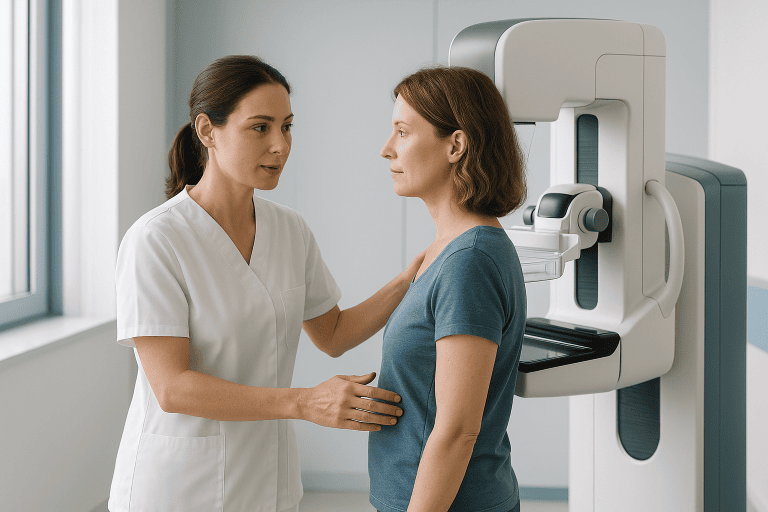
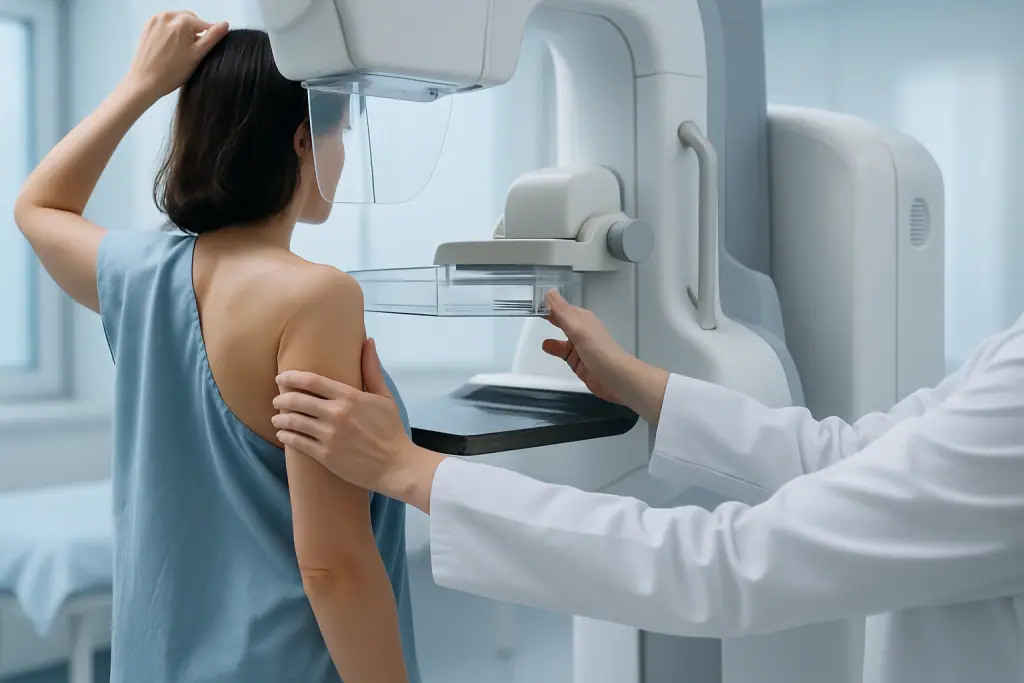
Diagnosis usually begins with a clinical breast examination and imaging. Mammography remains the central tool for detecting breast abnormalities. Breast ultrasound is often added to evaluate lumps, cysts, dense tissue or lymph nodes, and it is particularly useful in younger patients. Breast MRI is reserved for selected situations: very dense breasts, complex findings, high genetic risk, surgical planning after a new diagnosis, or uncertainty about the extent of disease on other imaging. More imaging is not automatically better; the right test depends on the question being asked.
If imaging suggests cancer, a biopsy is required to confirm it. A core needle biopsy is usually performed under image guidance, ultrasound, mammography-based stereotactic guidance or MRI guidance, depending on where the abnormality is best seen. A pathologist then examines the sample to determine the type of cancer and its key biological markers: oestrogen receptor, progesterone receptor and HER2 status. Additional tests, such as proliferation markers or genomic assays, may be added in specific situations to refine treatment decisions, particularly the question of whether chemotherapy adds meaningful benefit.
Staging evaluates how far the cancer has spread. It may involve physical examination, breast and lymph node imaging, pathology results and, in selected cases, body imaging such as CT, PET/CT, bone scan or MRI. Not every patient needs whole-body imaging; the need depends on tumour stage, symptoms and clinical findings. The purpose of staging is to avoid both undertreatment and overtreatment, so that the recommended care is proportional to the actual disease rather than to fear of it.
Patients seek specialist review at several points: after an abnormal screening result, after biopsy confirmation, before choosing between surgical options, when a second opinion is wanted, when genetic risk is suspected, when disease is locally advanced or metastatic, or when cancer recurs after previous treatment. A multidisciplinary review adds the most value when the sequence of treatment is not straightforward, for example, when preserving the breast, coordinating reconstruction and selecting systemic therapy all have to fit together in one plan.
Types of Breast Cancer This Care Addresses
Breast cancer care spans a wide spectrum, from very early non-invasive disease to advanced cancer requiring long-term systemic treatment. The plan is shaped by stage, subtype and patient factors rather than by the diagnosis name alone.
Ductal carcinoma in situ (DCIS) is a non-invasive condition in which abnormal cells sit within the milk ducts without invading surrounding tissue. DCIS is not life-threatening in itself, but untreated it may progress to invasive cancer. Treatment often involves breast-conserving surgery with radiation therapy, or mastectomy in selected cases, with endocrine therapy considered for hormone receptor-positive disease.
Invasive ductal carcinoma is the most common form of breast cancer. It begins in the ducts and grows into nearby breast tissue. Treatment may include surgery, radiation and systemic therapy depending on tumour size, lymph node involvement and molecular features.
Invasive lobular carcinoma begins in the lobules and can be harder to detect on imaging because it may grow in a diffuse, subtle pattern rather than forming a distinct mass. MRI can help define its extent in selected cases. Treatment principles mirror other invasive cancers, though surgical planning often needs extra care.
Hormone receptor-positive breast cancer grows in response to oestrogen or progesterone signals. Endocrine therapy is often the backbone of treatment and may continue for several years to lower recurrence risk. Whether chemotherapy is added depends on stage, grade, node involvement and, in some cases, genomic testing.
HER2-positive breast cancer shows increased activity of the HER2 protein, which drives faster growth if untreated. HER2-directed therapies are commonly combined with chemotherapy in both early-stage and advanced settings, and the availability of these medicines has changed what a HER2-positive diagnosis means.
Inflammatory breast cancer is rare but aggressive, causing redness, swelling, warmth and thickening of the breast skin, often without a distinct lump. It usually requires prompt systemic treatment first, followed by surgery and radiation when appropriate.
Locally advanced breast cancer may involve a large tumour, skin or chest wall involvement, or multiple lymph nodes. Treatment typically begins with systemic therapy to reduce tumour burden and inform the rest of the plan.
Metastatic breast cancer means the disease has spread to distant organs such as bone, liver, lung or brain. Treatment is individualised and may include endocrine therapy, targeted therapy, chemotherapy, immunotherapy, radiation for symptom control and supportive care, with the emphasis on disease control, symptom relief and quality of life sustained over time.
Breast cancer services also cover recurrent disease, hereditary breast and ovarian cancer syndromes, high-risk breast lesions, male breast cancer, and complex cases needing reconstruction or revision after prior treatment.
What is triple negative breast cancer?
Triple negative breast cancer is a subtype that does not express oestrogen receptors, progesterone receptors or the HER2 protein, hence “triple negative”. Because it lacks these three targets, endocrine therapy and HER2-directed medicines do not work against it, and chemotherapy has traditionally been the backbone of treatment. Immunotherapy may be added for certain early-stage or metastatic cases, based on established criteria and biomarker testing.
Triple negative disease tends to grow faster than other subtypes and is seen more often in younger women and in carriers of BRCA1 mutations, which is why genetic counselling is frequently discussed after this diagnosis. The subtype also responds differently to treatment: it is often more sensitive to chemotherapy given before surgery, and how completely the tumour responds to that treatment carries real prognostic meaning. An aggressive label is not the whole story: it describes behaviour without treatment, not the outcome of a well-sequenced plan.
How Breast Cancer Treatment Is Performed
Breast cancer treatment begins before any operation or medication. The first step is a complete review of pathology, imaging, medical history and your goals. For international patients this often starts remotely, with review of mammograms, ultrasound images, MRI scans, biopsy slides, pathology reports and previous treatment records. On arrival, additional imaging or a second pathology review may be recommended if findings are incomplete, inconsistent or need confirmation. Repeating a test is never done casually: it happens when the answer genuinely changes the plan.
Preparation and Treatment Planning
Preparation means confirming the diagnosis, defining the tumour’s extent and establishing its biological subtype. A multidisciplinary breast oncology board then reviews the case and recommends whether surgery or systemic treatment should come first. This sequencing decision matters more than many patients expect. Patients with certain HER2-positive or triple-negative tumours may benefit from systemic therapy before surgery, which lets the team observe how the cancer responds and can reduce the extent of surgery needed. Patients with small, favourable hormone receptor-positive tumours may proceed directly to the operating theatre.
Pre-treatment evaluation typically follows a logical order:
- Blood tests and a general health assessment
- Cardiac assessment before medicines that can affect the heart
- Anaesthesiology evaluation before surgery
- Genetic counselling if age, family history or tumour subtype suggests inherited risk
- Fertility counselling for younger patients who may want to preserve family-building options
- Placement of a venous access device if chemotherapy is planned, to make repeated treatment safer and more comfortable
Alongside the medical workup, you should expect frank conversations about practical and personal questions: whether breast preservation is possible, whether reconstruction is wanted, what scars may look like, how lymph node surgery may affect arm function, whether treatment can fit within travel windows, and what follow-up will be needed after returning home. These are not secondary details. They are part of good cancer care, and a team that skips them is leaving decisions half-made.
Surgery
Surgery is a core treatment for most early and locally advanced breast cancers. In breast-conserving surgery, the surgeon removes the tumour with a margin of surrounding tissue while preserving as much normal breast as possible; radiation therapy usually follows to reduce the risk of the cancer returning in the breast. In mastectomy, the entire breast is removed. Mastectomy may be recommended when the tumour is large relative to breast size, when there are multiple areas of cancer, when previous radiation rules out further breast-conserving options, or when a patient chooses it after informed discussion. Neither operation is inherently “safer” for every patient: the right choice depends on the specific disease and, within medical limits, on what you want.
Lymph node evaluation is usually part of the operation. A sentinel lymph node biopsy identifies the first node or nodes most likely to receive drainage from the breast. If these are free of cancer, more extensive lymph node removal can often be avoided, which lowers the risk of arm swelling and stiffness. If cancer is found in the nodes, the plan may add further surgery, radiation, systemic treatment or a combination, depending on extent and the overall strategy.
Breast reconstruction may be performed at the time of mastectomy or later. Options include implant-based reconstruction or reconstruction using your own tissue, chosen according to anatomy, cancer treatment needs, prior surgery, radiation plans and preference. Oncoplastic techniques can also be used during breast-conserving surgery to reshape the breast and improve symmetry while respecting cancer surgery principles. Reconstruction decisions deserve their own consultation; they should never be an afterthought squeezed into the last minutes of a surgical discussion.
Systemic Treatments
Chemotherapy uses medicines that attack rapidly dividing cells. It may be given before surgery, neoadjuvant therapy, or after surgery, as adjuvant therapy. Schedules vary by regimen, tumour subtype and general health. Side effects differ by medication but can include fatigue, nausea, hair loss, lowered blood counts, infection risk, neuropathy and changes in menstrual function. Supportive medicines and close monitoring reduce these risks and help patients stay on treatment when it is medically appropriate to continue.
Endocrine therapy is used for hormone receptor-positive breast cancer. It reduces the effect of oestrogen on cancer cells or lowers oestrogen production, using tablets, injections or a combination depending on menopausal status and risk profile. Because endocrine therapy often continues for years, managing side effects, hot flushes, joint discomfort, bone density changes, mood changes, is a genuine clinical task, not an inconvenience to be endured in silence. Adjustments are made by the treating doctor, and problems raised early are usually easier to solve.
Targeted therapy acts on specific cancer pathways, such as HER2 signalling or other molecular vulnerabilities identified by testing. These medicines may be combined with chemotherapy or endocrine therapy, and some require regular monitoring of heart function or laboratory values. Immunotherapy, which helps the immune system recognise and attack cancer cells, may be used for selected patients, particularly in certain triple-negative breast cancers, with eligibility determined by stage, biomarkers and current treatment guidelines rather than by demand.
Radiation Therapy
Radiation therapy is commonly recommended after lumpectomy and in selected cases after mastectomy, particularly when lymph nodes are involved or recurrence risk is higher. Before treatment begins, you undergo planning imaging in the treatment position. The radiation oncology team maps the target area and designs a plan that delivers an effective dose to the breast, chest wall or lymph node regions while limiting exposure to the heart, lungs and surrounding tissue.
Modern planning may use three-dimensional imaging, intensity modulation, image guidance and breath-control techniques: the last of these especially for selected left-sided cancers, to move the heart away from the treatment field. Radiation is delivered over multiple sessions. Some patients are candidates for shorter schedules; others need longer courses depending on anatomy, stage and prior treatment. The number of sessions is a clinical decision, not a measure of how seriously the team takes your case.
Technology Used in Breast Cancer Care
Technology supports accuracy at every stage. Diagnostic imaging may include digital mammography, tomosynthesis, ultrasound, MRI and image-guided biopsy. Pathology uses tissue analysis and biomarker testing to define the subtype. Nuclear medicine techniques support sentinel lymph node mapping. Surgical teams use localisation methods to find small tumours that cannot be felt. Radiation oncology uses planning systems and image-guided delivery to shape treatment to individual anatomy. Medical oncology relies on laboratory monitoring, cardiac assessment where needed, and molecular or genomic testing in selected cases to personalise systemic therapy.
The value of all this is not in having more tests. It is in using the right test at the right time, interpreting the result in context, and translating it into a plan that avoids unnecessary treatment without missing real risk. A genomic assay that changes nothing about the recommendation is an expense, not an insight.
Typical Duration and Recovery
The duration of breast cancer treatment varies widely, and it helps to know that from the outset. Surgery may involve anything from same-day discharge to several days in hospital, depending on the procedure and whether reconstruction is performed. Chemotherapy may extend over several months. Radiation therapy is usually delivered over days to weeks. Endocrine therapy may continue for years. Targeted therapy may run for months or longer depending on the setting. Metastatic breast cancer is often managed as a long-term condition, with treatment lines changing over time as the disease evolves.
Recovery is equally individual. After lumpectomy, many patients return to light activity within days; mastectomy and reconstruction need longer. Arm mobility exercises, scar care, lymphoedema awareness, fatigue management and emotional support are all genuine parts of healing rather than optional extras. Patients on chemotherapy or radiation often need to plan work, travel and family responsibilities around treatment cycles and fluctuating energy. Follow-up visits monitor healing, treatment response, side effects and any signs of recurrence.
Why Acting Early Matters
Early evaluation changes what is possible. When breast cancer is found at an earlier stage, treatment options are usually broader: breast-conserving surgery is more often feasible, lymph node involvement is less likely, and systemic treatment decisions can be more finely judged. Early diagnosis also reduces the chance of symptoms developing from more advanced disease.
Delaying assessment of a breast lump, abnormal nipple discharge or suspicious imaging result gives a cancer time to grow or spread to lymph nodes or distant organs. Not every delay changes the outcome, and some time is properly spent completing imaging, pathology review and multidisciplinary planning: a week used to get the diagnosis right is not a week wasted. But unnecessary postponement narrows options and increases the complexity of treatment, and the distinction between careful planning and drift is worth watching.
Acting promptly matters most for aggressive subtypes, some triple-negative, HER2-positive and inflammatory breast cancers grow quickly and often need systemic therapy without delay. It also matters when genetic risk is suspected, because the findings may influence surgical choices and family counselling. For patients who travel for treatment, an efficient diagnostic timeline matters too: identifying missing tests early reduces repeated investigations and lets travel be planned around the right sequence of care rather than around guesswork.
When is Breast Cancer Awareness Month?
Breast Cancer Awareness Month takes place every October, marked internationally by the pink ribbon. Its purpose is practical: to encourage screening attendance, familiarity with how your own breasts normally look and feel, and earlier reporting of changes. Breast cancer awareness campaigns have helped normalise conversations that were once avoided, and that shift has real clinical value, cancers reported earlier are, on the whole, cancers with more treatment options.
Awareness is not a substitute for a screening programme or a clinical assessment, and it should not become a source of year-round anxiety. The useful habit is steady, not seasonal: know what is normal for you, attend the screening you are eligible for, and treat persistent change as information worth acting on in any month.
Benefits of Breast Cancer Treatment
The benefits of treatment depend on the stage and subtype, but the overall aim is consistent: treat the disease effectively while preserving health, function and quality of life wherever possible.
| Benefit | What It Means for You |
|---|---|
| Accurate diagnosis and staging | Clarifies the type, extent and biology of the cancer so treatment is matched to the actual disease rather than to assumptions. |
| Personalised treatment sequencing | Determines whether surgery, chemotherapy, targeted therapy, immunotherapy, endocrine therapy or radiation should come first. |
| Breast preservation when appropriate | May allow removal of the cancer while keeping the breast, usually combined with radiation therapy to reduce local recurrence risk. |
| Lower risk of recurrence | Combining local and systemic treatments when indicated reduces the chance of cancer returning in the breast or elsewhere. |
| Symptom control in advanced disease | For metastatic breast cancer, treatment can help manage pain, reduce tumour-related symptoms and support daily functioning. |
| Support for appearance and recovery | Reconstruction, oncoplastic surgery, rehabilitation and survivorship care support physical and emotional recovery. |
Recovery Timeline After Breast Cancer Treatment
Recovery differs according to the treatments used, but most patients find it helpful to understand the general rhythm of healing and follow-up before treatment starts, rather than discovering it stage by stage.
| Time Period | What Patients Can Expect |
|---|---|
| Day 1 | After surgery, monitoring focuses on pain control, bleeding, nausea and safe movement. Some patients go home the same day; others stay longer, especially after mastectomy or reconstruction. |
| First Week | Incision care, drain management if used, gentle arm movement and rest are the priorities. Pathology results may arrive and guide the next treatment decisions. |
| First Month | Surgical healing progresses substantially. Meetings with medical and radiation oncology teams begin or continue chemotherapy, endocrine therapy, targeted therapy or radiation planning. |
| During Systemic Therapy | Energy fluctuates with treatment cycles. Blood tests, side-effect management and dose adjustments maintain safety and treatment continuity. |
| During Radiation Therapy | Skin redness, breast swelling or fatigue may appear. These are monitored closely and managed with skin care and activity adjustments. |
| Longer Term | Follow-up covers surveillance, endocrine therapy as prescribed, bone and heart health where relevant, arm function, lymphoedema awareness and emotional recovery. |
For patients who travel for treatment, part of recovery happens after the journey home. It is worth reading in advance about warning signs to be aware of after returning home from treatment, so that normal healing and problems that need attention are easy to tell apart.
Factors That Influence Outcomes
Breast cancer outcomes depend on many factors at once, which is exactly why treatment must be individualised. Stage at diagnosis is among the most important: cancers confined to the breast generally carry more favourable outlooks than cancers involving multiple lymph nodes or distant organs. Tumour biology is equally central. Hormone receptor status, HER2 status, grade, proliferation rate and genomic risk information all affect recurrence risk and treatment selection.
Response to treatment matters, particularly when systemic therapy is given before surgery. If a tumour shrinks substantially, or if no invasive cancer remains in the surgical specimen, that provides useful prognostic information for some subtypes. If residual disease remains, additional treatments may be recommended to reduce future risk. This is one of the quiet advantages of giving systemic therapy first: the team can see, rather than assume, how the cancer responds.
Surgical quality and margin status influence local control. In breast-conserving surgery, the goal is complete removal with clear margins while preserving appearance as far as possible. Lymph node management has to balance cancer control against the risk of arm swelling, stiffness and lymphoedema. Radiation planning and delivery affect both the likelihood of local control and the risk of side effects to nearby organs. None of these steps is routine in the dismissive sense of the word, each is a place where care either is or is not taken.
Staying on systemic therapy is another major factor. Completing chemotherapy when indicated, receiving targeted therapy on schedule when medically safe, and taking endocrine therapy consistently as prescribed all contribute to long-term disease control. Because side effects can interfere with any of these, honest communication with the care team is essential: many side effects improve with medication changes made by the treating doctor, supportive care, exercise guidance, nutrition support or rehabilitation. Suffering quietly through a solvable problem helps no one.
General health plays its part. Heart disease, diabetes, kidney function, autoimmune conditions, prior cancers, obesity, smoking and frailty can all affect which treatments are safest. Emotional health, social support and the practical ability to attend follow-up appointments shape the treatment experience. For international patients, coordination with physicians at home matters so that surveillance and long-term medications continue without interruption after travel ends.
Finally, a good result is not defined only by imaging and pathology. It includes maintained function, avoided side effects, supported body image, protected future health and a clear survivorship plan. In advanced breast cancer, a good result may mean controlled disease, reduced symptoms, preserved independence and treatments chosen to match your priorities as they change over time.
How long can a breast cancer patient live?
There is no single answer, and any page that gives you one number is simplifying past the point of usefulness. Survival depends on the stage at diagnosis, the tumour subtype, how the disease responds to treatment, your general health and how consistently long-term therapy can be maintained. Many people diagnosed with early-stage breast cancer complete treatment and go on to live long lives. Metastatic breast cancer, while not usually curable in the conventional sense, is increasingly managed as a long-term condition, with sequential treatment lines controlling the disease for extended periods in many patients.
Doctors are cautious with numbers here for a good reason: published figures describe groups of patients treated in the past, not the individual sitting in the consulting room today. Your own team, looking at your specific pathology, staging and response to treatment, can discuss prognosis with far more meaning than any general statement can.
Can you recover from breast cancer?
Many people treated for breast cancer, particularly early-stage disease, reach a point where no cancer can be detected, described as remission or no evidence of disease, and return to work, family life and physical activity. Recovery is real and common. It is also gradual: surgical healing, the after-effects of chemotherapy or radiation, and adjustment to long-term endocrine therapy each follow their own timetable, and rehabilitation, arm exercises and psychological support genuinely speed the process.
Follow-up continues for years after treatment ends because recurrence, while far from inevitable, remains possible, and because it is easiest to address when found early. Survivorship care, surveillance imaging, bone and heart health where relevant, management of long-term medication as directed by the treating doctor, and attention to emotional wellbeing, is the structure that supports recovery rather than a sign that something is wrong.
Breast Cancer Care for International Patients at Acibadem
International patients often travel for breast cancer care when they want a timely second opinion, coordinated multidisciplinary planning, or a programme able to manage diagnosis, surgery, systemic therapy and radiation within one integrated structure. At Acibadem, breast cancer care follows the multidisciplinary model described throughout this page: a breast surgeon, medical oncologist, radiation oncologist, radiologist, pathologist and reconstructive surgeon contribute to the plan before the first treatment begins, and specialist boards align these perspectives into one coherent recommendation rather than a stack of separate opinions.
The care pathway is deliberately flexible around geography, because medicine rarely fits neatly into a single trip. Some patients have surgery abroad and return home for systemic therapy or radiation. Others complete chemotherapy or radiation before continuing surveillance with their local physician. Others come only for a diagnostic review and second opinion to confirm or question a recommendation they already hold. The appropriate pathway depends on the medical situation and is determined after careful review of records and direct consultation, not before.
Diagnostic pathways may include advanced breast imaging, image-guided biopsy, detailed pathology review, biomarker testing and staging studies when clinically indicated. Treatment may involve breast-conserving surgery, mastectomy, sentinel lymph node biopsy, reconstruction, chemotherapy, endocrine therapy, targeted therapy, immunotherapy and radiation therapy, personalised to subtype, stage, medical history and preference. International coordination teams assist with medical record review, appointment scheduling, hospital admission, interpretation and communication with clinical teams, practical support that matters when decisions are time-sensitive and emotionally loaded.
What a consultation should give you, wherever you have it, is clarity: what is known, what remains uncertain, why a particular sequence is recommended and what the alternatives are, together with a realistic account of benefits, side effects, recovery time, fertility or menopause implications, reconstruction choices and long-term follow-up. You need that information not only to decide where to receive care, but to plan travel, family support and any part of treatment that will continue at home.
Moving Forward with a Clear Breast Cancer Plan
Breast cancer care is most effective when it begins with accurate information and a team that can translate it into a thoughtful plan. For most patients, the hardest period is the uncertainty before the plan exists. Once the diagnosis, stage and tumour biology are understood, decisions become structured: treatment may still be complex, but it can be approached step by step, with each recommendation connected to a clear medical purpose.
Whoever treats you, certain questions are worth asking early, because the answers define the plan:
- Has the pathology been fully characterised, receptor status, HER2, grade and, where relevant, genomic testing?
- Is any additional imaging needed before decisions are final?
- Should surgery or systemic treatment come first, and why?
- Is breast preservation realistic in this specific case, and what would it involve?
- What reconstruction options exist, and when would each be performed?
- What follow-up will be required after treatment, and where can it happen?
A team that answers these questions plainly, including the honest “we don’t know yet, and here is how we will find out”, is giving you what a diagnosis takes away first: a sense of the ground under your feet, and a next step that makes sense.
Our Specialists Explain
 Breast Cancer Treatment Options at Acibadem | Prof. Dr. Özlem Sönmez
Preparation
- Before treatment, patients usually undergo imaging, biopsy review, blood tests and staging assessments such as PET-CT when indicated. The oncology team evaluates tumor biology, hormone receptor status and overall health to personalize surgery, chemotherapy, radiotherapy or targeted treatment. Patients should share all medications and previous medical records before traveling.
Aftercare
- Follow-up includes wound care if surgery was performed, management of treatment side effects and regular oncology visits. Patients may need rehabilitation, lymphedema monitoring, nutrition support and scheduled imaging or laboratory tests. Long-term surveillance helps detect recurrence early and supports quality of life.
Frequently Asked Questions
What affects the cost of breast cancer treatment most?
The main factors are tumor stage and biology, the type of surgery, reconstruction needs, pathology and molecular testing, systemic medicines, radiation therapy and the length of follow-up. Support services such as interpreters, accommodation and travel coordination may also affect the total budget.
How can I get a personalized quote for breast cancer care in Turkey?
You can request a free consultation by sharing your medical reports, imaging, biopsy and pathology results, and any previous treatment details. A specialist team can review the information and provide a personalized treatment plan and estimated package scope.
Will the quote include all parts of treatment?
Some quotes include selected consultations, diagnostics, surgery, hospitalization and care coordination, while medicines, radiation therapy, additional tests or complications may be quoted separately. Always ask what is included, what is excluded and which items may change after specialist review.
Can treatment be planned before I travel?
A preliminary plan can often be prepared after remote review of medical records. Final decisions usually require in-person examination, imaging review, pathology confirmation and multidisciplinary discussion.
Does a lower quoted cost mean lower quality care?
Not necessarily. Costs differ between countries because of hospital billing structures, professional fees, medication pricing, package design and travel-related services. Patients should compare accreditation, specialist experience, multidisciplinary planning and transparency of the quote.
Is this information medical or financial advice?
No. This is general educational information. Breast cancer treatment and cost estimates should be confirmed through a specialist consultation and a personalized written quote.
Medically reviewed by the Acıbadem International Medical Board August 30, 2026
See our medical review board →
Update history
- PublishedJune 5, 2026
- Medical review approvedAugust 30, 2026
- Last content updateSeptember 8, 2026
References3
- Breast Cancer Treatment (PDQ) – Patient Version cancer.gov
- Breast cancer nhs.uk
- Breast Cancer medlineplus.gov
Trusted care for international patients
From the Acibadem Blog

Lymphedema After Breast Cancer Treatment: How It Is Monitored and Managed Long Term
Lymphedema after breast cancer treatment is persistent swelling of the arm, hand, breast or chest wall caused by damage to lymph nodes and vessels…
Follow-Up Visits After Breast Cancer: What Is Checked at Each Stage of Recovery
After breast cancer treatment, follow-up usually means a clinical exam every three to six months for the first few years, then every six to…
Lumpectomy or Mastectomy for Breast Cancer: What the Surgical Team Weighs With You
For most early-stage breast cancers, lumpectomy followed by radiation and mastectomy offer similar long-term survival, so the choice usually turns on tumor size relative…