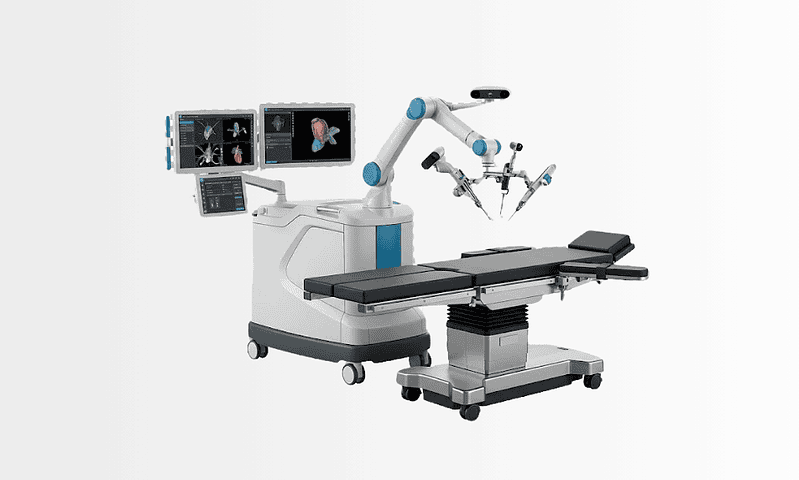
Deep Brain Stimulation (Parkinson)
Deep Brain Stimulation (Parkinson) is a surgical treatment that uses implanted electrodes to help control tremor, stiffness, and movement fluctuations in selected Parkinson's disease patients.
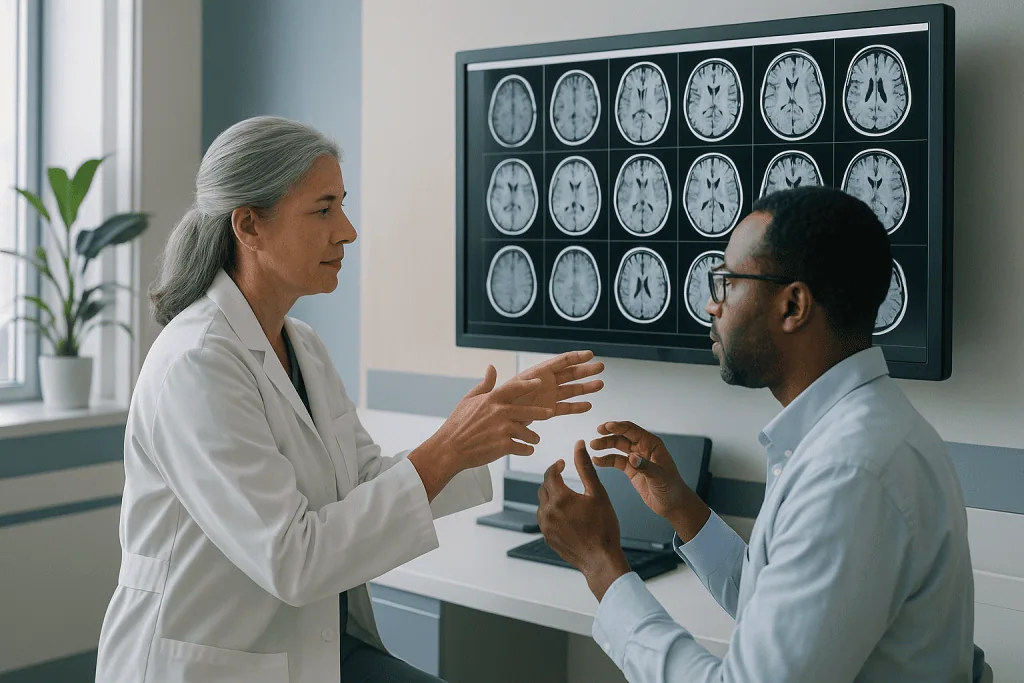
Quick answer
Deep brain stimulation (DBS) is a surgical treatment for the movement symptoms of Parkinson's disease. Thin electrodes are implanted in specific areas deep in the brain and connected to a small pulse generator under the skin of the chest. Controlled electrical impulses help steady tremor, stiffness, slowness and medication-related fluctuations. DBS does not cure Parkinson's, but for carefully selected patients it can make symptoms more predictable.
What Is Deep Brain Stimulation (DBS)?
Deep brain stimulation is a surgical treatment for the movement symptoms of Parkinson’s disease. It works by placing very thin electrodes into precisely chosen areas deep within the brain, then connecting them by extension wires to a small pulse generator implanted under the skin, usually in the chest. The device delivers controlled electrical impulses that help regulate the abnormal signalling responsible for tremor, rigidity, slowness and medication-related fluctuations. DBS is considered when medicines alone no longer give steady control, and it is one of the most established surgical options in movement disorder care.
Two points matter from the outset. First, DBS is not a cure for Parkinson’s disease, and it does not stop the underlying disease process. Second, for carefully selected patients it can meaningfully improve control of key motor symptoms, reduce disabling fluctuations and make daily function more predictable. The aim is not perfection. The aim is a measured, medically honest improvement in quality of life.
Unlike some older lesioning procedures, DBS does not destroy brain tissue. The stimulation is adjustable, and it is reversible in the sense that it can be reprogrammed, reduced or switched off. That adjustability matters in a progressive condition, because the therapy can be adapted as symptoms change over the years.
What does DBS stand for?
DBS stands for deep brain stimulation. In a medical context the abbreviation always refers to this implanted-electrode therapy, used mainly for Parkinson’s disease, essential tremor and certain other neurological conditions. If you have searched for the term and found unrelated results, that reflects the abbreviation, not the treatment: in neurology, DBS means one specific, well-defined procedure.
How does deep brain stimulation work?
Deep brain stimulation works by delivering a continuous, finely tuned electrical current to structures deep in the brain that regulate movement. In Parkinson’s disease, the loss of dopamine-producing cells disturbs the signalling of the basal ganglia, a group of structures that help initiate and smooth movement. The result is the familiar pattern of tremor, stiffness and slowness. DBS electrodes sit within this circuitry: the subthalamic nucleus and the globus pallidus internus are the most commonly used targets in Parkinson’s, and the electrical impulses modulate the abnormal firing patterns rather than switching anything off wholesale. The precise mechanism is still being studied, but the practical effect is well documented: for the right symptoms in the right patient, stimulation steadies the circuit and the symptoms ease.
What is DBS in relation to Parkinson’s?
In relation to Parkinson’s, DBS is a symptomatic treatment for the motor features of the disease, used alongside medication rather than instead of it. It is aimed at tremor, rigidity, slowness, medication “wearing off” and levodopa-induced involuntary movements. It is not aimed at the non-motor features of Parkinson’s, memory changes, mood, sleep, blood pressure regulation, and it does not slow the biological progression of the condition. Understanding that boundary early makes every later conversation clearer.
When Parkinson’s Symptoms Begin to Interfere with Daily Life
For most people living with Parkinson’s disease, treatment begins with medication and careful follow-up. In the early years, medicines often control tremor, stiffness, slowness and other movement symptoms well. Over time, however, some patients notice that the benefit does not last as long as it once did. Doses need to be taken more often. Symptoms return before the next dose is due. Involuntary movements may appear when medication is working at its strongest. Daily life can start to feel organised around pills, timing and uncertainty.
This is often the point at which patients and families first hear about DBS. The idea of brain surgery can feel intimidating, even for people who have been managing Parkinson’s for many years, and the common concerns are understandable. Will surgery change my personality? Will it actually help my symptoms? Is it only for advanced disease? What is recovery like? These questions deserve careful, evidence-based answers rather than reassurance or salesmanship.
Because the decision is highly individual, good DBS programmes bring together neurology, neurosurgery, neuroradiology, neuropsychology, rehabilitation specialists and experienced nursing teams. That coordinated evaluation determines whether DBS is likely to help, which symptoms it may improve, which brain target is most appropriate, and how treatment can be tailored to the person rather than the diagnosis alone.
What DBS Can and Cannot Do
In Parkinson’s disease, DBS is used mainly to improve motor symptoms: tremor, rigidity, slowness of movement and medication-related “on-off” fluctuations. It may also reduce dyskinesias: the involuntary writhing or fidgeting movements often linked to long-term levodopa use. Depending on the symptom profile and the target chosen, DBS may allow some patients to simplify their medication over time, although medication is usually not stopped completely, and any change is planned and supervised by the treating neurologist.
It is equally important to understand what DBS usually does not do. It is generally most effective for symptoms that respond to levodopa but have become difficult to control consistently. Symptoms that do not improve with levodopa are less likely to improve with stimulation. Balance problems, freezing of gait in some circumstances, speech difficulty, swallowing changes and memory or thinking changes may not improve to the same degree, and some may need entirely different management strategies. A treatment plan that acknowledges these limits from the start protects patients from disappointment later, and it is one of the main reasons the preoperative evaluation is so thorough.
DBS also does not deliver its final result on the day of implantation. The therapy unfolds in stages: surgery, early healing, activation of the device, and then a series of programming sessions in which the settings are refined. Patients who understand this timeline before surgery tend to find the first months far less stressful.
Who May Be a Candidate for DBS Surgery
DBS surgery is not a first treatment for Parkinson’s disease. It is considered when symptoms remain troublesome despite thoughtful medical management, or when medication side effects become difficult to live with. In practice, candidates are often people who have had Parkinson’s for several years and whose diagnosis is well established, although timing is individual and should never rest on disease duration alone.
You may be evaluated for DBS if you experience:
- Tremor that remains disabling despite medication
- Motor fluctuations, medication wears off and symptoms return before the next dose is due
- Dyskinesias that interfere with function or comfort
- Periods of good mobility alternating with periods of marked stiffness or slowness
- Increasingly complex medication schedules that still do not provide stable control
- Medication side effects that limit further dose increases
The single most useful predictor is the levodopa response. A good candidate is usually someone whose motor symptoms improve meaningfully with levodopa, even if that benefit has become inconsistent. That response suggests the movement circuits involved are still capable of responding, to medication, and by extension to stimulation. By contrast, symptoms that never respond to levodopa are unlikely to respond to stimulation alone.
The evaluation goes well beyond confirming the diagnosis. Before surgery, specialists typically review the history in detail, examine the patient in both the “on” and “off” medication states, and assess how symptoms affect daily activities. Brain imaging guides planning and excludes structural problems that could change the approach. Neuropsychological testing may be recommended to evaluate memory, attention, mood and executive function, because these factors matter both for candidacy and for coping with the programming period after surgery.
Doctors also weigh the broader clinical picture. Severe uncontrolled depression, significant dementia, unstable medical illness or features suggesting an atypical parkinsonian syndrome may make DBS less appropriate, or shift the balance of risk and benefit. The question is never simply “Does this patient have Parkinson’s?” It is “Will this particular person benefit from DBS in a way that is meaningful and safe?”
Symptom Patterns Brain Stimulation for Parkinson’s Disease Can Address
Brain stimulation for Parkinson’s disease is aimed at specific symptom patterns rather than at every feature of the condition. Within an established diagnosis, DBS is most commonly considered for:
- Medication-responsive tremor that remains disruptive
- Rigidity and bradykinesia, especially when fluctuations are pronounced
- Motor fluctuations, including “wearing off” and unpredictable “off” periods
- Levodopa-induced dyskinesias that affect comfort or function
- Medication burden, when symptom control requires frequent or difficult dosing schedules
The most common brain targets for Parkinson’s DBS are structures involved in motor circuit regulation, chosen according to symptom profile, age, cognitive status, medication response and treatment goals. Different targets may be preferred depending on whether the main problem is tremor, dyskinesia, the wish to reduce medication, or a combination of motor symptoms. This target decision is one of the reasons a specialist board review is worth more than an isolated consultation: it is genuinely individual, and there is no one-size-fits-all algorithm.
DBS is less likely to be recommended as a primary solution for dementia, for severe gait instability that does not respond to medication, or for major speech and swallowing problems that reflect later-stage disease. It may still form part of care in complex situations, but expectations then need to be set with particular care.
How Deep Brain Stimulation Surgery Is Performed
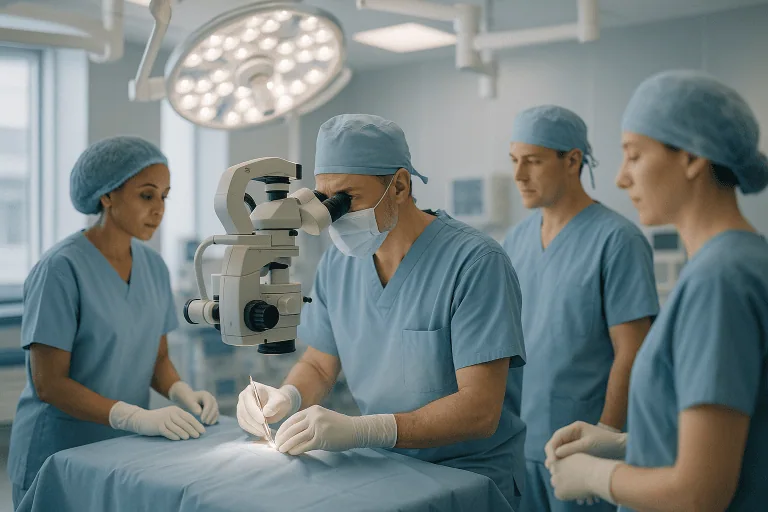
Deep brain stimulation surgery is a staged process that begins well before the day of the operation. The first step is a thorough evaluation by a movement disorders neurologist and a neurosurgeon experienced in functional neurosurgery, often joined by neuropsychology, anaesthesiology, psychiatry when needed, and rehabilitation professionals. This confirms the diagnosis, defines the treatment goals and makes sure surgery is being considered for the right reasons.
Preoperative assessment and planning
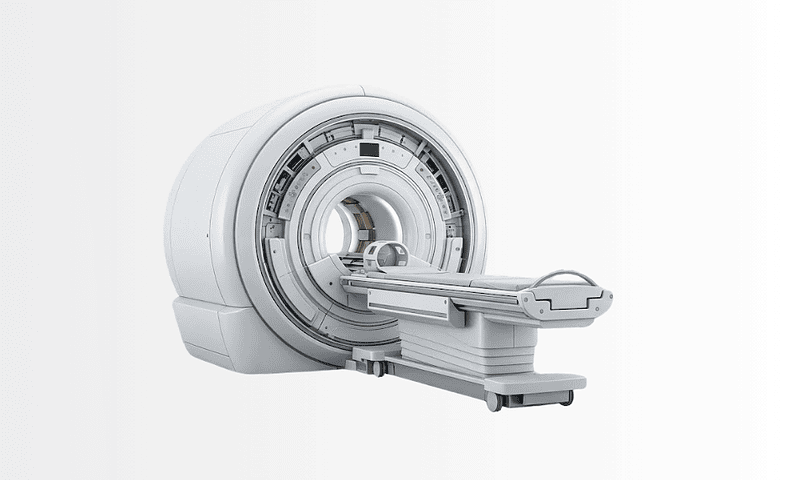
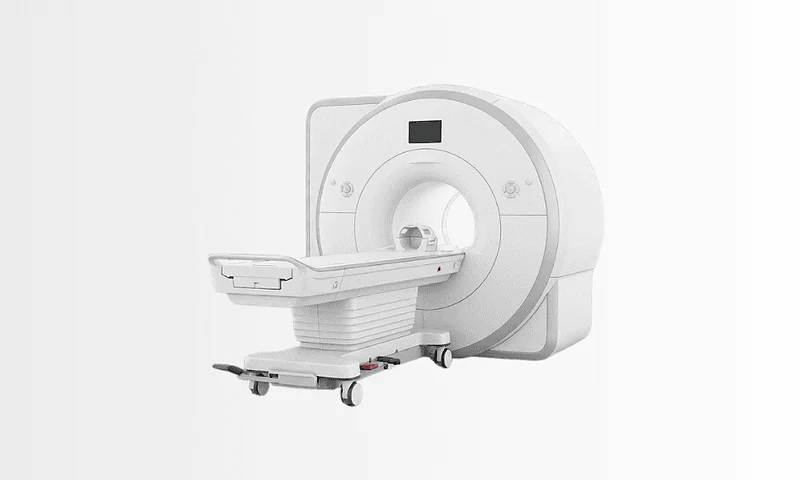
Before surgery, you will usually undergo detailed brain imaging to map the anatomy and identify the precise target for electrode placement. Advanced MRI- or CT-based imaging and computer-assisted planning allow the team to design a trajectory that avoids critical structures such as blood vessels. Your existing medicines are reviewed carefully, and the team gives specific instructions about the days around the procedure: those instructions come from your treating doctors and are tailored to you.
Practical expectations are discussed at this stage too: the staged nature of the treatment, the healing period before activation, and the programming sessions that follow. The follow-up schedule is mapped out at this point as well, so that activation and early programming visits are planned rather than improvised.
Deep brain surgery for Parkinson’s: the operation itself
Deep brain surgery for Parkinson’s is usually performed in stages, though exact techniques vary between centres and patients. A typical pathway looks like this:
- Electrode placement. The neurosurgeon places one or more electrodes into the selected deep-brain target using stereotactic methods, three-dimensional navigation based on your own imaging. Depending on the centre’s approach and your needs, parts of this stage may be done while you are awake and responsive, or under carefully selected anaesthesia protocols.
- Verification. The team may use intraoperative physiological recording in selected cases, and test stimulation to check benefit and side effects before the electrode position is finalised. These tools exist for one reason: precise placement is among the most important factors in a good outcome.
- Device connection. In a second stage, the electrodes are connected via extension wires to the pulse generator, implanted under the skin, most often near the upper chest.
The total operating timeline depends on whether the surgery is performed in one combined session or staged across separate days. The hospital stay is often short, but it depends on your baseline function, the surgical course and your medical needs.
Is DBS serious surgery?
Yes: DBS is brain surgery, and it should be treated with the seriousness that implies. It carries the recognised risks of any intracranial procedure, including bleeding, infection and device-related problems, and the decision to proceed always weighs those risks against the expected benefit. At the same time, it is worth understanding what kind of operation it is. Unlike procedures that remove tissue, such as surgery for brain tumoursDBS adds an adjustable device through small openings, guided by millimetre-level stereotactic planning. It is a precise, well-rehearsed procedure in experienced functional neurosurgery units, and many patients are mobile early in their recovery. Serious, then, but not experimental: it is an established therapy with decades of clinical use behind it.
The Parkinson’s brain stimulator: what is actually implanted
Many people call the implanted device a Parkinson’s brain stimulator, and the description is accurate. The system has three parts: the electrodes in the brain, thin extension wires running under the skin of the scalp and neck, and the pulse generator: a small, battery-powered unit similar in concept to a cardiac pacemaker. The visible changes on the body are usually limited to small incisions. The generator itself is not externally visible except as a slight contour under the skin in some patients. The system is programmed wirelessly at clinic visits, and most patients also receive a handheld controller for basic functions.
After surgery: activation and programming
Recovering from the operation is only one part of DBS treatment. The stimulation is usually switched on after an initial healing period. At that visit the neurologist begins programming: adjusting the electrical settings to find the best balance between symptom control and side effects. Because Parkinson’s symptoms are complex and change through the day, programming is an iterative process rather than a single appointment. Medication adjustments may also be made over time by your treating team, some patients can reduce certain Parkinson’s medicines, while others continue similar regimens with steadier symptom control. The full benefit of DBS often emerges gradually over the following months as settings are refined, which is why follow-up visits matter as much as the surgery itself.
Recovery Timeline After DBS Surgery
Recovery is gradual, and it includes both healing from surgery and the fine-tuning of the device. Most patients experience some soreness at the incision sites and temporary fatigue. Head discomfort, mild swelling or chest tenderness around the implanted generator can occur and usually settles with time. You will be monitored for wound healing, neurological status and any early complications such as infection, bleeding or device-related issues.
| Time period | What patients can expect |
|---|---|
| Day 1 | Monitoring in hospital, neurological checks, and management of discomfort at incision sites. Some patients are up and walking early, depending on their condition. |
| First week | Return to light activity. Mild soreness, fatigue and scalp or chest tenderness are common. Following the wound-care instructions closely matters most in this period. |
| First month | Initial healing continues. The stimulator is usually activated once the surgical sites have begun to recover, followed by early programming visits and, where appropriate, medication adjustments planned by the treating neurologist. |
| Following months | Several programming sessions may be needed to optimise symptom control. Improvements often become clearer as stimulation settings are refined. |
| Longer term | Regular follow-up covers device checks, battery planning, symptom monitoring and adaptation of treatment as Parkinson’s changes over time. |
The medical team advises each patient on when it is appropriate to return to normal routines, based on wound healing, the timing of device activation and the need for early programming visits. Because the initial programming schedule is agreed in advance, the weeks after surgery follow a plan rather than a series of surprises.
How Long Does Deep Brain Stimulation Last?
The electrodes are designed to stay in place long term, and the therapeutic effect of stimulation can persist for many years. Two things change over time. The first is the battery: the pulse generator eventually needs replacing, in a procedure considerably smaller than the original implantation. Non-rechargeable generators last a number of years depending on the stimulation settings, while rechargeable systems run for longer before replacement is needed. Your team will tell you what to expect from your specific device and settings. The second is the disease itself: Parkinson’s continues to progress, so the settings, and sometimes the wider treatment plan, are adapted at follow-up visits. DBS remains a working therapy throughout, precisely because it can be reprogrammed as needs change.
How long is life expectancy after DBS?
DBS is a symptomatic treatment, and it is not expected to shorten life. Life expectancy after DBS is shaped mainly by the course of Parkinson’s disease itself, by age and by general health: the same factors that apply without surgery. What DBS is designed to change is the quality of the years, not their number: steadier movement, fewer disabling fluctuations, and more predictable days. Any honest discussion of the procedure keeps that distinction clear.
Why Timing Matters
Many patients delay asking about DBS because they assume it should be reserved for the very last stage of Parkinson’s disease. In reality, waiting too long can narrow the window in which the treatment offers its best functional value. DBS tends to work best while the main disabling problems are still medication-responsive motor symptoms, rather than advanced features that are less likely to improve with stimulation.
Delaying evaluation can allow fluctuations, falls, immobility and dyskinesias to become more entrenched. Quality of life declines not only because of tremor or stiffness, but because life itself becomes restricted: patients stop driving, socialising, travelling, exercising, or taking part in work and family routines. Loss of confidence can become as significant as loss of motor control.
There is also a practical reason not to wait indefinitely. Good candidates need enough medical and cognitive reserve to tolerate surgery and to take part in postoperative programming. If dementia, severe frailty or major medical instability develops later, the balance may shift away from surgery even when the Parkinson’s symptoms remain severe.
None of this means early referral equals early surgery. An evaluation is a conversation held at the right time, while options remain open, and while the decision can be made thoughtfully rather than in a crisis.
Potential Benefits of Deep Brain Stimulation
For appropriately selected patients, these are the benefits typically weighed when considering DBS:
| Benefit | What it means for you |
|---|---|
| Better control of tremor, stiffness and slowness | Motor symptoms may become less disruptive, allowing daily tasks to feel more manageable and predictable. |
| Fewer “off” periods | You may spend less time waiting for medication to work, or coping with periods when symptoms return strongly. |
| Reduction in dyskinesias | Involuntary movements related to medication may lessen, improving comfort and function. |
| Adjustable therapy over time | The device can be programmed and reprogrammed as symptoms change: a real advantage in a progressive condition. |
| Possible medication simplification | Some patients can reduce certain doses or simplify their schedule under their neurologist’s guidance, though this varies from person to person. |
| Improved daily independence | Walking, eating, dressing, writing and social participation may become easier, depending on the symptom pattern. |
Notice what is not on this list: guarantees. How much any individual gains depends on their symptom profile, their levodopa response, the target chosen, the precision of placement and the quality of programming afterwards.
What Influences Outcomes and a Good Result
No single factor determines how well DBS will work. The strongest outcomes usually come from a combination of correct diagnosis, careful selection, precise electrode placement, experienced postoperative programming and realistic expectations.
Levodopa response is one of the most important predictors. Symptoms that improve with levodopa are more likely to improve with DBS, especially rigidity, slowness and many fluctuation-related problems. Tremor can improve even when it is relatively resistant to medication, but the overall response pattern still matters.
Target selection shapes the result. Different brain targets suit different symptom types, ages, cognitive profiles and goals, including whether medication reduction is a priority. This decision belongs with an experienced multidisciplinary team, not a standard protocol.
Cognitive and emotional health matter as well. Significant untreated depression, marked anxiety or cognitive impairment call for additional assessment and support. These issues do not automatically exclude treatment, but they affect planning, counselling and follow-up.
Surgical precision is fundamental. Modern imaging, stereotactic planning and intraoperative guidance support accurate electrode placement, and small differences in position can affect both benefit and side effects. This is why experience in functional neurosurgery counts.
Programming and follow-up are the most underestimated part. Patients naturally focus on the operation, but postoperative programming is where the therapy is personalised. It can take time to find settings that balance symptom relief with speech, gait, comfort and energy. Good results depend on this ongoing refinement, and on turning up for it.
Finally, a good result is not defined only by examination scores. For many patients, success means walking more reliably, spending less time immobilised, returning to social life, easing the strain on a caregiver, or regaining confidence in everyday routines. The most useful treatment plan is built around those real-life goals from the beginning.
How Acibadem Approaches DBS Evaluation and Care
For a treatment like DBS, the quality of the decision-making is as important as the surgery itself. At Acibadem, DBS care is structured around close collaboration between movement disorders neurologists, the neurosurgery team, neuroradiology, anaesthesiology, neuropsychology specialists and rehabilitation professionals. Because Parkinson’s disease is complex, candidacy is discussed in a multidisciplinary setting rather than decided in an isolated consultation: the board weighs whether DBS is the right option at all, whether a different approach would serve the patient better, which target is most suitable, and what outcome is realistic for that person’s symptom profile and life goals.
Technology supports each stage of that pathway, advanced brain imaging, stereotactic navigation, detailed surgical planning and structured programming after surgery. These tools exist to answer one practical question: how to place and adjust the therapy so that it fits the patient’s anatomy and symptoms while keeping risk as low as possible.
Equally central is the emphasis on personalised treatment plans. Not every patient with Parkinson’s should have DBS, and not every candidate should follow the same protocol. Some need further medication optimisation first. Some need neuropsychological assessment before a final decision. Others are ready to proceed, with a clearly defined programming and follow-up strategy mapped out in advance. Because the treatment unfolds across several stages, evaluation, surgery, activation, programming, long-term review, care is coordinated across the entire pathway, with appointment scheduling across specialties and follow-up planning after discharge organised as one continuous process, so that a technically complex treatment stays understandable from start to finish.
Deciding Whether DBS Is Right for You
If Parkinson’s symptoms are becoming harder to control, or if medication timing increasingly shapes the structure of your day, DBS is a reasonable subject to raise with the team treating your Parkinson’s. An evaluation does not commit you to surgery. It clarifies where you are in the disease course, which of your symptoms are most treatable, and which options, surgical or not, offer the most meaningful improvement for you specifically.
For many patients, understanding DBS in a detailed and realistic way reduces fear more effectively than any reassurance could. The procedure is not a cure, and it is not right for everyone. But for selected people with Parkinson’s disease whose symptoms still respond to medication yet no longer respond predictably, it can be an important step toward steadier symptom control and better day-to-day function. The strongest position to decide from is an informed one: knowing what the therapy does, what it does not do, what the pathway involves, and what a good result would look like in your own life.
Preparation
- Before treatment, patients undergo neurological evaluation, brain imaging, and testing to confirm suitability for deep brain stimulation. Medication review is important, and some drugs may need adjustment before surgery. Your care team will also explain device programming, expected benefits, and realistic treatment goals.
Aftercare
- After surgery, the incision sites and neurological status are monitored closely, and the stimulator is programmed in follow-up visits. Parkinson's medications may be adjusted gradually based on symptom control. Regular long-term follow-up helps optimize settings and manage battery checks or replacement when needed.
Frequently Asked Questions
What is deep brain stimulation for Parkinson’s disease and how does it work?
Deep brain stimulation, or DBS, is a treatment used for some people with Parkinson’s disease whose symptoms are no longer well controlled with medication alone. It involves placing thin electrodes in specific brain areas connected to movement control. These electrodes deliver carefully adjusted electrical impulses from a small implanted device, helping reduce tremor, stiffness, slowness, and medication-related movement fluctuations. DBS does not cure Parkinson’s, but it can improve symptom control and daily functioning in suitable patients.
Who is a good candidate for deep brain stimulation in Parkinson’s disease?
DBS may be considered for people with Parkinson’s disease who still respond to levodopa but have disabling tremor, motor fluctuations, stiffness, or involuntary movements despite optimized medication. It is not the best option for every patient, especially if balance problems, severe memory issues, or uncontrolled medical conditions are present. A detailed evaluation by neurology and neurosurgery specialists is essential. At Acibadem, specialists provide a personalized assessment to determine whether DBS is appropriate and safe for you.
What Parkinson’s symptoms can DBS help improve?
DBS can help improve several movement-related Parkinson’s symptoms, especially tremor, rigidity, slowness of movement, and troublesome on-off fluctuations. It may also reduce dyskinesia, which are involuntary movements often related to long-term medication use. Many patients are able to achieve more stable symptom control during the day. However, DBS usually does not stop disease progression, and some symptoms such as speech changes, balance difficulties, or memory problems may not improve in the same way.
Can deep brain stimulation cure Parkinson’s disease or replace medication completely?
DBS is not a cure for Parkinson’s disease, and it does not reverse the underlying condition. Its goal is to better control certain symptoms and improve quality of life when medications alone are not enough. Some patients can reduce the amount of medication they need after surgery, but most still continue Parkinson’s medicines in some form. The exact outcome varies from person to person, so a personalized assessment helps set realistic expectations before treatment.
How is DBS surgery performed for Parkinson’s patients?
DBS treatment usually takes place in stages. First, electrodes are placed in carefully selected brain targets using advanced imaging and precise surgical planning. Then a pulse generator, similar to a pacemaker, is implanted under the skin of the chest and connected to the brain leads. After surgery, the device is programmed and adjusted over time to find the best settings. The process involves close coordination between neurosurgery and neurology teams to optimize both safety and symptom control.
Is deep brain stimulation surgery safe, and what are the risks?
DBS is a well-established treatment, but like any brain surgery, it carries potential risks. These can include bleeding, infection, stroke, device-related problems, and temporary or lasting changes in speech, mood, or movement. There can also be side effects from stimulation settings, which are often improved through reprogramming. Careful patient selection and experienced multidisciplinary teams are very important. At Acibadem, your specialists review your medical history, imaging, and neurological condition to balance potential benefits and risks.
How long does recovery take after deep brain stimulation surgery?
Recovery after DBS varies, but many patients spend a short period in the hospital and then continue healing over the following weeks. Mild discomfort, swelling, or fatigue is common early on. The full benefit is not immediate because the device usually needs to be activated and programmed after surgery, with several follow-up visits for fine-tuning. Most people gradually return to normal daily activities based on their doctor’s advice, overall health, and individual recovery progress.
When will the DBS device be turned on, and how is it programmed?
The DBS device is usually activated after the initial surgical healing period, rather than immediately in the operating room. Programming is done by a neurology specialist using an external controller to adjust stimulation settings such as intensity and frequency. Finding the best settings often takes several visits because the team balances symptom relief with possible side effects. This process is highly individualized. At Acibadem, specialists tailor programming and medication adjustments to each patient’s symptoms and daily needs.
How long does a DBS battery last, and will I need another procedure?
The battery life of a DBS system depends on the device type and the stimulation settings required for your symptoms. Some systems use rechargeable batteries, while others need replacement after several years. If a non-rechargeable battery runs low, a smaller follow-up procedure is usually performed to replace the pulse generator, not the brain electrodes. Your care team will monitor battery status during follow-up visits and explain which device options may suit your lifestyle and treatment plan best.
Why do international patients choose Turkey and Acibadem for Parkinson’s DBS treatment?
International patients often choose Turkey for advanced medical care, experienced specialists, and coordinated support during treatment abroad. For Parkinson’s DBS, it is important to have both expert neurology and neurosurgery teams, advanced imaging, careful patient selection, and ongoing device programming after surgery. Acibadem offers a multidisciplinary approach and personalized assessment for each patient, helping determine candidacy, plan treatment, and organize follow-up. This can make the journey clearer and more reassuring for patients traveling from overseas.
Medically reviewed by the Acıbadem International Medical Board September 1, 2026
See our medical review board →
Update history
- PublishedJuly 19, 2026
- Medical review approvedSeptember 1, 2026
- Last content updateSeptember 1, 2026
From the Acibadem Blog
Deep Brain Stimulation: What It Is and How Long It Lasts
Deep brain stimulation is a surgical treatment in which thin electrodes are placed in specific areas of the brain and connected to a small…
How Deep Brain Stimulation Surgery Is Performed: Electrodes, Testing and the Pulse Generator
Deep brain stimulation surgery is usually performed in stages. Surgeons use MRI and CT images to plan a target deep in the brain, open…

Deep Brain Stimulation Cost: Device, Surgery and Follow-Up Pricing Explained
Deep brain stimulation cost is not one bill but three: a multidisciplinary assessment, the implant surgery itself (leads, extension wires and a pulse generator…