Kyphoplasty / Vertebroplasty
Kyphoplasty and vertebroplasty are minimally invasive procedures used to stabilize painful spinal compression fractures, reduce pain, and improve mobility, often with faster recovery than open spine surgery.

Quick answer
Kyphoplasty and vertebroplasty are minimally invasive, image-guided procedures that stabilise painful compression fractures of the spine. A needle is guided into the broken vertebra and medical bone cement is injected to reinforce it from within. Kyphoplasty adds a balloon step that creates a cavity and may restore some lost vertebral height. Both are performed through a small skin puncture, often as a day procedure.
Kyphoplasty and Vertebroplasty for Spinal Compression Fractures
Kyphoplasty is a minimally invasive procedure that stabilises a painful spinal compression fracture from the inside. Under real-time imaging, a needle is guided through the skin into the broken vertebra and medical bone cement is injected to reinforce the bone. In kyphoplasty, a small balloon is inflated first to create a cavity and, in selected patients, restore part of the lost vertebral height. Vertebroplasty is the closely related procedure without the balloon step. Both are used for carefully selected fractures, most often caused by osteoporosis or cancer, when pain is severe and the fracture itself, rather than another spinal problem, is responsible for the symptoms.
A spinal compression fracture can happen suddenly, after a fall or an awkward movement, or it can develop quietly in a spine already weakened by osteoporosis, cancer or another condition affecting bone strength. For many people, the first sign is intense back pain that makes standing, walking, turning in bed or even taking a deep breath difficult. Others notice a gradual loss of height, a stooped posture or a persistent ache that slowly erodes independence. What often follows is uncertainty. Will this heal on its own? Is a procedure necessary? How long will recovery take? These are reasonable questions, and honest answers depend on what the fracture looks like, how old it is, and what caused it.
Treatment matters because an untreated painful fracture can set off a cycle: pain leads to inactivity, inactivity leads to muscle loss and poorer balance, and poorer balance raises the risk of falls and further fractures. For some patients, stabilising the vertebra is not only about relieving pain in the short term. It is about preserving function, protecting posture and returning to everyday life before that cycle deepens. Kyphoplasty exists for exactly this situation, but it is a treatment for a specific problem, not for back pain in general.
Why do fractured vertebrae cause so much pain?
Fractured vertebrae hurt because the broken bone moves. The vertebral bodies are the block-like bones that stack to form the spinal column, and they carry your body weight every time you sit, stand or walk. When one of them collapses or partially collapses, the fractured surfaces shift slightly with every movement, irritating the nerve endings within and around the bone. This is why the pain of an active compression fracture is typically mechanical: worse on standing and walking, often eased by lying flat. It is also why reinforcing the bone with cement can help, once the fracture stops moving, the main trigger for pain is reduced. Pain that behaves differently, for example pain that radiates down a leg or does not change with position, often points to another cause and needs a different assessment.
What Is the Difference Between Vertebroplasty and Kyphoplasty?
The difference between vertebroplasty and kyphoplasty is one step: the balloon. In vertebroplasty, bone cement is injected directly into the fractured vertebral body through a needle, filling the fracture as it spreads through the bone. In kyphoplasty, a small balloon-like device is inserted first and gently expanded inside the collapsed bone. This creates a cavity, may lift the fractured bone towards its original shape, and gives the cement a defined space to fill. The balloon is then removed and the cement is injected into the cavity. Everything else: the image guidance, the percutaneous approach through a small skin puncture, the goal of internal stabilisation, is shared by both procedures. That is why clinicians often discuss them together as kyphoplasty / vertebroplasty, even though they are not interchangeable for every fracture.
Which is better, vertebroplasty or kyphoplasty?
Neither is better for every patient; the right choice depends on the individual fracture. Kyphoplasty is often considered when there is meaningful vertebral collapse and the treating specialist believes some height restoration or a more controlled cement fill would help. Vertebroplasty may be preferred for fractures where cavity creation offers no clear advantage, or where the fracture pattern suits direct injection. The decision also takes in the age of the fracture, the condition of the surrounding bone, the shape of the collapse and the patient’s overall health. A specialist who reviews your imaging alongside your symptoms is in a far better position to make this call than any general rule. What matters most is not which technique is used, but whether the fracture being treated is genuinely the source of your pain.
Which is safer, vertebroplasty or kyphoplasty?
Both procedures carry a similar set of risks, and in experienced hands both are considered low-risk compared with open spine surgery. The main technical concern in either procedure is cement leaking outside the vertebral body, which imaging guidance is designed to detect and limit. Some specialists note that the cavity created during kyphoplasty may allow cement to be placed under lower pressure in certain fractures, while others point out that careful technique matters more than the choice of procedure. Rather than asking which is safer in the abstract, it is more useful to ask why a particular procedure is being recommended for your particular fracture, and what the alternative, including non-surgical care, would look like.
Who May Need This Treatment
The people most commonly considered for kyphoplasty or vertebroplasty are those with a painful vertebral compression fracture that has been confirmed on imaging and clearly matches their symptoms. Not every compression fracture needs a procedure. Many heal with time, pain management, sensible activity adjustment and treatment of the underlying bone condition. The clinical challenge is identifying when a fracture is active, painful and unlikely to settle adequately without intervention, and when it is not.
Typical symptoms that prompt assessment include:
- Sudden or worsening back pain, often in the mid-back or lower back
- Pain that becomes worse when standing or walking and improves when lying down
- Difficulty bending, turning or getting out of bed
- Reduced mobility because movement triggers pain
- Loss of height or a more hunched posture developing over time
Patients often seek care after a low-impact fall, after lifting something unexpectedly heavy, or after severe pain appears without any clear injury. In osteoporosis, a vertebra can fracture during an entirely ordinary activity because the bone has become fragile. Patients with cancer that has spread to the spine, or that affects the vertebra directly, may also develop compression fractures and significant pain, and in those cases the fracture is only one part of a wider clinical picture.
Diagnosis begins with a medical history and physical examination, followed by imaging. Plain X-rays can show vertebral collapse, but they cannot always distinguish a new fracture from an old, healed one. Magnetic resonance imaging is especially useful because it can show bone marrow oedema: a sign that the fracture is active and more likely to be the source of current pain. Computed tomography helps define the fracture pattern and the integrity of the bone walls, particularly the back wall of the vertebra, which sits close to the spinal canal. Bone density testing may be recommended if osteoporosis is suspected. In patients with cancer or an unexplained fracture, further evaluation may be needed to clarify the underlying cause before any procedure is planned.
Who is a candidate for vertebroplasty/kyphoplasty?
Candidates for vertebroplasty/kyphoplasty are typically patients whose pain persists despite an appropriate period of non-surgical treatment, whose imaging confirms an active fracture at the level that matches their symptoms, and whose fracture pattern is suitable for a minimally invasive approach. Common scenarios include persistent severe pain despite medication and bracing, difficulty walking or managing basic daily activities, an inability to reduce strong pain medication without symptoms returning, and fractures related to osteoporosis or tumour involvement that are mechanically painful but still appropriate for cement augmentation. Candidacy is a clinical judgement, not a checklist, which is why the assessment weighs symptoms, examination findings and imaging together rather than relying on a scan alone.
Conditions and Indications These Procedures Address
Kyphoplasty and vertebroplasty are not treatments for all causes of back pain. They are designed for selected vertebral compression fractures and related conditions where internal stabilisation of the vertebral body is likely to help.
Common indications include:
- Osteoporotic compression fractures: the most frequent reason for these procedures, especially in older adults with fragile bones and sudden, painful vertebral collapse
- Compression fractures related to cancer: including fractures caused by metastatic disease or certain primary tumours involving the vertebra
- Painful vertebral collapse that persists despite conservative treatment: when pain remains substantial after a period of medication, bracing and monitored activity modification
- Selected insufficiency fractures: fractures that occur because the bone is weak rather than because of major trauma
These procedures are generally not used for every traumatic spinal fracture. When there is marked instability, significant deformity, compression of the spinal cord or nerves, or a fracture pattern involving the back part of the vertebra in a way that changes the safety picture, other surgical approaches are considered instead, often through a neurosurgery or spine surgery pathway. Cement augmentation is also not appropriate when the pain is actually coming from something else: disc disease, muscular strain, arthritis of the facet joints or spinal stenosis can all cause back pain, and injecting cement into a vertebra will not relieve pain that the vertebra is not causing.
Careful patient selection is therefore essential. The goal is not to perform a minimally invasive procedure for its own sake, but to match the right treatment to the right problem. That means correlating symptoms, examination findings and imaging, every time.
How the Kyphoplasty Procedure Is Performed, Step by Step
The kyphoplasty procedure follows a structured sequence designed for accuracy and safety, and vertebroplasty follows the same sequence minus the balloon stage. In outline, the steps are:
- Confirmation that the fracture on imaging matches the patient’s symptoms, and pre-procedure checks
- Anaesthesia, usually local anaesthetic with sedation, and positioning face down on the procedure table
- Image-guided placement of a specialised needle through a small skin puncture into the fractured vertebra
- In kyphoplasty only: inflation of a balloon inside the vertebral body to create a cavity, then removal of the balloon
- Controlled injection of bone cement under continuous imaging, followed by hardening of the cement
- Removal of the needle, a small dressing over the puncture site, and monitored recovery
Before the procedure
Preparation starts with confirming that the fracture seen on imaging is the one causing your symptoms. Specialists review where the pain is, how long it has been present, what treatments have already been tried, and whether there are any signs of nerve involvement, infection or a more complex spinal problem. Blood tests may be needed, particularly if there are concerns about bleeding, infection or a cancer-related process. The care team also reviews your current medications; blood thinners and certain other drugs may need adjusting before the procedure, and decisions about pausing or restarting any medicine are made by the treating doctor, never on your own. You will usually be given instructions about eating and drinking beforehand if sedation or anaesthesia is planned.
Anaesthesia and positioning
Kyphoplasty and vertebroplasty are most often performed with local anaesthesia combined with sedation, though some patients receive deeper anaesthesia depending on how many levels are being treated, their comfort needs and their overall health. You lie face down on a procedure table, and the skin over the spine is cleaned thoroughly to reduce the risk of infection. Positioning matters: lying prone allows gravity and posture to work with the procedure, and gives the imaging equipment a clear view of the target vertebra.
Image-guided access to the vertebra
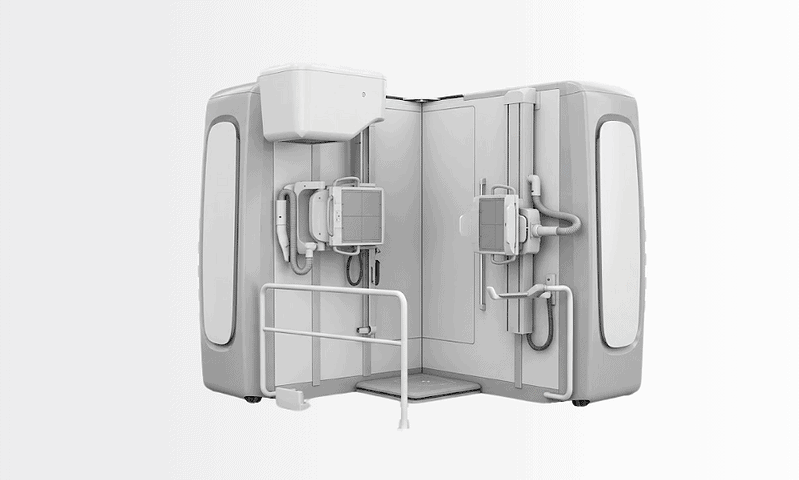
The physician uses real-time imaging, typically fluoroscopic X-ray guidance, sometimes supported by other advanced imaging, to steer a specialised needle through the skin and into the fractured vertebral body. The imaging is not an optional extra. It allows the physician to reach the correct part of the bone, monitor each step as it happens, and watch precisely how the cement behaves as it is delivered. Because the approach is percutaneous, through the skin, with only a very small puncture, there is far less disruption of muscle and soft tissue than in open surgery. This is one of the main reasons recovery is usually quicker.
How vertebroplasty is done
In vertebroplasty, once the needle sits in the correct position, the bone cement is prepared to a consistency suitable for injection. The cement is then injected slowly into the vertebral body while the physician watches its spread continuously on live imaging. The aim is to fill enough of the fractured area to stabilise it while minimising any chance of cement escaping beyond the bone. If the imaging shows cement approaching the edge of the vertebra, the injection is paused or stopped. Once delivery is complete, the cement hardens within minutes, creating an internal cast that stops the painful movement at the fracture.
How kyphoplasty is done
In kyphoplasty, a small inflatable device is first advanced into the vertebral body through the access channel. The balloon is gently expanded to create a cavity inside the collapsed bone. In selected cases this may restore some vertebral height or reduce local deformity, although the degree of correction varies from patient to patient and height restoration is not always the primary goal. After the balloon is removed, bone cement is injected into the cavity under imaging guidance. Because the space has been created first, the cement can sometimes be delivered in a more controlled way, at lower pressure, than direct injection into unprepared bone.
Is kyphoplasty a major surgery?
No, kyphoplasty is not major surgery in the conventional sense, but it is a genuine spinal intervention and deserves to be treated as one. There is no large incision, no cutting of muscle, no implanted metalwork and usually no general anaesthetic requirement. Most patients are up and walking within hours and many go home the same day. At the same time, the procedure works inside a fractured vertebra, close to the spinal canal, nerves and blood vessels, which is why it is performed by trained specialists in a properly equipped procedural suite with continuous imaging. Calling it minor would understate the precision involved; calling it major would overstate the physical toll. Minimally invasive, carefully performed, is the honest description.
How long does the procedure take?
These procedures are typically completed in far less time than open spinal operations. The exact duration depends on whether one vertebra or several are being treated, whether kyphoplasty or vertebroplasty is performed, and whether any additional diagnostic steps are needed on the day. Many patients spend more time in preparation and recovery monitoring than in the procedure itself.
After the procedure
You are observed in a recovery area while the team monitors comfort, blood pressure, mobility and any immediate symptoms. In many cases patients are encouraged to sit up and walk relatively soon afterwards. Some people notice pain relief early; for others improvement builds more gradually over the following days. Most patients do not need a long hospital stay, depending on the case, overall health and practical considerations, treatment may be a day procedure or involve a short admission for observation. Before discharge you receive guidance on care of the puncture site, medication use, activity levels, what the team wants you to watch for, and the plan for follow-up. Acibadem describes its general approach to post-procedural comfort in this guide on how pain is controlled after surgery and invasive procedures.
Technology used and why it matters
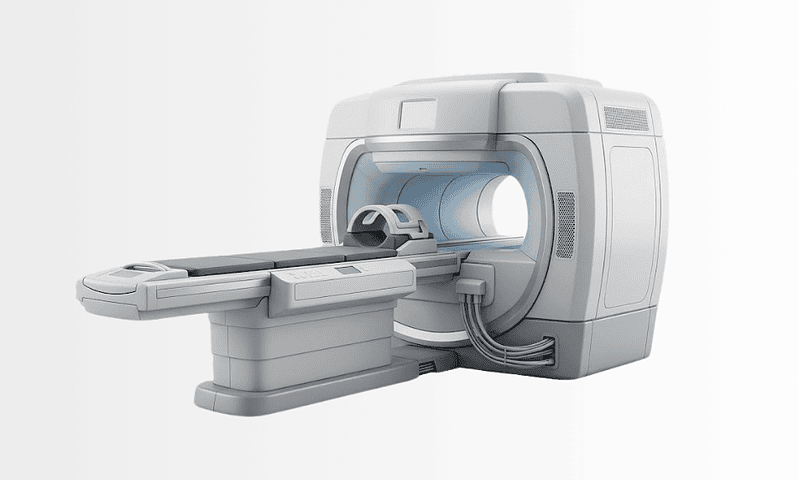
The safety and effectiveness of kyphoplasty and vertebroplasty depend heavily on precision. Modern procedural suites use high-quality real-time imaging to guide needle placement and monitor cement delivery moment by moment. Cross-sectional imaging such as MRI and CT establishes whether the fracture is appropriate for treatment and clarifies its anatomy before the procedure begins. Anaesthesia monitoring and carefully controlled sedation keep patients comfortable and allow the team to respond quickly to any change during treatment. For you as a patient, these technologies matter because they support accurate diagnosis, careful planning and controlled delivery. In a procedure performed inside a broken vertebra, near important nerves and vessels, precision is not a technical luxury. It is central to both decision-making and safety.
Recovery After Kyphoplasty or Vertebroplasty
Recovery is usually measured in days to weeks rather than the longer timelines associated with more extensive spine surgery. That said, these procedures stabilise a fracture; they do not instantly reverse the effects of poor bone quality, muscle deconditioning or chronic spinal changes. Recovery therefore has two strands: getting over the procedure itself, which is usually quick, and treating the condition that broke the bone in the first place, which continues long after the puncture site has healed.
How long does it take to recover from a kyphoplasty surgery?
Most people recover from kyphoplasty surgery itself within days, with soreness at the access site settling first and broader back comfort improving over the following weeks. Many patients walk on the day of the procedure and return to light daily routines within the first week. Heavy lifting and strenuous bending are usually restricted for a period while the spine adjusts, and activity is increased progressively rather than all at once. How complete the pain relief is, and how quickly it arrives, varies with the age of the fracture, how many levels were treated and the state of the surrounding spine, some patients feel a marked difference almost immediately, while others improve more gradually.
| Time Period | What Patients Can Expect |
|---|---|
| Day 1 | Monitoring after the procedure, gradual return to sitting and walking, and assessment of the early pain response. Many patients go home the same day or after a short observation period. |
| First Week | Improvement in mobility is common, though some soreness at the access site or residual back discomfort may remain. Activity is increased gradually while heavy lifting is avoided. |
| First Month | Many patients resume more normal daily routines. Follow-up may include a review of symptoms, a wound check if needed, and planning for bone health treatment or rehabilitation. |
| Longer Term | Ongoing management focuses on preventing future fractures, improving strength and balance, and monitoring the underlying cause, especially where osteoporosis or cancer contributed to the fracture. |
If osteoporosis is present, bone health treatment becomes a central part of long-term care. This may include medication prescribed by your treating doctor, nutrition guidance, vitamin support where appropriate, fall prevention and supervised exercise to rebuild strength and balance. If the fracture is cancer-related, coordination with oncology is essential so that pain relief and structural stabilisation fit into the broader treatment plan rather than sitting apart from it. The procedure fixes a bone; the follow-up protects a skeleton.
For patients who travel for treatment, one practical question is when it is sensible to fly home afterwards. Because kyphoplasty and vertebroplasty are percutaneous procedures with a short physical recovery, the answer is usually different from that for open surgery: this procedure-by-procedure guide on flying after surgery explains the general principles, and your treating team confirms the specific timing for your case.
Why Acting Early Can Matter
Not every compression fracture needs urgent intervention, but waiting too long can make recovery harder. Severe pain leads people to move less, and prolonged immobility has consequences of its own: muscle weakness, loss of balance, constipation, disrupted sleep, reduced lung expansion and growing dependence on pain medication. In older adults especially, even a relatively short period of inactivity can dent confidence and independence in ways that outlast the fracture itself.
There is also the question of spinal alignment. When a vertebra collapses, the body’s centre of gravity shifts forward. Over time this can contribute to a stooped posture and place extra stress on the neighbouring vertebrae. In some patients, that pattern increases the likelihood of further fractures. Early assessment helps establish whether the pain is likely to respond to conservative treatment alone, or whether stabilisation should be considered before the cycle of pain and immobility deepens.
Acting early matters most of all when a fracture may be the first sign of an underlying disease. A vertebra that breaks without significant trauma is telling you something about the bone. A timely diagnosis can lead to treatment that protects the rest of the skeleton, clarifies whether there is tumour involvement, and ensures that a serious condition does not go unaddressed while attention stays fixed on the pain alone.
Potential Benefits of Treatment
For appropriately selected patients, the potential advantages of kyphoplasty or vertebroplasty can be meaningful:
| Benefit | What It Means for You |
|---|---|
| Pain reduction | Stabilising the fractured vertebra may reduce the movement that triggers pain, making it easier to sit, stand, walk and sleep. |
| Improved mobility | When pain becomes more manageable, many patients return sooner to daily activities and avoid the complications of prolonged bed rest. |
| Minimally invasive approach | The procedure is performed through a small skin puncture, usually with less tissue disruption than open surgery and typically a shorter recovery. |
| Possible reduction in medication needs | Some patients are able to decrease their reliance on strong pain medicines after successful fracture stabilisation, under their doctor’s direction. |
| Support for posture and spinal stability | In selected cases, especially with kyphoplasty, treatment may help preserve vertebral shape and reduce further collapse of the treated bone. |
What Are the Downsides of Kyphoplasty?
The downsides of kyphoplasty fall into three groups: procedural risks, limits of what the treatment can achieve, and open questions about the long term. Being clear about all three is part of making a sound decision.
Procedural risks. The best-known technical risk is cement leaking outside the vertebral body. Small leaks are often without symptoms, but cement reaching the spinal canal, the nerve openings or the veins can cause problems, which is why the injection is monitored continuously on live imaging and stopped if the cement approaches the bone’s edge. Other risks are those of any needle-based spinal procedure: infection, bleeding, a reaction to the cement or the anaesthetic, and, rarely, injury to nerves or nearby structures. Your treating team explains how these risks apply to your specific fracture, since a fracture with an intact back wall carries a different risk picture from one that does not.
Limits of the treatment. Kyphoplasty stabilises one bone. It does not treat osteoporosis, remove a tumour, repair discs or resolve arthritis. If part of your pain comes from another source, that part will remain. Height restoration, when it happens, is usually partial. And some patients simply do not improve as much as hoped, most often because the treated fracture was not the main pain generator, which is why careful selection beforehand matters more than anything done on the day.
The long term. Whether cement augmentation changes the risk of new fractures in neighbouring vertebrae is debated among specialists. What is not debated is that fragile bone remains fragile until it is treated. A patient who has had one osteoporotic fracture is at risk of another, with or without cement, which is why long-term bone health care is inseparable from the procedure itself.
What Influences Outcomes and a Good Result
The best outcomes usually depend on careful diagnosis and appropriate patient selection. Kyphoplasty and vertebroplasty tend to help most when there is a clear match between the patient’s pain and an active vertebral compression fracture on imaging. If back pain is mainly caused by arthritis, disc problems, nerve compression or muscular issues, treating the vertebra alone is unlikely to bring meaningful relief.
The age of the fracture matters. More recent fractures are more likely to be symptomatic and potentially responsive to stabilisation, while older, healed fractures may no longer be the source of pain even though they remain visible on X-ray. The number of vertebrae involved, the severity of collapse and whether the fracture stems from osteoporosis, trauma or cancer all shape realistic expectations.
Bone quality is another decisive factor. Patients with untreated osteoporosis remain at risk of future fractures even after a technically excellent procedure. That is why long-term results are so closely tied to bone health management: addressing calcium and vitamin status where appropriate, using osteoporosis therapies where the treating doctor indicates them, and reducing fall risk can matter as much as the cement itself. The experience of the treating team counts too, in reading the imaging correctly, selecting the right vertebra, and controlling cement placement throughout. A good result is not defined by technical completion alone. It includes symptom improvement, preserved mobility, realistic rehabilitation and continued care for whatever weakened the bone in the first place.
What happens 3 years after kyphoplasty?
Three years on, the cement in the treated vertebra is still there: it is permanent and does not dissolve, degrade or need replacing. The treated level typically remains stable, and for many patients the pain from that fracture does not return. What happens to the rest of the spine over those years depends far more on the underlying condition than on the procedure. If osteoporosis has been actively treated, if strength and balance have been rebuilt, and if falls have been avoided, the outlook for the surrounding vertebrae is considerably better than if the fracture was fixed and the bone disease ignored. In cancer-related fractures, the longer-term picture is shaped by the oncological treatment plan. In short: the cemented vertebra tends to look after itself; the rest of the skeleton needs looking after by you and your doctors.
How Acibadem Approaches Kyphoplasty and Vertebroplasty
At Acibadem, patients with vertebral compression fractures are assessed through a structured spine pathway that can involve orthopaedics and traumatology, neurosurgery or spine surgery, interventional specialists, radiology, pain management and rehabilitation, with endocrinology, geriatrics or oncology brought in when the underlying cause requires it.
This multidisciplinary structure exists because spinal compression fractures are not all the same. One patient may need minimally invasive stabilisation plus osteoporosis treatment. Another may need oncological evaluation before any procedure is considered. A third may be better served by non-surgical management altogether. Review by the relevant specialists keeps the treatment aligned with the actual cause of pain, rather than assuming every vertebral fracture should be treated the same way.
Diagnostic imaging is reviewed before any decision is made, procedures are planned and performed under real-time image guidance, and follow-up covers both the fracture and the condition behind it. Post-procedural comfort follows a structured approach, described in the guide on how pain is controlled after surgery and invasive procedures. Rehabilitation and long-term bone health planning are treated as part of the treatment, not an afterthought, because the procedure addresses one vertebra, and the plan has to address the patient.
Questions Worth Discussing Before You Decide
If you have been told you have a spinal compression fracture, or persistent back pain is limiting your daily life, understanding the diagnosis clearly is the first step towards feeling in control of the decision. These procedures are not right for everyone, and a good specialist will be candid about that. Questions that help clarify whether kyphoplasty or vertebroplasty is appropriate in your case include:
- Does my imaging show an active fracture, and does its location match my pain?
- What would happen if we continued non-surgical treatment instead, and for how long is that reasonable?
- Why is kyphoplasty or vertebroplasty the better choice for my specific fracture pattern?
- What caused the bone to break, and how will that underlying condition be treated?
- What does recovery look like for someone with my health, my age and my level of activity?
For carefully selected patients, kyphoplasty or vertebroplasty can offer meaningful pain relief, restored mobility and a recovery that is usually quicker than open surgery. The honest measure of success, though, is broader than the procedure: it is a spine that hurts less, a body that moves more, and a bone condition that is finally being treated rather than merely endured.
Preparation
- Before the procedure, patients usually undergo clinical evaluation and spinal imaging to confirm the fracture and plan treatment. Blood thinners may need to be adjusted, and fasting may be required depending on the anesthesia plan. Your doctor will review medications, medical history, and suitability for kyphoplasty or vertebroplasty.
Aftercare
- After treatment, patients are monitored for a short period and can often return home the same day. Light activity is usually possible within days, but heavy lifting and strenuous exercise should be avoided until cleared by the doctor. Follow-up visits and imaging may be recommended to assess pain relief and spinal stability.
Frequently Asked Questions
What is the difference between kyphoplasty and vertebroplasty?
Both kyphoplasty and vertebroplasty are minimally invasive procedures used to treat painful vertebral compression fractures, often caused by osteoporosis, trauma, or certain tumors. In vertebroplasty, medical cement is injected directly into the fractured vertebra to stabilize it. In kyphoplasty, a small balloon is first inserted to create space and may help restore some vertebral height before cement is placed. Acibadem spine specialists recommend the most suitable option after imaging and a personalized assessment.
Who is a good candidate for kyphoplasty or vertebroplasty?
These procedures may be suitable for patients with painful vertebral compression fractures that do not improve enough with rest, pain medication, bracing, or physical therapy. They are most often considered for fractures related to osteoporosis, but can also help selected patients with trauma-related or cancer-related vertebral damage. Not every back pain problem is treated this way, so imaging and clinical evaluation are essential. At Acibadem, Orthopedics and Spine specialists assess whether your symptoms and scans match the procedure.
How quickly can kyphoplasty or vertebroplasty relieve pain?
Many patients notice meaningful pain relief within the first 24 to 72 hours after kyphoplasty or vertebroplasty, while others improve more gradually over several days. The goal is to stabilize the fractured vertebra, reduce pain, and help you return to daily activities more comfortably. Relief can depend on fracture age, overall bone health, and whether there are other spine conditions present. Acibadem specialists explain what improvement you can realistically expect based on your individual case.
Is kyphoplasty or vertebroplasty a major surgery?
No, kyphoplasty and vertebroplasty are generally considered minimally invasive spine procedures rather than major open surgery. They are performed through a small skin puncture using imaging guidance, usually without large incisions. This often means less tissue disruption, a shorter hospital stay, and faster recovery compared with open spinal operations. However, they are still medical procedures that require careful planning and expertise. At Acibadem, your care team reviews your health history, scans, and anesthesia needs before treatment.
How long does recovery take after kyphoplasty or vertebroplasty?
Recovery is usually relatively quick. Many patients stand and walk on the same day or within 24 hours, depending on their overall condition and the cause of the fracture. Mild soreness at the treatment site can occur for a short time, but normal daily activities often resume sooner than expected. Heavy lifting and strenuous exercise may need to wait until your doctor approves. Acibadem specialists provide personalized recovery guidance, including movement, pain control, and bone health follow-up.
What are the risks or possible complications of kyphoplasty and vertebroplasty?
As with any procedure, there are potential risks, although serious complications are uncommon when performed by experienced teams. Possible issues include infection, bleeding, allergic reaction, nerve irritation, temporary increase in pain, or leakage of bone cement outside the vertebra. In some cases, other spine problems may continue to cause symptoms even after the treated fracture is stabilized. At Acibadem, detailed imaging, careful technique, and individualized planning help reduce risks and support safe treatment.
Will I need general anesthesia for kyphoplasty or vertebroplasty?
Not always. Kyphoplasty or vertebroplasty may be performed with local anesthesia, sedation, or general anesthesia, depending on the patient’s age, medical condition, anxiety level, fracture complexity, and the number of vertebrae being treated. Your comfort and safety are important factors in this decision. Before the procedure, the medical team reviews your medications, medical history, and imaging results. At Acibadem, anesthesia and spine specialists choose the most appropriate plan for your individual needs.
How long do I need to stay in Turkey for kyphoplasty or vertebroplasty?
For international patients, the stay is often short because these are minimally invasive procedures and recovery is usually fast. Many patients need a few days for consultation, imaging, the procedure itself, and an early follow-up before travel. The exact length depends on your general health, the number of vertebrae treated, and whether additional tests or treatments are needed. Acibadem teams can organize a personalized treatment timeline to help you plan your trip with greater confidence.
Can osteoporosis cause repeated spinal fractures after kyphoplasty or vertebroplasty?
Yes, treating one vertebral compression fracture does not remove the underlying cause if osteoporosis is present. That means new fractures can still happen in other vertebrae unless bone health is addressed. Long-term management may include osteoporosis medication, calcium and vitamin D support when appropriate, exercise guidance, fall prevention, and follow-up bone density evaluation. At Acibadem, specialists look beyond the procedure itself and can help create a personalized plan to protect your spine and overall bone health.
What tests are needed before kyphoplasty or vertebroplasty?
Before treatment, doctors usually request a detailed medical history, physical examination, and imaging such as X-ray, MRI, or CT to confirm that the fracture is the true source of pain. Blood tests may also be needed to check for infection risk, bleeding issues, or other medical concerns. These tests help determine whether kyphoplasty or vertebroplasty is appropriate and which approach is safer. Acibadem specialists use this information to provide a personalized assessment and treatment plan.
Medically reviewed by the Acıbadem International Medical Board September 13, 2026
See our medical review board →
Update history
- PublishedJuly 19, 2026
- Medical review approvedSeptember 13, 2026
- Last content updateSeptember 12, 2026
From the Acibadem Blog

What Can Go Wrong With Kyphoplasty or Vertebroplasty? Cement Leaks and Symptoms to Report
Kyphoplasty complications are uncommon but real. Bone cement can leak outside the vertebra into the disc, veins or spinal canal; most leaks cause no…

Kyphoplasty vs Vertebroplasty: Two Fixes for Spinal Fractures, Compared
Kyphoplasty and vertebroplasty both stabilize painful vertebral compression fractures by injecting bone cement into the broken vertebra through a needle. Kyphoplasty adds one step:…