Mini Gastric Bypass
Mini Gastric Bypass is a bariatric surgery that reduces stomach size and reroutes part of the small intestine to support significant weight loss and improve obesity-related metabolic conditions.

Quick answer
A mini gastric bypass, also called one-anastomosis gastric bypass, is a bariatric operation for obesity and related metabolic disease. The surgeon creates a narrow stomach pouch and joins it to a loop of small intestine with a single connection, so you eat less, absorb fewer calories and experience changes in the gut hormones that regulate appetite and blood sugar. It is usually performed laparoscopically under general anaesthesia.
What Is a Mini Gastric Bypass?
A mini gastric bypass is a type of bariatric surgery for adults living with obesity and related metabolic conditions. The surgeon creates a long, narrow pouch from the upper part of your stomach and joins it directly to a loop of small intestine, so that food bypasses most of the stomach and the first section of the bowel. It is intended for people whose weight is meaningfully affecting their health and who have not achieved lasting results with non-surgical treatment.
In many clinical settings the procedure is called one-anastomosis gastric bypass, because it involves a single surgical connection, an anastomosis, between the stomach pouch and the intestine. Whatever the name, this is not a cosmetic procedure. It is a major abdominal operation used to treat a chronic disease, and it deserves the same careful evaluation, surgical expertise and long-term follow-up as any other significant intervention. Understanding exactly what the operation changes, and what it asks of you afterwards, is the foundation of a good decision.
How does bariatric surgery work?
Bariatric surgery works through three overlapping mechanisms rather than one. The first is restriction: a smaller stomach pouch physically limits how much food you can eat at one sitting, so you feel full sooner. The second is altered absorption: because food bypasses part of the digestive tract, fewer calories and some nutrients are taken up. The third, and often the least appreciated, is hormonal change. Rerouting food through the gut changes the signals involved in hunger, fullness, insulin response and blood sugar regulation. Many patients describe a genuine reduction in appetite, not simply a smaller capacity. This is why these procedures are increasingly described as metabolic surgery: they change how your body manages energy, not just how much you can eat.
How is a mini gastric bypass different from a standard gastric bypass?
The main practical difference is the number of surgical connections. A standard Roux-en-Y gastric bypass creates a small stomach pouch and then requires two separate joins between segments of intestine. A mini gastric bypass uses a single loop of intestine and a single connection. This can make the operation technically simpler and, in some hands, shorter in selected patients, while still delivering substantial weight loss and metabolic benefit. Simpler, however, does not mean minor. Both configurations are major operations performed under general anaesthesia, both permanently change your digestive anatomy, and both require lifelong nutritional follow-up. Which configuration suits you depends on your anatomy, your reflux history, your metabolic profile and your surgeon’s judgement, not on which name sounds smaller.
Why the Decision About Weight Loss Surgery Matters
Weight loss surgery is rarely anyone’s first step. For most people, it comes after years of genuine effort: structured diets, exercise plans, medications, commercial programmes, and periods of success followed by frustration or weight regain. That pattern is not a failure of willpower. Obesity is a complex chronic disease that affects metabolism, hormones, mobility, sleep, cardiovascular health, fertility and emotional well-being. When the body’s regulatory systems are working against you, diet alone often cannot produce durable change.
The condition also tends to progress if left untreated. Excess weight may contribute to type 2 diabetes, high blood pressure, fatty liver disease, sleep apnoea, joint damage, reflux in some patients, and increased strain on the heart. These problems do not only affect long-term health statistics on a chart. They shape everyday life, making it harder to work, travel, sleep comfortably, play with children or grandchildren, or take part fully in family life.
For the right candidate, an operation such as mini gastric bypass can do more than reduce body weight. It can improve metabolic health, lower the day-to-day burden of chronic disease, and create a more realistic path toward lasting change. But the decision should be thoughtful, individual and guided by experienced specialists. The goal is never simply to perform an operation. It is to determine whether this particular procedure fits your anatomy, medical history, eating patterns and long-term priorities, or whether a different approach would serve you better.
Who May Consider an Operation to Lose Weight
An operation to lose weight is usually considered when obesity is long-standing, clinically significant, and has not responded durably to non-surgical treatment, particularly when it is accompanied by other health conditions. Candidacy is never based on a number alone. Specialists look at the broader picture: body mass index, medical history, current medications, previous abdominal surgery, eating behaviour, reflux symptoms, metabolic disease, and your readiness for long-term lifestyle change.
Patients who seek evaluation often describe a familiar pattern. Weight may have crept up gradually over many years, or arrived quickly after pregnancy, illness, a stressful period, hormonal change or reduced mobility. Many report fatigue, shortness of breath with activity, knee or back pain, poor sleep, heavy snoring, daytime sleepiness, or blood sugar that has become harder to control. Some avoid social events or travel because of discomfort, limited stamina, or worries about seating and access.
Common concerns that lead people to a bariatric consultation include:
- Difficulty achieving or maintaining meaningful weight loss despite structured, sustained effort
- Type 2 diabetes or prediabetes
- High blood pressure or abnormal cholesterol levels
- Obstructive sleep apnoea or heavy snoring
- Joint pain, reduced mobility, or worsening osteoarthritis
- Fatty liver disease
- Shortness of breath with exertion
- Reduced fertility or obesity-related reproductive concerns
- Limitations in quality of life, confidence and emotional well-being
Assessment of surgical suitability starts with a detailed clinical work-up. This usually includes measurement of body mass index and waist-related risk, a full medical history, a medication review and laboratory testing. Depending on your situation, it may also involve imaging, upper gastrointestinal endoscopy, cardiology assessment, sleep studies, endocrine review, and nutritional and psychological evaluation. The purpose is twofold: to confirm that surgery is medically appropriate for you, and to identify which procedure is most likely to suit you specifically.
Not everyone with obesity is best served by a mini gastric bypass. Some people are better candidates for sleeve gastrectomy, standard gastric bypass, revisional surgery, or a non-surgical metabolic treatment plan. Certain factors, severe reflux patterns, specific intestinal conditions, or particular nutritional risks, can shift the recommendation from one procedure to another. A careful evaluation exists precisely to catch these factors before a decision is made, not after.
Conditions Mini Gastric Bypass Can Address
Mini gastric bypass is primarily used to treat obesity, but its role extends well beyond weight reduction. Because it affects appetite signalling, insulin response and the flow of nutrients through the gut, it is also a metabolic procedure. In properly selected patients, it may contribute to major improvement in the overall burden of obesity-related disease.
Conditions and indications commonly considered in relation to this operation include:
- Obesity: especially when excess weight is long-standing, clinically significant, or resistant to non-surgical treatment
- Type 2 diabetes: particularly when blood sugar control remains difficult despite medication and lifestyle therapy
- Hypertension: when excess body weight is contributing to elevated blood pressure
- Dyslipidaemia: abnormal cholesterol or triglyceride levels associated with obesity
- Obstructive sleep apnoea: often linked to excess tissue around the airway and metabolic dysfunction
- Fatty liver disease: including metabolic dysfunction-associated liver changes related to obesity
- Obesity-related joint stress: especially knee, hip and lower back pain worsened by mechanical load
- Metabolic syndrome: the cluster of central obesity, insulin resistance, blood pressure changes and lipid abnormalities
The procedure may also be considered as a revisional option in selected cases after a previous bariatric procedure, for example, when an earlier operation has not produced adequate weight loss, or when weight has returned. Revisional operations demand particularly careful planning and are not appropriate for everyone. The surgeon evaluates the original anatomy, the reasons behind the inadequate result, any reflux symptoms, and any technical or nutritional issues left by the prior procedure before recommending a path forward.
Across all of these indications, the aim is the same: not only to help you lose weight, but to change your health trajectory. Many patients pursue surgery because they want to reduce their dependence on daily medications, lower the load of chronic disease, improve physical function, and make future risks more manageable. Weight is the visible measure; health is the actual goal.
Mini Gastric Bypass Compared with Other Bariatric Operations
Bariatric operations differ in how they change the stomach and intestine, and those differences matter more than marketing names suggest. Broadly, procedures fall into those that only reduce stomach size, those that only reroute the intestine, and those, like mini gastric bypass, that do both. Where a procedure sits on that spectrum influences its metabolic effect, its nutritional demands, its reversibility and its suitability for your particular history. This is why the choice of operation is a clinical decision made with a specialist, not a menu selection.
Mini gastric bypass or sleeve gastric operation: how do they differ?
A sleeve gastric operation, more widely known as gastric sleeve surgery or sleeve gastrectomy, permanently removes a large portion of the stomach, leaving a narrow tube, but does not reroute the intestine. A mini gastric bypass leaves the whole stomach in the body but staples off a small pouch and redirects food past most of it and into a lower segment of intestine. The sleeve works mainly through restriction and hormonal change; the bypass adds altered absorption. In practice, this means the bypass tends to place greater demands on lifelong supplementation and follow-up, while the sleeve permanently removes stomach tissue and cannot be undone anatomically. Reflux history, diabetes status, previous surgery and nutritional risk all feed into which is recommended for a given patient. If you are weighing the two, the comparison of gastric bypass versus gastric sleeve recovery is a useful place to see how the aftermath of each differs in day-to-day terms.
Against the standard Roux-en-Y bypass, the mini gastric bypass trades a second intestinal connection for a single one. Some surgeons favour it for its relative technical simplicity in suitable patients; others prefer the Roux-en-Y configuration for specific situations, such as patients at higher risk of bile reflux. Neither is universally better. The honest answer, unsatisfying as it may be, is that the right operation is the one matched to your anatomy and risk profile by a surgeon who performs all of the options and has no reason to steer you toward one.
How Mini Gastric Bypass Is Performed
The process begins well before the day of surgery, and the preparation phase is a genuine part of safety, not administrative padding. Before the procedure, you typically meet a bariatric surgeon and undergo assessment by other specialists as needed: internal medicine physicians, endocrinologists, cardiologists, anaesthesiologists, dietitians, psychologists and gastroenterologists. This multidisciplinary review identifies risk factors, optimises chronic conditions before anaesthesia, and confirms that you understand the long-term dietary and nutritional commitments that follow the operation.
Preoperative testing commonly includes blood work, heart evaluation, and imaging or endoscopic studies where clinically indicated. You may be asked to follow a special diet in the weeks before surgery to reduce liver size and improve surgical access: a small liver makes the upper stomach easier and safer to reach. Stopping smoking is strongly advised because it affects healing and ulcer risk. Your treating team will also review your regular medications, particularly blood thinners, diabetes medications and drugs that affect fluid balance, and advise you on any adjustments; those decisions belong to your doctors, and the plan is individual.
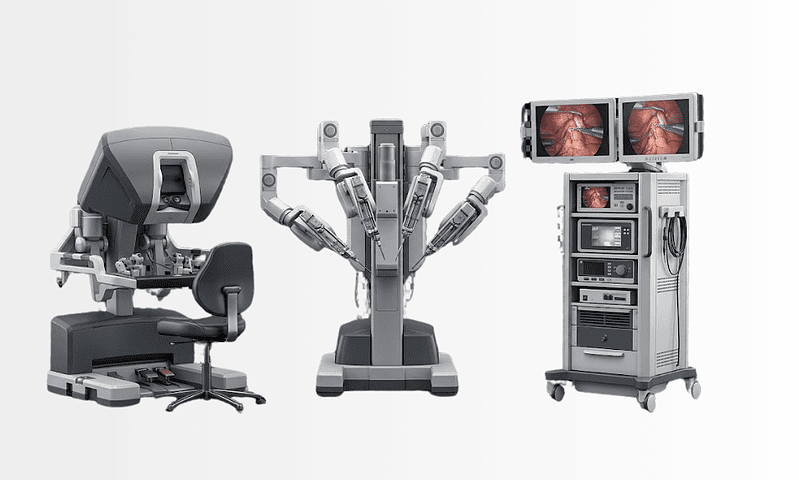
On the day of surgery, the operation is performed under general anaesthesia, usually with minimally invasive laparoscopic technique through several small incisions in the abdomen. A camera provides a magnified view of the surgical field, and specialised instruments allow precise work with less tissue disruption than open surgery. In selected patients, this approach supports less postoperative discomfort, earlier mobilisation and a shorter hospital stay, though recovery still varies from one person to the next, and no surgeon should promise otherwise.
The operation itself follows a defined sequence:
- Access and visualisation. Small incisions are made and the abdomen is gently inflated with gas so the surgeon can see and work safely.
- Creating the pouch. A long, narrow stomach pouch is formed from the upper stomach using surgical staplers. The remaining stomach stays in place but no longer receives food directly.
- Measuring the intestine. The surgeon measures a length of small intestine, determined by your anatomy, body weight and metabolic goals.
- The single connection. A loop of intestine is brought up and joined to the new pouch: the one anastomosis that gives the procedure its name.
- Checking the work. Before closing, the team assesses the integrity of the connection, often including an intraoperative leak test, and inspects for bleeding.
Throughout, the team uses modern operative support: high-definition imaging, energy-based instruments for careful dissection and sealing, and structured intraoperative checks. The purpose of this technology is practical rather than decorative, to help the surgeon work accurately, reduce avoidable trauma, and confirm key technical points before the procedure is completed. The surgery typically takes a few hours, though duration varies with body habitus, previous surgery, anatomy, and whether additional findings need attention. Afterwards, you move to a monitored recovery area where breathing, heart rate, blood pressure, pain control and early mobilisation are closely supervised.
Do you get a catheter during weight-loss surgery?
Not always, practice varies between surgical teams and depends on the expected length and complexity of your operation. For a straightforward laparoscopic procedure, many teams avoid a urinary catheter altogether or place one only while you are under anaesthesia and remove it before or soon after you wake. For longer or more complex cases, a catheter may stay in place briefly so the team can monitor fluid balance, and it is usually removed within the first day as you begin walking. It is a reasonable question to raise at your preoperative anaesthesia consultation, where the team can tell you what their standard practice is for your specific case.
Recovery After Mini Gastric Bypass
Most patients spend a short period in hospital after the operation. During this time the clinical team focuses on pain control, hydration, movement, breathing exercises and the gradual start of oral intake. You will be encouraged to walk early, usually within hours, because mobilisation supports circulation, protects the lungs, and lowers the risk of blood clots. Before discharge, you receive detailed guidance on fluid intake, protein goals, vitamin and mineral supplementation, activity progression, and the warning signs that require medical review.
Eating is rebuilt in deliberate stages, on your surgeon’s schedule rather than a fixed calendar:
- Clear liquids or other surgeon-directed fluids in the first days, with hydration as the absolute priority.
- Fuller liquids, including protein-focused options, as tolerance improves.
- Puréed foods, introduced gradually and eaten slowly.
- Soft foods, as the new anatomy adapts.
- A structured long-term diet built around small portions, protein first, slow eating and separating drinks from meals.
Portion size changes dramatically, and part of recovery is genuinely relearning how to eat: recognising fullness cues, avoiding grazing, and staying hydrated without drinking large volumes at once. The general pattern of recovery looks like this, though your own pace may differ:
| Time Period | What You Can Expect |
|---|---|
| Day 1 | Monitoring in hospital, early walking, pain and nausea management, and the beginning of surgeon-directed fluid intake. |
| First week | Fatigue is common, but most patients gradually increase walking and continue a liquid-based diet plan with close attention to hydration. |
| First month | Diet progresses in stages, incisions continue to heal, and many patients return to normal daily activities depending on recovery and job demands. |
| Longer term | Weight loss continues over months, eating habits adapt, vitamin and mineral supplementation becomes routine, and regular follow-up remains important. |
Long-term follow-up is not optional after a mini gastric bypass, because the operation changes nutrient absorption as well as intake. Regular blood tests help detect or prevent vitamin, mineral and protein deficiencies before they cause symptoms, and scheduled reviews give your team the chance to adjust supplementation, address plateaus, and support you through the years in which results are consolidated or lost. Patients who stay engaged with follow-up consistently do better than those who disappear after the wounds heal.
Why Acting Early Matters
Many people delay surgery because they hope one more diet, one more medication adjustment, or one more burst of motivation will finally solve the problem. Non-surgical treatment remains important, and for some individuals it works. But waiting indefinitely carries its own cost, because obesity-related disease tends to become more entrenched over time.
Type 2 diabetes may progress, making blood sugar harder to control and raising the risk of kidney, nerve, eye and cardiovascular complications. High blood pressure places ongoing strain on the heart and vessels. Sleep apnoea deepens fatigue and adds cardiovascular risk. Joint damage can become severe enough to limit exercise further, creating a cycle in which movement becomes harder precisely as weight increases.
Delay can also affect the surgery itself. As obesity advances, additional conditions may develop that complicate anaesthesia, recovery or wound healing. Liver enlargement, reduced cardiopulmonary reserve and worsening metabolic disease all add complexity. Earlier intervention, when clinically appropriate, offers a better opportunity to improve health before complications become irreversible.
None of this means surgery should be rushed. It means that persistent obesity with real medical impact deserves timely expert assessment rather than indefinite postponement. A proper evaluation can establish whether a mini gastric bypass is appropriate now, whether another procedure fits better, or whether a staged medical approach makes sense first, and knowing that answer is valuable even if you decide to wait.
Potential Benefits of Mini Gastric Bypass
For appropriately selected patients, the procedure may offer a range of medical and practical advantages. None is automatic; each depends on sound selection, sound surgery and sustained follow-up.
| Benefit | What It Means for You |
|---|---|
| Significant weight loss | Many patients experience meaningful reduction in body weight over time, which can improve mobility, stamina and daily comfort. |
| Metabolic improvement | Changes in digestion and gut hormones may improve blood sugar control and support better management of type 2 diabetes and insulin resistance. |
| Reduced obesity-related disease burden | Conditions such as high blood pressure, sleep apnoea, fatty liver disease and abnormal cholesterol may improve after successful treatment and follow-up. |
| Smaller meal capacity | The new stomach pouch helps you feel full sooner, making portion control more achievable than with diet alone. |
| Improved quality of life | Patients often seek surgery to move more easily, sleep better, participate more fully in work and family life, and reduce physical limitations. |
| Structured long-term care | Bariatric treatment usually includes nutritional monitoring and specialist follow-up, which helps you maintain progress and address issues early. |
Results, Risks and What Shapes a Good Outcome
A mini gastric bypass can be highly effective, but the outcome depends on more than the operation itself. Three things matter most: whether the procedure was the right match for you, how well it was performed, and what happens in the months and years afterwards.
Matching comes first. Surgeons weigh body weight, metabolic profile, reflux history, nutritional risk, previous surgery and personal goals, because the best operation is not the same for everyone, and a mismatch between procedure and patient is difficult to fix later. Technical quality comes second: careful pouch creation, appropriate intestinal measurement, a secure connection, and meticulous intraoperative checks all contribute to safety. In experienced hands, minimally invasive bariatric surgery can be performed efficiently, but the key issue is never speed. It is precision, judgement, and the ability to manage complexity when it arises.
The third factor is you. Staged dietary instructions, hydration, protein intake, avoiding grazing, and taking prescribed vitamin and mineral supplements consistently are not optional extras: they are how the operation’s benefits are kept. Physical activity, sleep quality, mental health support, and honest management of emotional or stress-related eating all influence long-term progress. Some patients benefit from ongoing input from dietitians, psychologists, endocrinologists or obesity medicine specialists to navigate plateaus, changing routines or life events. Lasting results come from a partnership between patient and clinical team, not from the staple line alone.
How much weight do you lose after bariatric surgery?
There is no single honest number, because weight loss varies with your starting weight, the procedure chosen, your metabolic condition, and how closely you follow the postoperative plan. What can be said reliably is the pattern: loss is typically most rapid in the early months after surgery, then slows and stabilises as your intake and metabolism find a new equilibrium, with the overall result usually assessed over the first one to two years. Be wary of any clinic that quotes you a precise figure before examining you: a responsible team will discuss a realistic range for your individual situation only after proper assessment.
What can you never do again after bariatric surgery?
Very few things are absolutely forbidden forever, but several changes are genuinely lifelong. Daily vitamin and mineral supplementation becomes permanent, because the rerouted intestine absorbs certain nutrients less well. Eating habits change for good: small portions, eaten slowly, with protein prioritised and large volumes of liquid kept separate from meals. Many patients find that very large meals, eating quickly, and fizzy drinks become uncomfortable rather than merely inadvisable. Alcohol is absorbed differently after a bypass and affects you faster. Certain medicines, notably some anti-inflammatory painkillers, are used more cautiously after bypass surgery because of ulcer risk, and any decisions about them belong to your treating doctor. Most patients describe these not as prohibitions but as a new normal that becomes routine within months.
Can a mini gastric bypass be reversed?
In principle, yes, and this is one anatomical difference from a sleeve gastrectomy. Because the stomach is stapled and bypassed rather than removed, the original anatomy still exists, and reversal or conversion to another configuration (often Roux-en-Y) is technically possible. In practice, reversal is a complex major operation reserved for specific medical problems, such as severe bile reflux, persistent ulcers or significant malnutrition that cannot be managed otherwise. It is not something to count on when deciding. You should approach a mini gastric bypass as an effectively permanent change, with reversal existing as a safety valve for rare situations rather than an exit route.
Risks also deserve plain language. As with any major surgery, a mini gastric bypass can involve bleeding, infection, anaesthesia-related complications, blood clots, bowel-related complications, leaks at the connection site, reflux or bile-related symptoms in some patients, ulcers, changes in bowel habit, and nutritional deficiencies. Not every patient experiences these problems, but understanding them is part of informed consent, not an afterthought. Strong programmes reduce risk through careful evaluation, experienced perioperative care, clear discharge planning and structured follow-up, and they will discuss these risks with you openly rather than glossing over them.
How Much Does a Mini Gastric Bypass Cost?
There is no single figure that answers this honestly, because the cost of a mini gastric bypass depends on factors that differ from patient to patient and from provider to provider. What you can do is understand the drivers, so that any quote you receive can be read intelligently. The main ones are:
- Scope of the package: whether the price covers preoperative testing, specialist consultations, anaesthesia, the hospital stay, postoperative reviews and early follow-up, or only the operation itself
- Your medical complexity: conditions such as diabetes, sleep apnoea or heart disease can require additional assessment and monitoring
- Primary versus revisional surgery: operating after a previous bariatric procedure is more demanding and typically priced accordingly
- The setting and team: hospital infrastructure, intensive care availability and surgical experience all shape cost
- Length of hospital stay: which varies with your recovery and any complications
When comparing quotes, the most useful question is not “what is the number?” but “what exactly does the number include, and what would fall outside it?” A lower headline price that excludes preoperative work-up, follow-up visits or management of early problems can cost more in the end, financially and medically, than a transparent, comprehensive one.
Bariatric and Metabolic Surgery at Acibadem
At Acibadem, mini gastric bypass sits within a broader bariatric and metabolic surgery programme built around multidisciplinary evaluation. Surgeons work alongside specialists in internal medicine, endocrinology, cardiology, anaesthesiology, nutrition, gastroenterology and imaging where indicated. For complex cases, patients with diabetes, prior abdominal surgery, sleep apnoea, liver disease or revisional needs: this shared review is what keeps recommendations individual rather than one-size-fits-all.
Technology supports the pathway at each stage: modern imaging for planning, minimally invasive surgical platforms in theatre, advanced anaesthesia monitoring during the operation, and structured postoperative observation afterwards. What matters is not the equipment list but how it is used, to improve visualisation, support precision, monitor risk and guide decisions before, during and after surgery.
Bariatric care is also personal in a way many specialties are not. Some patients are focused primarily on weight; others on diabetes control, mobility, fertility or revising an earlier procedure performed elsewhere. A thorough consultation defines those goals, tests whether a mini gastric bypass is genuinely the best fit for them, and sets out what follow-up will look like in the months and years ahead, because for this operation, what happens after discharge matters as much as what happens in theatre.
Deciding Whether Mini Gastric Bypass Is Right for You
The most useful step for anyone weighing this operation is a specialist evaluation grounded in your medical history, current health and long-term goals. For some patients, a mini gastric bypass is an excellent fit. For others, a different bariatric procedure or a non-surgical metabolic plan is more appropriate, and a good evaluation will say so plainly.
The questions worth resolving before any decision are concrete: whether you are a suitable candidate at all; how this procedure compares with the alternatives for your specific anatomy and reflux history; which risks deserve particular attention in your case; what recovery will realistically demand of your work and family life; and what long-term follow-up and supplementation will involve. Second opinions are common and reasonable in bariatric care, and experienced teams welcome them. The aim is to move from uncertainty to informed clarity, because the operation itself takes a few hours, but the decision shapes decades.
Preparation
- Patients usually undergo a detailed evaluation including medical history, blood tests, imaging, and nutritional assessment. Smoking cessation, medication review, and a preoperative diet may be recommended to reduce surgical risk and prepare the liver and stomach.
Aftercare
- After surgery, patients follow a staged diet from liquids to soft foods, with close monitoring of hydration, vitamin intake, and wound healing. Regular follow-up with the bariatric team supports weight loss, nutritional balance, and long-term lifestyle changes.
Frequently Asked Questions
What is mini gastric bypass surgery and how does it help with weight loss?
Mini gastric bypass, also called one-anastomosis gastric bypass, is a bariatric procedure that creates a small stomach pouch and connects it to the small intestine. This helps patients eat less and absorb fewer calories. It can support significant weight loss and may also improve obesity-related conditions such as type 2 diabetes, sleep apnea, and high blood pressure. At Acibadem, bariatric specialists evaluate each patient carefully to decide whether this approach matches their health needs and goals.
Who is a good candidate for mini gastric bypass in Turkey?
Mini gastric bypass may be suitable for adults with obesity who have struggled to lose weight through diet, exercise, and medical support alone. It is often considered for patients with a high body mass index or obesity-related health problems. Candidacy depends on more than weight alone, including eating habits, previous surgeries, digestive health, and overall medical condition. Acibadem specialists provide a personalized assessment to determine whether mini gastric bypass is appropriate and safe for you.
What is the difference between mini gastric bypass and gastric sleeve?
Both surgeries help with weight loss, but they work differently. A gastric sleeve reduces the size of the stomach without changing the intestine. Mini gastric bypass creates a small stomach pouch and reroutes part of the small intestine, which adds a malabsorption effect. This can lead to strong weight loss and metabolic benefits, but it may also require closer long-term vitamin monitoring. The best option depends on your medical history, reflux symptoms, and treatment goals.
Is mini gastric bypass safe?
Mini gastric bypass is a commonly performed bariatric procedure when offered to the right patient by an experienced surgical team. As with any operation, there are risks such as bleeding, infection, leakage, blood clots, reflux, ulcers, or vitamin deficiencies. Careful preoperative testing, expert surgical technique, and structured follow-up all help reduce these risks. At Acibadem, patients receive a full evaluation and ongoing monitoring so the treatment plan is tailored to their individual health profile.
How much weight can I lose after mini gastric bypass?
Weight loss after mini gastric bypass varies from person to person. Results depend on your starting weight, eating habits, physical activity, hormonal factors, and commitment to follow-up care. Many patients experience meaningful weight loss over the first year to eighteen months, along with improvement in obesity-related conditions. Long-term success is strongest when surgery is combined with nutrition guidance, supplementation, and lifestyle changes. Acibadem specialists support patients with a personalized plan before and after surgery.
How long is recovery after mini gastric bypass surgery?
Recovery time is different for each patient, but mini gastric bypass is usually performed laparoscopically, which often supports faster healing than open surgery. Many patients stay in the hospital for a short period and return to light daily activities within a couple of weeks, depending on their progress. Full recovery and adjustment to new eating habits take longer. Your team will guide you through walking, hydration, pain control, diet stages, and follow-up after discharge.
What can I eat after mini gastric bypass?
After mini gastric bypass, eating follows gradual stages to protect healing and help your body adapt. Patients usually begin with liquids, then move to pureed foods, soft foods, and later small portions of regular food. The focus is on protein, hydration, and avoiding high-sugar or high-fat foods that may cause discomfort. Lifelong vitamin and mineral supplements are often needed. At Acibadem, dietitians provide detailed meal guidance and adjust recommendations to each patient’s recovery.
Will I need vitamins for life after mini gastric bypass?
Many patients need long-term, and often lifelong, vitamin and mineral supplementation after mini gastric bypass because the surgery changes how nutrients are absorbed. Common supplements may include multivitamins, iron, vitamin B12, calcium, vitamin D, and others based on blood test results. Regular follow-up is important to detect deficiencies early and keep energy, bone health, and overall wellbeing on track. Acibadem teams monitor patients closely and personalize supplement plans based on individual laboratory findings.
Why do international patients choose Turkey for mini gastric bypass?
International patients often choose Turkey for bariatric surgery because of experienced specialists, modern hospitals, coordinated care, and the convenience of combining treatment with organized travel support. Many also value shorter waiting times and comprehensive packages that may include consultations, imaging, laboratory tests, and follow-up planning. The most important factor is choosing a hospital with strong bariatric expertise and patient safety standards. Acibadem offers personalized evaluation and multidisciplinary care for international patients.
How do I prepare for mini gastric bypass surgery?
Preparation usually includes a detailed medical evaluation, blood tests, imaging or endoscopy when needed, nutritional review, and assessment of conditions such as diabetes, sleep apnea, or heart disease. Some patients are asked to follow a preoperative diet, stop smoking, or adjust certain medications. Mental readiness and understanding long-term lifestyle changes are also important. Acibadem specialists provide a personalized assessment and clear instructions so international patients can plan their surgery and recovery with confidence.
Medically reviewed by the Acıbadem International Medical Board September 1, 2026
See our medical review board →
Update history
- PublishedJuly 20, 2026
- Medical review approvedSeptember 1, 2026
- Last content updateSeptember 1, 2026
Planning tools for this treatment
Indicative figures for orientation only: your written plan and quote follow a free medical review.
Gastric sleeve costsledger-based guide ranges, or browse the full Turkey Medical Price Index.
From the Acibadem Blog

What Does Recovery From a Mini Gastric Bypass Involve? Hydration, Staged Meals, Wound Checks
Recovery from a mini gastric bypass usually means a short hospital stay, then several weeks of careful sipping, a staged diet that moves from…