

Sleep Apnea
Sleep apnea is managed with sleep testing, lifestyle guidance, CPAP or oral appliances, and selected ENT procedures. Treatment aims to restore breathing, improve sleep quality, and reduce cardiovascular risk.
Quick answer
Sleep apnea treatment aims to keep the airway open during sleep so breathing remains regular, sleep quality improves, and related health risks are reduced. At Acibadem in Turkey, care typically begins with sleep evaluation and may include lifestyle measures, CPAP therapy, oral appliances, or selected ENT procedures based on the cause and severity of the condition.
When Sleep Stops Feeling Restorative
Sleep apnea is often discovered after months or years of fatigue, loud snoring, morning headaches, poor concentration, or a partner noticing pauses in breathing during sleep. For many people, the concern is not only interrupted sleep. It is the uncertainty of what those breathing pauses may mean for the heart, brain, metabolism, mood, work performance, and long-term health.
If you are researching care abroad, you may also be weighing practical questions: Do I need a sleep test? Is continuous positive airway pressure therapy the only option? Can an oral appliance help? Would surgery be appropriate in my case? How quickly will I feel better? And how can I be confident that the treatment plan is based on a complete evaluation rather than a one-size-fits-all approach?
Sleep apnea is a treatable medical condition. The goal is to keep the airway open and breathing stable throughout sleep, so oxygen levels remain safer, sleep becomes more restorative, and the strain on the cardiovascular system is reduced. Effective treatment can improve daytime alertness, support blood pressure control, reduce snoring in many patients, and help lower health risks associated with untreated sleep-disordered breathing.
At Acibadem, sleep apnea care is built around accurate diagnosis, careful assessment of the airway and related medical conditions, and a personalized treatment plan. Depending on the type and severity of sleep apnea, treatment may include lifestyle guidance, positive airway pressure therapy, oral appliance therapy, management of nasal or throat obstruction, or selected ear, nose and throat procedures. International patients receive coordinated support before, during, and after their visit, with medical interpretation and care planning designed for patients traveling from abroad.
What Sleep Apnea Treatment Is
Sleep apnea treatment is a structured medical approach to identifying and managing repeated breathing pauses or shallow breathing during sleep. These episodes can cause oxygen levels to drop and the brain to briefly interrupt sleep to restore breathing. Even if a person does not fully wake up, the sleep cycle becomes fragmented, and the body may experience repeated stress responses throughout the night.
The most common form is obstructive sleep apnea, in which the upper airway repeatedly narrows or collapses during sleep. This may be related to anatomy, weight, nasal obstruction, enlarged tonsils, jaw position, reduced muscle tone during sleep, alcohol use, sedative medications, or a combination of factors. Central sleep apnea is less common and occurs when the brain does not consistently send proper signals to the breathing muscles. Some patients have mixed patterns and require a more specialized assessment.
Treatment is not limited to a single device or procedure. It begins with sleep testing and clinical evaluation, then matches the treatment to the patient’s diagnosis, anatomy, severity, symptoms, medical history, and preferences. For many people, positive airway pressure therapy is the most effective first-line treatment. Others may benefit from a custom oral appliance, weight management, positional therapy, treatment of nasal blockage, or surgery to correct specific anatomic contributors.
In practical terms, sleep apnea care aims to answer four essential questions: What type of sleep apnea is present? How severe is it? What is causing or worsening it? Which treatment is most likely to work for this patient and be sustainable over time?
Who May Need Sleep Apnea Evaluation and Treatment
Sleep apnea can affect adults of any age, body type, or fitness level, although it is more common in people with certain risk factors. Many patients do not recognize their own breathing interruptions because they occur during sleep. A spouse, family member, or travel companion may be the first to notice loud snoring, choking sounds, gasping, or pauses in breathing.
Common symptoms include loud or disruptive snoring, waking up choking or short of breath, restless sleep, morning headaches, dry mouth, daytime sleepiness, reduced concentration, irritability, mood changes, and falling asleep unintentionally during quiet activities. Some patients report waking frequently at night to urinate. Others describe feeling unrefreshed even after spending enough time in bed.
Sleep apnea may also be suspected when a person has difficult-to-control high blood pressure, atrial fibrillation or other heart rhythm problems, heart disease, stroke history, type 2 diabetes, obesity, or metabolic syndrome. In some patients, the condition is uncovered before surgery, during a cardiology evaluation, or after concerns arise about fatigue, work performance, or driving safety.
Diagnosis usually begins with a detailed medical history and physical examination. The physician may ask about snoring patterns, witnessed apneas, sleep schedule, daytime alertness, medications, alcohol use, weight changes, nasal breathing, and previous ENT or dental issues. Examination may include evaluation of the nose, throat, tonsils, palate, tongue base, jaw position, neck circumference, and general cardiometabolic risk factors.
The key diagnostic tool is a sleep study. Depending on the patient’s situation, this may be an overnight study in a sleep laboratory or a home sleep apnea test. A laboratory sleep study can monitor brain waves, breathing effort, airflow, oxygen levels, heart rhythm, body position, and limb movements. A home test is more limited but may be appropriate for selected adults with a high likelihood of uncomplicated obstructive sleep apnea. The results help determine severity and guide treatment planning.
For international patients, prior test results can often be reviewed before travel. If existing studies are incomplete, outdated, or do not match current symptoms, repeat testing may be recommended. This is especially important if a patient has had weight changes, new cardiovascular conditions, previous unsuccessful therapy, or symptoms suggesting another sleep disorder.
Conditions and Indications Addressed by Sleep Apnea Treatment
Sleep apnea treatment addresses more than snoring. While snoring may be the symptom that brings a patient to medical attention, the underlying concern is repeated airway obstruction or breathing instability that disrupts oxygen levels and sleep quality.
The main indication is confirmed or strongly suspected obstructive sleep apnea. Treatment is also considered for patients with sleep-related oxygen drops, significant daytime sleepiness, snoring with witnessed breathing pauses, sleep fragmentation related to airway narrowing, or cardiovascular conditions that may be worsened by untreated sleep apnea.
Patients may be evaluated for treatment when they have persistent symptoms despite general lifestyle changes, cannot tolerate a previous device, have difficulty with mask fit or pressure settings, or suspect that nasal obstruction is preventing effective therapy. Some people seek care after being prescribed CPAP but not receiving sufficient follow-up support. Others want to understand whether an oral appliance or surgical option may be appropriate.
Sleep apnea treatment may also be part of a broader health plan for high blood pressure, heart rhythm disorders, coronary artery disease, stroke risk reduction, weight management, diabetes care, or preoperative safety. In these cases, sleep specialists may work with cardiology, pulmonology, neurology, endocrinology, ENT, dentistry, and anesthesiology teams to align care with the patient’s overall medical needs.
Not every patient needs the same level of intervention. Mild sleep apnea with limited symptoms may be managed differently from severe sleep apnea with oxygen desaturation and cardiovascular risk. The purpose of evaluation is to identify the safest, most effective, and most realistic treatment path for the individual patient.
How Sleep Apnea Treatment Is Performed
Sleep apnea care is best understood as a pathway rather than a single appointment. It begins with preparation and diagnostic testing, continues with treatment selection and initiation, and includes follow-up to ensure the therapy is working and acceptable in daily life.
Preparation and Initial Assessment
Before testing or treatment, the medical team reviews symptoms, medical history, medications, allergies, prior sleep studies, previous treatments, and relevant cardiovascular or respiratory conditions. Patients may be asked to bring CPAP reports, mask information, oral appliance records, imaging, blood pressure readings, or cardiology documents if available.
For a sleep study, patients receive instructions about usual medications, caffeine, alcohol, and sleep schedule. In a sleep laboratory, sensors are placed to monitor sleep stages, breathing patterns, airflow, oxygen saturation, heart rhythm, snoring, body position, and muscle activity. The study is noninvasive. For a home sleep apnea test, the patient uses a portable monitoring device overnight according to clear instructions.
When anatomical contributors are suspected, ENT evaluation may include nasal endoscopy or airway examination. Imaging may be considered in selected cases to understand jaw structure, sinus disease, or airway narrowing. Dental assessment may be recommended if an oral appliance is being considered.
Diagnosis and Treatment Planning
After the sleep study, physicians interpret the number and pattern of breathing events, oxygen changes, sleep disruption, body position effects, and heart rhythm findings. They also consider how symptoms relate to the test results. A patient with moderate findings but severe sleepiness may need a different approach from someone with similar test numbers and few symptoms.
Treatment planning may involve sleep medicine, pulmonology, ENT, dentistry, cardiology, neurology, or weight management specialists when appropriate. In more complex cases, specialist boards or multidisciplinary discussions help align the plan with international, evidence-based protocols and the patient’s medical priorities.
Positive Airway Pressure Therapy
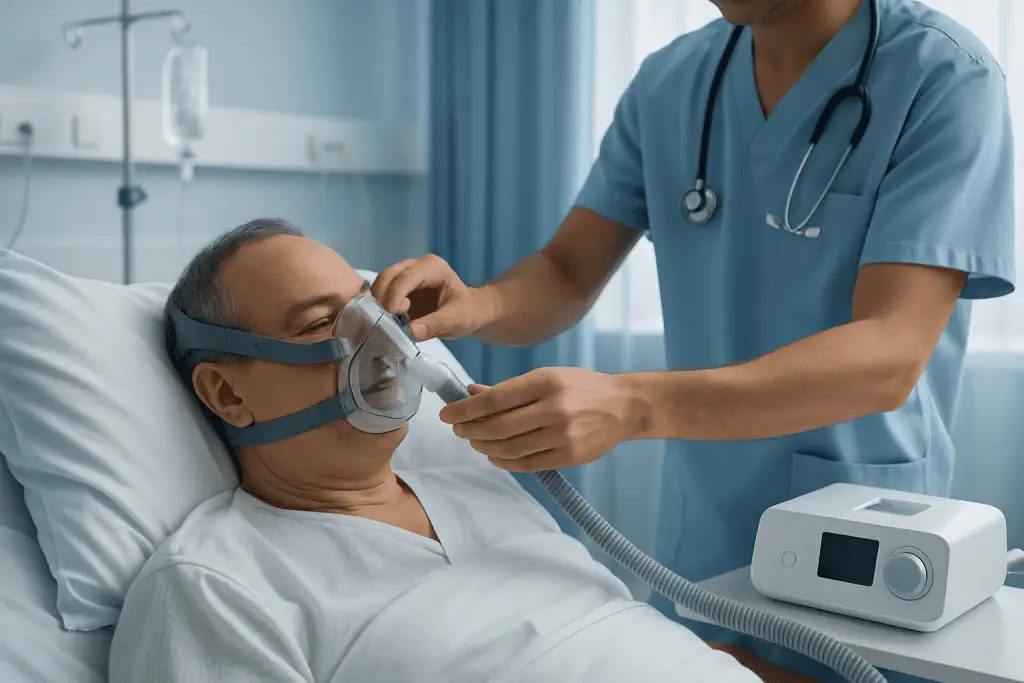
Positive airway pressure therapy is commonly recommended for moderate to severe obstructive sleep apnea and for many symptomatic patients. The device delivers gently pressurized air through a mask to help keep the upper airway open during sleep. The pressure may be fixed or automatically adjusted, depending on the patient’s needs.
Technology used in this part of care may include modern sleep monitoring systems, pressure titration tools, device data analysis, humidification options, and different mask interfaces. These tools help the team identify effective pressure settings, improve comfort, reduce air leaks, and assess nightly use. The goal is not only to prescribe a device, but to make it practical for the patient’s face shape, breathing pattern, sleep position, travel routine, and comfort.
Some patients adapt quickly, while others require several adjustments. Mask style, nasal congestion, dryness, pressure intolerance, claustrophobia, and sleep position can all affect adherence. Follow-up is therefore an important part of treatment, particularly in the first weeks.
Oral Appliance Therapy
An oral appliance may be suitable for selected patients, especially those with mild to moderate obstructive sleep apnea, primary snoring, or difficulty tolerating positive airway pressure therapy. The appliance is custom-made and worn during sleep. It usually works by gently advancing the lower jaw to help maintain airway space.
This option requires dental evaluation and proper fitting. Follow-up is needed to adjust the appliance, monitor symptoms, and check for jaw discomfort, bite changes, or tooth-related concerns. A repeat sleep study may be recommended to confirm that the appliance is controlling sleep apnea adequately.
Lifestyle and Behavioral Measures
Lifestyle guidance is often part of treatment, whether or not a device is used. Weight reduction may reduce the severity of obstructive sleep apnea in patients with excess weight, although it may not eliminate the condition entirely. Avoiding alcohol close to bedtime, reviewing sedative medications with a physician, treating nasal allergies, establishing regular sleep habits, and avoiding sleep deprivation can also help.
Some patients experience more events when sleeping on their back. Positional therapy may be considered when testing shows a strong body-position effect. This may involve training methods or supportive devices that encourage side sleeping.
ENT Procedures and Surgical Options
Surgery is not the first choice for every patient with sleep apnea, but it can be important when there is a clear anatomical obstruction or when other therapies are not tolerated or insufficient. ENT procedures may address nasal blockage, enlarged tonsils, soft palate collapse, tongue base obstruction, or multilevel airway narrowing.
Procedures vary in complexity. Some aim to improve nasal breathing and make CPAP easier to use. Others directly enlarge or stabilize parts of the upper airway. In carefully selected patients, surgery may reduce sleep apnea severity and improve symptoms, but outcomes depend on anatomy, severity, weight, tissue behavior during sleep, and the exact procedure performed.
Advanced diagnostic tools may be used to assess the airway dynamically and identify the level of collapse. This helps avoid unnecessary procedures and supports more precise planning. If surgery is recommended, the patient receives detailed counseling about expected benefits, limitations, anesthesia, hospital stay, discomfort, swallowing changes, bleeding risk, and recovery time.
Typical Duration and Recovery Process
The timeline depends on the chosen treatment. A sleep study is usually completed overnight, with interpretation and planning afterward. CPAP initiation may take place after pressure titration or device setup, followed by adjustments over days to weeks. Oral appliance therapy requires fitting and gradual adjustment over several weeks. ENT procedures may involve same-day discharge or a short hospital stay, depending on the operation and patient health.
Recovery from noninvasive treatments is usually a matter of adaptation rather than healing. Patients may begin noticing improved morning energy, less snoring, or better daytime alertness within days or weeks, although some improvements develop gradually. Surgical recovery varies widely. Nasal procedures may involve congestion and mild discomfort for a short period, while throat or multilevel airway surgery can require a longer recovery with swallowing discomfort and diet modifications.
Why Acting Early Matters
Sleep apnea can feel like a quality-of-life problem, but untreated sleep-disordered breathing may affect multiple body systems over time. Repeated drops in oxygen and frequent arousals from sleep can activate stress hormones, raise blood pressure, increase inflammatory responses, and place strain on the heart and blood vessels.
Delaying evaluation may allow symptoms to worsen and may contribute to persistent fatigue, reduced concentration, mood changes, work-related errors, and drowsy driving risk. In people with cardiovascular disease, high blood pressure, atrial fibrillation, prior stroke, or diabetes, untreated sleep apnea may make overall medical control more difficult.
Early diagnosis also gives patients more options. Mild to moderate disease may respond well to interventions that are easier to adopt. Anatomical problems such as nasal obstruction, enlarged tonsils, or jaw-related airway narrowing can be identified before years of ineffective treatment. Patients who already tried CPAP without success may discover that mask refitting, pressure adjustment, humidification, nasal treatment, or a different device strategy makes therapy more tolerable.
Sleep apnea is not a condition that should be ignored simply because symptoms occur at night. Restorative sleep supports physical repair, cognitive function, emotional resilience, and cardiovascular health. Addressing the problem early can help prevent sleep disruption from becoming part of daily life.
Benefits of Sleep Apnea Treatment
The benefits of treatment vary by severity, treatment adherence, and individual health factors, but effective sleep apnea management can improve both daily function and long-term risk management.
| Benefit | What It Means for You |
|---|---|
| More stable breathing during sleep | Treatment helps reduce repeated airway collapse or breathing interruptions, supporting steadier oxygen levels overnight. |
| Improved sleep quality | With fewer breathing-related arousals, many patients experience more restorative sleep and less morning fatigue. |
| Reduced daytime sleepiness | Better-controlled sleep apnea may improve alertness, concentration, work performance, and driving safety. |
| Support for cardiovascular health | Treatment can help reduce the nighttime stress that may contribute to high blood pressure and other cardiovascular concerns. |
| Less snoring in many patients | When airway obstruction is improved, snoring often becomes less frequent or less disruptive, depending on the cause. |
| Personalized long-term management | A tailored plan can combine device therapy, oral appliances, lifestyle guidance, and ENT care when needed. |
Recovery and Adaptation Timeline
Recovery depends on whether treatment is noninvasive, device-based, dental, or surgical, but most patients follow a general pattern of diagnosis, treatment initiation, adjustment, and longer-term follow-up.
| Time Period | What Patients Can Expect |
|---|---|
| Day 1 | Sleep testing or treatment setup may begin. CPAP users learn mask placement, device use, cleaning, and comfort settings. Surgical patients are monitored after anesthesia and receive pain control instructions. |
| First Week | Patients using CPAP may need mask or pressure adjustments. Oral appliance patients may begin gradual fitting steps. After ENT procedures, congestion, throat discomfort, or fatigue may be expected depending on the procedure. |
| First Month | Many patients begin to notice changes in snoring, alertness, and morning energy. Device data or symptom response may guide refinements. Surgical healing continues, and activity levels usually increase as advised. |
| Longer Term | Follow-up confirms whether treatment is controlling sleep apnea. Repeat sleep testing may be recommended after oral appliance adjustment, surgery, major weight change, or persistent symptoms. |
What Influences Outcomes and a Good Result
A good outcome in sleep apnea care is not defined only by a test number. It includes improved breathing stability, better sleep quality, reduced symptoms, acceptable treatment comfort, and lower health risk over time. Several factors influence how well treatment works.
Accurate diagnosis is essential. Obstructive, central, and mixed sleep apnea patterns require different approaches. The severity of apnea, oxygen changes, sleep position, sleep stages, and associated heart rhythm findings all matter. A treatment plan based on incomplete information may miss the real cause of symptoms.
Anatomy also plays an important role. Nasal blockage, enlarged tonsils, soft palate shape, tongue position, jaw structure, and neck tissue can contribute to airway narrowing. Understanding the airway helps determine whether CPAP, an oral appliance, ENT treatment, or a combined approach is most appropriate.
Comfort and adherence are critical, especially for CPAP. Even an effective device cannot help if it is not used regularly. Mask fit, pressure tolerance, nasal dryness, humidification, travel convenience, and patient education can make the difference between abandoning therapy and making it part of normal sleep.
Medical conditions may affect both treatment choice and outcomes. Patients with heart disease, atrial fibrillation, stroke history, chronic lung disease, neuromuscular disease, obesity, diabetes, or complex medication needs may require broader evaluation and follow-up. In some cases, coordination with cardiology, pulmonology, neurology, or endocrinology is important.
Weight and lifestyle factors can influence severity. Weight management may reduce airway pressure and improve treatment response in some patients. Alcohol, sedatives, sleep deprivation, and untreated nasal allergies can worsen breathing events. Addressing these factors supports medical treatment but should not replace it when sleep apnea is clinically significant.
Follow-up testing may be needed when symptoms persist, treatment changes, or surgery or oral appliance therapy is used. Objective reassessment helps confirm that breathing has improved rather than relying only on snoring reduction or subjective sleep quality.
The most sustainable results usually come from a plan that patients can realistically follow. A frequent traveler may need portable device guidance. A patient with nasal obstruction may need ENT treatment before CPAP becomes comfortable. A patient with jaw-related airway narrowing may be a candidate for an oral appliance. The right plan is both medically sound and practical for daily life.
Why International Patients Choose Acibadem for Sleep Apnea Care
International patients often seek sleep apnea treatment at Acibadem because they want a careful diagnosis, access to multiple treatment options, and coordinated care in a hospital environment experienced in receiving patients from abroad. Sleep apnea may appear simple from the outside, but effective management often requires several specialties working from the same medical information.
Acibadem’s JCI-accredited hospitals follow structured quality and safety standards across patient care, diagnostics, anesthesia, infection prevention, and clinical coordination. For patients traveling internationally, this level of organization is important because evaluation, decision-making, treatment, and follow-up may need to be planned within a defined travel schedule.
Care may involve sleep medicine physicians, pulmonologists, ENT specialists, dentists experienced with sleep-related oral appliances, cardiologists, neurologists, anesthesiologists, dietitians, and rehabilitation or lifestyle support professionals when needed. Multidisciplinary review is especially valuable for patients with severe sleep apnea, previous treatment failure, cardiovascular disease, complex anatomy, or interest in surgical options.
Diagnostic pathways are designed to clarify the type and severity of sleep apnea and identify contributing factors. This may include overnight sleep studies, home sleep apnea testing in selected cases, oxygen and breathing analysis, device data review, airway examination, nasal assessment, and imaging or dynamic airway evaluation when clinically appropriate. The purpose is to avoid assumptions and build a plan around the patient’s actual physiology and anatomy.
Advanced technology supports both diagnosis and treatment. Sleep monitoring systems help measure breathing patterns, oxygen levels, heart rhythm, sleep fragmentation, and body position. Positive airway pressure devices and related data tools help adjust therapy and monitor use. ENT assessment tools allow physicians to visualize airway structures that may be contributing to obstruction. For selected surgical cases, modern anesthesia, imaging, and airway evaluation methods support safer planning and more precise intervention.
Experienced physicians are central to this process. Sleep apnea management requires clinical judgment: recognizing when CPAP is likely to be best, when an oral appliance may be reasonable, when nasal obstruction is undermining therapy, when surgery should be considered, and when symptoms suggest another sleep disorder. The aim is to recommend treatment that is evidence-based, appropriate to the severity of disease, and acceptable to the patient.
Personalized treatment planning is particularly important for international patients. Some patients come for a first diagnosis. Others arrive with a previous sleep study, a CPAP device they cannot tolerate, or persistent symptoms after surgery or dental treatment elsewhere. Acibadem teams can review existing records, recommend additional testing if necessary, and discuss realistic options before a patient commits to a treatment pathway.
Acibadem International supports patients and families with medical coordination, appointment planning, interpretation in more than 20 languages, hospital admission assistance when needed, and communication around medical documentation. This support helps patients focus on clinical decisions while practical details are handled by teams familiar with cross-border care.
For patients from the United States and other countries, choosing care abroad is a significant decision. The goal is not only to access treatment, but to understand the diagnosis, compare options, receive clear recommendations, and return home with a follow-up plan. When ongoing device adjustments or repeat testing are needed, the medical team can advise how care should continue after travel, including what information should be shared with local physicians.
Taking the Next Step
Sleep apnea can affect nearly every part of daily life, from morning energy and concentration to cardiovascular health and emotional well-being. Yet many people live with symptoms for years because they assume snoring is harmless, fatigue is normal, or treatment will be uncomfortable. A careful evaluation can change that picture.
If you have loud snoring, witnessed breathing pauses, unexplained daytime sleepiness, morning headaches, high blood pressure, atrial fibrillation, or difficulty tolerating a previous sleep apnea treatment, a specialist consultation can help clarify your options. You may benefit from sleep testing, a review of prior results, CPAP optimization, an oral appliance evaluation, ENT assessment, or a combined treatment plan.
Acibadem offers international patients a structured pathway for sleep apnea diagnosis and care, supported by multidisciplinary expertise, advanced diagnostic resources, JCI-accredited hospital standards, and dedicated international patient services. To learn more, you may request a consultation or a second opinion and share any existing sleep study reports, device records, imaging, or related medical documents for review.
This information is general and is not a substitute for professional medical advice. Diagnosis and treatment decisions should be made with a qualified physician based on your individual symptoms, test results, and medical history.
Preparation
- Patients are usually assessed by a sleep medicine, pulmonology, or ENT specialist. A sleep study may be planned, and patients are asked to avoid alcohol, sedatives, and excess caffeine before testing. Bring current medications and any previous sleep or respiratory test results.
Aftercare
- After diagnosis, treatment may include CPAP therapy, lifestyle changes, oral appliances, or ENT evaluation when airway obstruction is suspected. Regular follow-up helps adjust device pressure, improve mask comfort, and monitor symptoms. Seek medical advice if daytime sleepiness, snoring, or breathing pauses persist.
Turkey vs UK, Germany & USA
Sleep apnea costs vary because diagnosis and treatment may involve sleep testing, device therapy, dental appliances, lifestyle support or selected ENT procedures. The best option depends on the type and severity of sleep apnea, symptoms, anatomy and overall health.
When comparing countries, the main differences usually relate to care pathway, hospital setting, specialist involvement, waiting times, device or procedure needs, and international patient services.
| Factor | Turkey | UK | Germany | USA |
|---|---|---|---|---|
| Price drivers | Costs depend on sleep testing, ENT or pulmonary evaluation, CPAP setup, oral appliance needs or surgery. Package-style planning may be available for international patients. | Costs vary between public and private pathways. Private care may involve separate fees for consultation, diagnostics, device fitting and follow-up. | Costs depend on diagnostic setting, specialist consultations, device therapy and whether hospital-based procedures are needed. | Costs can vary widely by provider, facility type, insurance status, sleep lab fees, device supplier and surgical setting. |
| Hospital and specialist factors | International hospitals may coordinate ENT, pulmonology, sleep medicine, dentistry and anesthesia when needed. Surgeon experience and hospital facilities affect cost. | Care may be led by sleep clinics, ENT specialists, respiratory physicians or dental sleep medicine providers, depending on pathway. | Care is often structured through specialist clinics and hospitals, with pricing influenced by physician, facility and diagnostic pathway. | Care may involve multiple providers, including sleep physicians, ENT surgeons, dentists and durable medical equipment suppliers. |
| Accreditation and quality | JCI-accredited hospitals such as Acibadem follow international quality and safety standards, with multilingual patient coordination. | Quality oversight depends on public or private provider regulation and local accreditation systems. | Hospitals and clinics follow national quality systems, with standards varying by provider type. | Accreditation, insurance networks and provider credentials vary by hospital, clinic and sleep center. |
| Waiting times | International patient pathways may help coordinate consultation, testing and treatment planning within a shorter travel window, depending on availability. | Public pathways may involve waiting lists, while private appointments are often arranged more directly. | Waiting times vary by region, provider and whether care is public, private or self-funded. | Waiting times depend on insurance authorization, provider availability and diagnostic scheduling. |
| Travel and language logistics | Travel planning, airport transfers, interpreter support and appointment coordination may be offered as part of international patient services. | Less travel support is usually needed for local patients; international patients may need to arrange logistics separately. | International patients may need language support and coordination between clinics, hospitals and accommodation. | Travel, accommodation and provider coordination are usually arranged separately unless using a dedicated medical travel service. |
| What a package may include | A plan may include specialist consultation, sleep testing, imaging or endoscopy if needed, treatment recommendation, CPAP guidance, surgery planning when appropriate and follow-up coordination. | Private packages may include selected consultations and tests, but device purchase, dental appliances or procedures may be billed separately. | Packages vary by clinic and may separate diagnostics, devices and procedures. | Costs are often itemized across consultation, testing, device supply, facility fees and follow-up. |
What affects your final cost:
- Type of sleep test required and whether repeat or in-lab monitoring is needed.
- Severity and type of sleep apnea, including obstructive, central or mixed patterns.
- Need for CPAP, APAP, oral appliance therapy, positional therapy, weight management support or surgery.
- ENT findings such as nasal obstruction, tonsil size, soft palate anatomy or jaw structure.
- Hospital category, specialist expertise, anesthesia needs and operating room use if surgery is recommended.
- Device brand, mask type, appliance customization and follow-up adjustments.
- Travel, accommodation, interpreter support and length of stay for international patients.
Compare your options
Sleep apnea treatment is individualized. Suitability is decided by a specialist after sleep testing, examination and review of medical history.
| Option | What it is | Typical use | Key considerations |
|---|---|---|---|
| Sleep testing and specialist assessment | Home or laboratory-based monitoring combined with ENT, pulmonary or sleep medicine evaluation. | Used to confirm diagnosis, assess severity and guide treatment choice. | Test type, symptoms, oxygen changes, medical conditions and anatomy influence the plan. |
| Lifestyle and risk-factor management | Guidance on weight, sleep position, alcohol avoidance, smoking cessation and management of nasal symptoms. | Often used alongside other therapies and may help milder disease or reduce treatment burden. | Requires ongoing commitment and may not be sufficient as the only treatment for significant sleep apnea. |
| CPAP or APAP therapy | A bedside device delivers pressurized air through a mask to keep the airway open during sleep. | Common first-line therapy for many patients with obstructive sleep apnea. | Mask fit, pressure comfort, humidification, adherence support and follow-up adjustments affect success. |
| Oral appliance therapy | A custom dental device positions the lower jaw or tongue to help keep the airway open. | May be considered for selected patients, especially when CPAP is not tolerated or anatomy is suitable. | Requires dental assessment, customization and follow-up for comfort, bite changes and effectiveness. |
| ENT procedures | Surgical treatment of selected airway obstruction, such as nasal blockage, enlarged tonsils or soft palate collapse. | Used when a clear anatomical contributor is identified or when device therapy is unsuitable or insufficient. | Benefits depend on anatomy and disease pattern. Surgery involves anesthesia, recovery time and specialist risk assessment. |
| Combined therapy | A tailored plan using more than one approach, such as CPAP plus nasal treatment or oral appliance plus lifestyle support. | Used when a single intervention does not fully control symptoms or when multiple contributors exist. | Coordination between sleep medicine, ENT, dentistry and primary care may be needed. |
Trusted care for international patients
General information only — not medical or financial advice. Final costs depend on the factors above and your individual case; request a free, personalised quote.
Doctors Performing This Treatment

Prof. Dr. Ahmet Koç
Ear Nose & Throat
Prof. Dr. Ahmet Onur Odabaşı
Ear Nose & Throat
Prof. Dr. Alp Demireller
Otorhinolaryngology
Prof. Dr. Arif Ulubil
Otorhinolaryngology
Prof. Dr. Arzu Tatlipinar
Otorhinolaryngology
Prof. Dr. Asim Kaytaz
Otorhinolaryngology
Prof. Dr. Ayşenur Meriç Hafız
Otorhinolaryngology
Prof. Dr. Bülent Evren Erkul
Otorhinolaryngology
Prof. Dr. Deniz Tuna Edizer
Ear Nose & Throat
Prof. Dr. Denizhan Dizdar
Otorhinolaryngology
Prof. Dr. Dilaver Özturan
Otorhinolaryngology
Prof. Dr. Ertap Akoğlu
Otorhinolaryngology
Prof. Dr. Ferhan Öz
Otorhinolaryngology
Prof. Dr. Güler Berkiten
Otorhinolaryngology
Prof. Dr. Hakan Cincik
Otorhinolaryngology
Prof. Dr. Hakan Coşkun
Otorhinolaryngology
Prof. Dr. Haluk Özkarakaş
Otorhinolaryngology
Prof. Dr. Hasan M. Tanyeri
Ear Nose & Throat
Prof. Dr. Çetin Vural
Ear Nose & Throat
Prof. Dr. Çiğdem Kalaycık Ertuğay
Otorhinolaryngology
Prof. Dr. Ömer Bayır
Otorhinolaryngology
Prof. Dr. İldem Deveci
Otorhinolaryngology
Assoc. Prof. Dr. Sercan Göde
Otorhinolaryngology
Assoc. Prof. Dr. Tarık Yağcı
OtorhinolaryngologyMedical Units
Available at These Hospitals












Guides for This Treatment
Frequently Asked Questions
What affects the cost of sleep apnea treatment?
The main factors are the type of sleep test, specialist consultations, severity of apnea, need for CPAP or oral appliance therapy, device selection, follow-up needs and whether an ENT procedure is recommended. Travel and accommodation can also affect the total cost for international patients.
How can I get a personalized quote?
A personalized quote usually requires medical history, symptoms, prior sleep test results if available, current medications and any ENT or dental findings. Acibadem International can arrange a free consultation to review your case and outline the likely diagnostic and treatment pathway.
Is CPAP included in a treatment package?
Package content varies. Some plans may include consultation and testing, while CPAP devices, masks, humidifiers or replacement parts may be quoted separately. The care team can clarify what is included before you travel or begin treatment.
Why does surgery cost more than device-based treatment in some cases?
ENT procedures may involve surgeon fees, anesthesia, operating room use, hospital stay, imaging or endoscopy and post-operative follow-up. The cost depends on the exact procedure and the patient’s anatomy and medical condition.
Can I be treated if I already have a sleep test from my home country?
Yes, existing sleep test reports can often help guide planning. A specialist may still recommend updated testing or additional examination if the report is incomplete, outdated or does not match your current symptoms.
Is this information medical or financial advice?
No. This is general educational information. Treatment suitability and cost can only be confirmed after specialist evaluation, and a free consultation is recommended for a personalized plan and quote.