

How Fast Does Hair Grow After Shedding, Illness, or Treatment?

Most scalp hair grows about 1 centimeter per month, though individual rates vary. Temporary shedding after stress, illness, childbirth, or medication often improves within 3 to 6 months.
Key Takeaways
- Most scalp hair grows about 1 centimeter per month, though individual rates vary.
- Temporary shedding after stress, illness, childbirth, or medication often improves within 3 to 6 months.
- Hair may regrow more slowly after chemotherapy, severe nutritional deficiency, or inflammatory scalp disease.
- Seeing a dermatologist is important if shedding is patchy, painful, scar-forming, or lasts longer than expected.
- Treatment depends on the cause and may include nutrition support, medication changes, scalp care, or hair restoration options.
Hair usually grows back after temporary shedding, but the timeline depends on why the shedding happened and whether the hair follicle remains healthy. In many cases, new growth begins within a few months, with average scalp hair growth around 1 centimeter per month.
Overview: How Hair Grows Back
Hair regrowth is often possible after shedding, illness, or treatment, but recovery is not immediate. Hair follicles follow a natural cycle with growth, transition, rest, and shedding phases. Because many follicles can enter the resting phase at the same time after a physical or emotional stress, hair loss may appear suddenly even though the trigger happened weeks or months earlier.
On average, scalp hair grows about 1 centimeter a month, or roughly 10 to 15 centimeters a year. This rate is only a general guide. Age, genetics, hormones, nutrition, overall health, and scalp condition can all influence how quickly new hairs appear and how strong they become.
In temporary shedding disorders, such as telogen effluvium, the follicle itself is usually not permanently damaged. That means regrowth can occur once the trigger improves. If hair loss is caused by scarring inflammation or repeated injury to the follicle, recovery may be incomplete without early treatment.
Typical Regrowth Timelines After Shedding, Illness, or Treatment
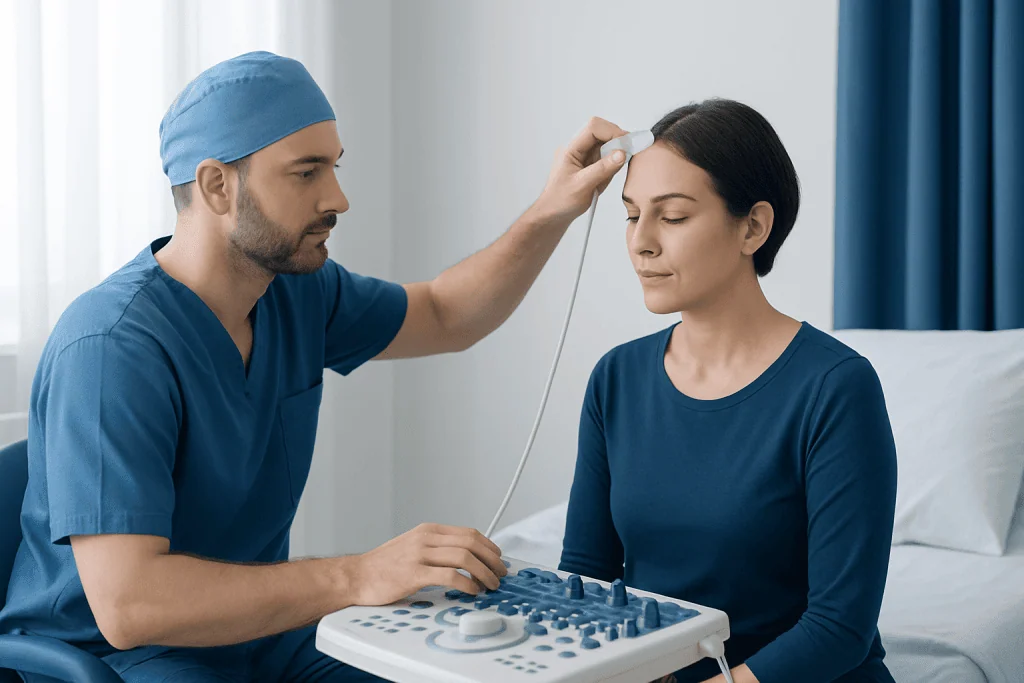
Many people first want to know when they will see new hair. After temporary shedding, visible regrowth often starts within 3 to 6 months. Early regrowth may look like short, fine, soft hairs along the hairline or part. It can then take several more months for density to improve enough to be clearly noticeable.
After a high fever, surgery, major stress, rapid weight loss, childbirth, or certain medications, the common pattern is diffuse shedding called telogen effluvium. In this situation, shedding often begins 2 to 3 months after the trigger and may continue for a few months before settling. Full cosmetic recovery may take 6 to 12 months, depending on hair length and baseline density.
After chemotherapy, regrowth often starts once treatment ends, but the exact pace varies by drug type, treatment duration, and the individual. New hair may initially grow back with a different texture or color. After inflammatory or autoimmune causes, such as alopecia areata, regrowth can be less predictable and may require medical treatment to encourage recovery.
- Temporary shedding: often improves within months
- Illness-related diffuse shedding: usually noticeable regrowth by 3 to 6 months
- Chemotherapy-related loss: often restarts after treatment ends
- Scarring hair loss: may need urgent specialist care because follicles can be permanently damaged
What Affects How Fast Hair Grows

Hair growth speed is influenced by both internal and external factors. Genetics plays a major role, which is why some people naturally grow longer hair faster than others. Hormonal changes, thyroid disorders, iron deficiency, low protein intake, and low levels of certain vitamins or minerals can also slow recovery.
The health of the scalp matters as much as the follicle itself. Inflammation, scaling, itching, or chronic skin disease can interfere with healthy growth. Conditions such as seborrheic dermatitis or scalp involvement from psoriasis may worsen shedding or make regrowth less comfortable if they are not managed properly.
Hair care habits can affect the appearance of regrowth as well. Heat styling, chemical processing, tight hairstyles, and frequent bleaching do not usually change the follicle’s growth rate, but they can increase breakage. This can make hair seem as if it is not growing, when in fact it is growing but breaking before length is retained.
Common Causes of Delayed or Reduced Regrowth
When hair does not seem to come back as expected, the reason may be ongoing triggers rather than permanent loss. Persistent stress, poorly controlled medical conditions, crash dieting, eating disorders, and continuing use of a medication that contributed to shedding can all prolong the process. If the trigger remains, the body may keep pushing follicles into the shedding phase.
Some causes of hair loss affect the follicle more directly. Autoimmune conditions, fungal infection of the scalp, chronic inflammatory scalp disorders, and traction from tight hairstyles can lead to more significant thinning. In scarring alopecias, inflammation can permanently damage follicles, so prompt diagnosis is important.
Pattern hair loss can also become more noticeable after a shedding episode. In these cases, temporary hair loss may uncover underlying androgenetic alopecia that was already developing. This may lead a doctor to discuss medical therapies or longer-term restoration strategies, including non-surgical hair restoration approaches tailored to the cause.
How Doctors Diagnose Slow Hair Regrowth
Diagnosis starts with a careful history. A dermatologist will ask when the shedding started, whether there was a recent illness or major life event, what medications are being taken, and whether there are symptoms such as itching, pain, scaling, or patchy loss. The pattern of hair loss often gives important clues about the underlying cause.
A scalp and hair examination may include a pull test, dermoscopy, and photographs to monitor progress over time. Blood tests are sometimes used to look for contributing factors such as iron deficiency, thyroid disease, vitamin deficiencies, hormone imbalance, or signs of autoimmune illness. If scarring hair loss is suspected, a scalp biopsy may be recommended.
This evaluation helps distinguish temporary shedding from conditions that need prompt treatment. It also helps set realistic expectations. Even when the cause is found and addressed, the hair cycle takes time to recover, so improvement usually appears gradually rather than all at once.
Treatment Options to Support Regrowth
Treatment depends on the cause. For temporary shedding, the main approach is to identify and correct the trigger while supporting overall health. This may include managing stress, treating anemia or thyroid disease, improving protein and iron intake, adjusting medications when medically appropriate, and using gentle scalp care. Patience is important because follicles need time to re-enter the growth phase.
For inflammatory or autoimmune causes, doctors may prescribe topical, injected, or oral treatments depending on the diagnosis. If there is ongoing scalp disease, controlling inflammation can improve the environment for regrowth. Some patients may also benefit from supportive options such as laser hair therapy or other medically supervised therapies, although suitability varies.
When thinning becomes long-term or follicles no longer produce enough healthy hair, restorative procedures may be discussed. For selected patients with stable hair loss patterns, options such as FUE hair transplant or DHI hair transplant may help improve density. These are usually considered after a proper diagnosis, not during active unexplained shedding.
Self-Care, Prevention, and Daily Expectations
Healthy regrowth is supported by consistent daily habits. A balanced diet with enough protein, iron, zinc, and other nutrients is important because hair is not essential to immediate survival, so the body may reduce hair growth during times of deficiency or physical strain. Good sleep, stress management, and control of chronic medical conditions also help support the hair cycle.
Gentle hair care can reduce breakage while new hairs are fragile. Many people notice short “baby hairs” first, and these can break easily if exposed to excessive heat, harsh brushing, or tight hairstyles. Mild shampooing, scalp care, and limiting chemical treatments can help preserve what is growing in.
It also helps to set realistic expectations. Hair often returns before it looks full again, especially if it is long. Someone with shoulder-length or longer hair may need many months before regrowth blends into the existing style. Near the end of the care journey, some people seek specialist advice about medical or procedural options. Acibadem International’s multidisciplinary specialists in JCI-accredited hospitals diagnose and treat hair loss conditions for international patients.
When to See a Doctor
Medical advice is recommended if hair loss is sudden, patchy, painful, or associated with redness, scaling, or scarring. A doctor should also be consulted if shedding continues for more than a few months, if there are signs of nutritional deficiency, or if hair loss begins after starting a new medicine. Children, pregnant patients, and people with autoimmune disease may need earlier assessment.
Urgent evaluation is especially important when the scalp looks inflamed or shiny, when eyebrows or eyelashes are also falling out, or when the hair loss is accompanied by other symptoms such as fatigue, unintentional weight change, heavy menstrual bleeding, or signs of hormonal imbalance. These clues may point to a treatable medical cause.
Early evaluation can prevent unnecessary worry and may improve outcomes, particularly in conditions where follicles are at risk. A dermatologist can explain whether the loss is likely temporary, what timeline to expect, and which treatments are most appropriate for the individual situation.
Frequently asked questions
How fast does hair grow after shedding?
Scalp hair usually grows about 1 centimeter per month on average. After a shedding episode, visible regrowth often starts within 3 to 6 months, but fuller cosmetic recovery can take longer depending on hair length and the cause of loss.
Will hair always grow back after illness?
Hair often grows back after temporary illness-related shedding, especially when the follicles are not permanently damaged. Recovery may be slower after severe illness, nutritional problems, or inflammatory scalp disease, so medical review can be helpful if progress is delayed.
Why is my hair shedding now if I was sick months ago?
This pattern is common because many stress-related hair losses occur after a delay. In telogen effluvium, follicles move into the resting phase after a trigger, and shedding often becomes noticeable 2 to 3 months later.
Can hair grow back differently after treatment?
Yes. New hair may initially look finer, curlier, straighter, darker, or lighter than before, especially after chemotherapy or major illness. In many people, the texture gradually becomes more similar to the previous pattern over time.
What can help hair regrow faster?
The safest approach is to address the underlying cause and support overall health. Good nutrition, treatment of iron or thyroid problems, scalp disease control, gentle hair care, and following a dermatologist's advice can all help create the best conditions for regrowth.
When should someone worry about slow hair regrowth?
A person should seek medical advice if hair loss is patchy, painful, scar-forming, or linked to scalp redness or scaling. It is also wise to see a doctor if shedding lasts longer than a few months or if there are other symptoms such as fatigue, weight change, or menstrual changes.
References
- American Academy of Dermatology
- National Health Service
- Mayo Clinic
- MedlinePlus
- British Association of Dermatologists
This article is for general information only and is not a substitute for professional medical advice. Please consult a qualified doctor about your individual situation.
Hair transplant in Turkey — costs, graft counts & a free assessment
JCI-accredited · board-certified surgeons · reply within 24h
Add us as a Preferred Source to see more of our trusted health content across Google Search, AI Overviews and Discover.
Check your numbers in seconds
BMI, calories, due date, blood pressure and 30+ more clinical calculators — free, instant, doctor-reviewed ranges.

Related Treatments
Related Conditions
More from the Health Library


Related Specialists
Prof. Dr. Sedef Şahin
Dermatology
Prof. Dr. Şükrü Yazar
Aesthetic Plastic & Reconstructive Surgery
Prof. Dr. Emel Öztürk Durmaz
Dermatology
Prof. Dr. Özlem Dicle
Dermatology