

Bladder Cancer Treatment
Bladder cancer care includes accurate staging and individualized treatment such as endoscopic tumor removal, intravesical therapy, surgery, chemotherapy, immunotherapy or radiotherapy to control disease and preserve quality of life.
Quick answer
Bladder cancer is treated according to how deeply it has grown and whether it has spread, using options such as endoscopic tumor removal, intravesical therapy, surgery, chemotherapy, immunotherapy, or radiotherapy. At Acibadem in Turkey, care begins with accurate diagnosis and staging so specialists can tailor treatment to control the disease while aiming to preserve bladder function and quality of life.
Bladder Cancer Care: Making the Right Treatment Decision With Confidence
A diagnosis of bladder cancer often arrives with urgent questions. Has the cancer spread? Will I need surgery? Can my bladder be preserved? What will treatment mean for daily life, work, travel, sexual health and long-term follow-up? For many patients, especially those considering care in another country, the decision is not only medical. It is also practical and emotional.
Bladder cancer is a disease in which abnormal cells grow in the lining or deeper layers of the bladder. It can behave very differently from one person to another. Some tumors remain on the inner surface of the bladder and can be treated with endoscopic procedures and medications placed directly into the bladder. Others grow into the bladder muscle or spread beyond the bladder, requiring a more comprehensive plan that may include surgery, chemotherapy, immunotherapy, radiotherapy or a combination of treatments.
The most important first step is accurate staging. This means determining exactly where the cancer is, how deeply it has grown, whether it has reached lymph nodes or other organs, and what biological features may influence treatment. A carefully staged bladder cancer can be treated more precisely. In some cases, the goal is to remove the tumor while preserving the bladder. In others, the safest approach is to remove the bladder and reconstruct a new way for urine to leave the body. For advanced disease, systemic therapies can help control cancer, relieve symptoms and support quality of life.
At Acibadem, bladder cancer care is planned through a coordinated approach that brings together urologists, medical oncologists, radiation oncologists, radiologists, pathologists, nuclear medicine physicians, specialized nurses and international patient teams when needed. The aim is to match the treatment plan to the cancer stage, the patient’s health, personal priorities and long-term needs.
What Bladder Cancer Treatment Is
Bladder cancer treatment is not one single procedure. It is a structured pathway that begins with diagnosis and staging, then uses the most appropriate local and systemic treatments to control disease. Local treatments act directly on the bladder or nearby tissues. These may include endoscopic tumor removal, intravesical therapy, partial or radical bladder surgery and radiotherapy. Systemic treatments travel through the bloodstream and may include chemotherapy, immunotherapy, targeted therapy in selected cases or treatment combinations.
For early bladder cancer, treatment often starts with a procedure called transurethral resection of bladder tumor, commonly known as TURBT. During this operation, the surgeon passes a thin instrument through the urethra into the bladder to remove visible tumors and obtain tissue for pathology. This is both a treatment and a staging procedure. The pathology report shows the tumor type, grade and depth of invasion, which are essential for deciding the next step.
For non-muscle-invasive bladder cancer, medications may be placed directly into the bladder after tumor removal. This is called intravesical therapy. It can reduce the risk of recurrence and, for some higher-risk tumors, reduce the risk of progression. Treatment may involve chemotherapy drugs or immune-based therapy delivered through a catheter into the bladder.
For muscle-invasive bladder cancer, treatment usually requires a broader strategy. Many patients are evaluated for chemotherapy before surgery, followed by radical cystectomy, which removes the bladder and nearby lymph nodes. In men, this may also include the prostate and seminal vesicles. In women, the operation may involve the uterus, ovaries, part of the vaginal wall or nearby structures depending on tumor extent. In selected patients, bladder-preserving treatment using maximal tumor removal, chemotherapy and radiotherapy may be considered.
For metastatic bladder cancer, where disease has spread to distant organs, treatment focuses on systemic therapy. Chemotherapy, immunotherapy and other medicines may be used to slow disease progression, manage symptoms and maintain function for as long as possible. Supportive care is integrated throughout treatment to help patients manage side effects, nutrition, urinary symptoms, pain, fatigue and emotional stress.
Who May Need Bladder Cancer Treatment
Bladder cancer may be suspected when a person notices blood in the urine. The urine may appear pink, red, tea-colored or visibly bloody. Sometimes blood is found only during a laboratory urine test. Even when bleeding is painless or happens only once, it should be evaluated. Many non-cancer conditions can cause blood in the urine, including stones, infections and prostate enlargement, but bladder cancer must be considered, particularly in adults with risk factors.
Other symptoms may include frequent urination, urgency, burning during urination, difficulty passing urine, pelvic discomfort or repeated urinary symptoms that do not improve as expected. In more advanced cases, patients may experience flank pain, bone pain, weight loss, anemia, swelling in the legs or general weakness. These symptoms do not always mean cancer is advanced, but they require timely assessment.
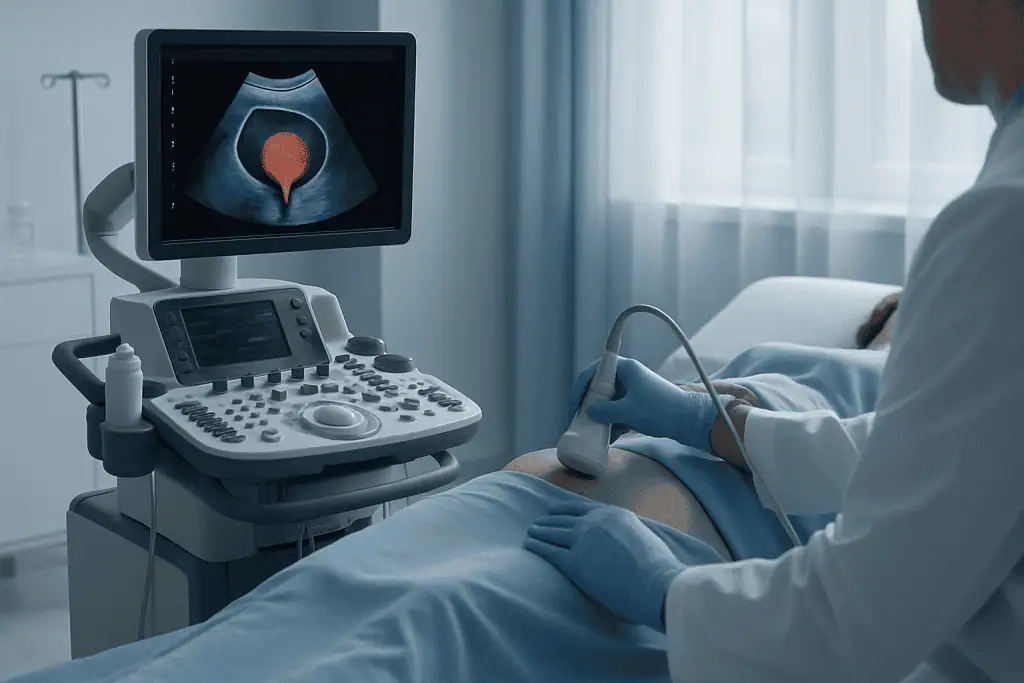
Diagnosis usually begins with a medical history, physical examination, urine testing and imaging. A urine cytology test may look for abnormal cancer cells shed into the urine. Ultrasound, CT urography or MRI may be used to examine the kidneys, ureters, bladder and surrounding organs. The definitive examination is cystoscopy, in which a thin camera is inserted through the urethra to directly inspect the inside of the bladder.
If a suspicious area is seen, the next step is usually TURBT. This allows the surgeon to remove the tumor and send tissue to pathology. The pathologist determines whether the tumor is low grade or high grade, whether it has invaded the lamina propria or muscle layer, and whether aggressive features are present. Additional imaging, such as CT scans of the chest, abdomen and pelvis, MRI or PET-based imaging in selected cases, may be used to assess lymph nodes and distant organs.
Patients may need bladder cancer treatment in several situations: a new diagnosis after visible blood in the urine, recurrent bladder tumors after previous treatment, high-grade disease that carries a higher risk of progression, muscle-invasive cancer, cancer that has returned after surgery or intravesical therapy, or metastatic disease requiring systemic treatment. Some patients also seek a second opinion to confirm staging and understand whether bladder preservation, robotic surgery, open surgery, clinical pathways or combined treatment may be appropriate.
Conditions and Indications Addressed by Bladder Cancer Care
Bladder cancer care addresses a spectrum of disease. The treatment strategy depends primarily on stage and grade, but also on tumor size, number of tumors, prior recurrences, carcinoma in situ, lymphovascular invasion, kidney function, age, general health and patient preference.
Non-muscle-invasive bladder cancer includes tumors limited to the inner lining of the bladder or the tissue just beneath it. These cancers are often managed with TURBT and risk-adapted intravesical therapy. Some low-risk tumors may need only removal and surveillance, while higher-risk disease may require repeated intravesical treatment and close cystoscopic monitoring.
Carcinoma in situ is a flat, high-grade cancer on the bladder lining. It can be difficult to see and may be more aggressive than its appearance suggests. It often requires immune-based intravesical therapy and careful follow-up. If it does not respond, surgery may be considered.
Muscle-invasive bladder cancer means the tumor has grown into the muscular wall of the bladder. This stage carries a higher risk of spread and is usually treated with more intensive therapy. Options may include chemotherapy followed by radical cystectomy, bladder-preserving trimodality therapy in selected patients, or systemic therapy when surgery is not appropriate.
Locally advanced bladder cancer may involve tissues around the bladder, nearby organs or regional lymph nodes. Treatment is individualized and often discussed in a multidisciplinary tumor board. A combination of systemic therapy, surgery and radiotherapy may be considered depending on extent of disease and treatment response.
Metastatic bladder cancer occurs when cancer has spread to distant lymph nodes, lungs, liver, bones or other organs. The main treatment is systemic therapy, often guided by patient fitness, kidney function, prior treatment and tumor biology. Palliative radiotherapy, pain management, urinary drainage procedures and supportive treatments may also be used to improve comfort and function.
Bladder cancer care may also address complications caused by the tumor, such as urinary blockage, bleeding, recurrent infections, hydronephrosis, anemia or pain. Treating these issues promptly can improve safety and help patients remain eligible for cancer-directed therapy.
How Bladder Cancer Treatment Is Performed
Preparation and Staging Before Treatment
Before treatment begins, the medical team confirms the diagnosis and stage as accurately as possible. This may include review of previous pathology slides, repeat cystoscopy, imaging studies, blood tests, kidney function tests and assessment of overall health. For international patients, medical records, imaging files and pathology reports are often reviewed before travel when available. This helps determine whether additional tests should be scheduled soon after arrival.
The preparation process also includes a discussion of goals. Some patients prioritize bladder preservation if oncologically safe. Others need the most definitive local treatment. Patients who may require radical cystectomy are counseled about urinary diversion options, recovery expectations, sexual and reproductive considerations, physical conditioning, nutrition and medication management. If chemotherapy is planned, the team evaluates kidney function, hearing, nerve symptoms, heart health and performance status to choose the safest regimen.
Endoscopic Tumor Removal
For most patients with a visible bladder tumor, TURBT is the first operative step. It is performed under anesthesia through the natural urinary passage, without an external incision. The surgeon uses a cystoscope and specialized instruments to remove or sample the tumor, treat bleeding areas and examine the bladder. In some cases, enhanced visualization techniques or special imaging methods are used to help identify lesions that may be difficult to see under standard white light.
A catheter may be placed temporarily after the procedure to drain urine and allow the bladder to rest. Some patients receive a single dose of intravesical chemotherapy shortly after TURBT if appropriate. The pathology results guide the next decision. If the tumor is high grade or appears to approach the muscle layer, a second TURBT may be recommended to ensure complete removal and accurate staging.
Intravesical Therapy
Intravesical therapy delivers medication directly into the bladder through a catheter. The medication remains in the bladder for a prescribed period before being emptied. Because it acts locally, it can treat cancer cells on the bladder lining while limiting some whole-body side effects. Treatment schedules vary. Some patients receive an induction course over several weeks, followed by maintenance therapy depending on risk category and response.
During this treatment, patients may experience urinary frequency, burning, mild bleeding, bladder discomfort or flu-like symptoms, depending on the medication used. The care team provides instructions about hydration, bathroom precautions, symptom monitoring and when to seek medical advice. Regular cystoscopy remains essential because non-muscle-invasive bladder cancer can recur even after successful initial treatment.
Surgery for Muscle-Invasive or High-Risk Disease
Radical cystectomy is a major operation that removes the bladder and regional lymph nodes. It may be performed with open, laparoscopic or robotic-assisted techniques, depending on the patient’s anatomy, disease extent and surgeon recommendation. The purpose is to remove the primary cancer and assess lymph nodes while creating a new urinary pathway.
Urinary diversion is planned carefully before surgery. An ileal conduit uses a short segment of intestine to direct urine to a small opening on the abdomen, where it is collected in an external pouch. A continent diversion may allow urine storage internally with catheter drainage through a small abdominal opening. In selected patients, a neobladder can be created from intestine and connected to the urethra, allowing urination through the natural passage. Each option has benefits, limitations and lifestyle considerations. The best choice depends on cancer location, kidney function, bowel health, age, dexterity, patient preference and surgical suitability.
Partial cystectomy, which removes only part of the bladder, may be appropriate for a small group of carefully selected patients with a single tumor in a favorable location and no widespread carcinoma in situ. It is not suitable for many bladder cancers, but when appropriate, it can preserve bladder function while treating localized disease.
Chemotherapy, Immunotherapy and Radiotherapy
Chemotherapy may be given before cystectomy to treat microscopic cancer cells early and improve the chance of disease control in eligible patients. It may also be used after surgery in selected cases or as a primary treatment for metastatic disease. Modern anti-nausea medications, hydration protocols and blood monitoring help reduce and manage side effects.
Immunotherapy helps the immune system recognize and attack cancer cells. It is used in certain advanced or metastatic bladder cancers, in some patients who cannot receive specific chemotherapy, and in selected high-risk non-muscle-invasive cases depending on regulatory approvals and clinical indications. Some patients may also be evaluated for tumor testing that identifies molecular features relevant to targeted medicines.
Radiotherapy uses precisely planned radiation beams to treat cancer in the bladder or areas of spread. In bladder-preserving therapy, radiotherapy is often combined with chemotherapy after maximal TURBT. Radiation may also be used to control bleeding, pain or symptoms from metastatic lesions. Planning images are used to shape treatment fields and reduce exposure to nearby organs as much as possible.
Typical Duration and Recovery Process
The length of treatment varies widely. TURBT is often a short hospital-based procedure, and many patients return home within a short period depending on anesthesia, bleeding and catheter needs. Intravesical therapy extends over weeks or months. Chemotherapy is delivered in cycles, with rest periods between treatments. Radiotherapy may require daily sessions over several weeks. Radical cystectomy requires hospitalization and a longer recovery, with gradual return to normal activities over several weeks to months.
Recovery is not only physical. Patients may need time to adapt to urinary changes, learn stoma care, regain strength, manage fatigue, adjust nutrition and process the emotional impact of cancer. Specialized nurses, rehabilitation guidance, diet support and clear discharge planning are important parts of care, particularly for international patients who will continue follow-up at home after returning to their country.
Why Acting Early Matters
Bladder cancer can be unpredictable. Some tumors remain superficial for years, while others progress more quickly. Early evaluation of blood in the urine is important because treatment is often more effective and less extensive when cancer is found before it invades the muscle layer or spreads beyond the bladder.
Delaying evaluation can allow a tumor to grow deeper into the bladder wall. Once cancer becomes muscle-invasive, treatment usually becomes more complex and may involve major surgery, chemotherapy or radiotherapy. If cancer spreads to lymph nodes or distant organs, the goal of treatment may shift from local control to long-term disease management.
Delay can also lead to complications such as persistent bleeding, anemia, urinary obstruction, kidney swelling, infection or pain. These problems may weaken the patient and make it harder to tolerate definitive treatment. In some cases, a delay in staging can lead to under-treatment, while inadequate initial tumor removal may obscure the true stage of disease.
Timely care does not mean rushing into treatment without understanding options. It means moving efficiently through diagnosis, staging, expert review and planning. For patients seeking care abroad, this organized pathway is especially important. When records are reviewed in advance and appointments are coordinated, valuable time can be used for decision-making rather than repeated administrative steps.
Benefits of Bladder Cancer Treatment
The potential benefits depend on the stage of disease and the treatment selected, but the goals are to control cancer, preserve function when possible and support quality of life.
| Benefit | What It Means for You |
|---|---|
| Accurate staging | A clear understanding of tumor depth, grade and spread allows the team to recommend treatment that is neither too limited nor unnecessarily aggressive. |
| Bladder preservation when appropriate | Some patients with non-muscle-invasive disease or carefully selected muscle-invasive disease may be treated without removing the bladder. |
| Reduced risk of recurrence | Risk-adapted intravesical therapy and structured surveillance can help lower the chance of new tumors returning in the bladder. |
| Definitive local control | For muscle-invasive or high-risk cancer, surgery or combined therapy can remove or treat the main tumor and involved regional tissues. |
| Management of advanced disease | Systemic therapies can help control cancer that has spread, relieve symptoms and support daily function for many patients. |
| Improved symptom control | Treatment can reduce bleeding, urinary obstruction, pain and other cancer-related complications. |
Recovery Timeline After Bladder Cancer Treatment
Recovery differs by treatment type, but the following timeline gives a general sense of what many patients can expect.
| Time Period | What Patients Can Expect |
|---|---|
| Day 1 | After TURBT, patients may have a catheter, mild burning or blood in the urine. After major surgery, patients are monitored closely for pain control, fluid balance, breathing and early mobilization. |
| First Week | Urinary symptoms usually improve after endoscopic procedures. After cystectomy, patients begin walking, advance diet gradually and learn urinary diversion care with nursing support. |
| First Month | Pathology results guide further treatment. Patients may start intravesical therapy, recover from surgery, attend follow-up visits or prepare for chemotherapy or radiotherapy if indicated. |
| First Three Months | Energy and activity often improve. Surveillance cystoscopy, imaging or blood tests may be scheduled. Patients with urinary diversion continue adapting to new routines. |
| Longer Term | Ongoing follow-up is essential because bladder cancer can recur or progress. The plan may include cystoscopy, imaging, urine tests, kidney monitoring and support for sexual, urinary and lifestyle changes. |
Factors That Influence Outcomes and a Good Result
Several factors affect bladder cancer outcomes. Stage is one of the most important. Tumors limited to the bladder lining are generally managed differently from cancers that invade muscle or spread to lymph nodes. Grade also matters. High-grade tumors are more likely to recur or progress than low-grade tumors and usually require closer monitoring and additional therapy.
The completeness and quality of the initial TURBT can strongly influence decision-making. A specimen that includes adequate muscle tissue allows more reliable staging. If muscle is absent from the sample in a high-risk setting, a repeat procedure may be needed. Pathology review by experienced genitourinary pathologists can also help clarify complex cases, especially when treatment decisions involve bladder preservation versus cystectomy.
Patient health plays a major role. Kidney function may determine whether certain chemotherapy regimens are appropriate. Heart disease, lung disease, diabetes, frailty, nutritional status, smoking history and prior pelvic radiation can influence surgical risk and recovery. For major surgery, prehabilitation, smoking cessation, anemia correction and nutrition optimization may help patients tolerate treatment more safely.
Tumor biology is increasingly important. Some cancers respond better to chemotherapy or immunotherapy than others. Molecular testing may be useful in selected advanced cases to identify treatment options. Imaging quality and correct interpretation are also essential, because small lymph nodes or subtle metastatic lesions can change the plan.
Follow-up adherence is another key factor. Non-muscle-invasive bladder cancer requires structured surveillance because recurrences are common. Missing cystoscopy appointments or delaying evaluation of new bleeding can allow disease to progress. After cystectomy, patients need monitoring for kidney function, vitamin levels, metabolic changes, stoma or neobladder issues and possible recurrence. For metastatic disease, regular assessment helps determine whether treatment is working and when a change is needed.
A good result is not defined only by the absence of visible cancer. It also includes safe recovery, preserved kidney function, manageable urinary function, sexual health support, control of symptoms, emotional adjustment and a follow-up plan that can continue after the patient returns home. This broader view is especially important for international patients, who need a treatment plan that is medically sound and practical across borders.
Why International Patients Choose Acibadem for Bladder Cancer Care
International patients often come to Acibadem because bladder cancer treatment requires coordinated expertise, timely decision-making and clear communication. The pathway may involve diagnostic imaging, cystoscopy, pathology review, surgery, chemotherapy, immunotherapy, radiotherapy and long-term surveillance. When these services are aligned within one system, patients can move from diagnosis to treatment planning more efficiently.
Acibadem hospitals are JCI-accredited and care is delivered according to internationally recognized medical standards. For bladder cancer, cases may be reviewed by multidisciplinary tumor boards or specialist boards where urologic surgeons, medical oncologists, radiation oncologists, radiologists, pathologists and nuclear medicine physicians discuss staging and treatment options. This is particularly valuable for complex decisions, such as whether a patient is suitable for bladder preservation, whether chemotherapy should be given before surgery, or what approach is appropriate after recurrence.
Modern diagnostic pathways support accurate staging. High-resolution cross-sectional imaging, endoscopic evaluation, advanced pathology techniques and selected nuclear medicine studies can help define the extent of disease. In surgery, minimally invasive and robotic-assisted approaches may be considered when appropriate, while open surgery remains important for certain complex cases. In radiotherapy, computer-based planning and image guidance help target treatment areas while protecting nearby organs. In systemic therapy, treatment selection is based on evidence-based protocols, patient fitness, kidney function and tumor characteristics.
Experienced physicians are central to bladder cancer care because treatment choices can have lifelong consequences. A radical cystectomy, for example, is not only cancer surgery; it changes how urine leaves the body. The discussion must include cancer control, urinary diversion, body image, sexual function, work, travel, physical activity and long-term care. Similarly, choosing bladder preservation requires careful selection, excellent tumor removal, coordinated chemotherapy and radiation planning, and rigorous follow-up.
For patients traveling from the United States, Europe, the Middle East, Africa or other regions, the international patient experience matters. Acibadem International provides support in more than 20 languages, helping with appointment coordination, medical record transfer, interpretation, travel-related planning and communication between departments. Patients can often share previous imaging and reports before arrival, allowing the medical team to review the case and advise what additional evaluation may be needed.
Personalized treatment planning is especially important in bladder cancer. A younger patient with localized muscle-invasive disease may have different goals and treatment tolerance than an older patient with kidney impairment or multiple health conditions. A patient with recurrent non-muscle-invasive disease after several intravesical treatments may need a different strategy from someone newly diagnosed with a low-risk tumor. Care decisions are made by balancing medical evidence with patient values, not by applying the same pathway to every diagnosis.
Acibadem’s approach is designed to help international patients understand their options clearly. Patients can request consultation or a second opinion to confirm diagnosis, review staging, compare treatment alternatives and understand recovery. This can be valuable before committing to major surgery, starting systemic therapy or deciding between bladder-preserving and bladder-removing approaches.
Moving Forward With Bladder Cancer Care
Bladder cancer treatment is most effective when it is based on precise staging, expert interpretation and a plan tailored to the individual patient. Whether the next step is endoscopic tumor removal, intravesical therapy, surgery, chemotherapy, immunotherapy, radiotherapy or a combined approach, the goal is to treat the cancer while protecting function and quality of life as much as possible.
If you have been diagnosed with bladder cancer, have blood in the urine, have experienced recurrence after previous treatment or want a second opinion before making a major decision, a specialist review can help clarify the safest path forward. Bringing together your medical history, pathology reports, imaging studies and current symptoms allows the care team to assess the disease comprehensively and explain realistic treatment options.
Acibadem offers coordinated bladder cancer evaluation and treatment for international patients, supported by multidisciplinary expertise, advanced diagnostic and treatment technologies, evidence-based protocols and dedicated international patient services. To learn more, you may request a consultation or second opinion and share your available medical records for review.
This information is general and is not a substitute for professional medical advice. Diagnosis and treatment decisions should always be made with a qualified physician who can evaluate your individual medical condition.
Our Specialists Explain
 Life After Bladder Cancer | Miroslav’s Story at Acibadem
Preparation
- Preparation begins with urology and oncology evaluation, imaging, cystoscopy, biopsy review and laboratory tests to determine the stage and grade of the tumor. Patients may need medication adjustments, smoking cessation support and anesthesia assessment if surgery is planned. A personalized treatment plan is created according to cancer stage, overall health and bladder preservation options.
Aftercare
- Follow-up usually includes scheduled cystoscopy, urine tests, imaging and oncology visits to monitor response and detect recurrence early. Patients should report blood in urine, fever, pain, urinary difficulty or new symptoms promptly. Recovery guidance may include catheter care, hydration, activity limits, nutrition support and rehabilitation when major surgery is performed.
Turkey vs UK, Germany & USA
Bladder cancer costs vary widely because care depends on the tumor type, stage, grade, and the treatments needed over time. Comparing countries can help patients understand differences in hospital pathways, waiting times, package scope, and travel logistics.
For international patients, the overall experience and cost of bladder cancer care are influenced by diagnostic workup, treatment complexity, hospital accreditation, specialist expertise, and whether follow-up can be coordinated after returning home.
| Factor | Turkey | UK | Germany | USA |
|---|---|---|---|---|
| Price drivers | Often package-based for international patients; cost depends on cystoscopy, pathology, imaging, surgery, medicines, hospital stay, and follow-up needs. | Private care cost is influenced by consultant fees, hospital charges, diagnostics, surgery, medicines, and possible waiting-list alternatives. | Costs vary by hospital category, specialist center, diagnostics, surgery type, drug protocols, and inpatient care. | Costs are highly dependent on hospital billing, physician fees, insurance status, drug therapy, imaging, and length of care. |
| Hospital and surgeon factors | International departments may coordinate urologic oncology, medical oncology, radiation oncology, pathology, and travel arrangements in a single pathway. | Care is usually consultant-led in private hospitals or specialist cancer centers; coordination may vary by provider. | Care is commonly delivered through structured specialist departments with strong diagnostic and surgical pathways. | Care may involve multiple providers and facilities; specialist expertise and hospital network can strongly influence access and billing. |
| Accreditation and quality | Some hospitals, including Acibadem facilities, hold international accreditations such as JCI, with established safety and quality processes. | Quality oversight is based on national regulation and hospital-level governance; private and public pathways differ. | Hospitals follow national quality systems and may have cancer-center certifications depending on the facility. | Quality systems vary by hospital and network; major cancer centers may have extensive accreditation and subspecialty programs. |
| Typical waiting times | International patient pathways may allow faster scheduling for evaluation, imaging, endoscopic procedures, or treatment planning, depending on clinical urgency and availability. | Public pathways may involve waits; private pathways may offer quicker access depending on consultant and facility availability. | Access is generally structured, but timing depends on referral route, hospital capacity, and required diagnostics. | Access can be rapid in private settings, but scheduling and approvals may depend on insurance, provider networks, and facility availability. |
| Travel and language logistics | Commonly includes international patient coordination, interpreter support, airport or hotel guidance, and translated medical communication when arranged. | Less travel burden for UK residents; international patients may need separate help with accommodation, records, and payment arrangements. | International patients may need language support and help navigating appointments, documentation, and travel planning. | International travel, long-distance domestic travel, insurance administration, and accommodation can add complexity. |
| What a package may include | May include specialist consultation, diagnostic planning, selected tests, procedure or surgery, hospital stay, standard medicines during admission, and care coordination; inclusions should be confirmed in writing. | Private quotes may separate consultant, hospital, pathology, imaging, anesthesia, and follow-up charges. | Quotes may be itemized by diagnostics, inpatient stay, procedure, pathology, medicines, and physician services. | Billing is often itemized and may involve separate hospital, physician, anesthesia, pathology, imaging, and pharmacy charges. |
What affects your final cost
- Tumor stage, grade, location, and whether disease is non-muscle-invasive, muscle-invasive, or metastatic.
- Diagnostic needs such as cystoscopy, biopsy, pathology review, imaging, laboratory tests, and molecular testing when appropriate.
- Treatment plan, including endoscopic tumor removal, intravesical therapy, surgery, chemotherapy, immunotherapy, radiotherapy, or combined treatment.
- Type of surgery, anesthesia needs, hospital stay, intensive care requirements, and urinary reconstruction or diversion if needed.
- Medication protocols, number of treatment visits, management of side effects, and follow-up schedule.
- Travel, accommodation, interpreter services, medical report translation, and coordination after returning home.
Compare your options
Bladder cancer treatment is individualized according to pathology, stage, grade, overall health, kidney function, and patient priorities. Suitability for any option is decided by a specialist after full evaluation.
| Option | What it is | Typical use | Key considerations |
|---|---|---|---|
| Endoscopic tumor removal | Removal or sampling of visible bladder tumors through the urethra using a cystoscope. | Commonly used for diagnosis, staging, and treatment of many early bladder tumors. | Pathology results guide next steps; repeat evaluation or additional therapy may be needed depending on risk. |
| Intravesical therapy | Medication placed directly into the bladder, such as immune-based or chemotherapy agents. | Often used after endoscopic removal for selected non-muscle-invasive tumors to reduce recurrence or progression risk. | Requires scheduled bladder instillations and monitoring; suitability depends on tumor risk, bladder condition, and tolerance. |
| Radical cystectomy and urinary diversion | Surgical removal of the bladder with creation of a new way for urine to leave the body. | May be recommended for muscle-invasive cancer or selected high-risk non-muscle-invasive disease. | Major surgery requiring careful assessment, recovery planning, stoma or reconstruction education, and long-term follow-up. |
| Systemic drug therapy | Treatments that work throughout the body, including chemotherapy, immunotherapy, and selected targeted medicines. | May be used before or after surgery, for advanced disease, or when surgery is not suitable. | Choice depends on cancer characteristics, kidney function, general health, prior treatment, and biomarker results where relevant. |
| Radiotherapy-based treatment | High-energy radiation directed at the bladder, sometimes combined with chemotherapy. | May be considered for bladder-preserving treatment in selected patients or for symptom control in advanced disease. | Requires planning scans, multiple treatment sessions, and coordination with urology and medical oncology. |
| Surveillance and follow-up | Regular monitoring with cystoscopy, imaging, urine tests, and clinical review as appropriate. | Used after treatment to detect recurrence, monitor response, and manage long-term effects. | Follow-up intensity depends on risk category, previous treatments, symptoms, and specialist recommendations. |
Trusted care for international patients
General information only — not medical or financial advice. Final costs depend on the factors above and your individual case; request a free, personalised quote.
Doctors Performing This Treatment

Prof. Dr. Abdullah Büyükçelik
Medical Oncology
Prof. Dr. Ahmet Öztürk
Hematology
Prof. Dr. Ali Arican
Medical Oncology
Prof. Dr. Ayşen Timurağaoğlu
Hematology
Prof. Dr. Aziz Yazar
Medical Oncology
Prof. Dr. Başak Oyan Uluç
Medical Oncology
Prof. Dr. Bülent Karabulut
Medical Oncology
Prof. Dr. Bülent Orhan
Medical Oncology
Prof. Dr. Eren Erken
Hematology
Prof. Dr. Ersin Özaslan
Medical Oncology
Prof. Dr. Faysal Dane
Medical Oncology
Prof. Dr. Gökhan Demir
Medical Oncology
Prof. Dr. Gül Başaran
Medical Oncology
Prof. Dr. Gülsan Sucak
Hematology
Prof. Dr. Handan Onur Topuzlu
Medical Oncology
Prof. Dr. Hüseyin Engin
Medical Oncology
Prof. Dr. Meliha Nalçacı
Hematology
Prof. Dr. Mustafa Çetiner
Hematology
Prof. Dr. Okan Kuzhan
Medical Oncology
Prof. Dr. S. Sami Kartı
Hematology
Prof. Dr. Salim Başol Tekin
Hematology
Prof. Dr. Siret Ratip
Hematology
Prof. Dr. Soner Solmaz
Hematology
Prof. Dr. Taner Korkmaz
Medical OncologyMedical Units
Available at These Hospitals












Guides for This Treatment
Diseases This Treats
Frequently Asked Questions
What affects the cost of bladder cancer treatment?
The main factors are the cancer stage and grade, the diagnostic tests required, whether treatment is endoscopic, intravesical, surgical, systemic, radiotherapy-based, or combined, and the expected hospital stay and follow-up plan.
How can I receive a personalised quote from Acibadem?
You can request a free consultation and share your medical reports, pathology results, imaging, cystoscopy notes, and previous treatment details. A specialist team can review the information and prepare a personalised care plan and quotation.
Does the quote usually include all bladder cancer care?
Inclusions vary by treatment plan. A written quote should clarify consultations, tests, pathology, procedure or surgery, hospital stay, medicines used during admission, interpreter support, and follow-up arrangements.
Will I need additional tests before treatment?
Additional tests may be needed to confirm the diagnosis, stage the disease, assess kidney function, or plan surgery, chemotherapy, immunotherapy, or radiotherapy. These requirements can affect the final cost.
Can treatment and follow-up be coordinated for international patients?
Yes. International patient teams can help coordinate appointments, translation, hospital admission, travel-related guidance, and communication with local doctors for follow-up where appropriate.
Is the lowest quote always the best option?
Not necessarily. Patients should compare what is included, the experience of the bladder cancer team, accreditation and safety processes, pathology quality, access to multidisciplinary care, and the follow-up plan. This information is general and not medical or financial advice.