

Best Hair Transplant in Turkey: How to Choose a Clinic

A good clinic should confirm the cause of hair loss before recommending surgery. Surgeon experience, clinic licensing, hygiene standards, and aftercare matter more than low cost alone.
Key Takeaways
- A good clinic should confirm the cause of hair loss before recommending surgery.
- Surgeon experience, clinic licensing, hygiene standards, and aftercare matter more than low cost alone.
- Patients should ask who performs each step of the procedure and what technique is most suitable for them.
- Natural-looking results depend on careful hairline design, donor area protection, and realistic graft planning.
- Not everyone is a candidate for transplant; some people may need medical treatment or non-surgical options first.
Choosing a hair transplant clinic in Turkey involves more than price. The best choice is a licensed, transparent center with qualified specialists, realistic planning, clear follow-up, and a treatment approach tailored to the patient’s type of hair loss.
Overview: What to Look for in a Hair Transplant Clinic
Turkey is a well-known destination for hair restoration, but the best clinic is not simply the one with the lowest package price or the highest number of online reviews. A careful choice should focus on patient safety, medical assessment, surgeon expertise, natural-looking planning, and organized follow-up. A hair transplant is a medical procedure, so it should be approached with the same care as any other treatment.
The first step is understanding that successful transplantation depends on proper candidate selection. Hair loss can happen for many reasons, including hereditary male or female pattern hair loss, stress-related shedding, scarring conditions, and medical disorders. Some scalp diseases, such as alopecia areata or seborrheic dermatitis, may need treatment before surgery is considered. A reliable clinic should assess these issues rather than offering the same procedure to every patient.
Patients often compare techniques such as FUE hair transplant and DHI hair transplant. These methods can both be effective, but one is not automatically better for everyone. The right approach depends on the pattern of hair loss, the quality of the donor area, hairstyle preferences, and the amount of coverage needed.
Why Proper Evaluation Matters Before Booking
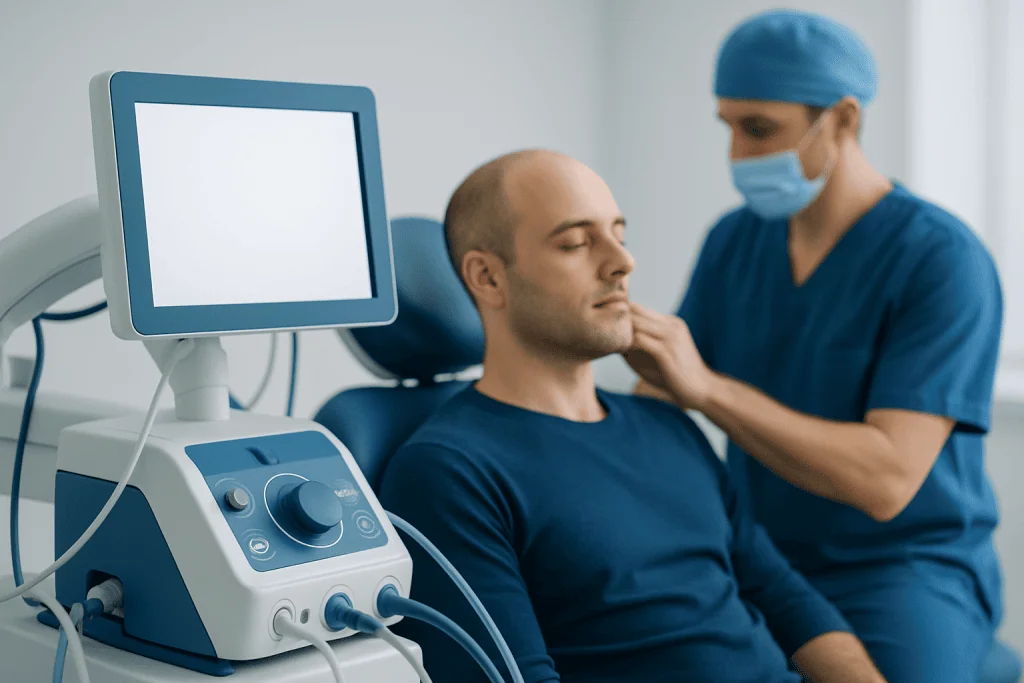
Before choosing a clinic, patients should make sure they receive a full consultation rather than a quick sales conversation. A proper evaluation includes medical history, photographs, scalp examination, review of previous treatments, and discussion of expectations. This helps determine whether a transplant is appropriate now, should be delayed, or should be combined with other therapies.
A thoughtful consultation also explains the limits of surgery. Hair transplants move existing hair follicles from a donor area to thinning or bald areas; they do not create unlimited new hair. This means donor supply is precious. Clinics that promise very high graft numbers without discussing donor preservation may not be planning for long-term results.
Women and men may need different planning. Diffuse thinning, frontal hairline lowering, or eyebrow concerns can require different methods and expectations. In some cases, a clinic may discuss options such as hair transplant for women or non-surgical measures if surgery is not the best first step.
Patients should also share any history of skin sensitivity, scarring, autoimmune conditions, medications, or previous failed procedures. This information can affect healing, graft survival, and the final cosmetic outcome.
Signs of a High-Quality Hair Transplant Clinic
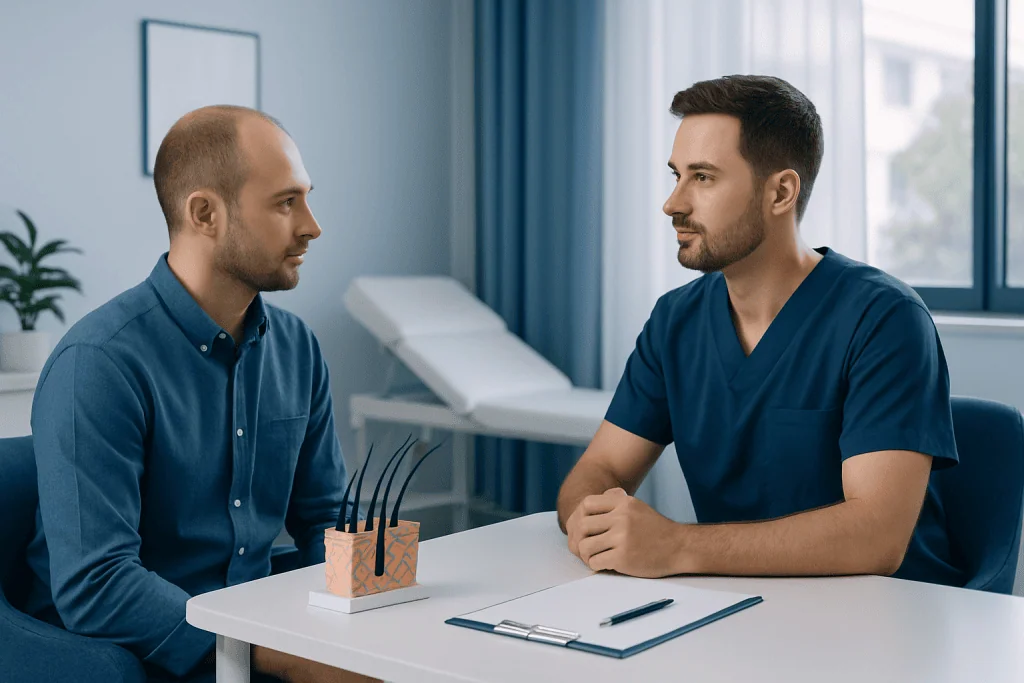
A strong clinic should be licensed, medically supervised, and transparent about who performs each part of the procedure. Patients should know whether the doctor handles the consultation, hairline design, extraction planning, channel opening or implantation, and post-procedure review. Clarity is important because results depend heavily on skilled planning and execution.
Hygiene and safety standards are also essential. A reputable center should use sterile instruments, proper infection-control measures, and clear protocols for pain management and emergency support. Even though hair transplantation is usually minimally invasive, it still involves local anesthesia, skin punctures, and a healing period.
Good clinics are also realistic in their communication. They explain that growth is gradual, that initial shedding of transplanted hairs can occur, and that final results usually take months to mature. They should show consistent before-and-after examples with different hair types and levels of hair loss, not only dramatic cases with ideal lighting.
Another positive sign is access to a range of solutions. Some people may benefit from non-surgical hair restoration or supportive therapies such as laser hair therapy instead of, or in addition to, transplantation. A clinic that offers only one answer for every patient may not be individualizing care.
Questions Patients Should Ask Before Choosing
Patients can make better decisions by preparing practical questions. It is reasonable to ask how many years of experience the surgeon has, what technique is recommended, who performs the key surgical steps, and what kind of follow-up is included after returning home. Clear answers usually reflect an organized and patient-centered service.
It is also helpful to ask how the clinic estimates graft numbers. The plan should be based on scalp examination, donor capacity, hair characteristics, and long-term goals. A careful clinic will explain why a certain number of grafts is appropriate rather than treating graft count as a sales feature.
Important questions include what the expected timeline for healing and growth is, what temporary side effects may occur, and what warning signs require medical attention. Patients should ask about downtime, hair washing instructions, medications that may be prescribed, and whether additional sessions could be needed in the future.
Finally, patients should ask for honest guidance about appearance goals. A natural result usually comes from an age-appropriate hairline, balanced density, and protection of the donor area. Overly aggressive front-line design may look unnatural later, especially if ongoing hair loss continues behind the transplanted area.
Red Flags to Avoid
Some warning signs deserve attention. One of the biggest red flags is a clinic that offers surgery without confirming the cause of hair loss. If the scalp is inflamed, if the hair loss is sudden, or if the diagnosis is unclear, surgery may not be the right first step. Medical treatment may be needed before any transplant planning begins.
Another concern is heavy emphasis on price with little discussion of medical details. Travel packages can be convenient, but they should not replace careful consultation, informed consent, and personalized treatment planning. Patients should be cautious if communication feels rushed, if the doctor is difficult to identify, or if expectations sound too perfect.
Unrealistic promises are another sign to step back. No clinic can guarantee exact density, zero shedding, or identical results for every person. Hair caliber, skin characteristics, age, genetics, donor quality, and aftercare all influence the outcome.
Patients should also be cautious about clinics that recommend repeat procedures too easily, fail to explain scarring risk, or do not discuss repair options if someone has had a poor result elsewhere. In selected cases, specialists may evaluate whether hair transplant repair is appropriate, but this requires careful assessment and realistic expectations.
Understanding Techniques, Recovery, and Results
Modern hair transplantation usually involves moving follicular units from the donor area, often at the back or sides of the scalp, to areas of thinning. Techniques differ in how grafts are extracted and implanted, but the principles of natural design, donor preservation, and gentle handling remain the same. The best method is the one that fits the patient’s anatomy and goals.
Recovery commonly includes mild swelling, small crusts, temporary redness, and a period of shedding before new growth begins. These effects are often expected parts of healing, but patients should still receive written aftercare instructions and know how to contact the clinic with concerns. Follow-up is especially important for international patients traveling home soon after treatment.
Results develop gradually. New growth often appears in stages, and texture or density may continue to improve over time. Patients should understand that a transplant improves coverage by redistributing existing hair, not by restoring the density they had in childhood. This distinction helps create realistic expectations and long-term satisfaction.
Some individuals may ask about newer or supportive options, such as hair cloning and regeneration, but suitability varies and these approaches should be discussed in the context of standard evidence-based care. The clinic should explain clearly what is established treatment, what is supportive therapy, and what outcomes are realistically expected.
Planning for Travel, Aftercare, and Long-Term Hair Health
For international patients, choosing a clinic also means planning the practical side of care. Patients should know how many days they need to stay, when the first hair wash will be done, what activities to avoid, and what support is available after they return home. A clear aftercare pathway can be just as important as the day of surgery itself.
Long-term hair health should be part of the conversation. Transplanted hair may be permanent in many cases, but surrounding native hair can continue to thin over time. Because of this, some patients may benefit from medical treatment, lifestyle support, or periodic review to preserve existing hair and maintain a balanced appearance.
Self-care after a transplant usually includes protecting the scalp from trauma, following washing instructions carefully, avoiding smoking if possible, and discussing when to restart exercise, hats, travel, or hair products. Patients should always follow the specific advice given by their treating doctor, as instructions may vary based on technique and individual healing.
Near the end of the decision process, it helps to choose a center that combines dermatology, plastic or reconstructive expertise when needed, and structured follow-up. Acibadem International’s multidisciplinary specialists in JCI-accredited hospitals diagnose and treat hair loss and perform hair restoration procedures for international patients with individualized planning and aftercare.
When to Seek Medical Advice Instead of Booking Immediately
A person should seek medical advice before booking a transplant if hair loss is sudden, patchy, painful, itchy, or associated with visible scalp redness or scaling. These features can suggest an underlying condition that may need treatment first. Prompt assessment is also important if there is a history of autoimmune disease, significant shedding after illness, or scarring of the scalp.
Medical review is also wise when a person has had a previous hair transplant with disappointing growth, an unnatural hairline, excessive scarring, or continuing donor thinning. Revision planning is often more complex than first-time surgery and should be approached conservatively.
In general, the best time to move forward is after a clear diagnosis, realistic planning, and a full understanding of benefits, limits, recovery, and long-term maintenance. Taking time to choose carefully often leads to a safer experience and a more natural result.
Frequently asked questions
How can someone tell if a hair transplant clinic in Turkey is trustworthy?
A trustworthy clinic is licensed, medically supervised, and transparent about who performs the procedure. It should provide a proper consultation, explain the diagnosis, discuss realistic expectations, and offer clear aftercare. Patients should feel informed rather than pressured.
Is the cheapest hair transplant clinic the best option?
Not necessarily. Lower price can be appealing, but quality, safety, surgeon experience, and follow-up are more important than cost alone. A poorly planned procedure can lead to unnatural results or the need for future repair.
What questions should patients ask before booking a hair transplant?
Patients should ask about the diagnosis, recommended technique, surgeon involvement, estimated graft number, expected recovery, and follow-up plan. It is also useful to ask what results are realistic for their pattern of hair loss and donor supply.
Are all types of hair loss suitable for transplantation?
No. Some forms of hair loss, especially inflammatory or autoimmune scalp conditions, may need medical treatment first. A transplant is most suitable when the diagnosis is clear and there is a stable donor area with enough healthy follicles.
How long does it take to see final hair transplant results?
Hair growth after transplantation is gradual. Many people notice shedding of transplanted hairs first, followed by new growth over the following months. Final maturation usually takes time, so patience is an important part of the process.
What are the common warning signs after a hair transplant?
Mild redness, crusting, and temporary swelling can be expected, but severe pain, spreading redness, pus, fever, or sudden worsening should be reported to a doctor. Patients should always follow the clinic’s aftercare advice and know how to seek help after travel.
References
- American Academy of Dermatology
- International Society of Hair Restoration Surgery
- National Health Service
- British Association of Dermatologists
- Mayo Clinic
This article is for general information only and is not a substitute for professional medical advice. Please consult a qualified doctor about your individual situation.
Hair transplant in Turkey — costs, graft counts & a free assessment
JCI-accredited · board-certified surgeons · reply within 24h
Add us as a Preferred Source to see more of our trusted health content across Google Search, AI Overviews and Discover.

Related Treatments
Related Conditions
More from the Health Library



Related Specialists

Prof. Dr. Sedef Şahin
Dermatology
Prof. Dr. Özlem Dicle
Dermatology
Prof. Dr. Emel Öztürk Durmaz
Dermatology
Assoc. Prof. Dr. Yasemin Koyuncu
Dermatology