Why Do People Go to Turkey for Hair Transplants?

Turkey is a popular destination for hair transplantation because many centers focus heavily on this field and care for international patients. Common methods include FUE and DHI, but the right technique depends on a person’s hair loss pattern, donor area, and goals.
Key Takeaways
- Turkey is a popular destination for hair transplantation because many centers focus heavily on this field and care for international patients.
- Common methods include FUE and DHI, but the right technique depends on a person’s hair loss pattern, donor area, and goals.
- A lower price alone should not guide the decision; surgeon credentials, hygiene standards, planning, and follow-up are essential.
- Not every type of hair loss is suitable for transplantation, especially active inflammatory or autoimmune scalp conditions.
- Good outcomes rely on realistic expectations, careful aftercare, and a personalized treatment plan.
Many people choose hair transplants in Turkey because the country is well known for experienced teams, widely offered modern techniques, and streamlined care for international patients. The best results depend not only on destination, but also on careful evaluation, realistic expectations, and choosing a qualified medical team.
Overview
Hair transplantation is a procedure that moves healthy hair follicles, usually from the back or sides of the scalp, to areas with thinning or baldness. People considering treatment often compare clinics in different countries, and Turkey has become one of the most recognized destinations for this procedure. Interest is driven by a combination of medical expertise, broad availability of techniques, and systems designed to support patients traveling from abroad.
When people ask why others go to Turkey for hair transplants, the answer is usually not just one factor. Many are looking for a clinic that performs hair restoration regularly, offers a detailed assessment, and can organize the process from consultation through recovery. Turkey is especially known for options such as FUE hair transplant and DHI hair transplant, which are commonly discussed by patients exploring modern methods.
Even so, destination should never be the only reason to proceed. A hair transplant is still a medical procedure, and the quality of the evaluation, the skill of the team, and the appropriateness of the plan are more important than travel trends. A careful, informed decision helps improve both safety and satisfaction.
Why Turkey Is a Popular Choice
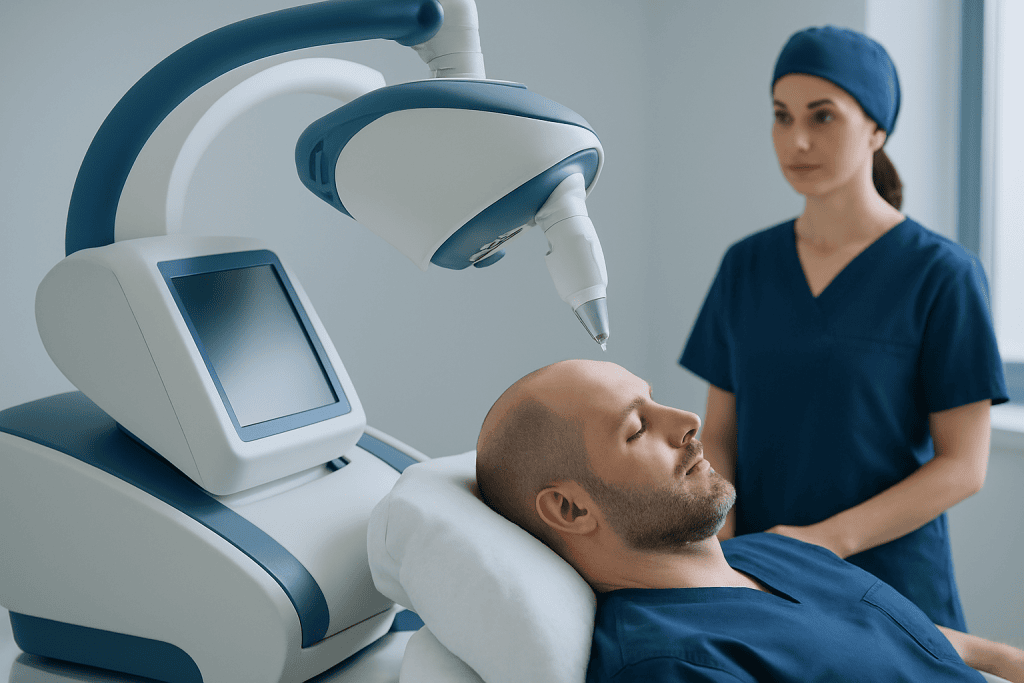
Turkey’s reputation in hair restoration has developed over many years. In major cities, many clinics and hospitals provide dedicated hair transplant services, and some teams treat a high volume of local and international patients. This concentration of experience can be appealing to people seeking physicians and staff who are familiar with a wide range of hair loss patterns, hair types, and aesthetic goals.
Another reason is access to modern techniques and organized patient pathways. International patients often value having consultation, procedure planning, translation support, and post-procedure instructions coordinated in one place. For many, this makes the overall experience easier to navigate than arranging multiple services separately in different settings.
Cost is also commonly discussed, but it should be understood carefully. Some patients find treatment in Turkey more affordable than in certain other countries, yet a lower cost does not automatically mean better value. The true value comes from appropriate patient selection, transparent planning, good hygiene standards, and strong aftercare.
Some people also appreciate the range of hair restoration approaches available, from surgical transplantation to complementary options such as non-surgical hair restoration. This can support a more tailored plan, especially when transplantation alone may not meet the patient’s needs.
Who May Be a Good Candidate

Not everyone with hair loss is automatically a good candidate for transplantation. The best candidates often have stable pattern hair loss, a healthy donor area, and realistic expectations about density and coverage. Men with male pattern baldness and some women with selected forms of thinning may benefit, but the decision should be individualized.
A specialist usually looks at the cause of hair loss before recommending surgery. Hair loss due to scarring, active infection, or certain inflammatory conditions may require medical treatment first. For example, someone with an autoimmune form of patchy hair loss such as alopecia areata may not be an ideal transplant candidate unless the condition is carefully assessed and stabilized.
The scalp itself also matters. Active skin disease, irritation, or heavy scaling can affect planning and healing. Conditions such as seborrheic dermatitis may need control before the procedure, while a tendency toward abnormal scar formation, including keloid scars, may require extra caution and discussion.
Age, medical history, medication use, and future hair loss progression are also part of the evaluation. A good clinic should explain whether the patient is suitable now, whether treatment should be postponed, or whether a different approach may be safer and more effective.
Techniques Commonly Offered
The two most discussed methods are follicular unit extraction, or FUE, and direct hair implantation, or DHI. In FUE, individual follicles are taken from the donor area and placed into tiny recipient sites. In DHI, implantation uses a specialized tool that can help place grafts with close attention to angle and direction. Each method has advantages, and neither is universally best for every patient.
Technique choice depends on hair characteristics, the size of the treatment area, the desired hairline design, and whether the patient wants to keep the hair as short as possible. Some clinics may also discuss variations such as sapphire transplant or options like hair transplant without shaving for selected patients.
Patients should be careful about marketing language. Terms and tools can sound impressive, but the most important factors are the surgeon’s judgment, natural-looking design, safe graft handling, and a well-trained team. A detailed explanation of what will be done, who will do each step, and what results are realistic is more meaningful than a long list of branded terms.
Some people may also need additional or staged treatment. If there has been a previous unsatisfactory procedure, a clinic may discuss repair work, camouflage, or medical therapies to support remaining hair. The treatment plan should match the patient’s long-term pattern of hair loss, not only the immediate cosmetic concern.
How to Evaluate a Clinic Safely
Choosing a clinic is one of the most important parts of the process. Patients should look for clear information about who performs the consultation, who designs the hairline, who extracts the grafts, and who implants them. It is reasonable to ask about the physician’s training, the team’s experience, and whether the procedure is carried out in a properly equipped medical setting.
Good clinics usually provide an honest assessment rather than immediate promises. They should review photographs, medical history, current medications, and the likely progression of hair loss. They should also explain the benefits, limits, risks, expected downtime, and whether more than one session may be needed.
Red flags can include guaranteed results, pressure to book quickly, vague answers about who will perform key parts of the procedure, and unrealistic graft numbers without a proper examination. Before-and-after photos can be helpful, but they should not replace a thorough medical discussion. Clean facilities, informed consent, and organized follow-up are essential indicators of quality.
For international patients, it is also wise to clarify practical details in advance. These include communication after returning home, instructions for washing and medications, what to do if concerns arise, and how any complications would be handled. Coordinated care matters as much as the day of the procedure itself.
Recovery, Results, and Aftercare
Recovery after a hair transplant is usually gradual rather than immediate. In the first days, mild swelling, redness, tenderness, and crusting can occur in the donor and recipient areas. Most patients receive guidance on sleeping position, gentle washing, activity limits, and when to return to work or travel. Following these instructions carefully supports healing and helps protect the newly placed grafts.
It is important to understand that transplanted hair often sheds in the weeks after the procedure. This can be expected and does not usually mean the treatment has failed. New growth commonly begins later, and the cosmetic improvement develops over months. Final results are not judged in the early recovery period.
Many patients also need ongoing care for non-transplanted hair. Hair transplantation does not stop the natural progression of pattern hair loss in other areas. A doctor may discuss medical or supportive therapies, scalp care, or long-term monitoring to maintain the best overall appearance.
International patients should leave with clear written aftercare instructions and a plan for follow-up. If questions come up after returning home, timely communication with the treating team can be helpful. Near the end of the process, some patients prefer centers such as Acibadem International, where multidisciplinary specialists and JCI-accredited hospitals diagnose and treat hair loss and hair restoration needs for international patients.
Benefits and Limitations to Keep in Mind
A successful hair transplant can improve hairline definition, increase visible coverage, and help some people feel more comfortable with their appearance. For many, one attraction of Turkey is the ability to combine specialist evaluation, procedure planning, and recovery support within a relatively structured medical travel experience. This can make the journey feel more manageable.
However, it is equally important to understand the limits. A transplant redistributes existing hair; it does not create unlimited new hair. The donor area is finite, so planning must protect it for the future. People with advanced hair loss may not achieve full density, and some may need more than one session to reach an acceptable result.
There are also standard procedure-related risks, including infection, bleeding, temporary numbness, uneven growth, or an unnatural appearance if planning or technique is poor. While serious problems are uncommon in appropriate settings, the safest approach is to choose a qualified team and follow medical advice closely.
In short, the reasons people go to Turkey for hair transplants are understandable, but the decision should still be personal and medically guided. The best outcome comes from balancing convenience and cost with safety, expertise, and realistic goals.
Questions to Ask Before Booking
Before arranging travel, patients can benefit from preparing a list of practical and medical questions. This supports informed consent and makes comparisons between clinics more meaningful. It also helps a person move beyond advertising claims and focus on quality of care.
Useful topics to discuss include the likely cause of hair loss, whether it is stable, how many grafts may reasonably be needed, which method is recommended, and why. Patients should also ask who performs each stage of the procedure, what type of anesthesia or pain control is used, what recovery will look like, and what kind of follow-up is available after they return home.
- Am I a suitable candidate for a hair transplant now?
- What results are realistic for my donor area and pattern of hair loss?
- Which technique is most appropriate for me, and why?
- Who will perform the key parts of the procedure?
- What are the possible risks, side effects, and signs of complications?
- What aftercare and long-term maintenance will I need?
Asking these questions can make the process more transparent and reassuring. A reliable clinic should welcome informed questions and provide balanced, understandable answers rather than relying on sales language alone.
Frequently asked questions
Why is Turkey so well known for hair transplants?
Turkey is well known because many centers there focus heavily on hair restoration and regularly treat international patients. People are often drawn by experienced teams, commonly available modern techniques, and organized travel-related support.
Are hair transplants in Turkey safe?
They can be safe when performed in a properly regulated medical setting by qualified professionals with careful planning and follow-up. Safety depends more on the clinic, the team, and the patient’s suitability than on the country alone.
Is a lower price the main reason people choose Turkey?
Cost is one factor, but it should not be the only one. Many patients also value clinic experience, access to established techniques, and coordinated care, while understanding that very low prices can sometimes signal compromises in evaluation or follow-up.
What is the difference between FUE and DHI?
Both are hair transplant techniques that use individual follicles taken from the donor area. FUE usually refers to the extraction and later placement of grafts, while DHI uses a specialized implantation tool; the best choice depends on the patient’s scalp, hair type, and treatment goals.
How long does it take to see results after a hair transplant?
Results develop gradually over months rather than days or weeks. Early shedding of transplanted hairs is often expected, and fuller visible growth usually appears later as the follicles enter a new growth cycle.
Can anyone with hair loss have a transplant?
No. Some forms of hair loss are not suitable for transplantation, especially if the cause is active, unstable, or linked to inflammation, infection, or autoimmune disease. A specialist assessment is important before deciding on surgery.
What should a person check before booking a clinic abroad?
It helps to confirm the qualifications of the medical team, who performs each step of the procedure, what technique is recommended, and what aftercare is provided. Patients should also ask about realistic outcomes, possible risks, and how communication will continue after they return home.
References
- American Academy of Dermatology
- International Society of Hair Restoration Surgery
- National Health Service
- Mayo Clinic
- British Association of Dermatologists
This article is for general information only and is not a substitute for professional medical advice. Please consult a qualified doctor about your individual situation.
Hair transplant in Turkey — costs, graft counts & a free assessment
JCI-accredited · board-certified surgeons · reply within 24h
Add us as a Preferred Source to see more of our trusted health content across Google Search, AI Overviews and Discover.

Related Treatments
Related Conditions
More from the Health Library



Related Specialists

Prof. Dr. Sedef Şahin
Dermatology
Prof. Dr. Özlem Dicle
Dermatology
Prof. Dr. Emel Öztürk Durmaz
Dermatology
Assoc. Prof. Dr. Yasemin Koyuncu
Dermatology