Cervical Cancer Treatment
Cervical cancer treatment is individualized according to cancer stage, fertility goals, and overall health. Care may include surgery, radiation therapy, chemotherapy, targeted therapy, or combined approaches.

Quick answer
Cervical cancer is cancer that starts in the cervix, the lower part of the uterus, and most often follows persistent infection with high-risk HPV. Treatment depends on the stage: early tumours may be removed surgically, sometimes with fertility-sparing techniques, while larger or more advanced cancers are usually treated with combined radiation therapy, chemotherapy and internal brachytherapy, followed by structured long-term follow-up.
What Is Cervical Cancer?
Cervical cancer is cancer that begins in the cervix, the lower, narrow part of the uterus that connects to the vagina. It usually develops slowly, often over years, as cells on the surface of the cervix change from normal tissue to precancerous lesions and, in some cases, to invasive cancer. Most cervical cancers follow persistent infection with high-risk types of human papillomavirus, which is why screening can find the disease before it causes harm. Treatment ranges from surgery for small, early tumours to combined radiation and drug therapy for more advanced disease.
A diagnosis of cervical cancer can arrive with many emotions at once: fear, urgency, uncertainty, and a need to make decisions quickly but wisely. Beyond the diagnosis itself, most women want to know how treatment may affect fertility, sexual health, bladder and bowel function, menopause, work, family responsibilities and long-term quality of life. All of these questions are legitimate, and all of them belong in the treatment conversation from the beginning, not after the major decisions have already been made.
Cervical cancer is often treatable, especially when found early. Even in more advanced stages, carefully planned treatment can control the disease, reduce symptoms and help many patients live longer and better. The most appropriate approach depends on the stage, the size of the tumour, whether the cancer has spread to lymph nodes or other organs, your age and overall health, and whether preserving fertility is medically possible and personally important to you.
There is no single standard pathway that fits every patient. A small early-stage tumour may be treated with fertility-sparing surgery in carefully selected patients. A larger tumour may require radiation therapy combined with chemotherapy. Recurrent or metastatic cervical cancer may be managed with systemic therapies, chemotherapy, targeted therapy, immunotherapy in appropriate cases, alongside symptom-focused care. What matters is a precise plan built around the individual, not a template applied to everyone.
What causes cervical cancer?
The main cause of cervical cancer is persistent infection with high-risk types of human papillomavirus. Not every HPV infection causes cancer, many infections clear naturally without any treatment, but when a high-risk type persists in the cells of the cervix over years, it can drive precancerous changes that, left undetected, may progress to invasive cancer. Other factors can make this progression more likely: smoking, a weakened immune system, and precancerous lesions that go untreated because screening was missed or follow-up was interrupted. None of these factors causes cancer on its own in the way persistent HPV does, but each can tilt the balance, which is why cervical cancer prevention rests on two pillars: reducing HPV risk and detecting cell changes early through screening.
What is HPV?
HPV, or human papillomavirus, is a large family of very common viruses that infect skin and mucosal surfaces, including the cervix. Some types are classed as low-risk and are associated with benign changes such as genital warts. A smaller group of types is classed as high-risk because persistent infection with them can lead to precancer and cancer of the cervix, as well as some other cancers. Most people who are exposed to HPV never develop cancer: the immune system clears the majority of infections on its own. The problem is persistence. When a high-risk type remains active in cervical cells for years, it can gradually disrupt the way those cells grow and repair themselves, which is the biological starting point of most cervical cancers.
How do you get cervical cancer?
You get cervical cancer, in most cases, through a long chain of events that begins with a high-risk HPV infection acquired through intimate skin-to-skin or sexual contact, persists over years, causes precancerous changes in cervical cells, and finally progresses to invasive cancer. The disease is not inherited in most cases, and it is not caused by hygiene, contraception choices or anything a woman did wrong. Because the chain takes years to complete, there are many opportunities to interrupt it: HPV testing can identify persistent high-risk infection, Pap testing can identify abnormal cells, and treatment of precancerous lesions can stop progression before invasive cancer ever develops. This is what makes cervical cancer one of the most preventable and, when found early, most treatable cancers.
Can you get cervical cancer without HPV?
Yes, although it is uncommon. A small minority of cervical cancers, particularly certain adenocarcinomas, appear to develop independently of HPV infection. This matters for two reasons. First, a negative HPV test lowers risk considerably but does not make investigation of persistent symptoms unnecessary. Second, HPV-independent tumours can behave differently and may need particularly careful pathology review and treatment planning. For the great majority of patients, however, cervical cancer and high-risk HPV are closely linked, and the pathway of persistent infection followed by precancer remains the standard explanation of how the disease develops.
How common is HPV in women?
HPV in women is extremely common, so common that most sexually active people will encounter the virus at some point in their lives, usually without ever knowing it. In the great majority of cases the infection clears on its own within a couple of years and causes no lasting harm. What screening programmes look for is not the mere presence of HPV but persistent infection with high-risk types, because persistence is what raises the risk of precancerous change. This is why a positive HPV test result is not a cancer diagnosis. It is a signal to look more closely, usually with repeat testing or colposcopy, so that any cell changes can be found and managed early.
Does HPV cause symptoms?
HPV symptoms are usually absent altogether: most infections are silent, and the high-risk types most relevant to cervical cancer typically cause no symptoms at all while they are active. Some low-risk types cause visible genital warts, but these are not the types that lead to cervical cancer. The silence of high-risk HPV is exactly why screening matters so much. By the time a persistent infection has caused changes a woman can actually feel, abnormal bleeding, discharge, pelvic discomfort, the disease process may already have moved beyond the precancerous stage. Screening finds what symptoms cannot.
Can cervical cancer be prevented?
In many cases, yes, cervical cancer is widely regarded as one of the most preventable cancers, because the chain of events that leads to it can be interrupted at several points. HPV vaccination protects against the high-risk virus types responsible for most cervical cancers and is most effective when given before first exposure to the virus, which is why vaccination programmes focus on adolescents, though catch-up vaccination is offered in many settings. Regular screening with Pap and HPV testing detects persistent infection and abnormal cells long before invasive cancer develops, and treating high-grade precancerous lesions with a short excisional or ablative procedure stops progression in most women who complete follow-up. Not smoking supports the immune system’s ability to clear HPV and lowers the risk of persistent infection. None of these measures is a guarantee, vaccinated and screened women can still, rarely, develop cervical cancer, which is why screening continues to matter even after vaccination, and why symptoms should still be investigated even after normal screening results.
Cervical Cancer Symptoms
Cervical cancer symptoms often appear late, because early disease can develop silently. Many women feel entirely well while precancerous changes and even small invasive cancers are present, which is why Pap testing, HPV testing and follow-up of abnormal results carry so much weight. When symptoms do appear, they overlap with those of many benign conditions, and with other gynaecological cancers such as endometrial cancerso persistent or unexplained symptoms deserve proper medical assessment rather than self-diagnosis in either direction.
What are all the symptoms of cervical cancer?
The most frequently reported symptoms of cervical cancer include:
- Abnormal vaginal bleeding, including bleeding after sexual intercourse
- Bleeding between menstrual periods
- Bleeding after menopause
- Unusual or persistent vaginal discharge
- Pelvic pain or pain during intercourse
- Persistent lower back or leg pain in more advanced disease
In more advanced stages, some patients also notice urinary symptoms, bowel changes, swelling in the legs, fatigue, unintended weight loss, or anaemia related to ongoing blood loss. None of these symptoms proves cancer, most turn out to have other explanations, but persistence and lack of an obvious cause are the features that warrant investigation.
Are carcinoma of the cervix symptoms different from cervical cancer symptoms?
No, carcinoma of the cervix symptoms are the same as cervical cancer symptoms, because the two terms describe the same disease. “Carcinoma” is the medical term for cancers that arise from epithelial cells, and nearly all cervical cancers are carcinomas: squamous cell carcinoma arising from the surface cells of the cervix, or adenocarcinoma arising from its glandular cells. If your medical records mention “carcinoma of the cervix”, they are describing cervical cancer, and the same principles of staging, treatment and follow-up apply.
How do women usually find out they have cervical cancer?
Most women find out in one of two ways: through screening, before any symptoms exist, or through symptoms, most often abnormal bleeding, that lead to examination and biopsy. Personal accounts of “how I knew” vary enormously precisely because early cervical cancer so often causes nothing a woman can feel. Some patients describe bleeding after intercourse that they initially dismissed; others describe a routine Pap or HPV test result that arrived out of nowhere. The common thread is that the diagnosis is confirmed the same way in every case: not by symptoms, but by a biopsy examined by a pathologist. That is the point at which impressions end and facts begin.
Who May Need Cervical Cancer Treatment
Cervical cancer treatment may be needed when tests confirm invasive cancer of the cervix, or when a patient has high-risk findings that require surgical evaluation. Some patients are diagnosed after routine screening; others seek medical attention because of symptoms. The diagnostic pathway is stepwise and logical, and understanding it helps you follow your own results:
- Pelvic examination and screening review. The clinician examines the cervix and reviews your Pap and HPV testing history.
- Colposcopy. If screening is abnormal, the cervix is examined under magnification and small tissue samples may be taken.
- Biopsy. Pathology confirms whether abnormal cells are precancerous or cancerous, and identifies the cancer type.
- Staging investigations. If cancer is confirmed, imaging defines its extent: pelvic MRI, CT, PET-CT, and in some cases cystoscopy, proctoscopy or examination under anaesthesia.
- Fitness assessment. Blood tests assess anaemia, kidney function, liver function and overall readiness for treatment.
Different clinical situations lead to different treatment discussions. A woman with a small early tumour may be referred for surgery. A patient with a larger cervical mass may need combined radiation and chemotherapy. Someone with suspicious lymph nodes may require additional imaging or tailored radiation fields. A patient who hopes for future pregnancy may need assessment for fertility-sparing options, where medically appropriate. A patient whose cancer has returned after prior treatment needs a detailed review of pathology, imaging and previous therapies before any new plan is developed.
Many patients also seek a second opinion at one of these decision points, after receiving the diagnosis, after being told a hysterectomy is needed, or after being advised to start radiation and chemotherapy. A structured second opinion can confirm staging, clarify whether fertility preservation is realistic, weigh surgery against chemoradiation for a borderline case, and identify whether additional molecular or biomarker testing might change the systemic therapy options. Sometimes a second opinion confirms the original plan; sometimes it refines it. Either outcome leaves the patient better informed.
Conditions and Indications Cervical Cancer Treatment Addresses
Cervical cancer care covers different cancer types, stages and clinical scenarios. The most common types are squamous cell carcinoma and adenocarcinoma. Less common types, adenosquamous carcinoma, neuroendocrine tumours and other rare cervical malignancies, may require specialised planning and closer multidisciplinary review, because their behaviour and treatment sensitivity can differ from the common types.
Treatment may be recommended for microinvasive cervical cancer, early-stage cancer confined to the cervix, locally advanced cancer involving nearby tissues or lymph nodes, recurrent cervical cancer, and metastatic disease that has spread to distant organs. Treatment is also used to manage cancer-related problems in their own right: bleeding, pain, pressure on the urinary tract, and pelvic discomfort can all be reduced by well-targeted therapy even when the primary goal is disease control rather than curative treatment.
Preinvasive cervical disease, cervical intraepithelial neoplasia, or CIN, is a separate category with a different treatment logic. High-grade precancerous lesions may be treated with excisional or ablative procedures to prevent progression to invasive cancer. If invasive cancer is found during the evaluation of a precancerous lesion, the plan changes fundamentally and formal staging becomes essential before anything further is done.
The factors that shape treatment recommendations include tumour size, depth of invasion, lymphovascular space involvement, lymph node status, extension into the vagina or parametrial tissues, involvement of the bladder or rectum, distant spread, and any prior treatments. Fertility goals matter too. In carefully selected early-stage cases, fertility-sparing procedures may be considered; if the cancer is larger, more deeply invasive, or carries higher-risk features, more extensive treatment is usually the safer oncological choice, and an honest team will say so plainly rather than leave the trade-off unspoken.
Because cervical cancer affects young women as well as postmenopausal women, planning often involves conversations about reproductive options, ovarian function, sexual health, body image and long-term follow-up. These are not secondary concerns to be raised after treatment is finished. They belong in the planning discussion, alongside the scans and the pathology, because they influence which of several oncologically sound options fits your life best. The same principle applies across gynaecological oncology, including ovarian cancer, where treatment decisions similarly balance disease control against function and quality of life.
How Cervical Cancer Treatment Is Performed
Cervical cancer treatment begins with accurate staging and careful preparation. Before a plan is finalised, the medical team reviews biopsy results, imaging, examination findings, medical history, prior surgeries, current medications, fertility preferences and general health. Pathology may be re-examined to confirm the cancer type and key features such as depth of invasion. Imaging defines the tumour’s size and whether lymph nodes or distant organs are involved. Getting this foundation right is not bureaucracy: it determines whether the treatment that follows is the right one.
Preparation also includes organising the paper trail. If earlier biopsies, surgery or imaging were done at another hospital, gathering the pathology reports and slides, imaging files, medication lists and prior treatment summaries before the planning consultation reduces uncertainty and helps avoid unnecessary repeat tests. When additional investigations are needed, they can then be scheduled in a coordinated way so that recommendations are made without avoidable delay.
Surgical Treatment
Surgery is the mainstay for early-stage cervical cancer, and the specific procedure depends on stage, tumour size, reproductive goals and risk factors. A cone biopsy removes a very small cancer together with a cone-shaped portion of cervical tissue; in carefully selected cases it can be both diagnostic and therapeutic. A simple hysterectomy removes the uterus and cervix and may be appropriate for certain very early cancers. A radical hysterectomy removes the uterus, cervix, surrounding tissues and part of the upper vagina, usually together with assessment of nearby lymph nodes.
For selected patients who wish to preserve fertility, radical trachelectomy may be considered. This procedure removes the cervix and nearby tissues while preserving the uterus, keeping future pregnancy possible. It is only appropriate for specific early-stage cancers and requires careful counselling about cancer safety and the risks that a subsequent pregnancy would carry. Not every patient is a candidate, and a responsible surgical team will weigh fertility goals against oncological risk openly rather than promise what the tumour biology cannot support.
Minimally invasive techniques may be used in some gynaecological procedures, while open surgery may be recommended in others, depending on tumour characteristics and evidence-based safety considerations: this is an area where the evidence has genuinely shaped practice, and the recommended approach should be explained, not assumed. Before surgery, the team discusses the rationale for the chosen approach, the expected hospital stay, anaesthesia, possible complications, recovery time, and the possibility that final pathology results may indicate a need for additional treatment afterwards.
Radiation Therapy and Brachytherapy
Radiation therapy is a central treatment for locally advanced cervical cancer, and for some patients after surgery when risk factors are found in the pathology. External beam radiation therapy directs carefully planned radiation to the pelvis: the cervix, uterus, surrounding tissues and lymph node regions when indicated. Planning uses imaging to map the tumour and the nearby organs at risk, including the bladder, rectum, bowel and kidneys, so that the cancer receives an effective dose while healthy tissue is spared as much as possible.
Brachytherapy is internal radiation therapy, and it is a critical component of curative-intent treatment for many patients with cervical cancer, not an optional extra. During brachytherapy, applicators are placed in or near the cervix and uterus so that radiation is delivered directly to the tumour area. This geometry allows a high dose to reach the cancer while limiting exposure to surrounding organs in a way external radiation alone cannot match. Brachytherapy is usually delivered over several sessions and requires genuine expertise: imaging, applicator placement, treatment planning, anaesthesia or sedation where appropriate, and attentive supportive care around each session.
Chemotherapy, Targeted Therapy and Immunotherapy
Chemotherapy is often given alongside radiation to make cancer cells more sensitive to treatment: an approach called concurrent chemoradiation, which is standard for much locally advanced disease. In recurrent or metastatic cervical cancer, chemotherapy is used as systemic treatment to reach cancer cells throughout the body. Treatment cycles are planned around the specific regimen, blood counts, kidney function, side effects and response, and adjusted as the picture evolves.
Targeted therapy may be used in selected cases, based on disease stage, prior treatment, tumour characteristics and general health. Immunotherapy may also be appropriate for some patients, depending on biomarker testing and treatment history. These therapies are not suitable for everyone, and it would be misleading to present them as universal options, but in specific cervical cancer settings they have become genuinely important, and molecular and biomarker testing can help identify the patients most likely to benefit. This is one of the strongest arguments for thorough pathology review before systemic treatment begins.
Technology Used in Diagnosis and Treatment Planning
Modern cervical cancer care relies on high-quality imaging, pathology, radiation planning systems, image guidance and laboratory testing. MRI defines the local extent of disease in the pelvis with particular clarity. PET-CT or CT helps evaluate lymph nodes and possible distant spread. Advanced radiation planning shapes treatment around the tumour while protecting nearby organs, and image-guided brachytherapy supports precise applicator placement and dose planning. Pathology and biomarker testing confirm the tumour type and, in selected cases, guide systemic therapy decisions.
It is worth being clear about what technology is and is not. These tools do not replace clinical judgement; they inform it. The most effective care comes from combining accurate diagnostics, experienced interpretation, skilled treatment delivery, and ongoing adjustment based on how you actually respond, not from any single machine.
How long does cervical cancer treatment take?
The duration varies widely with the treatment type. A diagnostic excision or early surgical procedure may involve a short hospital stay or an outpatient pathway, followed by several weeks of recovery. A radical hysterectomy usually requires a longer recovery period, with a gradual return to normal activity. Chemoradiation typically extends over several weeks, with brachytherapy sessions integrated into the overall schedule. Systemic therapy for recurrent or metastatic disease is delivered in cycles and may continue for as long as it is helping and side effects remain manageable.
Recovery follows the treatment. After surgery, patients may experience fatigue, pelvic discomfort, temporary bladder changes, constipation, and limits on lifting and sexual activity while tissues heal. After radiation and chemotherapy, common effects include fatigue, nausea, diarrhoea, urinary irritation, skin sensitivity, vaginal dryness or narrowing, and changes in blood counts. Many of these effects can be managed with medication prescribed by the treating team, nutrition support, hydration, pelvic care and close monitoring, and long-term follow-up remains essential afterwards, to detect any recurrence, manage late effects, and support sexual, urinary, bowel and emotional health.
Why Acting Early Matters
Cervical cancer is generally more treatable when diagnosed and managed at an earlier stage. Delaying evaluation after abnormal bleeding, an abnormal Pap test, a positive high-risk HPV test or a suspicious biopsy gives the cancer time to grow deeper into the cervix or spread to nearby tissues and lymph nodes. As the stage advances, treatment usually becomes more complex, and combined therapies may be needed where surgery alone might once have sufficed.
Early action also preserves options. In selected early-stage cases, fertility-sparing treatment may be possible; if the tumour grows or spreads, that door may close permanently. Prompt evaluation likewise reduces the risk of complications that make everything harder, severe anaemia from ongoing bleeding, kidney problems from urinary tract obstruction, escalating pelvic pain, or emergency presentations that force rushed decisions.
Acting early does not mean rushing into treatment before you understand the plan. It means obtaining accurate staging, expert review and timely decision-making, in that order. A well-organised expert review can confirm whether a proposed treatment is appropriate and whether any additional tests should be completed before therapy begins, without adding weeks of avoidable delay.
Benefits of Cervical Cancer Treatment
The benefits of treatment depend on the stage of disease and the approach chosen, but the central goals are consistent: control of the cancer, relief of symptoms, and preservation of function and quality of life wherever possible.
| Benefit | What It Means for You |
|---|---|
| Treatment planned to the cancer stage | Your care is based on tumour size, spread, pathology, imaging and overall health rather than a one-size-fits-all approach. |
| Curative intent in earlier stages | When cervical cancer is found early, surgery or combined treatment can be planned with the goal of removing or eliminating the disease. |
| Fertility discussion when appropriate | Selected patients with early disease may be evaluated for fertility-sparing options, with clear counselling about safety and future pregnancy considerations. |
| Control of bleeding, pain and pelvic symptoms | Treatment can reduce cancer-related symptoms and help restore daily comfort and function. |
| Access to combined therapies | Surgery, radiation therapy, brachytherapy, chemotherapy, targeted therapy or immunotherapy can be combined when medically indicated. |
| Long-term follow-up and survivorship care | Monitoring after treatment helps detect recurrence, manage late effects, and support sexual, urinary, bowel and emotional health. |
Recovery Timeline After Cervical Cancer Treatment
Recovery varies by treatment type, cancer stage and general health, but most patients find it helpful to understand the typical pattern of healing and follow-up before treatment begins, so that ordinary effects do not come as a shock.
| Time Period | What Patients Can Expect |
|---|---|
| Day 1 | After surgery, monitoring focuses on pain control, bleeding, urination and mobility. During chemotherapy or radiation, the first day centres on treatment delivery, instructions and side effect prevention. |
| First week | Fatigue, pelvic discomfort, urinary changes, constipation, nausea or mild bowel changes may occur depending on the treatment. The care team adjusts medications and advises on activity, diet and hydration. |
| First month | Surgical healing continues and activity increases gradually. Patients receiving chemoradiation may notice cumulative fatigue, bowel or bladder irritation, and blood count changes that need monitoring. |
| After treatment completion | Symptoms usually improve gradually, though fatigue can take time to resolve. Follow-up visits assess healing, treatment response, vaginal and pelvic health, and any late side effects. |
| Longer term | Surveillance continues with pelvic examinations, imaging when indicated, and support for sexual health, menopause symptoms, urinary or bowel function, emotional recovery and return to normal life. |
Factors That Influence Outcomes and a Good Result
Outcomes in cervical cancer are shaped by both medical and personal factors, and stage at diagnosis is among the most important. Cancers confined to the cervix generally offer better treatment possibilities than cancers that have spread to lymph nodes or distant organs. Tumour size, depth of invasion, lymphovascular space involvement, cancer type, margin status after surgery and response to chemoradiation all affect prognosis and the need for further therapy.
Accurate staging is essential, and errors in either direction carry a cost. Understaging can lead to insufficient treatment; overstaging can expose a patient to side effects she did not need to bear. High-quality MRI, CT, PET-CT when indicated, expert pelvic examination and careful pathology review together define the true extent of disease. For patients who have already had surgery or biopsy elsewhere, reviewing the original pathology and imaging is often an important, sometimes decisive, part of planning.
The completeness and timing of treatment matter as well. In locally advanced cervical cancer, completing radiation, chemotherapy and brachytherapy on a coordinated schedule is associated with better disease control. Interruptions are sometimes medically necessary, but the team’s job is to prevent the avoidable ones, and good supportive care for nausea, dehydration, low blood counts, diarrhoea, pain and urinary symptoms is precisely what keeps patients on schedule safely.
General health influences both treatment choice and recovery. Kidney function matters when certain chemotherapy drugs are considered. Anaemia may need correction before or during treatment. Diabetes, heart disease, previous abdominal or pelvic surgery, inflammatory bowel disease and autoimmune conditions can all affect planning. Smoking impairs healing and can worsen treatment side effects; stopping is strongly encouraged, and support for doing so is a legitimate part of cancer care.
Finally, a good result is not measured only by scans and pathology reports. It also includes your ability to recover function, maintain dignity, understand what follow-up requires, and get help for effects that can feel difficult to raise. Vaginal dryness, pain with intercourse, early menopause, urinary urgency, bowel changes, fatigue, anxiety and fear of recurrence are all valid medical concerns, not private burdens. Addressing them is part of comprehensive cervical cancer care, not an afterthought.
Is cervical cancer curable?
Cervical cancer found at an early stage is often treated with curative intent, and many patients remain free of disease after treatment. In locally advanced disease, combined chemoradiation with brachytherapy is also given with curative intent for many patients. When cancer has spread widely or returned after prior treatment, the honest framing shifts: treatment aims to control the disease, extend life and protect its quality, and for some patients that control lasts a long time. No responsible clinician can promise a particular outcome for an individual, because prognosis depends on stage, tumour biology, treatment completeness and response, which is exactly why accurate staging and expert planning matter so much at the start.
What is the survival rate for cervical cancer?
Survival varies widely by stage, which is why published figures are always grouped by how far the cancer had spread at diagnosis. National cancer registries publish these stage-specific figures, and the consistent pattern across them is the one that matters practically: outcomes are substantially better when cervical cancer is found while still confined to the cervix than after it has spread to lymph nodes or distant organs. Population statistics also describe groups, not individuals: your own outlook depends on your stage, tumour type, general health and response to treatment, and it is a conversation to have with your treating team once staging is complete rather than a number to look up.
How Acibadem Organises Cervical Cancer Care
Cervical cancer care is rarely a decision made by one physician in isolation, and at Acibadem it is not organised that way. Patients are evaluated by specialist teams that may include gynaecologic oncologists, radiation oncologists, medical oncologists, radiologists, pathologists, nuclear medicine specialists, anaesthesiologists, fertility experts, oncology nurses, dietitians, psychologists and rehabilitation professionals, working within the group’s wider oncology and cancer treatment services.
Treatment recommendations are based on evidence-informed protocols and adapted to each patient’s diagnosis, stage, goals and medical condition. Complex cases may be discussed in multidisciplinary tumour boards, where specialists review the imaging, pathology, staging and treatment sequencing together before major decisions are made. For a patient, this means the plan has been examined from several expert perspectives, surgical, radiation and systemic, rather than reflecting a single department’s default.
Technology supports this work at every stage. Imaging systems help define the tumour and evaluate lymph nodes or distant disease. Radiation planning and image-guided treatment techniques deliver radiation with attention to the nearby organs. Brachytherapy planning supports precise internal radiation for appropriate patients, and pathology and biomarker testing identify the tumour type and, in selected cases, guide systemic therapy options. These capabilities matter most when they are integrated into one coherent plan rather than used piecemeal.
Personalised planning is the thread through all of it. A young patient with early-stage disease and a strong wish for future pregnancy needs a different discussion from a postmenopausal patient with locally advanced disease. A patient with recurrence after prior radiation needs particularly careful review of previous dose records and remaining options. A patient with metastatic disease needs systemic therapy planning, symptom control and an honest discussion of realistic goals. The approach is to align medical evidence with the individual’s needs, values and circumstances, and where a second opinion is sought, to structure it properly: confirmation of the diagnosis, review of the stage, assessment of surgery versus chemoradiation, evaluation of fertility-sparing possibilities, and review of systemic options.
Moving Forward After a Cervical Cancer Diagnosis
Cervical cancer treatment is a major medical journey, and the plan that carries you through it should rest on careful staging, experienced interpretation and honest discussion of your goals. Whether you are newly diagnosed, weighing a recommended hysterectomy, comparing surgery against chemoradiation, or facing recurrent disease, the questions worth understanding early are consistent: What is my exact stage, and what evidence supports it? Which treatments are appropriate for that stage, and why this one? What will treatment mean for fertility, hormones, sexual health and daily function? What does follow-up look like, and for how long?
Good answers to those questions are specific, not reassuring in the abstract. They name the stage, explain the trade-offs between options, acknowledge uncertainty where it genuinely exists, and set out a follow-up schedule rather than a vague promise of monitoring. A treatment plan you understand is easier to complete, easier to recover from, and easier to live with afterwards, and understanding it is not a luxury. It is part of the treatment.
Preparation
- Evaluation usually includes pelvic examination, biopsy review, imaging, blood tests, and staging to plan treatment. Patients should share medications, allergies, previous treatments, and fertility preferences with the care team. Smoking cessation and nutrition optimization may be recommended before therapy begins.
Aftercare
- Follow-up visits monitor treatment response, manage side effects, and check for recurrence. Patients may need pelvic exams, imaging, laboratory tests, and supportive care after treatment. Sexual health, fertility, menopause symptoms, and emotional wellbeing should be discussed with the medical team.
Frequently Asked Questions
What affects the cost of cervical cancer treatment?
The main factors are the extent of disease, the required diagnostic tests, the type of treatment, hospital stay, medication plan, radiotherapy needs, pathology review, and follow-up schedule. Travel, accommodation, interpreter support, and medical report translation may also affect the overall budget.
How can I get a personalised quote for cervical cancer treatment in Turkey?
You can request a free consultation and share your medical reports, biopsy results, imaging, previous treatment details, and current symptoms. A specialist team can review the information and prepare a personalised care plan and quote based on your needs.
Does a cervical cancer treatment package include every possible cost?
Packages usually include defined services such as consultation, selected tests, hospital services, and planned treatment components. Items outside the initial plan, such as additional imaging, unexpected hospital stay, extra medications, or new pathology findings, may change the final cost.
Why can costs change after the first evaluation?
Costs may change if further staging tests are needed, if pathology review alters the diagnosis, if the treatment plan changes from surgery to combined therapy, or if additional supportive care is required. Your team should explain any changes before proceeding whenever possible.
Is the lowest-cost option always the best choice?
Not necessarily. Cervical cancer care should be planned around safety, cancer control, fertility goals, specialist expertise, hospital quality processes, and continuity of follow-up. This information is general and is not medical or financial advice; a specialist consultation is needed for personal guidance.
Medically reviewed by the Acıbadem International Medical Board August 30, 2026
See our medical review board →
Update history
- PublishedJune 6, 2026
- Medical review approvedAugust 30, 2026
- Last content updateSeptember 8, 2026
References3
- Cervical Cancer Treatment (PDQ) – Patient Version cancer.gov
- Cervical Cancer medlineplus.gov
- Cervical cancer nhs.uk
Trusted care for international patients
From the Acibadem Blog
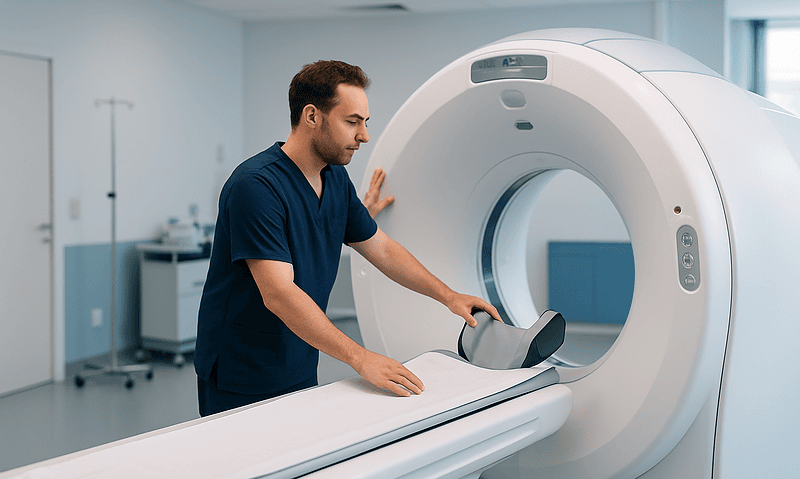
Brachytherapy for Cervical Cancer: How Internal Radiation Sessions Are Delivered
Brachytherapy for cervical cancer delivers radiation from a sealed source placed inside the uterus and vagina through a hollow applicator. Each session usually involves…
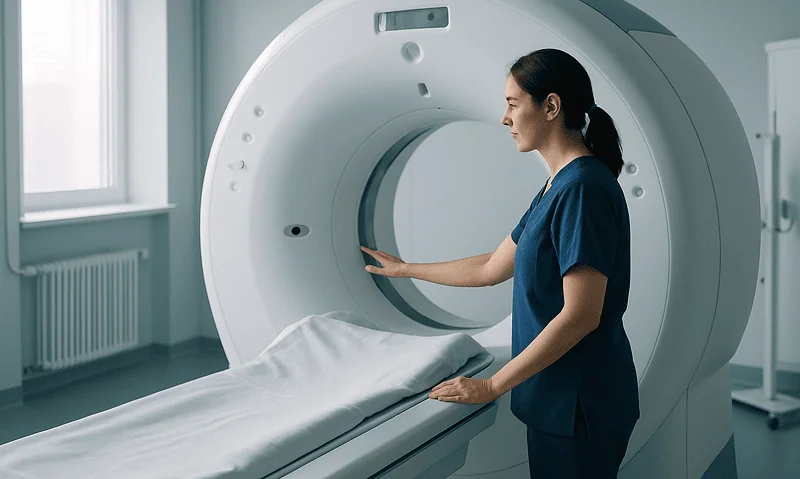
Radiation for Cervical Cancer: Expected Side Effects and the Signs That Need a Call
Radiation for cervical cancer commonly causes tiredness, loose stools or diarrhea, bladder irritation, skin soreness in the groin and buttocks, and vaginal discharge or…

How Cervical Cancer Treatment Is Chosen: Stage, Fertility Goals and Overall Health
Cervical cancer treatment is chosen mainly by stage: very small early tumors may be removed with a cone biopsy or hysterectomy; larger early tumors…