Gastric Bypass
Gastric bypass is a bariatric surgery that reduces stomach size and reroutes digestion to support significant weight loss and improvement of obesity-related metabolic conditions.
Quick answer
Gastric bypass is a bariatric operation that creates a small stomach pouch and reroutes food past most of the stomach and the first part of the small intestine. It reduces how much you can eat and changes gut hormones that regulate hunger and blood sugar. It is usually performed laparoscopically, under general anaesthesia, for adults with severe obesity or obesity-related disease.
Gastric Bypass in Turkey: What This Bariatric Surgery Involves
Gastric bypass is a bariatric surgery that reduces your stomach to a small pouch and reroutes food past the remaining stomach and the first section of the small intestine. The operation helps the body lose a significant amount of excess weight and can improve obesity-related conditions such as type 2 diabetes, high blood pressure and sleep apnoea. It is intended for adults with clinically significant obesity, usually after supervised diets, medication and structured weight-loss programmes have not produced lasting results.
If you are researching this operation, you have probably been through the familiar cycle already: medically supervised diets, exercise plans, structured programmes, perhaps weight-loss medication. Weight came off, then came back. Many people at this stage are also living with type 2 diabetes, high blood pressure, sleep apnoea, joint pain, fatty liver disease, infertility concerns or reduced mobility. Beyond the medical list, obesity affects energy, travel, work, relationships and confidence in ordinary daily life. None of that makes you a failed dieter. It makes you someone dealing with a chronic disease that rarely responds durably to willpower alone.
It is normal to feel both hopeful and anxious at this point, particularly if you are considering treatment abroad, and Turkey is one of the destinations international patients weigh up most often for gastric bypass. The questions patients ask are remarkably consistent: is the operation safe, how much weight might I lose, will my diabetes improve, how will eating change, and what does life look like months or years afterwards. These are the right questions. Gastric bypass is not a cosmetic procedure and it is not a quick fix. It is a metabolic and bariatric operation designed to treat a chronic condition, and it delivers its best results when it sits inside a longer programme of careful evaluation, personalised nutrition planning and long-term follow-up. The surgery is a tool. What you and your care team do around it determines what the tool achieves.
What is gastric bypass surgery?
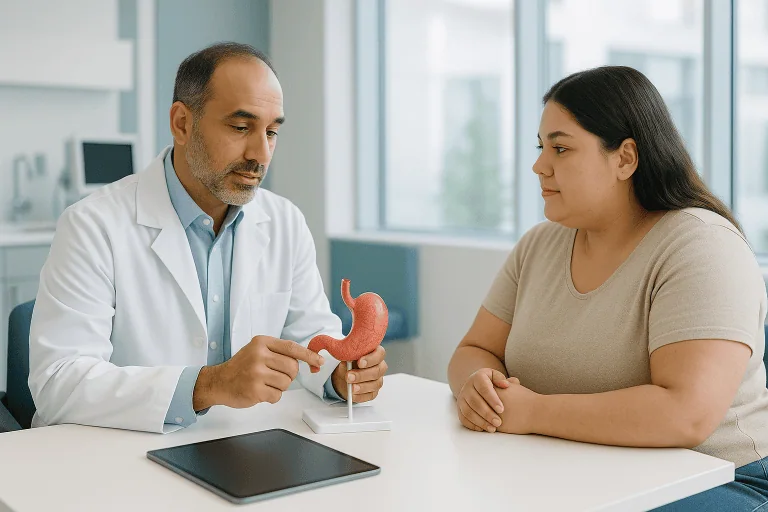
Gastric bypass surgery is an operation that creates a small pouch from the upper part of your stomach and connects it directly to the small intestine, so that food bypasses the rest of the stomach and the first segment of the intestine. The most common version is the Roux-en-Y gastric bypass, named after the Y-shaped arrangement of the reconnected bowel. The pouch limits how much you can eat in one sitting; the rerouted intestine changes how nutrients are absorbed and how gut hormones signal hunger, fullness and blood sugar control. Those three effects together are what make the operation work.
Is gastric bypass reversible?
Technically it can be reversed, but you should treat it as permanent. Nothing is removed during a gastric bypass, the larger part of the stomach and the bypassed intestine remain inside the body, so the anatomy can, in principle, be restored. In practice, reversal is a complex operation reserved for rare medical situations, and revision to a different configuration is only considered in selected cases after careful assessment. The honest framing is this: gastric bypass makes lasting anatomical changes, and the decision should be made as a long-term commitment to a different way of eating, drinking, supplementing vitamins and attending follow-up care, not as something to try and later undo.
How Gastric Bypass Works
Gastric bypass supports weight loss through three mechanisms operating at the same time. First, the small stomach pouch holds far less than the original stomach, so you feel full on small portions. Second, because food skips the remaining stomach and the first section of the small intestine, the absorption and processing of nutrients changes. Third, and in many ways most important, the rerouting alters gut hormones that influence appetite, satiety, insulin sensitivity and blood sugar regulation. This hormonal effect is why gastric bypass is often described as metabolic surgery rather than simply weight-loss surgery, and why blood sugar control in some patients with type 2 diabetes begins to change early after the operation, before major weight loss has taken place.
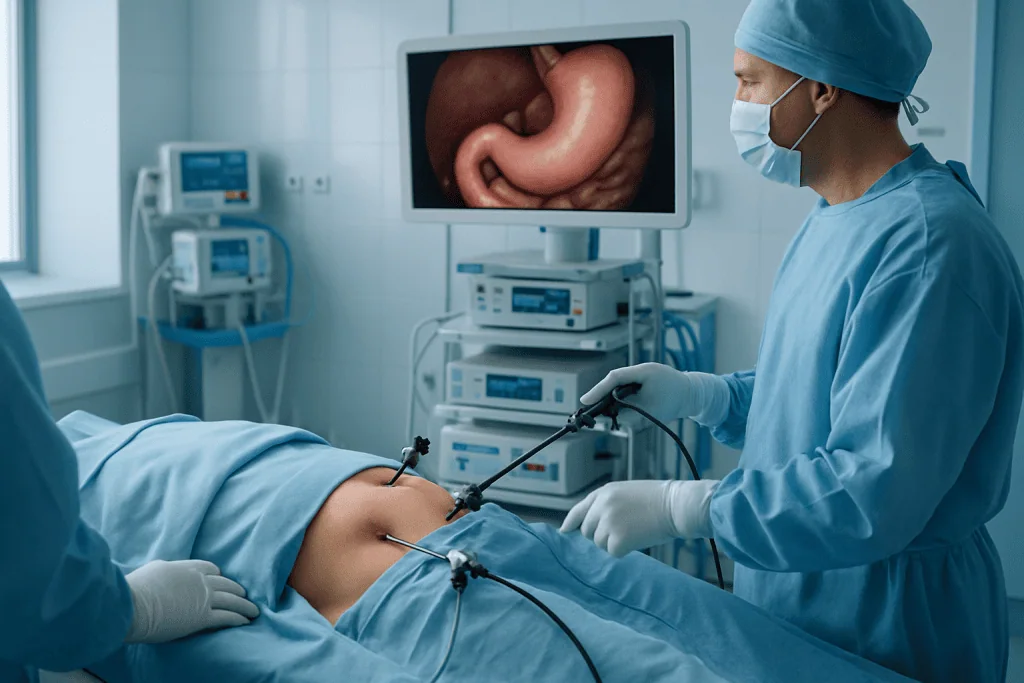
The operation is almost always performed using minimally invasive techniques, most often laparoscopically: the surgeon works through several small incisions using a camera and specialised instruments, watching a magnified view on high-definition monitors. If you want more detail on how keyhole abdominal operations work in general, see gastric laparoscopic surgery. In selected cases, robotic-assisted surgery may be used, depending on your anatomy, your medical needs and the surgical team’s judgement. The purpose of the minimally invasive approach is smaller incisions, less postoperative discomfort and a shorter hospital recovery than traditional open surgery, although the choice of technique always follows safety and anatomy, never preference alone.
One point worth holding onto: the exact lengths of intestine used and the configuration of the connections are decided according to your anatomy, your metabolic needs and accepted surgical principles. There is no single template applied to every patient, which is one of the reasons a thorough preoperative evaluation matters as much as the operation itself.
Who Is a Candidate for Gastric Bypass?
Gastric bypass is considered for adults with clinically significant obesity, particularly when excess weight comes with metabolic or mechanical health problems. It is commonly recommended at a high body mass index, especially when obesity-related conditions are already present. Some patients qualify at a lower body mass index if they have serious metabolic disease such as type 2 diabetes, international treatment guidelines allow for this, and the decision is always individual, never made on weight alone.
Patients who explore this operation usually describe a recognisable pattern: weight regain after every non-surgical attempt, difficulty controlling appetite, early fatigue with physical activity, or limits imposed by back, knee or hip pain. Others arrive after a diagnosis, type 2 diabetes, sleep apnoea, high blood pressure, fatty liver disease. Some have been told to lose weight before another treatment can go ahead: joint replacement, fertility care, hernia repair or other planned surgery.
A complete evaluation comes before any decision. That typically means a review of your weight history, previous weight-loss attempts, current medications, nutritional status and obesity-related diseases. The team may request blood tests, metabolic assessment, cardiology or pulmonology review, sleep apnoea screening, abdominal imaging or endoscopy where needed. Psychological or behavioural assessment is often part of the process too, not as a barrier, but to identify support needs and prepare you for the lifestyle changes ahead. In a structured bariatric and metabolic surgery unit, this work is deliberately multidisciplinary, because the risks that matter most are found before the operation, not during it.
Certain findings tilt the choice of procedure. Patients with significant gastro-oesophageal reflux disease, for example, may be better suited to gastric bypass than to some other bariatric options, though this depends on endoscopic findings, anatomy and surgeon judgement. And not everyone with obesity needs or is suitable for a bypass at all. Some people are better served by medical weight management, anti-obesity medication, a sleeve procedure or a different operation. Others need their heart, lung, endocrine or psychological health optimised before surgery can be performed safely. The right answer comes from a structured, evidence-based assessment, not from a number on the scales.
Conditions Gastric Bypass Can Address
Gastric bypass treats obesity itself and aims to improve, or reduce the future risks of, the conditions that commonly travel with excess weight. The degree of improvement varies by patient, disease duration, baseline health and adherence to follow-up. Some conditions may respond quickly after surgery; others change gradually as weight falls. Common indications and related conditions include:
- Severe obesity that has not responded durably to non-surgical weight-loss methods.
- Type 2 diabetes, particularly when improved blood sugar control is a major treatment goal.
- High blood pressure and other cardiovascular risk factors associated with obesity.
- Obstructive sleep apnoea, snoring and poor sleep quality related to excess weight.
- High cholesterol or triglycerides and broader metabolic syndrome.
- Fatty liver disease, including metabolic dysfunction-associated steatotic liver disease, managed as part of a wider metabolic plan.
- Joint pain and reduced mobility caused by excess body weight, especially in the knees, hips, feet and spine.
- Gastro-oesophageal reflux disease in selected patients, where bypass is considered advantageous compared with some other bariatric operations.
- Fertility and hormonal concerns related to obesity, including polycystic ovary syndrome in some patients.
- Preparation for other medical treatmentorthopaedic surgery, transplant evaluation or fertility care, when weight reduction is medically recommended first.
The pattern to notice: severe obesity is not simply a matter of body size. It is a chronic disease that can affect nearly every organ system, and it can increase the risk of cardiovascular disease, stroke, certain cancers, osteoarthritis, infertility and reduced life expectancy. That is why the operation is offered as medical treatment, not as an aesthetic choice.
Gastric Bypass or Gastric Sleeve: How the Two Operations Differ
A gastric sleeve, also called sleeve gastrectomy or stomach sleeve gastrectomy, permanently removes a large portion of the stomach to create a narrow tube, while gastric bypass leaves the whole stomach in the body but reroutes food around most of it. Both are established operations, and bariatric surgery is not one procedure but a family of them, each with different strengths. The sleeve does not reroute the intestine, so nutrient absorption changes less and the operation is technically simpler. The bypass reroutes the intestine, produces a stronger hormonal and metabolic effect in many patients, and is generally considered the better option when significant reflux disease is present: a sleeve can worsen reflux in some people.
Which suits you depends on endoscopic findings, diabetes status, eating patterns, previous abdominal surgery and anatomy, which is precisely why the assessment stage exists. You can read about the sleeve in detail on our gastric sleeve surgery page, and if the recovery experience is your main concern, the guide comparing gastric bypass vs gastric sleeve recovery sets out what differs and what does not.
There is also a variant worth knowing about: the mini gastric bypass, which uses a longer pouch and a single intestinal connection rather than two. It is a genuine bariatric operation in its own right, with its own trade-offs, and some surgeons prefer it for selected patients. Again, the choice belongs to the evaluation, not to the brochure.
How Gastric Bypass Is Performed
Preparation before surgery
Preparation starts with a multidisciplinary evaluation. The bariatric surgeon reviews your medical history, previous abdominal operations, weight trajectory and treatment goals. A dietitian assesses your eating patterns, protein intake, hydration, vitamin status and readiness for the staged diet that follows the operation. Depending on your health, endocrinology, cardiology, pulmonology, gastroenterology, anaesthesia and psychology specialists may all be involved.
Testing is tailored to you rather than run from a fixed menu. Blood tests look for anaemia, vitamin deficiencies, kidney and liver function, blood sugar control, thyroid function and other metabolic factors. Endoscopy may be recommended to examine the oesophagus, stomach and upper intestine, particularly if reflux, gastritis, ulcers or previous stomach conditions are suspected. Imaging, electrocardiography, echocardiography, sleep studies or pulmonary function tests are added when clinically indicated.
Many patients follow a short preoperative nutrition plan, often called a liver-shrinking diet, that reduces calories and carbohydrates and increases protein. A smaller liver gives the surgeon safer access to the upper stomach during keyhole surgery. You will also be asked to stop smoking and limit alcohol before the operation. Medication planning matters here: diabetes medicines, blood pressure drugs and blood thinners all need advance planning around surgery, and every adjustment is decided by your treating doctors, never on your own initiative.
The day of the operation
Gastric bypass is performed under general anaesthesia, and the sequence is well established:
- Step 1: Anaesthesia and positioning. Once you are asleep, monitoring of breathing, circulation, temperature, clot prevention and fluid balance continues throughout the operation.
- Step 2: Access. The surgeon makes several small incisions in the abdomen. A tiny camera provides a magnified view, and specialised instruments work around the stomach and small intestine with precision.
- Step 3: Creating the pouch. Stapling systems divide the upper stomach to form the small pouch that will hold your meals from now on.
- Step 4: The two connections. The small intestine is divided; one connection (anastomosis) joins the new pouch to a segment of intestine, and a second reconnects the bypassed bowel lower down so digestive juices from the stomach, liver and pancreas can mix with food again.
- Step 5: Checks and closure. The team may use modern energy devices to control bleeding, and intraoperative checks, leak testing, perfusion assessment or advanced imaging where appropriate, to confirm the integrity and blood supply of the connections before closing the incisions.
How long it takes varies with body habitus, prior surgery, adhesions, liver size and whether additional procedures are needed. Many operations finish within a few hours, but the safest plan is never built around speed. The technology assists judgement; it does not replace it.
Immediately after surgery
You wake in a recovery area where nurses and physicians monitor breathing, pain, nausea, blood pressure, pulse and oxygen levels. Walking starts early, often within the first day, because movement reduces the risk of blood clots and supports your lungs. Small sips of clear fluid begin when the surgical team confirms it is safe. Hospital stay varies by patient and protocol; most people remain a short period so the team can watch hydration, pain control and fluid tolerance. Before discharge you receive detailed written instructions covering drinking, the eating stages, wound care, medications, activity limits, warning signs and follow-up appointments.
Diet progression and early recovery
Recovery is staged by design. The diet begins with liquids, moves to puréed foods, then soft foods, and eventually to small portions of regular textures. Protein is emphasised at every stage because it supports healing, preserves muscle and keeps you satisfied. Hydration matters just as much, but you must sip slowly rather than drink large volumes at once: the pouch will not accept them.
Because gastric bypass changes nutrient absorption, lifelong vitamin and mineral supplementation is required. That usually means a bariatric multivitamin plus additional nutrients such as vitamin B12, iron, calcium and vitamin D, adjusted according to your blood results and medical guidance. Regular follow-up blood tests exist to catch deficiencies early, when they are easy to correct. Light daily activities resume relatively soon; heavy lifting and strenuous exercise wait until the initial healing period has passed. Walking increases gradually, and structured exercise is reintroduced according to surgical advice, fitness and joint health.
Eating After Gastric Bypass
Eating changes permanently, in quantity, pace and pattern. Meals become small. You chew thoroughly, eat slowly, put protein first, stop when full rather than when the plate is empty, and separate fluids from meals when instructed. Grazing between meals works against the operation. These are learned habits, and the dietitian’s job in the first year is to help you build them until they stop feeling like rules.
What can you never eat again after gastric bypass?
Strictly speaking, there is no universal list of foods forbidden forever, but some foods will reliably punish you. High-sugar foods and drinks can trigger dumping syndrome: cramping, sweating, dizziness, nausea or diarrhoea soon after eating, as sugar rushes into the rerouted intestine. Unpleasant, though it also serves as a built-in signal to adjust what you eat. Fizzy drinks stretch and irritate a small pouch, so most teams advise dropping them. Tough, dry meats, doughy bread and rice sit badly for many patients, especially in the first months. Alcohol is absorbed faster and hits harder after a bypass, so genuine caution is standard advice. The honest answer, then: tolerance is individual and evolves over the first year, but the foods most patients permanently minimise are the sugary and carbonated ones, because the new anatomy itself objects to them.
Recovery Timeline After Gastric Bypass
Every recovery is individual, but most patients move through a recognisable pattern of healing, diet progression and increasing activity.
| Time Period | What You Can Expect |
|---|---|
| Day 1 | Monitoring in hospital, early walking, pain and nausea control, breathing exercises and small sips of fluid once the surgical team approves. |
| First week | Hydration and liquid nutrition, gentle walking, incision care, and learning which signs need medical attention. |
| First month | Gradual progression from liquids to puréed and soft foods, rising protein intake, medication adjustments by your doctors, and a return to light routines as advised. |
| Months 3 to 6 | Steady weight loss, improving activity tolerance, ongoing dietitian support, vitamin supplementation and follow-up laboratory testing. |
| Longer term | Weight stabilises gradually, eating patterns become established, and lifelong monitoring guards against deficiencies and supports durable results. |
Potential Benefits of Gastric Bypass
The benefits are best understood as medical, functional and lifestyle changes that develop with surgery plus sustained follow-up, not as automatic consequences of the operation alone.
| Benefit | What It Means for You |
|---|---|
| Significant weight loss | Patients commonly lose a substantial portion of excess weight over time, which can improve mobility, stamina and daily comfort. |
| Improved blood sugar control | Many patients with type 2 diabetes need fewer medications after surgery, and some experience marked improvement, particularly with early intervention and ongoing care. |
| Reduced cardiovascular risk factors | Blood pressure, cholesterol and inflammatory markers may improve as weight decreases and metabolism changes. |
| Better sleep and breathing | Weight loss can reduce the severity of obstructive sleep apnoea and improve energy, though sleep studies and device adjustments may still be needed. |
| Less pressure on joints | A lower body weight eases stress on knees, hips, feet and spine, making movement and exercise more achievable. |
| Structured long-term health support | Bariatric follow-up monitors nutrition, reinforces habits and identifies medical issues before they become serious. |
What Shapes a Good Outcome
A successful gastric bypass is built from more than the operation. Surgical technique matters, but long-term results depend on patient selection, preparation, follow-up and daily behaviour. A good outcome means meaningful weight loss, improvement in obesity-related disease, acceptable safety, nutritional stability and better function in everyday life, all of them, not just the number on the scales.
Your starting health is the first factor. Age, body mass index, diabetes duration, insulin use, sleep apnoea severity, heart and lung function, liver health and prior abdominal surgery all influence surgical planning and recovery. A complex medical history does not rule you out, but it may require extra evaluation and optimisation before the operation can go ahead safely.
Adherence to the nutrition plan is the second. High-protein meals, slow eating, careful chewing and avoiding constant grazing are central to lasting results. Sugary foods and drinks that trigger dumping symptoms are uncomfortable, but they are also feedback, pointing to the dietary adjustment that is needed.
Vitamin and mineral management is the third. Deficiencies can appear months or years after surgery if supplements lapse or follow-up tests are missed. Iron, vitamin B12, vitamin D and calcium are the usual suspects the bariatric team watches. Caught early, all are straightforward to treat; caught late, they cause real problems.
Physical activity is the fourth. Exercise supports weight maintenance, cardiovascular health, muscle preservation and mood. You do not need to become an athlete: you need a plan you can sustain. Walking, resistance training, swimming, cycling or supervised exercise may each be appropriate depending on your joints and fitness.
Emotional and behavioural support can matter just as much. Bariatric surgery changes appetite, body image, social eating and sometimes relationships. Some patients need help with stress eating, alcohol use, depression, anxiety or expectations about the pace of weight loss. The strongest programmes treat these as part of medical care, not as personal failure. And finally, long-term follow-up is the clearest difference between a procedure and a treatment programme: regular reviews of weight trends, nutrition, medications, laboratory results, reflux symptoms, bowel habits and mental health create the opportunities to intervene early if weight regain, food intolerance or deficiency appears.
Why Acting Early Matters
Delaying treatment can allow obesity-related conditions to become harder to reverse. Type 2 diabetes, for instance, may be more likely to improve when intervention comes before the pancreas has lost substantial insulin-producing capacity. High blood pressure, sleep apnoea, fatty liver disease and joint degeneration also tend to progress with time rather than pause.
Waiting can narrow your options, too. Advanced heart disease, severe lung disease, kidney impairment or complex liver disease raise surgical risk and demand more extensive preparation. Worsening joint pain reduces mobility, which makes both preoperative conditioning and postoperative activity harder. And repeated cycles of loss and regain wear on mental health in ways that are easy to underestimate.
Acting early does not mean rushing into an operating theatre. It means seeking a proper medical evaluation once obesity is affecting your health or quality of life, so that modifiable risks can be identified, medical conditions optimised, procedures compared honestly, and a plan built around your goals and your safety profile, whatever that plan turns out to be.
How Much Is Gastric Bypass Surgery?
There is no honest single figure, and this page will not invent one. The cost of bariatric surgery depends on the country, the hospital, the surgeon’s assessment of your individual case, the preoperative tests you need, the length of your hospital stay and, critically, what a quoted package actually includes. Two quotes that look far apart on paper can describe very different amounts of care.
Before comparing any figures, check what sits inside them. Does the quote cover the full preoperative evaluation and testing, or only the operation? Is the anaesthesia team included? How many nights in hospital? Is dietitian support part of the programme, and for how long? Are follow-up blood tests included, and what happens, practically and financially, if a complication needs treatment? A low headline price that excludes these items is not comparable with a complete programme price. The cost that matters is the cost of the whole pathway, from first assessment to stable follow-up, not the cost of the hours in theatre.
Coming to Turkey for Gastric Bypass: Planning as an International Patient
Travelling for a gastric bypass adds a planning layer on top of the medical decision, and it rewards patients who think the whole journey through rather than just the flight out.
What does a typical care pathway cover?
A well-run international pathway usually begins before travel, with a review of your medical history, weight records, current medications, laboratory results and any prior endoscopy or imaging reports, so the team can assess whether you are a likely candidate and what testing will be needed on arrival. In Turkey itself, the pathway typically covers the in-person evaluation and preoperative tests, the operation, the hospital stay, and at least one review with the surgical team before you are cleared to travel home. Interpretation support and coordination between departments are part of what a structured international programme should provide, so that language never stands between you and your own clinical information.
How long should you plan to stay?
Long enough for the team to confirm you are healing well and tolerating fluids before you fly, not merely long enough for the operation. Long flights soon after abdominal surgery raise blood-clot considerations, so the timing of your return journey is a clinical decision your surgical team makes with you, along with the precautions to take on board. The practical questions are similar across bariatric procedures; our guide on how long to stay in Turkey after gastric sleeve surgery walks through the same planning logic in detail.
What happens after you go home?
Continuity is where travelling patients most often stumble, so plan it before you leave. Before discharge, you should receive written medical information, dietary instructions, medication guidance and follow-up recommendations in a form your doctors at home can use. Arrange ongoing care with a physician and dietitian in your own country for laboratory monitoring, supplement management and long-term support. Gastric bypass keeps working best when the surgical programme abroad and your local healthcare providers are aligned: the operation happens in Turkey; the follow-up lasts a lifetime, wherever you live.
Gastric Bypass at Acibadem
Acibadem hospitals in Turkey provide bariatric care within a large healthcare group experienced in treating patients from many countries across Europe, the Middle East, the United States and beyond. The approach to gastric bypass starts with individualised assessment: you are evaluated not only by weight, but by metabolic health, previous treatments, anatomy, nutrition, lifestyle, medication use and personal goals. Where needed, cases are reviewed with endocrinologists, gastroenterologists, cardiologists, pulmonologists, anaesthesiologists, dietitians and psychologists, so that risks are identified before surgery and the treatment plan follows evidence-based bariatric protocols.
Modern diagnostic pathways support safe decision-making: advanced laboratory testing, endoscopic assessment, abdominal imaging, cardiopulmonary review and sleep apnoea screening are used according to your needs. In the operating room, minimally invasive equipment, high-resolution visualisation, advanced energy systems and secure tissue-joining techniques help the surgeon work through small incisions while carefully assessing anatomy and the surgical connections. Experienced physicians sit at the centre of this care, but the team around them carries much of the outcome: dietitians who guide the preoperative diet and every phase after surgery, nurses who manage early mobility, wound care and symptom recognition, and anaesthesiology teams who plan specifically for patients with sleep apnoea, diabetes, hypertension or other obesity-related risks.
Acibadem International, the group’s international patient division, supports patients before, during and after travel, medical record coordination, appointment scheduling, language interpretation, hospital admission support and communication with clinical teams. For someone receiving complex care far from home, these details reduce confusion and free you to concentrate on the medical decisions. And because some patients need a bypass primarily for diabetes, others for reflux relief or mobility, and some are better candidates for a different procedure altogether, a responsible programme explains those distinctions plainly, expected benefits, risks, the lifestyle changes required, and the follow-up you will need to maintain in your home country.
Deciding Well
Gastric bypass can be a powerful treatment for obesity and related metabolic disease. It is also a serious, lasting medical decision, and the right choice depends on your health profile, your expectations, your risk factors and your readiness for permanent change. A thorough evaluation, built on your full records, weight history, medications, laboratory results and any prior endoscopy or imaging, is what allows a qualified bariatric team to answer the questions that actually matter: whether you are a candidate, which risks are specific to your case, what your recovery will realistically look like, and what follow-up your life after surgery will require. Wherever you have that evaluation, insist on those answers before anything else.
Preparation
- Before gastric bypass, patients undergo a detailed bariatric evaluation including blood tests, imaging or endoscopy when needed, anesthesia assessment, and nutrition counseling. A pre-operative diet may be recommended to reduce liver size and surgical risk. Patients are usually advised to stop smoking, avoid certain medications, and follow fasting instructions before surgery.
Aftercare
- After surgery, patients follow a staged diet starting with liquids and gradually progressing to soft and solid foods under dietitian guidance. Lifelong vitamin and mineral supplementation, regular follow-up visits, and gradual physical activity are important. Patients should report fever, severe abdominal pain, persistent vomiting, or signs of dehydration promptly.
Frequently Asked Questions
What affects the cost of gastric bypass?
Cost is influenced by the type of bypass, surgeon experience, hospital facilities, accreditation, pre-operative tests, anaesthesia, hospital stay, medications, specialist consultations and follow-up needs. Travel, accommodation and interpreter support may also affect the total for international patients.
How can I get a personalised quote for gastric bypass in Turkey?
A personalised quote usually requires a specialist review of your medical history, current weight status, previous treatments, test results and any obesity-related conditions. Acibadem International can arrange a free consultation to help estimate the appropriate treatment plan and package scope.
Are gastric bypass packages all-inclusive?
Package content varies by hospital and patient needs. A package may include consultations, pre-operative tests, surgery, hospital care, interpreter support and follow-up coordination, but some services may be separate if additional tests or treatments are needed.
Does accreditation affect the price?
Accreditation and hospital standards can influence cost because they reflect investment in safety systems, clinical protocols, staff training and quality monitoring. Patients should consider accreditation together with surgeon experience and bariatric programme structure.
Will I need long-term follow-up after gastric bypass?
Yes. Gastric bypass requires long-term medical, nutritional and lifestyle follow-up to monitor weight loss, vitamin levels, digestion, eating habits and obesity-related conditions. Your specialist will explain the follow-up plan before surgery.
Medically reviewed by the Acıbadem International Medical Board September 1, 2026
See our medical review board →
Update history
- PublishedJune 8, 2026
- Medical review approvedSeptember 1, 2026
- Last content updateSeptember 1, 2026
References1
- Gastric bypass surgery medlineplus.gov
Planning tools for this treatment
Indicative figures for orientation only: your written plan and quote follow a free medical review.
Trusted care for international patients
Compare options, costs and recovery
Gastric sleeve costsledger-based guide ranges, or browse the full Turkey Medical Price Index.
From the Acibadem Blog

How Long After Gastric Bypass Is Pregnancy Advised, and What Monitoring Does It Involve?
Most bariatric and obstetric guidance advises waiting about 12 to 18 months after gastric bypass before trying to conceive, so that rapid weight loss…

Why Does Dumping Syndrome Happen After Gastric Bypass, and How Can It Be Avoided?
Dumping syndrome after gastric bypass happens because food and sugary liquids move from the small stomach pouch straight into the small intestine without the…